列伝 · 巻 120
汲鄭列伝 汲鄭列傳
汲黯(あとから来た者が上に) 後來者居上
漢の武帝に面と向かって直言しつづけた臣下、汲黯の物語。汲黯は、火事の視察に送られると、途中で見た飢えた民を救うため、勝手に皇帝の命令を名のって倉を開き、「処罰してください」と申し出た。地方の長官になると、病気がちで部屋に寝てばかりいたのに、細かいことに口を出さずに大筋だけを見たので、一年あまりで東海郡はよく治まった。儒者を集めて理想の政治を語る武帝に「陛下は心の中に欲が多いのに、外では仁義をほどこそうとしておられる」と言い放ち、武帝を怒らせる。それでも武帝は「社稷の臣(国家を支える臣)に近い」と認め、冠をかぶらずに会うのをはばかるほどだった。法を細かく使う張湯をののしり、皇后の弟の大将軍衛青にも頭を下げなかった。かつての部下の公孫弘や張湯が自分を追い越して出世すると、「陛下の臣下の使い方は、薪を積むようなもの。あとから来たものが上に積まれます」と皮肉った。降伏した匈奴の渾邪王をもてなすために民を苦しめることにも反対し、一度は職を失ったが、晩年は淮陽の太守として「寝ていても治める」重みを買われた。司馬遷は最後に、権勢があるときは客が十倍になり、失えば門の外に雀取りの網が張れるほどになるという翟公の話を引いて、人情の薄さを嘆く。
この巻のうち「汲黯(あとから来た者が上に)」の場面を載せています。巻の全文ではありません。
音声
音声は合成音声です。
動画
節 1
原文
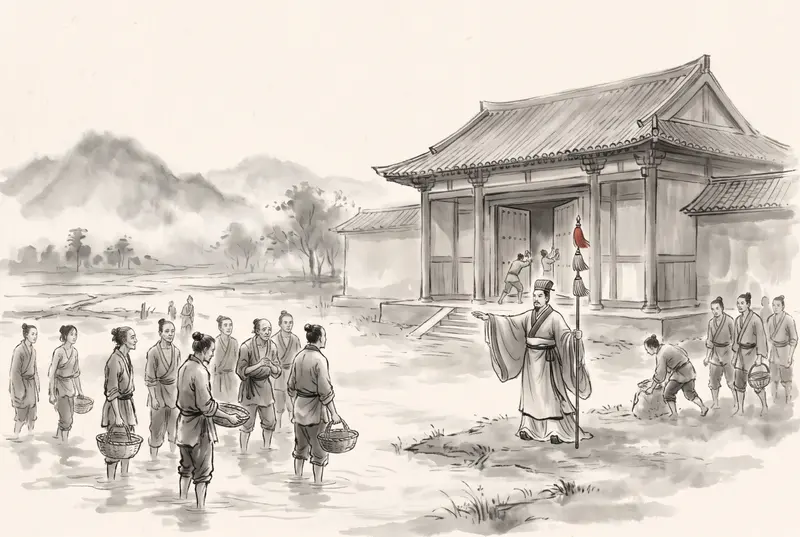
汲黯字長孺,濮陽人也。其先有寵於古之衛君。至黯七世,世為卿大夫。黯以父任,孝景時為太子洗馬,以莊見憚。孝景帝崩,太子即位,黯為謁者。東越相攻,上使黯往視之。不至,至吳而還,報曰:「越人相攻,固其俗然,不足以辱天子之使。」河內失火,延燒千餘家,上使黯往視之。還報曰:「家人失火,屋比延燒,不足憂也。臣過河南,河南貧人傷水旱萬餘家,或父子相食,臣謹以便宜,持節發河南倉粟以振貧民。臣請歸節,伏矯制之罪。」上賢而釋之,遷為滎陽令。黯恥為令,病歸田里。上聞,乃召拜為中大夫。以數切諫,不得久留內,遷為東海太守。黯學黃老之言,治官理民,好清靜,擇丞史而任之。其治,責大指而已,不苛小。黯多病,臥閨閤內不出。歲餘,東海大治。稱之。上聞,召以為主爵都尉,列於九卿。治務在無為而已,弘大體,不拘文法。
書き下し文
汲黯、字は長孺、濮陽の人なり。其の先古の衛君に寵有り。黯に至るまで七世、世々卿大夫たり。黯父の任を以て、孝景の時太子洗馬と為り、荘を以て憚らる。孝景帝崩じ、太子位に即く。黯謁者と為る。東越相攻む。上黯をして往きて之を視しむ。至らずして、呉に至りて還り、報じて曰く、「越人の相攻むるは、固より其の俗然り。以て天子の使いを辱むるに足らず」と。河内失火し、延焼すること千余家。上黯をして往きて之を視しむ。還りて報じて曰く、「家人の失火、屋比して延焼す。憂うるに足らざるなり。臣河南を過ぐるに、河南の貧人の水旱に傷つく者万余家、或いは父子相食む。臣謹みて便宜を以て、節を持して河南の倉粟を発して以て貧民を振う。臣請う、節を帰して、矯制の罪に伏せん」と。上之を賢として釈し、遷して滎陽の令と為す。黯令と為るを恥じ、病みて田里に帰る。上聞き、乃ち召して拝して中大夫と為す。数々切諫するを以て、久しく内に留まるを得ず、遷されて東海の太守と為る。黯黄老の言を学び、官を治め民を理むるに、清静を好み、丞史を択びて之に任ず。其の治は、大指を責むるのみにして、小を苛くせず。黯病多く、閨閤の内に臥して出でず。歳余にして、東海大いに治まる。之を称す。上聞き、召して以て主爵都尉と為し、九卿に列す。治は無為に務むるのみ。大体を弘めて、文法に拘らず。
現代語訳
汲黯は字を長孺といい、濮陽の人である。先祖は昔の衛の君主に重んじられ、汲黯まで七代、代々卿や大夫をつとめた家柄だった。汲黯は父の地位のおかげで、孝景帝の時代に太子洗馬(皇太子の侍従)となり、いかめしい態度でけむたがられた。孝景帝が亡くなり、太子(武帝)が即位すると、汲黯は謁者となった。東越の国々がたがいに攻め合っていたので、武帝は汲黯を視察に行かせた。汲黯は現地まで行かずに、呉まで行って引き返し、「越の者どうしが攻め合うのは、もともとの風習です。天子の使者がわざわざ行くほどのことではありません」と報告した。河内で火事があり、千軒あまりが燃え広がった。武帝は汲黯を視察に行かせた。汲黯は帰ってきて報告した。「民家の火事で、家が建てこんでいたので燃え広がったのです。心配するほどのことではありません。それより、わたしは河南を通ったとき、水害と日照りで苦しむ貧しい民が一万軒あまりもあり、なかには親子で食い合う者さえいました。わたしは慎んで、その場の判断で、使者のしるしの節を用いて河南の倉の穀物を出し、貧しい民を救いました。どうか節をお返しし、詔をいつわった罪に服させてください」。武帝は汲黯を賢いと思って許し、滎陽の県令に移した。汲黯は県令になったことを恥じ、病気だと言って郷里に帰った。武帝はそれを聞くと、呼びもどして中大夫に任じた。しかし汲黯は何度も激しくいさめたので、長く宮中にいられず、東海の太守に移された。汲黯は黄老の学を学び、役所を治め民を治めるのに清く静かなやり方を好み、すぐれた属官を選んで仕事をまかせた。汲黯の政治は大筋だけを求めて、細かいことにはうるさくなかった。汲黯は病気がちで、奥の部屋に寝たまま出てこなかったが、一年あまりで東海郡はよく治まり、人々は汲黯をたたえた。武帝はそれを聞くと、召し出して主爵都尉とし、九卿の列に加えた。汲黯の政治は、何もしないことに努めるだけで、大きな方針を広めて、法律の細かい文言にこだわらなかった。
英訳
Ji An, whose courtesy name was Changru, was a man of Puyang. His forefathers had been favourites of the ancient lords of Wei, and for seven generations down to Ji An they had been ministers and grandees. Because of his father's rank, Ji An became a companion of the crown prince under Emperor Jing, and was feared for his stern manner. When Emperor Jing died and the crown prince came to the throne, Ji An became an usher. When the states of Eastern Yue were fighting one another, the emperor sent Ji An to look into it. He did not go all the way; he went as far as Wu and came back, and reported: "The people of Yue fight one another because that is their custom. It is not worth troubling an envoy of the Son of Heaven." When a fire broke out in Henei and spread to more than a thousand houses, the emperor sent Ji An to look into it. He came back and reported: "A fire started in a house, and because the houses stood close together, it spread. It is nothing to worry about. But on the way I passed through Henan, where more than ten thousand poor families have suffered from floods and drought, and some fathers and sons are even eating each other. I took it upon myself to use the staff of my office to open the granaries of Henan and feed the poor. I ask to give back my staff and be punished for falsely claiming your authority." The emperor thought him a man of worth and pardoned him, and moved him to be magistrate of Xingyang. Ji An was ashamed to be a county magistrate, and went home to his village, pleading illness. When the emperor heard of it, he summoned him and made him a palace grandee. But because Ji An kept making blunt protests, he could not stay long at court, and was moved out to be governor of Donghai. Ji An had studied the teachings of the Yellow Emperor and Laozi. In running his office and governing the people he loved purity and quiet; he chose good assistants and left things to them. He asked only that the main lines be followed, and did not fuss over small things. Ji An was often ill, and lay in his private rooms without coming out; yet within a year or so Donghai was very well governed, and everyone praised him. When the emperor heard of it, he called him back and made him commandant of nobility, one of the nine great ministers. In government he aimed only at doing nothing: he held to the broad principles and was not bound by the letter of the law.
解説(日)
- 太子洗馬: 皇太子の外出の先導などをする侍従。
- 矯制: 皇帝の命令をいつわること。重罪だが、汲黯は民を救うためにあえて行い、自ら罰を求めた。
- 臥閨閤內不出: 奥の部屋に寝たまま出ない。それでも治まったのは、黄老の「無為」の政治による。
- 主爵都尉: 列侯の爵位をつかさどる大臣。
解説(英)
- Companion of the crown prince (太子洗馬): an attendant who rode before the heir on his outings.
- Falsely claiming your authority (矯制): a capital crime, which Ji An committed to save the starving and then confessed.
- Lay in his private rooms: yet the commandery was well run, a model of the "non-action" of the Yellow Emperor and Laozi.
英語の語注
- stern/stɜrn/adjective
serious and strict
本文では: “feared for his stern manner”
似た語と違い: severe — strict and serious · austere — plain and serious
- granary/ˈɡreɪnəri/noun
a building where grain is stored
本文では: “to open the granaries of Henan”
似た語と違い: storehouse — a building for storing goods · silo — a tall tower for grain
節 2
原文
黯為人性倨,少禮,面折,不能容人之過。合己者善待之,不合己者不能忍見,士亦以此不附焉。然好學,游俠,任氣節,內行修絜,好直諫,數犯主之顏色,常慕傅柏、袁盎之為人也。善灌夫、鄭當時及宗正劉棄。亦以數直諫,不得久居位。當是時,太后弟武安侯蚡為丞相,中二千石來拜謁,蚡不為禮。然黯見蚡未嘗拜,常揖之。天子方招文學儒者,上曰吾欲云云,黯對曰:「陛下內多欲而外施仁義,柰何欲效唐虞之治乎!」上默然,怒,變色而罷朝。公卿皆為黯懼。上退,謂左右曰:「甚矣,汲黯之戇也!」群臣或數黯,黯曰:「天子置公卿輔弼之臣,寧令從諛承意,陷主於不義乎?且已在其位,縱愛身,柰辱朝廷何!」
書き下し文
黯の人と為りや性倨にして、礼少なく、面折して、人の過ちを容るる能わず。己に合う者は善く之を待ち、己に合わざる者は忍びて見る能わず。士も亦た此を以て附かず。然れども学を好み、游侠にして、気節に任じ、内行修絜にして、直諫を好み、数々主の顔色を犯し、常に傅柏・袁盎の人と為りを慕う。灌夫・鄭当時及び宗正劉棄と善し。亦た数々直諫するを以て、久しく位に居るを得ず。是の時に当たり、太后の弟武安侯蚡丞相と為る。中二千石来たりて拝謁するも、蚡礼を為さず。然れども黯蚡に見ゆるに未だ嘗て拝せず、常に之に揖す。天子方に文学儒者を招く。上曰く「吾云云せんと欲す」と。黯対えて曰く、「陛下は内に多欲にして外に仁義を施す。奈何ぞ唐虞の治に效わんと欲するや」と。上默然として、怒り、色を変じて朝を罷む。公卿皆黯の為に懼る。上退きて、左右に謂いて曰く、「甚だしいかな、汲黯の戇なるや」と。群臣或いは黯を数む。黯曰く、「天子公卿輔弼の臣を置く。寧ろ従諛承意して、主を不義に陥れしめんや。且つ已に其の位に在り。縦い身を愛すとも、朝廷を辱むるを奈何せん」と。
現代語訳
汲黯は生まれつき傲慢で、礼儀に欠け、人の面前で非をとがめ、人の過ちを許すことができなかった。気の合う者にはよくしたが、気の合わない者には会うのもがまんできなかった。そのため士人たちもなつかなかった。しかし学問を好み、侠気があって節操を重んじ、身の行いは清く、まっすぐいさめることを好んで、何度も主君の顔色を変えさせた。いつも傅柏や袁盎の人柄を慕い、灌夫・鄭当時、宗正の劉棄と親しかった。この人たちもまた何度も直言したので、長く地位にとどまれなかった。このころ、太后の弟の武安侯田蚡が丞相となった。二千石の高官たちが来て拝礼しても、田蚡は礼を返さなかった。しかし汲黯は田蚡に会っても一度も拝礼せず、いつも軽く会釈するだけだった。武帝はそのころ、学問のある儒者たちを集めていた。武帝が「わたしは(古の聖王のような政治を)こうこうしたい」と言うと、汲黯は答えた。「陛下は心の中には欲が多いのに、外に向けては仁義をほどこそうとしておられます。どうして堯や舜のような政治をまねしようとなさるのですか」。武帝は黙りこみ、怒って顔色を変え、朝廷をお開きにした。大臣たちは皆、汲黯の身を案じた。武帝は奥へ下がると、側近に言った。「ひどいものだ、汲黯のばか正直ぶりは」。群臣のなかには汲黯を責める者もいた。汲黯は言った。「天子が公卿という補佐の臣を置かれたのは、こびへつらって主君を不義に落としこむためだろうか。それに、すでにその位にいるのだ。たとえわが身が惜しくても、朝廷を辱めるわけにはいかない」。
英訳
By nature Ji An was haughty and had few manners. He would criticise people to their faces, and could not overlook their faults. He treated those who agreed with him well, but could not bear even to see those who did not, and so men of learning did not attach themselves to him. Yet he loved learning, had the spirit of a knight-errant and held to his principles. His private life was pure, and he loved to protest openly, often offending his master's face. He always admired men like Fu Bai and Yuan Ang, and was a friend of Guan Fu, Zheng Dangshi and Liu Qi, the director of the imperial clan. They too, because they so often spoke their minds, could not keep their posts for long. At that time Tian Fen, Marquis of Wu'an, the empress dowager's brother, was chancellor. Officials of the two-thousand-dan rank came to bow before him, and he would not return their courtesy. But Ji An, whenever he met Tian Fen, never bowed; he only raised his joined hands. The emperor was just then inviting scholars of letters and Confucians to court. The emperor said: "I wish to do such and such." Ji An answered: "Your Majesty is full of desires inside, and shows humanity and justice outside. How can you hope to copy the rule of Yao and Shun?" The emperor fell silent. He was furious, his face changed colour, and he ended the audience. All the high ministers feared for Ji An. When the emperor withdrew, he said to the men around him: "How stupid that Ji An is!" Some of the ministers reproached Ji An. Ji An said: "The Son of Heaven appoints high ministers to help and support him. Are they there to flatter him and follow his every wish, until they lead their master into wrong? Besides, I hold my post now. Even if I care for my own life, what about the shame to the court?"
解説(日)
- 面折: 面と向かって相手の非をとがめること。「面折廷争」ともいう。
- 揖: 両手を胸の前で組んで軽く礼をすること。拝(ひざまずく礼)より軽い。
- 內多欲而外施仁義: 内心は欲が多いのに、表向きは仁義を行う。武帝の本質をついた言葉として名高い。
- 戇: ばか正直、融通がきかないこと。
解説(英)
- Criticise people to their faces (面折).
- Raised his joined hands (揖): a light salute, much less than a kneeling bow.
- "Full of desires inside, humanity and justice outside" (內多欲而外施仁義): a famous summing-up of Emperor Wu.
- Stupid (戇): stubbornly, foolishly honest.
この節から生まれた言葉: 内に多欲にして外に仁義を施す
英語の語注
- haughty/ˈhɔti/adjective
behaving as if you are better than others
本文では: “Ji An was haughty and had few manners”
似た語と違い: arrogant — too proud · proud — thinking well of yourself
- flatter/ˈflætər/verb
to praise someone too much to please them
本文では: “Are they there to flatter him”
似た語と違い: fawn on — try too hard to please · butter up — praise for gain (informal)
節 3
原文
黯多病,病且滿三月,上常賜告者數,終不愈。最後病,莊助為請告。上曰:「汲黯何如人哉?」助曰:「使黯任職居官,無以踰人。然至其輔少主,守城深堅,招之不來,麾之不去,雖自謂賁育亦不能奪之矣。」上曰:「然。古有社稷之臣,至如黯,近之矣。」
書き下し文
黯病多し。病且に三月に満たんとす。上常に告を賜うこと数々なるも、終に愈えず。最後に病み、荘助為に告を請う。上曰く、「汲黯は何如なる人ぞや」と。助曰く、「黯をして職に任じ官に居らしむれば、以て人に踰ゆる無し。然れども其の少主を輔け、城を守りて深堅なるに至りては、之を招けども来たらず、之を麾けども去らず。自ら賁・育と謂うと雖も、亦た之を奪う能わず」と。上曰く、「然り。古に社稷の臣有り。黯の如きに至りては、之に近し」と。
現代語訳
汲黯は病気がちで、病気の休みが三か月になろうとすると(三か月で免職になる決まりだったが)、武帝はたびたび特別に休暇を与えたが、いつまでもよくならなかった。最後に病気になったとき、荘助が汲黯のために休暇を願い出た。武帝が「汲黯とはどんな人物だろう」とたずねると、荘助は言った。「汲黯に職務をまかせて役所に置いても、とくに人より抜きんでたところはありません。しかし、幼い君主を補佐し、城を守るように固く節を守ることにかけては、招いても来ず、追い払っても去りません。孟賁や夏育のような勇士でも、その志を奪うことはできないでしょう」。武帝は言った。「そうだ。昔、社稷の臣(国家を支える臣)というものがあった。汲黯などは、それに近い」。
英訳
Ji An was often ill. Whenever his sick leave was about to reach three months, the emperor would grant him more leave, again and again, but he never got better. The last time he fell ill, Zhuang Zhu asked for leave on his behalf. The emperor said: "What sort of man is Ji An?" Zhuang Zhu said: "Put Ji An in an office and give him duties, and he is no better than anyone else. But when it comes to helping a young ruler, and holding firm like a city under siege, you could call him and he would not come, wave him away and he would not go. Not even a Meng Ben or a Xia Yu could shake him." The emperor said: "Yes. In ancient times there were ministers who were the pillars of the state. A man like Ji An comes close to them."
解説(日)
- 賜告: 病気の役人に特別の休暇を与えること。漢の決まりでは、病気の休みが三か月になると免職になった。
- 莊助: 嚴助とも書く。武帝の側近の文人。
- 賁育: 戦国時代の怪力の勇士、孟賁と夏育。
- 社稷之臣: 国家(社稷)の存亡をかけて仕える臣。君主個人ではなく国に忠誠をつくす者。
解説(英)
- Sick leave (賜告): under Han rules an official on sick leave for three months lost his post.
- Zhuang Zhu (莊助): also called Yan Zhu, a literary adviser of Emperor Wu.
- Meng Ben and Xia Yu (賁育): legendary strongmen.
- Pillars of the state (社稷之臣): ministers loyal to the state itself, not just to the ruler.
英語の語注
- sick leave/sɪk liv/noun
time away from work because of illness
本文では: “his sick leave was about to reach three months”
似た語と違い: medical leave — time off for illness · time off — a break from work
- shake/ʃeɪk/verb
to make someone less firm in their beliefs
本文では: “Not even a Meng Ben or a Xia Yu could shake him”
似た語と違い: weaken — make less strong · unsettle — make uncertain
節 4
原文
大將軍青侍中,上踞廁而視之。丞相弘燕見,上或時不冠。至如黯見,上不冠不見也。上嘗坐武帳中,黯前奏事,上不冠,望見黯,避帳中,使人可其奏。其見敬禮如此。張湯方以更定律令為廷尉,黯數質責湯於上前,曰:「公為正卿,上不能褒先帝之功業,下不能抑天下之邪心,安國富民,使囹圄空虛,二者無一焉。非苦就行,放析就功,何乃取斑皇帝約束紛更之為?公以此無種矣。」黯時與湯論議,湯辯常在文深小苛,黯伉厲守高不能屈,忿發罵曰:「天下謂刀筆吏不可以為公卿,果然。必湯也,令天下重足而立,側目而視矣!」
書き下し文
大将軍青侍中す。上廁に踞して之を視る。丞相弘燕見す。上或いは時に冠せず。黯の見ゆるが如きに至りては、上冠せずんば見えざるなり。上嘗て武帳の中に坐す。黯前みて事を奏す。上冠せず、黯を望み見て、帳中に避け、人をして其の奏を可とせしむ。其の礼を敬せらるること此くの如し。張湯方に律令を更定するを以て廷尉と為る。黯数々湯を上の前に質責して曰く、「公は正卿と為り、上は先帝の功業を褒むる能わず、下は天下の邪心を抑うる能わず、国を安んじ民を富まし、囹圄をして空虚ならしむる、二者一も無し。苦を非として行に就き、析を放ちて功に就く。何ぞ乃ち高皇帝の約束を取りて紛更するを為すや。公は此を以て種無からん」と。黯時に湯と論議す。湯の辯は常に文深小苛に在り。黯は伉厲にして高きを守り屈する能わず、忿発して罵りて曰く、「天下謂う、刀筆の吏は以て公卿と為すべからずと。果たして然り。必ず湯や、天下をして足を重ねて立ち、目を側めて視しめん」と。
現代語訳
大将軍の衛青が宮中に仕えていたとき、武帝は便所にしゃがんだまま会うこともあった。丞相の公孫弘がくつろいだ席で会うときも、武帝は冠をかぶっていないことがあった。ところが汲黯に会うときは、冠をかぶらずに会うことはなかった。あるとき武帝が武具を飾った帳の中に座っていると、汲黯が進み出て上奏しようとした。武帝は冠をかぶっていなかったので、汲黯の姿を見ると帳の奥に隠れ、人をやって上奏を許可させた。汲黯がどれほど敬われていたかは、このとおりである。張湯は法律を改める功で廷尉となっていた。汲黯は何度も武帝の前で張湯を問いつめた。「あなたは大臣となったのに、上は先帝の功業をたたえることもできず、下は天下の悪い心を抑えることもできない。国を安らかにし民を豊かにして、牢屋を空にするという二つのどちらもできていない。人を苦しめることを好み、法を細かく割って手柄にしている。どうして高皇帝が定めた決まりを、ごちゃごちゃと変えるのか。あなたはそのせいで子孫が絶えるだろう」。汲黯はときどき張湯と議論した。張湯の議論はいつも法の文言を深く細かく、きびしく突きつめるものだった。汲黯はたけだけしく高い志を守って譲らず、怒りを爆発させてののしった。「世間では、筆と小刀の役人を大臣にしてはならないと言うが、まったくそのとおりだ。張湯の思いどおりにさせたら、天下の人は足をすくめて立ち、横目でおそるおそる見るようになるだろう」。
英訳
When the great general Wei Qing was in attendance at the palace, the emperor would sometimes see him while squatting on the privy. When the chancellor Gongsun Hong came to see him privately, the emperor sometimes did not wear his cap. But when it came to seeing Ji An, the emperor would not see him without his cap. Once the emperor was sitting inside his armoured tent when Ji An came forward to present a memorial. The emperor was not wearing his cap. When he saw Ji An in the distance, he hid inside the tent and sent someone to approve the memorial. That is how much respect he showed Ji An. Zhang Tang had just become commandant of justice for his work in revising the laws and statutes. Ji An often took Zhang Tang to task in front of the emperor: "You are a high minister. Yet above, you cannot glorify the achievements of the late emperors, and below, you cannot check the wickedness of the realm. To make the state safe and the people rich, and leave the prisons empty: you have done neither. You do wrong by causing suffering, and you build your merit by splitting hairs. Why do you take the rules laid down by Emperor Gao and muddle them with changes? For this you will leave no descendants." From time to time Ji An argued with Zhang Tang. Zhang Tang always argued with deep and petty points of the law, while Ji An was fierce and lofty and would not give way. In the end he burst out in a rage and cursed him: "They say in the realm that clerks of the brush and the knife should never be made high ministers. How right they are! If Zhang Tang has his way, everyone in the realm will stand with his feet pressed together and look out of the corner of his eye."
解説(日)
- 武帳: 武器を飾った帳。
- 張湯: 武帝の時代の法律家で、酷吏の代表とされる。のちに御史大夫となったが、失脚して自殺した。
- 重足而立,側目而視: 足をすくめて立ち、横目で見る。恐れて身動きもできないさま。
- 刀筆吏: 文書と法律にくわしい役人(102-zhang-shizhi の章にも出る)。
解説(英)
- Armoured tent (武帳): a tent hung with weapons.
- Zhang Tang (張湯): Emperor Wu's great legal expert, remembered as one of the "harsh officials"; he later fell and killed himself.
- Stand with feet pressed together, look out of the corner of the eye (重足而立,側目而視): too frightened to move.
英語の語注
- memorial/məˈmɔriəl/noun
a formal written statement to a ruler
本文では: “to present a memorial”
似た語と違い: petition — a formal request · report — a written account
- curse/kɜrs/verb
to say angry, rude words to someone
本文では: “he burst out in a rage and cursed him”
似た語と違い: swear at — use bad words at · abuse — speak to rudely
節 5
原文
大將軍青既益尊,姊為皇后,然黯與亢禮。人或說黯曰:「自天子欲群臣下大將軍,大將軍尊重益貴,君不可以不拜。」黯曰:「夫以大將軍有揖客,反不重邪?」大將軍聞,愈賢黯,數請問國家朝廷所疑,遇黯過於平生。
書き下し文
大将軍青既に益々尊く、姊は皇后たり。然れども黯与に亢礼す。人或いは黯に説きて曰く、「天子群臣の大将軍に下らんことを欲してより、大将軍尊重にして益々貴し。君拝せざるべからず」と。黯曰く、「夫れ大将軍を以て揖客有らしむるは、反って重からずや」と。大将軍聞き、愈々黯を賢とし、数々国家朝廷の疑う所を請問し、黯を遇すること平生に過ぐ。
現代語訳
大将軍衛青はますます尊ばれ、姉は皇后となった。それでも汲黯は衛青と対等の礼で接した。ある人が汲黯に忠告した。「天子は群臣に大将軍の下に立たせようとしておられ、大将軍はますます重んじられています。あなたも拝礼しないわけにはいきませんよ」。汲黯は言った。「大将軍に、会釈だけですませる客がいるというのは、かえって大将軍の重みが増すことではないか」。大将軍はこれを聞くと、ますます汲黯を賢者だと思い、国や朝廷の疑問を何度もたずね、以前にもまして手厚く汲黯を遇した。
英訳
The great general Wei Qing grew ever more honoured, and his elder sister was empress. Yet Ji An still treated him as an equal. Someone urged Ji An: "Ever since the Son of Heaven made it plain that he wants all his ministers to defer to the great general, the great general has grown more honoured and more noble. You cannot go on without bowing to him." Ji An said: "If the great general has a guest who only raises his hands to him, does that not make him more respected?" When the great general heard of this, he thought Ji An all the more a man of worth. He often asked Ji An's advice on questions of state and court, and treated him better than ever.
解説(日)
- 衛青: 武帝の皇后衛子夫の弟で、匈奴を討った大将軍(111-wei-huo の章)。
- 亢禮: 対等の礼。
- 揖客: 拝礼せず会釈だけする客。大将軍に対等にふるまえる客がいることが、かえって大将軍の度量を示す、という汲黯の理屈。
解説(英)
- Wei Qing (衛青): brother of Empress Wei, the general who fought the Xiongnu (chapter 111).
- Treated him as an equal (亢禮).
- A guest who only raises his hands: Ji An argues that a great man is honoured by having guests who do not grovel.
英語の語注
- defer/dɪˈfɜr/verb
to accept someone else's higher position
本文では: “defer to the great general”
似た語と違い: yield — give way · bow to — accept the authority of
- equal/ˈikwəl/noun
a person of the same rank or importance
本文では: “Ji An still treated him as an equal”
似た語と違い: peer — someone of the same level · match — someone as good as another
節 6
原文
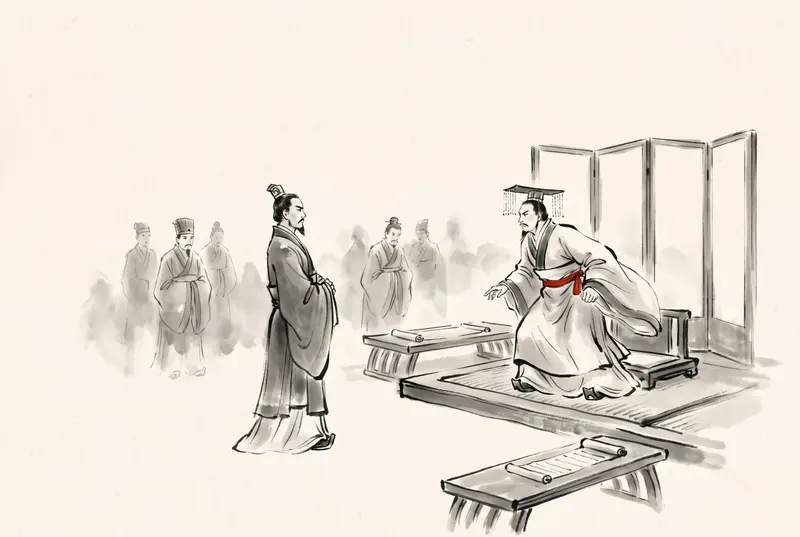
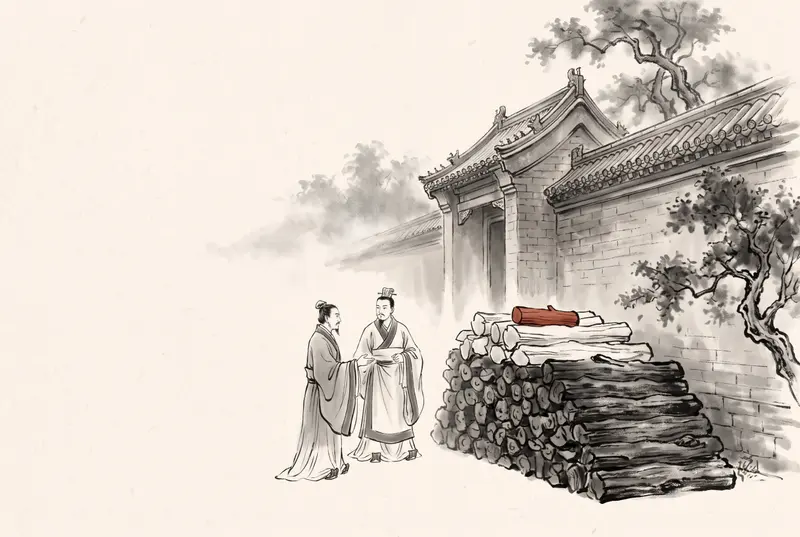
始黯列為九卿,而公孫弘、張湯為小吏。及弘、湯稍益貴,與黯同位,黯又非毀弘、湯等。已而弘至丞相,封為侯;湯至御史大夫;故黯時丞相史皆與黯同列,或尊用過之。黯褊心,不能無少望,見上,前言曰:「陛下用群臣如積薪耳,后來者居上。」上默然。有閒黯罷,上曰:「人果不可以無學,觀黯之言也日益甚。」
書き下し文
始め黯九卿に列するとき、而して公孫弘・張湯は小吏たり。弘・湯稍々益々貴く、黯と位を同じくするに及び、黯又弘・湯等を非毀す。已にして弘丞相に至り、封ぜられて侯と為る。湯御史大夫に至る。故の黯の時の丞相の史皆黯と列を同じくし、或いは尊用せらるること之に過ぐ。黯褊心にして、少しく望むこと無き能わず。上に見え、前みて言いて曰く、「陛下の群臣を用うるは薪を積むが如きのみ。后来の者上に居る」と。上默然たり。間有りて黯罷む。上曰く、「人は果たして以て学無かるべからず。黯の言を観るに日に益々甚だし」と。
現代語訳
汲黯がはじめて九卿の列に加わったころ、公孫弘や張湯はまだ下っぱの役人だった。公孫弘と張湯はしだいに出世して汲黯と同じ位になり、汲黯はそのころも二人を批判していた。やがて公孫弘は丞相にまで上って侯に封じられ、張湯は御史大夫にまでなった。かつて汲黯の下で丞相府の属官だった者たちも、皆汲黯と同じ位に並び、なかには汲黯より重く用いられる者もいた。汲黯は心が狭かったので、恨めしく思わずにはいられなかった。武帝に会ったとき、進み出て言った。「陛下の臣下の使い方は、薪を積むようなものです。あとから来たものが上になります」。武帝は黙っていた。しばらくして汲黯が退出すると、武帝は言った。「人はやはり学問がなくてはならない。汲黯の言うことを聞いていると、日ましにひどくなる」。
英訳
When Ji An first became one of the nine great ministers, Gongsun Hong and Zhang Tang were petty clerks. Little by little Gongsun Hong and Zhang Tang rose until they were equal to Ji An in rank, and Ji An went on running them down. Then Gongsun Hong became chancellor and was made a marquis, and Zhang Tang became grand secretary. Men who had been clerks in the chancellor's office in Ji An's day were now all of the same rank as Ji An, and some were trusted even more highly. Ji An was narrow-hearted and could not help feeling bitter. When he saw the emperor he came forward and said: "Your Majesty uses your ministers like a woodpile: the ones who come last end up on top." The emperor said nothing. A little later, when Ji An had left, the emperor said: "A man really cannot do without learning. Listen to Ji An: he grows worse every day."
解説(日)
- 公孫弘: 儒学で出世して丞相となった人物(112 平津侯主父列伝の主人公)。汲黯は、その飾った態度を偽りだと批判した。
- 積薪: 薪の積み方。あとから積んだ薪ほど上になる。
- 后來者居上: 「後来者居上」。もとは不満の言葉だったが、いまでは後輩が先輩を追い越すこと、後から来た者がかえって優れることの意味で使われる。
- 褊心: 心が狭いこと。司馬遷は汲黯の欠点も隠さない。
解説(英)
- Gongsun Hong (公孫弘): who rose to chancellor through Confucian learning; Ji An thought his manner false.
- Like a woodpile (積薪): the last logs to be added end up on top.
- "Those who come last end up on top" (后來者居上): first a complaint, now a common saying for newcomers overtaking their elders.
- Narrow-hearted (褊心): Sima Qian does not hide Ji An's faults.
この節から生まれた言葉: 後来居上
英語の語注
- woodpile/ˈwʊdˌpaɪl/noun
a stack of wood for burning
本文では: “like a woodpile”
似た語と違い: stack — a neat pile · heap — an untidy pile
- bitter/ˈbɪtər/adjective
angry and hurt because of unfair treatment
本文では: “could not help feeling bitter”
似た語と違い: resentful — feeling unfairly treated · sore — upset (informal)
節 7
原文
居無何,匈奴渾邪王率眾來降,漢發車二萬乘。縣官無錢,從民貰馬。民或匿馬,馬不具。上怒,欲斬長安令。黯曰:「長安令無罪,獨斬黯,民乃肯出馬。且匈奴畔其主而降漢,漢徐以縣次傳之,何至令天下騷動,罷獘中國而以事夷狄之人乎!」上默然。及渾邪至,賈人與市者,坐當死者五百餘人。黯請閒,見高門,曰:「夫匈奴攻當路塞,絕和親,中國興兵誅之,死傷者不可勝計,而費以巨萬百數。臣愚以為陛下得胡人,皆以為奴婢以賜從軍死事者家;所鹵獲,因予之,以謝天下之苦,塞百姓之心。今縱不能,渾邪率數萬之眾來降,虛府庫賞賜,發良民侍養,譬若奉驕子。愚民安知市買長安中物而文吏繩以為闌出財物于邊關乎?陛下縱不能得匈奴之資以謝天下,又以微文殺無知者五百餘人,是所謂『庇其葉而傷其枝』者也,臣竊為陛下不取也。」上默然,不許,曰:「吾久不聞汲黯之言,今又復妄發矣。」後數月,黯坐小法,會赦免官。於是黯隱於田園。
書き下し文
居ること何も無くして、匈奴の渾邪王衆を率いて来たり降る。漢車二万乗を発す。県官に銭無く、民より馬を貰る。民或いは馬を匿し、馬具わらず。上怒り、長安の令を斬らんと欲す。黯曰く、「長安の令罪無し。独り黯を斬らば、民乃ち肯えて馬を出ださん。且つ匈奴其の主に畔きて漢に降る。漢徐ろに県次を以て之を伝えん。何ぞ天下をして騒動し、中国を罷弊せしめて以て夷狄の人に事うるに至らんや」と。上默然たり。渾邪至るに及び、賈人の与に市する者、坐して死に当たる者五百余人。黯間を請い、高門に見えて曰く、「夫れ匈奴は当路の塞を攻め、和親を絶つ。中国兵を興して之を誅し、死傷する者勝げて計うべからず、而して費は巨万百を以て数う。臣愚以為えらく、陛下胡人を得ば、皆以て奴婢と為して以て従軍死事者の家に賜い、鹵獲する所は、因りて之に予え、以て天下の苦に謝し、百姓の心を塞がんと。今縦い能わずとも、渾邪数万の衆を率いて来たり降るに、府庫を虚しくして賞賜し、良民を発して侍養し、譬えば驕子を奉ずるが若し。愚民安くんぞ長安中の物を市買して、文吏縄して以て財物を辺関に闌出すと為すを知らんや。陛下縦い匈奴の資を得て以て天下に謝する能わずとも、又微文を以て無知の者五百余人を殺す。是れ所謂『其の葉を庇いて其の枝を傷つく』者なり。臣竊かに陛下の為に取らざるなり」と。上默然として、許さず、曰く、「吾久しく汲黯の言を聞かず。今又復た妄りに発す」と。後数月、黯小法に坐し、赦に会いて官を免ぜらる。是に於いて黯田園に隠る。
現代語訳
まもなく、匈奴の渾邪王が部下を率いて漢に降伏してきた。漢は迎えのために車二万台を出すことにしたが、役所には金がなかったので、民から馬を借りることにした。民のなかには馬を隠す者もいて、馬がそろわなかった。武帝は怒って、長安の県令を斬ろうとした。汲黯は言った。「長安の県令に罪はありません。わたし汲黯一人を斬れば、民も馬を出すでしょう。それに匈奴は自分の主君に背いて漢に降ってきたのです。漢は県から県へと順に、ゆっくり送り届ければよいのです。どうして天下を騒がせ、中国の民を疲れさせてまで、夷狄の者に仕えるようなことをするのですか」。武帝は黙っていた。渾邪王たちが着くと、匈奴と商売をした商人たちが罪に問われ、死刑に当たる者が五百人あまり出た。汲黯は二人だけで話をしたいと願い出て、高門殿で武帝に会って言った。「匈奴は街道の要塞を攻め、和親を断ちました。中国は兵を挙げて討ち、死傷者は数えきれず、費用は何百億にものぼりました。わたしの愚かな考えでは、陛下は匈奴の者を手に入れたら、皆奴隷として、戦死した兵士の家に与え、分捕り品もそのまま分け与えて、天下の苦労にむくい、民の不満をなだめるべきだと思います。それができないとしても、渾邪王が数万の部下を連れて降ってきたからといって、国の倉を空にしてほうびを与え、善良な民をかり出して世話をさせ、まるでわがままな子どもをもてはやすようです。愚かな民が、長安で品物を売り買いしたことを、文書役人が法をたてにして、財物を国境の外へ不法に持ち出した罪にするなどと、どうして分かるでしょう。陛下は匈奴の財物を得て天下にむくいることができないうえに、細かい法の文言で、何も知らない者五百人あまりを殺そうとしておられます。これこそ、いわゆる『葉をかばって枝を傷つける』ということです。わたしはひそかに、陛下のためにとらないことだと思います」。武帝は黙っていて許さず、「長いあいだ汲黯の言葉を聞かなかったが、また勝手なことを言い出した」と言った。数か月後、汲黯は小さな法に触れ、恩赦にあって罪は許されたが、職は免じられた。こうして汲黯は田舎に引きこもった。
英訳
Not long after, the Xiongnu king of Hunye came to surrender with his people. Han sent out twenty thousand carriages to meet them. The government had no money, so it borrowed horses from the people. Some people hid their horses, and there were not enough. The emperor was furious and wanted to behead the magistrate of Chang'an. Ji An said: "The magistrate of Chang'an has done nothing wrong. Behead me alone, and the people will bring out their horses. Besides, the Xiongnu have turned against their own master to surrender to Han. Han can bring them along slowly, from one county to the next. Why throw the whole realm into an uproar and wear out the central lands, to wait on barbarians?" The emperor said nothing. When the king of Hunye arrived, merchants who had traded with his people were found guilty, and more than five hundred of them were sentenced to death. Ji An asked to see the emperor alone, and in the Gaomen Hall he said: "The Xiongnu attacked our forts on the roads and broke off the peace. The central lands raised armies to punish them; the dead and wounded were past counting, and the cost ran into hundreds of millions. In my foolish opinion, when Your Majesty took any Xiongnu, you should have made them all slaves and given them to the families of those who died in the army, and handed out the spoils to them as well, to make up for the suffering of the realm and soothe the hearts of the people. Even if you cannot do that, now that the king of Hunye has come to surrender with tens of thousands of his people, you empty the treasury to reward them and call out good citizens to wait on them, as if you were pampering a spoiled child. How could ignorant people know that buying and selling things in Chang'an would be twisted by the clerks into the crime of smuggling goods out across the frontier? Even if Your Majesty cannot use the wealth of the Xiongnu to make up for the realm's suffering, you are now killing more than five hundred ignorant people on a technicality. That is what they call 'shielding the leaves and hurting the branches'. In my humble view, it is not what Your Majesty should do." The emperor said nothing and did not agree. He said: "I have not heard Ji An's voice for a long time, and now he is talking nonsense again." A few months later Ji An was found guilty of a small offence. An amnesty spared him, but he lost his post, and he went to live quietly in the country.
解説(日)
- 渾邪王: 匈奴の王の一人。前121年、霍去病に敗れたあと、数万の部下を連れて漢に降った(111-wei-huo の章)。
- 貰馬: 馬を借りること。
- 闌出: 許可なく国境の外へ物を持ち出すこと。
- 庇其葉而傷其枝: 葉(降伏した匈奴)をかばって、枝(漢の民)を傷つける。本末転倒のたとえ。
解説(英)
- The king of Hunye (渾邪王): a Xiongnu king who surrendered in 121 BCE after his defeat by Huo Qubing (chapter 111).
- Smuggling goods out (闌出): taking goods across the frontier without permission.
- "Shielding the leaves and hurting the branches" (庇其葉而傷其枝): putting the lesser before the greater.
英語の語注
- pamper/ˈpæmpər/verb
to give someone too much care and comfort
本文では: “pampering a spoiled child”
似た語と違い: spoil — give too much to · coddle — treat too gently
- technicality/ˌtɛknəˈkæləti/noun
a small point of a rule that is used unfairly
本文では: “on a technicality”
似た語と違い: loophole — a gap in a law · fine point — a small detail
節 8
原文
居數年,會更五銖錢,民多盜鑄錢,楚地尤甚。上以為淮陽,楚地之郊,乃召拜黯為淮陽太守。黯伏謝不受印,詔數彊予,然後奉詔。詔召見黯,黯為上泣曰:「臣自以為填溝壑,不復見陛下,不意陛下復收用之。臣常有狗馬病,力不能任郡事,臣願為中郎,出入禁闥,補過拾遺,臣之願也。」上曰:「君薄淮陽邪?吾今召君矣。顧淮陽吏民不相得,吾徒得君之重,臥而治之。」
書き下し文
居ること数年、五銖銭を更うるに会い、民多く銭を盗鋳し、楚の地尤も甚だし。上以為えらく淮陽は楚の地の郊なりと。乃ち召して黯を拝して淮陽の太守と為す。黯伏して謝して印を受けず。詔して数々彊いて予え、然る後に詔を奉ず。詔して黯を召し見る。黯上の為に泣きて曰く、「臣自ら以為えらく溝壑を塡め、復た陛下を見ずと。意わざりき陛下復た之を収め用いんとは。臣常に狗馬の病有り、力郡事に任ずる能わず。臣願わくは中郎と為り、禁闥に出入して、過ちを補い遺れたるを拾わん。臣の願いなり」と。上曰く、「君淮陽を薄んずるか。吾今君を召さん。顧うに淮陽の吏民相得ず。吾徒だ君の重きを得て、臥して之を治めしめんのみ」と。
現代語訳
数年たって、五銖銭に貨幣が改められることになり、民の多くがひそかに銭を偽造し、とりわけ楚の地がひどかった。武帝は、淮陽は楚の地への入り口だと考えて、汲黯を召し出して淮陽の太守に任じた。汲黯はひれ伏してわび、印を受け取ろうとしなかった。詔で何度も無理に与えられて、ようやく命令を受けた。武帝が詔で汲黯を呼んで会うと、汲黯は武帝に向かって泣いて言った。「わたしはもう溝にでも倒れて死に、二度と陛下にお目にかかることはないと思っておりました。まさか陛下がまた取り立ててくださるとは。わたしはいつも犬や馬のようなつまらぬ病をかかえ、郡の仕事をする力はありません。どうか中郎となって宮中に出入りし、陛下の過ちを補い、見落としを拾わせてください。それがわたしの願いです」。武帝は言った。「あなたは淮陽をつまらぬと思っているのか。いずれまた都へ呼びもどす。ただ、淮陽の役人と民がうまくいっていないのだ。わたしはあなたの重みを借りて、寝ていても治めてもらいたいだけだ」。
英訳
A few years later, when the coinage was changed to the five-zhu coin, many people began to cast coins illegally, and it was worst in the land of Chu. The emperor thought that Huaiyang was the gateway to the land of Chu, so he called Ji An and made him governor of Huaiyang. Ji An bowed low, declined, and would not accept the seal. Only after several edicts had forced it on him did he obey. The emperor summoned Ji An to see him, and Ji An wept before him and said: "I thought I would be thrown into a ditch to die and never see Your Majesty again. I never imagined that Your Majesty would take me back into service. I am always ill, like an old dog or horse, and I am not strong enough to run a commandery. I would like to be a palace gentleman, coming and going in the palace, to make good your mistakes and pick up what has been missed. That is my wish." The emperor said: "Do you look down on Huaiyang? I will call you back before long. It is only that the officials and the people of Huaiyang do not get on. All I want is the weight of your name, so that you can govern it from your bed."
解説(日)
- 五銖錢: 前118年に始まった新しい銅銭。これ以後、七百年あまり使われた。
- 塡溝壑: 溝や谷に倒れて死ぬこと。自分の死をへりくだって言う言葉。
- 狗馬病: 自分の病をへりくだって言う言葉。
- 臥而治之: 寝ていても治める。汲黯は淮陽の太守を七年つとめ、そこで亡くなった。
解説(英)
- The five-zhu coin (五銖錢): introduced in 118 BCE and used for some seven hundred years.
- Thrown into a ditch to die (塡溝壑): a humble way of speaking of one's own death.
- Govern it from your bed (臥而治之): Ji An served as governor of Huaiyang until his death.
英語の語注
- weep/wip/verb
to cry, usually quietly
本文では: “Ji An wept before him”
似た語と違い: cry — shed tears · sob — cry noisily
- decline/dɪˈklaɪn/verb
to say no politely
本文では: “Ji An bowed low, declined”
似た語と違い: refuse — say no · turn down — not accept
節 9
原文
太史公曰:夫以汲、鄭之賢,有勢則賓客十倍,無勢則否,況眾人乎!下邽翟公有言,始翟公為廷尉,賓客闐門;及廢,門外可設雀羅。翟公復為廷尉,賓客欲往,翟公乃人署其門曰:「一死一生,乃知交情。一貧一富,乃知交態。一貴一賤,交情乃見。」汲、鄭亦云,悲夫!
書き下し文
太史公曰く、夫れ汲・鄭の賢を以てすら、勢有れば則ち賓客十倍し、勢無ければ則ち否ず。況や衆人をや。下邽の翟公言える有り。始め翟公廷尉と為るとき、賓客門を闐ぐ。廃せらるるに及び、門外に雀羅を設くべし。翟公復た廷尉と為る。賓客往かんと欲す。翟公乃ち大いに其の門に署して曰く、「一死一生、乃ち交情を知る。一貧一富、乃ち交態を知る。一貴一賤、交情乃ち見わる」と。汲・鄭も亦た云う。悲しいかな。
現代語訳
太史公は言う。汲黯や鄭当時ほどの賢者でさえ、権勢があれば客は十倍になり、権勢がなくなれば客は来なくなった。まして普通の人ならなおさらだ。下邽の翟公にこんな話がある。翟公がはじめ廷尉になったときは、客が門にあふれかえった。ところが職を退けられると、門の外に雀取りの網が張れるほどになった。翟公がふたたび廷尉になると、客たちはまた押しかけようとした。そこで翟公は門に大きく書きつけた。「一度死に一度生きて、はじめて友情が分かる。一度貧しく一度豊かになって、はじめて付き合いの本当の姿が分かる。一度身分が高く一度低くなって、友情はようやくあらわれる」。汲黯や鄭当時もまた同じだった。悲しいことだ。
英訳
The Grand Historian says: Even men as worthy as Ji An and Zheng Dangshi had ten times as many guests when they had power, and none when they had not. How much more so for ordinary men! Master Zhai of Xiagui had something to say about this. When Master Zhai first became commandant of justice, guests crowded his gate. When he was dismissed, you could have spread a net for sparrows outside his gate. When Master Zhai became commandant of justice again, the guests wanted to come back. So Master Zhai wrote in large characters on his gate: "Through one death and one life, you learn the depth of friendship. Through one poverty and one wealth, you learn the face of friendship. Through one high rank and one low, true friendship appears." So it was with Ji An and Zheng Dangshi too. How sad it is!
解説(日)
- 鄭當時: この巻のもう一人の主人公。客を大切にし、人をよく推薦した(ここでは伝を省く)。
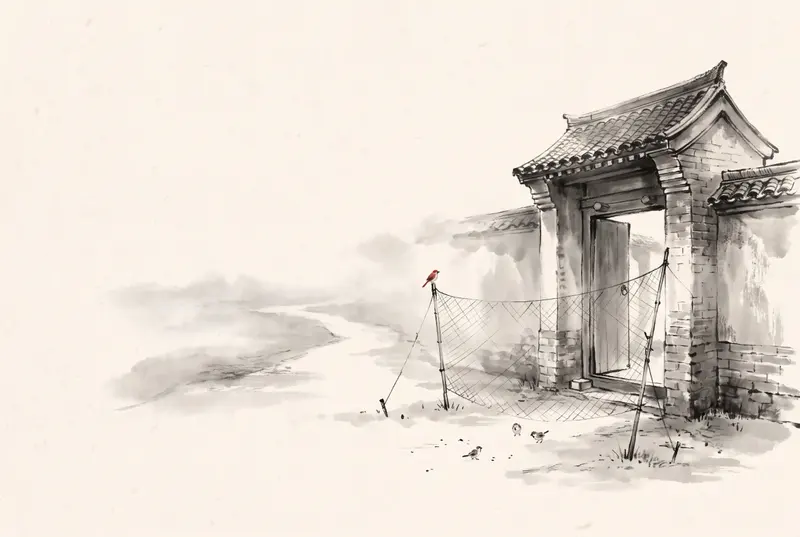
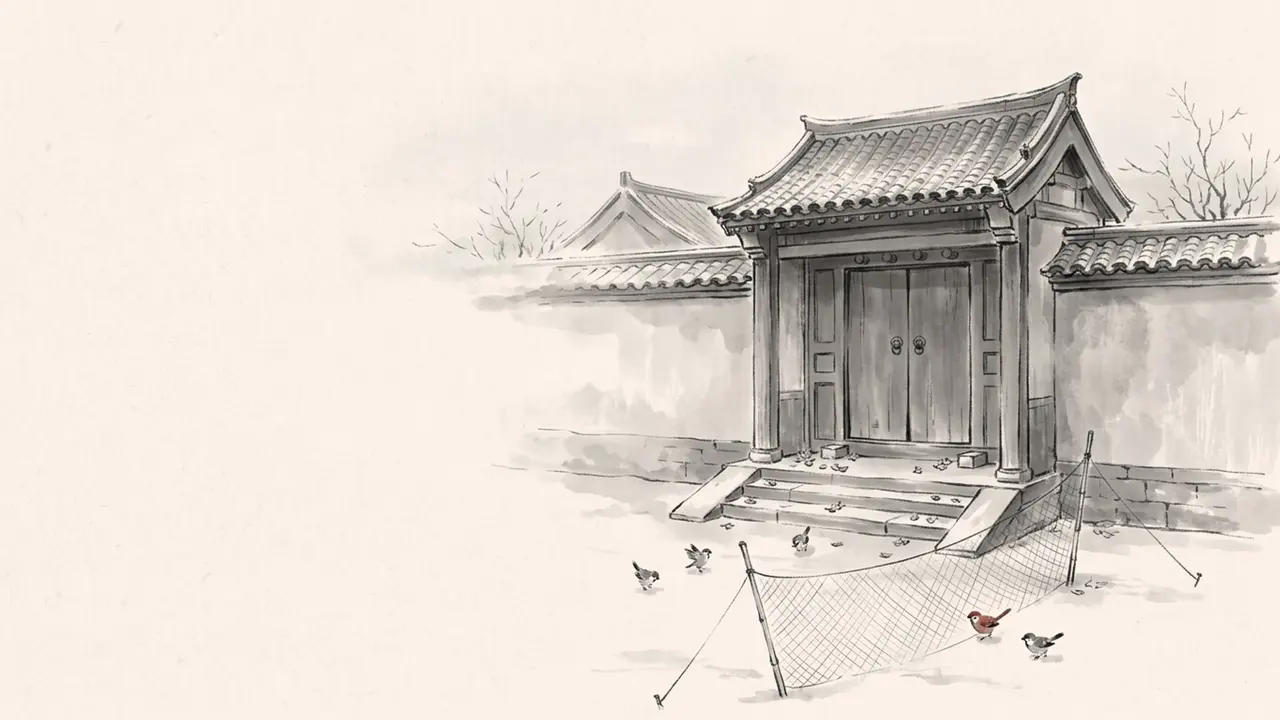
- 門外可設雀羅: 門の外に雀を捕る網を張れる。訪れる人がなく、さびれたさまを「門前雀羅を張る」という。
- 翟公の言葉は、人の付き合いが権勢や貧富によって変わることを嘆いたもの。
- 司馬遷自身も、李陵の禍で罰を受けたとき、だれも助けてくれなかった(130-taishigong の章)。
解説(英)
- Zheng Dangshi (鄭當時): the other subject of this volume, a generous host who loved to recommend others (his life is left out here).
- A net for sparrows outside his gate (門外可設雀羅): a deserted house; now a proverb for a fall from favour.
- Sima Qian knew this himself: when he was punished in the Li Ling affair, no friend came to his aid (chapter 130).
この節から生まれた言葉: 門前雀羅を張る
英語の語注
- crowd/kraʊd/verb
to fill a place with many people
本文では: “guests crowded his gate”
似た語と違い: throng — fill in large numbers · pack — fill tightly
- dismiss/dɪsˈmɪs/verb
to remove someone from their job
本文では: “When he was dismissed”
似た語と違い: fire — remove from a job (informal) · remove from office — take away a post