列伝 · 巻 121
儒林列伝 儒林列傳
「学を曲げて以て世に阿ること無かれ」(轅固生) 無曲學以阿世
孔子の死後、秦の焚書をくぐりぬけて漢の時代に儒学を伝えた学者たちの物語。司馬遷は学問を奨励する法令を読むたびに書を置いて嘆き、孔子が七十余人の君主に用いられず『春秋』を作ったことから語りはじめる。秦が詩書を焼くと、魯の儒者は孔子の祭器を背負って反乱軍の陳渉のもとへ走った。高祖が魯を囲んだときも、城内では琴にあわせて歌う声が絶えなかった。八十歳を過ぎた申公は武帝に「政治は多くの言葉ではなく、実行です」と答えて黙らせた。轅固生は景帝の前で「殷の湯王や周の武王の天下取りは天命か、君主殺しか」と論じ、老子を「召し使いの言葉」と言って竇太后を怒らせ、猪の囲いに入れられたが一突きで倒した。九十歳で再び召されると、横目で見る公孫弘に「学問を曲げて世にこびるな」と言った。秦の焚書のとき壁に『尚書』を隠した伏生、三年も庭を見ずに学んだ董仲舒の姿も描かれる。
この巻のうち「「学を曲げて以て世に阿ること無かれ」(轅固生)」の場面を載せています。巻の全文ではありません。
音声
音声は合成音声です。
動画
節 1
原文
太史公曰:余讀功令,至於廣厲學官之路,未嘗不廢書而嘆也。曰:嗟乎!夫周室衰而關雎作,幽厲微而禮樂壞,諸侯恣行,政由彊國。故孔子閔王路廢而邪道興,於是論次詩書,修起禮樂。適齊聞韶,三月不知肉味。自衛返魯,然後樂正,雅頌各得其所。世以混濁莫能用,是以仲尼干七十餘君無所遇,曰「茍有用我者,期月而已矣」。西狩獲麟,曰「吾道窮矣」。故因史記作春秋,以當王法,其辭微而指博,後世學者多錄焉。
書き下し文
太史公曰く、余功令を読み、学官を広め厲ますの路に至りて、未だ嘗て書を廃して嘆ぜずんばあらざるなり。曰く、嗟乎、夫れ周室衰えて関雎作り、幽・厲微にして礼楽壊れ、諸侯恣に行い、政彊国に由る。故に孔子王路の廃れて邪道の興るを閔み、是に於いて詩書を論次し、礼楽を修起す。斉に適きて韶を聞き、三月肉の味を知らず。衛より魯に返り、然る後に楽正しく、雅頌各々其の所を得たり。世混濁なるを以て能く用うる莫し。是を以て仲尼七十余君に干むるも遇う所無し。曰く、「苟くも我を用うる者有らば、期月のみ」と。西に狩して麟を獲て、曰く、「吾が道窮まれり」と。故に史記に因りて春秋を作り、以て王法に当つ。其の辞は微にして指は博く、後世の学者多く録す。
現代語訳
太史公は言う。わたしは学問を奨励する法令を読み、学官(国の学問の役所)を広げて学問を勧める道を開いたところに来ると、いつも書物を置いてため息をつかずにはいられない。ああ、周の王室が衰えると『詩経』の関雎の詩が作られ、幽王・厲王の時代に王の力が弱まると礼と音楽がくずれ、諸侯は勝手にふるまい、政治は強い国の思うままになった。だから孔子は、王の道がすたれて邪な道が栄えるのをうれえ、詩と書を整理して並べ、礼と音楽を立て直した。斉へ行って韶の音楽を聞くと、三か月の間、肉の味もわからなかった。衛から魯に戻ってから、音楽は正しくなり、雅と頌(詩経の部立て)はそれぞれ正しい場所を得た。しかし世は乱れにごっていて、孔子を用いることができなかった。そのため孔子は七十人あまりの君主に仕官を求めたが、受け入れられなかった。孔子は言った。「もしわたしを用いる者がいれば、一年でよいのだが」。西で狩りをして麒麟が捕らえられると、孔子は言った。「わたしの道は行きづまった」。そこで魯の歴史の記録にもとづいて『春秋』を作り、王の法の代わりとした。その言葉はかすかだが、意味は広く、後の世の学者の多くがそれを書きとめた。
英訳
The Grand Historian says: When I read the statutes on schooling and come to the passage that opens the way to more and better-encouraged posts for scholars, I never fail to put down the book and sigh. Alas! When the house of Zhou declined, the "Guanju" poem was written; when Kings You and Li grew weak, rites and music fell apart; the lords did as they pleased and government came from the strongest states. So Confucius, grieving that the royal way was abandoned and false ways flourished, arranged the Songs and the Documents in order and restored rites and music. When he went to Qi and heard the Shao music, for three months he did not know the taste of meat. After he returned to Lu from Wei, the music was set right, and the Ya and the Song each found their proper place. But the age was muddy and confused, and no one could use him; so he sought service with more than seventy rulers and found no one to employ him. He said: "If anyone would use me, a single year would be enough." When a unicorn was caught on a hunt in the west, he said: "My way has come to an end." So, on the basis of the historical records, he made the Spring and Autumn Annals to stand in for the law of a true king. Its words are subtle but its meaning broad, and many later scholars have recorded it.
解説(日)
- 功令: 学問をした者を役人に取り立てる決まり。
- 関雎: 『詩経』の最初の詩。
- 韶: 古の聖王舜の音楽とされる。
- 麟: 前481年、魯で麒麟が捕らえられ、孔子は自分の道の終わりを悟ったとされる。史記の記述もこの「麟」の年までとされる(130-taishigong の章)。孔子の生涯は 047-confucius の章にある。
解説(英)
- Statutes on schooling (功令): the rules for appointing men of learning to office.
- "Guanju" (關雎): the first poem of the Book of Songs.
- Shao (韶): the music of the sage king Shun.
- The unicorn: caught in Lu in 481 BCE, a sign to Confucius that his way had ended; the Shiji itself runs "down to the unicorn" (chapter 130). Confucius's life is in chapter 047.
英語の語注
- statute/ˈstætʃuːt/noun
a written law
本文では: “When I read the statutes on schooling”
似た語と違い: law — general word · rule — what must be followed
- subtle/ˈsʌtəl/adjective
not obvious; delicate and hard to notice
本文では: “Its words are subtle”
似た語と違い: delicate — fine and gentle · understated — said quietly, without fuss
The b in subtle is silent.
節 2
原文
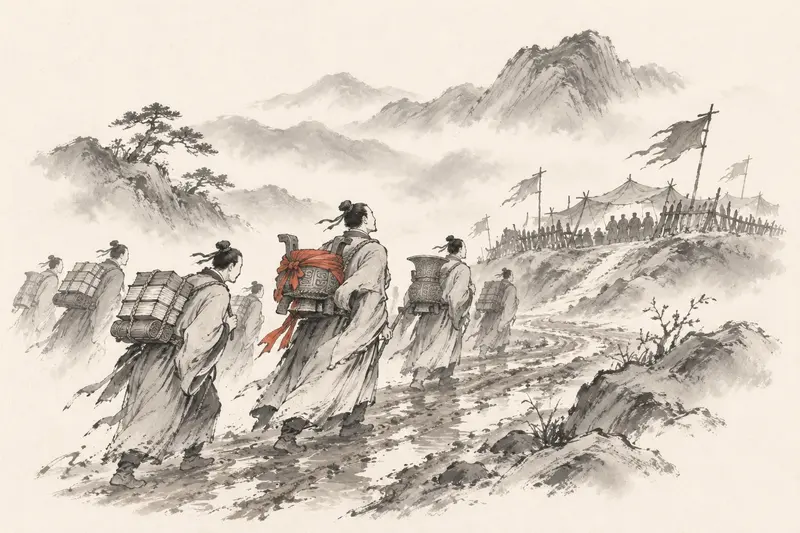
及至秦之季世,焚詩書,阬術士,六藝從此缺焉。陳涉之王也,而魯諸儒持孔氏之禮器往歸陳王。於是孔甲為陳涉博士,卒與涉俱死。陳涉起匹夫,驅瓦合適戍,旬月以王楚,不滿半歲竟滅亡,其事至微淺,然而縉紳先生之徒負孔子禮器往委質為臣者,何也?以秦焚其業,積怨而發憤于陳王也。
書き下し文
秦の季世に至るに及び、詩書を焚き、術士を阬にし、六芸此より欠く。陳渉の王たるや、魯の諸儒孔氏の礼器を持ちて往きて陳王に帰す。是に於いて孔甲陳渉の博士と為り、卒に渉と倶に死す。陳渉は匹夫より起こり、瓦合の適戍を駆り、旬月にして以て楚に王たり、半歳に満たずして竟に滅亡す。其の事至って微浅なり。然り而して縉紳先生の徒孔子の礼器を負いて往きて質を委ねて臣と為る者は、何ぞや。秦の其の業を焚くを以て、怨みを積みて憤りを陳王に発するなり。
現代語訳
秦の末になると、詩や書を焼き、学者を穴埋めにしたので、六芸(儒学の六つの教え)はこれ以後欠けてしまった。陳渉が王になると、魯の儒者たちは孔子の家に伝わる祭りの道具を持って陳王のもとへ身を寄せた。そこで孔甲(孔子の子孫)が陳渉の博士となり、最後は陳渉とともに死んだ。陳渉は一人の庶民から身を起こし、寄せ集めの辺境守備の兵を駆り立てて、一か月ほどで楚の王となったが、半年もたたずに滅んだ。その事業はまことにちっぽけで浅いものだった。それなのに、身分ある学者たちが孔子の祭器を背負って行き、身をあずけて家臣となったのはなぜか。秦に学問を焼かれたうらみが積もって、陳王のもとで憤りを晴らそうとしたのである。
英訳
In the last days of Qin, the Songs and the Documents were burned and the scholars buried alive, and from then on the Six Arts were left incomplete. When Chen She became king, the Confucians of Lu took the ritual vessels of the Kong family and went over to King Chen. Kong Jia became Chen She's erudite and in the end died with him. Chen She rose from being a common man, drove a rabble of conscript frontier guards before him, became King of Chu within a month, and was destroyed in less than half a year. It was a small and shallow affair. Why, then, did gentlemen of learning carry Confucius's ritual vessels to him and pledge themselves as his subjects? Because Qin had burned their heritage, their resentment had piled up, and they poured out their anger through King Chen.
解説(日)
- 詩書を焚き、術士を阬にす: 始皇帝の焚書坑儒(006-qin-shihuang の章)。
- 六芸: 詩・書・礼・楽・易・春秋。
- 孔甲: 孔子の子孫の孔鮒とされる。
- 陳渉: 秦に対して最初に反乱を起こした人(048-chen-sheng の章)。
解説(英)
- Burning the books and burying the scholars: under the First Emperor (chapter 006).
- Six Arts (六藝): the Songs, Documents, Rites, Music, Changes and Spring and Autumn Annals.
- Kong Jia: thought to be Kong Fu, a descendant of Confucius.
- Chen She: the first man to rise against Qin (chapter 048).
英語の語注
- resentment/rɪˈzɛntmənt/noun
bitter anger at unfair treatment
本文では: “their resentment had piled up”
似た語と違い: bitterness — lasting anger and hurt · grudge — a long-held bad feeling
- rabble/ˈræbəl/noun
a disorderly crowd
本文では: “drove a rabble of conscript frontier guards”
似た語と違い: mob — an angry crowd · crowd — many people together
節 3
原文
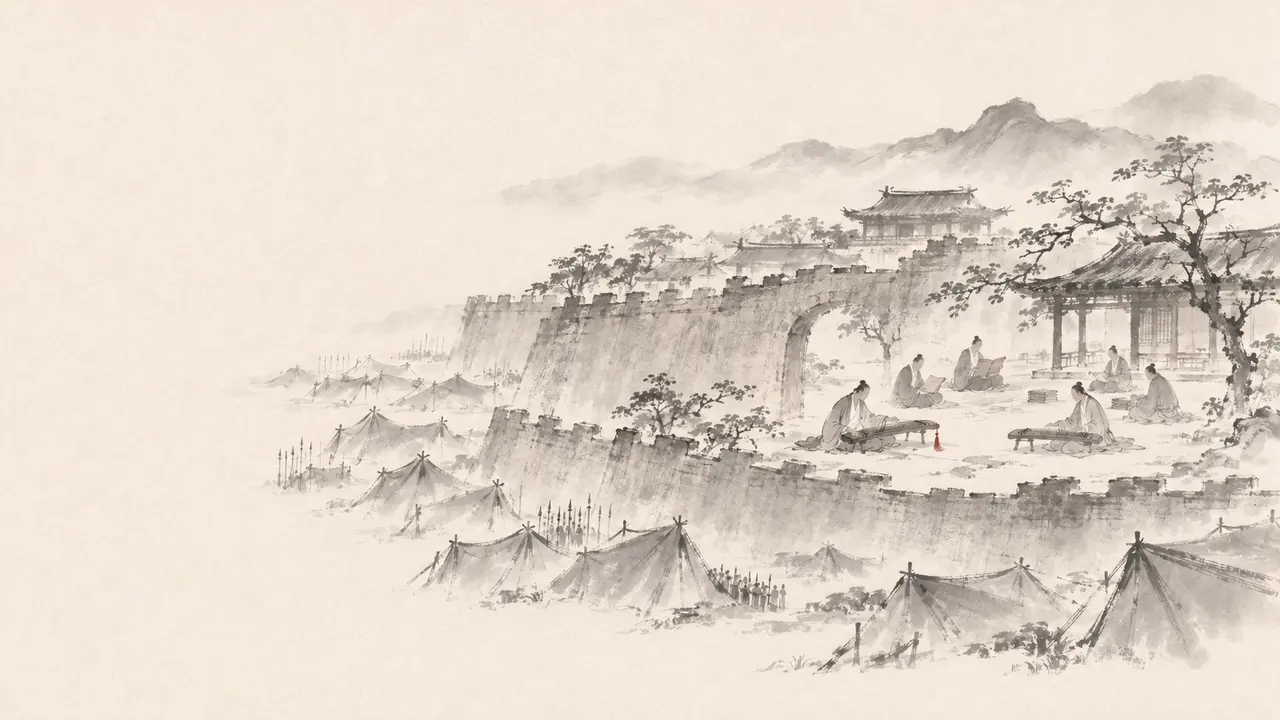
及高皇帝誅項籍,舉兵圍魯,魯中諸儒尚講誦習禮樂,弦歌之音不絕,豈非聖人之遺化,好禮樂之國哉?故孔子在陳曰:「歸與!歸與!吾黨之小子狂簡,斐然成章,不知所以裁之。」夫齊魯之閒於文學,自古以來,其天性也。故漢興,然後諸儒始得修其經藝,講習大射鄉飲之禮。叔孫通作漢禮儀,因為太常,諸生弟子共定者,咸為選首,於是喟然嘆興於學。然尚有干戈,平定四海,亦未暇遑庠序之事也。孝惠、呂后時,公卿皆武力有功之臣。孝文時頗徵用,然孝文帝本好刑名之言。及至孝景,不任儒者,而竇太后又好黃老之術,故諸博士具官待問,未有進者。
書き下し文
高皇帝項籍を誅し、兵を挙げて魯を囲むに及び、魯中の諸儒尚お講誦して礼楽を習い、弦歌の音絶えず。豈に聖人の遺化、礼楽を好むの国に非ずや。故に孔子陳に在りて曰く、「帰らんか、帰らんか。吾が党の小子は狂簡にして、斐然として章を成し、之を裁する所以を知らず」と。夫れ斉魯の間の文学に於けるは、古より以来、其の天性なり。故に漢興りて、然る後に諸儒始めて其の経芸を修め、大射・郷飲の礼を講習するを得たり。叔孫通漢の礼儀を作り、因りて太常と為り、諸生弟子の共に定むる者は、咸選首と為る。是に於いて喟然として嘆じて学に興る。然れども尚お干戈有り、四海を平定し、亦た未だ庠序の事に暇遑あらざるなり。孝恵・呂后の時、公卿は皆武力にして功有るの臣なり。孝文の時頗る徴用す。然れども孝文帝は本と刑名の言を好む。孝景に至るに及び、儒者を任ぜず。而して竇太后又た黄老の術を好む。故に諸博士は官に具わりて問いを待ち、未だ進む者有らず。
現代語訳
高祖が項羽を討ち、兵を挙げて魯を囲んだときも、魯の儒者たちはなお書を講じ、礼と音楽を習っていて、琴にあわせて歌う声が絶えなかった。これこそ聖人の残した教えであり、礼と音楽を好む国ではないか。だから孔子は陳にいたとき、「帰ろう、帰ろう。わが郷里の若者たちは志が大きく、模様のあざやかな布を織りあげながら、どう裁てばよいかを知らない」と言ったのである。斉と魯のあたりの人々が学問に向かうのは、昔からの生まれつきなのだ。だから漢が興ってから、儒者たちはやっと経典と学芸を修め、大射や郷飲酒の礼を講じ習うことができた。叔孫通が漢の儀礼を作って太常となり、ともに儀礼を定めた儒者や弟子たちは皆、真っ先に取り立てられた。そこで人々はため息をついて学問に励むようになった。しかし、まだ戦があって天下を平定している最中で、学校のことにまで手が回らなかった。恵帝と呂后の時代の大臣たちは皆、武力で手柄を立てた臣下だった。文帝の時代には儒者もかなり召し出されたが、文帝はもともと刑名の学(法家の学問)を好んだ。景帝の時代になると、儒者は用いられず、そのうえ竇太后が黄帝・老子の学問を好んだ。だから博士たちは役職にそろって下問を待つばかりで、出世する者はいなかった。
英訳
Even when Emperor Gao destroyed Xiang Ji and laid siege to Lu with his army, the Confucians inside Lu were still reciting their texts and practising rites and music, and the sound of strings and singing never stopped. Was this not the lingering influence of the sage, a state that loved rites and music? So when Confucius was in Chen he said: "Let us go home! Let us go home! The young men of my village are bold and ambitious; they weave fine patterned cloth, but do not know how to cut it." Since ancient times, learning has been in the very nature of the people between Qi and Lu. So only after Han arose could the Confucians at last study their classics and arts and practise the rites of the great archery and the village wine-drinking. Shusun Tong composed the rituals of Han and became Master of Ceremonies, and the scholars and disciples who had worked out the rites with him were all the first to be chosen for office. At this people sighed and turned to learning. But there was still fighting, the realm was still being pacified, and there was no time for schools. Under Emperor Hui and Empress Lü the high ministers were all men who had won merit by force of arms. Under Emperor Wen a fair number of scholars were summoned, but Emperor Wen himself had always liked the doctrines of names and punishments. In the time of Emperor Jing, Confucians were not given office, and Empress Dowager Dou liked the arts of the Yellow Emperor and Laozi. So the erudites simply filled their posts and waited to be consulted, and none of them rose.
解説(日)
- 魯を囲む: 項羽は魯公に封じられていたので、項羽の死後も魯は項羽のために最後まで降らなかった。
- 帰らんか…: 『論語』公冶長篇にある孔子の言葉。
- 叔孫通: 漢の儀礼を定めた儒者(099-shusun-tong の章)。
- 刑名: 法と名目を重んじる法家の学問。黄老: 黄帝と老子の名を借りた道家の政治思想。竇太后は景帝の母。
解説(英)
- Besieging Lu: Xiang Yu had been Duke of Lu, and Lu held out for him even after his death.
- "Let us go home!": Confucius's words in the Analects.
- Shusun Tong: the Confucian who drew up the court ritual of Han (chapter 099).
- Names and punishments (刑名): the Legalist doctrine. The Yellow Emperor and Laozi (黃老): a Daoist art of government. Empress Dowager Dou was Emperor Jing's mother.
英語の語注
- siege/siːdʒ/noun
surrounding a city with an army to make it surrender
本文では: “laid siege to Lu”
似た語と違い: blockade — cutting off supplies · encirclement — being surrounded
- recite/rɪˈsaɪt/verb
to say aloud something learned by heart
本文では: “were still reciting their texts”
似た語と違い: read aloud — speak from a text · repeat — say again
節 4
原文
申公者,魯人也。高祖過魯,申公以弟子從師入見高祖于魯南宮。呂太后時,申公游學長安,與劉郢同師。已而郢為楚王,令申公傅其太子戊。戊不好學,疾申公。及王郢卒,戊立為楚王,胥靡申公。申公恥之,歸魯,退居家教,終身不出門,復謝絕賓客,獨王命召之乃往。弟子自遠方至受業者百餘人。申公獨以詩經為訓以教,無傳(疑),疑者則闕不傳。蘭陵王臧既受詩,以事孝景帝為太子少傅,免去。今上初即位,臧乃上書宿衛上,累遷,一歲中為郎中令。及代趙綰亦嘗受詩申公,綰為御史大夫。綰、臧請天子,欲立明堂以朝諸侯,不能就其事,乃言師申公。於是天子使使束帛加璧安車駟馬迎申公,弟子二人乘軺傳從。至,見天子。天子問治亂之事,申公時已八十餘,老,對曰:「為治者不在多言,顧力行何如耳。」是時天子方好文詞,見申公對,默然。然已招致,則以為太中大夫,舍魯邸,議明堂事。太皇竇太后好老子言,不說儒術,得趙綰、王臧之過以讓上,上因廢明堂事,盡下趙綰、王臧吏,後皆自殺。申公亦疾免以歸,數年卒。
書き下し文
申公は、魯人なり。高祖魯を過ぐるや、申公弟子を以て師に従いて入りて高祖に魯の南宮に見ゆ。呂太后の時、申公長安に游学し、劉郢と師を同じくす。已にして郢楚王と為り、申公をして其の太子戊に傅たらしむ。戊学を好まず、申公を疾む。王郢卒し、戊立ちて楚王と為るに及び、申公を胥靡にす。申公之を恥じ、魯に帰り、退きて家に居りて教え、終身門を出でず、復た賓客を謝絶し、独り王命之を召せば乃ち往く。弟子の遠方より至りて業を受くる者百余人。申公独り詩経を以て訓と為して以て教え、伝無く、疑わしき者は則ち闕きて伝えず。蘭陵の王臧既に詩を受け、以て孝景帝に事えて太子少傅と為り、免ぜられて去る。今上初めて即位し、臧乃ち上書して上に宿衛し、累遷して、一歳の中に郎中令と為る。代の趙綰も亦た嘗て詩を申公に受け、綰御史大夫と為る。綰・臧天子に請い、明堂を立てて以て諸侯を朝せしめんと欲するも、其の事を就す能わず、乃ち師の申公を言う。是に於いて天子使いをして束帛に璧を加え、安車駟馬もて申公を迎えしめ、弟子二人軺伝に乗りて従う。至りて、天子に見ゆ。天子治乱の事を問う。申公時に已に八十余、老いたり。対えて曰く、「治を為す者は多言に在らず。顧うに力行すること何如なるのみ」と。是の時天子方に文詞を好む。申公の対うるを見て、黙然たり。然れども已に招致すれば、則ち以て太中大夫と為し、魯の邸に舎らしめ、明堂の事を議せしむ。太皇竇太后老子の言を好み、儒術を説ばず、趙綰・王臧の過ちを得て以て上を譲む。上因りて明堂の事を廃し、尽く趙綰・王臧を吏に下す。後に皆自殺す。申公も亦た疾みて免ぜられて以て帰り、数年にして卒す。
現代語訳
申公は魯の人である。高祖が魯を通ったとき、申公は弟子として師に従い、魯の南宮で高祖に会った。呂太后の時代、申公は長安で学び、劉郢と同じ師についた。やがて劉郢が楚王になると、申公を太子の劉戊の守り役にした。劉戊は学問が嫌いで、申公を憎んだ。劉郢が亡くなり、劉戊が楚王になると、申公を囚人の労役につかせた。申公はこれを恥じて魯に帰り、家に引きこもって教え、一生門を出ず、客にも会わず、ただ王の命令で呼ばれたときだけ出かけた。遠くからやって来て教えを受ける弟子は百人あまりいた。申公は『詩経』の言葉の意味だけを教え、自分の解釈を書いた書物は作らず、疑わしいところは空けておいて伝えなかった。蘭陵の王臧は申公から詩を学んだあと、景帝に仕えて太子少傅となったが、やめさせられて去った。今の天子(武帝)が即位したばかりのころ、王臧は上書して天子のそば近く仕え、昇進を重ねて、一年のうちに郎中令になった。代の趙綰もまた申公から詩を学んでいて、御史大夫になった。趙綰と王臧は天子に願い出て、明堂を建てて諸侯を朝見させようとしたが、うまくいかなかったので、師の申公のことを申し上げた。そこで天子は使者に、絹の束に璧を添えた贈り物を持たせ、四頭立てのゆったりした車で申公を迎えさせ、弟子二人が小さな車で従った。申公は到着して天子に会った。天子が国の治まり乱れることについてたずねると、申公はそのとき八十歳あまりの老人で、こう答えた。「政治をするのに、多くの言葉はいりません。どれだけ力を尽くして実行するかだけです」。そのころ天子は美しい文章を好んでいたので、申公の答えを聞いて黙ってしまった。しかし、すでに招いたのだからと、申公を太中大夫に任じ、魯の邸に住まわせて、明堂のことを相談させた。太皇太后の竇太后は老子の教えを好み、儒学を喜ばなかった。趙綰と王臧の落ち度を見つけて天子を責めたので、天子は明堂の計画をやめ、趙綰と王臧を役人に引き渡した。二人はのちに皆自殺した。申公も病気でやめて魯に帰り、数年後に亡くなった。
英訳
Master Shen was a man of Lu. When Gaozu passed through Lu, Master Shen, as a disciple, went with his teacher to see Gaozu in the Southern Palace of Lu. In the time of Empress Dowager Lü, Master Shen studied in Chang'an under the same teacher as Liu Ying. Later, when Liu Ying became King of Chu, he made Master Shen tutor to his crown prince Wu. Wu did not like learning and hated Master Shen. When King Liu Ying died and Wu became King of Chu, he sentenced Master Shen to convict labour. Master Shen, ashamed, went home to Lu and lived in retirement teaching at home. For the rest of his life he never went out of his gate and refused all visitors, going out only when summoned by the king's command. More than a hundred disciples came from far away to study with him. Master Shen taught only the meanings of the words of the Songs; he wrote no commentary, and where something was doubtful he left it blank rather than pass it on. Wang Zang of Lanling, having learned the Songs from him, served Emperor Jing as junior tutor to the crown prince, but was dismissed. When the present emperor first came to the throne, Wang Zang sent up a letter, served in the emperor's guard and rose step by step to be Chamberlain for the Palace within a year. Zhao Wan of Dai, who had also learned the Songs from Master Shen, became Imperial Counsellor. Zhao Wan and Wang Zang asked the emperor to build a Hall of Light where the lords could come to court, but they could not bring the plan about, so they told him of their teacher, Master Shen. The emperor sent envoys with rolls of silk and a jade disc and a comfortable carriage drawn by four horses to bring Master Shen, and two of his disciples followed in light carriages. When he arrived he was received by the emperor, who asked him about order and disorder in government. Master Shen, by then over eighty and old, replied: "Governing does not lie in many words. It is only a matter of how hard you work to put things into practice." At that time the emperor loved fine words, and when he heard Master Shen's answer he fell silent. Still, having invited him, he made him a palace counsellor, lodged him at the residence of Lu and had him discuss the Hall of Light. But the Grand Empress Dowager Dou loved the words of Laozi and disliked the Confucian arts. She found fault with Zhao Wan and Wang Zang and reproached the emperor, who dropped the plan for the Hall of Light and handed Zhao Wan and Wang Zang over to the officials. Both later killed themselves. Master Shen too pleaded illness, left office and went home, and died a few years later.
解説(日)
- 申公: 申培。『詩経』の魯詩の学派を開いた。
- 胥靡: 鎖でつながれて労役につかされる刑。
- 明堂: 天子が政治や祭りを行う、古の理想の建物。
- 治を為す者は多言に在らず: 言葉より実行が大事だという、八十歳を過ぎた老学者の答え。
- 原文の「無傳(疑)」の(疑)は、底本の校訂でよけいな字とされたもの。
解説(英)
- Master Shen: Shen Pei, founder of the Lu school of the Songs.
- Convict labour (胥靡): work in chains as a punishment.
- Hall of Light (明堂): the ideal building of antiquity where the Son of Heaven governed and sacrificed.
- "Governing does not lie in many words": an old scholar's answer that action matters more than eloquence.
- In "無傳(疑)" the edition marks 疑 as superfluous.
英語の語注
- retirement/rɪˈtaɪərmənt/noun
living away from public life
本文では: “lived in retirement teaching at home”
似た語と違い: withdrawal — pulling back from activity · seclusion — living apart from others
- commentary/ˈkɑːmənˌtɛri/noun
a book of notes explaining a text
本文では: “he wrote no commentary”
似た語と違い: notes — short explanations · explanation — making something clear
節 5
原文
清河王太傅轅固生者,齊人也。以治詩,孝景時為博士。與黃生爭論景帝前。黃生曰:「湯武非受命,乃弒也。」轅固生曰:「不然。夫桀紂虐亂,天下之心皆歸湯武,湯武與天下之心而誅桀紂,桀紂之民不為之使而歸湯武,湯武不得已而立,非受命為何?」黃生曰:「冠雖敝,必加於首;履雖新,必關於足。何者,上下之分也。今桀紂雖失道,然君上也;湯武雖聖,臣下也。夫主有失行,臣下不能正言匡過以尊天子,反因過而誅之,代立踐南面,非弒而何也?」轅固生曰:「必若所云,是高帝代秦即天子之位,非邪?」於是景帝曰:「食肉不食馬肝,不為不知味;言學者無言湯武受命,不為愚。」遂罷。是後學者莫敢明受命放殺者。
書き下し文
清河王の太傅轅固生は、斉人なり。詩を治むるを以て、孝景の時博士と為る。黄生と景帝の前に争論す。黄生曰く、「湯・武は命を受くるに非ず、乃ち弑するなり」と。轅固生曰く、「然らず。夫れ桀・紂虐乱にして、天下の心皆湯・武に帰す。湯・武天下の心に与して桀・紂を誅す。桀・紂の民之が使いを為さずして湯・武に帰す。湯・武已むを得ずして立つ。命を受くるに非ずして何と為す」と。黄生曰く、「冠は敝ると雖も、必ず首に加え、履は新しと雖も、必ず足に関く。何となれば、上下の分なり。今桀・紂は道を失うと雖も、然れども君上なり。湯・武は聖なりと雖も、臣下なり。夫れ主に失行有り、臣下正言して過ちを匡して以て天子を尊ぶ能わず、反って過ちに因りて之を誅し、代わり立ちて南面を践む。弑に非ずして何ぞや」と。轅固生曰く、「必ず云う所の若くんば、是れ高帝秦に代わりて天子の位に即くも、非なるか」と。是に於いて景帝曰く、「肉を食らいて馬肝を食らわざるも、味を知らずと為さず。学を言う者湯・武の命を受くるを言うこと無きも、愚と為さず」と。遂に罷む。是の後学者敢えて受命放殺を明らかにする者莫し。
現代語訳
清河王の太傅の轅固生は斉の人である。『詩経』を学んだことで、景帝の時代に博士となった。黄生と景帝の前で論争した。黄生は言った。「殷の湯王や周の武王は、天命を受けたのではない。君主を殺したのだ」。轅固生は言った。「そうではない。夏の桀王や殷の紂王はむごく乱れた政治をして、天下の人の心は皆、湯王と武王に寄せられた。湯王と武王は天下の心に従って桀・紂を討ったのだ。桀・紂の民は彼らのために働かず、湯王・武王のもとへ行った。湯王・武王はやむをえず位についた。これが天命を受けたのでなくて何だろう」。黄生は言った。「冠は古くなっても必ず頭にかぶり、くつは新しくても必ず足にはく。なぜなら上と下の区別があるからだ。桀・紂は道を失ったとはいえ、君主である。湯・武は聖人であっても、臣下である。君主に誤った行いがあれば、臣下は正しい言葉でいさめて過ちを正し、天子を尊ぶべきなのに、かえって過ちにつけこんで討ち、代わって位について南を向いて座った。これが君主殺しでなくて何だろう」。轅固生は言った。「どうしてもあなたの言うとおりだとすると、高帝(劉邦)が秦に代わって天子の位についたのも、間違いだということになるのか」。そこで景帝は言った。「肉を食べても馬の肝を食べないからといって、味を知らないことにはならない。学問を論じる者が、湯・武が天命を受けたかどうかを論じないからといって、愚かなことにはならない」。こうして論争は打ち切られた。これ以後、学者たちは、天命を受けて君主を追放し討つことについて、はっきり論じようとしなくなった。
英訳
Master Yuan Gu, tutor to the King of Qinghe, was a man of Qi. Because he had mastered the Songs, he became an erudite under Emperor Jing. He argued with Master Huang in front of Emperor Jing. Master Huang said: "Tang and Wu did not receive the mandate of Heaven; they murdered their lords." Master Yuan Gu said: "Not so. Jie and Zhou were cruel and depraved, and the hearts of all the realm turned to Tang and Wu. Tang and Wu went along with the heart of the realm and punished Jie and Zhou. The people of Jie and Zhou would not serve them and went over to Tang and Wu, who took the throne because they had no choice. If that is not receiving the mandate, what is it?" Master Huang said: "However worn a cap may be, it goes on the head; however new a pair of shoes, they go on the feet. Why? Because of the distinction between high and low. Jie and Zhou may have lost the Way, but they were lords; Tang and Wu may have been sages, but they were subjects. When a ruler goes wrong, a subject should speak out to correct his fault and so honour the Son of Heaven. Instead they used his faults as an excuse to kill him, take his place and sit facing south. If that is not murder, what is it?" Master Yuan Gu said: "If it must be as you say, then was it wrong when Emperor Gao replaced Qin and took the throne of the Son of Heaven?" At this Emperor Jing said: "A man who eats meat but not horse liver cannot be said not to know good food. A scholar who does not discuss whether Tang and Wu received the mandate cannot be called a fool." And so the debate ended. After this no scholar dared to speak plainly about receiving the mandate and overthrowing a ruler.
解説(日)
- 湯・武: 夏の桀王を倒して殷を開いた湯王と、殷の紂王を倒して周を開いた武王。
- 南面: 君主は南を向いて座る。君主の位につくこと。
- 馬肝: 馬の肝には毒があると考えられていた。危うい話題には触れないのが賢明だ、という景帝のたとえ。
- 漢の天子にとって、この論争は劉邦の天下取りが正しかったかどうかに直結する、危うい問題だった。
解説(英)
- Tang and Wu: Tang overthrew Jie of Xia and founded Shang; King Wu overthrew Zhou of Shang and founded the Zhou dynasty.
- Facing south (南面): the ruler sits facing south; to take the throne.
- Horse liver: thought to be poisonous. Emperor Jing's point is that some subjects are best left untasted.
- For a Han emperor the debate touched a raw nerve: whether Liu Bang's own seizure of power was legitimate.
英語の語注
- mandate/ˈmænˌdeɪt/noun
the right to rule, given by a higher power
本文では: “did not receive the mandate of Heaven”
似た語と違い: authority — the right to command · commission — an official order to act
- depraved/dɪˈpreɪvd/adjective
morally very bad
本文では: “were cruel and depraved”
似た語と違い: corrupt — dishonest and bad · wicked — evil
節 6
原文
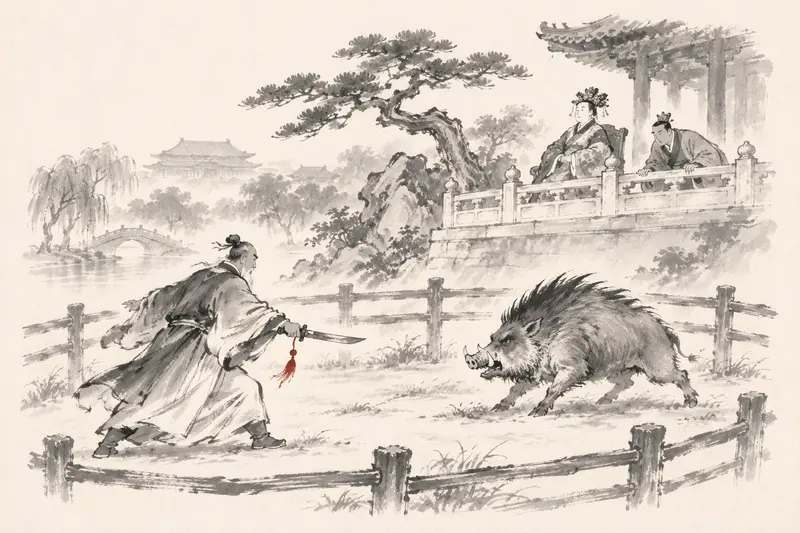
竇太后好老子書,召轅固生問老子書。固曰:「此是家人言耳。」太后怒曰:「安得司空城旦書乎?」乃使固入圈刺豕。景帝知太后怒而固直言無罪,乃假固利兵,下圈刺豕,正中其心,一刺,豕應手而倒。太后默然,無以復罪,罷之。居頃之,景帝以固為廉直,拜為清河王太傅。久之,病免。今上初即位,復以賢良徵固。諸諛儒多疾毀固,曰「固老」,罷歸之。時固已九十餘矣。固之徵也,薛人公孫弘亦徵,側目而視固。固曰:「公孫子,務正學以言,無曲學以阿世!」自是之後,齊言詩皆本轅固生也。諸齊人以詩顯貴,皆固之弟子也。
書き下し文
竇太后老子の書を好み、轅固生を召して老子の書を問う。固曰く、「此れは是れ家人の言のみ」と。太后怒りて曰く、「安くんぞ司空城旦の書を得んや」と。乃ち固をして圏に入りて豕を刺さしむ。景帝太后の怒りて固の直言して罪無きを知り、乃ち固に利兵を仮す。圏に下りて豕を刺し、正に其の心に中る。一刺にして、豕手に応じて倒る。太后黙然として、以て復た罪する無く、之を罷む。居ること頃之、景帝固を以て廉直と為し、拝して清河王の太傅と為す。久之、病みて免ぜらる。今上初めて即位し、復た賢良を以て固を徴す。諸々の諛儒多く固を疾み毀りて、「固は老いたり」と曰い、罷めて之を帰らしむ。時に固已に九十余なり。固の徴さるるや、薛の人公孫弘も亦た徴され、目を側てて固を視る。固曰く、「公孫子、務めて学を正しくして以て言え。学を曲げて以て世に阿ること無かれ」と。是より後、斉の詩を言うは皆轅固生に本づくなり。諸々の斉人の詩を以て顕貴なる者は、皆固の弟子なり。
現代語訳
竇太后は老子の書物を好み、轅固生を呼んで老子の書についてたずねた。轅固生は言った。「これはただの召し使いの言葉にすぎません」。太后は怒って言った。「どこに囚人の読むような書物があるというのか」。そして轅固生を囲いの中に入れて、猪を突き殺させようとした。景帝は、太后が怒っていても、轅固生は正直に言っただけで罪はないと知っていたので、轅固生によく切れる刃物を貸した。轅固生は囲いに下りて猪を突くと、刃はちょうど心臓に当たり、一突きで猪は手ごたえとともに倒れた。太后は黙ってしまい、それ以上罪に問うこともできず、そのまま放免した。しばらくして、景帝は轅固生を清廉で正直な人物だと見て、清河王の太傅に任じた。長くたってから、病気でやめた。今の天子が即位したばかりのころ、また賢良として轅固生を召した。へつらう儒者たちの多くが轅固生を憎んでそしり、「轅固生は年寄りだ」と言ったので、やめさせて故郷に帰らせた。そのとき轅固生はもう九十歳あまりだった。轅固生が召されたとき、薛の人の公孫弘も召されていて、横目で轅固生を見ていた。轅固生は言った。「公孫どの、学問を正しくして発言するように努めなさい。学問を曲げて世の中にこびてはいけない」。これ以後、斉で『詩経』を論じる者は皆、轅固生をもとにしている。『詩経』の学問で出世した斉の人々は皆、轅固生の弟子である。
英訳
Empress Dowager Dou loved the book of Laozi and summoned Master Yuan Gu to ask him about it. Yuan Gu said: "This is just the talk of household servants." The empress dowager said angrily: "And where would I find a book for convict labourers?" She had Yuan Gu put into a pen to kill a wild pig. Emperor Jing, knowing that she was angry but that Yuan Gu had only spoken his mind and committed no crime, lent him a sharp weapon. Yuan Gu went down into the pen and stabbed the pig, striking it right in the heart; with one thrust the pig dropped under his hand. The empress dowager fell silent, could find no further charge against him, and let him go. Some time later Emperor Jing, judging Yuan Gu honest and upright, made him tutor to the King of Qinghe; after a long while he left office through illness. When the present emperor first came to the throne, Yuan Gu was summoned again as a man of worth. Many fawning Confucians hated him and ran him down, saying "Yuan Gu is old," and he was sent home. He was then over ninety. When Yuan Gu was summoned, Gongsun Hong of Xue was summoned too, and he eyed Yuan Gu sideways. Yuan Gu said: "Master Gongsun, strive to make your learning straight before you speak. Do not bend your learning to please the world." From then on, all who taught the Songs in Qi went back to Master Yuan Gu, and all the men of Qi who rose to rank through the Songs were his disciples.
解説(日)
- 家人の言: 召し使いや庶民の言葉。老子の教えを低く見た言い方。
- 司空城旦の書: 司空は労役の役所、城旦は城壁を築く労役の刑。秦では禁じられた書物を持つ者がこの刑を受けたので、儒者の書物をさげすんで言い返したと解されている。
- 曲学阿世: 学問を曲げて世間にこびること。今も使われる言葉。ここでは公孫弘に向けられている(112-pingjin の章)。
解説(英)
- Talk of household servants (家人言): a slighting way to describe Laozi's teaching.
- A book for convict labourers: under Qin, owners of banned books were sentenced to wall-building labour; the empress dowager is sneering at Confucian books in return.
- "Do not bend your learning to please the world" (曲學阿世): still a common phrase in Chinese and Japanese; here it is aimed at Gongsun Hong (chapter 112).
この節から生まれた言葉: 曲学阿世
英語の語注
- sideways/ˈsaɪdˌweɪz/adverb
to or from the side, often in a sly way
本文では: “he eyed Yuan Gu sideways”
似た語と違い: askance — with doubt or distrust · obliquely — at an angle; indirectly
- fawning/ˈfɔːnɪŋ/adjective
trying too hard to please people in power
本文では: “Many fawning Confucians hated him”
似た語と違い: flattering — praising too much · servile — too eager to obey
節 7
原文
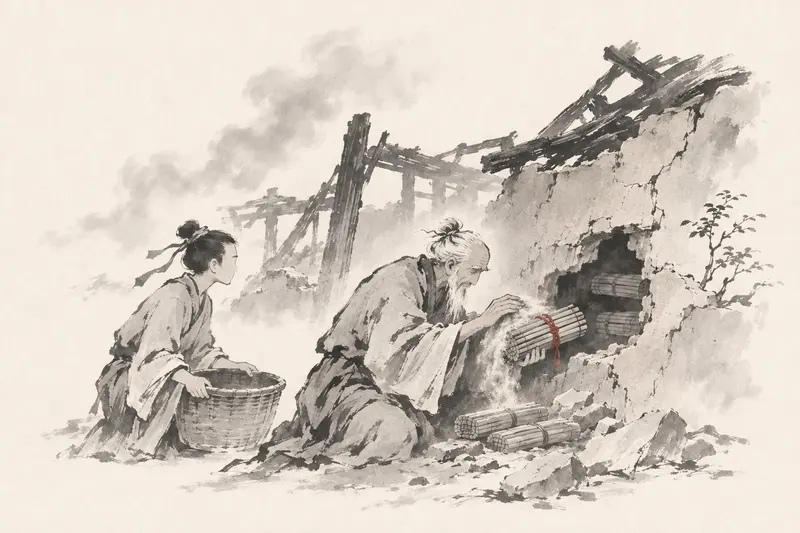
伏生者,濟南人也。故為秦博士。孝文帝時,欲求能治尚書者,天下無有,乃聞伏生能治,欲召之。是時伏生年九十餘,老,不能行,於是乃詔太常使掌故晁錯往受之。秦時焚書,伏生壁藏之。其後兵大起,流亡,漢定,伏生求其書,亡數十篇,獨得二十九篇,即以教于齊魯之閒。學者由是頗能言尚書,諸山東大師無不涉尚書以教矣。
書き下し文
伏生は、済南の人なり。故は秦の博士たり。孝文帝の時、能く尚書を治むる者を求めんと欲するも、天下に有る無し。乃ち伏生の能く治むるを聞き、之を召さんと欲す。是の時伏生年九十余、老いて、行く能わず。是に於いて乃ち太常に詔して掌故晁錯をして往きて之を受けしむ。秦の時書を焚くや、伏生壁に之を蔵す。其の後兵大いに起こり、流亡す。漢定まり、伏生其の書を求むるに、数十篇を亡い、独り二十九篇を得たり。即ち以て斉魯の間に教う。学者是に由りて頗る能く尚書を言い、諸々の山東の大師尚書に渉りて以て教えざるは無し。
現代語訳
伏生は済南の人で、もとは秦の博士だった。文帝の時代、『尚書』(書経)を読みとける者を探したが、天下に一人もいなかった。伏生がそれを読みとけると聞いて呼び寄せようとしたが、そのとき伏生は九十歳あまりで、年老いて旅ができなかった。そこで文帝は太常に命じて、掌故の晁錯を伏生のもとへ行かせ、教えを受けさせた。秦の時代に書物が焼かれたとき、伏生は『尚書』を壁の中に隠していた。その後、大きな戦乱が起こり、伏生は各地を逃げ回った。漢が天下を定めてから、伏生がその書物を探すと、数十篇が失われていて、二十九篇だけが見つかった。そこでそれを斉や魯のあたりで教えた。学者たちはこれによって『尚書』を論じられるようになり、山東の大学者たちで、『尚書』を教えない者はいなくなった。
英訳
Master Fu was a man of Jinan who had once been an erudite of Qin. In the time of Emperor Wen, the emperor looked for someone who could expound the Documents, but there was no one in all the realm. Hearing that Master Fu could, he wanted to summon him; but Master Fu was then over ninety and too old to travel. So the emperor ordered the Master of Ceremonies to send Chao Cuo, a clerk of precedents, to go and learn from him. When Qin burned the books, Master Fu had hidden his copy in a wall. Then great wars broke out and he became a wanderer. When Han had settled the realm, he went looking for his books; dozens of chapters were lost, and he found only twenty-nine. These he taught between Qi and Lu. Through him scholars were able to discuss the Documents again, and every great master east of the mountains came to teach them.
解説(日)
- 尚書: 『書経』。古の帝王の言葉を集めた書物。
- 壁に蔵す: 秦の焚書のとき、書物を壁に隠して守った。
- 晁錯: のちに景帝の重臣となり、呉楚七国の乱を招いて処刑された人(101-yuan-ang-chao-cuo の章)。
- 二十九篇: 伏生が伝えた尚書は、漢の時代の文字で書かれたので「今文尚書」と呼ばれる。
解説(英)
- The Documents (尚書): the Book of Documents, speeches of the ancient kings.
- Hidden in a wall: Master Fu saved his copy from the Qin burning by walling it up.
- Chao Cuo: later Emperor Jing's leading minister, whose policies set off the Revolt of the Seven States (chapter 101).
- Twenty-nine chapters: Master Fu's text, written in the script of Han, became known as the "modern-script" Documents.
英語の語注
- expound/ɪkˈspaʊnd/verb
to explain something in detail
本文では: “someone who could expound the Documents”
似た語と違い: explain — make clear · set out — present in order
- wanderer/ˈwɑːndərər/noun
a person who travels from place to place
本文では: “he became a wanderer”
似た語と違い: traveller — one who travels · drifter — one with no settled home
節 8
原文
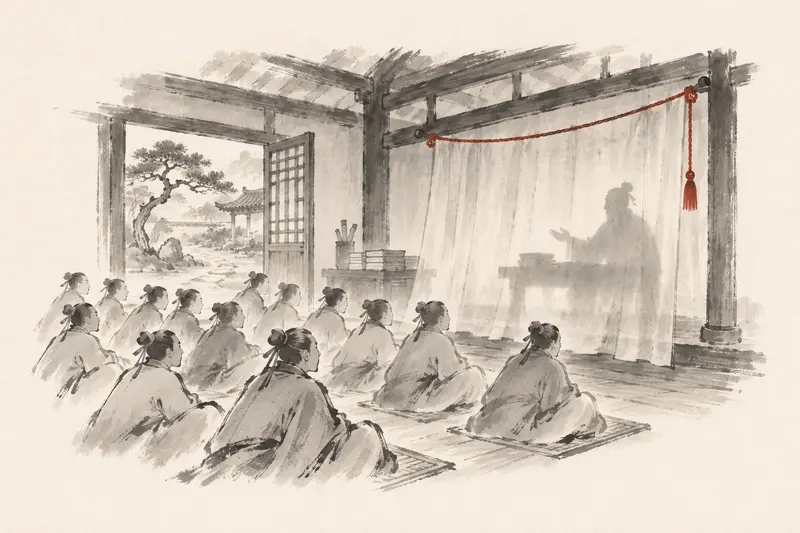
董仲舒,廣川人也。以治春秋,孝景時為博士。下帷講誦,弟子傳以久次相受業,或莫見其面,蓋三年董仲舒不觀於舍園,其精如此。進退容止,非禮不行,學士皆師尊之。今上即位,為江都相。以春秋災異之變推陰陽所以錯行,故求雨閉諸陽,縱諸陰,其止雨反是。行之一國,未嘗不得所欲。中廢為中大夫,居舍,著災異之記。是時遼東高廟災,主父偃疾之,取其書奏之天子。天子召諸生示其書,有刺譏。董仲舒弟子呂步舒不知其師書,以為下愚。於是下董仲舒吏,當死,詔赦之。於是董仲舒竟不敢復言災異。董仲舒為人廉直。是時方外攘四夷,公孫弘治春秋不如董仲舒,而弘希世用事,位至公卿。董仲舒以弘為從諛。弘疾之,乃言上曰:「獨董仲舒可使相繆西王。」膠西王素聞董仲舒有行,亦善待之。董仲舒恐久獲罪,疾免居家。至卒,終不治產業,以修學著書為事。故漢興至于五世之閒,唯董仲舒名為明於春秋,其傳公羊氏也。
書き下し文
董仲舒は、広川の人なり。春秋を治むるを以て、孝景の時博士と為る。帷を下して講誦し、弟子は久次を以て相伝えて業を受け、或いは其の面を見る莫し。蓋し三年董仲舒舎園を観ず。其の精なること此くの如し。進退容止、礼に非ざれば行わず。学士皆之を師として尊ぶ。今上即位し、江都の相と為る。春秋の災異の変を以て陰陽の錯行する所以を推す。故に雨を求むるには諸陽を閉じ、諸陰を縦つ。其の雨を止むるは是に反す。之を一国に行いて、未だ嘗て欲する所を得ずんばあらず。中ごろ廃せられて中大夫と為り、舎に居りて、災異の記を著す。是の時遼東の高廟災あり。主父偃之を疾み、其の書を取りて之を天子に奏す。天子諸生を召して其の書を示す。刺譏有り。董仲舒の弟子呂歩舒其の師の書なるを知らず、以て下愚と為す。是に於いて董仲舒を吏に下し、死に当たるも、詔して之を赦す。是に於いて董仲舒竟に敢えて復た災異を言わず。董仲舒人と為り廉直なり。是の時方に外は四夷を攘う。公孫弘春秋を治むること董仲舒に如かず。而るに弘世に希いて事を用い、位公卿に至る。董仲舒弘を以て従諛と為す。弘之を疾み、乃ち上に言いて曰く、「独り董仲舒のみ膠西王に相たらしむべし」と。膠西王素より董仲舒の行い有るを聞き、亦た善く之を待す。董仲舒久しくして罪を獲んことを恐れ、疾みて免ぜられて家に居る。卒するに至るまで、終に産業を治めず、学を修め書を著すを以て事と為す。故に漢興りて五世の間に至るまで、唯だ董仲舒のみ名づけて春秋に明らかなりと為す。其の伝は公羊氏なり。
現代語訳
董仲舒は広川の人である。『春秋』を学んだことで、景帝の時代に博士となった。とばりを下ろして講義をし、弟子たちは入門の古い順に、先輩から教えを受けたので、董仲舒の顔を見たことのない弟子もいた。三年もの間、董仲舒は家の庭さえ見なかったという。それほど学問に打ちこんだのである。立ち居ふるまいは、礼にかなわないことはしなかった。学者たちは皆、彼を師として尊んだ。今の天子が即位すると、董仲舒は江都国の宰相となった。『春秋』に記された天変地異から、陰と陽の気が乱れて働くわけを推しはかった。だから雨ごいをするときは陽のものを閉ざして陰のものを解き放ち、雨を止めるときはその逆にした。これを国で行うと、いつも思いどおりになった。のちに宰相をやめさせられて中大夫となり、家にいて、天変地異についての記録を書いた。このころ遼東にある高祖の廟が火事になった。主父偃は董仲舒をねたみ、その書物を盗み取って天子に差し出した。天子が儒者たちを呼んでその書物を見せると、そこには朝廷へのあてこすりが書かれていた。董仲舒の弟子の呂歩舒は、それが師の書いたものだと知らず、「愚の骨頂だ」と言った。そこで董仲舒は役人に引き渡され、死罪にあたるとされたが、天子の命令で許された。これ以後、董仲舒はとうとう二度と天変地異について語ろうとしなかった。董仲舒は清廉で正直な人柄だった。そのころ漢は外では四方の異民族を討っていた。公孫弘は『春秋』の学問では董仲舒に及ばなかったが、世の流れに合わせて権力を握り、大臣の位にまで昇った。董仲舒は公孫弘をへつらい者だと見ていた。公孫弘は董仲舒を憎み、天子に言った。「膠西王の宰相がつとまるのは、董仲舒だけです」。膠西王は以前から董仲舒の行いのりっぱさを聞いていたので、彼を手厚く遇した。董仲舒は、長くいればいつか罪を着せられると恐れ、病気を理由にやめて家にこもった。亡くなるまで、財産をふやすことには手を出さず、学問を修めて書物を書くことを仕事とした。だから漢が興ってから五代の天子の間、『春秋』に通じた者として名高いのは董仲舒ただ一人であり、その学問は公羊伝の流れをくむものである。
英訳
Dong Zhongshu was a man of Guangchuan. Because he had mastered the Spring and Autumn Annals, he became an erudite under Emperor Jing. He lectured from behind a curtain, and his disciples passed his teaching down to one another in order of seniority, so that some never saw his face. It is said that for three years Dong Zhongshu never once looked at his own garden, so intent was he on his studies. In his every movement and bearing he did nothing that was not in keeping with the rites, and all the scholars honoured him as their teacher. When the present emperor came to the throne, Dong Zhongshu became chancellor of Jiangdu. From the portents and disasters recorded in the Spring and Autumn Annals he worked out why the forces of yin and yang went astray. So, to pray for rain, he shut away all that was yang and let loose all that was yin; to stop the rain he did the opposite. Whenever he did this in his kingdom, he always got what he wanted. Midway he was dismissed and made a palace counsellor, and at home he wrote a record of portents and disasters. At this time the temple of Gaozu in Liaodong burned down. Zhufu Yan, who hated Dong Zhongshu, took his book and presented it to the emperor. The emperor called the scholars together and showed it to them; it contained veiled criticism. Dong Zhongshu's disciple Lü Bushu, not knowing it was his own teacher's book, called it the height of folly. So Dong Zhongshu was handed over to the officials and sentenced to death, but the emperor pardoned him by decree. After that Dong Zhongshu never again dared to speak of portents and disasters. Dong Zhongshu was honest and upright by nature. At this time Han was driving back the barbarians on every side. Gongsun Hong did not know the Spring and Autumn Annals as well as Dong Zhongshu, but by bending with the times he held power and rose to the highest offices. Dong Zhongshu regarded Gongsun Hong as a flatterer. Gongsun Hong hated him for it and said to the emperor: "Only Dong Zhongshu is fit to be chancellor to the King of Jiaoxi." The King of Jiaoxi had long heard of Dong Zhongshu's good conduct and treated him well. But Dong Zhongshu, fearing that if he stayed long he would be charged with some crime, pleaded illness, left office and lived at home. To the end of his life he never set about making money, but devoted himself to study and writing. So in the five reigns since the rise of Han, only Dong Zhongshu has been known as a master of the Spring and Autumn Annals; his tradition is that of the Gongyang commentary.
解説(日)
- 帷を下して講誦す: 弟子の前に姿を見せず、とばりの中で講義した。
- 三年舎園を観ず: 学問に打ちこむことのたとえとして知られる言葉になった。
- 江都の相: 江都易王劉非の宰相(059-wuzong の章)。膠西王は同じ章の劉端。原文の「繆西王」は膠西王の誤りとされる。
- 災異: 天変地異。董仲舒は、天は災異によって君主に警告すると説いた。
- 公羊氏: 『春秋』の解釈の一つ、公羊伝の学派。
解説(英)
- Lecturing from behind a curtain: he did not show himself to his students.
- "Did not look at his garden for three years": a proverbial image of devotion to study.
- Chancellor of Jiangdu: under King Yi, Liu Fei (chapter 059); the King of Jiaoxi is Liu Duan in the same chapter. The text's 繆西王 is taken as an error for 膠西王.
- Portents and disasters (災異): Dong Zhongshu taught that Heaven warns rulers through them.
- Gongyang (公羊氏): one of the commentary traditions of the Spring and Autumn Annals.
この節から生まれた言葉: 三年園を窺わず
英語の語注
- portent/ˈpɔːrtɛnt/noun
a sign that something important will happen
本文では: “From the portents and disasters”
似た語と違い: omen — a sign of the future · sign — general word
- seniority/ˌsiːnˈjɔːrəti/noun
being older or having been somewhere longer
本文では: “in order of seniority”
似た語と違い: rank — position in order · age — how old someone is