列伝 · 巻 119
循吏列伝 循吏列傳
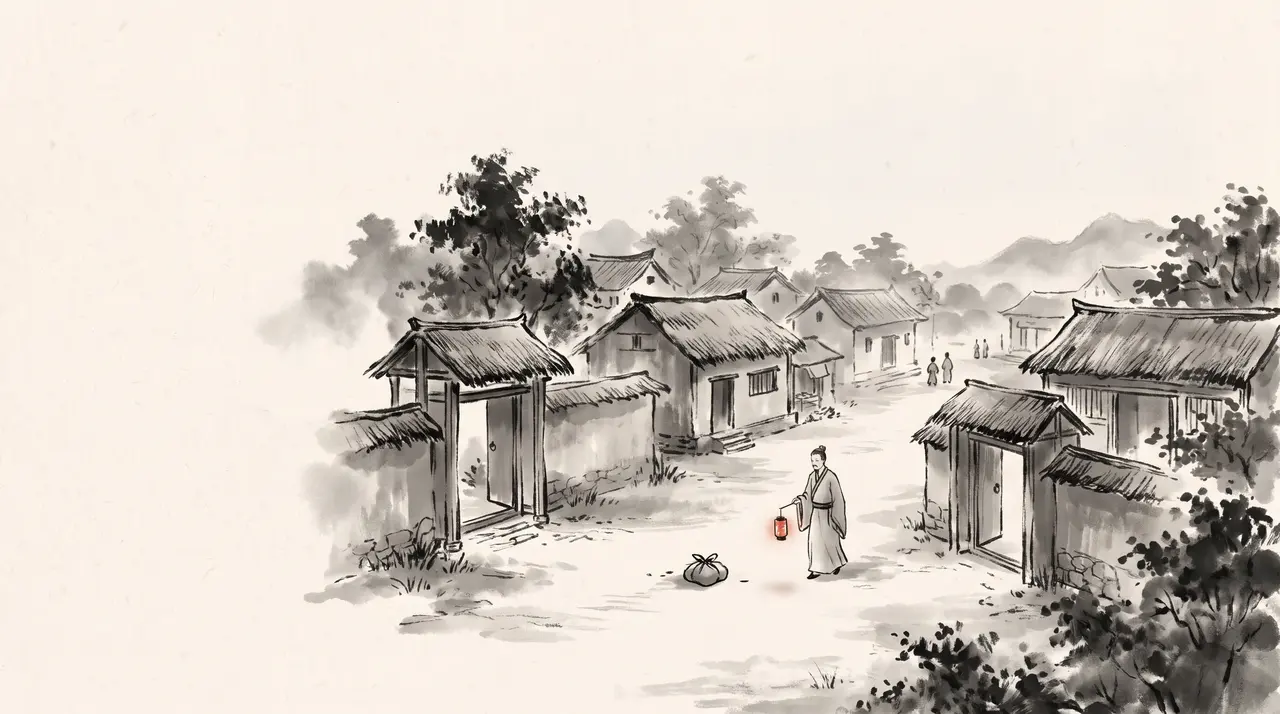
道に落ちた物を拾う者もいない(子産の鄭) 道不拾遺
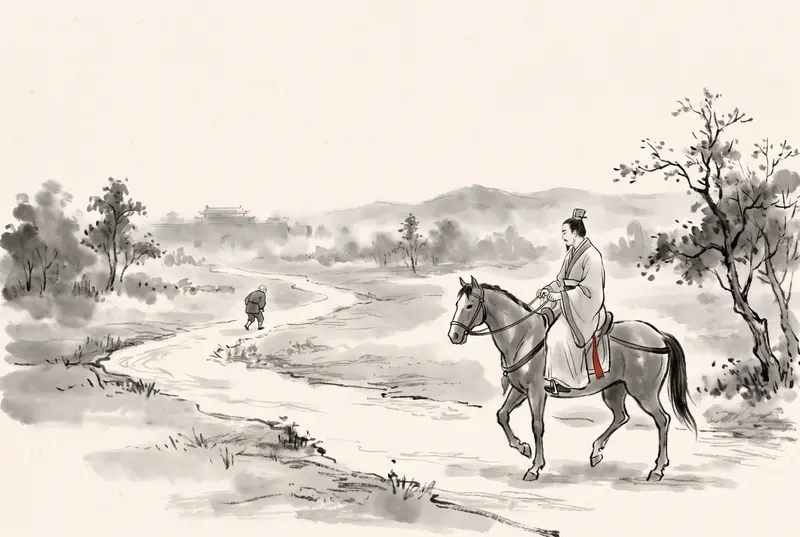
法に従い、道理にかなった政治を行った五人の役人の物語。司馬遷は「職務を守り道理に従うだけでも、国は治められる。どうして厳しくする必要があろう」と述べ、春秋時代の宰相や役人を取り上げる。楚の孫叔敖は、王が貨幣を変えて市場が乱れると、すぐ元に戻させた。車の低さを改めさせるのにも命令は出さず、村の門の敷居を高くするだけで、民が自分から車を高くした。鄭の子産が宰相になると、年ごとに国が治まり、三年で夜に門を閉めず、道に落ちた物を拾う者もいなくなった。魯の公儀休は、魚が好きだからこそ魚の贈り物を受け取らなかった。楚の石奢は、人を殺した犯人が自分の父だったので逃がし、王が許しても自ら命を絶った。晋の李離は、裁判をまちがえて人を死なせた責任を部下に負わせず、剣に伏して死んだ。
この巻のうち「道に落ちた物を拾う者もいない(子産の鄭)」の場面を載せています。巻の全文ではありません。
音声
音声は合成音声です。
動画
節 1
原文
太史公曰:法令所以導民也,刑罰所以禁姦也。文武不備,良民懼然身修者,官未曾亂也。奉職循理,亦可以爲治,何必威嚴哉?
書き下し文
太史公曰く、法令は民を導く所以なり。刑罰は姦を禁ずる所以なり。文武備わらずとも、良民懼然として身修まる者は、官未だ曾て乱れざればなり。職を奉じて理に循うも、亦た以て治を為すべし。何ぞ必ずしも威厳ならんや。
現代語訳
太史公は言う。法令は民を導くためのものであり、刑罰は悪事を禁じるためのものである。法令と刑罰の両方がそろっていなくても、良い民がつつしんで身を正しく保つのは、役人がこれまで乱れたことがないからである。職務を守り、道理に従うだけでも、国を治めることはできる。どうして厳しくする必要があろうか。
英訳
The Grand Historian says: Laws and decrees are there to guide the people; punishments are there to stop wrongdoing. Even when both are not fully in place, if good people are careful and live upright lives, it is because the officials have never been corrupt. Keeping to one's duty and following what is right is enough to govern well. Why must one be harsh?
解説(日)
- 循吏: 法に従い、道理にかなった政治を行う役人。厳しい刑罰で治める「酷吏」(122-kuli の章)と対になる。
- 文武: ここでは法令(文)と刑罰(武)。
- 司馬遷は、取り上げる循吏をすべて春秋時代の人から選び、漢代の人は一人も入れていない。
解説(英)
- Law-abiding officials (循吏): officials who governed by the law and by reason, the opposite of the harsh officials of chapter 122.
- Sima Qian chose all his examples from the Spring and Autumn period; not one is from the Han.
英語の語注
- decree/dɪˈkri/noun
an official order from a ruler
本文では: “Laws and decrees are there to guide the people”
似た語と違い: edict — formal order · order — command
- harsh/hɑrʃ/adjective
cruel, strict or severe
本文では: “Why must one be harsh?”
似た語と違い: severe — very strict · stern — serious and strict
節 2
原文
孫叔敖者,楚之處士也。虞丘相進之於楚莊王,以自代也。三月爲楚相,施教導民,上下和合,世俗盛美,政緩禁止,吏無姦邪,盜賊不起。秋冬則勸民山採,春夏以水,各得其所便,民皆樂其生。莊王以爲幣輕,更以小爲大,百姓不便,皆去其業。市令言之相曰:「市亂,民莫安其處,次行不定。」相曰:「如此幾何頃乎?」市令曰:「三月頃。」相曰:「罷,吾今令之復矣。」後五日,朝,相言之王曰:「前日更幣,以爲輕。今市令來言曰『市亂,民莫安其處,次行之不定』。臣請遂令復如故。」王許之,下令三日而市復如故。
書き下し文
孫叔敖は、楚の処士なり。虞丘相之を楚の荘王に進め、以て自ら代わらしむ。三月にして楚の相と為り、教えを施して民を導く。上下和合し、世俗盛美にして、政緩やかなるも禁止し、吏に姦邪無く、盗賊起こらず。秋冬は則ち民に勧めて山に採らしめ、春夏は水を以てし、各々其の便とする所を得て、民皆其の生を楽しむ。荘王以て幣軽しと為し、更めて小を以て大と為す。百姓便とせず、皆其の業を去る。市令之を相に言いて曰く、「市乱れ、民其の処に安んずる莫く、次行定まらず」と。相曰く、「此くの如きこと幾何の頃ぞ」と。市令曰く、「三月の頃なり」と。相曰く、「罷めよ。吾今之をして復せしめん」と。後五日、朝す。相之を王に言いて曰く、「前日幣を更むるは、以て軽しと為せばなり。今市令来たりて言いて曰く『市乱れ、民其の処に安んずる莫く、次行の定まらず』と。臣請う遂に令して復た故の如くせしめん」と。王之を許す。令を下すこと三日にして市復た故の如し。
現代語訳
孫叔敖は楚の在野の士だった。宰相の虞丘が孫叔敖を楚の荘王に推薦し、自分の代わりにさせた。孫叔敖は三か月で楚の宰相となり、教えを広めて民を導いた。上の者も下の者も仲よくまとまり、世の風俗は美しく、政治はゆるやかなのに禁令はよく守られ、役人に不正はなく、盗賊も起こらなかった。秋と冬には民に山で木を切らせ、春と夏には川の水を利用させ、民はそれぞれ都合のよい仕事を得て、皆暮らしを楽しんだ。荘王は貨幣が軽すぎると考えて、小さい銭を大きい銭に改めさせた。民は不便に思い、皆仕事をやめてしまった。市場の長が宰相に言った。「市場が乱れて、民は落ち着いて商売ができず、店の並びも定まりません」。宰相は「そうなってどれくらいになるか」とたずねた。市場の長は「三か月ほどです」と答えた。宰相は言った。「もうよい。わたしがすぐに元どおりにさせよう」。五日後、朝廷に出ると、宰相は王に言った。「先日貨幣を改めたのは、軽すぎると考えたからでした。いま市場の長が来て、『市場が乱れて、民は落ち着いて商売ができず、店の並びも定まらない』と言っています。どうか命令を出して、元どおりにさせてください」。王は許した。命令を出して三日で、市場は元どおりになった。
英訳
Sunshu Ao was a gentleman of Chu who had never held office. The chancellor Yuqiu recommended him to King Zhuang of Chu to take his own place, and within three months he was chancellor of Chu. He spread good teaching and guided the people. High and low lived in harmony, and the ways of the age were fine. His government was gentle, yet what was forbidden was not done; the officials were not corrupt, and there were no robbers. In autumn and winter he encouraged the people to gather wood in the mountains, and in spring and summer to use the rivers, so that each had the work that suited the season, and all the people were happy in their lives. King Zhuang thought the coins were too light, and had small coins replaced with large ones. The people found it inconvenient, and many gave up their trades. The head of the market told the chancellor: "The market is in chaos. The people cannot settle in their places, and the rows of stalls are all in disorder." The chancellor asked: "How long has it been like this?" The head of the market said: "About three months." The chancellor said: "That will do. I will have it put back now." Five days later, at court, the chancellor said to the king: "The other day the coinage was changed because the coins were thought too light. Now the head of the market has come to tell me: 'The market is in chaos. The people cannot settle in their places, and the rows of stalls are all in disorder.' I beg you to order that things be put back as they were." The king agreed, and three days after the order went out, the market was back as it had been.
解説(日)
- 孫叔敖: 楚の荘王(春秋五覇の一人)の宰相。子どものころ、見た者は死ぬという両頭の蛇を、ほかの人が見ないように殺して埋めた話で知られる。
- 荘王: 楚の王。「鳴かず飛ばず」の故事で知られる(040-chu の章)。
- 次行: 市場の店の並び。
解説(英)
- Sunshu Ao (孫叔敖): chancellor to King Zhuang of Chu, one of the five hegemons of the Spring and Autumn period.
- King Zhuang (莊王): the king who "neither sang nor flew" for three years (chapter 040).
- The rows of stalls (次行): the order of the market.
英語の語注
- harmony/ˈhɑrməni/noun
a state of peaceful agreement
本文では: “High and low lived in harmony”
似た語と違い: accord — agreement · concord — peace and agreement
- chaos/ˈkeɪɑs/noun
complete disorder and confusion
本文では: “The market is in chaos”
似た語と違い: disorder — mess · turmoil — great confusion
節 3
原文
楚民俗好庳車,王以爲庳車不便馬,欲下令使髙之。相曰:「令數下,民不知所從,不可。王必欲髙車,臣請教閭里使髙其梱。乘車者皆君子,君子不能數下車。」王許之。居半歳,民悉自髙其車。此不教而民從其化,近者視而效之,遠者四面望而法之。故三得相而不喜,知其材自得之也;三去相而不悔,知非己之罪也。
書き下し文
楚の民の俗は庳車を好む。王以為えらく、庳車は馬に便ならずと。令を下して之を高くせしめんと欲す。相曰く、「令数々下れば、民従う所を知らず。不可なり。王必ず車を高くせんと欲せば、臣請う閭里に教えて其の梱を高くせしめん。車に乗る者は皆君子なり。君子は数々車より下る能わず」と。王之を許す。居ること半歳、民悉く自ら其の車を高くす。此れ教えずして民其の化に従い、近き者は視て之に效い、遠き者は四面より望みて之に法るなり。故に三たび相を得て喜ばず、其の材自ら之を得るを知ればなり。三たび相を去りて悔いず、己の罪に非ざるを知ればなり。
現代語訳
楚の民の習わしでは、車高の低い車が好まれた。王は低い車は馬に不便だと考えて、命令を出して車を高くさせようとした。宰相は言った。「命令がたびたび出されると、民はどれに従えばよいか分からなくなります。それはいけません。王がどうしても車を高くさせたいのなら、村々の門の敷居を高くさせるようにいたしましょう。車に乗るのは皆身分のある人たちです。身分のある人は、何度も車から降りるわけにはいきません」。王は許した。半年たつと、民は皆自分から車を高くした。これは、教えなくても民がその感化に従い、近くの者は見てまね、遠くの者は四方から眺めて手本にしたのである。だから孫叔敖は、三度宰相になっても喜ばなかった。自分の才能で得たものだと知っていたからである。三度宰相をやめさせられても悔やまなかった。自分の罪ではないと知っていたからである。
英訳
The people of Chu liked low carriages. The king thought low carriages were bad for the horses, and wanted to issue an order to have them raised. The chancellor said: "If orders are issued too often, the people will not know which to follow. That will not do. If Your Majesty truly wants the carriages raised, let me have the villages raise the thresholds of their gates. Those who ride in carriages are all gentlemen, and gentlemen cannot keep getting down from their carriages." The king agreed, and within half a year the people had all raised their carriages themselves. This is how, without being taught, the people followed his example: those nearby saw it and copied it, and those far away watched from all sides and followed it. So when he was made chancellor three times he did not rejoice, for he knew he had won it by his own ability; and when he was dismissed three times he had no regrets, for he knew it was not his own fault.
解説(日)
- 庳車: 車高の低い車。
- 梱: 門の敷居。敷居が高いと、低い車は通れず、乗っている人がいちいち降りなければならない。
- 三得相而不喜: 『論語』では、同じ話が楚の令尹子文のこととして語られている。
解説(英)
- Raising the thresholds (高其梱): a low carriage could not pass a high threshold, so the passengers would have to get down each time.
- Three times chancellor: the Analects tells a similar story of another minister of Chu, Ziwen.
英語の語注
- threshold/ˈθrɛʃˌhoʊld/noun
the strip of wood or stone at the bottom of a doorway
本文では: “raise the thresholds of their gates”
似た語と違い: doorstep — step at a door · sill — bottom of a door frame
- regret/rɪˈɡrɛt/noun
a feeling of sadness about something you did
本文では: “he had no regrets”
似た語と違い: remorse — deep regret · sorrow — sadness
節 4
原文
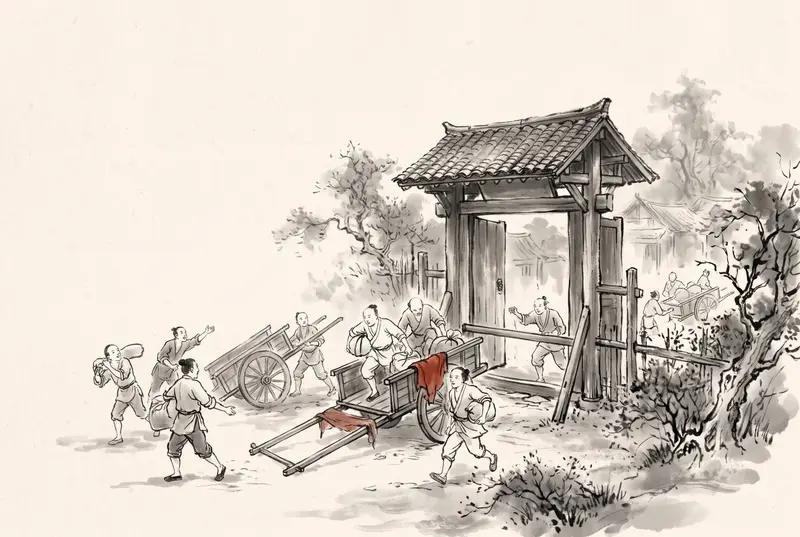
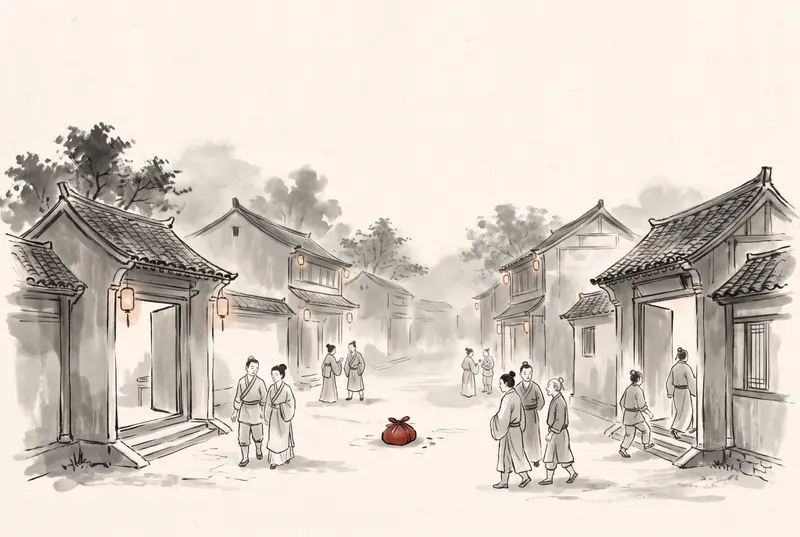
子産者,鄭之列大夫也。鄭昭君之時,以所愛徐贄爲相,國亂,上下不親,父子不和。大宮子期言之君,以子産爲相。爲相一年,豎子不戲狎,斑白不提挈,僮子不犁畔。二年,市不豫賈。三年,門不夜關,道不拾遺。四年,田器不歸。五年,士無尺籍,喪期不令而治。治鄭二十六年而死,丁壯號哭,老人兒啼,曰:「子産去我死乎!民將安歸?」
書き下し文
子産は、鄭の列大夫なり。鄭の昭君の時、愛する所の徐贄を以て相と為す。国乱れ、上下親しまず、父子和せず。大宮子期之を君に言い、子産を以て相と為す。相と為ること一年、豎子戯狎せず、斑白提挈せず、僮子畔を犁さず。二年、市豫め賈せず。三年、門夜関さず、道遺ちたるを拾わず。四年、田器帰さず。五年、士に尺籍無く、喪期令せずして治まる。鄭を治むること二十六年にして死す。丁壮号哭し、老人児のごとく啼きて、曰く、「子産我を去りて死するか。民将た安くにか帰せん」と。
現代語訳
子産は鄭の大夫だった。鄭の昭君のとき、気に入っていた徐贄を宰相にしたところ、国は乱れ、上の者と下の者は親しまず、父と子も仲が悪くなった。大宮の子期がこれを君主に申し上げ、子産を宰相にした。子産が宰相になって一年で、子どもたちはふざけたりしなくなり、白髪まじりの年寄りが重い荷物を手にさげて歩くこともなくなり、少年たちが田のあぜを耕して人の土地を侵すこともなくなった。二年で、市場では値段をつり上げる者がいなくなった。三年で、夜も門を閉めず、道に落ちている物を拾う者もいなくなった。四年で、農具を家に持ち帰らなくてもよくなった。五年で、兵士を名簿で駆り出すこともなくなり、喪に服する期間も命令しないのに守られた。子産は鄭を二十六年治めて死んだ。若者や働き盛りの男たちは声をあげて泣き、年寄りは子どものように泣いて言った。「子産さまは、わたしたちを残して死んでしまわれたのか。民はこれから誰をたよればよいのか」。
英訳
Zichan was one of the great officers of Zheng. In the time of Lord Zhao of Zheng, the lord made his favourite, Xu Zhi, chief minister, and the state fell into disorder: high and low were not close, and fathers and sons did not get on. Ziqi of the Great Temple spoke to the lord about it, and Zichan was made chief minister. After he had been chief minister for a year, the boys no longer played the fool, the grey-haired no longer had to carry heavy loads, and the young did not plough across the borders of others' fields. After two years, no one in the market raised prices in advance. After three years, gates were not barred at night, and no one picked up what others had dropped on the road. After four years, farm tools did not have to be taken home at night. After five years, no soldiers had to be called up by register, and the periods of mourning were kept without any order being given. He governed Zheng for twenty-six years and then died. The young men wailed, and the old wept like children, saying: "Has Zichan left us and died? Whom will the people turn to now?"
解説(日)
- 子産: 春秋時代の鄭の宰相、公孫僑。中国で初めて刑法を鼎に鋳こんで公にしたことで知られる。孔子も「恵人」とたたえた。
- 鄭昭君: 子産が仕えた君主については、史実と合わないところがある。
- 道不拾遺: 道に落ちている物を拾って自分のものにする者がいない。よく治まった世のたとえ。
- 尺籍: 兵士を駆り出すための名簿。
解説(英)
- Zichan (子産): Gongsun Qiao, chief minister of Zheng, famous for casting the laws on bronze vessels for all to see; Confucius praised him as a kind man.
- Lord Zhao of Zheng: the ruler named here does not fit the known history well.
- No one picked up what was dropped (道不拾遺): a classic picture of a well-ordered land.
この節から生まれた言葉: 道に遺ちたるを拾わず
英語の語注
- disorder/dɪsˈɔrdər/noun
a state of confusion and lack of order
本文では: “the state fell into disorder”
似た語と違い: confusion — mess · unrest — trouble
- wail/weɪl/verb
to cry loudly in grief
本文では: “The young men wailed”
似た語と違い: howl — cry loudly · lament — mourn aloud
節 5
原文
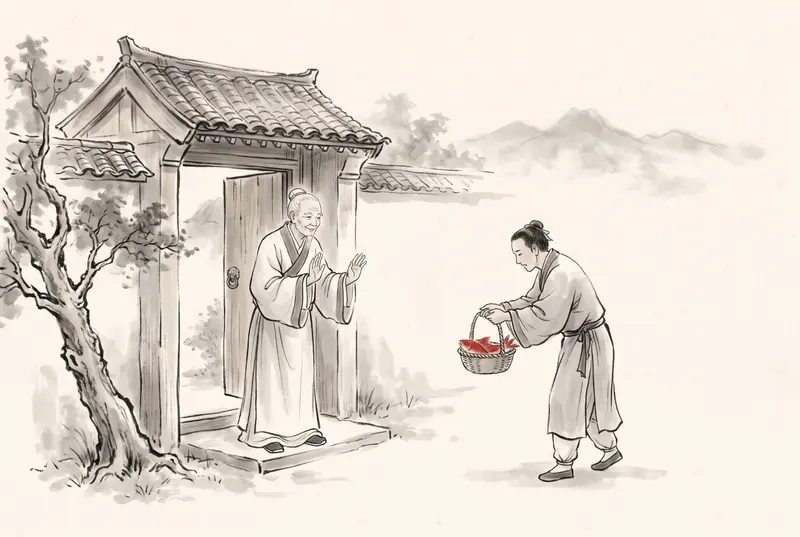
公儀休者,魯博士也。以髙弟爲魯相。奉法循理,無所變更,百官自正。使食祿者不得與下民爭利,受大者不得取小。客有遺相魚者,相不受。客曰:「聞君嗜魚,遺君魚,何故不受也?」相曰:「以嗜魚,故不受也。今爲相,能自給魚;今受魚而免,誰復給我魚者?吾故不受也。」食茹而美,拔其園葵而棄之。見其家織布好,而疾出其家婦,燔其機,云:「欲令農士工女安所讎其貨乎」?
書き下し文
公儀休は、魯の博士なり。高弟を以て魯の相と為る。法を奉じ理に循い、変更する所無く、百官自ら正し。禄を食む者をして下民と利を争うを得ざらしめ、大を受くる者は小を取るを得ず。客に相に魚を遺る者有り。相受けず。客曰く、「君魚を嗜むと聞く。君に魚を遺る。何の故に受けざるや」と。相曰く、「魚を嗜むを以ての故に受けざるなり。今相と為りて、能く自ら魚を給す。今魚を受けて免ぜられなば、誰か復た我に魚を給する者ぞ。吾故に受けざるなり」と。茹を食いて美なれば、其の園の葵を抜きて之を棄つ。其の家の布を織ること好きを見て、而して疾く其の家の婦を出だし、其の機を燔きて、云う、「農士工女をして安くにか其の貨を讎らしめんと欲するか」と。
現代語訳
公儀休は魯の博士で、成績がすぐれていたので魯の宰相になった。法を守り道理に従って、むやみに改めることをしなかったので、役人たちは自然と正しくなった。俸禄を受けている者には、民と利益を争うことを許さず、大きな俸禄を受けている者には、小さな利益を取らせなかった。あるとき、客が宰相に魚を贈ったが、宰相は受け取らなかった。客は言った。「あなたは魚がお好きだと聞いたので、魚をお贈りしたのです。どうして受け取ってくださらないのですか」。宰相は言った。「魚が好きだからこそ、受け取らないのです。いまは宰相なので、自分で魚を買うことができます。もし魚を受け取って罷免されたら、誰がまたわたしに魚をくれるでしょう。だから受け取らないのです」。公儀休は、家で食べた野菜がおいしかったので、庭の葵を抜いて捨ててしまった。また、家で織った布がよいのを見ると、すぐに機を織った家の女をさがらせ、織機を焼いて言った。「農民や機織りの女たちに、どこで品物を売らせようというのか」。
英訳
Gongyi Xiu was a court scholar of Lu, and because he was the best of the students he became chief minister of Lu. He kept to the law and followed what was right, changing nothing, and all the officials became upright of their own accord. He did not allow those who lived on official salaries to compete with the common people for profit, nor those who received great rewards to take small ones. Once a visitor sent the chief minister a gift of fish, but he would not accept it. The visitor said: "I heard you were fond of fish, so I sent you some. Why will you not accept it?" The chief minister said: "It is because I am fond of fish that I will not accept it. As chief minister, I can buy my own fish. If I accept your fish and am dismissed for it, who will give me fish then? That is why I will not accept it." When he found the vegetables he ate at home were delicious, he pulled up the mallows in his garden and threw them away. When he saw that the cloth woven in his house was fine, he quickly sent away the women of his household who wove it and burned the loom, saying: "Do you want the farmers and the weaving women to have nowhere to sell their goods?"
解説(日)
- 公儀休: 戦国時代はじめの魯の宰相。
- 嗜魚不受魚: 好きなものだからこそ、賄賂として受け取らない。清廉な役人の話として広く知られる。
- 葵: 野菜の一種(冬葵)。役人が自分の家で作物を作れば、農民の売り物を奪うことになると考えた。
解説(英)
- Gongyi Xiu (公儀休): chief minister of Lu in the early Warring States period.
- Refusing the fish he loved: a famous example of an honest official refusing a bribe.
- The mallows (葵): an official who grew his own vegetables or wove his own cloth would be taking trade from the common people.
英語の語注
- upright/ˈʌpˌraɪt/adjective
honest and morally good
本文では: “all the officials became upright”
似た語と違い: honest — truthful · honourable — with good morals
- loom/lum/noun
a machine for weaving cloth
本文では: “burned the loom”
似た語と違い: weaving frame — frame for making cloth · spinning machine — machine for thread
節 6
原文
石奢者,楚昭王相也。堅直廉正,無所阿避。行縣,道有殺人者,相追之,乃其父也。縱其父而還自繋焉。使人言之王曰:「殺人者,臣之父也。夫以父立政,不孝也;廢法縱罪,非忠也;臣罪當死。」王曰:「追而不及,不當伏罪,子其治事矣。」石奢曰:「不私其父,非孝子也;不奉主法,非忠臣也。王赦其罪,上惠也;伏誅而死,臣職也。」遂不受令,自刎而死。
書き下し文
石奢は、楚の昭王の相なり。堅直廉正にして、阿り避くる所無し。県を行るに、道に人を殺す者有り。相之を追うに、乃ち其の父なり。其の父を縦ちて還りて自ら繫ぐ。人をして之を王に言わしめて曰く、「人を殺す者は、臣の父なり。夫れ父を以て政を立つるは、不孝なり。法を廃して罪を縦すは、忠に非ざるなり。臣の罪死に当たる」と。王曰く、「追いて及ばず。罪に伏するに当たらず。子其れ事を治めよ」と。石奢曰く、「其の父を私せざるは、孝子に非ざるなり。主の法を奉ぜざるは、忠臣に非ざるなり。王其の罪を赦すは、上の恵みなり。誅に伏して死するは、臣の職なり」と。遂に令を受けず、自刎して死す。
現代語訳
石奢は楚の昭王の宰相だった。まじめでまっすぐで清廉で、人にへつらったり、手心を加えたりすることがなかった。県を見回っていると、道で人を殺した者がいた。宰相が追いかけてみると、それは自分の父だった。石奢は父を逃がして帰り、自分で自分を獄につないだ。そして人をやって王に申し上げた。「人を殺したのはわたしの父です。父を罰して政治の筋を通すのは親不孝です。法を曲げて罪を見逃すのは不忠です。わたしの罪は死にあたります」。王は言った。「追いかけたが追いつかなかったのだ。罪に服することはない。そなたは仕事を続けよ」。石奢は言った。「父をかばわないのは孝行な子ではありません。主君の法を守らないのは忠臣ではありません。王が罪を許されるのは主君のお恵みです。罰を受けて死ぬのは、臣下の務めです」。そして王の命令を受けず、自ら首をはねて死んだ。
英訳
Shi She was chancellor to King Zhao of Chu. He was firm, straight and honest, and showed no favour to anyone. Once, while he was touring the counties, someone committed a murder on the road. The chancellor chased the killer, and found it was his own father. He let his father go, went back, and put himself in prison. He sent a man to tell the king: "The murderer is my father. To punish my father to uphold the government would be unfilial; to set aside the law and let the crime go would be disloyal. My crime deserves death." The king said: "You chased him and did not catch him. You do not deserve punishment. Go back to your work." Shi She said: "A man who does not protect his father is no filial son. A man who does not uphold his lord's law is no loyal subject. That Your Majesty pardons my crime is your grace; to accept punishment and die is my duty." So he would not accept the king's order, and cut his own throat and died.
解説(日)
- 楚昭王: 春秋時代の楚の王。伍子胥に率いられた呉の軍に都を攻め落とされた(066-wu-zixu の章)。
- 石奢は、子として父を守る「孝」と、臣として法を守る「忠」のどちらも捨てられず、自分の命で両方を果たそうとした。
- 『論語』には「父は子のために隠し、子は父のために隠す。直きことその中に在り」という孔子の言葉がある。
解説(英)
- King Zhao of Chu (楚昭王): the king whose capital fell to the army of Wu led by Wu Zixu (chapter 066).
- Unable to give up either filial love or loyalty to the law, Shi She paid for both with his life.
- Compare Confucius in the Analects: "The father covers for the son, and the son covers for the father; uprightness lies in this."
英語の語注
- unfilial/ʌnˈfɪliəl/adjective
not showing the respect a child owes its parents
本文では: “would be unfilial”
似た語と違い: undutiful — failing in duty · disrespectful — without respect
- grace/ɡreɪs/noun
kindness or mercy shown by someone powerful
本文では: “is your grace”
似た語と違い: mercy — kindness to the guilty · favour — kind act
節 7
原文
李離者,晉文公之理也。過聽殺人,自拘當死。文公曰:「官有貴賤,罰有輕重。下吏有過,非子之罪也。」李離曰:「臣居官爲長,不與吏讓位;受祿爲多,不與下分利。今過聽殺人,傅其罪下吏,非所聞也。」辭不受令。文公曰:「子則自以爲有罪,寡人亦有罪邪?」李離曰:「理有法,失刑則刑,失死則死。公以臣能聽微決疑,故使爲理。今過聽殺人,罪當死。」遂不受令,伏劍而死。
書き下し文
李離は、晋の文公の理なり。過ちて聴きて人を殺し、自ら拘えて死に当たるとす。文公曰く、「官に貴賤有り、罰に軽重有り。下吏に過ち有るは、子の罪に非ざるなり」と。李離曰く、「臣官に居りて長と為り、吏と位を譲らず。禄を受くること多しと為し、下と利を分かたず。今過ちて聴きて人を殺し、其の罪を下吏に傅くるは、聞く所に非ざるなり」と。辞して令を受けず。文公曰く、「子則ち自ら以て罪有りと為す。寡人も亦た罪有るか」と。李離曰く、「理に法有り。刑を失えば則ち刑せられ、死を失えば則ち死す。公臣の能く微を聴き疑いを決するを以て、故に理と為さしむ。今過ちて聴きて人を殺す。罪死に当たる」と。遂に令を受けず、剣に伏して死す。
現代語訳
李離は晋の文公の裁判官だった。裁判で聞きまちがえて罪のない人を死刑にしてしまい、自分で自分を拘束して、死刑にあたると申し出た。文公は言った。「官職には上下があり、罰にも軽い重いがある。下役の過ちは、そなたの罪ではない」。李離は言った。「わたしは長官の位について、その位を下役に譲ってはいません。多くの俸禄を受けて、その利益を下の者に分けてはいません。いま聞きまちがえて人を死なせたのに、その罪を下役に押しつけるなど、聞いたこともありません」。そして辞退して、文公の命令を受けなかった。文公は言った。「そなたが自分に罪があると言うなら、そなたを任じたわしにも罪があることになるのか」。李離は言った。「裁判官には決まりがあります。まちがって人を刑に処せば自分が刑を受け、まちがって人を死なせれば自分が死ぬのです。殿は、わたしが細かいことまで聞き分け、疑わしいことを決められると思って、裁判官に任じられました。いま聞きまちがえて人を死なせたのですから、わたしの罪は死にあたります」。そして命令を受けず、剣に身を伏せて死んだ。
英訳
Li Li was chief judge to Duke Wen of Jin. Having heard a case wrongly, he had an innocent man put to death; so he arrested himself and declared that he deserved to die. Duke Wen said: "Offices are high and low, and punishments heavy and light. If a junior officer made a mistake, it is not your crime." Li Li said: "I hold the office of chief, and I have not given my rank to the junior officers. I receive the largest salary, and I have not shared it with those below me. Now that I have heard a case wrongly and caused a man's death, to put the blame on the junior officers is something I have never heard of." He refused, and would not accept the order. Duke Wen said: "If you think you are guilty, am I guilty too?" Li Li said: "A judge has his law. If he punishes wrongly, he is punished; if he puts a man to death wrongly, he dies. Your Lordship made me judge because you thought I could hear the finest details and settle doubtful cases. Now I have heard a case wrongly and caused a man's death. My crime deserves death." So he would not accept the order, and fell on his sword and died.
解説(日)
- 晉文公: 重耳。十九年の亡命ののちに晋の君主となり、覇者となった(039-chong-er の章)。
- 理: 裁判をつかさどる官。
- 失刑則刑,失死則死: まちがって人を刑に処せば自分が刑を受け、まちがって死なせれば自分が死ぬ。裁く者の責任の重さを示す言葉。
解説(英)
- Duke Wen of Jin (晉文公): Chong'er, who became ruler after nineteen years in exile and rose to be hegemon (chapter 039).
- Chief judge (理): the official in charge of trials.
- "If he puts a man to death wrongly, he dies" (失死則死): the weight of a judge's responsibility.
英語の語注
- innocent/ˈɪnəsənt/adjective
not guilty of a crime
本文では: “had an innocent man put to death”
似た語と違い: blameless — not at fault · guiltless — free of guilt
- junior/ˈdʒunjər/adjective
lower in rank or position
本文では: “If a junior officer made a mistake”
似た語と違い: subordinate — of lower rank · lesser — less important
節 8
原文
太史公曰:孫叔敖出一言,郢市復。子産病死,鄭民號哭。公儀子見好布而家婦逐。石奢縱父而死,楚昭名立。李離過殺而伏劍,晉文以正國法。
書き下し文
太史公曰く、孫叔敖一言を出だして、郢の市復す。子産病みて死し、鄭の民号哭す。公儀子好き布を見て家婦逐わる。石奢父を縦ちて死し、楚の昭名立つ。李離過ちて殺して剣に伏し、晋の文以て国法を正す。
現代語訳
太史公は言う。孫叔敖が一言言っただけで、郢の市場は元に戻った。子産が病気で死ぬと、鄭の民は声をあげて泣いた。公儀休はよい布を見て、家の女を追い出した。石奢は父を逃がして死に、楚の昭王の名声が立った。李離はまちがって人を死なせて剣に伏し、晋の文公はそれによって国の法を正した。
英訳
The Grand Historian says: With a single word from Sunshu Ao, the market of Ying was restored. When Zichan died of illness, the people of Zheng wailed. When Gongyi Xiu saw fine cloth, the women of his house were sent away. Shi She let his father go and died, and the name of King Zhao of Chu was made. Li Li fell on his sword for a wrongful death, and Duke Wen of Jin set the laws of his state right by it.
解説(日)
- 郢: 楚の都。
- 司馬遷は五人の話を一句ずつにまとめている。漢代の役人を一人も挙げないことに、同時代への批判を読み取る見方もある。
解説(英)
- Ying (郢): the capital of Chu.
- Sima Qian sums up each of the five in a single line. Some readers see in his silence about Han officials a criticism of his own age.
英語の語注
- restore/rɪˈstɔr/verb
to bring back to an earlier condition
本文では: “the market of Ying was restored”
似た語と違い: bring back — return · reinstate — put back in place