列伝 · 巻 116
西南夷列伝 西南夷列傳
「漢とわが国と、どちらが大きいか」(夜郎自大) 漢孰與我大
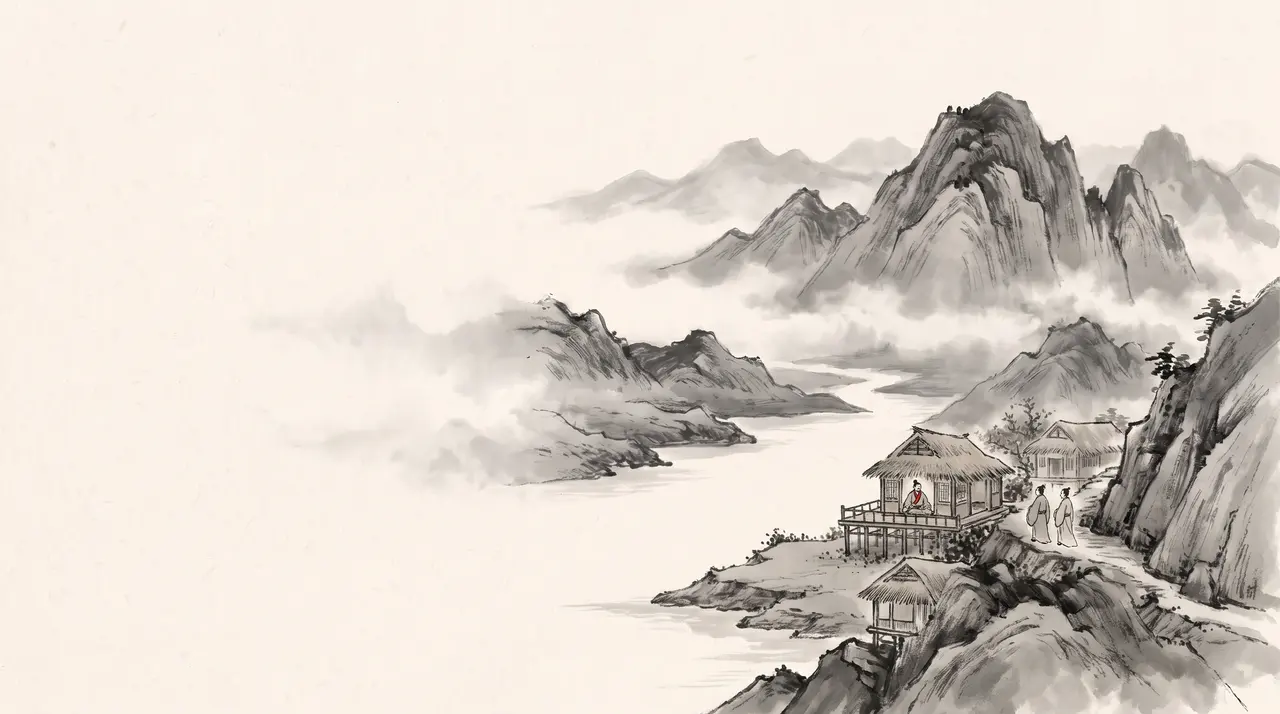
今の雲南・貴州・四川西部にいた「西南夷」と呼ばれる諸民族と、漢がこの地に郡を置いていくまでの記録。戦国時代、楚の将軍荘蹻は滇池まで攻め入ったが、秦に帰り道をふさがれて、そのまま滇の王になった。武帝のはじめ、唐蒙は南越で蜀の名産の枸醤(果実の醤)を出されて、蜀から夜郎を通って南越へ川の道が通じていることを知り、夜郎への道を開くことを進めた。道づくりは多くの兵士の命を奪い、公孫弘の反対で一度は中止された。やがて張騫が大夏(バクトリア)で蜀の布や竹の杖を見たと伝えると、武帝は身毒(インド)への道を探させた。そのとき使者を迎えた滇王は「漢とわが国と、どちらが大きいか」とたずね、夜郎の王も同じことを聞いた。道が通じていないため、自分の国が一番大きいと思っていたのである。南越が滅ぶと、漢は西南夷に七つの郡を置き、最後に降伏した滇王には王の印を与えた。
この巻のうち「「漢とわが国と、どちらが大きいか」(夜郎自大)」の場面を載せています。巻の全文ではありません。
音声
音声は合成音声です。
動画
節 1
原文
西南夷君長以什數,夜郎最大;其西靡莫之屬以什數,滇最大;自滇以北君長以什數,邛都最大:此皆魋結,耕田,有邑聚。其外西自同師以東,北至楪榆,名為巂、昆明,皆編發,隨畜遷徙,毋常處,毋君長,地方可數千里。自冄以東北,君長以什數,徙、筰都最大;自筰以東北,君長以什數,冄駹最大。其俗或士箸,或移徙,在蜀之西。自冄駹以東北,君長以什數,白馬最大,皆氐類也。此皆巴蜀西南外蠻夷也。
書き下し文
西南夷の君長は什を以て数う。夜郎最も大なり。其の西の靡莫の属は什を以て数う。滇最も大なり。滇より以北の君長は什を以て数う。邛都最も大なり。此れ皆魋結し、田を耕し、邑聚有り。其の外は西のかた同師より以東、北のかた楪榆に至るまで、名づけて巂・昆明と為す。皆編髪し、畜に随いて遷徙し、常処毋く、君長毋し。地方数千里可り。冄より以東北の君長は什を以て数う。徙・筰都最も大なり。筰より以東北の君長は什を以て数う。冄駹最も大なり。其の俗或いは土著し、或いは移徙す。蜀の西に在り。冄駹より以東北の君長は什を以て数う。白馬最も大なり。皆氐の類なり。此れ皆巴蜀の西南外の蛮夷なり。
現代語訳
西南夷の首長は十をもって数えるほど多いが、夜郎が最も大きい。その西の靡莫などの部族も十をもって数えるほどで、滇が最も大きい。滇から北の首長も十をもって数えるほどで、邛都が最も大きい。これらは皆、髪を槌の形に結い、田畑を耕し、村や町をもっている。その外側、西は同師から東、北は楪榆までの地域を、巂や昆明という。皆髪を編み、家畜を追って移り住み、決まった住まいも首長もなく、その土地は数千里四方ほどある。冄から東北の首長も十をもって数えるほどで、徙と筰都が最も大きい。筰から東北の首長も十をもって数えるほどで、冄駹が最も大きい。その風俗は、土地に住みつく者もいれば、移り住む者もいる。蜀の西にある。冄駹から東北の首長も十をもって数えるほどで、白馬が最も大きく、皆氐の仲間である。これらは皆、巴蜀の西南の外にいる蛮夷である。
英訳
The chiefs of the south-western peoples can be counted by the dozen, and Yelang is the largest. To its west, the Mimo and their kin can be counted by the dozen, and Dian is the largest. North of Dian the chiefs can be counted by the dozen, and Qiongdu is the largest. All these peoples wear their hair in mallet-shaped knots, farm the land, and live in towns and villages. Beyond them, from Tongshi in the west to Yeyu in the north, are the peoples called the Sui and the Kunming. They all wear their hair in braids and move about with their herds, with no fixed homes and no chiefs; their land stretches for several thousand li. North-east of them, the chiefs can be counted by the dozen, and the Xi and the Zuodu are the largest. North-east of the Zuo, the chiefs can be counted by the dozen, and the Ranmang are the largest. Some of them settle on the land, and some move about; they live west of Shu. North-east of the Ranmang, the chiefs can be counted by the dozen, and the Baima are the largest; they are all of the Di people. All these are the barbarian peoples beyond Ba and Shu to the south-west.
解説(日)
- 西南夷: 巴・蜀(今の四川)の西南、今の雲南・貴州・四川西部にいた諸民族の総称。
- 夜郎: 今の貴州省西部にあった国。
- 滇: 今の雲南省の滇池(昆明湖)のまわりにあった国。
- 魋結: 髪を槌のような形に結うこと。定住して農耕する民の髪形として、遊牧の民の「編髪」と対比されている。
解説(英)
- The south-western peoples (西南夷): the peoples beyond Ba and Shu (modern Sichuan), in what is now Yunnan, Guizhou and western Sichuan.
- Yelang (夜郎): a kingdom in what is now western Guizhou.
- Dian (滇): a kingdom around Lake Dian, near modern Kunming in Yunnan.
- Mallet-shaped knots and braids: Sima Qian sorts the peoples into settled farmers and wandering herders.
英語の語注
- braid/breɪd/noun
hair woven together in a long rope
本文では: “wear their hair in braids”
似た語と違い: plait — woven hair (UK) · pigtail — hanging braid
- herd/hɜrd/noun
a large group of animals kept together
本文では: “move about with their herds”
似た語と違い: flock — group of sheep · drove — animals driven together
節 2
原文
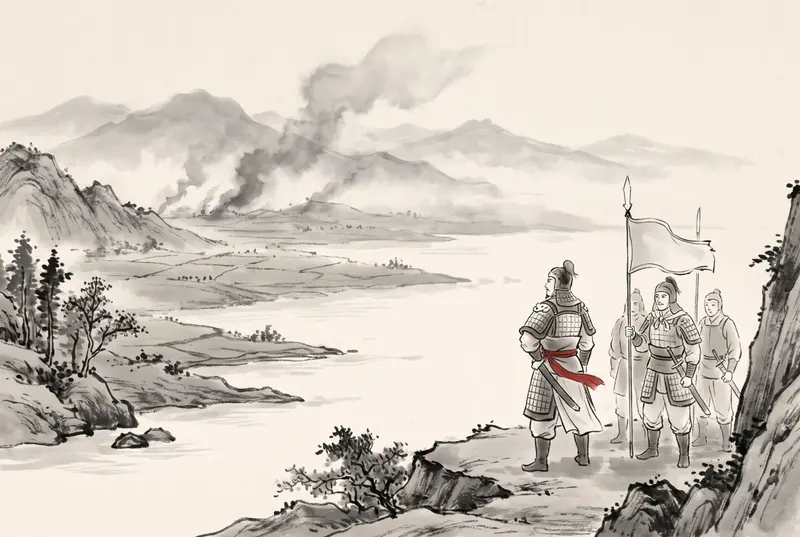
始楚威王時,使將軍莊蹻將兵循江上,略巴、黔中以西。莊蹻者,故楚莊王苗裔也。蹻至滇池,地方三百里,旁平地,肥饒數千里,以兵威定屬楚。欲歸報,會秦擊奪楚巴、黔中郡,道塞不通,因還,以其眾王滇,變服,從其俗,以長之。秦時常頞略通五尺道,諸此國頗置吏焉。十餘歲,秦滅。及漢興,皆棄此國而開蜀故徼。巴蜀民或竊出商賈,取其筰馬、僰僮、髦牛,以此巴蜀殷富。
書き下し文
始め楚の威王の時、将軍荘蹻をして兵を将いて江に循いて上り、巴・黔中より以西を略せしむ。荘蹻は、故の楚の荘王の苗裔なり。蹻滇池に至る。地方三百里、旁の平地、肥饒なること数千里。兵威を以て定めて楚に属せしむ。帰りて報ぜんと欲するに、会々秦撃ちて楚の巴・黔中郡を奪い、道塞がりて通ぜず。因りて還り、其の衆を以て滇に王たり。服を変じ、其の俗に従い、以て之に長たり。秦の時常頞略ぼ五尺道を通じ、諸々の此の国に頗る吏を置く。十余歳にして、秦滅ぶ。漢興るに及び、皆此の国を棄てて蜀の故の徼を開く。巴蜀の民或いは窃かに出でて商賈し、其の筰馬・僰僮・髦牛を取る。此れを以て巴蜀殷富なり。
現代語訳
はじめ楚の威王のとき、将軍の荘蹻に兵を率いさせ、長江をさかのぼって、巴と黔中から西を攻め取らせた。荘蹻は、むかしの楚の荘王の子孫である。荘蹻は滇池に着いた。滇池は三百里四方の湖で、そのまわりの平地は数千里にわたって肥えた土地だった。荘蹻は兵の力でこの地を平定し、楚に従わせた。帰って報告しようとしたところ、ちょうど秦が楚の巴郡と黔中郡を攻め取ったので、道がふさがって通れなくなった。そこで滇に引き返し、自分の兵を率いて滇の王となった。衣服を改め、その土地の風俗に従って、人々の長となった。秦の時代には、常頞がおおよそ五尺道を通し、これらの国々に役人を置いたところもあった。十年あまりで秦は滅んだ。漢がおこると、これらの国々を皆捨てて、蜀のもとの国境の守りを開いた。巴や蜀の民の中には、ひそかに国境を出て商売をし、筰の馬や僰の召使い、毛の長い牛を手に入れてくる者もいた。そのため巴と蜀は豊かになった。
英訳
Long ago, in the time of King Wei of Chu, General Zhuang Qiao was sent with an army up the Yangzi to conquer the lands west of Ba and Qianzhong. Zhuang Qiao was a descendant of the old King Zhuang of Chu. He reached Lake Dian, three hundred li around, with rich flat land stretching for thousands of li beside it, and with the might of his army he brought it under Chu. He wanted to go back and report, but just then Qin attacked and took Chu's commanderies of Ba and Qianzhong, and the road was blocked. So he turned back, and with his men he became king of Dian. He changed his clothes and followed the local customs, and ruled over the people. Under Qin, Chang E roughly opened up the Five-Foot Road, and officials were placed in a few of these lands. After ten years or so, Qin fell. When Han arose, it gave up all these lands and opened the old frontier posts of Shu. Some of the people of Ba and Shu slipped out across the border to trade, and brought back horses from Zuo, slave boys from Bo and long-haired yaks. This made Ba and Shu rich.
解説(日)
- 楚威王: 戦国時代の楚の王(在位前339〜前329年)。荘蹻の遠征の年代には諸説ある。
- 荘蹻: 楚の将軍。滇の王となり、楚の子孫が南方に王国を開いたと伝えられる。
- 五尺道: 秦が蜀から南へ開いた道。幅が五尺(約1.2メートル)しかなかったのでこう呼ぶ。
- 僰僮: 僰の人の召使い。人も売り買いされていた。
解説(英)
- King Wei of Chu (楚威王): reigned 339–329 BCE; the date of Zhuang Qiao's expedition is debated.
- The Five-Foot Road (五尺道): a narrow road that Qin cut south from Shu, only about 1.2 metres wide.
- Slave boys from Bo (僰僮): people too were bought and sold.
英語の語注
- conquer/ˈkɑŋkər/verb
to take control of a land by force
本文では: “to conquer the lands west of Ba”
似た語と違い: seize — take by force · overcome — defeat
- customs/ˈkʌstəmz/noun
the usual ways of behaving in a place
本文では: “followed the local customs”
似た語と違い: traditions — long-held ways · practices — usual ways of doing
節 3
原文
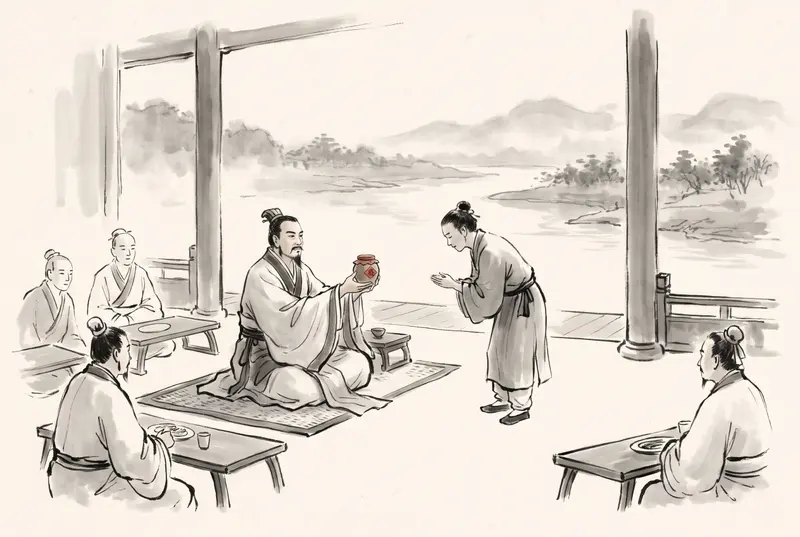
建元六年,大行王恢擊東越,東越殺王郢以報。恢因兵威使番陽令唐蒙風指曉南越。南越食蒙蜀枸醬,蒙問所從來,曰「道西北牂柯,牂柯江廣數里,出番禺城下」。蒙歸至長安,問蜀賈人,賈人曰:「獨蜀出枸醬,多持竊出市夜郎。夜郎者,臨牂柯江,江廣百餘步,足以行船。南越以財物役屬夜郎,西至同師,然亦不能臣使也。」蒙乃上書說上曰:「南越王黃屋左纛,地東西萬餘里,名為外臣,實一州主也。今以長沙、豫章往,水道多絕,難行。竊聞夜郎所有精兵,可得十餘萬,浮船牂柯江,出其不意,此制越一奇也。誠以漢之彊,巴蜀之饒,通夜郎道,為置吏,易甚。」上許之。乃拜蒙為郎中將,將千人,食重萬餘人,從巴蜀筰關入,遂見夜郎侯多同。蒙厚賜,喻以威德,約為置吏,使其子為令。夜郎旁小邑皆貪漢繒帛,以為漢道險,終不能有也,乃且聽蒙約。還報,乃以為犍為郡。發巴蜀卒治道,自僰道指牂柯江。蜀人司馬相如亦言西夷邛、筰可置郡。使相如以郎中將往喻,皆如南夷,為置一都尉,十餘縣,屬蜀。
書き下し文
建元六年、大行王恢東越を撃つ。東越王郢を殺して以て報ず。恢兵威に因りて番陽の令唐蒙をして指を風して南越に暁さしむ。南越蒙に蜀の枸醤を食わしむ。蒙従りて来たる所を問う。曰く、「西北の牂柯に道る。牂柯江は広さ数里、番禺の城下に出づ」と。蒙帰りて長安に至り、蜀の賈人に問う。賈人曰く、「独り蜀のみ枸醤を出だす。多く持ちて窃かに出だして夜郎に市る。夜郎は、牂柯江に臨む。江の広さ百余歩、以て船を行るに足る。南越財物を以て夜郎を役属せしめ、西のかた同師に至る。然れども亦た臣使する能わざるなり」と。蒙乃ち書を上りて上に説きて曰く、「南越王は黄屋左纛し、地は東西万余里、名は外臣為るも、実は一州の主なり。今長沙・豫章を以て往かば、水道多く絶え、行き難し。窃かに聞く、夜郎の有する所の精兵、十余万を得べし。船を牂柯江に浮かべ、其の不意に出づれば、此れ越を制するの一奇なり。誠に漢の彊、巴蜀の饒を以て、夜郎の道を通じ、為に吏を置かば、易きこと甚だし」と。上之を許す。乃ち蒙を拝して郎中将と為し、千人を将い、食重万余人、巴蜀の筰関より入り、遂に夜郎侯多同に見ゆ。蒙厚く賜い、喩すに威徳を以てし、約して為に吏を置き、其の子をして令と為さしむ。夜郎の旁の小邑皆漢の繒帛を貪り、以為えらく漢の道険しく、終に有つ能わざらんと。乃ち且く蒙の約を聴く。還りて報ず。乃ち以て犍為郡と為す。巴蜀の卒を発して道を治め、僰道より牂柯江を指す。蜀の人司馬相如も亦た西夷の邛・筰に郡を置くべしと言う。相如をして郎中将を以て往きて喩さしむ。皆南夷の如く、為に一都尉、十余県を置き、蜀に属せしむ。
現代語訳
建元六年、大行の王恢が東越を討つと、東越は自分たちの王の郢を殺して漢に申し出た。王恢はこの兵の威勢に乗じて、番陽の県令の唐蒙を南越に送り、漢の意向をそれとなく伝えさせた。南越は唐蒙に、蜀の枸醤(果実で作った醤)を出してもてなした。唐蒙がどこから来たのかとたずねると、「西北の牂柯から来ます。牂柯江は幅が数里もあって、番禺の城の下に流れ出ています」と言う。唐蒙は帰って長安に着くと、蜀の商人にたずねた。商人は言った。「枸醤は蜀でしか作りません。たくさん持ち出して、ひそかに夜郎に売っています。夜郎は牂柯江に面していて、川幅は百歩あまり、船を通すことができます。南越は財物で夜郎を手なずけ、その勢いは西の同師まで及んでいますが、それでも臣下として使うことはできません」。そこで唐蒙は帝に上書して説いた。「南越王は、天子と同じ黄色い屋根の車に左の飾り旗を立て、その領土は東西一万里あまりあり、名目は外臣ですが、実際は一つの州の主です。いま長沙や豫章から攻めて行こうとしても、水路が途切れているところが多く、進むのが困難です。聞くところでは、夜郎のもつ精兵は十万あまりにもなるとか。船を牂柯江に浮かべて、不意をついて攻め下れば、これは越を押さえる奇策の一つです。まことに漢の強さと巴蜀の豊かさがあれば、夜郎への道を通し、役人を置くのはとてもたやすいことです」。帝はこれを許した。そこで唐蒙を郎中将に任じ、千人の兵と、食料や荷物を運ぶ一万人あまりを率いさせた。唐蒙は巴蜀の筰関から入り、ついに夜郎侯の多同に会った。唐蒙は手厚い贈り物をし、漢の威勢と徳を説いて聞かせ、役人を置いて、多同の子を県令にすることを約束させた。夜郎のまわりの小さな村々は皆、漢の絹織物をほしがり、漢からの道は険しいから結局は支配できまい、と考えて、ひとまず唐蒙の約束を受け入れた。唐蒙が帰って報告すると、その地を犍為郡とした。巴蜀の兵を動員して道を造らせ、僰道から牂柯江へ向かった。蜀の人司馬相如も、西夷の邛や筰に郡を置くべきだと進言した。そこで司馬相如を郎中将として行かせて説かせ、南夷と同じように、都尉一人と十あまりの県を置いて、蜀郡に属させた。
英訳
In the sixth year of Jianyuan, the grand herald Wang Hui attacked Dong'ou, and the people of Dong'ou killed their king, Ying, to make their submission. Taking advantage of the army's might, Wang Hui sent Tang Meng, magistrate of Panyang, to let Nanyue know Han's wishes. In Nanyue they served Tang Meng a fruit relish from Shu. When he asked where it came from, they said: "It comes by way of Zangke in the north-west. The Zangke River is several li wide, and flows out below the walls of Panyu." When Tang Meng got back to Chang'an, he asked the merchants of Shu. They said: "Only Shu makes this relish. Many people take it out across the border in secret to sell in Yelang. Yelang lies on the Zangke River, which is more than a hundred paces wide, wide enough for boats. Nanyue uses gifts to keep Yelang under its sway, as far west as Tongshi, but it cannot make Yelang its subject." So Tang Meng wrote to the emperor: "The king of Nanyue rides in a carriage with a yellow canopy and a plume on the left, like the Son of Heaven. His land stretches more than ten thousand li from east to west. In name he is an outer vassal, but in truth he is the master of a whole province. If we go against him by way of Changsha and Yuzhang, the waterways are often broken and hard to travel. I have heard that Yelang can raise more than a hundred thousand fine troops. If we float boats down the Zangke River and strike where he does not expect it, that will be a surprise stroke to master Yue. With the strength of Han and the wealth of Ba and Shu, it would be very easy to open a road to Yelang and place officials there." The emperor agreed. He made Tang Meng a general of palace gentlemen, and sent him with a thousand soldiers and more than ten thousand porters carrying food and baggage. He went in through the Zuo pass of Ba and Shu, and at last met Duotong, the lord of Yelang. Tang Meng gave him rich gifts and told him of Han's might and virtue, and agreed with him that officials would be placed there and his son made magistrate. The small towns around Yelang all coveted the silks of Han, and thought that the road from Han was so rough that Han could never hold them; so for the time being they accepted Tang Meng's terms. When he came back and reported, the land was made the commandery of Qianwei. Soldiers from Ba and Shu were sent to build a road from Bodao towards the Zangke River. Sima Xiangru, a man of Shu, also said that commanderies could be set up among the Qiong and the Zuo of the western peoples. He was sent as a general of palace gentlemen to win them over, and, as with the southern peoples, a chief commandant and more than ten counties were set up there, under Shu.
解説(日)
- 枸醬: 果実から作った調味料(醤)。蜀の名産で、その流通の道から夜郎を経て南越に至る川の道が知られた。
- 南越: 今の広東・広西にあった国。都は番禺(今の広州)。
- 黄屋左纛: 黄色い絹の屋根の車と、左のながえに立てた飾り旗。天子だけに許されたもの。
- 司馬相如: 武帝に仕えた文人。西南夷への道を開く使いにもなった(117-sima-xiangru の章)。
解説(英)
- The fruit relish (枸醬): a sauce made in Shu; tracing its trade route revealed a river road through Yelang to Nanyue.
- Nanyue (南越): a kingdom in modern Guangdong and Guangxi, with its capital at Panyu (modern Guangzhou).
- A yellow canopy and a plume on the left (黃屋左纛): marks reserved for the Son of Heaven.
- Sima Xiangru (司馬相如): the poet, who also served as envoy to the south-west (chapter 117).
英語の語注
- relish/ˈrɛlɪʃ/noun
a sauce or pickle eaten with food
本文では: “a fruit relish from Shu”
似た語と違い: sauce — liquid flavouring · condiment — flavouring added to food
- covet/ˈkʌvɪt/verb
to want something that belongs to someone else
本文では: “all coveted the silks of Han”
似た語と違い: crave — want badly · hanker after — long for
節 4
原文
當是時,巴蜀四郡通西南夷道,戍轉相馕。數歲,道不通,士罷餓離溼死者甚眾;西南夷又數反,發兵興擊,秏費無功。上患之,使公孫弘往視問焉。還對,言其不便。及弘為御史大夫,是時方筑朔方以據河逐胡,弘因數言西南夷害,可且罷,專力事匈奴。上罷西夷,獨置南夷夜郎兩縣一都尉,稍令犍為自葆就。
書き下し文
是の時に当たり、巴蜀の四郡西南夷の道を通じ、戍転して相饟る。数歳にして、道通ぜず。士罷れ餓え、溼に離りて死する者甚だ衆し。西南夷又数々反す。兵を発して興りて撃つも、秏費して功無し。上之を患い、公孫弘をして往きて視問せしむ。還りて対え、其の便ならざるを言う。弘御史大夫と為るに及び、是の時方に朔方を築きて以て河に拠りて胡を逐う。弘因りて数々西南夷の害を言い、且く罷めて、専ら力めて匈奴に事うべしと。上西夷を罷め、独り南夷の夜郎に両県一都尉を置き、稍く犍為をして自ら葆就せしむ。
現代語訳
このころ、巴・蜀の四つの郡は西南夷への道を通すために、兵を守りに出し、食料を運び続けた。数年たっても道は通じず、兵士は疲れて飢え、湿気にやられて死ぬ者がたいへん多かった。西南夷もたびたび背き、兵を出して討ったが、費用がかさむばかりで成果はなかった。帝はこれを心配して、公孫弘に行かせて様子を調べさせた。公孫弘は帰って、うまくいっていないと答えた。公孫弘が御史大夫になったころ、漢はちょうど朔方に城を築いて黄河を守りとし、匈奴を追い払おうとしていた。公孫弘はそこで何度も西南夷の害を説き、しばらくやめて、匈奴との戦いに力を集めるべきだと言った。帝は西夷の経営をやめ、南夷の夜郎に二つの県と都尉一人だけを置き、犍為郡にはしだいに自分で守りを固めさせた。
英訳
At that time the four commanderies of Ba and Shu were building the road to the south-western peoples, sending men to garrison it and hauling food to feed them. After several years the road was still not through. The soldiers were worn out and starving, and very many died of the damp. The south-western peoples rebelled again and again, and the troops sent to attack them used up great sums with nothing to show for it. The emperor was worried, and sent Gongsun Hong to look into it. He came back and said it was not working. When Gongsun Hong became grand secretary, Han was just then building Shuofang, to hold the Yellow River line and drive out the Hu. So he spoke often of the harm the south-western venture was doing, and urged that it be halted for the time being so that all their strength could go into the Xiongnu. The emperor gave up the western peoples, keeping only two counties and a chief commandant among the southern peoples in Yelang, and let Qianwei gradually see to its own defence.
解説(日)
- 公孫弘: 武帝の丞相。儒学を修めて、平民から丞相にまで出世した。
- 朔方: 今の内モンゴル自治区のオルドス地方。前127年に衛青が奪い返し、城を築いた。
- 漢は匈奴との戦いと西南夷の経営を同時に進める余力がなかった。
解説(英)
- Gongsun Hong (公孫弘): Emperor Wu's chancellor, who rose as a Confucian scholar.
- Shuofang (朔方): in the Ordos, taken back from the Xiongnu by Wei Qing in 127 BCE.
- Han could not afford to fight the Xiongnu and build in the south-west at the same time.
英語の語注
- garrison/ˈɡærəsən/verb
to put soldiers in a place to defend it
本文では: “sending men to garrison it”
似た語と違い: guard — protect · man — supply with soldiers
- venture/ˈvɛntʃər/noun
a risky undertaking
本文では: “the harm the south-western venture was doing”
似た語と違い: undertaking — project · enterprise — bold plan
節 5
原文
及元狩元年,博望侯張騫使大夏來,言居大夏時見蜀布、邛竹、杖,使問所從來,曰「從東南身毒國,可數千里,得蜀賈人市」。或聞邛西可二千里有身毒國。騫因盛言大夏在漢西南,慕中國,患匈奴隔其道,誠通蜀,身毒國道便近,有利無害。於是天子乃令王然于、柏始昌、呂越人等,使閒出西夷西,指求身毒國。至滇,滇王嘗羌乃留,為求道西十餘輩。歲餘,皆閉昆明,莫能通身毒國。
書き下し文
元狩元年に及び、博望侯張騫大夏に使いして来たり、言う、大夏に居りし時、蜀の布・邛の竹の杖を見る、従りて来たる所を問わしむるに、曰く「東南の身毒国より、数千里可り、蜀の賈人の市に得たり」と。或いは聞く、邛の西二千里可りに身毒国有りと。騫因りて盛んに言う、大夏は漢の西南に在り、中国を慕い、匈奴の其の道を隔つるを患う。誠に蜀を通ぜば、身毒国の道便にして近く、利有りて害無しと。是に於いて天子乃ち王然于・柏始昌・呂越人等をして、間に西夷の西に出で、身毒国を指して求めしむ。滇に至る。滇王嘗羌乃ち留め、為に道を求むる西すること十余輩。歳余にして、皆昆明に閉ざされ、能く身毒国に通ずる莫し。
現代語訳
元狩元年になって、博望侯の張騫が大夏への使いから帰ってきて言った。「大夏にいたとき、蜀の布と邛の竹の杖を見ました。どこから来たのかたずねさせると、『東南の身毒国から来ます。数千里ほど離れていて、そこで蜀の商人から買ったのです』と言いました」。また、邛の西二千里ほどのところに身毒国があるとも聞いた。そこで張騫は盛んに説いた。「大夏は漢の西南にあって、中国を慕っていますが、匈奴に道をさえぎられて困っています。もし蜀から道を通せば、身毒国への道は便利で近く、利益はあっても害はありません」。そこで天子は王然于・柏始昌・呂越人らに命じて、ひそかに西夷の西に出て、身毒国を目指して道を探させた。一行が滇に着くと、滇王の嘗羌は彼らを引きとめ、道を探す者を十組あまり西へ送ってくれた。しかし一年あまりたっても、皆昆明の人々にさえぎられ、身毒国まで行きつくことはできなかった。
英訳
In the first year of Yuanshou, Zhang Qian, Marquis of Bowang, came back from his mission to Daxia and said that while he was in Daxia he had seen cloth from Shu and bamboo staffs from Qiong. When he had asked where they came from, he was told: "From the land of Shendu, to the south-east, several thousand li away. We bought them from merchants of Shu in the markets there." Some also said there was a land called Shendu about two thousand li west of Qiong. So Zhang Qian spoke eagerly of it: Daxia lay to the south-west of Han, admired China, and was troubled that the Xiongnu blocked the road between them. If a road could be opened through Shu, the way to Shendu would be easy and short, bringing gain and no harm. Then the emperor sent Wang Ranyu, Bai Shichang, Lü Yueren and others to slip out west of the western peoples and look for Shendu. They reached Dian. Changqiang, the king of Dian, kept them there and sent more than ten parties west to find the road for them. After a year and more, all of them had been stopped by the Kunming, and none could get through to Shendu.
解説(日)
- 張騫: 武帝の命で西域に使いした人物。大宛・大月氏・大夏をめぐった(123-dawan の章)。
- 大夏: 中央アジアのバクトリア(今のアフガニスタン北部)。
- 身毒: インド。蜀の産物がインドを通って中央アジアまで運ばれていた。
- 昆明: 第1節に出てくる遊牧の民。今の雲南省の昆明市の名のもとになった。
解説(英)
- Zhang Qian (張騫): the envoy who travelled to Dayuan, the Yuezhi and Daxia (chapter 123).
- Daxia (大夏): Bactria, in what is now northern Afghanistan.
- Shendu (身毒): India. Goods from Shu were reaching Central Asia by way of India.
- The Kunming (昆明): the herders of passage 1, whose name lives on in the city of Kunming.
英語の語注
- eagerly/ˈiɡərli/adverb
with great interest and keenness
本文では: “Zhang Qian spoke eagerly of it”
似た語と違い: keenly — with enthusiasm · enthusiastically — with excitement
節 6
原文
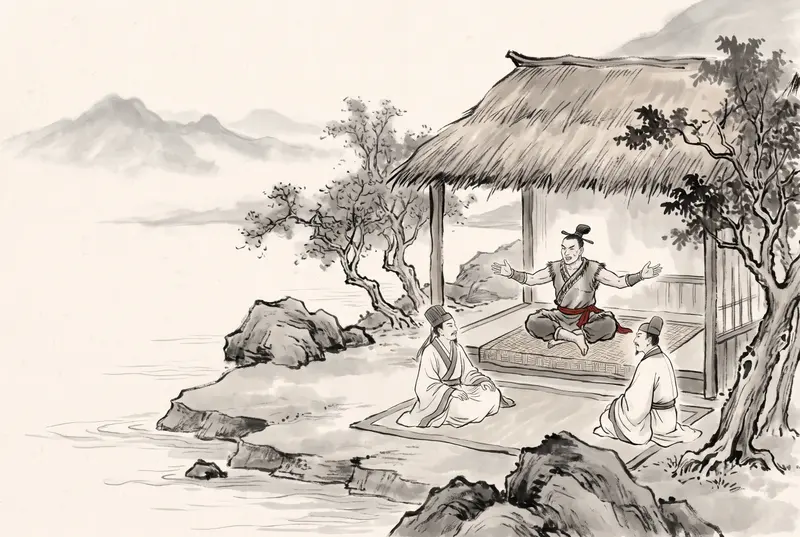
滇王與漢使者言曰:「漢孰與我大?」及夜郎侯亦然。以道不通故,各自以為一州主,不知漢廣大。使者還,因盛言滇大國,足事親附。天子注意焉。
書き下し文
滇王漢の使者と言いて曰く、「漢は我と孰れか大なる」と。夜郎侯に及ぶも亦た然り。道の通ぜざるを以ての故に、各々自ら以て一州の主と為し、漢の広大なるを知らず。使者還り、因りて盛んに滇は大国にして、親附せしむるに事うるに足ると言う。天子焉に意を注ぐ。
現代語訳
滇王は漢の使者と話をして言った。「漢とわが国と、どちらが大きいか」。夜郎侯も同じことをたずねた。道が通じていなかったので、それぞれ自分が一つの州の主だと思いこみ、漢がどれほど広く大きいかを知らなかったのである。使者は帰ると、滇は大国で、手なずけて味方にする値打ちがあると盛んに言った。天子は滇に関心をもつようになった。
英訳
The king of Dian, talking with the Han envoys, asked: "Which is bigger, Han or us?" The lord of Yelang asked the same. Because no roads led out of their lands, each of them thought himself the master of a whole province, and had no idea how vast Han was. When the envoys came back, they spoke eagerly of Dian as a great kingdom, well worth winning over as a friend, and the emperor began to take an interest in it.
解説(日)
- 夜郎自大: 世間を知らずに、自分を大きく思いこんでいばることのたとえ。この話がもとになったことわざで、夜郎侯の言葉として知られるが、『史記』では先にたずねたのは滇王である。
- 州: ここでは広い一地方のこと。
解説(英)
- "Yelang thinks itself great" (夜郎自大): the proverb for a small-minded boaster comes from this passage, though in the Shiji it is the king of Dian who asks first.
- Province (州): here, a large region.
この節から生まれた言葉: 夜郎自大
英語の語注
- vast/væst/adjective
extremely large
本文では: “had no idea how vast Han was”
似た語と違い: huge — very big · immense — enormous
- province/ˈprɑvɪns/noun
a large region of a country
本文では: “the master of a whole province”
似た語と違い: region — large area · territory — land under rule
節 7
原文
及至南越反,上使馳義侯因犍為發南夷兵。且蘭君恐遠行,旁國虜其老弱,乃與其眾反,殺使者及犍為太守。漢乃發巴蜀罪人嘗擊南越者八校尉擊破之。會越已破,漢八校尉不下,即引兵還,行誅頭蘭。頭蘭,常隔滇道者也。已平頭蘭,遂平南夷為牂柯郡。夜郎侯始倚南越,南越已滅,會還誅反者,夜郎遂入朝。上以為夜郎王。
書き下し文
南越反するに至るに及び、上馳義侯をして犍為に因りて南夷の兵を発せしむ。且蘭の君遠く行き、旁の国其の老弱を虜にせんことを恐れ、乃ち其の衆と反し、使者及び犍為の太守を殺す。漢乃ち巴蜀の罪人の嘗て南越を撃ちし者八校尉を発して之を撃破す。会々越已に破れ、漢の八校尉下らず、即ち兵を引きて還り、行くゆく頭蘭を誅す。頭蘭は、常に滇の道を隔つる者なり。已に頭蘭を平らげ、遂に南夷を平らげて牂柯郡と為す。夜郎侯始め南越に倚る。南越已に滅び、会々還りて反する者を誅す。夜郎遂に入朝す。上以て夜郎王と為す。
現代語訳
南越が背くと、帝は馳義侯に命じて、犍為郡を通じて南夷の兵を出させた。且蘭の君主は、遠征に出ているあいだに、近くの国に年寄りや弱い者をさらわれるのを恐れて、民とともに背き、漢の使者と犍為の太守を殺した。そこで漢は、巴蜀の罪人で南越攻めに加わっていた八人の校尉の兵を出して、且蘭を打ち破った。ちょうど南越はすでに破れていたので、八校尉の兵は南へ下らずに引き返し、その帰り道に頭蘭を討った。頭蘭はいつも滇への道をさえぎっていた国である。頭蘭を平らげると、そのまま南夷を平定して牂柯郡とした。夜郎侯は、はじめは南越をたよりにしていたが、南越が滅び、漢の兵が引き返して背いた者を討ったので、とうとう漢に朝見した。帝は夜郎侯を夜郎王にした。
英訳
When Nanyue rebelled, the emperor had the Marquis of Chiyi raise troops from the southern peoples through Qianwei. The lord of Qielan feared that while his men were away on the long march, the neighbouring states would carry off their old and weak; so he and his people rebelled, and killed the envoy and the governor of Qianwei. Han then sent eight colonels with convicts from Ba and Shu who had fought against Nanyue to attack and crush them. By then Yue had already fallen, so the eight colonels did not go south, but turned back, and on their way they punished Toulan, which had always blocked the road to Dian. Once Toulan had been subdued, the southern peoples were brought under control and made the commandery of Zangke. The lord of Yelang had at first relied on Nanyue. Now that Nanyue was destroyed, and the Han troops had come back to punish the rebels, Yelang at last came to court, and the emperor made its lord King of Yelang.
解説(日)
- 南越の滅亡: 前111年、南越の宰相呂嘉が漢に背き、漢は南越を滅ぼして九つの郡を置いた。
- 牂柯郡: 今の貴州省を中心に置かれた郡。
- 夜郎王: 夜郎は漢から王の印を受けた。
解説(英)
- The fall of Nanyue: in 111 BCE, after its chancellor Lü Jia rebelled, Han destroyed Nanyue and set up nine commanderies.
- Zangke (牂柯郡): a commandery centred on modern Guizhou.
英語の語注
- crush/krʌʃ/verb
to defeat completely
本文では: “to attack and crush them”
似た語と違い: smash — destroy · overwhelm — defeat totally
- rely on/rɪˈlaɪ ɑn/phrasal verb
to depend on someone for help
本文では: “had at first relied on Nanyue”
似た語と違い: depend on — need · lean on — look to for support
節 8
原文
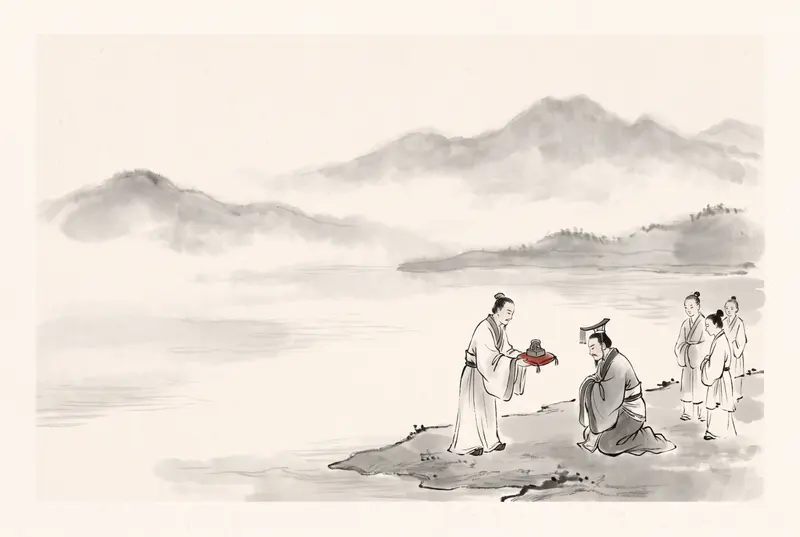
南越破後,及漢誅且蘭、邛君,并殺筰侯,冄駹皆振恐,請臣置吏。乃以邛都為越巂郡,筰都為沈犁郡,冄駹為汶山郡,廣漢西白馬為武都郡。上使王然于以越破及誅南夷兵威風喻滇王入朝。滇王者,其眾數萬人,其旁東北有勞寖、靡莫,皆同姓相扶,未肯聽。勞寖、靡莫數侵犯使者吏卒。元封二年,天子發巴蜀兵擊滅勞寖、靡莫,以兵臨滇。滇王始首善,以故弗誅。滇王離難西南夷,舉國降,請置吏入朝。於是以為益州郡,賜滇王王印,復長其民。西南夷君長以百數,獨夜郎、滇受王印。滇小邑,最寵焉。
書き下し文
南越破るる後、漢の且蘭・邛君を誅し、并せて筰侯を殺すに及び、冄駹皆振恐し、臣たりて吏を置かんことを請う。乃ち邛都を以て越巂郡と為し、筰都を沈犁郡と為し、冄駹を汶山郡と為し、広漢の西の白馬を武都郡と為す。上王然于をして越の破れ及び南夷を誅するの兵威を以て滇王に風喩して入朝せしむ。滇王は、其の衆数万人、其の旁の東北に労寖・靡莫有り、皆同姓にして相扶け、未だ肯えて聴かず。労寖・靡莫数々使者の吏卒を侵犯す。元封二年、天子巴蜀の兵を発して労寖・靡莫を撃滅し、兵を以て滇に臨む。滇王始め首善す。故を以て誅せず。滇王西南夷を離れ難れ、国を挙げて降り、吏を置き入朝せんことを請う。是に於いて以て益州郡と為し、滇王に王印を賜い、復た其の民に長たらしむ。西南夷の君長は百を以て数う。独り夜郎・滇のみ王印を受く。滇は小邑なるも、最も寵せらる。
現代語訳
南越が破れたあと、漢が且蘭と邛の君主を討ち、筰侯も殺すと、冄駹は皆ふるえおののき、臣下となって役人を置いてほしいと願い出た。そこで邛都を越巂郡、筰都を沈犁郡、冄駹を汶山郡とし、広漢郡の西の白馬を武都郡とした。帝は王然于に命じて、南越を破り南夷を討った漢の兵の威勢を背景に、滇王に朝見するようそれとなく説かせた。滇王の民は数万人で、その東北には労寖と靡莫があり、皆同じ姓で助け合っていたので、まだ聞き入れなかった。労寖と靡莫は、たびたび漢の使者の役人や兵士を襲った。元封二年、天子は巴蜀の兵を出して労寖と靡莫を攻め滅ぼし、兵を滇に向けた。滇王ははじめから漢に好意を示していたので、討たなかった。滇王は西南夷の仲間から離れ、国をあげて降伏し、役人を置いて朝見したいと願い出た。そこでその地を益州郡とし、滇王には王の印を与えて、もとどおり民の長とした。西南夷の首長は百をもって数えるほどいたが、王の印を受けたのは夜郎と滇だけだった。滇は小さな国だったが、最も目をかけられた。
英訳
After Nanyue had fallen, when Han punished the lords of Qielan and Qiong and also killed the lord of Zuo, the Ranmang all trembled with fear and asked to become subjects and have officials placed among them. So Qiongdu was made the commandery of Yuesui, Zuodu the commandery of Shenli, the Ranmang the commandery of Wenshan, and the Baima west of Guanghan the commandery of Wudu. The emperor sent Wang Ranyu to use the might of the army that had crushed Yue and punished the southern peoples to persuade the king of Dian to come to court. The king of Dian had tens of thousands of people, and to his north-east were the Laojin and the Mimo, who shared his surname and helped one another; so he would not yet listen. The Laojin and the Mimo attacked the envoys' officers and soldiers many times. In the second year of Yuanfeng, the emperor sent troops from Ba and Shu to attack and destroy the Laojin and the Mimo, and brought the army to the borders of Dian. The king of Dian had been friendly from the start, so he was not punished. He broke away from the south-western peoples and surrendered with his whole kingdom, asking for officials to be placed there and for leave to come to court. So his land was made the commandery of Yizhou, and the king of Dian was given a royal seal and allowed to go on ruling his people. The chiefs of the south-western peoples could be counted by the hundred, but only Yelang and Dian received royal seals. Dian was a small state, but it was the most favoured of all.
解説(日)
- 七郡: 犍為・牂柯・越巂・沈犁・汶山・武都・益州の七つの郡。
- 滇王之印: 1956年、雲南省晋寧の石寨山の墓から「滇王之印」と刻まれた金印が見つかり、この記事が史実であることが確かめられた。
- 益州郡: 滇の地に置かれた郡。のちの「益州」(四川)とは別。
解説(英)
- The seven commanderies: Qianwei, Zangke, Yuesui, Shenli, Wenshan, Wudu and Yizhou.
- The seal of the king of Dian (滇王之印): a gold seal with these words was dug up in 1956 at Shizhaishan in Yunnan, confirming this account.
- Yizhou commandery (益州郡): in Dian, not the later province of Yizhou in Sichuan.
英語の語注
- tremble/ˈtrɛmbəl/verb
to shake because of fear
本文では: “all trembled with fear”
似た語と違い: shiver — shake · quake — shake with fear
- favoured/ˈfeɪvərd/adjective
treated better than others
本文では: “the most favoured of all”
似た語と違い: preferred — liked more · privileged — given special rights
British spelling: favoured (US: favored).
節 9
原文
楚之先豈有天祿哉?在周為文王師,封楚。及周之衰,地稱五千里。秦滅諸候,唯楚苗裔尚有滇王。漢誅西南夷,國多滅矣,唯滇復為寵王。然南夷之端,見枸醬番禺,大夏杖、邛竹。西夷后揃,剽分二方,卒為七郡。
書き下し文
楚の先は豈に天禄有らんや。周に在りては文王の師と為り、楚に封ぜらる。周の衰うるに及び、地五千里と称す。秦諸侯を滅ぼすも、唯だ楚の苗裔のみ尚お滇王有り。漢西南夷を誅し、国多く滅ぶ。唯だ滇のみ復た寵王と為る。然れども南夷の端は、枸醤を番禺に見、大夏の杖・邛の竹にあり。西夷後に揃られ、剽ちて二方に分かれ、卒に七郡と為る。
現代語訳
太史公は言う。楚の祖先には、天から授かった幸いがあったのではないか。周の時代には文王の師となって楚に封ぜられ、周が衰えると、領土は五千里四方といわれるほどになった。秦が諸侯を滅ぼしても、楚の子孫だけはなお滇の王として残っていた。漢が西南夷を討って、多くの国が滅んだが、ただ滇だけはまた王として目をかけられた。それにしても、南夷への道の始まりは、番禺で枸醤を見たことと、大夏で竹の杖を見たことだった。西夷はのちに切り分けられて二つの方面に分かれ、ついには七つの郡となった。
英訳
The Grand Historian says: Did the ancestors of Chu not have Heaven's blessing? Under the Zhou they were teachers to King Wen and were given Chu as their fief; when the Zhou declined, their land was said to stretch five thousand li. When Qin destroyed the lords, only a descendant of Chu still remained, as king of Dian. When Han punished the south-western peoples, many states were destroyed, yet only Dian became a favoured king once more. And it all began with a fruit relish seen in Panyu, and bamboo staffs from Qiong seen in Daxia. The western peoples were later cut apart and divided in two directions, and in the end became seven commanderies.
解説(日)
- この段は原文では「太史公曰」の見出しの下にあり、本文に「太史公曰」の字はない。
- 文王之師: 楚の祖先の鬻熊が周の文王の師となったという伝え(040-chu の章)。
- 滇王を楚の荘蹻の子孫とする司馬遷の見方には、楚への思いもこめられている。
解説(英)
- In the source, this paragraph stands under the heading "The Grand Historian says" rather than beginning with those words.
- Teachers to King Wen (文王之師): Yu Xiong, ancestor of the Chu kings, was said to have taught King Wen of Zhou (chapter 040).
- Sima Qian sees in the king of Dian a last heir of Chu.
英語の語注
- blessing/ˈblɛsɪŋ/noun
something good believed to come from God or Heaven
本文では: “not have Heaven's blessing”
似た語と違い: grace — divine favour · favour — kind support
- descendant/dɪˈsɛndənt/noun
a person born into a later generation of a family
本文では: “only a descendant of Chu still remained”
似た語と違い: heir — one who inherits · scion — young member of a great family