列伝 · 巻 117
司馬相如列伝 司馬相如列傳
卓文君との駆け落ちと「子虚の賦」 卓文君與子虛之賦
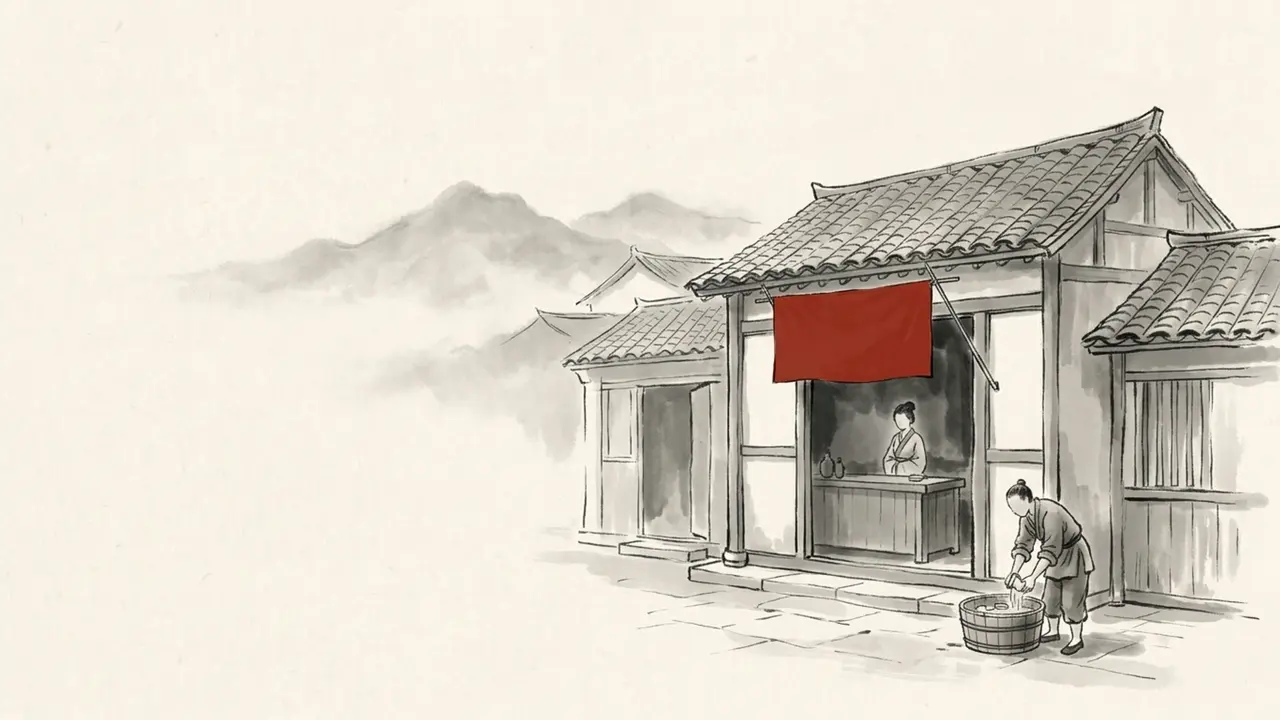
漢の武帝の時代を代表する文人、司馬相如の物語。幼名を「犬子」といったが、藺相如にあこがれて名を「相如」に改めた。仕官に行きづまって貧しく故郷に帰ると、友人の県令の計らいで大富豪卓王孫の宴に招かれ、琴をひいて、夫を亡くしたばかりの娘卓文君の心をとらえる。文君は夜に家を抜け出して相如のもとへ走ったが、相如の家は壁が四方に立っているだけの貧しさ。二人は臨邛で酒場を開き、文君は店先で酒を売り、相如はふんどし姿で器を洗った。恥じた父はついに財産を分け与える。やがて武帝が相如の「子虚の賦」を読んで「この人と同じ時代に生きられなかったのが残念だ」と嘆き、同郷の狗監楊得意の言葉で相如は召し出される。口下手で病気がちだったが、文章で帝を動かし、死後には封禅についての一巻の書だけが残された。
この巻のうち「卓文君との駆け落ちと「子虚の賦」」の場面を載せています。巻の全文ではありません。
音声
音声は合成音声です。
動画
節 1
原文
司馬相如者,蜀郡成都人也,字長卿。少時好讀書,學擊劍,故其親名之曰犬子。相如既學,慕藺相如之為人,更名相如。以貲為郎,事孝景帝,為武騎常侍,非其好也。會景帝不好辭賦,是時梁孝王來朝,從遊說之士齊人鄒陽、淮陰枚乘、吳莊忌夫子之徒,相如見而說之,因病免,客游梁。梁孝王令與諸生同舍,相如得與諸生游士居數歲,乃著子虛之賦。
書き下し文
司馬相如なる者は、蜀郡成都の人なり。字は長卿。少き時書を読むを好み、撃剣を学ぶ。故に其の親之に名づけて犬子と曰う。相如既に学び、藺相如の人と為りを慕い、名を更めて相如とす。貲を以て郎と為り、孝景帝に事えて、武騎常侍と為るも、其の好みに非ざるなり。会々景帝辞賦を好まず。是の時梁の孝王来朝し、遊説の士斉人鄒陽・淮陰の枚乗・呉の荘忌夫子の徒を従う。相如見て之を説び、因りて病みて免ぜられ、梁に客游す。梁の孝王諸生と舎を同じくせしむ。相如諸生游士と居ること数歳なるを得て、乃ち子虚の賦を著す。
現代語訳
司馬相如は蜀郡成都の人で、字を長卿という。若いころは読書を好み、剣術を学んだ。それで親は彼を「犬子(いぬっこ)」と名づけた。相如は学問を身につけると、藺相如の人柄にあこがれて、名を相如と改めた。財産を納めて郎官となり、孝景帝に仕えて武騎常侍(騎馬で帝のお供をする役)となったが、それは彼の好む仕事ではなかった。あいにく景帝は辞賦(韻文の文学)を好まなかった。そのころ梁の孝王が都に来て、斉の鄒陽、淮陰の枚乗、呉の荘忌先生といった遊説の文人たちを連れていた。相如は彼らに会って意気投合し、病気を理由に職をやめて、梁へ行って客となった。梁の孝王は、相如を文人たちと同じ宿舎に住まわせた。相如は文人たちと数年暮らし、そのあいだに「子虚の賦」を書いた。
英訳
Sima Xiangru was a man of Chengdu in the commandery of Shu, styled Zhangqing. As a boy he loved to read and learned swordsmanship, so his parents gave him the pet name "Puppy". When he had finished his studies, he admired the character of Lin Xiangru and changed his name to Xiangru. His family paid for him to become a gentleman of the court, and he served Emperor Jing as a mounted attendant, but it was not to his taste, and as it happened Emperor Jing did not care for rhapsodies. At that time King Xiao of Liang came to court with a following of travelling men of letters, such as Zou Yang of Qi, Mei Sheng of Huaiyin and Master Zhuang Ji of Wu. Xiangru met them and took to them at once. He resigned on the pretext of illness and went to live in Liang as a guest. King Xiao of Liang gave him lodgings with the other scholars, and after living among them for several years he wrote the "Rhapsody of Sir Vacuous".
解説(日)
- 犬子: 子どもに悪霊がつかないよう、わざと卑しい名をつける習わし。
- 慕藺相如: 趙の藺相如(巻81)にあこがれて、同じ名に改めた。
- 以貲爲郎: 財産を納めて郎官(宮中の役人)になる制度。
- 辭賦: 韻を踏み、ことばを飾って長く歌いあげる漢代の文学。
- 子虛之賦: 「子虚(うそっぱち)」という名の人物を主人公にした賦。
解説(英)
- Puppy (犬子): parents often gave children humble pet names to keep evil spirits away.
- Lin Xiangru: the statesman of Zhao who brought the jade back intact (vol. 81).
- Rhapsody (賦): the long, ornate rhymed prose that was the great literary form of Han.
- Sir Vacuous (子虛): the hero of the rhapsody, whose name means "nothing real".
英語の語注
- admire/ədˈmaɪər/verb
to respect and approve of someone
本文では: “he admired the character of Lin Xiangru”
似た語と違い: look up to — respect · esteem — think highly of
- resign/rɪˈzaɪn/verb
to give up a job officially
本文では: “He resigned on the pretext of illness”
似た語と違い: step down — leave a post · quit — leave (informal)
節 2
原文
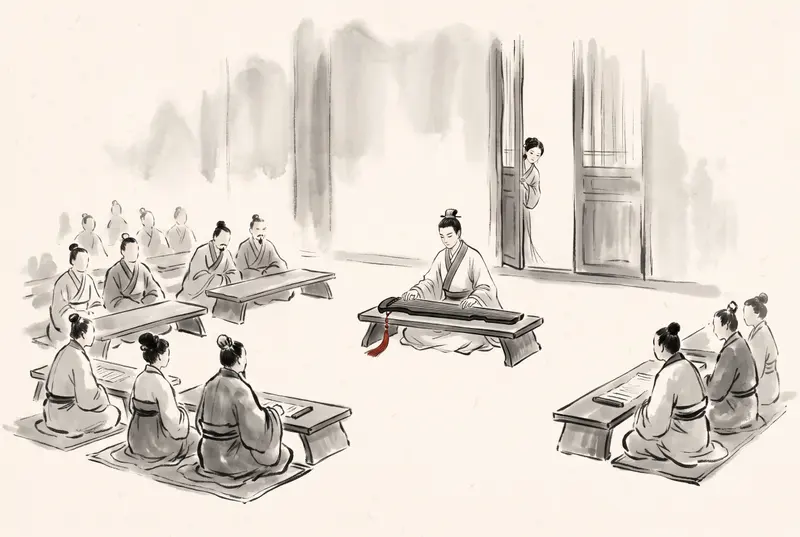
會梁孝王卒,相如歸,而家貧,無以自業。素與臨邛令王吉相善,吉曰:「長卿久宦遊不遂,而來過我。」於是相如往,舍都亭。臨邛令繆為恭敬,日往朝相如。相如初尚見之,後稱病,使從者謝吉,吉愈益謹肅。臨邛中多富人,而卓王孫家僮八百人,程鄭亦數百人,二人乃相謂曰:「令有貴客,為具召之。」並召令。令既至,卓氏客以百數。至日中,謁司馬長卿,長卿謝病不能往,臨邛令不敢嘗食,自往迎相如。相如不得已,彊往,一坐盡傾。酒酣,臨邛令前奏琴曰:「竊聞長卿好之,原以自娛。」相如辭謝,為鼓一再行。
書き下し文
会々梁の孝王卒す。相如帰るも、家貧しくして、以て自ら業とする無し。素より臨邛の令王吉と相善し。吉曰く、「長卿久しく宦遊して遂げず。而ち来たりて我に過れ」と。是に於いて相如往きて、都亭に舎る。臨邛の令繆りて恭敬を為し、日に往きて相如に朝す。相如初めは尚お之に見ゆるも、後には病と称し、従者をして吉に謝せしむ。吉愈々益々謹粛たり。臨邛の中に富人多し。而して卓王孫は家僮八百人、程鄭も亦数百人。二人乃ち相謂いて曰く、「令に貴客有り。為に具えて之を召さん」と。並びに令を召す。令既に至れば、卓氏の客百を以て数う。日中に至り、司馬長卿に謁す。長卿病を謝して往く能わず。臨邛の令敢えて食を嘗めず、自ら往きて相如を迎う。相如已むを得ず、彊いて往く。一坐尽く傾く。酒酣にして、臨邛の令前みて琴を奏めて曰く、「竊かに聞く、長卿之を好むと。原わくは以て自ら娯しまん」と。相如辞謝し、為に一再行を鼓す。
現代語訳
やがて梁の孝王が亡くなった。相如は故郷に帰ったが、家は貧しく、暮らしを立てる仕事もなかった。相如はかねてから臨邛県の県令王吉と親しかった。王吉は言った。「長卿どのは長く仕官の旅をしたが、うまくいかなかった。私のところへ来なさい」。そこで相如は臨邛へ行き、町の宿舎に泊まった。臨邛の県令はわざとうやうやしくふるまい、毎日相如のもとへあいさつに通った。相如ははじめのうちは会っていたが、のちには病気だと言って、供の者に断らせた。王吉はますます丁重にふるまった。臨邛には金持ちが多く、なかでも卓王孫の家には召使いが八百人、程鄭の家にも数百人いた。二人は相談した。「県令どのに大事なお客が来ているそうだ。宴を用意してお招きしよう」。そして県令もいっしょに招いた。県令が着くと、卓家の客は百人を数えた。昼になって司馬長卿を迎えに行かせたが、長卿は病気を理由に来られないと断った。臨邛の県令は料理に箸もつけず、自ら相如を迎えに行った。相如はしかたなく、無理をおして出かけた。座の一同はみなその風采にひきつけられた。酒が盛り上がったころ、臨邛の県令が進み出て琴を差し出し、言った。「ひそかに聞くところでは、長卿どのは琴がお好きとか。どうかお楽しみください」。相如は一度は辞退したが、一、二曲ひいてみせた。
英訳
Then King Xiao of Liang died. Xiangru went home, but his family was poor and he had no way to make a living. He had long been friends with Wang Ji, the magistrate of Linqiong, who said: "You have travelled a long time in search of office without success, Zhangqing. Come and stay with me." So Xiangru went and lodged in the town's guesthouse. The magistrate of Linqiong made a show of great respect and called on him every day. At first Xiangru received him, but later he pleaded illness and sent his servant to excuse him, and Wang Ji behaved more respectfully than ever. Linqiong had many rich men. Zhuo Wangsun had eight hundred household slaves, and Cheng Zheng several hundred. The two said to each other: "The magistrate has an honoured guest. Let us prepare a feast and invite him." They invited the magistrate too. When he arrived, Zhuo's guests numbered more than a hundred. At midday they sent to invite Sima Zhangqing, but he excused himself as ill and could not come. The magistrate of Linqiong would not touch a bite, and went himself to fetch him. Xiangru had no choice but to go, unwillingly, and the whole company was captivated by him. When the wine was flowing, the magistrate stepped forward and offered him a zither: "I have heard that you love the zither, Zhangqing. Please, play for your own pleasure." Xiangru declined, then played a tune or two.
解説(日)
- 臨邛: 蜀の町。鉄の産地で、製鉄で富を築いた卓氏(巻129貨殖列伝にも登場)がいた。
- 繆爲恭敬: わざとうやうやしくふるまう。相如を大人物に見せるための芝居。
- 一坐盡傾: 座の全員が心を奪われる。
- 一再行: 一曲か二曲。
解説(英)
- Linqiong (臨邛): an iron town in Shu, home of the Zhuo family, who grew rich by smelting (see vol. 129).
- Made a show of great respect (繆爲恭敬): a piece of theatre to make Xiangru look important.
- The whole company was captivated (一坐盡傾).
英語の語注
- captivate/ˈkæptɪˌveɪt/verb
to hold someone's attention by charm
本文では: “the whole company was captivated by him”
似た語と違い: charm — delight · enchant — fill with delight
- unwillingly/ʌnˈwɪlɪŋli/adverb
without wanting to
本文では: “had no choice but to go, unwillingly”
似た語と違い: reluctantly — not wanting to · grudgingly — without pleasure
節 3
原文
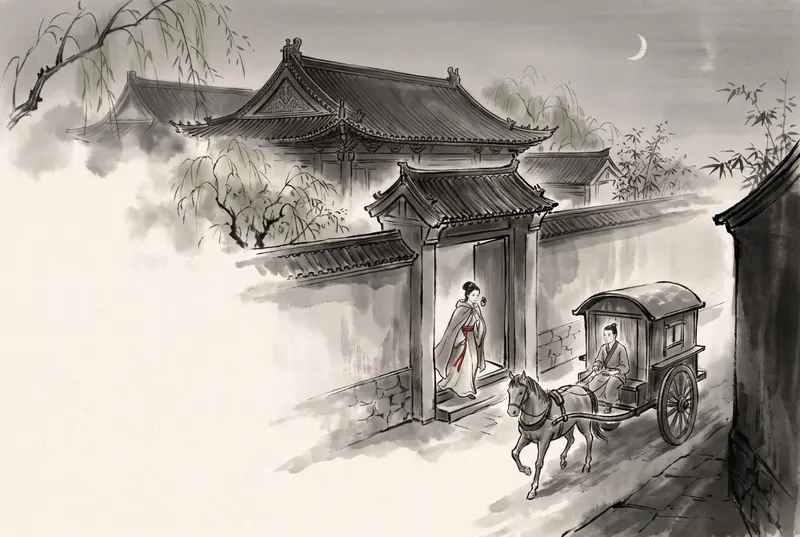
是時卓王孫有女文君新寡,好音,故相如繆與令相重,而以琴心挑之。相如之臨邛,從車騎,雍容間雅甚都;及飲卓氏,弄琴,文君竊從戶窺之,心悅而好之,恐不得當也。既罷,相如乃使人重賜文君侍者通殷勤。文君夜亡奔相如,相如乃與馳歸成都。家居徒四壁立。卓王孫大怒曰:「女至不材,我不忍殺,不分一錢也。」人或謂王孫,王孫終不聽。
書き下し文
是の時卓王孫に女文君有り。新たに寡となり、音を好む。故に相如繆りて令と相重んじて、琴心を以て之に挑む。相如の臨邛に之くや、車騎を従え、雍容閒雅にして甚だ都なり。卓氏に飲み、琴を弄するに及び、文君竊かに戸より之を窺い、心に悦びて之を好み、当たるを得ざらんことを恐る。既に罷む。相如乃ち人をして重く文君の侍者に賜いて殷勤を通ぜしむ。文君夜亡げて相如に奔る。相如乃ち与に馳せて成都に帰る。家居は徒だ四壁立つのみ。卓王孫大いに怒りて曰く、「女至って不材なり。我殺すに忍びざるも、一銭も分かたざるなり」と。人或いは王孫に謂うも、王孫終に聴かず。
現代語訳
このとき卓王孫には文君という娘がいた。夫を亡くしたばかりで、音楽を好んだ。そこで相如は、わざと県令とたがいに重んじあうふりをして、琴の音に思いをこめて文君の心を誘った。相如が臨邛に来たときは、車や騎馬の供を従え、ゆったりと上品で、たいへん洗練されていた。卓家の宴で琴をひいたとき、文君は戸のすきまからこっそりのぞき見て、心ひかれて好きになり、自分ではつり合わないのではと心配した。宴が終わると、相如は人をやって文君の侍女にたっぷり贈り物をし、思いを伝えさせた。文君は夜、家を抜け出して相如のもとへ走った。相如は文君を連れて、馬を走らせて成都へ帰った。ところが相如の家には、ただ四方の壁が立っているだけだった。卓王孫は激怒して言った。「娘はとんだ出来損ないだ。殺すのはしのびないが、一銭も分けてやらぬ」。人がとりなしても、王孫は最後まで聞き入れなかった。
英訳
Now Zhuo Wangsun had a daughter, Wenjun, who had recently been widowed and loved music. So Xiangru had played his part of honoured guest with the magistrate, and used the heart of the zither to woo her. When Xiangru came to Linqiong he had come with carriages and riders, graceful, refined and most elegant; and when he drank at the Zhuo house and played the zither, Wenjun watched him secretly through the door. Her heart was full of delight and she loved him, but she feared she was no match for him. After the feast, Xiangru had someone give rich presents to Wenjun's maid and pass on his feelings. That night Wenjun ran away from home to Xiangru, and he galloped back with her to Chengdu. His house had nothing in it but four bare walls. Zhuo Wangsun was furious: "My daughter is utterly worthless. I cannot bring myself to kill her, but she will not get a single coin." Others spoke to him for her, but he would not listen.
解説(日)
- 新寡: 夫を亡くしたばかり。
- 以琴心挑之: 琴の音に恋心をこめて誘う。のちに「鳳求凰(鳳、凰を求む)」の曲だったと伝えられる。
- 雍容閒雅: ゆったりとして、みやびやか。
- 家居徒四壁立: 家には四方の壁しかない。ひどく貧しいことのたとえ「家徒四壁」の出典。
解説(英)
- Used the heart of the zither to woo her (以琴心挑之): later tradition says the tune was "The Phoenix Seeks His Mate".
- Nothing but four bare walls (家居徒四壁立): the source of the saying for utter poverty.
この節から生まれた言葉: 家徒だ四壁立つのみ
英語の語注
- widowed/ˈwɪdoʊd/adjective
having lost one's husband or wife through death
本文では: “had recently been widowed”
似た語と違い: bereaved — having lost someone dear · husbandless — without a husband
- elegant/ˈɛlɪɡənt/adjective
graceful and stylish
本文では: “refined and most elegant”
似た語と違い: graceful — moving beautifully · stylish — fashionable and smart
節 4
原文
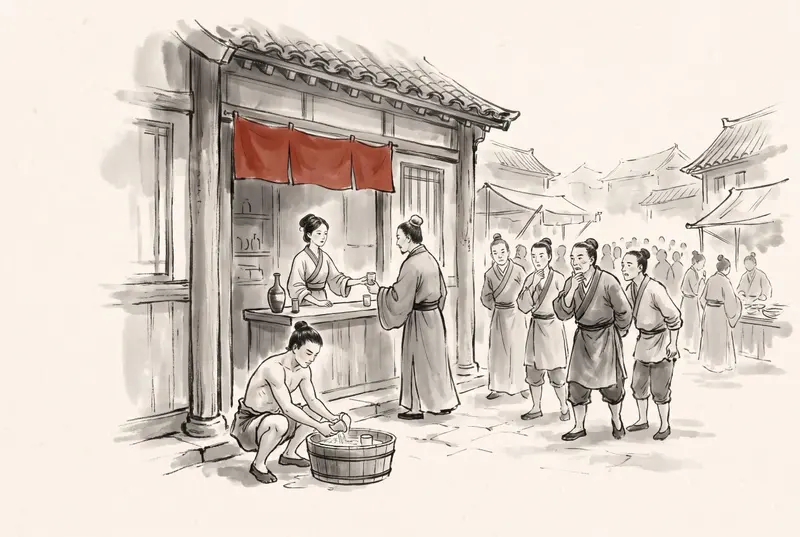
文君久之不樂,曰:「長卿第俱如臨邛,從昆弟假貸猶足為生,何至自苦如此!」相如與俱之臨邛,盡賣其車騎,買一酒舍酤酒,而令文君當爐。相如身自著犢鼻褌,與保庸雜作,滌器於市中。卓王孫聞而恥之,為杜門不出。昆弟諸公更謂王孫曰:「有一男兩女,所不足者非財也。今文君已失身於司馬長卿,長卿故倦遊,雖貧,其人材足依也,且又令客,獨奈何相辱如此!」卓王孫不得已,分予文君僮百人,錢百萬,及其嫁時衣被財物。文君乃與相如歸成都,買田宅,為富人。
書き下し文
文君之を久しくして楽しまず。曰く、「長卿第だ倶に臨邛に如け。昆弟より仮貸するも猶お生を為すに足る。何ぞ自ら苦しむこと此くの如きに至らんや」と。相如与に倶に臨邛に之き、尽く其の車騎を売り、一酒舎を買いて酒を酤る。而して文君をして鑪に当たらしむ。相如身自ら犢鼻褌を著け、保庸と雑作し、器を市中に滌う。卓王孫聞きて之を恥じ、為に門を杜じて出でず。昆弟諸公更々王孫に謂いて曰く、「一男両女有り。足らざる所の者は財に非ざるなり。今文君已に身を司馬長卿に失う。長卿故より游に倦むも、貧しと雖も、其の人材依るに足る。且つ又令の客なり。独り奈何ぞ相辱むること此くの如きや」と。卓王孫已むを得ず、文君に僮百人・銭百万、及び其の嫁ぎし時の衣被財物を分かち予う。文君乃ち相如と成都に帰り、田宅を買いて、富人と為る。
現代語訳
しばらくすると、文君はふさぎこむようになり、言った。「長卿さま、いっしょに臨邛へ行きましょう。兄弟たちからお金を借りれば、なんとか暮らしていけます。どうしてこんなに苦しい思いをすることがありましょう」。相如は文君と臨邛へ行き、車も馬もすべて売って、一軒の酒場を買って酒を売った。文君には店先の酒の燗台の前に立たせ、相如自身はふんどし一つの姿で、雇われ人たちといっしょに働き、市場で器を洗った。卓王孫はそれを聞いて恥ずかしく思い、門を閉ざして外に出なくなった。兄弟や親戚の人たちが、かわるがわる王孫に言った。「あなたには息子が一人、娘が二人いるだけです。足りないのはお金ではありません。文君はもう司馬長卿に身を任せてしまった。長卿はもともと仕官の旅に疲れて帰ってきた人で、貧しくはあっても、その才能は頼りにできます。そのうえ県令の客人なのです。どうしてこんなふうに恥をかかせておくのですか」。卓王孫はしかたなく、文君に召使い百人と銭百万、それに嫁入りのときの衣服や財産を分け与えた。文君は相如と成都に帰って、田畑と屋敷を買い、金持ちになった。
英訳
After a while Wenjun grew unhappy and said: "Zhangqing, let us just go to Linqiong together. If we borrow from my brothers we can still make a living. Why should we suffer like this?" Xiangru went with her to Linqiong. He sold all his carriages and horses, bought a tavern and sold wine, and had Wenjun stand at the wine-warming counter. Xiangru himself put on a workman's loincloth and worked alongside the hired hands, washing the cups in the marketplace. When Zhuo Wangsun heard of it he was so ashamed that he shut his gate and would not go out. His brothers and the elders of the family took turns telling him: "You have one son and two daughters, and what you lack is not money. Wenjun has already given herself to Sima Zhangqing. Zhangqing may be tired of seeking office, and he is poor, but he has talent enough to rely on, and he is the magistrate's guest besides. Why do you go on letting them shame you like this?" Zhuo Wangsun had no choice. He gave Wenjun a hundred slaves, a million cash, and the clothes, bedding and goods she had taken when she first married. Wenjun went back to Chengdu with Xiangru, and they bought fields and a house and became rich.
解説(日)
- 當鑪: 酒を温める台(鑪)の前に立って客に酒を売る。のちに「文君当鑪」として、夫婦で苦労する美談とされた。
- 犢鼻褌: 子牛の鼻の形をした短いふんどし。労働者の姿。
- 杜門: 門を閉ざす。
- 卓王孫は、娘が町の真ん中で酒を売る姿を世間にさらされ、恥に耐えられなかった。相如の作戦勝ちともいえる。
解説(英)
- The wine-warming counter (鑪): "Wenjun at the counter" became a byword for a couple who weather hard times together.
- A workman's loincloth (犢鼻褌): literally "calf's-nose shorts", the dress of a labourer.
- Shamed by the sight of his daughter selling wine in the market, Zhuo gave way; it was perhaps Xiangru's plan all along.
英語の語注
- counter/ˈkaʊntər/noun
a long table in a shop or inn where customers are served
本文では: “stand at the wine-warming counter”
似た語と違い: bar — a counter for drinks · stall — a small stand for selling
- loincloth/ˈlɔɪnˌklɔθ/noun
a simple piece of cloth worn around the hips
本文では: “put on a workman's loincloth”
似た語と違い: breechcloth — a cloth worn at the hips · shorts — short trousers
節 5
原文
居久之,蜀人楊得意為狗監,侍上。上讀子虛賦而善之,曰:「朕獨不得與此人同時哉!」得意曰:「臣邑人司馬相如自言為此賦。」上驚,乃召問相如。相如曰:「有是。然此乃諸侯之事,未足觀也。請為天子游獵賦,賦成奏之。」上許,令尚書給筆劄。相如以「子虛」,虛言也,為楚稱;「烏有先生」者,烏有此事也,為齊難;「無是公」者,無是人也,明天子之義。故空藉此三人為辭,以推天子諸侯之苑囿。其卒章歸之於節儉,因以風諫。奏之天子,天子大說。
書き下し文
居ること之を久しくして、蜀人楊得意狗監と為り、上に侍す。上子虚の賦を読みて之を善しとし、曰く、「朕独り此の人と時を同じくするを得ざるかな」と。得意曰く、「臣の邑人司馬相如自ら此の賦を為ると言う」と。上驚き、乃ち召して相如に問う。相如曰く、「是れ有り。然れども此れ乃ち諸侯の事にして、未だ観るに足らざるなり。請う天子の游猟の賦を為らん。賦成らば之を奏せん」と。上許し、尚書をして筆札を給せしむ。相如「子虚」を以て、虚言なり、楚の為に称せしむ。「烏有先生」なる者は、烏んぞ此の事有らんや、斉の為に難ぜしむ。「無是公」なる者は、是の人無きなり、天子の義を明らかにせしむ。故に空しく此の三人を藉りて辞を為し、以て天子諸侯の苑囿を推す。其の卒章は之を節倹に帰し、因りて以て風諫す。之を天子に奏す。天子大いに説ぶ。
現代語訳
それからだいぶたって、蜀の人楊得意が狗監(帝の猟犬の係)として、武帝のそばに仕えていた。帝は「子虚の賦」を読んで感心し、「わしはこの作者と同じ時代に生まれることができなかったのか」と嘆いた。得意は言った。「私と同郷の司馬相如が、自分がこの賦を作ったと言っております」。帝は驚き、相如を呼び出して尋ねた。相如は言った。「そのとおりです。しかしそれは諸侯のことを歌ったもので、ご覧に入れるほどのものではありません。天子の狩りの賦を作らせてください。できあがったら献上いたします」。帝は許し、尚書に命じて筆と木札を与えさせた。相如は、「子虚」すなわち「うそっぱち」という人物に楚の国の自慢をさせ、「烏有先生」すなわち「そんなことあるものか先生」に斉の立場から反論させ、「無是公」すなわち「そんな人はいない殿」に天子の道を明らかにさせた。こうして架空の三人を借りて言葉をつらね、天子と諸侯の狩り場を語り広げ、最後の章では倹約に立ち返るよう説いて、遠まわしにいさめた。これを献上すると、天子は大いに喜んだ。
英訳
A long time afterwards, a man of Shu named Yang Deyi was keeper of the emperor's hounds. The emperor read the "Rhapsody of Sir Vacuous", admired it, and said: "Alas, that I could not have lived in the same age as this man!" Deyi said: "A man from my county, Sima Xiangru, says he wrote this rhapsody." The emperor was astonished, summoned Xiangru and asked him. Xiangru said: "It is true. But it is about the affairs of a lord, not worth your attention. Let me write a rhapsody on the hunts of the Son of Heaven, and present it when it is done." The emperor agreed and had the secretaries give him brushes and writing tablets. Xiangru made "Sir Vacuous", meaning empty words, speak for Chu; "Master Nonesuch", meaning there is no such thing, argue for Qi; and "Lord No-such-man", meaning there is no such person, set out the righteousness of the Son of Heaven. So, borrowing these three imaginary men for his words, he expanded on the hunting parks of the Son of Heaven and the lords, and in his final section he turned it all toward frugality, as an indirect admonition. He presented it to the emperor, and the emperor was delighted.
解説(日)
- 狗監: 帝の猟犬をあずかる役人。
- 朕獨不得與此人同時哉: 作者はもう昔の人だと思いこんでの嘆き。
- 子虛・烏有先生・無是公: どれも「実在しない」ことを意味する名。のちに「烏有に帰す(すっかりなくなる)」という言葉も生まれた。
- 風諫: たとえや遠まわしな言い方でいさめる。
- 天子の狩りの賦は「上林の賦」として知られる。
解説(英)
- Keeper of the hounds (狗監): the official in charge of the emperor's hunting dogs.
- "That I could not have lived in the same age as this man": the emperor assumed the author was long dead.
- Sir Vacuous, Master Nonesuch, Lord No-such-man (子虛・烏有先生・無是公): all names meaning "not real".
- The new work became famous as the "Rhapsody of the Imperial Park" (上林賦).
英語の語注
- astonished/əˈstɑnɪʃt/adjective
very surprised
本文では: “The emperor was astonished”
似た語と違い: amazed — greatly surprised · stunned — shocked
- admonition/ˌædməˈnɪʃən/noun
a gentle warning or piece of advice
本文では: “as an indirect admonition”
似た語と違い: warning — advice about danger · reproof — a mild scolding
節 6
原文
賦奏,天子以為郎。無是公言天子上林廣大,山谷水泉萬物,乃子虛言楚雲夢所有甚眾,侈靡過其實,且非義理所尚,故刪取其要,歸正道而論之。相如口吃而善著書。常有消渴疾。與卓氏婚,饒於財。其進仕宦,未嘗肯與公卿國家之事,稱病間居,不慕官爵。常從上至長楊獵,是時天子方好自擊熊彘,馳逐野獸,相如上疏諫之。
書き下し文
賦奏せられ、天子以て郎と為す。無是公天子の上林の広大、山谷水泉万物を言い、乃ち子虚楚の雲夢の有する所甚だ衆きを言う。侈靡其の実に過ぎ、且つ義理の尚ぶ所に非ず。故に其の要を刪り取りて、正道に帰して之を論ず。 相如口吃にして善く書を著す。常に消渇の疾有り。卓氏と婚し、財に饒かなり。其の進みて仕宦するや、未だ嘗て肯えて公卿国家の事に与らず、病と称して間居し、官爵を慕わず。常に上に従いて長楊に至りて猟す。是の時天子方に自ら熊彘を撃ち、野獣を馳逐するを好む。相如上疏して之を諫む。
現代語訳
賦が献上されると、天子は相如を郎官とした。賦の中で、無是公は天子の上林苑の広大さと、山や谷、泉や川、あらゆるものを語り、子虚は楚の雲夢の沢のおびただしい産物を語った。それらはぜいたくで、事実を大きく超えており、また道理として尊ぶべきものでもなかった。そこで(司馬遷は)その要点だけを抜き出し、正しい道に帰るところを取り上げて論じることにした。 相如は口ごもる癖があったが、文章を書くのはうまかった。いつも消渇(のどが渇く病)に悩んでいた。卓氏と結婚したので、財産は豊かだった。官職についても、大臣や国家の政治に進んでかかわろうとはせず、病気を理由に家にこもり、官位や爵位を求めなかった。あるとき帝のお供をして長楊宮で狩りをした。そのころ天子は、自ら熊や猪を打ち、野獣を馬で追いかけるのを好んでいた。相如は上書して、これをいさめた。
英訳
When the rhapsody had been presented, the emperor made Xiangru a gentleman of the court. In it, Lord No-such-man describes the vastness of the emperor's Shanglin Park, its hills and valleys, waters and springs and all its creatures, while Sir Vacuous tells of the countless things in the great marsh of Yunmeng in Chu. It is all extravagant, far beyond the truth, and not what right reason values; so I have cut it down to its essentials and kept the part that returns to the right way. Xiangru stammered, but he wrote well. He suffered all his life from a wasting thirst. Having married into the Zhuo family, he was well off. When he took office, he never sought a part in the affairs of ministers or the state; he pleaded illness and lived quietly, without any wish for office or rank. Once he went with the emperor to hunt at the Changyang Palace. At that time the emperor loved to strike down bears and boars himself and to chase wild beasts on horseback, and Xiangru sent up a memorial to warn him against it.
解説(日)
- 上林: 長安の西にあった帝の広大な狩り場、上林苑。
- 雲夢: 楚の広大な沼沢地。
- 刪取其要: 司馬遷は賦の全文を載せたが、事実を誇張した部分には距離を置いている。(このサイトでは賦の本文は省いた。)
- 口吃: 口ごもる。どもる。話すのは苦手でも、書けば天下一だった。
- 消渴: のどが渇き、やせていく病。今の糖尿病にあたるとされる。
解説(英)
- Shanglin Park (上林): the vast imperial hunting park west of Chang'an.
- Cut it down to its essentials: Sima Qian distances himself from the rhapsody's exaggerations (this site leaves out the rhapsodies themselves).
- Stammered (口吃): halting in speech, but unmatched with a brush.
- A wasting thirst (消渴): thought to be what we now call diabetes.
英語の語注
- stammer/ˈstæmər/verb
to speak with pauses and repeated sounds
本文では: “Xiangru stammered”
似た語と違い: stutter — repeat the first sounds · falter — speak unsteadily
- extravagant/ɪkˈstrævəɡənt/adjective
going far beyond what is reasonable
本文では: “It is all extravagant”
似た語と違い: excessive — too much · lavish — rich and generous
節 7
原文
相如拜為孝文園令。天子既美子虛之事,相如見上好仙道,因曰:「上林之事未足美也,尚有靡者。臣嘗為大人賦,未就,請具而奏之。」相如以為列仙之傳居山澤間,形容甚臒,此非帝王之仙意也,乃遂就大人賦。
書き下し文
相如拝せられて孝文園の令と為る。天子既に子虚の事を美とす。相如上の仙道を好むを見て、因りて曰く、「上林の事は未だ美とするに足らざるなり。尚お靡なる者有り。臣嘗て大人の賦を為るも、未だ就らず。請う具えて之を奏せん」と。相如以為えらく、列仙の伝は山沢の間に居り、形容甚だ臒せたり。此れ帝王の仙意に非ざるなりと。乃ち遂に大人の賦を就す。
現代語訳
相如は孝文帝の陵園の長官に任じられた。天子はもともと「子虚の賦」を気に入っていた。相如は帝が仙人の道を好むのを見て、こう言った。「上林の賦など、まだほめていただくほどのものではありません。もっと美しいものがございます。私は以前『大人の賦』を書きかけて、まだ仕上げておりません。どうか完成させて献上させてください」。相如は、仙人たちの伝記に描かれる仙人は山や沢に住み、ひどくやせこけた姿をしているが、それは帝王の思い描く仙人ではない、と考えた。そこで「大人の賦」を完成させた。
英訳
Xiangru was made keeper of the funerary park of Emperor Wen. The emperor already loved the story of Sir Vacuous. Seeing that he was devoted to the way of the immortals, Xiangru said: "The Shanglin rhapsody is nothing much. There is something finer. I once began a 'Rhapsody of the Great Man', but never finished it. Let me complete it and present it to you." Xiangru thought that the immortals in the traditional accounts lived among mountains and marshes and were gaunt and withered, which was not at all what an emperor imagined an immortal to be. So he finished the "Rhapsody of the Great Man".
解説(日)
- 孝文園令: 文帝の陵墓の園を管理する長官。閑職だった。
- 仙道: 不老不死の仙人になる道。武帝はこれに熱中した。
- 臒: やせ衰える。
- 大人: ここでは天地をかけめぐる偉大な仙人。帝王自身を重ねている。
解説(英)
- Keeper of the funerary park (孝文園令): a quiet post.
- The way of the immortals (仙道): the quest for eternal life, which obsessed Emperor Wu.
- The Great Man (大人): an immortal who roams heaven and earth, a figure the emperor could see himself in.
英語の語注
- gaunt/ɡɔnt/adjective
very thin, especially from age or illness
本文では: “were gaunt and withered”
似た語と違い: haggard — tired and thin · bony — very thin
- immortal/ɪˈmɔrtəl/noun
a being who never dies
本文では: “the way of the immortals”
似た語と違い: deity — a god · undying one — one who lives forever
節 8
原文
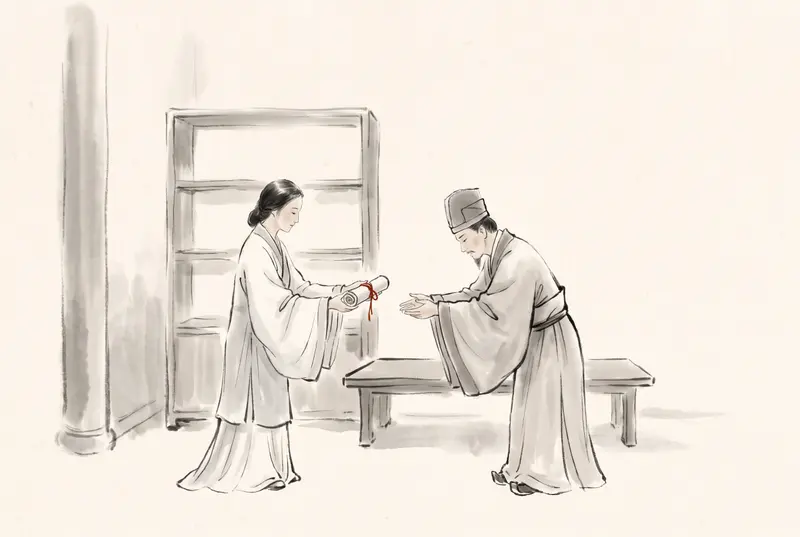
相如既奏大人之頌,天子大說,飄飄有淩雲之氣,似遊天地之間意。相如既病免,家居茂陵。天子曰:「司馬相如病甚,可往從悉取其書;若不然,後失之矣。」使所忠往,而相如已死,家無書。問其妻,對曰:「長卿固未嘗有書也。時時著書,人又取去,即空居。長卿未死時,為一卷書,曰有使者來求書,奏之。無他書。」其遺劄書言封禪事,奏所忠。忠奏其書,天子異之。
書き下し文
相如既に大人の頌を奏す。天子大いに説び、飄飄として凌雲の気有り、天地の間に遊ぶに似たる意あり。 相如既に病みて免ぜられ、家茂陵に居る。天子曰く、「司馬相如病甚だし。往きて従いて悉く其の書を取るべし。若し然らずんば、後に之を失わん」と。所忠をして往かしむ。而して相如已に死し、家に書無し。其の妻に問う。対えて曰く、「長卿固より未だ嘗て書有らざるなり。時時書を著すも、人又取り去り、即ち空しく居る。長卿未だ死せざる時、一巻の書を為り、曰く、使者来たりて書を求むる有らば、之を奏せよと。他の書無し」と。其の遺せる札書は封禅の事を言う。所忠に奏す。忠其の書を奏す。天子之を異とす。
現代語訳
相如が「大人の頌(賦)」を献上すると、天子はたいそう喜び、ふわふわと雲の上へ舞い上がるような心地になって、天地のあいだに遊んでいるような気分になった。 相如は病気のため職を退き、茂陵の家で暮らしていた。天子は言った。「司馬相如の病が重いそうだ。誰か行って、彼の書いたものをすべてもらってくるがよい。さもないと、のちに失われてしまう」。所忠を使いに出したが、相如はすでに亡くなっていて、家には書き物が何もなかった。妻に尋ねると、こう答えた。「長卿はもともと書き物を手元に置いたことがありません。ときどき書きましたが、そのたびに人が持っていってしまい、いつも何も残っていないのです。長卿は亡くなる前に一巻の書を書いて、『使者が来て書き物を求めたら、これを献上せよ』と申しました。ほかには何もございません」。その遺された書は封禅(天地を祭る儀式)について述べたものだった。所忠に差し出すと、所忠はそれを献上し、天子はめずらしく思った。
英訳
When Xiangru presented the "Ode of the Great Man", the emperor was delighted. He felt as if he were floating up above the clouds, roaming between heaven and earth. Later Xiangru resigned because of illness and lived at home at Maoling. The emperor said: "Sima Xiangru is very ill. Someone should go and collect all his writings, or they will be lost." He sent Suo Zhong, but Xiangru was already dead and there were no writings in the house. Suo Zhong asked his widow, who answered: "Zhangqing never kept any writings. He wrote from time to time, but people always took them away, and nothing was left. Before he died he wrote one scroll and said: 'If an envoy comes asking for my writings, present this.' There is nothing else." The writing he left was about the great sacrifices to Heaven and Earth. She gave it to Suo Zhong, who presented it, and the emperor marvelled at it.
解説(日)
- 飄飄有淩雲之氣: ふわりと雲をしのぐ気分。すぐれた文章が人の心を高く舞い上がらせることのたとえ。
- 茂陵: 長安の西、武帝の陵墓が造られた地。
- 封禪: 泰山で天を、その麓の山で地を祭る、天下を治める帝王の最高の儀式。武帝は相如の死の数年後にこれを行った。
- 相如は死ぬ前に、帝が求めるものを見通していた。
解説(英)
- Floating up above the clouds (飄飄有淩雲之氣): a phrase still used for writing that lifts the spirit.
- The great sacrifices (封禪): the rites to Heaven on Mount Tai and to Earth at its foot, the supreme rite of a ruler; Emperor Wu performed them a few years after Xiangru's death.
- Even dying, Xiangru knew what the emperor wanted.
英語の語注
- marvel/ˈmɑrvəl/verb
to feel great wonder at something
本文では: “the emperor marvelled at it”
似た語と違い: wonder at — be amazed by · be awed by — feel deep respect for
British spelling: marvelled (US: marveled).
- scroll/skroʊl/noun
a long roll of writing material
本文では: “he wrote one scroll”
似た語と違い: roll — something rolled up · manuscript — a handwritten text
節 9
原文
太史公曰:春秋推見至隱,易本隱之以顯,大雅言王公大人而德逮黎庶,小雅譏小己之得失,其流及上。所以言雖外殊,其合德一也。相如雖多虛辭濫說,然其要歸引之節儉,此與詩之風諫何異。余采其語可論者著於篇。
書き下し文
太史公曰く、春秋は見を推して隠に至り、易は隠に本づきて之を以て顕かにす。大雅は王公大人を言いて徳黎庶に逮び、小雅は小己の得失を譏りて其の流上に及ぶ。言う所以の者は外殊なりと雖も、其の徳に合うは一なり。相如虚辞濫説多しと雖も、然れども其の要は之を引きて節倹に帰す。此れ詩の風諫と何ぞ異ならん。余其の語の論ずべき者を采りて篇に著す。
現代語訳
太史公は言う。『春秋』は目に見えることをおし進めて隠れた真理に至り、『易』は隠れた真理にもとづいてそれを明らかにする。『詩経』の大雅は王公や貴人のことを歌いながら、その徳は民にまで及び、小雅は一身の得失をそしりながら、その流れは上の人にまで及ぶ。言い方は表向きちがっていても、徳にかなうという点では一つである。相如の作品には、根拠のない言葉や大げさな話が多いが、その要点は倹約に導くことにある。これは『詩経』の遠まわしのいさめと、どこが違うだろうか。私は彼の言葉のうち、論じるに値するものを選んで、この篇に収めた。
英訳
The Grand Historian says: The Spring and Autumn Annals start from what can be seen and reach what is hidden; the Book of Changes starts from what is hidden and makes it plain. The Greater Odes speak of kings and great men, yet their virtue reaches the common people; the Lesser Odes criticise the gains and losses of ordinary men, yet their message flows up to those above. Though their ways of speaking differ on the surface, they are one in agreeing with virtue. Xiangru's writing is full of empty words and wild talk, yet in the end it leads back to frugality. How is that different from the gentle admonitions of the Odes? I have chosen those of his words that are worth discussing and set them down in this chapter.
解説(日)
- 大雅・小雅: 『詩経』の部の名。大雅は朝廷の大きな儀式の歌、小雅は宴などの歌。
- 虛辭濫說: 根拠のない言葉や、度を越した話。
- 司馬遷は、相如の華やかな文章の奥に、帝をいさめる心を見ている。
解説(英)
- The Greater and Lesser Odes (大雅・小雅): sections of the Book of Odes.
- Empty words and wild talk (虛辭濫說): Sima Qian admits the rhapsodies' excess.
- He sees, beneath Xiangru's splendour, the heart of a loyal critic.
英語の語注
- frugality/fruˈɡæləti/noun
the habit of spending little and wasting nothing
本文では: “it leads back to frugality”
似た語と違い: thrift — careful use of money · economy — avoiding waste
- surface/ˈsɜrfəs/noun
the outside appearance of something
本文では: “differ on the surface”
似た語と違い: appearance — how something looks · exterior — the outside