列伝 · 巻 115
朝鮮列伝 朝鮮列傳
「両軍倶に辱められ、将率侯たる莫し」(太史公の評) 兩軍俱辱,將率莫侯
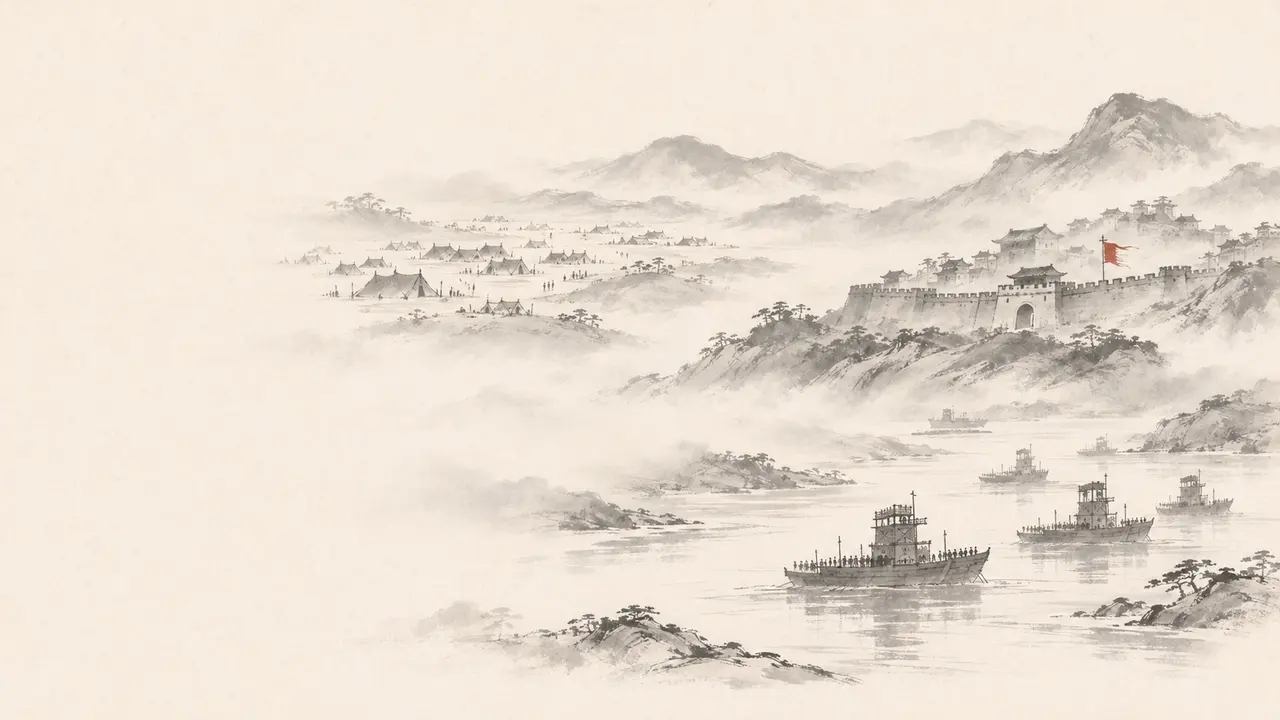
朝鮮半島北部にあった衛氏朝鮮の興亡と、漢の武帝による征服の物語。燕王盧綰が匈奴に逃げたとき、燕の人満は千人あまりを率い、髪を槌の形に結って異民族の服を着て東へ逃れ、王険を都として王となった。漢の「外臣」となって勢力を広げたが、孫の右渠は漢からの逃亡者を集め、天子に会いに来なかった。漢の使者渉何は、見送りの朝鮮の副王を殺して「将軍を殺した」と偽り、これが戦争の発端となる。武帝は海から楼船将軍楊僕、陸から左将軍荀彘を送ったが、どちらも苦戦し、降伏の交渉も疑い合いでこわれた。二人の将軍は手柄を争って対立し、調停に来た公孫遂は楼船将軍を捕らえてしまう。最後は朝鮮の大臣たちが右渠を殺して降伏し、その地は四つの郡になった。だが勝ったはずの将軍は二人とも罰せられ、司馬遷は「両軍ともに恥をかき、侯となった将は一人もいない」と結ぶ。
この巻のうち「「両軍倶に辱められ、将率侯たる莫し」(太史公の評)」の場面を載せています。巻の全文ではありません。
音声
音声は合成音声です。
動画
節 1
原文
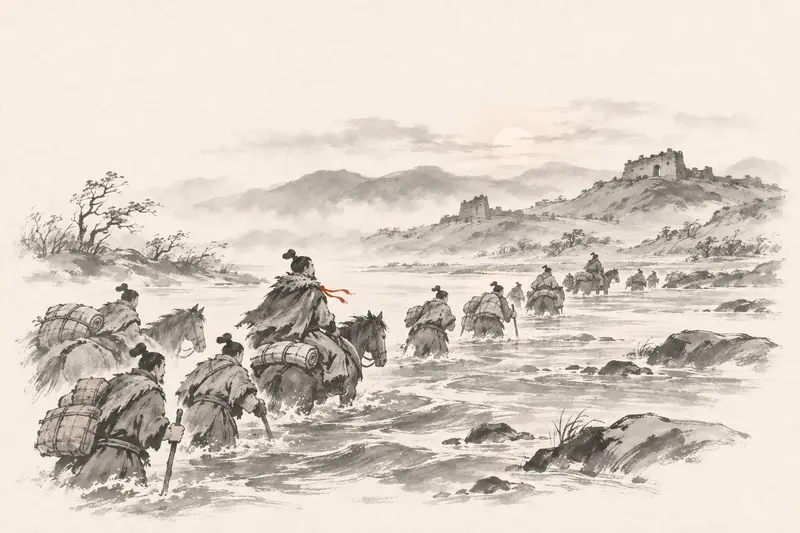
朝鮮王滿者,故燕人也。自始全燕時嘗略屬真番、朝鮮,為置吏,筑鄣塞。秦滅燕,屬遼東外徼。漢興,為其遠難守,復修遼東故塞,至浿水為界,屬燕。燕王盧綰反,入匈奴,滿亡命,聚黨千餘人,魋結蠻夷服而東走出塞,渡浿水,居秦故空地上下鄣,稍役屬真番、朝鮮蠻夷及故燕、齊亡命者王之,都王險。
書き下し文
朝鮮王満は、故の燕人なり。始め燕を全うせし時より、嘗て真番・朝鮮を略して属せしめ、為に吏を置き、鄣塞を筑く。秦燕を滅ぼし、遼東の外徼に属す。漢興り、其の遠くして守り難きが為に、復た遼東の故塞を修め、浿水に至りて界と為し、燕に属す。燕王盧綰反して、匈奴に入る。満亡命し、党千余人を聚め、魋結して蛮夷の服して東走して塞を出で、浿水を渡り、秦の故の空地の上下鄣に居り、稍く真番・朝鮮の蛮夷及び故の燕・斉の亡命者を役属して之に王たり、王険に都す。
現代語訳
朝鮮王の満(衛満)は、もとは燕の人である。燕が全盛だったころから、真番と朝鮮の地を攻め取って従え、役人を置き、とりでを築いていた。秦が燕を滅ぼすと、その地は遼東郡の国境の外の守りに属した。漢が興ると、遠くて守りにくいので、遼東の古いとりでを修理し、浿水までを境として、燕の国に属させた。燕王盧綰が反乱を起こして匈奴に逃げこむと、満も国を逃れ、仲間千人あまりを集め、髪を槌の形に結い、異民族の服を着て東へ走り、とりでを出て浿水を渡り、秦の時代の空き地の上下のとりでに住みついた。しだいに真番・朝鮮の人々や、燕・斉から逃れてきた者たちを従えて王となり、王険を都とした。
英訳
Man, King of Chaoxian, was originally a man of Yan. Ever since Yan was at its height it had raided and subdued Zhenfan and Chaoxian, placed officials there and built forts. When Qin destroyed Yan, the land came under the outer frontier of Liaodong. When Han arose, finding it too distant and hard to hold, it repaired the old Liaodong frontier, fixed the boundary at the Pei River and put the land under Yan. When Lu Wan, King of Yan, rebelled and fled to the Xiongnu, Man too went into exile. He gathered more than a thousand followers, tied his hair in a mallet-shaped knot, put on the clothes of the barbarians, and fled east beyond the frontier. Crossing the Pei River, he settled in the empty land of the old Qin forts, the upper and lower stockades. Little by little he brought under him the peoples of Zhenfan and Chaoxian and the fugitives from Yan and Qi, became their king and made his capital at Wangxian.
解説(日)
- 満: 一般に衛満と呼ばれる。
- 真番・朝鮮: 朝鮮半島の北部にあった地域の名。
- 浿水: 漢と朝鮮の境の川。今のどの川にあたるかは諸説ある。
- 盧綰: 劉邦の幼なじみで燕王となったが、反乱を疑われて匈奴に逃げた。
- 王険: 衛氏朝鮮の都。今の平壌のあたりとされる。
解説(英)
- Man: usually called Wei Man.
- Zhenfan and Chaoxian: regions in the north of the Korean peninsula.
- The Pei River (浿水): the border between Han and Chaoxian; which modern river it was is debated.
- Lu Wan: Liu Bang's childhood friend, made King of Yan, who fled to the Xiongnu when suspected of rebellion.
- Wangxian (王險): the capital of Wei Man's kingdom, thought to be near present-day Pyongyang.
英語の語注
- exile/ˈɛɡzaɪl/noun
the state of being forced to live away from home
本文では: “Man too went into exile”
似た語と違い: banishment — being sent away as punishment · flight — running away
- fugitive/ˈfjuːdʒətɪv/noun
a person running away from danger or the law
本文では: “the fugitives from Yan and Qi”
似た語と違い: runaway — one who has run away · refugee — one who flees war or danger
節 2
原文
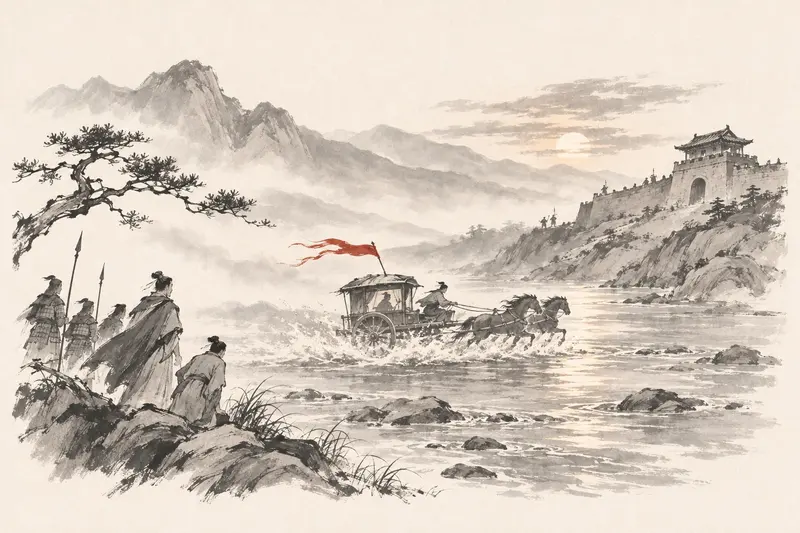
會孝惠、高后時天下初定,遼東太守即約滿為外臣,保塞外蠻夷,無使盜邊;諸蠻夷君長欲入見天子,勿得禁止。以聞,上許之,以故滿得兵威財物侵降其旁小邑,真番、臨屯皆來服屬,方數千里。傳子至孫右渠,所誘漢亡人滋多,又未嘗入見;真番旁眾國欲上書見天子,又擁閼不通。元封二年,漢使涉何譙諭右渠,終不肯奉詔。何去至界上,臨浿水,使御刺殺送何者朝鮮裨王長,即渡,馳入塞,遂歸報天子曰「殺朝鮮將」。上為其名美,即不詰,拜何為遼東東部都尉。朝鮮怨何,發兵襲攻殺何。
書き下し文
会々孝恵・高后の時、天下初めて定まる。遼東太守即ち満と約して外臣と為し、塞外の蛮夷を保ちて、辺を盗ましむること無からしめ、諸々の蛮夷の君長入りて天子に見えんと欲すれば、禁止するを得ること勿からしむ。以聞し、上之を許す。故を以て満兵威財物を得て其の旁の小邑を侵し降し、真番・臨屯皆来たりて服属し、方数千里なり。子に伝えて孫の右渠に至り、誘う所の漢の亡人滋々多く、又た未だ嘗て入りて見えず。真番の旁の衆国上書して天子に見えんと欲するも、又た擁閼して通ぜず。元封二年、漢渉何をして右渠を譙諭せしむるも、終に詔を奉ずるを肯んぜず。何去りて界上に至り、浿水に臨み、御をして何を送る者朝鮮の裨王長を刺殺せしめ、即ち渡り、馳せて塞に入り、遂に帰りて天子に報じて曰く、「朝鮮の将を殺せり」と。上其の名の美なるが為に、即ち詰らず、何を拝して遼東東部都尉と為す。朝鮮何を怨み、兵を発して襲攻して何を殺す。
現代語訳
ちょうど恵帝と呂后の時代で、天下が定まったばかりだった。遼東太守は満と約束して、漢の外臣(国外の臣下)とし、国境の外の異民族を押さえて漢の国境を荒らさせないようにし、異民族の首長たちが天子に会いに来ようとするときは、それを妨げないことにした。これを天子に報告すると、天子は許した。そのため満は、兵の威力と財力を手にして、まわりの小さな町々を攻めて従わせ、真番や臨屯も皆やって来て従い、その地は数千里四方に広がった。王位は子に伝わり、孫の右渠に至った。右渠がおびき寄せた漢からの逃亡者はますます多くなり、また一度も天子に会いに来なかった。真番のそばの国々が上書して天子に会いたいと望んでも、それをさえぎって通さなかった。元封二年(前109年)、漢は渉何を送って右渠を責め、さとしたが、右渠はとうとう命令に従わなかった。渉何は帰る途中、国境の浿水のほとりで、自分を見送ってきた朝鮮の副王の長を御者に刺し殺させ、すぐに川を渡って、馬を走らせてとりでに逃げこんだ。そして帰って天子に「朝鮮の将軍を殺しました」と報告した。天子は手柄の名目がりっぱなので問いただしもせず、渉何を遼東東部都尉に任じた。朝鮮は渉何をうらみ、兵を出して不意打ちをかけ、渉何を殺した。
英訳
It was the time of Emperor Hui and Empress Lü, and the realm had only just been settled. The governor of Liaodong made an agreement with Man that he would be an outer vassal of Han, keeping the barbarians beyond the frontier from raiding the border, and that he would not stop any barbarian chiefs who wished to come and see the Son of Heaven. This was reported, and the emperor approved. So Man gained the military power and wealth to attack and subdue the small towns around him; Zhenfan and Lintun all came and submitted, and his land stretched several thousand li. The throne passed to his son and then to his grandson Youqu. Youqu lured more and more fugitives from Han and never once came to court; and when the many states beside Zhenfan wanted to send letters and see the Son of Heaven, he blocked their way. In the second year of Yuanfeng, Han sent She He to rebuke Youqu and order him to obey, but Youqu would not accept the emperor's command. As She He left, reaching the border on the bank of the Pei River, he had his driver stab to death Zhang, a lesser king of Chaoxian who had escorted him, then at once crossed the river and galloped back inside the frontier. He went home and reported to the emperor: "I have killed a general of Chaoxian." The emperor, since it sounded like a fine deed, asked no questions and made She He commandant of the eastern district of Liaodong. Chaoxian hated She He, sent troops to attack him by surprise, and killed him.
解説(日)
- 外臣: 国の外にいながら、漢に従う王。
- 臨屯: 朝鮮半島の東部にあった地域の名。
- 右渠: 衛満の孫。
- 渉何: 手柄をいつわった使者。太史公は、この男の偽りが戦の始まりだったと書く(第7節)。
- 裨王: 副王、小王。
解説(英)
- Outer vassal (外臣): a king beyond the frontier who acknowledged Han.
- Lintun: a region in the east of the Korean peninsula.
- Youqu: Wei Man's grandson.
- She He: the envoy who lied about his deed; the Grand Historian calls his lie the start of the war (passage 7).
- Lesser king (裨王): a subordinate king.
英語の語注
- vassal/ˈvæsəl/noun
a ruler who serves and owes loyalty to a stronger one
本文では: “an outer vassal of Han”
似た語と違い: subject — one ruled by another · dependent — one who relies on another
- rebuke/rɪˈbjuːk/verb
to speak sharply to someone about what they did wrong
本文では: “to rebuke Youqu”
似た語と違い: scold — speak angrily to · reprimand — rebuke formally
節 3
原文
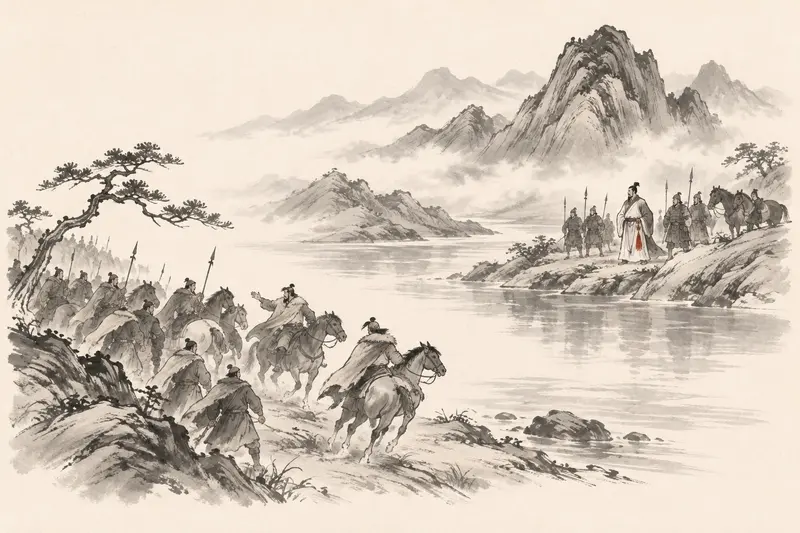
天子募罪人擊朝鮮。其秋,遣樓船將軍楊仆從齊浮渤海;兵五萬人,左將軍荀彘出遼東:討右渠。右渠發兵距險。左將軍卒正多率遼東兵先縱,敗散,多還走,坐法斬。樓船將軍將齊兵七千人先至王險。右渠城守,窺知樓船軍少,即出城擊樓船,樓船軍敗散走。將軍楊仆失其眾,遁山中十餘日,稍求收散卒,復聚。左將軍擊朝鮮浿水西軍,未能破自前。
書き下し文
天子罪人を募りて朝鮮を撃たしむ。其の秋、楼船将軍楊僕を遣わして斉より渤海に浮かばしむ。兵五万人、左将軍荀彘遼東に出で、右渠を討つ。右渠兵を発して険に距ぐ。左将軍の卒正多、遼東の兵を率いて先に縦ち、敗散し、多還り走り、法に坐して斬らる。楼船将軍斉の兵七千人を将いて先に王険に至る。右渠城守し、窺いて楼船の軍の少なきを知り、即ち城を出でて楼船を撃つ。楼船の軍敗散して走る。将軍楊僕其の衆を失い、山中に遁るること十余日、稍く散卒を求め収め、復た聚む。左将軍朝鮮の浿水の西の軍を撃つも、未だ破りて自ら前むこと能わず。
現代語訳
天子は罪人を募って朝鮮を攻めさせた。その年の秋、楼船将軍の楊僕を斉から渤海へ船で出させ、また兵五万人を率いる左将軍荀彘を遼東から出させて、右渠を討たせた。右渠は兵を出して険しい地で防いだ。左将軍の部下の卒正の多が、遼東の兵を率いて先がけしたが、敗れて散り散りになり、多は逃げ帰って、軍法により斬られた。楼船将軍は斉の兵七千人を率いて、先に王険に着いた。右渠は城を守りながら様子をうかがい、楼船の軍が少ないと知ると、すぐに城を出て楼船の軍を攻めた。楼船の軍は敗れて散り散りに逃げた。将軍の楊僕は兵を失い、山の中に十日あまり逃げかくれ、少しずつ散った兵を探し集めて、また軍をまとめた。左将軍は浿水の西の朝鮮軍を攻めたが、打ち破って前に進むことができなかった。
英訳
The Son of Heaven recruited convicts to attack Chaoxian. That autumn he sent the General of Towered Ships, Yang Pu, to sail from Qi across the Bohai Sea, and the General of the Left, Xun Zhi, with fifty thousand men, to march out of Liaodong to punish Youqu. Youqu sent troops to hold the passes. Duo, a company commander under the General of the Left, led the Liaodong troops out ahead of the rest and was routed; Duo fled back and was beheaded under military law. The General of Towered Ships, with seven thousand men of Qi, reached Wangxian first. Youqu, holding the city, spied out that the Towered Ships force was small, came out at once and attacked it, and it broke and fled. General Yang Pu lost his men and hid in the hills for over ten days before he could gradually gather his scattered soldiers together again. The General of the Left attacked the Chaoxian army west of the Pei River but could not break through and advance.
解説(日)
- 楼船将軍: 大きな軍船(楼船)の水軍を率いる将軍。楊僕は南越の征討(113-nanyue の章)にも加わった。
- 左将軍荀彘: 陸路から攻めた将軍。
- 卒正: 部隊の長。
- 漢の水陸二手からの攻撃は、初めからつまずいた。
解説(英)
- General of Towered Ships (樓船將軍): commander of a fleet of tall warships; Yang Pu had also fought in the conquest of Southern Yue (chapter 113).
- General of the Left, Xun Zhi: the commander who attacked by land.
- Company commander (卒正): an officer over a unit of troops.
- The two-pronged attack by land and sea stumbled from the start.
英語の語注
- convict/ˈkɑːnvɪkt/noun
a person found guilty of a crime
本文では: “recruited convicts to attack Chaoxian”
似た語と違い: prisoner — one held in prison · criminal — one who breaks the law
As a verb (/kənˈvɪkt/), convict means to find guilty.
- rout/raʊt/verb
to defeat an army so that it runs away
本文では: “was routed”
似た語と違い: crush — defeat completely · defeat — beat in battle
節 4
原文
天子為兩將未有利,乃使衛山因兵威往諭右渠。右渠見使者頓首謝:「願降,恐兩將詐殺臣;今見信節,請服降。」遣太子入謝,獻馬五千匹,及饋軍糧。人眾萬餘,持兵,方渡浿水,使者及左將軍疑其為變,謂太子已服降,宜命人毋持兵。太子亦疑使者左將軍詐殺之,遂不渡浿水,復引歸。山還報天子,天子誅山。左將軍破浿水上軍,乃前,至城下,圍其西北。樓船亦往會,居城南。右渠遂堅守城,數月未能下。
書き下し文
天子両将の未だ利有らざるが為に、乃ち衛山をして兵威に因りて往きて右渠を諭さしむ。右渠使者を見て頓首して謝す、「降らんと願うも、両将の詐りて臣を殺さんことを恐る。今信節を見る。請う、服して降らん」と。太子を遣わして入りて謝せしめ、馬五千匹を献じ、及び軍糧を饋る。人衆万余、兵を持ちて、方に浿水を渡らんとす。使者及び左将軍其の変を為さんことを疑い、太子に謂う、已に服して降れば、宜しく人に命じて兵を持すること毋からしむべしと。太子も亦た使者・左将軍の詐りて之を殺さんことを疑い、遂に浿水を渡らず、復た引きて帰る。山還りて天子に報じ、天子山を誅す。左将軍浿水上の軍を破り、乃ち前み、城下に至り、其の西北を囲む。楼船も亦た往きて会し、城南に居る。右渠遂に堅く城を守り、数月にして未だ下す能わず。
現代語訳
天子は二人の将軍がまだ勝てないので、衛山を使者として送り、兵の威力を背景に右渠をさとさせた。右渠は使者に会うと、頭を地につけてわびた。「降伏したかったのですが、二人の将軍がだまして殺すのではないかと恐れていました。いま天子の使者のしるしを見ましたので、どうか降伏させてください」。そして太子を送ってわびさせ、馬五千頭を献上し、軍の兵糧も送ることにした。太子に従う一万人あまりの者が、武器を持って浿水を渡ろうとした。使者と左将軍は、反乱を起こすつもりではないかと疑い、太子に、もう降伏したのだから、従う者たちに武器を持たせないようにせよと言った。太子もまた、使者と左将軍がだまして自分を殺すつもりではないかと疑い、とうとう浿水を渡らずに引き返した。衛山は帰って天子に報告し、天子は衛山を誅殺した。左将軍は浿水のほとりの朝鮮軍を破って前進し、城の下まで行って西北を囲んだ。楼船将軍もやって来て合流し、城の南に陣取った。右渠は城を固く守り、何か月たっても落とせなかった。
英訳
Because the two generals had won nothing, the emperor sent Wei Shan to go and persuade Youqu while the army's might stood behind him. When Youqu saw the envoy he bowed his head to the ground and apologised: "I wanted to surrender, but I feared the two generals would trick me and kill me. Now that I see the tally of your good faith, I ask to submit." He sent his crown prince to make amends, offered five thousand horses and sent grain for the army. More than ten thousand men, bearing arms, were about to cross the Pei River with the prince. The envoy and the General of the Left suspected some treachery and told the prince that since he had already surrendered, he should order his men to put down their weapons. The prince in turn suspected that the envoy and the General of the Left meant to trick him and kill him, so he did not cross the Pei River but led his men back. Wei Shan went home and reported, and the emperor put him to death. The General of the Left broke the Chaoxian army on the Pei River, advanced to the city walls and besieged it on the northwest. The General of Towered Ships came to join him and camped south of the city. Youqu held the city stubbornly, and for months it could not be taken.
解説(日)
- 衛山: 天子の使者。降伏の機会を逃したとして誅殺された。
- 信節: 天子の使者であることを示すしるし。
- 互いの疑いが、せっかくの降伏をこわしてしまった。
解説(英)
- Wei Shan: the emperor's envoy, executed for letting the surrender slip away.
- Tally of good faith (信節): the token that marked an envoy of the Son of Heaven.
- Suspicion on both sides wrecked a surrender that was within reach.
英語の語注
- treachery/ˈtrɛtʃəri/noun
betraying someone who trusts you
本文では: “suspected some treachery”
似た語と違い: betrayal — breaking trust · deceit — tricking people
- besiege/bɪˈsiːdʒ/verb
to surround a city with an army
本文では: “besieged it on the northwest”
似た語と違い: surround — be all around · lay siege to — begin a siege
節 5
原文
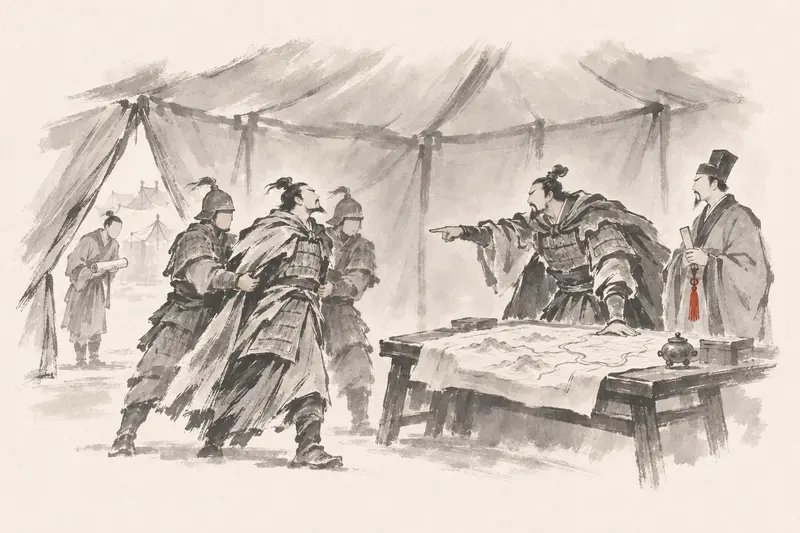
左將軍素侍中,幸,將燕代卒,悍,乘勝,軍多驕。樓船將齊卒,入海,固已多敗亡;其先與右渠戰,因辱亡卒,卒皆恐,將心慚,其圍右渠,常持和節。左將軍急擊之,朝鮮大臣乃陰閒使人私約降樓船,往來言,尚未肯決。左將軍數與樓船期戰,樓船欲急就其約,不會;左將軍亦使人求閒卻降下朝鮮,朝鮮不肯,心附樓船:以故兩將不相能。左將軍心意樓船前有失軍罪,今與朝鮮私善而又不降,疑其有反計,未敢發。天子曰將率不能,前(及)[乃]使衛山諭降右渠,右渠遣太子,山使不能剸決,與左將軍計相誤,卒沮約。今兩將圍城,又乖異,以故久不決。使濟南太守公孫遂往(征)[正]之,有便宜得以從事。遂至,左將軍曰:「朝鮮當下久矣,不下者有狀。」言樓船數期不會,具以素所意告遂,曰:「今如此不取,恐為大害,非獨樓船,又且與朝鮮共滅吾軍。」遂亦以為然,而以節召樓船將軍入左將軍營計事,即命左將軍麾下執捕樓船將軍,并其軍,以報天子。天子誅遂。
書き下し文
左将軍素より侍中にして、幸せられ、燕・代の卒を将いて、悍にして、勝ちに乗じ、軍多く驕る。楼船は斉の卒を将いて海に入り、固より已に多く敗亡す。其の先に右渠と戦い、因りて辱められて卒を亡い、卒皆恐れ、将の心慚ず。其の右渠を囲むや、常に和節を持す。左将軍急に之を撃つ。朝鮮の大臣乃ち陰かに間に人をして私かに降らんことを楼船に約せしめ、往来して言うも、尚お未だ決するを肯んぜず。左将軍数々楼船と戦いを期するも、楼船急に其の約に就かんと欲して、会せず。左将軍も亦た人をして間を求めて朝鮮を降下せしめんとするも、朝鮮肯んぜず、心は楼船に附く。故を以て両将相能くせず。左将軍心に楼船の前に軍を失うの罪有り、今朝鮮と私かに善くして又た降らざるを意い、其の反計有るを疑うも、未だ敢えて発せず。天子曰く、将率能くせず。前に乃ち衛山をして右渠を諭して降らしめ、右渠太子を遣わすも、山使いとして剸決する能わず、左将軍と計りて相誤り、卒に約を沮む。今両将城を囲みて、又た乖異す。故を以て久しく決せずと。済南太守公孫遂をして往きて之を正さしめ、便宜有らば以て事に従うを得しむ。遂至る。左将軍曰く、「朝鮮当に下るべきこと久し。下らざる者は状有り」と。楼船の数々期して会せざるを言い、具さに素より意う所を以て遂に告げて曰く、「今此くの如くして取らずんば、恐らくは大害と為らん。独り楼船のみに非ず、又た且に朝鮮と共に吾が軍を滅ぼさんとす」と。遂も亦た以て然りと為し、而して節を以て楼船将軍を召して左将軍の営に入りて事を計らしめ、即ち左将軍の麾下に命じて楼船将軍を執捕し、其の軍を并せ、以て天子に報ず。天子遂を誅す。
現代語訳
左将軍はもともと天子のそば仕えで寵愛されており、燕と代の兵を率いていた。兵は荒々しく、勝ちに乗じて、多くがおごっていた。楼船将軍は斉の兵を率いて海を渡ってきたので、すでに多くの兵を失っていた。先に右渠と戦って恥をかき兵を失ったので、兵は皆おびえ、将軍は心に恥じていた。右渠を囲んでいる間も、いつも和睦のしるしの節を手にしていた。左将軍は激しく攻めた。すると朝鮮の大臣たちは、ひそかに人を送って楼船将軍に降伏を約束し、使いが行き来したが、まだ決めかねていた。左将軍は何度も楼船将軍と日を決めて一緒に攻めようとしたが、楼船将軍は早く朝鮮との約束をまとめたかったので、来なかった。左将軍もまた人を送って朝鮮を降伏させようとしたが、朝鮮は応じず、心は楼船将軍に寄せていた。そのため二人の将軍は仲が悪くなった。左将軍は、楼船将軍は以前に兵を失った罪があるうえに、いま朝鮮とひそかに親しくしながら降伏させないのは、裏切るつもりではないかと疑ったが、まだそれを口に出さなかった。天子は言った。「将軍たちは役に立たない。前に衛山に右渠を説いて降伏させようとし、右渠は太子を送ってきたのに、衛山は使者としてきっぱり決められず、左将軍と相談して誤り、とうとう約束をこわした。いままた二人の将軍は城を囲みながら、仲たがいしている。だから長く決着がつかないのだ」。そこで済南太守の公孫遂を送って事を正させ、都合がよければ自分の判断で処置してよいとした。公孫遂が着くと、左将軍は言った。「朝鮮はとうに降伏していてよいはずだ。降伏しないのにはわけがある」。そして楼船将軍が何度も約束の日に来なかったことを話し、日ごろ思っていたことをすっかり公孫遂に告げて言った。「いまこのまま取り押さえなければ、大きな害になるだろう。楼船将軍だけではない。朝鮮と一緒にわが軍を滅ぼそうとするかもしれない」。公孫遂ももっともだと思い、節を使って楼船将軍を左将軍の陣に呼んで相談させ、その場で左将軍の部下に楼船将軍を捕らえさせ、その軍を左将軍の軍に合わせて、天子に報告した。天子は公孫遂を誅殺した。
英訳
The General of the Left had long served in the emperor's inner court and was a favourite. He commanded troops from Yan and Dai, who were fierce, flushed with victory and mostly arrogant. The General of Towered Ships had brought his men of Qi across the sea and had already lost many of them; he had been beaten and shamed in his first fight with Youqu and lost men, so his soldiers were all afraid and their general ashamed. Throughout the siege he kept the tally of peace in his hand. The General of the Left attacked hard. Then the ministers of Chaoxian secretly sent men to the General of Towered Ships, privately promising to surrender to him; messengers went back and forth, but nothing was yet settled. The General of the Left kept setting days for a joint attack with the General of Towered Ships, but the latter, eager to close his own deal, did not come. The General of the Left too sent men looking for a chance to bring Chaoxian to surrender to him, but Chaoxian would not; its heart was with the General of Towered Ships. So the two generals could not work together. The General of the Left believed that the General of Towered Ships, already guilty of losing his army, was now on secret good terms with Chaoxian and yet not bringing it to surrender, and he suspected him of plotting treason; but he did not yet dare to say so. The emperor said: "My generals are useless. Before, I sent Wei Shan to persuade Youqu to surrender, and Youqu sent his crown prince, but Wei Shan could not settle it as an envoy should; he and the General of the Left misjudged things between them and wrecked the agreement. Now the two generals besiege the city and are at odds with each other, so it drags on undecided." He sent Gongsun Sui, the governor of Jinan, to set things right, with authority to act as he saw fit. When Gongsun Sui arrived, the General of the Left said: "Chaoxian should have fallen long ago. There is a reason it has not." He told how the General of Towered Ships had failed again and again to keep their appointed days, laid out all his suspicions to Gongsun Sui, and said: "If we do not seize him now, I fear great harm will come of it: not just from him, but he may join with Chaoxian to destroy our army." Gongsun Sui agreed. Using his tally, he summoned the General of Towered Ships to the camp of the General of the Left to discuss matters, and at once ordered the men of the General of the Left to seize him, merged his army with the other, and reported to the emperor. The emperor put Gongsun Sui to death.
解説(日)
- 侍中: 天子のそば近く仕える役。
- 和節: 和睦のための使者のしるし。
- 原文の「(及)[乃]」「(征)[正]」は、底本の校訂で字を改めたもの。書き下しと訳は改めた字に従う。
- 天子は将軍たちの仲たがいを正すために公孫遂を送ったが、その公孫遂も誅殺した。
解説(英)
- Inner court (侍中): close attendance on the emperor.
- Tally of peace (和節): the token of an envoy for making peace.
- The text's "(及)[乃]" and "(征)[正]" are corrections in the edition; the reading and translation follow them.
- The emperor sent Gongsun Sui to mend the quarrel, and then put him to death as well.
英語の語注
- favourite/ˈfeɪvərɪt/noun
a person liked more than others by a ruler
本文では: “was a favourite”
似た語と違い: darling — a much-loved person · pet — a teacher's or ruler's favourite; informal
British spelling favourite; American favorite.
- authority/əˈθɔːrəti/noun
the power to give orders and decide
本文では: “with authority to act as he saw fit”
似た語と違い: power — ability to control · right — what one is allowed to do
節 6
原文
左將軍已并兩軍,即急擊朝鮮。朝鮮相路人、相韓陰、尼谿相參、將軍王唊相與謀曰:「始欲降樓船,樓船今執,獨左將軍并將,戰益急,恐不能與,(戰)王又不肯降。」陰、唊、路人皆亡降漢。路人道死。元封三年夏,尼谿相參乃使人殺朝鮮王右渠來降。王險城未下,故右渠之大臣成巳又反,復攻吏。左將軍使右渠子長降、相路人之子最告諭其民,誅成巳,以故遂定朝鮮,為四郡。封參為澅清侯,陰為荻苴侯,唊為平州侯,長[降]為幾侯。最以父死頗有功,為溫陽侯。左將軍徵至,坐爭功相嫉,乖計,棄市。樓船將軍亦坐兵至洌口,當待左將軍,擅先縱,失亡多,當誅,贖為庶人。
書き下し文
左将軍已に両軍を并せ、即ち急に朝鮮を撃つ。朝鮮の相路人・相韓陰・尼谿の相参・将軍王唊相与に謀りて曰く、「始め楼船に降らんと欲するも、楼船今執えられ、独り左将軍并せ将いて、戦い益々急なり。恐らくは与に能わず。王又た降るを肯んぜず」と。陰・唊・路人皆亡げて漢に降る。路人道に死す。元封三年夏、尼谿の相参乃ち人をして朝鮮王右渠を殺さしめて来たり降る。王険城未だ下らず。故の右渠の大臣成巳又た反し、復た吏を攻む。左将軍右渠の子長降・相路人の子最をして其の民に告諭せしめ、成巳を誅す。故を以て遂に朝鮮を定め、四郡と為す。参を封じて澅清侯と為し、陰を荻苴侯と為し、唊を平州侯と為し、長降を幾侯と為す。最は父死して頗る功有るを以て、温陽侯と為る。左将軍徴されて至り、功を争いて相嫉み、計に乖くに坐して、棄市せらる。楼船将軍も亦た兵洌口に至り、当に左将軍を待つべきに、擅に先に縦ちて、失亡多きに坐して、当に誅すべきも、贖いて庶人と為る。
現代語訳
左将軍は二つの軍をあわせると、すぐに朝鮮を激しく攻めた。朝鮮の宰相の路人、宰相の韓陰、尼谿の宰相の参、将軍の王唊は相談して言った。「はじめは楼船将軍に降伏しようと思っていたが、楼船将軍はいま捕らえられ、左将軍だけが両軍を率いて、攻撃はますます激しい。とても対抗できないだろう。それなのに王は降伏しようとしない」。韓陰・王唊・路人は皆逃げて漢に降伏した。路人は途中で死んだ。元封三年(前108年)の夏、尼谿の宰相の参が人に朝鮮王右渠を殺させ、降伏してきた。それでも王険城はまだ落ちなかった。右渠の大臣だった成巳がまた反乱を起こし、漢の役人を攻めた。左将軍は、右渠の子の長降と、宰相路人の子の最に民をさとさせ、成巳を誅殺した。こうしてついに朝鮮を平定し、四つの郡とした。参を澅清侯、韓陰を荻苴侯、王唊を平州侯、長降を幾侯に封じた。最は、父が死んだうえにかなりの手柄があったので、温陽侯となった。左将軍は都に呼び戻され、手柄を争ってねたみ合い、計画をそこなった罪で、市場で処刑された。楼船将軍もまた、兵が洌口に着いたとき、左将軍を待つべきところを勝手に先に攻めかかって、多くの兵を失った罪で、死刑にあたるとされたが、金を納めて罪をつぐない、庶民に落とされた。
英訳
Once the General of the Left had both armies, he attacked Chaoxian hard. The Chaoxian ministers Lu Ren and Han Yin, the minister Can of Nixi and the general Wang Jia plotted together: "We meant to surrender to the General of Towered Ships, but now he has been seized, and the General of the Left alone commands both armies and attacks more fiercely than ever. We cannot hold out against him, and the king still will not surrender." Han Yin, Wang Jia and Lu Ren all fled and surrendered to Han; Lu Ren died on the road. In the summer of the third year of Yuanfeng, Can, the minister of Nixi, had men kill Youqu, King of Chaoxian, and came to surrender. Even so, Wangxian had not fallen. Cheng Si, who had been one of Youqu's ministers, rebelled again and attacked the Han officials. The General of the Left had Youqu's son Zhangjiang and Lu Ren's son Zui speak to the people and win them over, and put Cheng Si to death. So at last Chaoxian was pacified and made into four commanderies. Can was made Marquis of Huaiqing, Han Yin Marquis of Diju, Wang Jia Marquis of Pingzhou and Zhangjiang Marquis of Ji. Zui, because his father had died and he himself had done good service, was made Marquis of Wenyang. The General of the Left was summoned home and, convicted of quarrelling over credit, jealousy and wrecking the plan, was executed in the marketplace. The General of Towered Ships too was convicted: when his troops reached Liekou he should have waited for the General of the Left, but he attacked first on his own and lost many men. He deserved death, but paid a fine and was reduced to a commoner.
解説(日)
- 四郡: 楽浪・臨屯・玄菟・真番の四つの郡(『漢書』による)。楽浪郡はその後長く続き、倭(日本)の人々も楽浪郡を通じて漢と交わったと『漢書』地理志は伝える。
- 原文の「(戰)」はよけいな字、「[降]」は補った字。書き下しと訳は校訂に従う。
- 戦に勝ったのに、二人の将軍はともに罰せられた。
解説(英)
- Four commanderies: Lelang, Lintun, Xuantu and Zhenfan (named in the History of the Former Han). Lelang lasted for centuries, and the Han history's treatise on geography says the people of Wa (Japan) dealt with Han through it.
- The text marks "(戰)" as superfluous and supplies "[降]"; the reading and translation follow the corrections.
- Though the war was won, both generals were punished.
英語の語注
- pacify/ˈpæsəˌfaɪ/verb
to bring a land under control and end fighting
本文では: “Chaoxian was pacified”
似た語と違い: calm — make peaceful · subdue — bring under control by force
- marketplace/ˈmɑːrkɪtˌpleɪs/noun
an open place where a market is held
本文では: “executed in the marketplace”
似た語と違い: market — everyday word · square — an open area in a town
節 7
原文
太史公曰:右渠負固,國以絕祀。涉何誣功,為兵發首。樓船將狹,及難離咎。悔失番禺,乃反見疑。荀彘爭勞,與遂皆誅。兩軍俱辱,將率莫侯矣。
書き下し文
太史公曰く、右渠固きを負み、国以て祀を絶つ。渉何功を誣い、兵の発する首と為る。楼船の将は狭にして、難に及びて咎に離る。番禺を失いしを悔い、乃ち反って疑わる。荀彘労を争い、遂と皆誅せらる。両軍倶に辱められ、将率侯たる莫し。
現代語訳
太史公は言う。右渠は国の守りの固さをたのんで、国の祭りを絶やしてしまった。渉何は手柄をいつわり、戦の発端を作った。楼船将軍は度量がせまく、難にあって罪をこうむった。番禺で手柄を逃したことを悔やんで、今度はかえって疑われることになった。荀彘は手柄を争い、公孫遂とともに誅殺された。両軍はともに恥をかき、将軍の中で侯に封じられた者は一人もいなかった。
英訳
The Grand Historian says: Youqu trusted in his strong position, and his state's sacrifices were cut off. She He lied about his deeds and so began the war. The general of the Towered Ships was narrow-minded; when trouble came he fell into blame. Regretting that he had lost the prize at Panyu, he was suspected this time instead. Xun Zhi fought for credit and was put to death, as was Gongsun Sui. Both armies were shamed, and not one of the commanders was made a marquis.
解説(日)
- 番禺: 南越の都。南越を攻めたとき、楊僕は先に城を攻めたが、降伏する者は伏波将軍路博徳のもとに集まった(113-nanyue の章)。その悔いから、今度は朝鮮を自分に降伏させようとして疑われた、と司馬遷は見る。
- 勝ち戦なのに、勝者のいない戦だった。司馬遷は武帝の外征を、手柄争いの面から冷ややかに描いている。
解説(英)
- Panyu: the capital of Southern Yue. There Yang Pu stormed the city first, but the surrender went to Lu Bode, the Wave-Calming General (chapter 113); Sima Qian suggests that regret made him try to win Chaoxian's surrender for himself, and so brought suspicion on him.
- A war won with no winners: Sima Qian views Emperor Wu's foreign wars coolly, through the generals' scramble for credit.
英語の語注
- sacrifice/ˈsækrəˌfaɪs/noun
an offering made to gods or ancestors
本文では: “his state's sacrifices were cut off”
似た語と違い: offering — something given in worship · rite — a religious ceremony
- commander/kəˈmændər/noun
a person in charge of an army
本文では: “not one of the commanders was made a marquis”
似た語と違い: leader — one who leads · officer — one with military rank