列伝 · 巻 114
東越列伝 東越列傳
「王を殺して以て天子に謝せん」(兄を殺して国を保った余善) 殺王以謝天子
越王句践の子孫で、いまの福建・浙江の地にあった閩越と東甌(東海)の物語。秦に王の位を奪われた無諸と搖は、漢を助けた功で王に戻された。武帝の初め、閩越に囲まれた東甌が救いを求めると、太尉田蚡は「越人の争いはいつものこと」と言ったが、中大夫荘助が「小国を救わずに、どうして万国の親でいられましょう」と論じ、海から兵を送った。のちに閩越が南越を攻め、漢軍が迫ると、王の弟余善は一族と相談して兄の王郢を殺し、その首を漢に差し出して国を救った。東越王となった余善は、南越征討のときに日和見をし、ついに「武帝」の璽を刻んで背いたが、漢の四方からの攻撃を受け、部下に殺された。武帝は民を江淮の間に移し、東越の地は空になった。
この巻のうち「「王を殺して以て天子に謝せん」(兄を殺して国を保った余善)」の場面を載せています。巻の全文ではありません。
音声
音声は合成音声です。
動画
節 1
原文
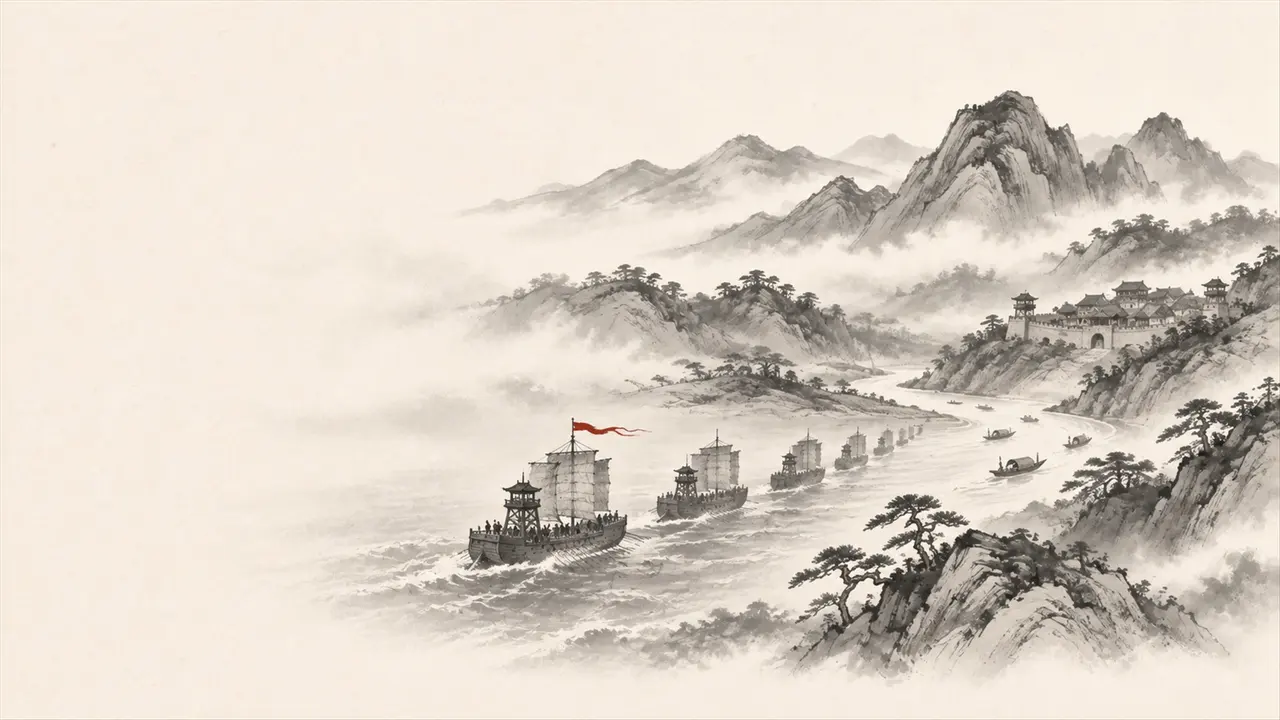
閩越王無諸及越東海王搖者,其先皆越王句踐之後也,姓騶氏。秦已并天下,皆廢為君長,以其地為閩中郡。及諸侯畔秦,無諸、搖率越歸鄱陽令吳芮,所謂鄱君者也,從諸侯滅秦。當是之時,項籍主命,弗王,以故不附楚。漢擊項籍,無諸、搖率越人佐漢。漢五年,復立無諸為閩越王,王閩中故地,都東冶。孝惠三年,舉高帝時越功,曰閩君搖功多,其民便附,乃立搖為東海王,都東甌,世俗號為東甌王。
書き下し文
閩越王無諸及び越の東海王搖は、其の先皆越王句践の後なり。姓は騶氏。秦已に天下を并せ、皆廃して君長と為し、其の地を以て閩中郡と為す。諸侯の秦に畔くに及び、無諸・搖越を率いて鄱陽の令呉芮に帰す。所謂鄱君なる者なり。諸侯に従いて秦を滅ぼす。是の時に当たり、項籍命を主り、王とせず。故を以て楚に附かず。漢項籍を撃つや、無諸・搖越人を率いて漢を佐く。漢の五年、復た無諸を立てて閩越王と為し、閩中の故地に王たらしめ、東冶に都せしむ。孝恵の三年、高帝の時の越の功を挙げて、閩君搖功多く、其の民便附すと曰い、乃ち搖を立てて東海王と為し、東甌に都せしむ。世俗号して東甌王と為す。
現代語訳
閩越王の無諸と越の東海王の搖は、どちらも先祖は越王句践の子孫で、姓は騶氏である。秦が天下を統一すると、二人とも王の位を廃されて族長とされ、その土地は閩中郡とされた。諸侯が秦に背くと、無諸と搖は越の人々を率いて鄱陽の県令呉芮(鄱君と呼ばれた人)のもとにつき、諸侯に従って秦を滅ぼした。このとき項籍(項羽)が天下の命令を握っていたが、二人を王にしなかったので、二人は楚につかなかった。漢が項籍を攻めると、無諸と搖は越の人々を率いて漢を助けた。漢の五年(前202年)、無諸はふたたび閩越王に立てられ、閩中のもとの地を治め、東冶を都とした。恵帝の三年(前192年)、高帝のときの越の功績を取り上げ、「閩君の搖は功が多く、民もよく従っている」として、搖を東海王に立て、東甌を都とさせた。世の人はこれを東甌王と呼んだ。
英訳
Wuzhu, King of Minyue, and Yao, King of Donghai in Yue, were both descended from Goujian, King of Yue, and bore the surname Zou. When Qin united the realm, both were stripped of their kingship and made mere chieftains, and their land was made the commandery of Minzhong. When the lords rose against Qin, Wuzhu and Yao led the Yue to join Wu Rui, magistrate of Poyang — the man called the Lord of Po — and followed the lords in destroying Qin. At that time Xiang Ji gave the orders, and he did not make them kings, so they did not side with Chu. When Han attacked Xiang Ji, Wuzhu and Yao led the Yue people to help Han. In the fifth year of Han, Wuzhu was made King of Minyue again, ruling the old land of Minzhong with his capital at Dongye. In the third year of Emperor Hui, recalling the services of Yue in Emperor Gao's time, the court declared that Yao, Lord of Min, had done much and his people readily followed him, and made him King of Donghai with his capital at Dong'ou. The common people called him the King of Dong'ou.
解説(日)
- 句践: 呉を滅ぼした越王(041-goujian の章)。
- 閩越: いまの福建省のあたり。東冶はいまの福州のあたりとされる。
- 東甌: いまの浙江省温州のあたり。
- 呉芮: 秦の鄱陽の県令で、のちに長沙王となった。
解説(英)
- Goujian: the King of Yue who destroyed Wu (chapter 041).
- Minyue: roughly modern Fujian; Dongye is thought to be near modern Fuzhou.
- Dong'ou: around modern Wenzhou in Zhejiang.
- Wu Rui: the Qin magistrate of Poyang, later King of Changsha.
英語の語注
- chieftain/ˈtʃiːftən/noun
the leader of a tribe or clan
本文では: “made mere chieftains”
似た語と違い: chief — a leader · headman — the leader of a village
- descend/dɪˈsɛnd/verb
to come from an ancestor
本文では: “were both descended from Goujian”
似た語と違い: stem from — come from · derive — come from a source
節 2
原文
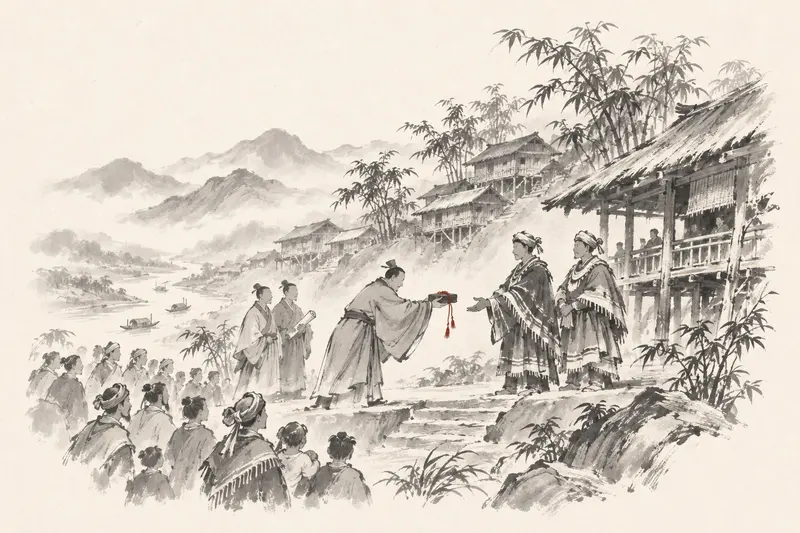
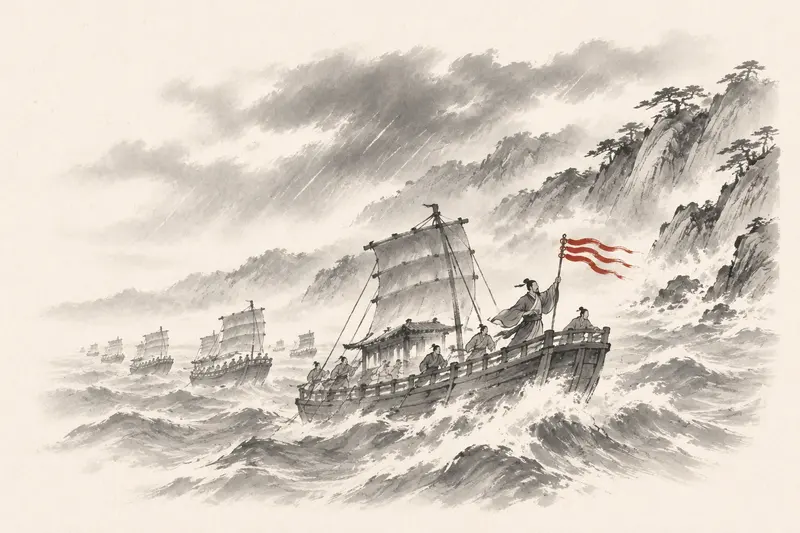
後數世,至孝景三年,吳王濞反,欲從閩越,閩越未肯行,獨東甌從吳。及吳破,東甌受漢購,殺吳王丹徒,以故皆得不誅,歸國。吳王子子駒亡走閩越,怨東甌殺其父,常勸閩越擊東甌。至建元三年,閩越發兵圍東甌。東甌食盡,困,且降,乃使人告急天子。天子問太尉田蚡,蚡對曰:「越人相攻擊,固其常,又數反覆,不足以煩中國往救也。自秦時棄弗屬。」於是中大夫莊助詰蚡曰:「特患力弗能救,德弗能覆;誠能,何故棄之?且秦舉咸陽而棄之,何乃越也!今小國以窮困來告急天子,天子弗振,彼當安所告愬?又何以子萬國乎?」上曰:「太尉未足與計。吾初即位,不欲出虎符發兵郡國。」乃遣莊助以節發兵會稽。會稽太守欲距不為發兵,助乃斬一司馬,諭意指,遂發兵浮海救東甌。未至,閩越引兵而去。東甌請舉國徙中國,乃悉舉眾來,處江淮之閒。
書き下し文
後数世、孝景の三年に至り、呉王濞反し、閩越を従えんと欲す。閩越未だ行くを肯んぜず、独り東甌のみ呉に従う。呉の破るるに及び、東甌漢の購を受け、呉王を丹徒に殺す。故を以て皆誅せられざるを得て、国に帰る。呉王の子子駒亡げて閩越に走り、東甌の其の父を殺すを怨み、常に閩越に勧めて東甌を撃たしむ。建元の三年に至り、閩越兵を発して東甌を囲む。東甌食尽き、困しみ、且に降らんとし、乃ち人をして急を天子に告げしむ。天子太尉田蚡に問う。蚡対えて曰く、「越人相攻撃するは、固より其の常なり。又た数々反覆す。以て中国を煩わして往きて救うに足らざるなり。秦の時より棄てて属せず」と。是に於いて中大夫荘助蚡を詰りて曰く、「特だ力の救うこと能わず、徳の覆うこと能わざるを患うのみ。誠に能くせば、何の故に之を棄てん。且つ秦は咸陽を挙げて之を棄つ。何ぞ乃ち越のみならんや。今小国窮困を以て来たりて急を天子に告ぐ。天子振わずんば、彼当に安くに告愬すべき。又た何を以てか万国を子とせんや」と。上曰く、「太尉は未だ与に計るに足らず。吾初めて即位し、虎符を出だして兵を郡国に発するを欲せず」と。乃ち荘助をして節を以て兵を会稽に発せしむ。会稽の太守距ぎて為に兵を発せざらんと欲す。助乃ち一司馬を斬り、意指を諭し、遂に兵を発して海に浮かびて東甌を救う。未だ至らずして、閩越兵を引きて去る。東甌国を挙げて中国に徙らんことを請い、乃ち悉く衆を挙げて来たり、江淮の間に処る。
現代語訳
それから数代たって、景帝の三年(前154年)、呉王劉濞が反乱を起こし、閩越を味方に引き入れようとしたが、閩越は応じず、東甌だけが呉に従った。呉が敗れると、東甌は漢の懸賞を受け、丹徒で呉王を殺した。このため東甌の人々は皆罰を受けずに国へ帰れた。呉王の子の子駒は閩越へ逃げ、東甌が父を殺したことを恨み、いつも閩越に東甌を攻めるよう勧めた。建元三年(前138年)、閩越は兵を出して東甌を囲んだ。東甌は食糧が尽きて追いつめられ、降伏しそうになり、天子に使いを送って危急を告げた。天子が太尉の田蚡にたずねると、田蚡は答えた。「越の人どうしが攻めあうのは、いつものことです。それにたびたび背いたり従ったりします。中国の手をわずらわせて救いに行くほどのことではありません。秦の時代から見捨てて、属国にしていません」。そこで中大夫の荘助が田蚡を問いつめた。「心配なのは、力が足りずに救えないこと、徳が足りずに包みこめないことだけです。本当にできるなら、なぜ見捨てるのですか。それに秦は都の咸陽さえまるごと捨てたのです。越だけの話ではありません。いま小さな国が困りはてて天子に助けを求めてきました。天子が救わなければ、どこに訴えればよいのですか。それで、どうして万国を子として慈しむと言えましょう」。天子は言った。「太尉とはともに相談するに足りない。わたしは即位したばかりで、虎符を出して郡国の兵を動かすことはしたくない」。そこで荘助に天子の節(しるし)を持たせ、会稽で兵を集めさせた。会稽の太守は拒んで兵を出すまいとしたが、荘助は司馬を一人斬って天子の意を伝え、ついに兵を出して海から東甌を救いに向かった。着く前に、閩越は兵を引いて去った。東甌は国をあげて中国に移りたいと願い、民をすべて連れてやって来て、長江と淮水の間に住んだ。
英訳
Several generations later, in the third year of Emperor Jing, Liu Bi, King of Wu, rebelled and wanted Minyue to join him; Minyue would not go, and only Dong'ou followed Wu. When Wu was defeated, Dong'ou took Han's reward and killed the King of Wu at Dantu, and so none of its people were punished and they went home. The King of Wu's son Ziju fled to Minyue; hating Dong'ou for killing his father, he kept urging Minyue to attack it. In the third year of Jianyuan, Minyue sent troops to besiege Dong'ou. Dong'ou's food ran out; in desperation, on the point of surrender, it sent to tell the Son of Heaven of its plight. The Son of Heaven asked Tian Fen, the Grand Commandant, who replied: "The Yue are always fighting one another, and they keep changing sides. It is not worth troubling the Middle Kingdom to go and save them. Ever since Qin they have been left alone and not counted as subjects." At this the palace grandee Zhuang Zhu challenged Tian Fen: "The only thing to fear is that our strength is not enough to save them and our virtue not enough to cover them. If we truly can, why abandon them? Besides, Qin abandoned even Xianyang itself, let alone Yue. Now a small state in desperate straits has come to the Son of Heaven for help. If the Son of Heaven will not save it, where can it turn? And how then can he be father to ten thousand states?" The emperor said: "The Grand Commandant is not worth consulting. I have only just come to the throne, and I do not want to bring out the tiger tallies and call up troops from the commanderies." So he sent Zhuang Zhu with an imperial staff to raise troops in Kuaiji. The governor of Kuaiji wanted to refuse; Zhuang Zhu beheaded one of his marshals and made the emperor's will plain, and troops were raised and sent by sea to save Dong'ou. Before they arrived, Minyue drew off its army. Dong'ou asked to move its whole state into the Middle Kingdom, and its people all came and settled between the Yangzi and the Huai.
解説(日)
- 呉王濞: 呉楚七国の乱を起こした呉王劉濞(106-liu-pi の章)。
- 田蚡: 武帝の母王太后の弟。のちに丞相となった(107-dou-ying の章)。
- 荘助: 会稽の人で、武帝に仕えた文人。のちの『漢書』では避諱のため厳助と書かれる。
- 虎符: 兵を動かす命令であることを示す、虎の形の割符。
解説(英)
- Liu Bi, King of Wu: leader of the Revolt of the Seven States (chapter 106).
- Tian Fen: brother of Emperor Wu's mother, Empress Dowager Wang, later chancellor (chapter 107).
- Zhuang Zhu: a man of Kuaiji and a writer at Emperor Wu's court; the Han Shu writes him Yan Zhu to avoid a taboo name.
- Tiger tallies (虎符): split tokens shaped like tigers, proving an order to move troops.
英語の語注
- desperation/ˌdɛspəˈreɪʃən/noun
the state of having almost no hope
本文では: “in desperation, on the point of surrender”
似た語と違い: despair — loss of hope · anguish — great suffering
- abandon/əˈbændən/verb
to leave someone or something and not come back
本文では: “why abandon them”
似た語と違い: desert — leave someone in need · forsake — give up; formal
節 3
原文
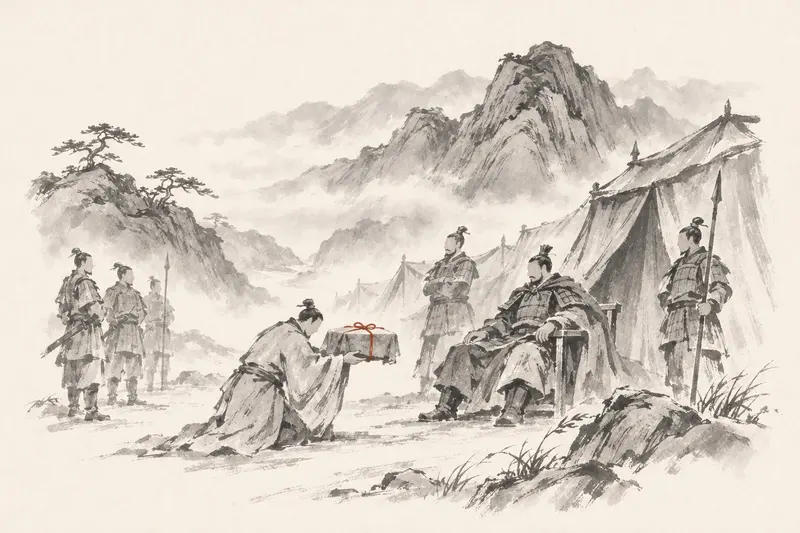
至建元六年,閩越擊南越。南越守天子約,不敢擅發兵擊而以聞。上遣大行王恢出豫章,大農韓安國出會稽,皆為將軍。兵未踰嶺,閩越王郢發兵距險。其弟餘善乃與相、宗族謀曰:「王以擅發兵擊南越,不請,故天子兵來誅。今漢兵眾彊,今即幸勝之,后來益多,終滅國而止。今殺王以謝天子。天子聽,罷兵,固一國完;不聽,乃力戰;不勝,即亡入海。」皆曰「善」。即鏦殺王,使使奉其頭致大行。大行曰:「所為來者誅王。今王頭至,謝罪,不戰而耘,利莫大焉。」乃以便宜案兵告大農軍,而使使奉王頭馳報天子。詔罷兩將兵,曰:「郢等首惡,獨無諸孫繇君丑不與謀焉。」乃使郎中將立丑為越繇王,奉閩越先祭祀。
書き下し文
建元の六年に至り、閩越南越を撃つ。南越天子の約を守り、敢えて擅に兵を発して撃たずして以て聞す。上大行王恢をして豫章に出でしめ、大農韓安国をして会稽に出でしめ、皆将軍と為す。兵未だ嶺を踰えざるに、閩越王郢兵を発して険を距ぐ。其の弟余善乃ち相・宗族と謀りて曰く、「王擅に兵を発して南越を撃ち、請わざるを以て、故に天子の兵来たりて誅す。今漢の兵衆くして彊し。今即し幸いに之に勝つも、後に来たるもの益々多く、終に国を滅ぼして止まん。今王を殺して以て天子に謝せん。天子聴かば、兵を罷め、固より一国完からん。聴かずんば、乃ち力戦せん。勝たずんば、即ち亡げて海に入らん」と。皆曰く「善し」と。即ち王を鏦殺し、使いをして其の頭を奉じて大行に致さしむ。大行曰く、「来たる所以の者は王を誅するなり。今王の頭至り、罪を謝す。戦わずして耘る。利焉より大なるは莫し」と。乃ち便宜を以て兵を案じて大農の軍に告げ、而して使いをして王の頭を奉じて馳せて天子に報ぜしむ。詔して両将の兵を罷めしめ、曰く、「郢等首悪なり。独り無諸の孫繇君丑のみ謀に与からず」と。乃ち郎中将をして丑を立てて越の繇王と為し、閩越の先祭を奉ぜしむ。
現代語訳
建元六年(前135年)、閩越が南越を攻めた。南越は天子との約束を守り、勝手に兵を出して反撃することはせず、天子に知らせた。天子は大行の王恢を豫章から、大農の韓安国を会稽から出撃させ、二人を将軍とした。漢の兵がまだ山の峠を越えないうちに、閩越王の郢は兵を出して険しい地を固めた。王の弟の余善は、相や一族と相談して言った。「王が勝手に兵を出して南越を攻め、天子に願い出なかったので、天子の兵が罰しに来たのだ。いま漢の兵は多くて強い。たとえ運よく勝っても、あとからもっと多くの兵が来て、最後には国が滅ぼされるまで止まないだろう。いま王を殺して天子にわびよう。天子が聞き入れれば兵は引き、国はまるごと残る。聞き入れなければ、そのときは力いっぱい戦おう。勝てなければ、海へ逃げこもう」。皆が「よい考えだ」と言った。そこで王を矛で刺し殺し、使いにその首を持たせて大行の王恢に届けた。王恢は言った。「われわれが来たのは王を罰するためだ。いま王の首が届き、罪をわびてきた。戦わずに片がつくとは、これ以上の利はない」。そこで自分の判断で兵を止めて大農の軍にも知らせ、使いに王の首を持たせて天子のもとへ急ぎ報告させた。天子は詔を出して二人の将軍の兵を引き上げさせ、こう言った。「郢たちが悪事の張本人である。無諸の孫の繇君丑だけははかりごとに加わらなかった」。そこで郎中将に命じて丑を越の繇王に立て、閩越の先祖の祭りを受け継がせた。
英訳
In the sixth year of Jianyuan, Minyue attacked Southern Yue. Southern Yue kept its agreement with the Son of Heaven, did not dare strike back on its own, and reported it. The emperor sent Wang Hui, Grand Usher, out through Yuzhang and Han Anguo, Grand Minister of Agriculture, out through Kuaiji, both as generals. Before their troops had crossed the mountains, Ying, King of Minyue, sent troops to hold the passes. His younger brother Yushan then plotted with the chancellor and the clan: "Because the king raised troops on his own to attack Southern Yue without asking leave, the Son of Heaven's army has come to punish us. The Han troops are many and strong. Even if we are lucky enough to beat them now, more will come after, and it will not end until our state is destroyed. Let us kill the king now to make amends to the Son of Heaven. If he accepts, he will withdraw his troops and our state will be kept whole. If he does not, we will fight with all our might; and if we cannot win, we will flee into the sea." They all said, "Good." So they speared the king to death and sent his head by envoy to the Grand Usher. The Grand Usher said: "We came to punish the king. Now the king's head has come with an apology. To win without fighting — no gain could be greater." Using his own discretion he halted his troops, told the army of the Grand Minister of Agriculture, and sent envoys galloping to the emperor with the king's head. A decree recalled both generals' armies, saying: "Ying and the others were the chief villains; only Chou, Lord of Yao and grandson of Wuzhu, took no part in the plot." So a general of the palace gentlemen was sent to make Chou King Yao of Yue, to carry on the sacrifices to the ancestors of Minyue.
解説(日)
- 南越: いまの広東・広西の地の国(113-nanyue の章)。
- 王恢: のちに馬邑の謀で匈奴を討ちそこね、自殺した(108-han-anguo の章)。
- 鏦殺: 矛で突き殺すこと。
解説(英)
- Southern Yue: the kingdom in what is now Guangdong and Guangxi (chapter 113).
- Wang Hui: later failed in the ambush at Mayi against the Xiongnu and killed himself (chapter 108).
- Speared to death (鏦殺): killed with a spear.
英語の語注
- discretion/dɪˈskrɛʃən/noun
the freedom to decide for yourself
本文では: “Using his own discretion”
似た語と違い: judgement — the ability to decide · choice — the power to choose
- amends/əˈmɛndz/noun
something done to make up for a wrong
本文では: “to make amends to the Son of Heaven”
似た語と違い: apology — saying sorry · reparation — payment for harm done
節 4
原文
餘善已殺郢,威行於國,國民多屬,竊自立為王。繇王不能矯其眾持正。天子聞之,為餘善不足復興師,曰:「餘善數與郢謀亂,而後首誅郢,師得不勞。」因立餘善為東越王,與繇王并處。至元鼎五年,南越反,東越王餘善上書,請以卒八千人從樓船將軍擊呂嘉等。兵至揭揚,以海風波為解,不行,持兩端,陰使南越。及漢破番禺,不至。是時樓船將軍楊仆使使上書,願便引兵擊東越。上曰士卒勞倦,不許,罷兵,令諸校屯豫章梅領待命。
書き下し文
余善已に郢を殺し、威国に行われ、国民多く属す。窃かに自立して王と為る。繇王其の衆を矯めて正を持すること能わず。天子之を聞き、余善の為に復た師を興すに足らずとし、曰く、「余善数々郢と乱を謀るも、而も後に首めて郢を誅し、師労せざるを得たり」と。因りて余善を立てて東越王と為し、繇王と并び処らしむ。元鼎の五年に至り、南越反す。東越王余善上書し、卒八千人を以て楼船将軍に従いて呂嘉等を撃たんことを請う。兵揭揚に至り、海の風波を以て解と為し、行かず、両端を持し、陰かに南越に使いす。漢の番禺を破るに及び、至らず。是の時楼船将軍楊僕使いをして上書せしめ、便ち兵を引きて東越を撃たんことを願う。上士卒労倦すと曰い、許さず、兵を罷め、諸校をして豫章の梅領に屯して命を待たしむ。
現代語訳
余善は郢を殺してから、国じゅうに威勢がとどき、民の多くが余善についた。余善はひそかに自分で王を名のった。繇王は民を正しい道に引き戻すことができなかった。天子はこれを聞いたが、余善のためにまた軍を起こすほどのことはないと考え、言った。「余善はたびたび郢と乱をはかったが、のちに先に立って郢を討ち、漢の軍を苦労させずにすんだ」。そこで余善を東越王に立て、繇王と並んで住まわせた。元鼎五年(前112年)、南越が反乱を起こした。東越王余善は上書して、兵八千人を率いて楼船将軍に従い、南越の呂嘉らを討ちたいと願い出た。ところが兵が揭揚まで来ると、海の風と波を言いわけにして進まず、どちらにもつけるようにして、ひそかに南越に使いを送った。漢が南越の都番禺を破ったときにも、来なかった。このとき楼船将軍の楊僕は使いを出して上書し、そのまま兵を率いて東越を攻めたいと願った。天子は兵士が疲れているとして許さず、兵を引き上げさせ、校尉たちを豫章の梅嶺に駐屯させて命令を待たせた。
英訳
Having killed Ying, Yushan's authority ran through the kingdom and most of the people followed him; he quietly made himself king. King Yao could not bring the people back to the right path. When the Son of Heaven heard of it, he thought Yushan not worth another campaign, and said: "Yushan often plotted disorder with Ying, but in the end he took the lead in killing Ying and spared our troops the labour." So he made Yushan King of Eastern Yue, to live alongside King Yao. In the fifth year of Yuanding, Southern Yue rebelled. Yushan, King of Eastern Yue, sent up a letter asking to follow the General of Towered Ships with eight thousand men against Lü Jia and the others. But when his troops reached Jieyang, he made the winds and waves of the sea his excuse and went no further, keeping a foot in both camps and secretly sending envoys to Southern Yue. When Han took Panyu, he still had not come. At this time Yang Pu, General of Towered Ships, sent a letter asking leave to lead his troops straight against Eastern Yue. The emperor said the soldiers were tired out and refused; he withdrew the troops and had the commanders camp at Meiling in Yuzhang to await orders.
解説(日)
- 呂嘉: 南越の丞相。漢に従おうとした王と太后を殺して背いた(113-nanyue の章)。
- 両端を持す: どちらにも転べるように、ようすを見ること。日和見。
- 楊僕: 楼船将軍。のちに朝鮮も攻めた(115-chaoxian の章)。
解説(英)
- Lü Jia: chancellor of Southern Yue, who killed the king and queen dowager for submitting to Han (chapter 113).
- A foot in both camps (持兩端): waiting to see which side would win.
- Yang Pu: General of Towered Ships, who later attacked Chaoxian too (chapter 115).
英語の語注
- excuse/ɪkˈskjuːs/noun
a reason given to explain a fault, often not true
本文では: “made the winds and waves of the sea his excuse”
似た語と違い: pretext — a false reason · alibi — a claim to be elsewhere
- await/əˈweɪt/verb
to wait for something
本文では: “to await orders”
似た語と違い: wait for — the everyday phrase · expect — think will come
節 5
原文
元鼎六年秋,餘善聞樓船請誅之,漢兵臨境,且往,乃遂反,發兵距漢道。號將軍騶力等為「吞漢將軍」,入白沙、武林、梅嶺,殺漢三校尉。是時漢使大農張成、故山州侯齒將屯,弗敢擊,卻就便處,皆坐畏懦誅。餘善刻「武帝」璽自立,詐其民,為妄言。天子遣橫海將軍韓說出句章,浮海從東方往;樓船將軍楊仆出武林;中尉王溫舒出梅嶺;越侯為戈船、下瀨將軍,出若邪、白沙。元封元年冬,咸入東越。東越素發兵距險,使徇北將軍守武林,敗樓船軍數校尉,殺長吏。樓船將軍率錢唐轅終古斬徇北將軍,為御兒侯。自兵未往。
書き下し文
元鼎の六年秋、余善楼船の之を誅せんことを請い、漢の兵境に臨み、且に往かんとするを聞き、乃ち遂に反し、兵を発して漢の道を距ぐ。将軍騶力等を号して「呑漢将軍」と為し、白沙・武林・梅嶺に入り、漢の三校尉を殺す。是の時漢大農張成・故の山州侯歯をして屯を将いしむるも、敢えて撃たず、卻きて便処に就く。皆畏懦に坐して誅せらる。余善「武帝」の璽を刻みて自立し、其の民を詐り、妄言を為す。天子横海将軍韓説を遣わして句章に出で、海に浮かびて東方より往かしめ、楼船将軍楊僕は武林に出で、中尉王温舒は梅嶺に出で、越侯を戈船・下瀬将軍と為して、若邪・白沙に出でしむ。元封元年の冬、咸東越に入る。東越素より兵を発して険を距ぎ、徇北将軍をして武林を守らしめ、楼船の軍の数校尉を敗り、長吏を殺す。楼船将軍銭唐の轅終古を率いて徇北将軍を斬らしめ、御児侯と為す。自ら兵未だ往かず。
現代語訳
元鼎六年(前111年)の秋、余善は、楼船将軍が自分を討ちたいと願い出て、漢の兵が国境に迫り、攻めてこようとしていると聞き、とうとう背いて兵を出し、漢の通り道をふさいだ。将軍の騶力らを「呑漢将軍(漢を呑みこむ将軍)」と名づけ、白沙・武林・梅嶺に攻め入って、漢の校尉を三人殺した。このとき漢は大農の張成と、もとの山州侯の歯に駐屯軍を率いさせていたが、二人は攻めようとせず、退いて安全な所にいたので、どちらも臆病の罪で死刑になった。余善は「武帝」と刻んだ璽(印)を作って自ら帝を名のり、民をだまして、でたらめを言いふらした。天子は横海将軍の韓説を句章から出して海から東へ回らせ、楼船将軍の楊僕を武林から、中尉の王温舒を梅嶺から出撃させ、越の侯たちを戈船将軍・下瀬将軍として若邪・白沙から進ませた。元封元年(前110年)の冬、漢軍はみな東越に入った。東越はもとから兵を出して険しい地を固めており、徇北将軍に武林を守らせて、楼船将軍の軍の校尉数人を破り、役人を殺した。楼船将軍は銭唐の轅終古に命じて徇北将軍を斬らせ、轅終古は御児侯となった。楼船将軍自身の兵は、まだ進んでいなかった。
英訳
In the autumn of the sixth year of Yuanding, Yushan heard that the General of Towered Ships had asked leave to destroy him and that Han troops on the border were about to come. So at last he rebelled and sent troops to block the Han roads. He named his general Zou Li and others "Generals Who Swallow Han", and they broke into Baisha, Wulin and Meiling and killed three Han commanders. At this time Han had Zhang Cheng, Grand Minister of Agriculture, and Chi, the former Marquis of Shanzhou, in command of the garrison troops, but they did not dare attack and drew back to a safe place; both were put to death for cowardice. Yushan carved a seal reading "Martial Emperor", set himself up, deceived his people and spread wild talk. The Son of Heaven sent Han Yue, General Who Crosses the Sea, out through Gouzhang to sail round and come from the east; Yang Pu, General of Towered Ships, out through Wulin; Wang Wenshu, Commandant of the Capital, out through Meiling; and Yue marquises, as Generals of Dagger-Axe Ships and of Rapids, out through Ruoye and Baisha. In the winter of the first year of Yuanfeng, all of them entered Eastern Yue. Eastern Yue had long since sent troops to hold the passes; it set its General Who Subdues the North to guard Wulin, beat several commanders of the Towered Ships army and killed officials. The General of Towered Ships had Yuan Zhonggu of Qiantang behead the General Who Subdues the North, and Yuan Zhonggu was made Marquis of Yu'er. The general's own troops had not yet gone forward.
解説(日)
- 「武帝」の璽: 余善は自分を帝と名のった。漢の武帝の名は、死後に贈られた諡なので、この時はまだ「武帝」とは呼ばれていない。
- 韓説: 韓王信の曽孫にあたる将軍(093-lu-wan の章に一族が出る)。のちに巫蠱の事件で太子に殺された。
- 王温舒: 武帝の時代の酷吏(122-kuli の章)。
解説(英)
- The seal "Martial Emperor": Yushan proclaimed himself emperor; Emperor Wu's own name "Wu" was a posthumous title, not yet in use.
- Han Yue: a general descended from King Han Xin (whose family appears in chapter 093); he was later killed by the crown prince in the witchcraft affair.
- Wang Wenshu: one of Emperor Wu's harsh officials (chapter 122).
英語の語注
- cowardice/ˈkaʊərdɪs/noun
lack of courage
本文では: “were put to death for cowardice”
似た語と違い: timidity — being easily scared · fear — the feeling of danger
- carve/kɑːrv/verb
to cut shapes or words into wood or stone
本文では: “carved a seal reading”
似た語と違い: engrave — cut letters into a surface · incise — cut into; formal
節 6
原文
故越衍侯吳陽前在漢,漢使歸諭餘善,餘善弗聽。及橫海將軍先至,越衍侯吳陽以其邑七百人反,攻越軍於漢陽。從建成侯敖,與其率,從繇王居股謀曰:「餘善首惡,劫守吾屬。今漢兵至,眾彊,計殺餘善,自歸諸將,儻幸得脫。」乃遂俱殺餘善,以其眾降橫海將軍,故封繇王居股為東成侯,萬戶;封建成侯敖為開陵侯;封越衍侯吳陽為北石侯;封橫海將軍說為案道侯;封橫海校尉福為繚嫈侯。福者,成陽共王子,故為海常侯,坐法失侯。舊從軍無功,以宗室故侯。諸將皆無成功,莫封。東越將多軍,漢兵至,棄其軍降,封為無錫侯。於是天子曰東越狹多阻,閩越悍,數反覆,詔軍吏皆將其民徙處江淮閒。東越地遂虛。
書き下し文
故の越衍侯呉陽前に漢に在り。漢帰りて余善を諭さしむ。余善聴かず。横海将軍の先に至るに及び、越衍侯呉陽其の邑の七百人を以て反し、越の軍を漢陽に攻む。建成侯敖に従い、其の率と与に、繇王居股に従いて謀りて曰く、「余善首悪にして、吾が属を劫守す。今漢の兵至り、衆くして彊し。計るに余善を殺し、自ら諸将に帰せば、儻いは幸いに脱するを得ん」と。乃ち遂に倶に余善を殺し、其の衆を以て横海将軍に降る。故に繇王居股を封じて東成侯と為し、万戸。建成侯敖を封じて開陵侯と為す。越衍侯呉陽を封じて北石侯と為す。横海将軍説を封じて案道侯と為す。横海校尉福を封じて繚嫈侯と為す。福は、成陽共王の子にして、故の海常侯なり。法に坐して侯を失う。旧く軍に従いて功無きも、宗室の故を以て侯たり。諸将皆成功無く、封ぜらるるもの莫し。東越の将多軍、漢の兵至るや、其の軍を棄てて降り、封ぜられて無錫侯と為る。是に於いて天子曰く、東越は狭くして阻多く、閩越は悍にして、数々反覆す、と。詔して軍吏皆其の民を将いて江淮の間に徙し処らしむ。東越の地遂に虚し。
現代語訳
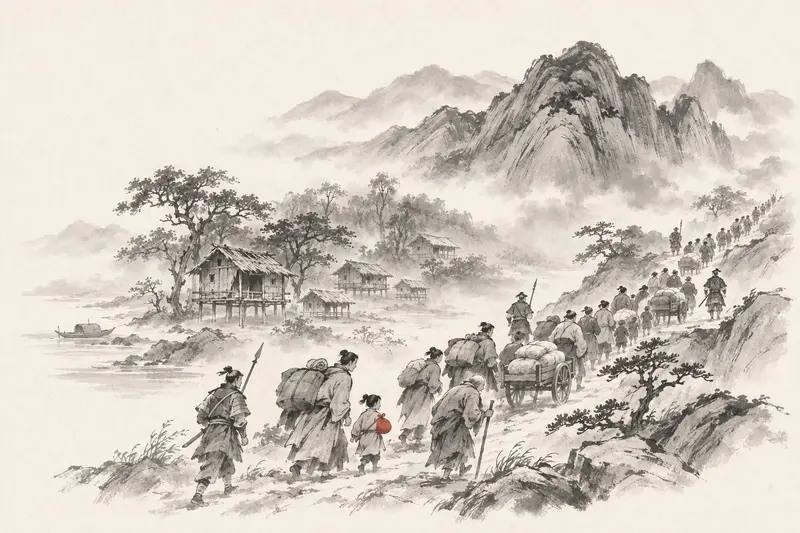
もとの越衍侯の呉陽は、以前から漢にいた。漢は呉陽を帰して余善を説得させたが、余善は聞かなかった。横海将軍が先に着くと、越衍侯呉陽は自分の領地の七百人を率いて余善に背き、漢陽で越の軍を攻めた。また建成侯の敖が部下とともに繇王の居股のもとで相談して言った。「余善は悪事の張本人で、われわれをおどして守りにつかせている。いま漢の兵が来て、数も多く強い。余善を殺して、自分たちから漢の将軍たちに降れば、もしかすると助かるかもしれない」。こうして皆で余善を殺し、その兵を率いて横海将軍に降った。そこで繇王居股を東成侯に封じて一万戸を与え、建成侯敖を開陵侯に、越衍侯呉陽を北石侯に、横海将軍韓説を案道侯に、横海校尉の福を繚嫈侯に封じた。福は成陽共王の子で、もとは海常侯だったが、法に触れて侯の位を失っていた。昔から軍に従っても手柄がなかったが、皇族であるために侯とされたのである。ほかの将軍たちは皆手柄がなく、封じられた者はいなかった。東越の将の多軍は、漢の兵が来ると自分の軍を捨てて降り、無錫侯に封じられた。そこで天子は言った。「東越は土地が狭くて険しい所が多く、閩越の人は気が荒く、たびたび背いたり従ったりする」。詔を出して、軍の役人たちに民をすべて連れて長江と淮水の間に移り住まわせた。こうして東越の地は空になった。
英訳
Wu Yang, the former Marquis of Yan in Yue, had earlier been in Han, and Han sent him back to persuade Yushan, but Yushan would not listen. When the General Who Crosses the Sea arrived first, Wu Yang rose against Yushan with the seven hundred men of his own town and attacked the Yue army at Hanyang. Ao, Marquis of Jiancheng, with his followers, plotted with Jugu, King Yao: "Yushan is the chief villain, and he holds us here by force. Now the Han troops have come, many and strong. Our best plan is to kill Yushan and go over to the generals ourselves; with luck we may escape." So together they killed Yushan and surrendered with his men to the General Who Crosses the Sea. For this Jugu, King Yao, was made Marquis of Dongcheng with ten thousand households; Ao, Marquis of Jiancheng, became Marquis of Kailing; Wu Yang, Marquis of Yan, became Marquis of Beishi; Yue, the General Who Crosses the Sea, became Marquis of Andao; and Fu, a commander under him, became Marquis of Liaoying. Fu was a son of King Gong of Chengyang and had once been Marquis of Haichang, but had lost his title for breaking the law; he had long served in the army without merit, and was made a marquis because he was of the imperial clan. None of the other generals achieved anything, and none was enfeoffed. Duojun, a general of Eastern Yue, abandoned his army and surrendered when the Han troops came, and was made Marquis of Wuxi. Then the Son of Heaven said that Eastern Yue was narrow and full of mountain barriers, and that the people of Minyue were fierce and kept changing sides. A decree ordered the army officers to take all its people and settle them between the Yangzi and the Huai. And so the land of Eastern Yue was left empty.
解説(日)
- 居股: 繇王丑の子孫とされる。
- 江淮の間: 長江と淮水にはさまれた地。東甌の民も、以前ここに移された(第2節)。
- 東越の地は空になったが、のちに山に逃げていた人々が戻り、漢はここに県を置いた。
解説(英)
- Jugu: thought to be a descendant of Chou, King Yao.
- Between the Yangzi and the Huai: where the people of Dong'ou had also been moved (passage 2).
- The land was emptied, but people who had fled to the hills later returned, and Han set up counties there.
英語の語注
- villain/ˈvɪlən/noun
a bad person who does great harm
本文では: “Yushan is the chief villain”
似た語と違い: wrongdoer — one who does wrong · criminal — one who breaks the law
- settle/ˈsɛtəl/verb
to go and live in a new place
本文では: “settle them between the Yangzi and the Huai”
似た語と違い: relocate — move to a new place · resettle — move people to new homes
節 7
原文
太史公曰:越雖蠻夷,其先豈嘗有大功德於民哉,何其久也!歷數代常為君王,句踐一稱伯。然餘善至大逆,滅國遷眾,其先苗裔繇王居股等猶尚封為萬戶侯,由此知越世世為公侯矣。蓋禹之餘烈也。
書き下し文
太史公曰く、越は蛮夷なりと雖も、其の先豈に嘗て大いに功徳を民に有せしか。何ぞ其れ久しきや。数代を歴て常に君王と為り、句践一たび伯を称す。然れども余善大逆に至り、国を滅ぼし衆を遷さる。其の先の苗裔繇王居股等猶お尚お封ぜられて万戸侯と為る。此に由りて越の世世公侯為るを知る。蓋し禹の余烈なり。
現代語訳
太史公は言う。越は異民族の国だが、その先祖は昔、民に大きな功と徳を施したのだろうか。なんと長く続いたことか。何代にもわたってずっと君主となり、句践は一度は覇者を名のった。余善が大逆の罪を犯して国は滅び、民は移されたが、その先祖の血を引く繇王居股たちは、なお一万戸の侯に封じられた。このことから、越が代々公侯の家であり続けたことがわかる。思うに、禹の残した大きな功績のおかげであろう。
英訳
The Grand Historian says: Though the Yue were barbarians, did their ancestors once do great good to the people? How long they lasted! For generation after generation they were lords and kings, and Goujian was once called overlord. Yushan went so far as high treason, and the state was destroyed and its people moved; yet Jugu, King Yao, and others of the ancestral line were still made marquises of ten thousand households. From this we know that the Yue were dukes and marquises generation after generation. It must be the lasting merit of Yu.
解説(日)
- 禹: 夏の始祖。越の王家は禹の子孫とされた(002-xia の章)。
- 伯: 覇者。諸侯のかしら。
解説(英)
- Yu: founder of Xia; the royal house of Yue claimed descent from him (chapter 002).
- Overlord (伯): leader of the lords.
英語の語注
- barbarian/bɑːrˈbɛriən/noun
in old writing, a person from outside the civilised world
本文では: “Though the Yue were barbarians”
似た語と違い: foreigner — one from another land · outsider — one not belonging
Today this word is considered offensive; here it translates the old term 蠻夷.
- treason/ˈtriːzən/noun
the crime of betraying one's ruler or country
本文では: “went so far as high treason”
似た語と違い: betrayal — breaking trust · sedition — stirring up revolt