Biographies · Vol. 101
The Biographies of Yuan Ang and Chao Cuo 袁盎鼂錯列傳
Yuan Ang, Chao Cuo and the Rebellion of the Seven States 袁盎與鼂錯
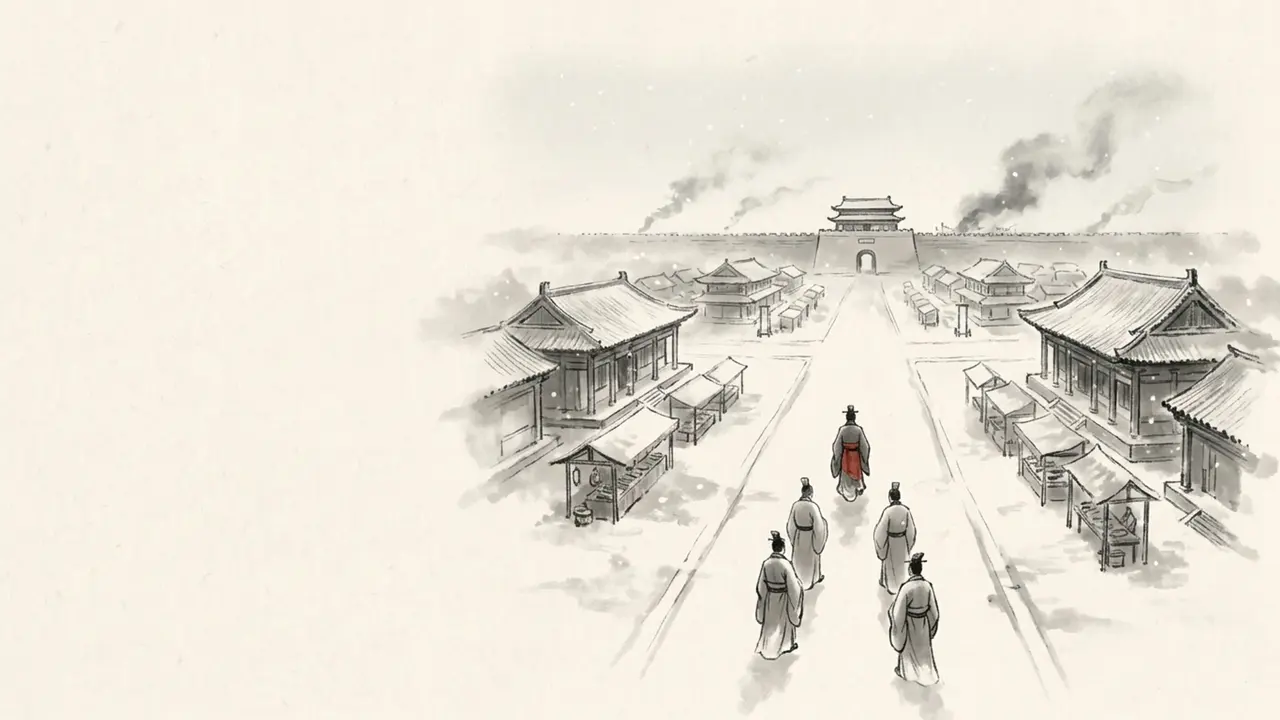
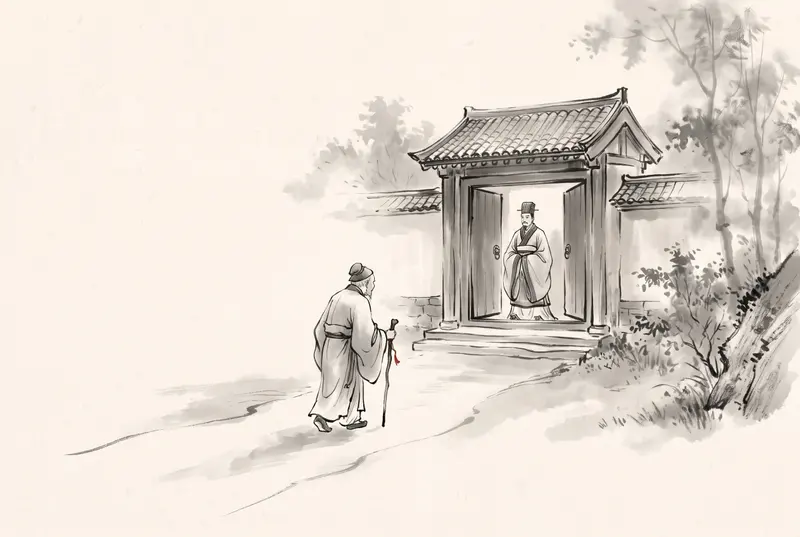
Two ministers of Emperors Wen and Jing who hated each other. Yuan Ang told Emperor Wen that the proud chancellor Zhou Bo was "a minister who happened to win merit, not a minister who lives and dies with the state"; he stopped the emperor from galloping down a dangerous slope, and when the favourite Lady Shen tried to sit level with the empress, he moved her seat and asked the emperor: "Have you forgotten the human swine?" Chao Cuo, a stern and brilliant student of Legalism, was known as the crown prince's "bag of wisdom". When the prince became Emperor Jing, Chao Cuo set out to cut down the lands of the kings and strengthen the throne; his father, saying that the Liu would be safe but the Chao in danger, poisoned himself. Ten days later Wu, Chu and five other kingdoms rose in revolt in the name of punishing Chao Cuo, and on the advice of his enemy Yuan Ang, Emperor Jing had Chao Cuo beheaded in the Eastern Market still in his court robes. The rebellion went on all the same, and the emperor later admitted that he regretted it. Yuan Ang, in his turn, was murdered by assassins sent by the King of Liang.
This page has the scene "Yuan Ang, Chao Cuo and the Rebellion of the Seven States" from this volume, not the whole volume.
Audio
The audio is synthetic speech.
Video
Passage 1
Original
袁盎者,楚人也,字絲。父故為群盜,徙處安陵。高后時,盎嘗為呂祿舍人。及孝文帝即位,盎兄噲任盎為中郎。絳侯為丞相,朝罷趨出,意得甚。上禮之恭,常自送之。袁盎進曰:「陛下以丞相何如人?」上曰:「社稷臣。」盎曰:「絳侯所謂功臣,非社稷臣,社稷臣主在與在,主亡與亡。方呂后時,諸呂用事,擅相王,劉氏不絕如帶。是時絳侯為太尉,主兵柄,弗能正。呂后崩,大臣相與共畔諸呂,太尉主兵,適會其成功,所謂功臣,非社稷臣。丞相如有驕主色。陛下謙讓,臣主失禮,竊為陛下不取也。」後朝,上益莊,丞相益畏。已而絳侯望袁盎曰:「吾與而兄善,今兒廷毀我!」盎遂不謝。及絳侯免相之國,國人上書告以為反,徵系清室,宗室諸公莫敢為言,唯袁盎明絳侯無罪。絳侯得釋,盎頗有力。絳侯乃大與盎結交。
Kundoku (Japanese reading)
袁盎なる者は、楚の人なり。字は絲。父故群盗たり。徙りて安陵に処る。高后の時、盎嘗て呂禄の舎人と為る。孝文帝の即位するに及び、盎の兄噲盎を任じて中郎と為す。 絳侯丞相たり。朝罷みて趨り出で、意得ること甚だし。上之を礼すること恭しく、常に自ら之を送る。袁盎進みて曰く、「陛下丞相を以て何如なる人と為す」と。上曰く、「社稷の臣なり」と。盎曰く、「絳侯は所謂功臣にして、社稷の臣に非ず。社稷の臣は主在れば与に在り、主亡ぶれば与に亡ぶ。方に呂后の時、諸呂事を用い、擅に相王たり。劉氏の絶えざること帯の如し。是の時絳侯太尉と為り、兵柄を主るも、正す能わず。呂后崩じ、大臣相与に共に諸呂に畔く。太尉兵を主り、適々其の成功に会う。所謂功臣にして、社稷の臣に非ず。丞相如し主に驕るの色有らば、陛下謙譲す。臣主礼を失う。竊かに陛下の為に取らざるなり」と。後の朝、上益々荘に、丞相益々畏る。已にして絳侯袁盎を望みて曰く、「吾而の兄と善し。今児廷に我を毀る」と。盎遂に謝せず。 絳侯の相を免ぜられて国に之くに及び、国人上書して告げて以て反すと為す。徴されて清室に系がる。宗室の諸公敢えて為に言う莫し。唯だ袁盎のみ絳侯の罪無きを明らかにす。絳侯の釈さるるを得たるは、盎頗る力有り。絳侯乃ち大いに盎と交わりを結ぶ。
Japanese
袁盎は楚の人で、字を絲という。父はもと盗賊の仲間で、安陵に移り住んだ。高后(呂后)の時代、袁盎は呂禄の家臣だったことがある。孝文帝が即位すると、兄の袁噲の推薦で中郎(宮中の侍従)となった。 絳侯周勃が丞相だったころ、朝廷の会議が終わると、得意げに小走りで退出していった。帝は周勃をうやうやしく礼遇し、いつも自ら見送っていた。袁盎は進み出て言った。「陛下は丞相をどういう人物だとお考えですか」。帝「国家とともにある臣だ」。袁盎は言った。「絳侯は、いわゆる功臣であって、国家とともにある臣ではありません。国家とともにある臣とは、君主が生きていればともに生き、君主が滅べばともに滅ぶ者です。呂后のころ、呂氏の人々が政治をとり、勝手に互いを王に立てて、劉氏の血筋は一本の帯のように細く、今にも絶えそうでした。そのとき絳侯は太尉として兵権を握っていたのに、それを正すことができませんでした。呂后が亡くなると、大臣たちがそろって呂氏にそむき、たまたま兵権を握っていた太尉が、その成功にめぐりあったにすぎません。いわゆる功臣であって、国家とともにある臣ではないのです。丞相には主君に対しておごった様子が見えますのに、陛下がへりくだっておられる。君臣ともに礼を失っています。ひそかに、陛下のためによいことではないと存じます」。その後の朝廷では、帝はますます威厳を保ち、丞相はますますかしこまった。やがて絳侯は袁盎を恨んで言った。「わしはおまえの兄と親しくしてきたのに、いま若造のおまえが朝廷でわしをそしるとは」。袁盎は最後までわびなかった。 のちに絳侯が丞相をやめさせられて領地に帰ると、領地の者が謀反だと訴え出て、絳侯は呼び出されて牢獄につながれた。皇族の諸公は誰ひとり絳侯のために口をきこうとしなかったが、袁盎だけは絳侯に罪がないことを説明した。絳侯が釈放されたのは、袁盎の力によるところが大きかった。それで絳侯は、袁盎と深く交わりを結んだ。
English
Yuan Ang was a man of Chu, styled Si. His father had once been one of a band of robbers and had moved to Anling. In the time of the Empress Dowager Lü, Yuan Ang had served as a retainer of Lü Lu. When Emperor Wen came to the throne, Yuan Ang's elder brother Kuai got him a post as a palace attendant. Zhou Bo, the Marquis of Jiang, was then chancellor. When court was over he would hurry out looking very pleased with himself, and the emperor treated him with great respect, always seeing him out in person. Yuan Ang came forward and said: "What kind of man does Your Majesty take the chancellor to be?" "A minister of the altars of the state," said the emperor. Yuan Ang said: "The Marquis of Jiang is what is called a minister of merit, not a minister of the altars of the state. A minister of the altars lives while his lord lives and dies when his lord dies. In the time of Empress Lü, when the Lü held power and made one another kings at will, the line of the Liu hung by a thread as thin as a sash. The Marquis of Jiang was then Grand Commandant, in command of the army, and he could do nothing to set it right. When the empress died, the ministers rose together against the Lü, and the Grand Commandant, who happened to command the army, happened to share in their success. He is what is called a minister of merit, not a minister of the altars. Now the chancellor looks as if he were proud before his lord, and Your Majesty is humble before him. Both minister and lord have lost the proper rites. I humbly think this is not right for Your Majesty." After that, at court, the emperor grew more dignified and the chancellor more fearful. Later the Marquis of Jiang said to Yuan Ang bitterly: "I have been a friend of your brother's, and now a boy like you slanders me in open court!" Yuan Ang never apologised. When the Marquis of Jiang was relieved of the chancellorship and went to his fief, someone in his fief sent up a letter accusing him of rebellion, and he was summoned and imprisoned. None of the lords of the imperial clan dared to speak for him; only Yuan Ang showed that he was innocent. Yuan Ang had much to do with his release, and afterwards the Marquis of Jiang became his close friend.
Notes (JA)
- 群盜: 盗賊の仲間。
- 舍人: 有力者の家臣。袁盎はかつて呂氏の家臣だった。
- 社稷臣: 国家と運命をともにする忠臣。
- 劉氏不絕如帶: 劉氏の血筋は帯のように細くつながっていただけ、の意。
- 周勃が獄につながれた話は巻57(057-zhou-bo)にもある。
Notes (EN)
- A minister of the altars of the state (社稷臣): one whose fate is bound to the state itself.
- Hung by a thread as thin as a sash (不絕如帶): the Liu line was barely holding on.
- Zhou Bo's imprisonment is told from his side in vol. 57.
Word notes
- retainer/rɪˈteɪnər/noun
a person who serves a powerful family
In the text: “served as a retainer of Lü Lu”
Similar words: servant — one who serves · follower — a member of a lord's household
- slander/ˈslændər/verb
to say false things that harm someone's name
In the text: “slanders me in open court”
Similar words: defame — damage a reputation · smear — attack someone's name
Passage 2
Original
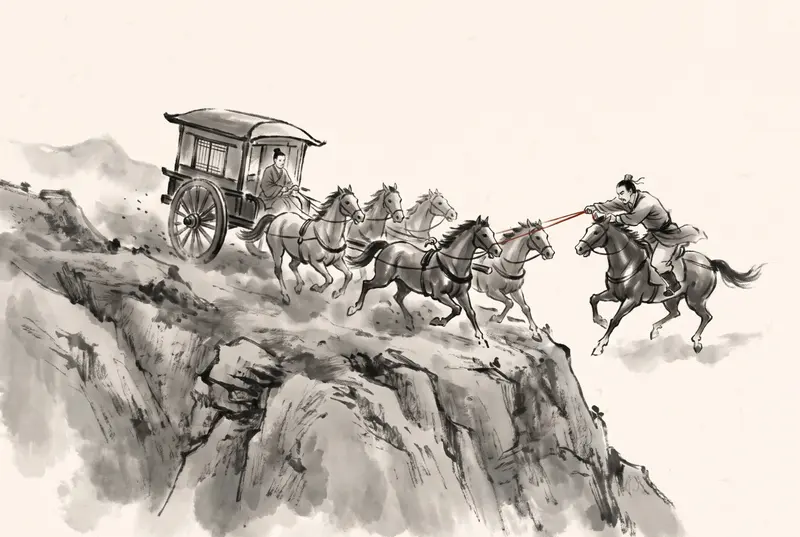
文帝從霸陵上,欲西馳下峻阪。袁盎騎,并車擥轡。上曰:「將軍怯邪?」盎曰:「臣聞千金之子坐不垂堂,百金之子不騎衡,聖主不乘危而徼幸。今陛下騁六騑,馳下峻山,如有馬驚車敗,陛下縱自輕,柰高廟、太后何?」上乃止。
Kundoku (Japanese reading)
文帝霸陵より上り、西のかた峻阪を馳せ下らんと欲す。袁盎騎して、車に并びて轡を擥る。上曰く、「将軍怯るるか」と。盎曰く、「臣聞く、千金の子は坐するに堂に垂せず、百金の子は衡に騎らず、聖主は危うきに乗じて幸いを徼めずと。今陛下六騑を騁せ、峻山を馳せ下る。如し馬驚き車敗るること有らば、陛下縦い自ら軽んずとも、高廟・太后を奈何せん」と。上乃ち止む。
Japanese
文帝が霸陵の上に登り、西側の険しい坂を馬車で駆け下りようとしたことがあった。袁盎は馬に乗って帝の車に並び、手綱をつかんで止めた。帝は「将軍はこわいのか」と言った。袁盎は言った。「千金の家の子は、軒下の端には座らず、百金の家の子は、車の横木にまたがらない。聖なる君主は、危険をおかして運だのみをしない、と聞いております。いま陛下は六頭立ての馬車を走らせ、けわしい山を駆け下りようとしておられます。もし馬が驚いて車が壊れでもしたら、陛下はご自分の身を軽んじられるとしても、高祖の廟と太后さまにどう申し開きをなさるのですか」。帝はそこでやめた。
English
Emperor Wen once climbed up from Baling and wanted to gallop his carriage west down a steep slope. Yuan Ang rode up alongside the carriage and seized the reins. "Are you afraid, general?" said the emperor. Yuan Ang said: "I have heard that the son of a family worth a thousand pieces of gold does not sit at the edge of the hall, that the son of a family worth a hundred does not ride on the crossbar of a carriage, and that a sage ruler does not court danger and trust to luck. Now Your Majesty would drive six horses at full gallop down a steep mountain. If the horses were frightened and the carriage overturned, you might think little of your own life, but what of the temple of Gaozu and the empress dowager?" So the emperor gave it up.
Notes (JA)
- 霸陵: 文帝の陵墓の地。長安の東。
- 千金之子坐不垂堂: 千金の家の子は、落ちる危険のある軒下の端に座らない。身分の高い者は自分の身を大切にすべきだ、という言葉。
- 騑: 馬車を引く外側の馬。六騑は六頭立ての天子の車。
- 高廟: 高祖の廟。帝が死ねば祖先の祭りが危うくなることをいう。
Notes (EN)
- "The son of a rich family does not sit at the edge of the hall" (千金之子坐不垂堂): a proverb that those with much to lose should not court danger.
- The temple of Gaozu (高廟): if the emperor died, the dynasty's sacrifices would be in peril.
Idioms from this passage: The son of a rich family does not sit at the edge of the hall 千金の子は坐するに堂に垂せず
Word notes
- gallop/ˈɡæləp/verb
to go at the fastest pace of a horse
In the text: “wanted to gallop his carriage”
Similar words: race — go very fast · charge — rush forward
- court danger/kɔrt ˈdeɪndʒər/phrase
to act in a way that invites danger
In the text: “does not court danger”
Similar words: take risks — act riskily · tempt fate — risk bad luck
Passage 3
Original
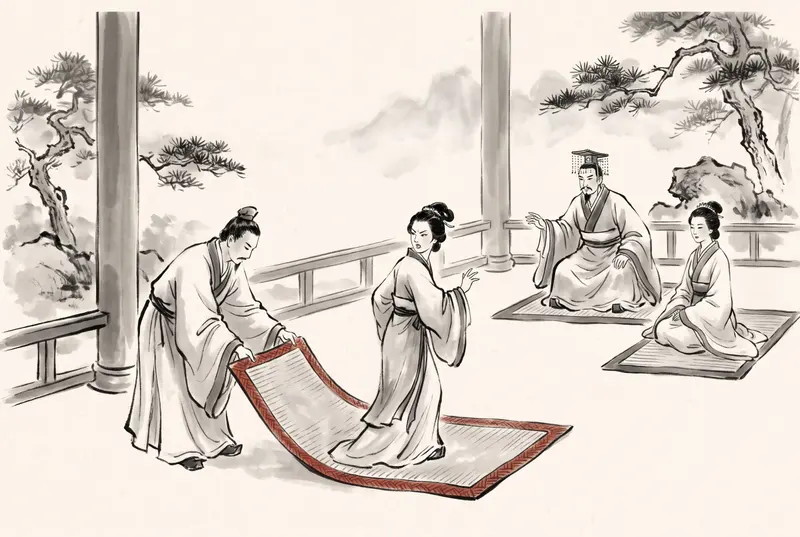
上幸上林,皇后、慎夫人從。其在禁中,常同席坐。及坐,郎署長布席,袁盎引卻慎夫人坐。慎夫人怒,不肯坐。上亦怒,起,入禁中。盎因前說曰:「臣聞尊卑有序則上下和。今陛下既已立后,慎夫人乃妾,妾主豈可與同坐哉!適所以失尊卑矣。且陛下幸之,即厚賜之。陛下所以為慎夫人,適所以禍之。陛下獨不見『人彘』乎?」於是上乃說,召語慎夫人。慎夫人賜盎金五十斤。
Kundoku (Japanese reading)
上上林に幸す。皇后・慎夫人従う。其の禁中に在るや、常に席を同じくして坐す。坐するに及び、郎署長席を布く。袁盎慎夫人の坐を引き却く。慎夫人怒りて、肯えて坐せず。上も亦怒り、起ちて、禁中に入る。盎因りて前みて説きて曰く、「臣聞く、尊卑序有らば則ち上下和すと。今陛下既に已に后を立つ。慎夫人は乃ち妾なり。妾と主と豈に与に坐を同じくすべけんや。適々尊卑を失う所以なり。且つ陛下之を幸せば、即ち厚く之に賜え。陛下の慎夫人の為にする所以は、適々之に禍する所以なり。陛下独り『人彘』を見ざるか」と。是に於いて上乃ち説び、召して慎夫人に語ぐ。慎夫人盎に金五十斤を賜う。
Japanese
帝が上林苑へ行幸したとき、皇后と慎夫人がお供をした。宮中では、二人はいつも同じ席に並んで座っていた。いざ座る段になって、郎署の長が席を敷くと、袁盎は慎夫人の席を引いて下座に下げた。慎夫人は怒って座ろうとせず、帝も怒って席を立ち、奥に入ってしまった。袁盎はそこで進み出て説いた。「上下の序列が正しく守られてこそ、上の者も下の者も和やかにいられると聞いております。陛下はすでに皇后をお立てになっています。慎夫人はそばめです。そばめと正妻が、どうして同じ席に座れましょう。それではかえって上下の序列を乱すことになります。陛下が慎夫人をかわいがられるなら、手厚く贈り物をなさればよいのです。いま陛下が慎夫人のためと思ってなさっていることは、かえって慎夫人にわざわいを招くことになります。陛下は『人彘』のことをご存じないのですか」。帝はそれで機嫌を直し、慎夫人を呼んでこの話を伝えた。慎夫人は袁盎に金五十斤を贈った。
English
The emperor went to the Shanglin Park with the empress and Lady Shen. In the inner palace the two of them always sat together on the same mat. When it came time to sit, the chief of the palace attendants laid out the mats, and Yuan Ang pulled Lady Shen's back to a lower place. Lady Shen was angry and would not sit down, and the emperor too was angry; he got up and went into the inner palace. Yuan Ang then went before him and said: "I have heard that when high and low keep their order, those above and those below live in harmony. Your Majesty has already made an empress. Lady Shen is a concubine. How can a concubine and her mistress sit together? That is the very way to lose the order of high and low. If Your Majesty loves her, give her rich gifts. What Your Majesty is doing for Lady Shen is the very thing that will bring her to disaster. Has Your Majesty not seen 'the human swine'?" Then the emperor was pleased. He called Lady Shen and told her, and Lady Shen gave Yuan Ang fifty catties of gold.
Notes (JA)
- 慎夫人: 文帝の寵姫。
- 尊卑有序則上下和: 身分の上下の秩序が守られれば、上下が和やかになる。
- 人彘: 呂后が寵姫の戚夫人の手足を断ち、「人彘」と呼ばせた事件(巻9)。寵愛が過ぎると、帝の死後に正妻から恨まれる、という警告。
- 慎夫人は、自分の身を案じてくれた袁盎に感謝した。
Notes (EN)
- "The human swine" (人彘): what Empress Lü did to Gaozu's favourite, Lady Qi (vol. 9). A favourite raised too high would face the empress's revenge once the emperor was gone.
- Lady Shen understood that Yuan Ang had saved her, and thanked him.
Word notes
- concubine/ˈkɑŋkjuˌbaɪn/noun
a woman who lives with a man as a lesser wife
In the text: “Lady Shen is a concubine”
Similar words: secondary wife — a wife of lower rank · mistress — a man's lover
- harmony/ˈhɑrməni/noun
peaceful agreement
In the text: “live in harmony”
Similar words: peace — calm · concord — agreement
Passage 4
Original
盎素不好鼂錯,鼂錯所居坐,盎去;盎坐,錯亦去:兩人未嘗同堂語。及孝文帝崩,孝景帝即位,鼂錯為御史大夫,使吏案袁盎受吳王財物,抵罪,詔赦以為庶人。吳楚反,聞,鼂錯謂丞史曰:「夫袁盎多受吳王金錢,專為蔽匿,言不反。今果反,欲請治盎宜知計謀。」丞史曰:「事未發,治之有絕。今兵西鄉,治之何益!且袁盎不宜有謀。」鼂錯猶與未決。人有告袁盎者,袁盎恐,夜見竇嬰,為言吳所以反者,願至上前口對狀。竇嬰入言上,上乃召袁盎入見。鼂錯在前,及盎請辟人賜閒,錯去,固恨甚。袁盎具言吳所以反狀,以錯故,獨急斬錯以謝吳,吳兵乃可罷。其語具在吳事中。使袁盎為太常,竇嬰為大將軍。兩人素相與善。逮吳反。諸陵長者長安中賢大夫爭附兩人,車隨者日數百乘。
Kundoku (Japanese reading)
盎素より鼂錯を好まず。鼂錯の居坐する所、盎去り、盎坐すれば、錯も亦去る。両人未だ嘗て堂を同じくして語らず。孝文帝崩じ、孝景帝即位するに及び、鼂錯御史大夫と為り、吏をして袁盎の呉王の財物を受けしを案ぜしめ、罪に抵らしむ。詔して赦して以て庶人と為す。 呉・楚反す。聞こゆ。鼂錯丞史に謂いて曰く、「夫れ袁盎多く呉王の金銭を受け、専ら為に蔽匿し、反せずと言う。今果たして反す。請いて盎を治めんと欲す。宜しく計謀を知るべし」と。丞史曰く、「事未だ発せざれば、之を治むれば絶つこと有らん。今兵西に郷う。之を治むるも何の益かあらん。且つ袁盎宜しく謀有るべからず」と。鼂錯猶与として未だ決せず。人の袁盎に告ぐる者有り。袁盎恐れ、夜竇嬰に見え、為に呉の反する所以の者を言い、願わくは上の前に至りて口ずから状を対えんと。竇嬰入りて上に言う。上乃ち袁盎を召して入りて見えしむ。鼂錯前に在り。盎人を辟けて閒を賜わんことを請うに及び、錯去り、固より恨むこと甚だし。袁盎具に呉の反する所以の状を言う。錯の故を以て、独り急ぎ錯を斬りて以て呉に謝せば、呉の兵乃ち罷むべしと。其の語具に呉の事の中に在り。袁盎をして太常と為し、竇嬰を大将軍と為す。両人素より相与に善し。呉の反するに逮び、諸陵の長者・長安中の賢大夫争いて両人に附き、車の随う者日に数百乗なり。
Japanese
袁盎はもともと晁錯が嫌いだった。晁錯がいる席からは袁盎が立ち去り、袁盎が座ると晁錯も立ち去った。二人は一度も同じ部屋で言葉を交わしたことがなかった。孝文帝が亡くなり、孝景帝が即位すると、晁錯は御史大夫(副宰相)となり、役人に命じて、袁盎が呉王から財物を受け取ったことを調べさせ、罪に問うた。袁盎は詔によって罪を許されたが、平民に落とされた。 呉と楚が反乱を起こしたという知らせが届くと、晁錯は部下の丞史に言った。「袁盎は呉王からたくさん金を受け取り、呉王をかばって、反乱など起こさないと言っていた。それがいま、はたして反乱を起こした。袁盎を取り調べたい。きっと呉のたくらみを知っているはずだ」。丞史は言った。「事が起こる前なら、取り調べてたくらみを断つこともできたでしょう。いま反乱軍はもう西へ向かっています。調べても何の役にも立ちません。それに、袁盎がたくらみに加わっているとは思えません」。晁錯はぐずぐずと決めかねていた。それを袁盎に告げた者がいた。袁盎は恐れ、夜のうちに竇嬰を訪ね、呉が反乱を起こしたわけを話して、帝の前で直接申し上げたいと頼んだ。竇嬰が宮中に入って帝に伝えると、帝は袁盎を呼び入れた。晁錯は帝の前にいたが、袁盎が人払いをして二人だけで話したいと願ったので、晁錯は退出し、ひどく恨んだ。袁盎は、呉が反乱を起こしたいきさつを詳しく述べ、反乱は晁錯のせいなのだから、ただちに晁錯を斬って呉にわびれば、呉の兵は引き上げるだろう、と言った。その言葉は呉王の伝に詳しく記されている。帝は袁盎を太常(祭祀の長官)に、竇嬰を大将軍に任じた。二人はもともと親しかった。呉の反乱が起こると、陵墓の町の長老や長安の賢い大夫たちは争って二人に近づき、二人の車について行く車は毎日数百台にのぼった。
English
Yuan Ang had always disliked Chao Cuo. Wherever Chao Cuo sat, Yuan Ang left, and when Yuan Ang sat down, Chao Cuo left too; the two had never spoken in the same hall. When Emperor Wen died and Emperor Jing came to the throne, Chao Cuo became Grandee Secretary. He had his clerks investigate Yuan Ang for accepting money and goods from the King of Wu and found him guilty; an edict pardoned him but made him a commoner. When news came that Wu and Chu had rebelled, Chao Cuo said to his assistants: "Yuan Ang took a great deal of money from the King of Wu and covered up for him, saying he would never rebel. Now he has rebelled. I mean to have Yuan Ang investigated; he must know their plans." The assistants said: "If the affair had not yet broken out, an investigation might have cut it off. Now that the armies are already marching west, what good would it do? Besides, Yuan Ang is not likely to have been part of any plot." Chao Cuo hesitated and did not decide. Someone told Yuan Ang. Frightened, he went by night to see Dou Ying, told him why Wu had rebelled, and asked to explain it in person before the emperor. Dou Ying went in and told the emperor, and the emperor called Yuan Ang in. Chao Cuo was in the emperor's presence, but when Yuan Ang asked to speak privately, Chao Cuo had to leave, and he deeply resented it. Yuan Ang explained in full why Wu had rebelled: it was because of Chao Cuo, and only by beheading Chao Cuo at once to appease Wu could the armies of Wu be made to stop. His words are recorded in full in the account of Wu. Yuan Ang was made Minister of Ceremonies and Dou Ying Supreme General. The two had long been friends. When Wu rebelled, the elders of the tomb towns and the worthy officials of Chang'an hurried to attach themselves to them, and every day hundreds of carriages followed them about.
Notes (JA)
- 鼂錯: 晁錯とも書く。
- 御史大夫: 官吏を監察する長官。丞相に次ぐ地位。
- 竇嬰: 竇太后の甥。のちに魏其侯(巻107)。
- 辟人賜閒: 人払いをして、二人だけで話す機会をいただく。
- 其語具在吳事中: その言葉は呉王劉濞の伝(巻106)に詳しい。
Notes (EN)
- Grandee Secretary (御史大夫): the chief censor, second only to the chancellor.
- Dou Ying (竇嬰): nephew of the empress dowager, later Marquis of Weiqi (vol. 107).
- His words are recorded in the account of Wu: the biography of Liu Bi, King of Wu (vol. 106).
Word notes
- investigate/ɪnˈvɛstɪˌɡeɪt/verb
to examine a matter to find the truth
In the text: “had his clerks investigate Yuan Ang”
Similar words: look into — examine · probe — search deeply
- appease/əˈpiz/verb
to calm someone by giving them what they want
In the text: “to appease Wu”
Similar words: placate — make less angry · pacify — calm down
Passage 5
Original
袁盎雖家居,景帝時時使人問籌策。梁王欲求為嗣,袁盎進說,其後語塞。梁王以此怨盎,曾使人刺盎。刺者至關中,問袁盎,諸君譽之皆不容口。乃見袁盎曰:「臣受梁王金來刺君,君長者,不忍刺君。然後刺君者十餘曹,備之!」袁盎心不樂,家又多怪,乃之棓生所問占。還,梁刺客後曹輩果遮刺殺盎安陵郭門外。
Kundoku (Japanese reading)
袁盎家居すと雖も、景帝時時人をして籌策を問わしむ。梁王嗣たらんことを求めんと欲す。袁盎進みて説き、其の後語塞がる。梁王此を以て盎を怨み、曾て人をして盎を刺さしむ。刺す者関中に至り、袁盎を問う。諸君之を誉めて皆口を容れず。乃ち袁盎に見えて曰く、「臣梁王の金を受けて来たりて君を刺さんとす。君は長者なり。君を刺すに忍びず。然れども後に君を刺す者十余曹あり。之に備えよ」と。袁盎心楽しまず。家にも又怪多し。乃ち棓生の所に之きて占を問う。還るに、梁の刺客の後曹の輩果たして遮りて盎を安陵の郭門の外に刺殺す。
Japanese
袁盎は職を退いて家にいたが、景帝はときどき人をやって計略を尋ねさせた。梁王(景帝の弟)が帝の跡継ぎになりたいと望んだとき、袁盎が進言して反対したので、その話は立ち消えになった。梁王はこのことで袁盎を恨み、人をやって袁盎を刺し殺させようとした。刺客は関中に来て袁盎の評判を尋ねたが、人々はみな袁盎をほめそやして、ほめ言葉が尽きなかった。そこで刺客は袁盎に会って言った。「私は梁王の金を受け取って、あなたを刺しに来ました。ですが、あなたは徳のある長者です。とても刺す気にはなれません。しかし、このあとにもあなたを刺しに来る者が十組あまりいます。用心なさい」。袁盎は心が晴れず、家にもあやしいことが多く起こったので、棓生のところへ行って占ってもらった。その帰り道、梁の刺客のあとの一団が、はたして待ち伏せして、安陵の城門の外で袁盎を刺し殺した。
English
Though Yuan Ang lived at home, Emperor Jing often sent men to ask his advice. When the King of Liang wanted to be named heir to the throne, Yuan Ang argued against it, and the idea was dropped. The King of Liang hated him for it and sent men to stab him. One assassin came within the passes and asked about Yuan Ang, and everyone praised him without end. So the assassin went to see Yuan Ang and said: "I took the King of Liang's money and came to kill you. But you are a man of worth, and I cannot bring myself to do it. Still, there are more than ten bands coming after me to kill you. Be on your guard." Yuan Ang was troubled, and strange things kept happening in his house, so he went to Master Bang to have his fortune told. On his way back, one of the later bands of assassins from Liang did indeed lie in wait for him, and stabbed him to death outside the outer gate of Anling.
Notes (JA)
- 籌策: はかりごと、計略。
- 梁王欲求爲嗣: 景帝の弟の梁孝王は、母の竇太后に愛され、兄の跡を継ごうとした(巻57の周亜夫の話にも登場)。
- 長者: 徳のある、人を大切にする人。
- 曹: 組、一団。
Notes (EN)
- The King of Liang (梁王): Emperor Jing's brother, favourite of their mother the Empress Dowager Dou, who hoped to succeed him (he also appears in vol. 57).
- A man of worth (長者): a generous, honourable man.
Word notes
- assassin/əˈsæsɪn/noun
a person who kills an important person
In the text: “One assassin came within the passes”
Similar words: killer — one who kills · hitman — a paid killer (informal)
- on one's guard/ɑn wʌnz ɡɑrd/phrase
watchful and ready for danger
In the text: “Be on your guard.”
Similar words: alert — watchful · wary — careful
Passage 6
Original
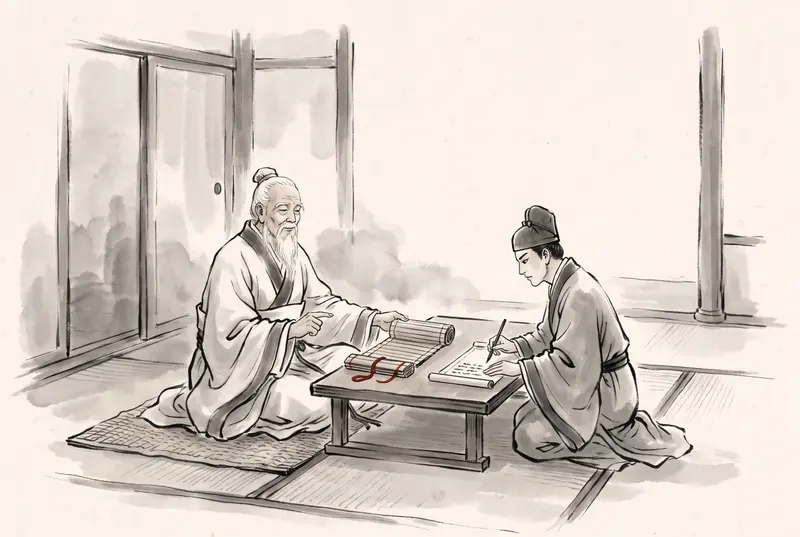
鼂錯者,潁川人也。學申商刑名於軹張恢先所,與雒陽宋孟及劉禮同師。以文學為太常掌故。錯為人陗直刻深。孝文帝時,天下無治尚書者,獨聞濟南伏生故秦博士,治尚書,年九十餘,老不可徵,乃詔太常使人往受之。太常遣錯受尚書伏生所。還,因上便宜事,以書稱說。詔以為太子舍人、門大夫、家令。以其辯得幸太子,太子家號曰「智囊」。數上書孝文時,言削諸侯事,及法令可更定者。書數十上,孝文不聽,然奇其材,遷為中大夫。當是時,太子善錯計策,袁盎諸大功臣多不好錯。
Kundoku (Japanese reading)
鼂錯なる者は、潁川の人なり。申商の刑名を軹の張恢先の所に学び、雒陽の宋孟及び劉礼と師を同じくす。文学を以て太常の掌故と為る。 錯人と為り陗直刻深なり。孝文帝の時、天下に尚書を治むる者無し。独り聞く、済南の伏生は故の秦の博士にして、尚書を治め、年九十余、老いて徴すべからずと。乃ち太常に詔して人をして往きて之を受けしむ。太常錯を遣わして尚書を伏生の所に受けしむ。還りて、因りて便宜の事を上り、書を以て称説す。詔して以て太子舎人・門大夫・家令と為す。其の辯を以て太子に幸せらる。太子の家号して「智嚢」と曰う。数々上書し、孝文の時、諸侯を削るの事、及び法令の更定すべき者を言う。書数十上るも、孝文聴かず。然れども其の材を奇とし、遷して中大夫と為す。是の時に当たり、太子錯の計策を善しとし、袁盎・諸々の大功臣多く錯を好まず。
Japanese
晁錯は潁川の人である。申不害や商鞅の法家の学問(刑名の学)を軹の張恢先生のもとで学び、雒陽の宋孟や劉礼と同門だった。学問ができたので太常(祭祀の役所)の掌故(記録係)となった。 晁錯は厳しくまっすぐで、容赦のない性格だった。孝文帝のころ、天下には『書経』を修めた者がいなかったが、済南の伏生という人が、もと秦の博士で『書経』を修めていると聞こえてきた。だが九十歳あまりで年老いて、都に呼び寄せることはできなかった。そこで帝は太常に命じて、人をやって伏生から学ばせることにし、太常は晁錯を伏生のもとへ遣わして『書経』を学ばせた。晁錯は帰ってくると、国のためになる事柄を上書して、『書経』を引いて論じた。帝は詔を出して、晁錯を太子の舎人、門大夫、家令とした。晁錯は弁舌がたつので太子にかわいがられ、太子の家中では「智嚢(知恵袋)」と呼ばれた。晁錯は孝文帝の時代、たびたび上書して、諸侯王の領地を削ること、法令を改めるべきことを論じた。上書は数十回にも及んだが、孝文帝は聞き入れなかった。それでもその才能を見こんで、中大夫に昇進させた。このころ、太子は晁錯の計略を高く買っていたが、袁盎や建国の功臣たちの多くは晁錯を嫌っていた。
English
Chao Cuo was a man of Yingchuan. He studied the Legalist doctrines of Shen Buhai and Lord Shang under Master Zhang Hui of Zhi, alongside Song Meng of Luoyang and Liu Li, and because of his learning he became a recorder in the office of the Minister of Ceremonies. Chao Cuo was severe, unbending and harsh. In Emperor Wen's time there was no one in the realm who had mastered the Book of Documents, except, it was said, Master Fu of Jinan, a former Qin academician, who knew it but was over ninety and too old to be summoned. So the emperor ordered the Minister of Ceremonies to send someone to learn it from him, and the minister sent Chao Cuo to study the Documents under Master Fu. When he came back he sent up proposals for the good of the state, arguing from the Documents. By imperial edict he was made a retainer, then gate officer and steward of the crown prince's household. The crown prince took to him for his eloquence, and in the prince's household they called him "the bag of wisdom". In Emperor Wen's time he sent up letter after letter on cutting down the kings and on laws that should be changed. Dozens of letters went up, and Emperor Wen accepted none of them, but he was struck by his ability and promoted him to Palace Grandee. At this time the crown prince valued Chao Cuo's plans, while Yuan Ang and most of the great ministers of merit disliked him.
Notes (JA)
- 申商刑名: 申不害と商鞅の法家の学。法と刑罰で国を治める考え方。
- 伏生: 秦の焚書のとき『書経』を壁に隠して守ったと伝えられる学者。晁錯が伝えた『書経』は「今文尚書」と呼ばれる。
- 陗直刻深: 厳しくまっすぐで、情け容赦がない。
- 智囊: 知恵袋。
- 削諸侯: 諸侯王の領地を削って、中央の力を強める政策(削藩)。
Notes (EN)
- The doctrines of Shen and Shang (申商刑名): the Legalist school of government by law and punishment.
- Master Fu (伏生): said to have hidden the Book of Documents in a wall during the Qin burning of the books; the text he passed on through Chao Cuo is the "New Text" Documents.
- Bag of wisdom (智囊): a nickname still used for a brilliant adviser.
Word notes
- severe/səˈvɪr/adjective
strict and harsh
In the text: “severe, unbending and harsh”
Similar words: stern — strict · austere — serious and hard
- eloquence/ˈɛləkwəns/noun
the ability to speak well and persuasively
In the text: “for his eloquence”
Similar words: fluency — easy speech · rhetoric — the art of persuasion
Passage 7
Original
遷為御史大夫,請諸侯之罪過,削其地,收其枝郡。奏上,上令公卿列侯宗室集議,莫敢難,獨竇嬰爭之,由此與錯有卻。錯所更令三十章,諸侯皆諠譁疾鼂錯。錯父聞之,從潁川來,謂錯曰:「上初即位,公為政用事,侵削諸侯,別疏人骨肉,人口議多怨公者,何也?」鼂錯曰:「固也。不如此,天子不尊,宗廟不安。」錯父曰:「劉氏安矣,而鼂氏危矣,吾去公歸矣!」遂飲藥死,曰:「吾不忍見禍及吾身。」死十餘日,吳楚七國果反,以誅錯為名。及竇嬰、袁盎進說,上令鼂錯衣朝衣斬東市。
Kundoku (Japanese reading)
遷りて御史大夫と為る。諸侯の罪過を請い、其の地を削り、其の枝郡を収めんとす。奏上る。上公卿列侯宗室をして集議せしむ。敢えて難ずる莫し。独り竇嬰之を争う。此れ由り錯と卻有り。錯の更むる所の令三十章、諸侯皆諠譁して鼂錯を疾む。錯の父之を聞き、潁川より来たり、錯に謂いて曰く、「上初めて即位し、公政を為し事を用う。諸侯を侵削し、人の骨肉を別疏す。人の口議して公を怨む者多きは、何ぞや」と。鼂錯曰く、「固よりなり。此くの如くならずんば、天子尊からず、宗廟安からず」と。錯の父曰く、「劉氏は安からんも、鼂氏は危うし。吾公を去りて帰らん」と。遂に薬を飲みて死して曰く、「吾禍の吾が身に及ぶを見るに忍びず」と。死すること十余日にして、呉・楚七国果たして反し、錯を誅するを以て名と為す。竇嬰・袁盎の進説するに及び、上鼂錯をして朝衣を衣て東市に斬らしむ。
Japanese
晁錯は昇進して御史大夫となった。諸侯王の罪や過ちを取り上げ、その領地を削り、王国に属する郡を取り上げるよう願い出た。上奏されると、帝は大臣・列侯・皇族を集めて議論させたが、誰も反対できなかった。ただ竇嬰だけが反対し、それ以来、晁錯と仲たがいした。晁錯が改めた法令は三十章に及び、諸侯はみな騒ぎ立てて晁錯を憎んだ。晁錯の父はそれを聞いて潁川から出てきて、晁錯に言った。「帝は即位されたばかりで、おまえが政治を任されている。諸侯の領地を削り、皇族の骨肉の仲を裂いている。人々があれこれ言って、おまえを恨む者が多いのは、どういうわけだ」。晁錯は言った。「当然のことです。こうしなければ、天子は尊ばれず、宗廟は安泰ではありません」。父は言った。「劉氏は安泰になっても、晁氏は危うくなる。わしはおまえと縁を切って帰る」。そして毒を飲んで死んだ。死ぬ前に言った。「わしは、わざわいがわが身に及ぶのを見るにしのびない」。父が死んで十日あまりたつと、はたして呉・楚など七国が反乱を起こし、晁錯を誅することを名目とした。竇嬰と袁盎が進言したので、帝は晁錯を、朝服を着たまま東市で斬らせた。
English
Chao Cuo was promoted to Grandee Secretary. He proposed that the kings be charged with their crimes and faults, that their lands be cut down and their outlying commanderies taken from them. When the proposal went up, the emperor had the high ministers, the marquises and the imperial clan debate it. None dared object, except Dou Ying, and from then on he and Chao Cuo were at odds. Chao Cuo changed thirty sections of the laws, and the kings all raised an uproar and hated him. When his father heard of it, he came from Yingchuan and said to him: "The emperor has only just come to the throne, and you have charge of the government. You are cutting down the kings and setting kin against kin. Why do you let so many people talk against you and hate you?" Chao Cuo said: "It has to be. If I do not do this, the Son of Heaven will not be honoured and the ancestral temple will not be safe." His father said: "The Liu will be safe, but the Chao will be in danger. I am leaving you and going home." Then he drank poison and died, saying: "I cannot bear to see disaster fall on me." A little over ten days after his death, Wu, Chu and the rest of the seven kingdoms did indeed rebel, in the name of punishing Chao Cuo. When Dou Ying and Yuan Ang had spoken to the emperor, he had Chao Cuo, still dressed in his court robes, beheaded in the Eastern Market.
Notes (JA)
- 枝郡: 諸侯王の国に付属する郡。
- 卻: 仲たがい。
- 別疏人骨肉: 皇族の血縁の仲を裂く。諸侯王は皇帝の親族だった。
- 劉氏安矣,而鼂氏危矣: 「劉氏は安泰になるが、晁氏は危うくなる」。国のためを貫く息子の身を案じた父の言葉。
- 衣朝衣斬東市: 朝服のまま、刑場のある東市で斬られた。晁錯は朝廷に出るつもりで連れ出され、だまし討ちのように処刑された。
Notes (EN)
- Setting kin against kin (別疏人骨肉): the kings were the emperor's own relatives.
- "The Liu will be safe, but the Chao will be in danger": a father's fear for a son who put the state first.
- Still dressed in his court robes: Chao Cuo was taken out as if to attend court and executed in the market, the place of public execution.
Word notes
- uproar/ˈʌpˌrɔr/noun
loud, angry protest
In the text: “raised an uproar”
Similar words: outcry — public protest · furore — angry excitement
- poison/ˈpɔɪzən/noun
a substance that kills or harms when swallowed
In the text: “he drank poison and died”
Similar words: toxin — a poisonous substance · venom — animal poison
Passage 8
Original
鼂錯已死,謁者仆射鄧公為校尉,擊吳楚軍為將。還,上書言軍事,謁見上。上問曰:「道軍所來,聞鼂錯死,吳楚罷不?」鄧公曰:「吳王為反數十年矣,發怒削地,以誅錯為名,其意非在錯也。且臣恐天下之士噤口,不敢復言也!」上曰:「何哉?」鄧公曰:「夫鼂錯患諸侯彊大不可制,故請削地以尊京師,萬世之利也。計畫始行,卒受大戮,內杜忠臣之口,外為諸侯報仇,臣竊為陛下不取也。」於是景帝默然良久,曰:「公言善,吾亦恨之。」乃拜鄧公為城陽中尉。
Kundoku (Japanese reading)
鼂錯已に死す。謁者僕射鄧公校尉と為り、呉楚の軍を撃ちて将と為る。還りて、上書して軍事を言い、上に謁見す。上問いて曰く、「軍の来たる所に道りて、鼂錯の死を聞き、呉楚罷むや不や」と。鄧公曰く、「呉王反を為すこと数十年なり。地を削らるるに怒りを発し、錯を誅するを以て名と為すも、其の意は錯に在るに非ざるなり。且つ臣恐るらくは天下の士口を噤みて、敢えて復た言わざらんことを」と。上曰く、「何ぞや」と。鄧公曰く、「夫れ鼂錯は諸侯の彊大にして制すべからざるを患う。故に地を削りて以て京師を尊ばんことを請う。万世の利なり。計画始めて行われて、卒に大戮を受く。内は忠臣の口を杜ぎ、外は諸侯の為に仇を報ず。臣竊かに陛下の為に取らざるなり」と。是に於いて景帝黙然たること良久しくして、曰く、「公の言善し。吾も亦之を恨む」と。乃ち鄧公を拝して城陽の中尉と為す。
Japanese
晁錯が死んだあと、謁者僕射の鄧公は校尉となり、呉・楚の軍を討つ将となった。戦地から戻って、軍事について上書し、帝に拝謁した。帝は尋ねた。「軍のいる所から来たが、晁錯が死んだと聞いて、呉・楚は兵を引いたか」。鄧公は言った。「呉王は数十年も前から反乱をたくらんでいました。領地を削られたことに怒って、晁錯を誅することを名目にしただけで、ねらいは晁錯ではありません。それに私は、天下の士人が口をつぐんで、二度と進言しなくなるのではないかと恐れております」。帝「なぜだ」。鄧公は言った。「晁錯は、諸侯が強大になりすぎて抑えられなくなることを憂えて、領地を削って都の力を強めるよう願い出たのです。これは万世にわたる国の利益です。その計画が始まったばかりで、晁錯は死刑にされてしまいました。これでは、内には忠臣の口をふさぎ、外には諸侯のために仇を討ってやったことになります。ひそかに、陛下のためによいことではないと存じます」。景帝は長いあいだ黙りこんでいたが、やがて言った。「おまえの言うとおりだ。わしも悔やんでいる」。そして鄧公を城陽の中尉に任じた。
English
After Chao Cuo's death, Master Deng, an officer of the palace ushers, was made a colonel and served as a general against the armies of Wu and Chu. When he came back he sent up a report on military affairs and had an audience with the emperor. The emperor asked him: "You come from the army. When they heard that Chao Cuo was dead, did Wu and Chu stop?" Master Deng said: "The King of Wu had been planning rebellion for decades. He was enraged at having his lands cut down and used the punishment of Chao Cuo as his excuse, but Chao Cuo was never his real aim. What is more, I fear that the gentlemen of the realm will now shut their mouths and never dare to speak again." "Why?" said the emperor. Master Deng said: "Chao Cuo was worried that the kings were growing too strong to be controlled, so he asked to cut down their lands to strengthen the capital. It was a benefit for ten thousand generations. Yet just as the plan was beginning, he suffered the ultimate punishment. At home it stops the mouths of loyal ministers; abroad it avenges the kings. I humbly think this is not right for Your Majesty." Emperor Jing was silent for a long time, then said: "You are right. I regret it too." He made Master Deng commandant of Chengyang.
Notes (JA)
- 謁者僕射: 取り次ぎ役の官の長。
- 其意非在錯也: 呉王のねらいは晁錯ではなく、天下だった。
- 杜忠臣之口: 忠臣の口をふさぐ。国のために進言した者が殺されれば、誰も進言しなくなる。
- 吾亦恨之: 「わしも悔やんでいる」。晁錯の死後、反乱は周亜夫が平定した(巻57)。
Notes (EN)
- Chao Cuo was never his real aim: the King of Wu wanted the empire.
- It stops the mouths of loyal ministers (杜忠臣之口): if a man who speaks for the state is killed, no one will speak again.
- "I regret it too": in the end the rebellion was crushed by Zhou Yafu (vol. 57).
Word notes
- excuse/ɪkˈskjus/noun
a reason given to explain or hide the real reason
In the text: “as his excuse”
Similar words: pretext — a false reason · justification — a stated reason
- avenge/əˈvɛndʒ/verb
to punish someone in return for a wrong
In the text: “abroad it avenges the kings”
Similar words: revenge — pay back · retaliate — strike back
Passage 9
Original
太史公曰:袁盎雖不好學,亦善傅會,仁心為質,引義慨。遭孝文初立,資適逢世。時以變易,及吳楚一說,說雖行哉,然復不遂。好聲矜賢,竟以名敗。鼂錯為家令時,數言事不用;後擅權,多所變更。諸侯發難,不急匡救,欲報私讎,反以亡軀。語曰「變古亂常,不死則亡」,豈錯等謂邪!
Kundoku (Japanese reading)
太史公曰く、袁盎は学を好まずと雖も、亦善く傅会す。仁心を質と為し、義を引きて慨す。孝文の初めて立つに遭い、資適々世に逢う。時以て変易し、呉楚の一説に及び、説行わると雖も、然れども復た遂げず。声を好み賢を矜り、竟に名を以て敗る。鼂錯は家令たりし時、数々事を言いて用いられず。後に権を擅にし、変更する所多し。諸侯難を発するや、急ぎ匡救せずして、私讎に報いんと欲し、反って以て躯を亡ぼす。語に曰く「古を変じ常を乱さば、死せずんば則ち亡ぶ」と。豈に錯等を謂うか。
Japanese
太史公は言う。袁盎は学問を好まなかったが、物事をうまく道理に結びつけて語ることができた。思いやりの心を根本にもち、義を引き合いに出して熱く語った。孝文帝が即位したばかりの時代にめぐりあい、その資質がちょうど時代に合っていた。だが時代が移り変わり、呉・楚の反乱で一度だけ説いた策は聞き入れられたものの、結局は思いどおりにはならなかった。名声を好み、賢さを誇って、ついには名声のために身を滅ぼした。晁錯は太子の家令だったころ、たびたび意見を述べたが用いられなかった。のちには権力をほしいままにして、多くのことを改めた。諸侯が反乱を起こしたとき、急いで事態を収めようとはせず、私的な恨みを晴らそうとして、かえってわが身を滅ぼした。ことわざに「古いしきたりを変え、常の道を乱せば、死ななければ亡びる」というが、晁錯たちのことを言ったのではなかろうか。
English
The Grand Historian says: Yuan Ang did not love learning, but he was good at fitting his arguments to the occasion. A humane heart was his foundation, and he spoke with passion of what was right. He came into his own at the start of Emperor Wen's reign, when his gifts happened to suit the times. But the times changed; when it came to his one counsel about Wu and Chu, his advice was taken, yet it did not achieve its end. He loved fame and prided himself on his worth, and in the end his fame destroyed him. Chao Cuo, as steward of the crown prince's household, often spoke out and was not heeded; later he wielded power and changed a great many things. When the kings rose in revolt, he did not hurry to set things right but sought to settle a private grudge, and so lost his own life instead. The saying goes: "Change the old ways and disturb the constant order, and if you do not die, you will be ruined." Does it not describe men like Chao Cuo?
Notes (JA)
- 傅會: 物事をうまく結びつけて論じる。
- 慨: 意気込んで熱く語る。
- 欲報私讎: 晁錯は呉の反乱に際し、まず袁盎を取り調べようとした。
- 變古亂常,不死則亡: 古いしきたりを変え常道を乱す者は、死ななければ滅びる。司馬遷は二人の才能を認めつつ、その欠点も指摘している。
Notes (EN)
- Sought to settle a private grudge: when Wu rebelled, Chao Cuo's first thought was to prosecute Yuan Ang.
- "Change the old ways and disturb the constant order, and if you do not die, you will be ruined": Sima Qian grants both men their gifts and their flaws.
Idioms from this passage: Change the old ways and upset the norm, and you will die or fall 古を変じ常を乱さば、死せずんば則ち亡ぶ
Word notes
- passion/ˈpæʃən/noun
strong feeling
In the text: “spoke with passion”
Similar words: fervour — intense feeling · zeal — eager energy
- settle a grudge/ˈsɛtəl ə ɡrʌdʒ/phrase
to take revenge for an old wrong
In the text: “to settle a private grudge”
Similar words: get even — take revenge · pay back — return a wrong