Biographies · Vol. 63
Biographies of Laozi and Han Fei 老子韓非列傳
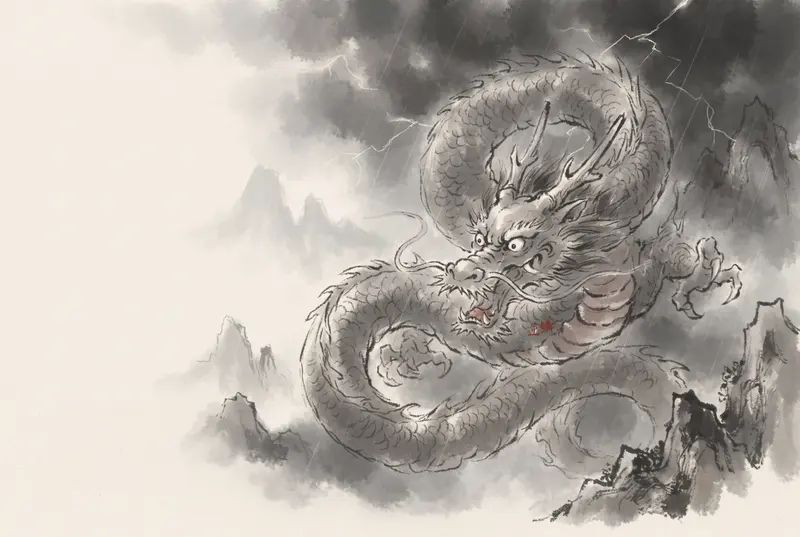
Laozi and Han Fei: The Dragon's Reversed Scale 逆鱗
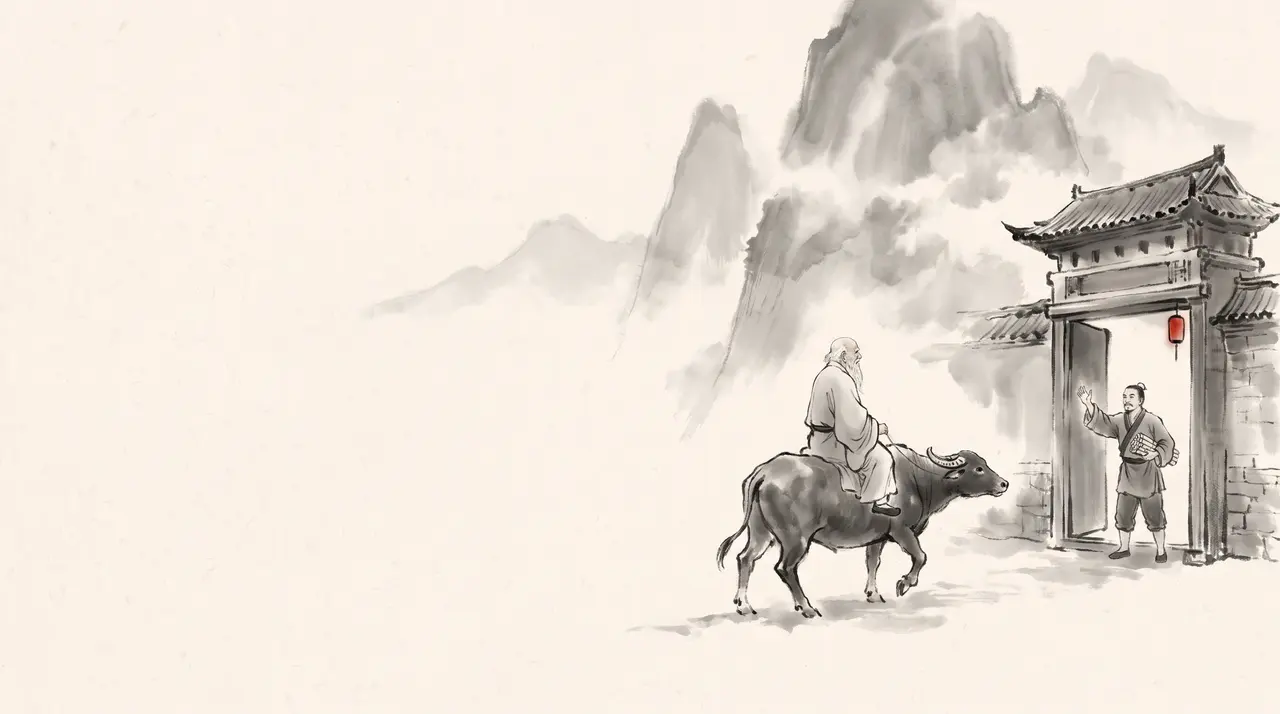
Laozi, keeper of the Zhou archives, told Confucius, who had come to ask about ritual, to rid himself of pride and desire, and Confucius told his disciples, "Laozi is like a dragon." As Laozi left Zhou, the keeper of the pass asked him to write a book, and he left behind some five thousand characters. Zhuangzi, offered the post of chancellor of Chu, refused, saying he did not want to be the sacrificial ox that is fed and dressed in finery before it is killed. Han Fei, a prince of Hann, stammered but wrote brilliantly; in "The Difficulties of Persuasion" he explained how hard it is to win over a ruler, who, like a dragon, has a reversed scale on his throat that kills anyone who touches it. King Zheng of Qin was thrilled by Han Fei's books, but his old classmate Li Si envied him, and Han Fei died in a Qin prison after being made to take poison.
This page has the scene "Laozi and Han Fei: The Dragon's Reversed Scale" from this volume, not the whole volume.
Audio
The audio is synthetic speech.
Video
Passage 1
Original
老子者,楚苦縣厲鄉曲仁里人也,姓李氏,名耳,字耼,周守藏室之史也。孔子適周,將問禮於老子。老子曰:「子所言者,其人與骨皆已朽矣,獨其言在耳。且君子得其時則駕,不得其時則蓬累而行。吾聞之,良賈深藏若虛,君子盛德容貌若愚。去子之驕氣與多欲,態色與淫志,是皆無益於子之身。吾所以告子,若是而已。」孔子去,謂弟子曰:「鳥,吾知其能飛;魚,吾知其能游;獸,吾知其能走。走者可以為罔,游者可以為綸,飛者可以為矰。至於龍,吾不能知其乘風雲而上天。吾今日見老子,其猶龍邪!」
Kundoku (Japanese reading)
老子なる者は、楚の苦県厲郷曲仁里の人なり。姓は李氏、名は耳、字は耼。周の守蔵室の史なり。孔子周に適き、将に礼を老子に問わんとす。老子曰く、「子の言う所の者は、其の人と骨と皆已に朽ちたり。独り其の言在るのみ。且つ君子は其の時を得れば則ち駕し、其の時を得ざれば則ち蓬累して行く。吾之を聞く、良賈は深く蔵して虚しきが若く、君子は盛徳ありて容貌愚なるが若しと。子の驕気と多欲と、態色と淫志とを去れ。是れ皆子の身に益無し。吾の子に告ぐる所以は、是くの若きのみ」と。孔子去りて、弟子に謂いて曰く、「鳥は、吾其の能く飛ぶを知る。魚は、吾其の能く游ぐを知る。獣は、吾其の能く走るを知る。走る者は以て罔を為るべく、游ぐ者は以て綸を為るべく、飛ぶ者は以て矰を為るべし。龍に至りては、吾其の風雲に乗じて天に上るを知る能わず。吾今日老子を見るに、其れ猶お龍のごときか」と。
Japanese
老子は楚の苦県厲郷曲仁里の人で、姓は李、名は耳、字は耼といい、周の書庫の役人だった。孔子が周へ行き、老子に礼についてたずねようとした。老子は言った。「あなたが語っている昔の人たちは、その人も骨もすでに朽ちはて、言葉だけが残っているにすぎない。それに、君子は時を得れば車に乗って世に出て、時を得なければ、風に吹かれるよもぎのようにさすらうものだ。すぐれた商人は品物を奥にしまいこんで何もないように見せ、徳の高い君子は顔つきが愚か者のように見える、と聞いている。あなたのおごりと欲の深さ、もったいぶった態度とはやる志を捨てなさい。どれもあなたの身のためにならない。わたしがあなたに言えるのは、それだけだ」。孔子は帰ると、弟子に言った。「鳥なら飛べることがわかる。魚なら泳げることがわかる。獣なら走れることがわかる。走るものは網でとらえ、泳ぐものは釣り糸でとらえ、飛ぶものは糸のついた矢でとらえることができる。だが龍となると、風や雲に乗って天にのぼるのを、わたしは知ることができない。今日老子に会ったが、まるで龍のような人だった」。
English
Laozi was a man of Quren village in Li township, Ku county, in Chu. His surname was Li, his name Er and his courtesy name Dan. He was the keeper of the archives of Zhou. Confucius went to Zhou to ask Laozi about ritual. Laozi said, "The men you speak of have long since rotted away, they and their bones; only their words remain. Besides, when a gentleman's time comes he rides out in a carriage; when it does not, he drifts along like tumbleweed. I have heard that a good merchant hides his goods deep away so that his shop looks empty, and a gentleman of great virtue looks like a fool. Get rid of your pride and your many desires, your airs and your overreaching ambition. None of them does you any good. That is all I have to tell you." Confucius left and said to his disciples, "Birds, I know, can fly; fish, I know, can swim; beasts, I know, can run. What runs can be caught with a net, what swims with a line, what flies with a corded arrow. But a dragon rides the wind and clouds up into the sky, and that I cannot understand. Today I met Laozi, and he is like a dragon!"
Notes (JA)
- 老子: 道家の祖とされる思想家。『老子』(『道徳経』)の作者とされるが、実在や年代には多くの説がある。
- 苦縣: 今の河南省鹿邑県のあたり。
- 守藏室之史: 周の王室の書庫の役人。
- 孔子問禮於老子: 孔子が老子に礼をたずねたという話。巻47(孔子世家)にも見える。
- 蓬累而行: よもぎが風に吹かれて転がるように、さすらう。
- 良賈深藏若虛: すぐれた商人は品物を奥にしまって、何もないように見せる。
- 盛德容貌若愚: 徳の高い人は、見た目は愚か者のようである。
- 罔・綸・矰: 網、釣り糸、糸をつけた矢。
- 其猶龍邪: まるで龍のようだ。とらえどころのない、底知れない人物のたとえ。
Notes (EN)
- Laozi: the thinker regarded as the founder of Daoism and traditional author of the Laozi (Daodejing); whether he really lived, and when, is much debated.
- Ku county: near present-day Luyi in Henan.
- 守藏室之史: keeper of the royal archives of Zhou.
- Confucius asking Laozi about ritual: the story also appears in Volume 47, the Hereditary House of Confucius.
- 蓬累而行: drifting like tumbleweed blown by the wind.
- 良賈深藏若虛: a good merchant hides his goods so his shop looks empty.
- 盛德容貌若愚: a man of great virtue looks like a fool.
- 罔・綸・矰: a net, a fishing line, an arrow with a cord.
- 其猶龍邪 ("like a dragon"): someone beyond grasping, of unfathomable depth.
Idioms from this passage: Like a dragon 猶お龍のごとし
Word notes
- tumbleweed/ˈtʌmbəlˌwiːd/noun
a dry plant that the wind blows along the ground
In the text: “he drifts along like tumbleweed”
Similar words: drifter — a person with no home · wanderer — one who travels without a goal
- ambition/æmˈbɪʃən/noun
a strong wish to succeed or become powerful
In the text: “your overreaching ambition”
Similar words: aspiration — a hope to achieve · drive — determination
- disciple/dɪˈsaɪpəl/noun
a follower of a teacher
In the text: “said to his disciples”
Similar words: student — one who learns · follower — one who follows a leader
- net/nɛt/noun
a material of knotted string used to catch animals
In the text: “What runs can be caught with a net”
Similar words: snare — a trap · mesh — net-like material
Passage 2
Original
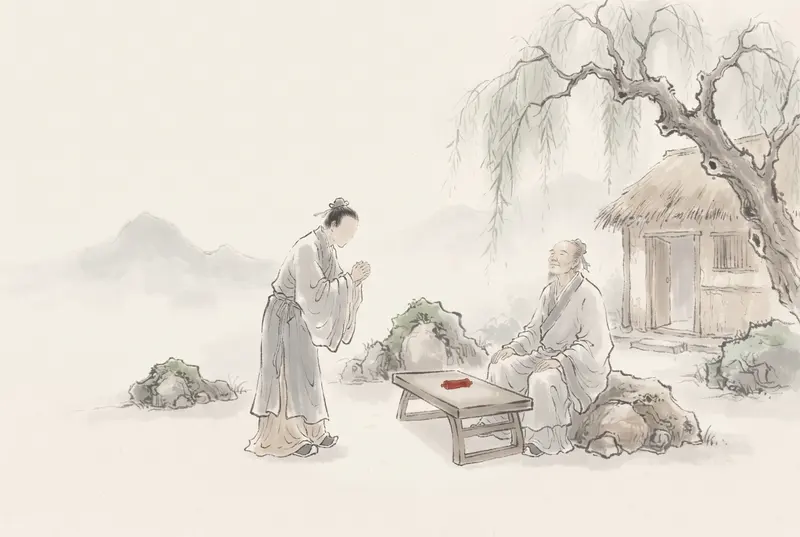
老子修道德,其學以自隱無名為務。居周久之,見周之衰,乃遂去。至關,關令尹喜曰:「子將隱矣,彊為我著書。」於是老子乃著書上下篇,言道德之意五千餘言而去,莫知其所終。
Kundoku (Japanese reading)
老子道徳を修め、其の学は自ら隠れて名無きを以て務めと為す。周に居ること之を久しくして、周の衰うるを見て、乃ち遂に去る。関に至る。関令尹喜曰く、「子将に隠れんとす。彊いて我が為に書を著せ」と。是に於いて老子乃ち書上下篇を著し、道徳の意を言うこと五千余言にして去る。其の終わる所を知る莫し。
Japanese
老子は道と徳を修め、その学問は、自分を隠して名を知られないようにすることを務めとした。長く周にいたが、周が衰えていくのを見て、とうとう去っていった。関所まで来ると、関所の長官の尹喜が言った。「先生はこれから世を隠れようとしておられる。どうか、わたしのために書物を書いてください」。そこで老子は上下二篇の書を著し、道と徳の意味を五千字あまりで説いて去った。その後どこで生涯を終えたのか、誰も知らない。
English
Laozi cultivated the Way and its virtue, and his teaching was to hide himself and remain without a name. He lived in Zhou for a long time, but when he saw Zhou in decline, he left at last. When he reached the pass, Yin Xi, the keeper of the pass, said, "You are about to withdraw from the world, sir. I beg you, write a book for me." So Laozi wrote a book in two parts, setting out the meaning of the Way and its virtue in some five thousand words, and went away. No one knows where he ended his days.
Notes (JA)
- 道德: 道と徳。老子の思想の中心。
- 自隱無名: 自分を隠して名を知られない。
- 關: 函谷関とする説が多い(散関とする説もある)。
- 關令尹喜: 関所の長官の尹喜(「関令の尹喜」と読む説と、「関令尹の喜」と読む説がある)。
- 上下篇: 上篇と下篇。今の『老子』も道経・徳経の二篇からなる。
- 五千餘言: 五千字あまり。今の『老子』もおよそ五千字。
- 莫知其所終: どこで生涯を終えたか誰も知らない。
Notes (EN)
- 道德: the Way and its virtue, the heart of Laozi's thought.
- 自隱無名: hiding oneself and remaining without a name.
- The pass: usually taken to be the Hangu Pass (some say the San Pass).
- Yin Xi: the keeper of the pass (the title and name can be read in more than one way).
- Two parts: the Laozi still has two parts, the book of the Way and the book of Virtue.
- Some five thousand words: about the length of the Laozi today.
- 莫知其所終: no one knows where he ended his days.
Word notes
- decline/dɪˈklaɪn/noun
a gradual loss of strength or power
In the text: “when he saw Zhou in decline”
Similar words: downfall — a fall from power · decay — slow ruin
- withdraw/wɪðˈdrɔ/verb
to leave a place or activity
In the text: “You are about to withdraw from the world”
Similar words: retreat — go away to a quiet place · retire — leave public life
Passage 3
Original
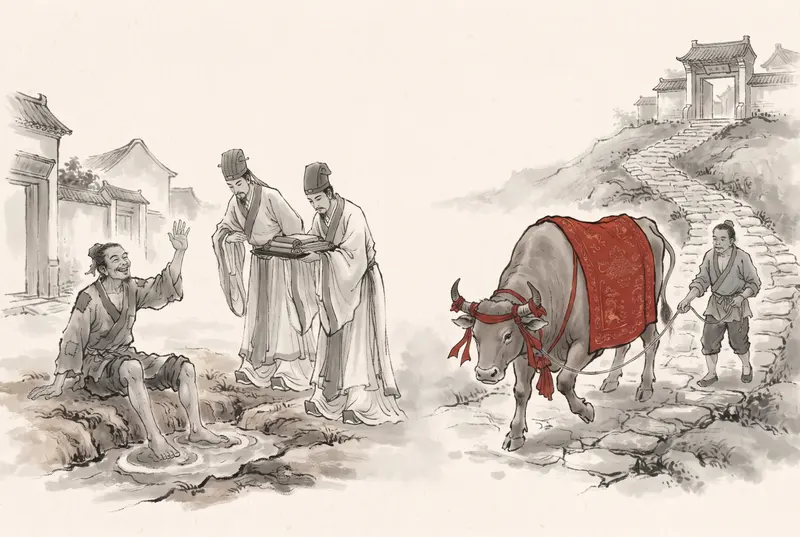
楚威王聞莊周賢,使使厚幣迎之,許以為相。莊周笑謂楚使者曰:「千金,重利;卿相,尊位也。子獨不見郊祭之犧牛乎?養食之數歲,衣以文繡,以入大廟。當是之時,雖欲為孤豚,豈可得乎?子亟去,無污我。我寧游戲污瀆之中自快,無為有國者所羈,終身不仕,以快吾志焉。」
Kundoku (Japanese reading)
楚の威王荘周の賢なるを聞き、使いをして幣を厚くして之を迎えしめ、許すに相と為すを以てす。荘周笑いて楚の使者に謂いて曰く、「千金は重利なり。卿相は尊位なり。子独り郊祭の犠牛を見ずや。之を養い食わすこと数歳、衣するに文繡を以てし、以て大廟に入る。是の時に当たりて、孤豚為らんと欲すと雖も、豈に得べけんや。子亟やかに去れ。我を汚すこと無かれ。我寧ろ汚瀆の中に游戯して自ら快くせん。国を有つ者の羈ぐ所と為ること無く、終身仕えず、以て吾が志を快くせん」と。
Japanese
(荘子は宋の蒙の人で、名は周といい、老子の教えを受け継いで、たとえ話の多い書物を書いた。)楚の威王は荘周がすぐれていると聞き、使者に手厚い贈り物を持たせて迎えにやり、宰相にしようと申し出た。荘周は笑って楚の使者に言った。「千金は大きな利益で、大臣や宰相は尊い地位だ。だが、あなたは郊外の祭りで生けにえにされる牛を見たことがないのか。何年も大事に養われ、刺繍のある着物を着せられて、祖先の廟に引かれていく。そのときになって、ただの子豚になりたいと思っても、なれるものではない。さっさと帰ってくれ。わたしを汚さないでくれ。わたしは、どぶの中で遊び回って気ままに暮らすほうがいい。国を治める者につながれることなく、一生仕えずに、自分の思いのままに生きたいのだ」。
English
(Zhuangzi, named Zhou, was a man of Meng in Song who carried on Laozi's teaching and wrote books full of parables.) When King Wei of Chu heard that Zhuang Zhou was a man of ability, he sent envoys with rich gifts to bring him, offering to make him chancellor. Zhuang Zhou laughed and said to the envoy of Chu, "A thousand gold is a great profit, and a minister's post is a high rank. But have you never seen the ox offered at the suburban sacrifice? It is fed and fattened for several years, dressed in embroidered cloth and led into the great temple. At that moment, even if it wished to be a lone piglet, how could it be? Go away at once and do not soil me. I would rather play in a muddy ditch and enjoy myself than be tied down by a ruler of a state. I will never take office as long as I live, and so I will follow my own heart."
Notes (JA)
- この節の前(省略): 荘子は宋の蒙(今の河南省商丘市)の人で、名は周。漆園の役人をしたことがあり、たとえ話の多い十万字あまりの書を書いて、孔子の門人を批判し老子の教えを明らかにした。
- 楚威王: 楚の王(蘇秦の章にも出てくる)。
- 厚幣: 手厚い贈り物。
- 郊祭之犧牛: 郊外の祭りで生けにえにされる牛。
- 文繡: 模様や刺繍のある着物。
- 大廟: 祖先を祭る廟。
- 孤豚: 親のいない子豚。ありふれた、つまらないもの。
- 污瀆: どぶ。汚い溝。
- 羈: つなぐ、しばる。
Notes (EN)
- Before this (left out here): Zhuangzi, named Zhou, came from Meng in Song (present-day Shangqiu in Henan). He once served as an official of a lacquer garden and wrote more than a hundred thousand words, mostly parables, mocking Confucius's followers and illuminating Laozi's teaching.
- King Wei of Chu: also appears in the chapter on Su Qin.
- 厚幣: rich gifts.
- 郊祭之犧牛: the ox offered at the suburban sacrifice.
- 文繡: embroidered cloth.
- 大廟: the ancestral temple.
- 孤豚: an orphan piglet, something lowly and ordinary.
- 污瀆: a muddy ditch.
- 羈: to tie down.
Word notes
- parable/ˈpærəbəl/noun
a short story that teaches a lesson
In the text: “wrote books full of parables”
Similar words: fable — a story with a moral · allegory — a story with a hidden meaning
- sacrifice/ˈsækrəˌfaɪs/noun
an animal killed as an offering to a god
In the text: “the ox offered at the suburban sacrifice”
Similar words: offering — a gift to the gods · oblation — formal; an offering
Passage 4
Original
韓非者,韓之諸公子也。喜刑名法術之學,而其歸本於黃老。非為人口吃,不能道說,而善著書。與李斯俱事荀卿,斯自以為不如非。
Kundoku (Japanese reading)
韓非なる者は、韓の諸公子なり。刑名法術の学を喜び、而して其の帰は黄老に本づく。非人と為り口吃にして、道説する能わず。而して善く書を著す。李斯と俱に荀卿に事う。斯自ら以て非に如かずと為す。
Japanese
韓非は韓の公子の一人である。刑名と法術の学問を好んだが、その根本は黄帝と老子の教えにもとづいていた。韓非は生まれつき口べたで、しゃべるのは苦手だったが、文章を書くのはうまかった。李斯とともに荀子に学んだが、李斯は自分は韓非に及ばないと思っていた。
English
Han Fei was one of the princes of Hann. He loved the study of names and punishments, law and statecraft, but its roots lay in the teachings of the Yellow Emperor and Laozi. Han Fei stammered and could not speak well, but he was a fine writer. He studied under Xun Qing together with Li Si, and Li Si thought himself no match for Han Fei.
Notes (JA)
- 韓非: 法家の思想家(?〜前233年)。『韓非子』の作者。
- 刑名法術: 法によって臣下を治め、言葉(名)と実績(刑)を一致させる学問。法家の思想。
- 黃老: 黄帝と老子の教え。
- 口吃: どもる。口べた。
- 荀卿: 荀子。性悪説で知られる儒家(巻87の章の李斯の師)。
- 斯自以為不如非: 李斯は自分は韓非に及ばないと思っていた。のちの悲劇の伏線。
Notes (EN)
- Han Fei (d. 233 BCE): the Legalist thinker, author of the Han Feizi.
- 刑名法術: governing ministers by law and matching their words to their results; Legalist thought.
- 黃老: the teachings of the Yellow Emperor and Laozi.
- 口吃: to stammer.
- Xun Qing: Xunzi, the Confucian known for teaching that human nature is bad; Li Si's teacher (see Volume 87).
- 斯自以為不如非 ("Li Si thought himself no match"): foreshadowing the tragedy to come.
Word notes
- stammer/ˈstæmər/verb
to speak with pauses and repeated sounds
In the text: “Han Fei stammered”
Similar words: stutter — repeat sounds when speaking · falter — speak unsteadily
- statecraft/ˈsteɪtˌkræft/noun
the art of running a state
In the text: “law and statecraft”
Similar words: governance — running a country · politics — the business of government
Passage 5
Original
非見韓之削弱,數以書諫韓王,韓王不能用。於是韓非疾治國不務修明其法制,執勢以御其臣下,富國彊兵而以求人任賢,反舉浮淫之蠹而加之於功實之上。以為儒者用文亂法,而俠者以武犯禁。寬則寵名譽之人,急則用介胄之士。今者所養非所用,所用非所養。悲廉直不容於邪枉之臣,觀往者得失之變,故作《孤憤》、《五蠹》、《內外儲》、《說林》、《說難》十餘萬言。
Kundoku (Japanese reading)
非韓の削弱するを見て、数しば書を以て韓王を諫む。韓王用うる能わず。是に於いて韓非、国を治むるに其の法制を修明し、勢を執りて以て其の臣下を御し、国を富まし兵を彊くして以て人を求め賢に任ずることを務めずして、反って浮淫の蠹を挙げて之を功実の上に加うるを疾む。以為えらく、儒者は文を用いて法を乱し、而して侠者は武を以て禁を犯す。寛なれば則ち名誉の人を寵し、急なれば則ち介胄の士を用う。今者養う所は用うる所に非ず、用うる所は養う所に非ずと。廉直の邪枉の臣に容れられざるを悲しみ、往者の得失の変を観る。故に孤憤・五蠹・内外儲・説林・説難十余万言を作る。
Japanese
韓非は、韓が領土を削られて弱っていくのを見て、何度も文書で韓王をいさめたが、韓王は用いることができなかった。そこで韓非は、国を治めるのに法制度をきちんと整えず、権勢を握って家臣を操らず、国を富ませ兵を強くして人材を求め賢者に任せることに努めず、かえって口先だけの役に立たない連中を取り立てて、実際に手柄のある者より上に置いていることを憎んだ。韓非はこう考えた。儒者は学問で法を乱し、侠客は武力で禁令を犯す。平和なときは名声のある者をかわいがり、危急のときはよろいを着た兵士を使う。いま国が養っている者は役に立つ者ではなく、役に立つ者は養われていない。清廉でまっすぐな者が、よこしまな家臣たちに受け入れられないのを悲しみ、昔の成功と失敗の移り変わりを見て、「孤憤」「五蠹」「内外儲」「説林」「説難」など、十万字あまりの書を書いた。
English
Han Fei saw Hann being cut down and weakened, and again and again he sent letters remonstrating with the King of Hann, but the king could not use him. Han Fei hated it that in ruling the state the king did not work to make its laws clear, to hold power firmly and so control his ministers, or to enrich the state and strengthen the army by seeking out able men and employing the worthy, but instead raised up empty, frivolous parasites and placed them above those who had real achievements. He held that Confucians use learning to confuse the law, and knights-errant use force to break the prohibitions. In easy times the state favors men of reputation, and in a crisis it uses men in armor. Those it feeds now are not the ones it uses, and those it uses are not the ones it feeds. Grieving that honest, upright men had no place among crooked ministers, and studying the changing fortunes of the past, he wrote "Solitary Indignation," "The Five Vermin," "The Inner and Outer Collections," "The Forest of Persuasions" and "The Difficulties of Persuasion," more than a hundred thousand words in all.
Notes (JA)
- 削弱: 領土を削られて弱る。
- 執勢: 権勢を握る。
- 浮淫之蠹: 口先だけの役に立たない虫けら。
- 儒者用文亂法,而俠者以武犯禁: 儒者は学問で法を乱し、侠客は武力で禁令を犯す。『韓非子』五蠹篇の言葉。
- 介胄之士: よろいかぶとを着けた兵士。
- 所養非所用,所用非所養: 養っている者は役に立たず、役に立つ者は養われていない。
- 孤憤・五蠹・內外儲・說林・說難: いずれも『韓非子』の篇名。五蠹は国を害する五種類の虫けら(学者・言談者・帯剣者・患御者・商工の民)。
Notes (EN)
- 削弱: cut down and weakened.
- 執勢: to hold power firmly.
- 浮淫之蠹: empty, frivolous parasites.
- 儒者用文亂法,而俠者以武犯禁: "Confucians use learning to confuse the law, knights-errant use force to break the prohibitions," a line from "The Five Vermin."
- 介胄之士: men in armor.
- 所養非所用,所用非所養: those fed are not those used, and those used are not those fed.
- The titles are chapters of the Han Feizi. "The Five Vermin" are the five kinds of people Han Fei thought harmed the state: scholars, talkers, swordsmen, those who dodge service, and merchants and craftsmen.
Word notes
- parasite/ˈpærəˌsaɪt/noun
a person who lives off others without giving anything back
In the text: “frivolous parasites”
Similar words: leech — someone who uses others · freeloader — informal; someone who takes without paying
- knight-errant/ˌnaɪt ˈɛrənt/noun
a wandering swordsman who fights for causes he chooses
In the text: “knights-errant use force”
Similar words: swordsman — a man skilled with a sword · adventurer — one who seeks danger
Passage 6
Original
然韓非知說之難,為《說難》書甚具,終死於秦,不能自脫。宋有富人,天雨牆壞。其子曰「不築且有盜」,其鄰人之父亦云,暮而果大亡其財,其家甚知其子而疑鄰人之父。昔者鄭武公欲伐胡,迺以其子妻之。因問群臣曰: 「吾欲用兵,誰可伐者?」關其思曰:「胡可伐。」迺戮關其思,曰:「胡,兄弟之國也,子言伐之,何也?」胡君聞之,以鄭為親己而不備鄭。鄭人襲胡,取之。此二說者,其知皆當矣,然而甚者為戮,薄者見疑。非知之難也,處知則難矣。
Kundoku (Japanese reading)
然れども韓非説くことの難きを知り、説難の書を為ること甚だ具わる。終に秦に死して、自ら脱する能わず。宋に富人有り。天雨ふりて牆壊る。其の子曰く「築かずんば且に盗有らんとす」と。其の隣人の父も亦た云う。暮にして果たして大いに其の財を亡う。其の家甚だ其の子を知として、隣人の父を疑う。昔者鄭の武公胡を伐たんと欲し、迺ち其の子を以て之に妻わす。因りて群臣に問いて曰く、「吾兵を用いんと欲す。誰か伐つべき者ぞ」と。関其思曰く、「胡伐つべし」と。迺ち関其思を戮して、曰く、「胡は兄弟の国なり。子之を伐てと言うは、何ぞや」と。胡の君之を聞き、鄭を以て己に親しむと為して鄭に備えず。鄭人胡を襲いて、之を取る。此の二説の者は、其の知皆当たれり。然れども甚だしき者は戮せられ、薄き者は疑わる。知ることの難きに非ざるなり。知に処すること則ち難きなり。
Japanese
韓非は人を説くことの難しさを知っていて、「説難」という書でくわしく書きつくしたが、結局は秦で死に、自分を救うことはできなかった。(「説難」にはこうある。)宋に金持ちがいた。雨が降って塀がくずれた。息子が「塀を直さないと泥棒が入りますよ」と言い、隣の家の老人も同じことを言った。その夜、はたして財産を大量に盗まれた。その家では、息子は賢いと思い、隣の老人を疑った。昔、鄭の武公は胡を攻めようと思い、まず自分の娘を胡の君に嫁がせた。そして家臣たちにたずねた。「わたしは戦をしたいが、どこを攻めればよいか」。関其思が「胡を攻めるべきです」と答えると、武公は関其思を殺して言った。「胡は兄弟の国だ。それを攻めろとは、どういうことだ」。胡の君はそれを聞いて、鄭は自分と親しいのだと思い、鄭への備えをしなかった。鄭は胡を襲って奪い取った。この二つの話では、二人とも正しいことを知っていた。それなのに、ひどい場合は殺され、軽い場合でも疑われた。知ることが難しいのではない。知ったことをどう扱うかが難しいのである。
English
Yet Han Fei knew how hard it is to persuade, and wrote it all out in detail in "The Difficulties of Persuasion"; even so, in the end he died in Qin and could not save himself. (The essay says:) There was a rich man in Song. Rain fell and his wall collapsed. His son said, "If we do not rebuild it, thieves will get in," and the old man next door said the same. That night, sure enough, he lost a great deal of his wealth. His family thought the son very wise, and suspected the old man next door. Long ago, Duke Wu of Zheng wanted to attack Hu, so first he married his daughter to the ruler of Hu. Then he asked his ministers, "I want to go to war. Whom should I attack?" Guan Qisi said, "Hu can be attacked." So the duke had Guan Qisi put to death, saying, "Hu is a brother state. What do you mean by telling me to attack it?" When the ruler of Hu heard this, he believed Zheng was his friend and made no defenses against it. Then the men of Zheng fell on Hu and took it. In both stories, what the men knew was right. Yet at worst they were killed, and at best they were suspected. Knowing is not what is hard; what is hard is knowing how to handle what you know.
Notes (JA)
- 說之難: 人(君主)を説くことの難しさ。
- 具: くわしくそなわる。
- この節以下は「説難」の文。省いた部分では、相手の求めるものを見ぬくこと、秘密に触れる危険などが説かれる。
- 牆: 塀。
- 甚知其子而疑鄰人之父: 息子は賢いと思い、隣の老人を疑う。同じことを言っても、言う人と聞く人の関係で受け取られ方が違う。
- 鄭武公: 春秋時代の鄭の君主。
- 胡: 鄭の近くの小国。
- 關其思: 鄭の大夫。
- 非知之難也,處知則難矣: 知ることが難しいのではなく、知ったことをどう扱うかが難しい。
Notes (EN)
- 說之難: the difficulty of persuading (a ruler).
- 具: in full detail.
- From here on, the text is from "The Difficulties of Persuasion." The parts left out explain how to see what the listener really wants, and the danger of touching his secrets.
- 牆: a wall.
- 甚知其子而疑鄰人之父: the same words are taken differently depending on who says them.
- Duke Wu of Zheng: a ruler of Zheng in the Spring and Autumn period.
- Hu: a small state near Zheng.
- Guan Qisi: a minister of Zheng.
- 非知之難也,處知則難矣 ("knowing is not what is hard; what is hard is knowing how to handle what you know").
Word notes
- suspect/səˈspɛkt/verb
to think someone may be guilty
In the text: “suspected the old man next door”
Similar words: distrust — not trust · accuse — say someone did wrong
- handle/ˈhændəl/verb
to deal with something
In the text: “how to handle what you know”
Similar words: manage — deal with · cope with — deal with something hard
Passage 7
Original
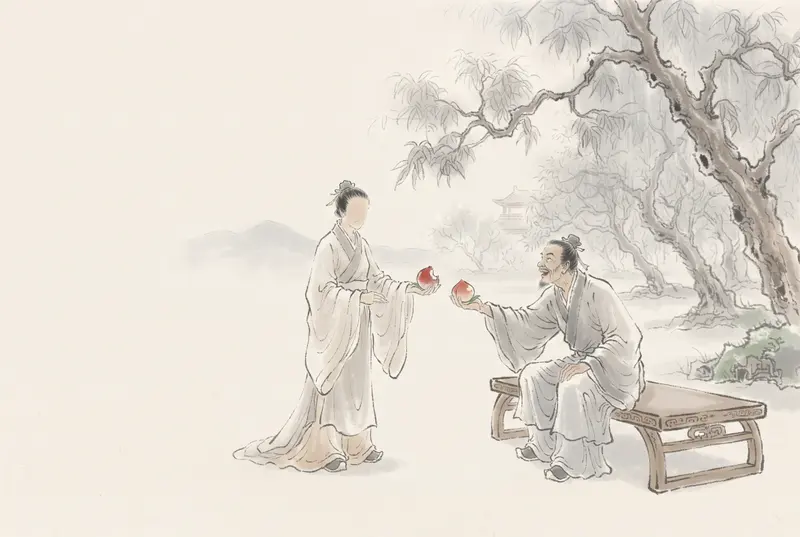
昔者彌子瑕見愛於衛君。衛國之法,竊駕君車者罪至刖。既而彌子之母病,人聞,往夜告之,彌子矯駕君車而出。君聞之而賢之曰:「孝哉,為母之故而犯刖罪!」與君游果園,彌子食桃而甘,不盡而奉君。君曰:「愛我哉,忘其口而念我!」及彌子色衰而愛弛,得罪於君。君曰:「是嘗矯駕吾車,又嘗食我以其餘桃。」故彌子之行未變於初也,前見賢而後獲罪者,愛憎之至變也。故有愛於主,則知當而加親;見憎於主,則罪當而加疏。故諫說之士不可不察愛憎之主而後說之矣。
Kundoku (Japanese reading)
昔者弥子瑕衛君に愛せらる。衛国の法、窃かに君の車に駕する者は罪刖に至る。既にして弥子の母病む。人聞きて、往きて夜之に告ぐ。弥子矯りて君の車に駕して出づ。君之を聞きて之を賢として曰く、「孝なるかな、母の為の故に刖罪を犯す」と。君と果園に游び、弥子桃を食らいて甘く、尽くさずして君に奉ず。君曰く、「我を愛するかな、其の口を忘れて我を念う」と。弥子色衰えて愛弛むに及び、罪を君に得たり。君曰く、「是れ嘗て矯りて吾が車に駕し、又嘗て我に食らわすに其の余桃を以てす」と。故に弥子の行い未だ初めより変わらざるなり。前に賢とせられて後に罪を獲る者は、愛憎の至りて変ずればなり。故に主に愛せらるること有らば、則ち知当たりて親しみを加え、主に憎まるれば、則ち罪当たりて疏んぜらるることを加う。故に諫説の士は愛憎の主を察して而る後に之に説かざるべからず。
Japanese
昔、弥子瑕は衛の君主にかわいがられていた。衛の国の法では、君主の車にこっそり乗った者は足切りの刑になる。あるとき弥子瑕の母が病気になった。それを聞いた人が夜のうちに知らせに来ると、弥子瑕は命令だといつわって君主の車に乗って出かけた。君主はそれを聞くと、ほめて言った。「なんと親孝行なことか。母のために足切りの罪も恐れないとは」。また君主と果樹園で遊んだとき、弥子瑕は桃を食べてみるとおいしかったので、食べかけの残りを君主に差し上げた。君主は言った。「わたしを愛しているのだな。自分の口の楽しみも忘れて、わたしのことを思ってくれる」。ところが弥子瑕の容色が衰えて君主の愛情がさめると、弥子瑕は君主のとがめを受けた。君主は言った。「こいつは以前、命令だといつわってわたしの車に乗った。それに、わたしに食べ残しの桃を食わせた」。弥子瑕の行いは最初と少しも変わっていない。それなのに、前にはほめられ、後には罰せられたのは、君主の愛と憎しみが変わったからである。だから、君主に愛されていれば、知恵が当たってますます親しまれ、君主に憎まれていれば、罪に当たってますます遠ざけられる。君主をいさめたり説いたりする者は、君主の愛と憎しみを見きわめてから説かなければならない。
English
Long ago Mi Zixia was loved by the ruler of Wey. By the law of Wey, anyone who secretly rode in the ruler's carriage was punished by having his feet cut off. One day Mi Zixia's mother fell ill. Someone heard of it and came to tell him in the night, and Mi Zixia, claiming the ruler's order, took the ruler's carriage and went out. When the ruler heard of it, he praised him: "How filial! For his mother's sake he risked having his feet cut off!" Another time, walking with the ruler in an orchard, Mi Zixia ate a peach and found it sweet, and instead of finishing it he offered the rest to the ruler. The ruler said, "How he loves me! He forgets his own appetite and thinks of me!" But when Mi Zixia's looks faded and the ruler's love cooled, he fell out of favor. Then the ruler said, "This man once took my carriage by a false order, and he once fed me his half-eaten peach." Mi Zixia's conduct had not changed from the beginning. That he was once praised and later punished was because the ruler's love had turned to hatred. So when a ruler loves you, your wisdom is found apt and you are drawn closer; when he hates you, your faults are found real and you are pushed further away. One who would remonstrate with a ruler or persuade him must first see whether he loves or hates, and only then speak.
Notes (JA)
- 彌子瑕: 衛の霊公の寵臣。
- 衛君: 衛の霊公。
- 刖: 足を切る刑。
- 矯: 命令をいつわる。
- 餘桃: 食べ残しの桃。「余桃の罪」の言葉のもと。同じ行いでも、愛されているときと憎まれているときで評価が逆になることのたとえ。
- 色衰而愛弛: 容色が衰えて愛情がさめる(呂不韋の章にも同じ言葉が出てくる)。
- 愛憎之至變: 愛と憎しみが変わったため。
Notes (EN)
- Mi Zixia: a favorite of Duke Ling of Wey.
- The ruler of Wey: Duke Ling.
- 刖: the punishment of cutting off the feet.
- 矯: to claim an order falsely.
- 餘桃 ("the half-eaten peach"): the source of the phrase "the crime of the leftover peach," for the same deed judged oppositely as love turns to hate.
- 色衰而愛弛 ("his looks faded and the love cooled"): the same words appear in the chapter on Lü Buwei.
- 愛憎之至變: because love had turned to hatred.
Word notes
- orchard/ˈɔrtʃərd/noun
a piece of land where fruit trees grow
In the text: “walking with the ruler in an orchard”
Similar words: grove — a small group of trees · garden — land for plants
- filial/ˈfɪliəl/adjective
showing the love and duty a child owes to parents
In the text: “How filial!”
Similar words: dutiful — doing what one should · devoted — very loving
Passage 8
Original
夫龍之為蟲也,可擾狎而騎也。然其喉下有逆鱗徑尺,人有嬰之,則必殺人。人主亦有逆鱗,說之者能無嬰人主之逆鱗,則幾矣。
Kundoku (Japanese reading)
夫れ龍の虫為るや、擾狎して騎るべきなり。然れども其の喉の下に逆鱗の径尺なる有り。人之に嬰るる有らば、則ち必ず人を殺す。人主にも亦た逆鱗有り。之に説く者能く人主の逆鱗に嬰るること無くんば、則ち幾し。
Japanese
そもそも龍という生き物は、手なずければ背中に乗ることもできる。しかし、のどの下に一尺ほどの、逆さに生えたうろこがあり、もし人がそれに触れれば、かならずその人を殺す。君主にもまた、この逆さのうろこがある。君主を説く者が、その逆さのうろこに触れずにいられれば、説得はほぼうまくいくだろう。
English
Now the dragon is a creature that can be tamed and ridden. But under its throat there is a scale a foot across that grows the wrong way, and if anyone touches it, the dragon will surely kill him. A ruler too has a reversed scale. If one who persuades a ruler can avoid touching that reversed scale, he will come close to success.
Notes (JA)
- 蟲: 生き物(動物全般をいう)。
- 擾狎: 手なずける。
- 逆鱗: 逆さに生えたうろこ。君主が最も嫌がる急所。「逆鱗に触れる」の言葉のもと。
- 徑尺: 直径一尺。
- 嬰: 触れる。
- 幾: ほぼうまくいく。
- これが「説難」の結びの言葉。
Notes (EN)
- 蟲: a creature.
- 擾狎: to tame.
- 逆鱗 ("the reversed scale"): a ruler's sorest point; the source of the phrase "to touch someone's reversed scale," meaning to provoke their fury.
- 徑尺: a foot across.
- 嬰: to touch.
- 幾: to come close to success.
- These are the closing words of "The Difficulties of Persuasion."
Idioms from this passage: Touching the reversed scale 逆鱗に触れる
Word notes
- tame/teɪm/verb
to train a wild animal to be gentle
In the text: “can be tamed and ridden”
Similar words: domesticate — make an animal live with people · break in — train a horse
- reversed/rɪˈvɜrst/adjective
turned the opposite way
In the text: “A ruler too has a reversed scale”
Similar words: inverted — upside down · backward — facing the other way
Passage 9
Original
人或傳其書至秦。秦王見《孤憤》、《五蠹》之書,曰:「嗟乎,寡人得見此人與之游,死不恨矣!」李斯曰:「此韓非之所著書也。」秦因急攻韓。韓王始不用非,及急,乃遣非使秦。秦王悅之,未信用。李斯、姚賈害之,毀之曰:「韓非,韓之諸公子也。今王欲并諸侯,非終為韓不為秦,此人之情也。今王不用,久留而歸之,此自遺患也,不如以過法誅之。」秦王以為然,下吏治非。李斯使人遺非藥,使自殺。韓非欲自陳,不得見。秦王後悔之,使人赦之,非已死矣。
Kundoku (Japanese reading)
人或いは其の書を伝えて秦に至る。秦王孤憤・五蠹の書を見て、曰く、「嗟乎、寡人此の人を見て之と游ぶを得ば、死すとも恨みず」と。李斯曰く、「此れ韓非の著す所の書なり」と。秦因りて急に韓を攻む。韓王始め非を用いず。急なるに及び、乃ち非を遣わして秦に使いせしむ。秦王之を悦ぶも、未だ信用せず。李斯・姚賈之を害し、之を毀りて曰く、「韓非は韓の諸公子なり。今王諸侯を并せんと欲す。非は終に韓の為にして秦の為にせず。此れ人の情なり。今王用いずして、久しく留めて之を帰さば、此れ自ら患いを遺すなり。過法を以て之を誅するに如かず」と。秦王以て然りと為し、吏に下して非を治めしむ。李斯人をして非に薬を遺らしめ、自殺せしむ。韓非自ら陳べんと欲するも、見ゆるを得ず。秦王後に之を悔い、人をして之を赦さしむるも、非已に死せり。
Japanese
ある人が韓非の書を秦に伝えた。秦王(のちの始皇帝)は「孤憤」や「五蠹」を読んで言った。「ああ、この人に会って親しく語り合えたら、死んでも悔いはない」。李斯が言った。「これは韓非が書いたものです」。そこで秦は急に韓を攻めた。韓王は初めは韓非を用いなかったが、危うくなると、韓非を使者として秦に送った。秦王は韓非を気に入ったが、まだ信用して用いはしなかった。李斯と姚賈は韓非をねたみ、悪口を言った。「韓非は韓の公子です。いま王は諸侯を併合しようとしていますが、韓非は結局、韓のためを思って秦のためには働かないでしょう。それが人情というものです。いま王が用いもせずに長くとどめておいて帰らせれば、自分から災いの種を残すことになります。何かの罪をきせて処刑するほうがよいでしょう」。秦王はもっともだと思い、役人に韓非を取り調べさせた。李斯は人をやって韓非に毒薬を届け、自殺させた。韓非は自分で申し開きをしようとしたが、秦王に会うことはできなかった。秦王はあとで後悔して、人をやって韓非を許そうとしたが、韓非はもう死んでいた。
English
Someone carried his books to Qin. When the King of Qin read "Solitary Indignation" and "The Five Vermin," he said, "Ah! If I could meet this man and spend time with him, I would die without regret!" Li Si said, "These are the books Han Fei wrote." So Qin suddenly attacked Hann. The King of Hann had not used Han Fei at first, but now, in danger, he sent Han Fei to Qin as his envoy. The King of Qin was pleased with him but did not yet trust him enough to employ him. Li Si and Yao Jia envied him and slandered him: "Han Fei is a prince of Hann. Your Majesty means to swallow the lords, but in the end Han Fei will work for Hann, not for Qin; that is human nature. If Your Majesty does not use him, but keeps him here a long time and then sends him home, you will be leaving trouble behind for yourself. Better to find some fault in the law and execute him." The King of Qin agreed and handed Han Fei over to the officials for trial. Li Si sent someone to give Han Fei poison and make him kill himself. Han Fei wanted to plead his case in person, but could not get an audience. Later the King of Qin regretted it and sent men to pardon him, but Han Fei was already dead.
Notes (JA)
- 秦王: 秦王政(のちの始皇帝)。
- 死不恨矣: 死んでも悔いはない。韓非の書への感激。
- 李斯: 秦の宰相。韓非と同じく荀子に学んだ(巻87の章を参照)。
- 姚賈: 秦の家臣。
- 害: ねたむ。
- 人之情: 人情、人の自然な気持ち。
- 遺患: 災いの種を残す。
- 以過法誅之: 何かの罪をきせて処刑する。
- 遺非藥: 韓非に毒薬を届ける。前233年。
- 韓非は「説難」で君主を説く難しさを書いたが、自分自身は秦王に会って説くことさえできずに死んだ。
Notes (EN)
- The King of Qin: King Zheng, the future First Emperor.
- 死不恨矣 ("I would die without regret"): his delight in Han Fei's books.
- Li Si: chancellor of Qin, who like Han Fei had studied under Xunzi (see Volume 87).
- Yao Jia: a minister of Qin.
- 害: to envy.
- 人之情: human nature.
- 遺患: to leave trouble behind.
- 以過法誅之: to find some fault in the law and execute him.
- 遺非藥: sending Han Fei poison, in 233 BCE.
- Han Fei wrote of the difficulty of persuading a ruler, yet died without even getting to speak to the King of Qin.
Word notes
- envy/ˈɛnvi/verb
to want what someone else has and feel unhappy
In the text: “Li Si and Yao Jia envied him”
Similar words: be jealous of — feel envy toward · resent — feel bitter about
- regret/rɪˈɡrɛt/verb
to feel sorry about something you did
In the text: “the King of Qin regretted it”
Similar words: rue — old; regret · repent — feel sorry for a wrong
Passage 10
Original
申子、韓子皆著書,傳於後世,學者多有。余獨悲韓子為說難而不能自脫耳。太史公曰:老子所貴道,虛無,因應變化於無為,故著書辭稱微妙難識。莊子散道德,放論,要亦歸之自然。申子卑卑,施之於名實。韓子引繩墨,切事情,明是非,其極慘礉少恩。皆原於道德之意,而老子深遠矣。
Kundoku (Japanese reading)
申子・韓子は皆書を著し、後世に伝わりて、学者多く有す。余独り韓子の説難を為りて自ら脱する能わざるを悲しむのみ。太史公曰く、老子の貴ぶ所の道は、虚無にして、変化に無為に因応す。故に書を著して辞称微妙にして識り難し。荘子は道徳を散じ、放論すれども、要は亦た之を自然に帰す。申子は卑卑として、之を名実に施す。韓子は縄墨を引き、事情に切にして、是非を明らかにす。其の極は惨礉にして恩少なし。皆道徳の意に原づく。而して老子は深遠なり。
Japanese
申不害と韓非はどちらも書物を著し、後の世に伝わって、学ぶ者の多くがそれを持っている。ただわたしは、韓非が「説難」を書きながら、自分は助からなかったことを悲しく思う。太史公(司馬遷)は言う。老子が尊んだ道は、虚無であり、あるがままに無為で変化に応じるものだ。だから書いた言葉は微妙で、わかりにくい。荘子は道徳を自由に押し広げ、思いのままに論じたが、要するにやはり自然に帰っていく。申不害は地道に努め、名と実の一致を政治に用いた。韓非は大工の墨縄を引くように法をきびしく当てはめ、物事の実情に切りこみ、是非を明らかにしたが、行きつくところはむごく、思いやりに欠けていた。みな道と徳の考えにもとづいているが、老子がいちばん深く遠い。
English
Shenzi and Han Fei both wrote books that have come down to later ages, and many scholars own them. I only grieve that Han Fei wrote "The Difficulties of Persuasion" and yet could not save himself. The Grand Historian says: the Way that Laozi valued is emptiness and nothingness, responding to change through non-action. So the words of his book are subtle and hard to grasp. Zhuangzi scattered the Way and its virtue abroad and argued without restraint, but in the end he too returned to the natural. Shenzi worked diligently, applying names and realities to government. Han Fei stretched the carpenter's ink line, cut straight to the facts of things and made right and wrong clear, but at its extreme his thought was harsh and lacking in kindness. All of them grew from the idea of the Way and its virtue, but Laozi goes deepest and farthest.
Notes (JA)
- 申子: 申不害。韓の宰相を務めた法家の思想家(この巻で、ここでは省いた部分に伝がある)。
- 余獨悲韓子為說難而不能自脫耳: 韓非が「説難」を書きながら自分は助からなかったことを悲しむ。宮刑を受けた司馬遷自身の思いも重なると読まれる。
- 虛無: 何もないこと。老子の道の性質。
- 無為: 作為をせず、あるがままに任せること。
- 卑卑: 地道に努めるさま。
- 名實: 名(言葉・名目)と実(実績)。
- 引繩墨: 大工が墨縄を引いてまっすぐな線を引く。法を厳しく当てはめることのたとえ。
- 慘礉少恩: むごく、思いやりに欠ける。
Notes (EN)
- Shenzi: Shen Buhai, a Legalist thinker who served as chancellor of Hann (his biography, in this volume, is left out here).
- 余獨悲韓子為說難而不能自脫耳 ("I only grieve that Han Fei…could not save himself"): often read as echoing Sima Qian's own fate after his punishment.
- 虛無: emptiness and nothingness, the nature of Laozi's Way.
- 無為: non-action, letting things take their course.
- 卑卑: working diligently.
- 名實: names (words, titles) and realities (results).
- 引繩墨 ("stretched the carpenter's ink line"): applying the law strictly and straight.
- 慘礉少恩: harsh and lacking in kindness.
Word notes
- grieve/ɡriːv/verb
to feel great sadness
In the text: “I only grieve that Han Fei”
Similar words: mourn — feel sad about a loss · lament — express sorrow
- harsh/hɑrʃ/adjective
cruel, severe and unkind
In the text: “his thought was harsh and lacking in kindness”
Similar words: severe — very strict · ruthless — without pity