Biographies · Vol. 62
The Biographies of Guan Zhong and Yan Ying 管晏列傳
The lives of two great ministers of Qi in the Spring and Autumn period. Guan Zhong, a poor man, often cheated his friend Bao Shuya and ended up a prisoner when the prince he served was defeated, yet Bao Shu never blamed him and recommended him for a post above his own. Guan Zhong made Duke Huan of Qi the first hegemon, and said: "My parents gave me life, but it was Bao Shu who knew me." A century later came Yan Ying, small and frugal, who spoke plainly to three rulers in turn. He ransomed a worthy convict with one of his own horses, and promoted a driver who changed his ways after his wife's rebuke. Sima Qian wrote that if Master Yan were alive, he would gladly hold his whip.
Audio
The audio is synthetic speech.
Video
Passage 1
Original
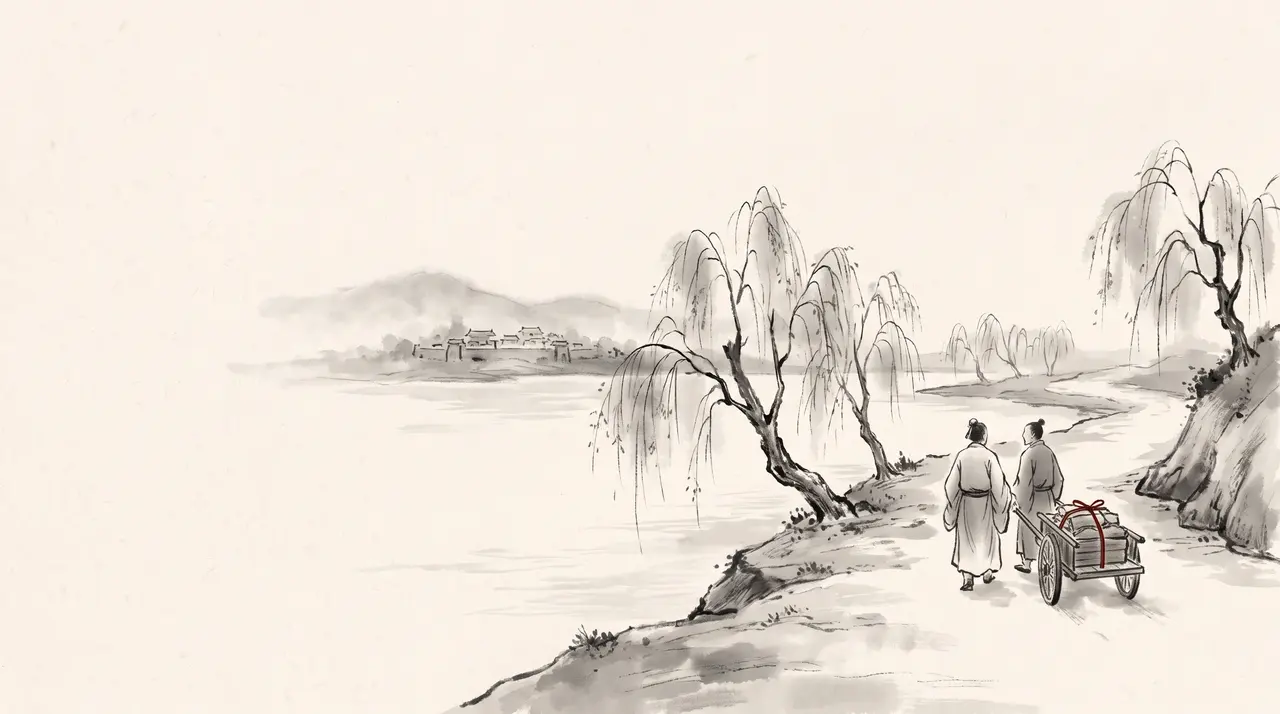
管仲夷吾者,潁上人也。少時常與鮑叔牙游,鮑叔知其賢。管仲貧困,常欺鮑叔,鮑叔終善遇之,不以為言。已而鮑叔事齊公子小白,管仲事公子糾。及小白立為桓公,公子糾死,管仲囚焉。鮑叔遂進管仲。管仲既用,任政於齊,齊桓公以霸,九合諸侯,一匡天下,管仲之謀也。
Kundoku (Japanese reading)
管仲夷吾なる者は、潁上の人なり。少き時常に鮑叔牙と游ぶ。鮑叔其の賢を知る。管仲貧困にして、常に鮑叔を欺くも、鮑叔終に善く之を遇し、以て言を為さず。已にして鮑叔は斉の公子小白に事え、管仲は公子糾に事う。小白立ちて桓公と為るに及び、公子糾死し、管仲囚わる。鮑叔遂に管仲を進む。管仲既に用いられ、政を斉に任ぜらる。斉の桓公以て覇たり、諸侯を九合し、天下を一匡せしは、管仲の謀なり。
Japanese
管仲、名は夷吾は、潁上の人である。若いころ、いつも鮑叔牙と付き合っていて、鮑叔は彼の優れた才能を見抜いていた。管仲は貧しく、いつも鮑叔をだましたが、鮑叔は最後まで彼を大切にして、そのことを口にしなかった。やがて鮑叔は斉の公子小白に仕え、管仲は公子糾に仕えた。小白が位について桓公となると、公子糾は死に、管仲は捕らえられた。そこで鮑叔は管仲を桓公に推薦した。管仲は登用されて斉の政治を任され、斉の桓公はこれによって覇者となった。諸侯を九度も集め、天下をひとつに正したのは、管仲のはかりごとである。
English
Guan Zhong, also called Yiwu, was a man of Yingshang. As a young man he was always in the company of Bao Shuya, and Bao Shu knew his worth. Guan Zhong was poor and often cheated Bao Shu, but Bao Shu went on treating him well and never said a word about it. In time Bao Shu came to serve Prince Xiaobai of Qi, and Guan Zhong served Prince Jiu. When Xiaobai took the throne as Duke Huan, Prince Jiu died and Guan Zhong was made a prisoner. Then Bao Shu recommended him to the duke. Guan Zhong was given office and put in charge of the government of Qi. Through him Duke Huan became hegemon. Nine times the duke gathered the lords, and he set the whole realm right: all this was Guan Zhong's planning.
Notes (JA)
- 潁上: 今の安徽省の潁水のほとり。
- 公子小白・公子糾: ともに斉の公子。兄の襄公が殺された後、位を争った。
- 覇: 周王に代わって諸侯をまとめる盟主。桓公は春秋時代の最初の覇者とされる。
- 九合: 九度会合する。「たびたび」の意とする説もある。
- 一匡: ひとたび正す。乱れた天下を正すこと。
Notes (EN)
- Yingshang: on the Ying River in present-day Anhui.
- Xiaobai and Jiu: princes of Qi who fought for the throne after their brother, Duke Xiang, was killed.
- Hegemon (霸): the leading lord, who held the others together in place of the weak Zhou king. Duke Huan is counted as the first.
- Nine times (九合): literally nine gatherings; some read it simply as "many times".
Word notes
- cheat/tʃit/verb
to treat someone dishonestly to gain something
In the text: “often cheated Bao Shu”
Similar words: deceive — make someone believe what is false · swindle — take money by a trick
- recommend/ˌrɛkəˈmɛnd/verb
to say that someone is good for a job
In the text: “Bao Shu recommended him”
Similar words: put forward — suggest someone · endorse — say you support someone
Passage 2
Original
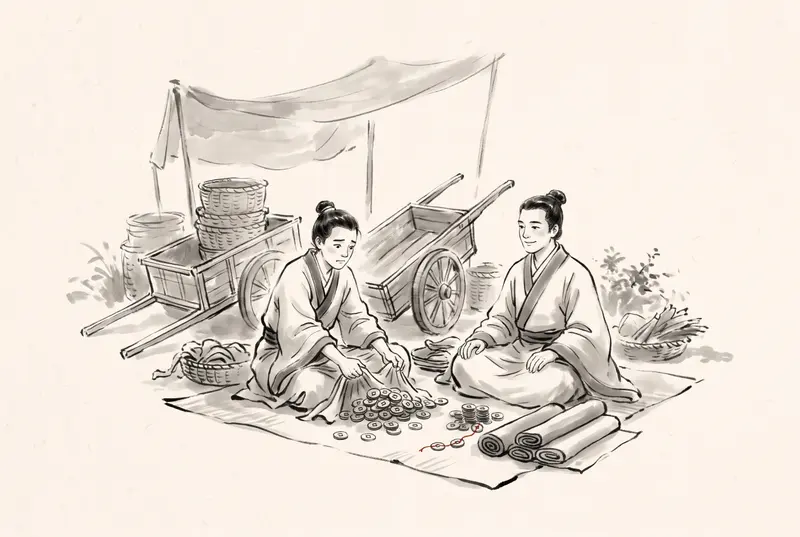
管仲曰:「吾始困時,嘗與鮑叔賈,分財利多自與,鮑叔不以我為貪,知我貧也。吾嘗為鮑叔謀事而更窮困,鮑叔不以我為愚,知時有利不利也。吾嘗三仕三見逐於君,鮑叔不以我為不肖,知我不遭時也。吾嘗三戰三走,鮑叔不以我怯,知我有老母也。公子糾敗,召忽死之,吾幽囚受辱,鮑叔不以我為無恥,知我不羞小節而恥功名不顯于天下也。生我者父母,知我者鮑子也。」鮑叔既進管仲,以身下之。子孫世祿於齊,有封邑者十餘世,常為名大夫。天下不多管仲之賢而多鮑叔能知人也。
Kundoku (Japanese reading)
管仲曰く、「吾始め困しみし時、嘗て鮑叔と賈す。財利を分かつに多く自ら与う。鮑叔我を以て貪と為さず、我の貧しきを知ればなり。吾嘗て鮑叔の為に事を謀りて更に窮困す。鮑叔我を以て愚と為さず、時に利と不利と有るを知ればなり。吾嘗て三たび仕えて三たび君に逐わる。鮑叔我を以て不肖と為さず、我の時に遭わざるを知ればなり。吾嘗て三たび戦いて三たび走る。鮑叔我を以て怯と為さず、我に老母有るを知ればなり。公子糾敗れ、召忽之に死し、吾幽囚せられて辱を受く。鮑叔我を以て恥無しと為さず、我の小節を羞じずして、功名の天下に顕れざるを恥ずるを知ればなり。我を生む者は父母、我を知る者は鮑子なり」と。鮑叔既に管仲を進め、身を以て之に下る。子孫世々斉に禄し、封邑を有つ者十余世、常に名大夫たり。天下管仲の賢を多とせずして、鮑叔の能く人を知るを多とするなり。
Japanese
管仲は言った。「私がまだ苦しかったころ、鮑叔と一緒に商売をしたことがある。もうけを分けるとき、自分の取り分を多くしたが、鮑叔は私を欲張りだとは思わなかった。私が貧しいと知っていたからだ。鮑叔のために事を計画して、かえって彼を困らせたことがあるが、鮑叔は私を愚か者だとは思わなかった。時には運の良し悪しがあると知っていたからだ。私は三度仕えて三度とも主君に追い出されたが、鮑叔は私を無能だとは思わなかった。時に恵まれていないと知っていたからだ。私は三度戦って三度とも逃げたが、鮑叔は私を臆病だとは思わなかった。私に年老いた母がいると知っていたからだ。公子糾が敗れたとき、召忽は殉じて死に、私は捕らえられて恥をさらしたが、鮑叔は私を恥知らずだとは思わなかった。私が小さな節義にこだわらず、功名が天下に現れないことをこそ恥じると知っていたからだ。私を生んでくれたのは父母だが、私を本当に知ってくれたのは鮑叔である」。鮑叔は管仲を推薦したあと、自分はその下の地位についた。鮑叔の子孫は代々斉で俸禄を受け、領地を持つこと十数代、常に名のある大夫であった。世の人々は、管仲の賢さよりも、鮑叔の人を見る目のほうをたたえた。
English
Guan Zhong said: "When I was struggling, I once went into trade with Bao Shu. When we divided the profits I kept the larger share, yet Bao Shu did not think me greedy, for he knew I was poor. I once made a plan for Bao Shu that left him worse off than before, yet he did not think me a fool, for he knew that the times are sometimes kind and sometimes not. Three times I took office and three times my lord drove me out, yet he did not think me worthless, for he knew I had not met my moment. Three times I went to battle and three times I ran away, yet he did not think me a coward, for he knew I had an old mother at home. When Prince Jiu was defeated, Shao Hu died for him, while I was thrown into prison and disgraced. Yet Bao Shu did not think me shameless, for he knew I did not blush at small points of honor, but was ashamed only that my achievements were not yet known to the world. My father and mother gave me life, but it was Master Bao who knew me." Having recommended Guan Zhong, Bao Shu took a place below him. His descendants held office in Qi for generations, and for more than ten generations they kept their lands and were always famous ministers. The world praised Guan Zhong's ability less than Bao Shu's gift for knowing men.
Notes (JA)
- 賈: 商売をする。
- 不肖: 才能がなく、取るに足りないこと。
- 召忽: 管仲とともに公子糾に仕えた人。糾の死に殉じた。
- 小節: 小さな節義。ここでは主君に殉じなかったこと。
- 管鮑の交わり: この話から、互いを深く理解した友情をいう。
Notes (EN)
- Shao Hu (召忽): served Prince Jiu together with Guan Zhong and killed himself when Jiu died.
- Small points of honor (小節): here, not dying with one's lord.
- The friendship of Guan and Bao (管鮑之交): this story gave East Asia its proverb for a friend who truly understands you.
Idioms from this passage: The friendship of Guan and Bao 管鮑の交わり
Word notes
- profit/ˈprɑfɪt/noun
money gained in business
In the text: “When we divided the profits”
Similar words: gain — something you get · earnings — money made
- coward/ˈkaʊərd/noun
a person who lacks courage
In the text: “he did not think me a coward”
Similar words: weakling — someone without strength · scaredy-cat — an informal word for a timid person
- disgraced/dɪsˈɡreɪst/adjective
having lost honor and respect
In the text: “thrown into prison and disgraced”
Similar words: shamed — made to feel dishonor · humiliated — made to look foolish
Passage 3
Original
管仲既任政相齊,以區區之齊在海濱,通貨積財,富國彊兵,與俗同好惡。故其稱曰:「倉廩實而知禮節,衣食足而知榮辱,上服度則六親固。四維不張,國乃滅亡。下令如流水之原,令順民心。」故論卑而易行。俗之所欲,因而予之;俗之所否,因而去之。
Kundoku (Japanese reading)
管仲既に政を任ぜられて斉に相たり。区区たる斉の海浜に在るを以て、貨を通じ財を積み、国を富まし兵を彊くし、俗と好悪を同じくす。故に其の称に曰く、「倉廩実ちて礼節を知り、衣食足りて栄辱を知る。上度を服すれば則ち六親固し。四維張らざれば、国乃ち滅亡す。令を下すこと流水の原の如く、民の心に順わしむ」と。故に論卑くして行い易し。俗の欲する所は、因りて之を予え、俗の否とする所は、因りて之を去る。
Japanese
管仲は政治を任されて斉の宰相となると、海辺にある小さな斉の国で、物資の流通をさかんにして財を蓄え、国を豊かにして軍を強くし、民衆と好き嫌いをともにした。そこで彼の言葉にこうある。「米倉が満ちてはじめて人は礼儀を知り、衣食が足りてはじめて名誉と恥を知る。君主が節度を守れば、親族の絆はかたくなる。国を支える四つの綱(礼・義・廉・恥)が張られなければ、国は滅びる。命令は、水源から水が流れ下るように出し、民の心に沿わせよ」。だから彼の議論は高尚でなく、実行しやすかった。民が望むことは、それに応じて与え、民が嫌がることは、それに応じて取り除いた。
English
Once Guan Zhong was chancellor and held the government of Qi, he took this small state on the edge of the sea and made goods flow and wealth pile up, enriched the country and strengthened its army, and shared the likes and dislikes of the common people. So he is quoted as saying: "When the granaries are full, people learn manners. When food and clothing are enough, they learn honor and shame. When the ruler keeps within measure, the family bonds hold firm. If the four cords of the state are not kept taut, the state will perish. Let orders flow down like water from its source, and let them follow the people's hearts." His ideas were therefore humble and easy to carry out. What the people wanted, he gave them. What they rejected, he took away.
Notes (JA)
- 倉廩: 米や穀物の倉。
- 「衣食足りて礼節を知る」: 日本で広く知られる形は、この一節を縮めたもの。出典は『管子』牧民篇。
- 六親: 父母・兄弟・妻子など、身近な親族。
- 四維: 国を支える四つの綱。『管子』では礼・義・廉・恥。
Notes (EN)
- Granaries (倉廩): storehouses for rice and other grain.
- The saying comes from the "Shepherding the People" chapter of the Guanzi. It survives in Japan as "When food and clothing are enough, people learn manners."
- Four cords (四維): the four ropes that hold up the state. In the Guanzi they are ritual, right conduct, integrity and a sense of shame.
Idioms from this passage: When food and clothing are enough, people learn honor and shame 衣食足りて栄辱を知る
Word notes
- granary/ˈɡreɪnəri/noun
a building for storing grain
In the text: “When the granaries are full”
Similar words: storehouse — a place for keeping goods · silo — a tall tower for grain
- enrich/ɪnˈrɪtʃ/verb
to make richer
In the text: “enriched the country”
Similar words: develop — make stronger or larger · fatten — an informal word for making richer
Passage 4
Original
其為政也,善因禍而為福,轉敗而為功。貴輕重,慎權衡。桓公實怒少姬,南襲蔡,管仲因而伐楚,責包茅不入貢於周室。桓公實北征山戎,而管仲因而令燕修召公之政。於柯之會,桓公欲背曹沫之約,管仲因而信之,諸侯由是歸齊。故曰:「知與之為取,政之寶也。」管仲富擬於公室,有三歸、反坫,齊人不以為侈。管仲卒,齊國遵其政,常彊於諸侯。後百餘年而有晏子焉。
Kundoku (Japanese reading)
其の政を為すや、善く禍に因りて福と為し、敗を転じて功と為す。軽重を貴び、権衡を慎む。桓公実は少姫に怒り、南のかた蔡を襲う。管仲因りて楚を伐ち、包茅の周室に入貢せざるを責む。桓公実は北のかた山戎を征す。而して管仲因りて燕をして召公の政を修めしむ。柯の会に於いて、桓公曹沫の約に背かんと欲す。管仲因りて之を信にし、諸侯是に由りて斉に帰す。故に曰く、「与うるの取るたるを知るは、政の宝なり」と。管仲富公室に擬し、三帰・反坫有るも、斉人以て侈と為さず。管仲卒し、斉国其の政に遵い、常に諸侯より彊し。後百余年にして晏子有り。
Japanese
その政治は、災いをうまく利用して福に変え、失敗を転じて成功にするものだった。物の値の釣り合いを重んじ、損得の判断に慎重だった。桓公は、実は愛妾の少姫に腹を立てて南の蔡を襲ったのだが、管仲はこれを利用して楚を討ち、楚が周王室に包茅(祭りに使う茅)を納めないことを責めた。桓公は、実は北の山戎を討ちに行ったのだが、管仲はこれを利用して燕に、祖先である召公の善政を復興させた。柯の会盟で、桓公は曹沫に脅されて結んだ約束を破ろうとしたが、管仲はこれを利用して約束を守らせたので、諸侯は斉に心を寄せた。だから「与えることが、すなわち取ることだと知る。これが政治の宝である」というのである。管仲の富は公室に並ぶほどで、三帰の台や反坫まで備えていたが、斉の人々はぜいたくだとは思わなかった。管仲が死んだあとも、斉は彼の政治を守り、常に諸侯より強かった。それから百年あまりして、晏子が現れた。
English
In government he was skilled at turning disaster into good fortune and failure into success. He valued the balance of prices and was careful in weighing gain and loss. Duke Huan, in truth angry with his concubine Lady Shao, attacked Cai in the south; Guan Zhong used this to march on Chu, and blamed it for failing to send the Zhou court its tribute of sacred reeds. Duke Huan, in truth, went north against the Mountain Rong; Guan Zhong used this to make Yan restore the good government of its founder, the Duke of Shao. At the meeting at Ke, Duke Huan wanted to break the promise that Cao Mo had forced from him; Guan Zhong used this to make him keep his word, and so the lords turned to Qi. Thus it is said: "To know that giving is a way of taking: this is the treasure of government." Guan Zhong's wealth rivaled that of the ducal house, and he owned a Three Returns terrace and a stand for wine cups fit for a prince, yet the people of Qi did not think him extravagant. After his death Qi kept to his policies and stayed stronger than the other states. More than a hundred years later came Master Yan.
Notes (JA)
- 輕重: 物資と貨幣の量を調節して、物の値を操る経済政策。
- 包茅: 束ねた茅。周の祭りで酒をこすのに用いた、楚の貢ぎ物。
- 山戎: 北方の異民族。燕を圧迫していた。
- 曹沫の約: 柯の会盟で魯の曹沫が桓公に短剣を突きつけ、奪った土地の返還を約束させた。
- 三歸: 諸説ある。三つの邸、または台の名、三人の妻など。
- 反坫: 酒杯を置く台。本来は君主だけが用いた。
Notes (EN)
- Balance of prices (輕重): an economic policy of controlling goods and money to steer prices.
- Sacred reeds (包茅): bundled reeds, used to strain wine in Zhou rites and owed as tribute by Chu.
- Cao Mo: a man of Lu who held a dagger to Duke Huan at Ke and made him promise to return captured land.
- Three Returns (三歸): the meaning is disputed: three houses, the name of a terrace, or three wives.
Idioms from this passage: Turn disaster into good fortune 禍を転じて福となす
Word notes
- tribute/ˈtrɪbjut/noun
goods a state pays to a stronger ruler
In the text: “its tribute of sacred reeds”
Similar words: offering — something given as a duty · levy — an amount that must be paid
- extravagant/ɪkˈstrævəɡənt/adjective
spending far too much
In the text: “did not think him extravagant”
Similar words: wasteful — using too much · lavish — rich and costly
Passage 5
Original
晏平仲嬰者,萊之夷維人也。事齊靈公、莊公、景公,以節儉力行重於齊。既相齊,食不重肉,妾不衣帛。其在朝,君語及之,即危言;語不及之,即危行。國有道,即順命;無道,即衡命。以此三世顯名於諸侯。
Kundoku (Japanese reading)
晏平仲嬰なる者は、萊の夷維の人なり。斉の霊公・荘公・景公に事え、節倹力行を以て斉に重んぜらる。既に斉に相たるも、食に肉を重ねず、妾は帛を衣ず。其の朝に在るや、君語之に及べば、即ち危言す。語之に及ばざれば、即ち危行す。国に道有れば、即ち命に順い、道無ければ、即ち命を衡る。此を以て三世名を諸侯に顕す。
Japanese
晏平仲、名は嬰は、萊の夷維の人である。斉の霊公・荘公・景公の三代に仕え、質素な暮らしと実行力によって斉で重んじられた。宰相になっても、食事に肉を二品は並べず、妾には絹を着せなかった。朝廷では、主君が彼に語りかければ、臆せず正しいことを述べ、語りかけなければ、自らの行いを正して努めた。国に正しい道が行われていれば命令に従い、道が失われていれば、命令をよく量って従うかどうかを決めた。こうして三代にわたり、その名は諸侯の間に知られた。
English
Yan Ying, styled Pingzhong, was a man of Yiwei in Lai. He served Dukes Ling, Zhuang and Jing of Qi, and was respected there for his thrift and hard work. Even as chancellor he never had two meat dishes at a meal, and his concubines did not wear silk. At court, when the duke spoke to him he answered boldly and honestly; when the duke did not speak to him he acted with care and integrity. When the state followed the Way, he obeyed its orders; when it did not, he weighed them first. In this way he made his name known among the lords through three reigns.
Notes (JA)
- 萊: 山東半島にあった国。斉に滅ぼされた。
- 危言・危行: 「危」は高く正しいこと。正しいことを言い、行う。
- 衡命: 命令の是非をはかる。
Notes (EN)
- Lai: a small state on the Shandong peninsula, conquered by Qi.
- Boldly and honestly (危言): 危 here means upright and unbending.
- Weighed them (衡命): he judged whether an order was right before obeying.
Word notes
- thrift/θrɪft/noun
careful use of money
In the text: “for his thrift and hard work”
Similar words: frugality — not spending much · economy — careful use of money
Passage 6
Original
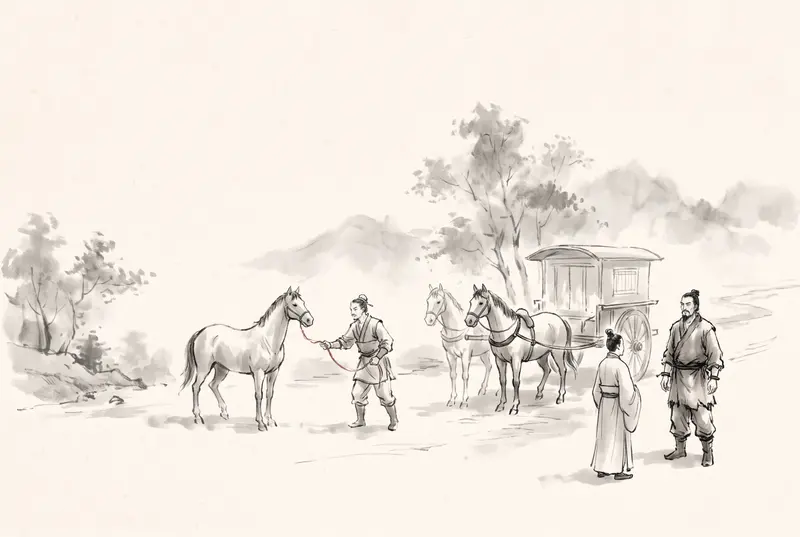
越石父賢,在縲紲中。晏子出,遭之涂,解左驂贖之,載歸。弗謝,入閨。久之,越石父請絕。晏子懼然,攝衣冠謝曰:「嬰雖不仁,免子於緦何子求絕之速也?」石父曰:「不然。吾聞君子詘於不知己而信於知己者。方吾在縲紲中,彼不知我也。夫子既已感寤而贖我,是知己;知己而無禮,固不如在縲紲之中。」晏子於是延入為上客。
Kundoku (Japanese reading)
越石父賢なるも、縲紲の中に在り。晏子出でて、之に涂に遭い、左驂を解きて之を贖い、載せて帰る。謝せずして閨に入る。久しくして、越石父絶たんことを請う。晏子懼然として、衣冠を摂めて謝して曰く、「嬰不仁なりと雖も、子を緦より免る。何ぞ子の絶たんことを求むるの速やかなるや」と。石父曰く、「然らず。吾聞く、君子は己を知らざる者に詘して、己を知る者に信ぶと。方に吾縲紲の中に在りしとき、彼は我を知らざるなり。夫子既已に感寤して我を贖う、是れ己を知るなり。己を知りて礼無きは、固より縲紲の中に在るに如かず」と。晏子是に於いて延き入れて上客と為す。
Japanese
越石父は賢者であったが、罪人として縄につながれていた。晏子は外出の途中で彼に出会うと、馬車の左の副え馬を外して代金にして彼を買い戻し、車に乗せて連れ帰った。ところが晏子は挨拶もせずに奥の部屋へ入ってしまった。しばらくして、越石父は絶交を申し出た。晏子は驚き、衣冠を整えてわびた。「私は不徳の者ですが、あなたを災難から救いました。なぜそんなに早く絶交を求めるのですか」。越石父は言った。「そうではありません。君子は自分を知らない者には身をかがめ、自分を知る者の前では身をのばすものだと聞いています。私が縄につながれていたとき、あの者たちは私を知りませんでした。あなたは心を動かされて私を買い戻してくださった。それは私を知ってくださったということです。知っていながら礼がないのなら、縄につながれていたほうがましです」。そこで晏子は彼を招き入れ、上客としてもてなした。
English
Yue Shifu was a worthy man, but he was a convict in bonds. Master Yan, out on the road, met him, unharnessed the left outer horse of his carriage to pay his ransom, and brought him home in the carriage. Then, without a word of farewell, he went into his private rooms. After a while, Yue Shifu asked to break off with him. Master Yan was startled. He put his robe and cap in order and apologized: "I may lack virtue, but I did save you from your trouble. Why are you so quick to break with me?" Shifu said: "It is not so. I have heard that a gentleman bends before those who do not know him and stands tall before those who do. When I was in bonds, those men did not know me. But you, sir, were moved to ransom me, and so you know me. To know me and show no courtesy: I would be better off in bonds." So Master Yan invited him in and treated him as an honored guest.
Notes (JA)
- 縲紲: 罪人をしばる黒い縄。転じて、囚われの身。
- 左驂: 四頭立ての馬車の左外側の馬。
- 緦: 他の版では「厄」に作る。災難のこと。
- 詘・信: 「屈」「伸」と同じ。
Notes (EN)
- In bonds (縲紲): the black ropes used to tie prisoners.
- Left outer horse (左驂): of a four-horse team, the one on the far left.
- Trouble (緦): other editions read 厄, "misfortune".
Word notes
- ransom/ˈrænsəm/noun
money paid to free a captive
In the text: “to pay his ransom”
Similar words: payment — money given · redemption — buying someone's freedom
- courtesy/ˈkɜrtəsi/noun
polite and respectful behavior
In the text: “show no courtesy”
Similar words: politeness — good manners · respect — a feeling of high regard
Passage 7
Original
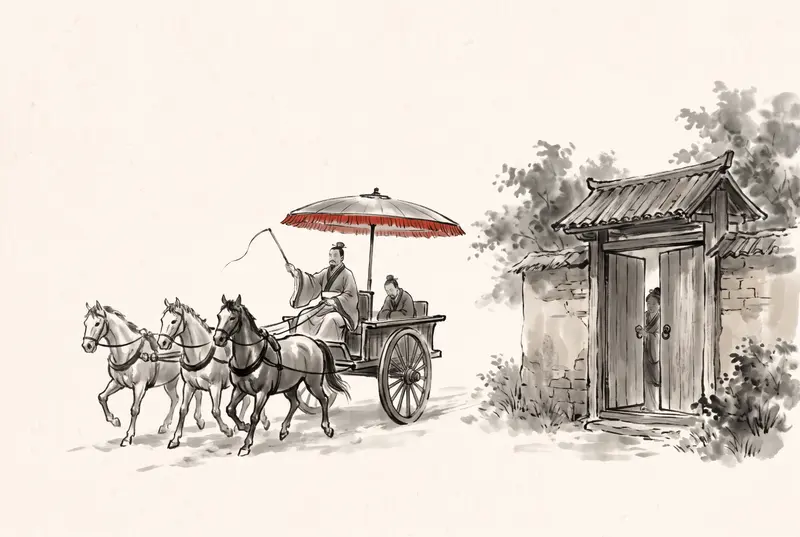
晏子為齊相,出,其御之妻從門閒而闚其夫。其夫為相御,擁大蓋,策駟馬,意氣揚揚甚自得也。既而歸,其妻請去。夫問其故。妻曰:「晏子長不滿六尺,身相齊國,名顯諸侯。今者妾觀其出,志念深矣,常有以自下者。今子長八尺,乃為人仆御,然子之意自以為足,妾是以求去也。」其後夫自抑損。晏子怪而問之,御以實對。晏子薦以為大夫。
Kundoku (Japanese reading)
晏子斉の相と為り、出づ。其の御の妻、門間より其の夫を闚う。其の夫相の御と為り、大蓋を擁し、駟馬に策うち、意気揚揚として甚だ自得す。既にして帰る。其の妻去らんことを請う。夫其の故を問う。妻曰く、「晏子は長六尺に満たず、身は斉国に相として、名は諸侯に顕る。今者妾其の出づるを観るに、志念深く、常に以て自ら下る者有り。今子は長八尺、乃ち人の僕御と為る。然るに子の意自ら以て足れりと為す。妾是を以て去らんことを求むるなり」と。其の後夫自ら抑損す。晏子怪しみて之を問う。御実を以て対う。晏子薦めて以て大夫と為す。
Japanese
晏子が斉の宰相だったころのこと。外出のとき、御者の妻が門のすき間から夫の様子をのぞいた。夫は宰相の御者として、大きな車の傘の下で四頭の馬にむちを当て、意気揚々として大いに得意になっていた。やがて帰ってくると、妻は離縁を願い出た。夫がわけを尋ねると、妻は言った。「晏子さまは背丈が六尺にも足りないのに、斉の宰相となり、その名は諸侯に知られています。ところが今日、お出かけの様子を見ますと、思いは深く、いつも自分を低くしておられました。あなたは背丈が八尺もありながら、人の御者をしているだけです。それなのに、あなたはすっかり満足している。だから私はお別れしたいのです」。それから夫は自分を抑えて謙虚になった。晏子が不思議に思って尋ねると、御者はありのままを答えた。晏子は彼を推薦して大夫にした。
English
When Master Yan was chancellor of Qi, he once went out, and his driver's wife peeped at her husband through a crack in the gate. As the chancellor's driver he sat under the great canopy, whipping up the four horses, in high spirits and very pleased with himself. When he came home, his wife asked to leave him. He asked why. She said: "Master Yan is not even six feet tall, yet he is chancellor of Qi and famous among the lords. Today I watched him go out. His thoughts were deep, and he carried himself humbly. You are eight feet tall, and you are only another man's driver, yet you seem to think that is quite enough. That is why I want to leave." After that, the man held himself in check. Master Yan wondered at this and asked him about it, and the driver told him the truth. Master Yan recommended him, and he was made a minister.
Notes (JA)
- 六尺・八尺: 当時の一尺は約23cmとすると、約140cmと約184cm。
- 大蓋: 馬車に立てる大きな傘。
- 駟馬: 四頭立ての馬車。
- 大夫: 君主に仕える高位の官。
Notes (EN)
- Six feet, eight feet: the old Chinese foot was about 23 cm, so roughly 140 cm and 184 cm.
- Canopy (大蓋): a large parasol mounted on the carriage.
- Minister (大夫): a high official in the service of a ruler.
Idioms from this passage: In high spirits 意気揚々
Word notes
- canopy/ˈkænəpi/noun
a cloth or cover held above a seat
In the text: “under the great canopy”
Similar words: awning — a cover that gives shade · parasol — a sunshade
Passage 8
Original
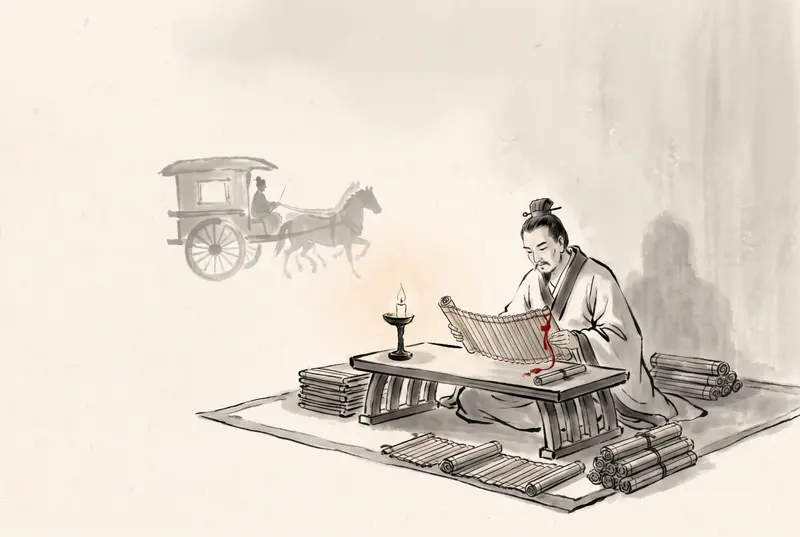
太史公曰:吾讀管子牧民、山高、乘馬、輕重、九府,及晏子春秋,詳哉其言之也。既見其著書,欲觀其行事,故次其傳。至其書,世多有之,是以不論,論其軼事。管仲世所謂賢臣,然孔子小之。豈以為周道衰微,桓公既賢,而不勉之至王,乃稱霸哉?語曰「將順其美,匡救其惡,故上下能相親也」。豈管仲之謂乎?方晏子伏莊公尸哭之,成禮然後去,豈所謂「見義不為無勇」者邪?至其諫說,犯君之顏,此所謂「進思盡忠,退思補過」者哉!假令晏子而在,余雖為之執鞭,所忻慕焉。
Kundoku (Japanese reading)
太史公曰く、吾管子の牧民・山高・乗馬・軽重・九府、及び晏子春秋を読むに、詳らかなるかな其の之を言うや。既に其の著書を見て、其の行事を観んと欲す。故に其の伝を次す。其の書に至りては、世に多く之有り。是を以て論ぜず、其の軼事を論ず。管仲は世の所謂賢臣なり。然るに孔子之を小とす。豈に周道衰微し、桓公既に賢なるに、之を勉めて王に至らしめずして、乃ち覇を称するを以てならんか。語に曰く、「其の美を将順し、其の悪を匡救す。故に上下能く相親しむなり」と。豈に管仲の謂いか。方に晏子荘公の尸に伏して之を哭し、礼を成して然る後に去るは、豈に所謂「義を見て為さざるは勇無し」なる者か。其の諫説に至りては、君の顔を犯す。此れ所謂「進みては忠を尽くさんことを思い、退きては過ちを補わんことを思う」者なるかな。仮令晏子にして在らば、余之が為に鞭を執ると雖も、忻慕する所なり。
Japanese
太史公は言う。私は『管子』の牧民・山高・乗馬・軽重・九府の諸篇と『晏子春秋』を読んだ。その説くところは実に詳しい。著書を読むと、今度はその行いを知りたくなったので、この伝を書いた。著書は世に多く出回っているから論じず、書かれていない逸話を取り上げた。管仲は世にいう賢臣である。しかし孔子は彼を小さいと評した。周の道が衰え、桓公も賢かったのに、彼を励まして王者にまで導かず、覇者にとどめたからだろうか。「君主の美点は後押しし、悪い点は正して救う。だから上下が親しみ合える」という言葉があるが、これは管仲のことではなかろうか。晏子は、荘公が殺されたとき、遺体に伏して泣き、礼を尽くしてから立ち去った。これこそ「正しいと知りながら行わないのは勇気がない」ということの逆を行ったものだろう。そして諫めるときは、主君の怒りも恐れなかった。これこそ「進んでは忠を尽くすことを思い、退いては過ちを補うことを思う」人である。もし晏子が今も生きていたら、私はその御者となって鞭を取ることさえ、喜んで望むだろう。
English
The Grand Historian says: I have read the "Shepherding the People," "Mountain Heights," "Chariots," "Light and Heavy" and "Nine Treasuries" chapters of the Guanzi, and the Annals of Master Yan. How detailed they are! Having seen their writings, I wished to see their deeds, and so I have set out these lives. Their books are widely available, so I do not discuss them here; I tell instead the stories those books leave out. Guan Zhong is what the world calls a worthy minister, yet Confucius thought him small. Was it because the Way of Zhou had declined, and Duke Huan, though able, was not urged on to true kingship, but only called a hegemon? There is a saying: "Support what is good in your ruler and correct what is bad, and high and low will be close." Does this not describe Guan Zhong? When Master Yan lay on the body of Duke Zhuang and wept, and left only when the rites were done, was this not the opposite of the man who "sees what is right and lacks the courage to do it"? And when he remonstrated, he risked his ruler's anger. Here indeed was one who "in office thinks of being loyal, and out of office thinks of mending faults." If Master Yan were alive today, I would gladly hold the whip as his driver, so much do I admire him.
Notes (JA)
- 孔子之を小とす: 『論語』八佾篇の「管仲の器は小なるかな」を指す。
- 將順: 美点に従い、助けて進める。
- 莊公の尸: 荘公は重臣の崔杼に殺された。晏子は危険を顧みず、遺体に伏して泣いた。
- 見義不為無勇: 『論語』為政篇。
- 執鞭: 御者になること。自分を低くしてでも仕えたいという敬慕の表現。
Notes (EN)
- Thought him small: Analects 3.22, "How small a vessel Guan Zhong was!"
- Duke Zhuang was murdered by his minister Cui Zhu. Master Yan, at the risk of his life, wept over the body.
- "Sees what is right...": Analects 2.24.
- Hold the whip (執鞭): to serve as someone's driver, an expression of deep admiration.
Word notes
- remonstrate/ˈrɛmənˌstreɪt/verb
to protest and try to correct someone in power
In the text: “when he remonstrated”
Similar words: protest — say you disagree · object — argue against
- admire/ədˈmaɪr/verb
to respect someone very much
In the text: “so much do I admire him”
Similar words: look up to — respect · revere — respect deeply