Hereditary Houses · Vol. 58
The Hereditary House of King Xiao of Liang 梁孝王世家
The Prince Who Wanted the Throne 帝果殺吾子
The story of Liu Wu, King Xiao of Liang, Emperor Jing's full brother and the favourite son of Empress Dowager Dou. Over wine, Emperor Jing told him he would pass the throne to him; the king knew it was not meant, yet was secretly delighted. In the Rebellion of the Seven States he held his capital, Suiyang, and had Han Anguo and others hold back Wu and Chu, playing a great part in crushing the revolt. With his rich lands he built an Eastern Park three hundred li around, flew the emperor's banners and had his road cleared like the Son of Heaven. When Emperor Jing deposed his heir, the empress dowager wanted Liang to succeed, but Yuan Ang and others opposed it. In his anger the king and his men Yang Sheng and Gongsun Gui had Yuan Ang and over ten other ministers assassinated, and the emperor was furious. The king slipped into the capital in a plain cart and knelt at the executioner's block to beg forgiveness, and mother and sons wept together, but the emperor never trusted him again. When he died of a fever, the empress dowager cried, "The emperor has killed my son after all," and Emperor Jing divided Liang into five kingdoms for his five sons. Even after his death, his family fought over a treasured wine vessel.
This page has the scene "The Prince Who Wanted the Throne" from this volume, not the whole volume.
Audio
The audio is synthetic speech.
Video
Passage 1
Original
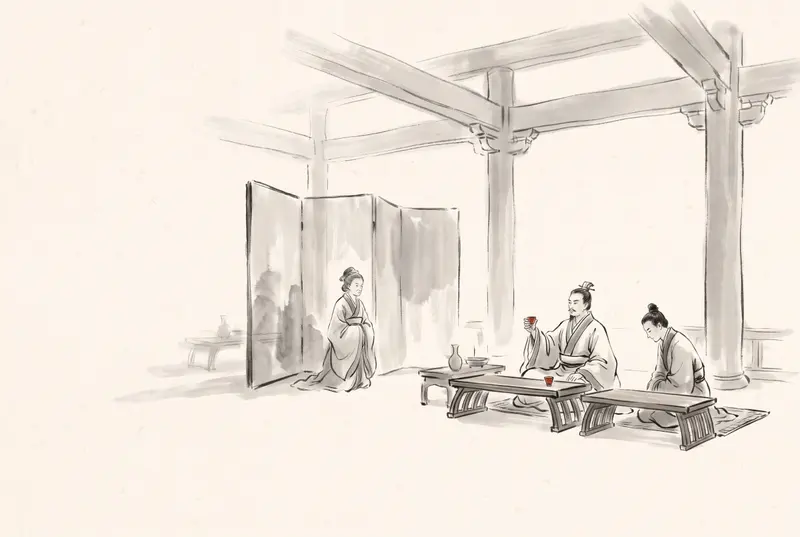
梁孝王武者,孝文皇帝子也,而與孝景帝同母。母,竇太后也。梁王十四年,入朝。十七年,十八年,比年入朝,留,其明年,乃之國。二十一年,入朝。二十二年,孝文帝崩。二十四年,入朝。二十五年,復入朝。是時上未置太子也。上與梁王燕飲,嘗從容言曰:「千秋萬歲後傳於王。」王辭謝。雖知非至言,然心內喜。太后亦然。
Kundoku (Japanese reading)
梁の孝王武は、孝文皇帝の子なり。而して孝景帝と母を同じくす。母は、竇太后なり。梁王十四年、入朝す。十七年、十八年、比年入朝し、留まり、其の明年、乃ち国に之く。二十一年、入朝す。二十二年、孝文帝崩ず。二十四年、入朝す。二十五年、復た入朝す。是の時上未だ太子を置かざるなり。上梁王と燕飲し、嘗て従容として言いて曰く、「千秋万歳の後王に伝えん」と。王辞謝す。至言に非ざるを知ると雖も、然れども心内に喜ぶ。太后も亦た然り。
Japanese
梁の孝王劉武は、孝文皇帝の子で、孝景帝と同じ母から生まれた。母は竇太后である。梁王の十四年、孝王は都に来て朝見した。十七年、十八年と続けて朝見し、そのまま都にとどまって、翌年ようやく国に帰った。二十一年にも朝見した。二十二年、孝文帝が亡くなった。二十四年に朝見し、二十五年にもまた朝見した。このとき帝(景帝)はまだ太子を立てていなかった。帝は梁王と酒宴を開き、くつろいだ折にこう言った。「わしが死んだら、王に位を伝えよう」。孝王は辞退したが、本心からの言葉ではないと知りながらも、内心は喜んだ。太后も同じだった。
English
Wu, King Xiao of Liang, was a son of Emperor Wen, and had the same mother as Emperor Jing. His mother was Empress Dowager Dou. In the fourteenth year of his reign as King of Liang, he came to court. In the seventeenth and eighteenth years he came to court year after year, staying on and returning to his kingdom only the following year. In the twenty-first year he came to court. In the twenty-second year Emperor Wen died. In the twenty-fourth year he came to court, and in the twenty-fifth year he came again. At that time the emperor had not yet named an heir. Once, drinking with the King of Liang, the emperor said lightly: "After a thousand autumns and ten thousand years, I will pass the throne to you." The king declined, and though he knew it was not meant in earnest, in his heart he was glad. So was the empress dowager.
Notes (JA)
- 梁孝王: 文帝の子で、景帝の同母弟。母の竇太后に最も愛された(049-waiqi の章)。
- 千秋萬歲後: 千年万年の後。自分が死んだ後をいう遠回しな言い方。
- この話は魏其武安侯列伝にも出てきて、竇嬰が「天下は高祖の天下だ」といさめた(107-dou-ying の章)。
Notes (EN)
- King Xiao of Liang: Emperor Wen's son and Emperor Jing's full brother, Empress Dowager Dou's favourite (chapter 049).
- After a thousand autumns (千秋萬歲後): a polite way of saying "after my death".
- The same scene appears in chapter 107, where Dou Ying objects that the realm is Gaozu's realm.
Word notes
- earnest/ˈɜrnɪst/noun
in earnest: seriously meant, not as a joke
In the text: “not meant in earnest”
Similar words: seriously — not joking · sincerely — truly meant
- decline/dɪˈklaɪn/verb
to refuse something politely
In the text: “The king declined”
Similar words: refuse — say no · turn down — not accept
Passage 2
Original
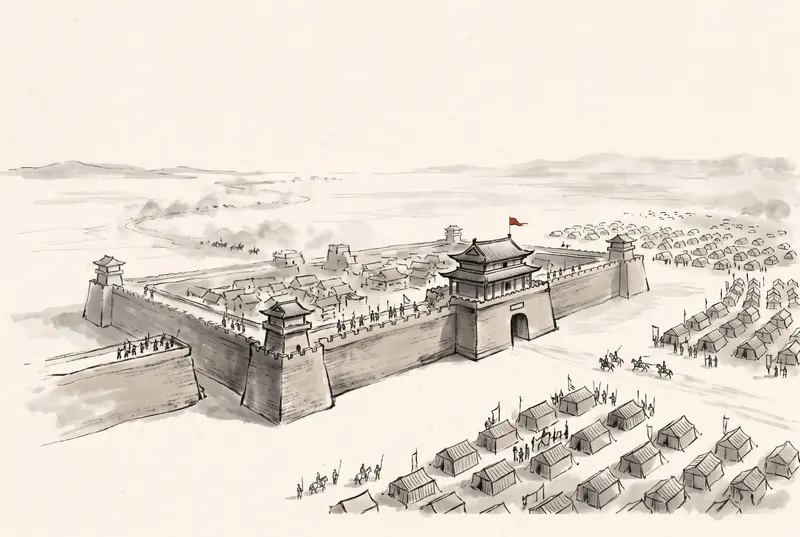
其春,吳楚齊趙七國反。吳楚先擊梁棘壁,殺數萬人。梁孝王城守睢陽,而使韓安國、張羽等為大將軍,以距吳楚。吳楚以梁為限,不敢過而西,與太尉亞夫等相距三月。吳楚破,而梁所破殺虜略與漢中分。明年,漢立太子。其後梁最親,有功,又為大國,居天下膏腴地。地北界泰山,西至高陽,四十餘城,皆多大縣。
Kundoku (Japanese reading)
其の春、呉・楚・斉・趙七国反す。呉楚先ず梁の棘壁を撃ち、数万人を殺す。梁の孝王睢陽に城守し、而して韓安国・張羽等をして大将軍と為し、以て呉楚を距がしむ。呉楚梁を以て限りと為し、敢えて過ぎて西せず、太尉亜夫等と相距ぐこと三月。呉楚破れ、而して梁の破殺虜略する所は漢と中分す。明年、漢太子を立つ。其の後梁最も親しく、功有り、又大国為り、天下の膏腴の地に居る。地は北は泰山に界し、西は高陽に至る。四十余城、皆多くは大県なり。
Japanese
その春、呉・楚・斉・趙など七国が背いた。呉と楚はまず梁の棘壁を攻め、数万人を殺した。梁の孝王は都の睢陽の城を守り、韓安国や張羽らを大将軍にして、呉と楚の軍を防がせた。呉と楚は梁にはばまれて、それ以上西へ進むことができず、太尉の周亜夫らと三か月にらみ合った。呉と楚が破れると、梁が打ち破り、殺し、捕らえた敵の数は、漢の軍と半々だった。翌年、漢は太子を立てた。その後、梁は帝に最も近い肉親で、手柄もあり、しかも大国で、天下で最も肥えた土地を治めていた。領地は北は泰山に接し、西は高陽に至り、四十あまりの城の多くは大きな県だった。
English
That spring the seven states of Wu, Chu, Qi, Zhao and the rest rebelled. Wu and Chu first attacked Jibi in Liang and killed tens of thousands. King Xiao of Liang held the walls of Suiyang, and made Han Anguo, Zhang Yu and others his generals to hold back Wu and Chu. Wu and Chu could get no further than Liang and did not dare to go west, and faced the grand commandant Zhou Yafu and the others for three months. When Wu and Chu were defeated, Liang had killed, captured and seized as many as the Han armies. The next year Han named an heir. After that, Liang was the emperor's closest kin, had done great service, and was a large kingdom besides, holding the richest land in the realm. Its borders reached Mount Tai to the north and Gaoyang to the west, with more than forty cities, most of them large counties.
Notes (JA)
- 睢陽: 梁の都。今の河南省商丘市。
- 韓安國・張羽: 梁の将軍。韓安国は持重して守り、張羽は力戦した(108-han-anguo の章)。
- 呉楚七国の乱で、梁は呉楚の軍の西進を食い止める防波堤となった(106-liu-pi の章)。
Notes (EN)
- Suiyang (睢陽): the capital of Liang, present-day Shangqiu in Henan.
- Han Anguo and Zhang Yu: Liang's generals, one steady in defence, one fierce in attack (chapter 108).
- Liang was the breakwater that stopped Wu and Chu (chapter 106).
Word notes
- rebel/rɪˈbɛl/verb
to fight against the ruler or government
In the text: “and the rest rebelled”
Similar words: revolt — rise up · rise — take up arms
- county/ˈkaʊnti/noun
a district of a country with its own local government
In the text: “most of them large counties”
Similar words: district — area of a country · prefecture — local region
Passage 3
Original
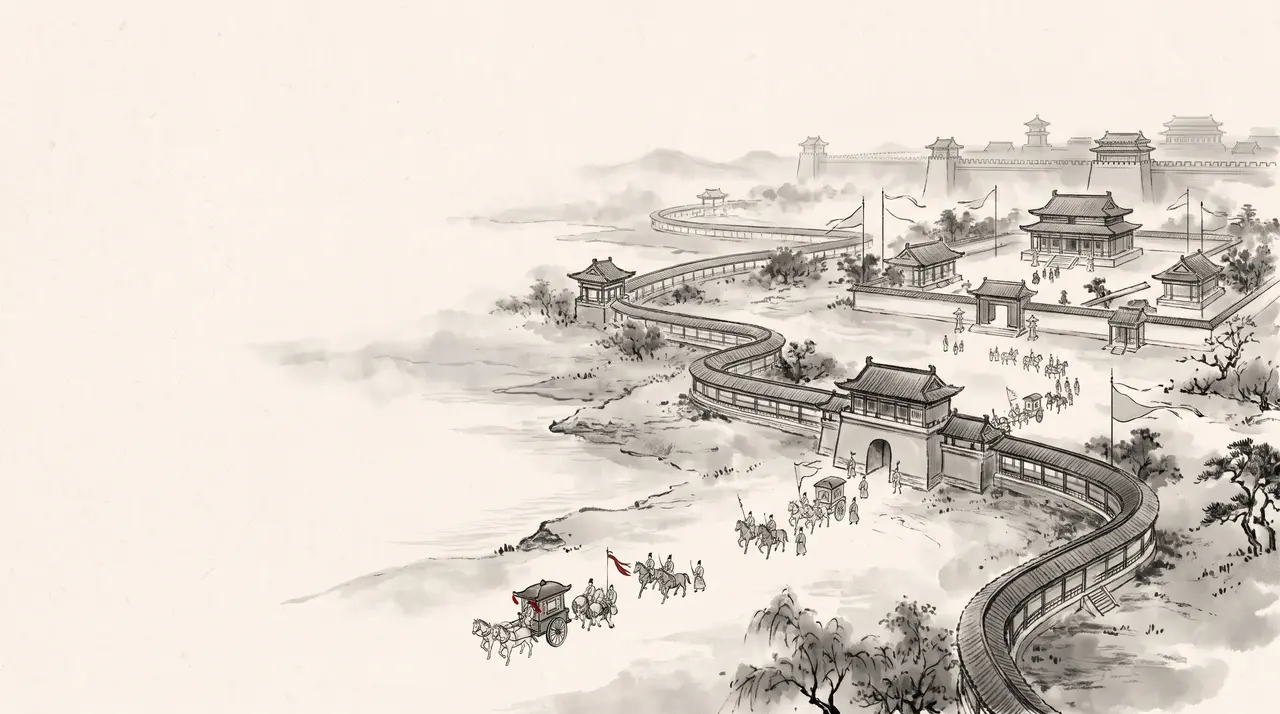
孝王,竇太后少子也,愛之,賞賜不可勝道。於是孝王筑東苑,方三百餘里。廣睢陽城七十里。大治宮室,為複道,自宮連屬於平臺三十餘里。得賜天子旌旗,出從千乘萬騎。東西馳獵,擬於天子。出言蹕,入言警。招延四方豪桀,自山以東游說之士。莫不畢至,齊人羊勝、公孫詭、鄒陽之屬。公孫詭多奇邪計,初見王,賜千金,官至中尉,梁號之曰公孫將軍,梁多作兵器弩弓矛數十萬,而府庫金錢且百巨萬,珠玉寶器多於京師。
Kundoku (Japanese reading)
孝王は、竇太后の少子なり。之を愛し、賞賜勝げて道うべからず。是に於いて孝王東苑を築く。方三百余里。睢陽城を広むること七十里。大いに宮室を治め、複道を為り、宮より平台に連属すること三十余里。天子の旌旗を賜わるを得て、出づれば千乗万騎を従え、東西に馳猟し、天子に擬す。出づれば蹕と言い、入れば警と言う。四方の豪桀を招延す。山より以東の游説の士、畢く至らざる莫し。斉人羊勝・公孫詭・鄒陽の属なり。公孫詭奇邪の計多し。初めて王に見ゆるに、千金を賜い、官中尉に至る。梁之を号して公孫将軍と曰う。梁多く兵器弩弓矛数十万を作り、而して府庫の金銭且に百巨万ならんとし、珠玉宝器京師より多し。
Japanese
孝王は竇太后の末の子で、太后にかわいがられ、与えられた褒美は数えきれなかった。そこで孝王は東苑という庭園を築いた。広さは三百里四方あまりもあった。睢陽の城を七十里も広げ、宮殿を盛んに建て、二階建ての渡り廊下で宮殿から平台まで三十里あまりもつないだ。天子の旗を賜ることを許され、外出すれば千台の車と一万の騎兵を従え、東へ西へと馬を走らせて狩りをし、天子をまねた。出かけるときは先払いの声をかけ、帰るときは警戒の声をかけさせた。四方の豪傑を招き寄せ、山東の遊説の士で来ない者はいなかった。斉の羊勝・公孫詭・鄒陽らである。公孫詭は奇抜で怪しい計略を多くもっていた。はじめて孝王に会ったとき千金を与えられ、官は中尉にまでなった。梁では公孫将軍と呼ばれた。梁は弩や弓や矛などの武器を数十万も作り、蔵の金銭は百億近くにもなり、宝玉や宝物は都よりも多かった。
English
King Xiao was Empress Dowager Dou's youngest son, and she loved him and gave him rewards beyond counting. So King Xiao built the Eastern Park, over three hundred li around. He extended the walls of Suiyang by seventy li, built palaces on a grand scale, and a covered double walkway that ran more than thirty li from his palace to the Pingtai terrace. He was granted the banners of the Son of Heaven; when he went out, a thousand chariots and ten thousand horsemen followed him, and he galloped east and west hunting, just like the emperor. When he went out, the road was cleared; when he came in, the guards were called. He invited bold men from every quarter, and every travelling persuader from east of the mountains came to him: Yang Sheng, Gongsun Gui and Zou Yang of Qi, and their like. Gongsun Gui was full of strange and crooked schemes. When he first saw the king, he was given a thousand gold and rose to be capital commandant; in Liang he was called General Gongsun. Liang made hundreds of thousands of weapons, crossbows, bows and spears; its treasuries held nearly ten thousand million in coin, and it had more pearls, jade and treasures than the capital.
Notes (JA)
- 東苑: 梁孝王が築いた大庭園。のちに「梁園」として文人の集まる場所として知られ、司馬相如もここに招かれた(117-sima-xiangru の章)。
- 複道: 上下二層の渡り廊下。
- 蹕・警: 天子の外出と帰還のときだけに許された先払いと警戒の呼び声(108-han-anguo の章)。
- 鄒陽: 梁に仕えた文人。のちに獄中から書を上って許された。
Notes (EN)
- The Eastern Park (東苑): later famous as the Liang Garden, gathering place of writers, where Sima Xiangru too was a guest (chapter 117).
- Covered double walkway (複道): a two-level gallery.
- Clearing the road and calling the guards: privileges of the emperor alone (chapter 108).
Word notes
- extend/ɪkˈstɛnd/verb
to make something longer or larger
In the text: “He extended the walls of Suiyang”
Similar words: enlarge — make bigger · lengthen — make longer
- treasury/ˈtrɛʒəri/noun
a place where money and valuables are kept
In the text: “its treasuries held”
Similar words: vault — safe room · storehouse — place for goods
Passage 4
Original
二十九年十月,梁孝王入朝。景帝使使持節乘輿駟馬,迎梁王於關下。既朝,上疏因留,以太后親故。王入則侍景帝同輦,出則同車游獵,射禽獸上林中。梁之侍中、郎、謁者著籍引出入天子殿門,與漢宦官無異。十一月,上廢栗太子,竇太后心欲以孝王為後嗣。大臣及袁盎等有所關說於景帝,竇太后義格,亦遂不復言以梁王為嗣事由此。以事秘,世莫知。乃辭歸國。
Kundoku (Japanese reading)
二十九年十月、梁の孝王入朝す。景帝使いをして節を持し乗輿の駟馬もて、梁王を関下に迎えしむ。既に朝し、上疏して因りて留まる。太后の親しきを以ての故なり。王入れば則ち景帝に侍して輦を同じくし、出づれば則ち車を同じくして游猟し、禽獣を上林の中に射る。梁の侍中・郎・謁者籍を著けて引かれて天子の殿門に出入し、漢の宦官と異なる無し。十一月、上栗太子を廃す。竇太后心に孝王を以て後嗣と為さんと欲す。大臣及び袁盎等景帝に関説する所有り。竇太后の義格まり、亦た遂に復た梁王を以て嗣と為すの事を言わざるは此れに由る。事秘なるを以て、世知る莫し。乃ち辞して国に帰る。
Japanese
二十九年の十月、梁の孝王が朝見に来た。景帝は使者に割り符を持たせ、天子の乗る四頭立ての車で、函谷関のふもとまで梁王を迎えに行かせた。朝見が終わると、孝王は上書してそのまま都にとどまった。太后の愛する子だったからである。孝王は宮中では景帝に付き従って同じ手押し車に乗り、外では同じ車に乗って狩りをし、上林苑で鳥や獣を射た。梁の侍中・郎・謁者たちも名簿に登録されて天子の宮殿の門を出入りし、漢の宦官と変わりがなかった。十一月、帝は栗太子を廃した。竇太后は心の中で、孝王を跡継ぎにしたいと思っていた。しかし大臣や袁盎らが景帝に意見を述べ、竇太后の考えははばまれて、二度と梁王を跡継ぎにする話を口にしなくなったのは、このためだった。このことは秘密にされたので、世の人は知らなかった。孝王は暇ごいをして国に帰った。
English
In the tenth month of the twenty-ninth year, King Xiao of Liang came to court. Emperor Jing sent envoys with staffs of office and his own four-horse carriage to meet him at the foot of the pass. After the audience, the king asked by letter to stay on, which he could do because of the empress dowager's love for him. Inside the palace he rode in the same hand carriage as Emperor Jing; outside, he rode in the same chariot to hunt, shooting birds and beasts in the Shanglin park. Liang's palace attendants, gentlemen and ushers were entered in the registers and went in and out of the gates of the emperor's hall just like the Han eunuchs. In the eleventh month the emperor deposed his heir, the son of Lady Li. In her heart Empress Dowager Dou wanted King Xiao to be the heir. But the ministers, Yuan Ang among them, spoke against it to Emperor Jing; the empress dowager's wish was blocked, and that was why she never again spoke of making the King of Liang heir. Because the matter was kept secret, the world did not know of it. The king took his leave and went back to his kingdom.
Notes (JA)
- 同輦: 皇帝と同じ手押し車に乗ること。最高の親しさを示す。
- 栗太子: 景帝の長男劉栄。母の栗姫が失脚して廃された(049-waiqi の章)。
- 袁盎: 孝王を跡継ぎにすることに反対した大臣。これがもとで暗殺される(101-yuan-ang-chao-cuo の章)。
Notes (EN)
- The same hand carriage (同輦): the greatest mark of intimacy with the emperor.
- The deposed heir: Liu Rong, son of Lady Li (chapter 049).
- Yuan Ang (袁盎): the minister who opposed Liang's claim and was murdered for it (chapter 101).
Word notes
- register/ˈrɛdʒɪstər/noun
an official list of names
In the text: “entered in the registers”
Similar words: roll — list of names · record — written list
- depose/dɪˈpoʊz/verb
to remove someone from a high position
In the text: “the emperor deposed his heir”
Similar words: remove — take away · oust — force out
Passage 5
Original
其夏四月,上立膠東王為太子。梁王怨袁盎及議臣,乃與羊勝、公孫詭之屬陰使人刺殺袁盎及他議臣十餘人。逐其賊,未得也。於是天子意梁王,逐賊,果梁使之。乃遣使冠蓋相望於道,覆按梁,捕公孫詭、羊勝。公孫詭、羊勝匿王後宮。使者責二千石急,梁相軒丘豹及內史韓安國進諫王,王乃令勝、詭皆自殺,出之。上由此怨望於梁王。梁王恐,乃使韓安國因長公主謝罪太后,然后得釋。
Kundoku (Japanese reading)
其の夏四月、上膠東王を立てて太子と為す。梁王袁盎及び議臣を怨み、乃ち羊勝・公孫詭の属と陰かに人をして袁盎及び他の議臣十余人を刺殺せしむ。其の賊を逐うも、未だ得ず。是に於いて天子梁王を意い、賊を逐うに、果たして梁之を使えり。乃ち使いを遣わすこと冠蓋道に相望み、梁を覆按し、公孫詭・羊勝を捕えしむ。公孫詭・羊勝王の後宮に匿る。使者二千石を責むること急なり。梁の相軒丘豹及び内史韓安国進みて王を諫む。王乃ち勝・詭をして皆自殺せしめ、之を出だす。上此れに由りて梁王を怨望す。梁王恐れ、乃ち韓安国をして長公主に因りて罪を太后に謝せしめ、然る後に釈かるるを得たり。
Japanese
その夏の四月、帝は膠東王(のちの武帝)を太子に立てた。梁王は袁盎と、反対を唱えた大臣たちを恨み、羊勝・公孫詭らとはかって、ひそかに刺客を送り、袁盎とほかの大臣十人あまりを刺し殺させた。下手人を追ったが捕まらなかった。天子は梁王の仕業ではないかと疑い、下手人を追及すると、果たして梁が差し向けたものだった。そこで使者を次々と送り、その冠と車の覆いが道に続いて見えるほどで、梁を取り調べ、公孫詭と羊勝を捕らえさせようとした。公孫詭と羊勝は王の後宮に隠れていた。使者は梁の高官たちを厳しく責め立てた。梁の宰相の軒丘豹と内史の韓安国が進み出て王をいさめたので、王は羊勝と公孫詭に自殺させて差し出した。帝はこのことで梁王を恨んだ。梁王は恐れて、韓安国に長公主を通じて太后に罪をわびさせ、ようやく許された。
English
In the fourth month of that summer the emperor made the King of Jiaodong his heir. The King of Liang bore a grudge against Yuan Ang and the ministers who had spoken against him, and with Yang Sheng, Gongsun Gui and their like he secretly sent men to stab to death Yuan Ang and more than ten other ministers. The killers were hunted, but not caught. The emperor suspected the King of Liang, and when the killers were traced, it was indeed Liang that had sent them. So envoys were sent one after another, their caps and carriage canopies in sight of each other all along the road, to investigate Liang and arrest Gongsun Gui and Yang Sheng. They were hiding in the king's harem. The envoys pressed the high officials of Liang hard. Xuanqiu Bao, the chancellor of Liang, and Han Anguo, its chief minister, came forward to remonstrate with the king, and the king had Yang Sheng and Gongsun Gui kill themselves and handed them over. From then on the emperor resented the King of Liang. The king was afraid, and had Han Anguo apologise to the empress dowager through the eldest princess, and only then was he forgiven.
Notes (JA)
- 膠東王: 王夫人の子、劉徹。のちの武帝(049-waiqi の章)。
- 冠蓋相望: 使者の冠や車の覆いが道に次々と見えるほど、使者が絶え間なく送られること。
- 韓安國: 泣いて梁王をいさめ、羊勝・公孫詭を差し出させた(108-han-anguo の章)。
- 長公主: 景帝の姉の館陶公主。母の竇太后に取りなした。
Notes (EN)
- The King of Jiaodong: Liu Che, son of Lady Wang, the future Emperor Wu (chapter 049).
- Caps and canopies in sight of each other (冠蓋相望): envoys sent without pause.
- Han Anguo wept as he persuaded the king to give the two men up (chapter 108).
- The eldest princess: Princess Guantao, who interceded with their mother.
Word notes
- grudge/ɡrʌdʒ/noun
a lasting feeling of anger at someone
In the text: “bore a grudge”
Similar words: resentment — bitter feeling · ill will — dislike
- remonstrate/ˈrɛmənˌstreɪt/verb
to argue against what someone is doing
In the text: “came forward to remonstrate with the king”
Similar words: protest — object · object — say it is wrong
Passage 6
Original
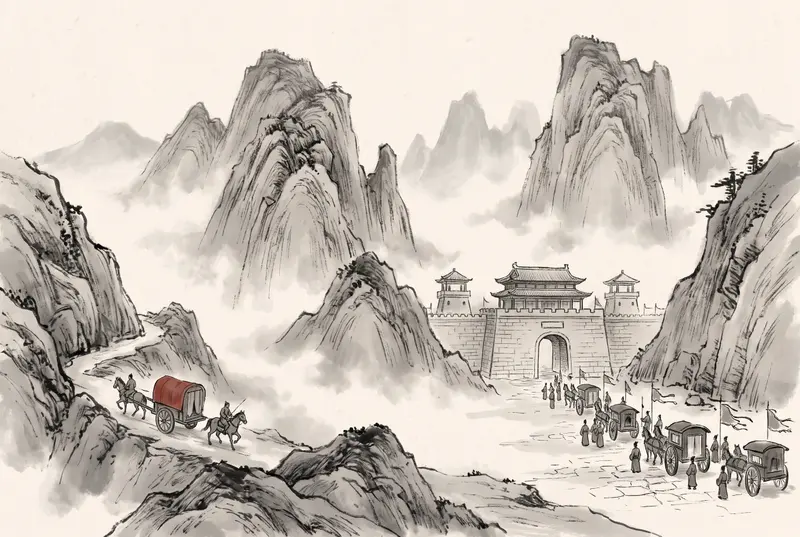
上怒稍解,因上書請朝。既至關,茅蘭說王,使乘布車,從兩騎入,匿於長公主園。漢使使迎王,王已入關,車騎盡居外,不知王處。太后泣曰:「帝殺吾子!」景帝憂恐。於是梁王伏斧質於闕下,謝罪,然後太后、景帝大喜,相泣,復如故。悉召王從官入關。然景帝益疏王,不同車輦矣。
Kundoku (Japanese reading)
上の怒り稍く解け、因りて書を上りて朝せんことを請う。既に関に至る。茅蘭王に説き、布車に乗り、両騎を従えて入らしめ、長公主の園に匿る。漢使いをして王を迎えしむ。王已に関に入り、車騎尽く外に居り、王の処を知らず。太后泣きて曰く、「帝吾が子を殺せり」と。景帝憂恐す。是に於いて梁王斧質に闕下に伏し、罪を謝す。然る後に太后・景帝大いに喜び、相泣き、復た故の如し。悉く王の従官を召して関に入れしむ。然れども景帝益々王を疏んじ、車輦を同じくせず。
Japanese
帝の怒りが少しおさまると、梁王は上書して朝見を願い出た。函谷関まで来ると、家臣の茅蘭が王に説いて、粗末な布張りの車に乗せ、騎兵二騎だけを従えてひそかに関所に入らせ、長公主の庭園に身を隠させた。漢は使者を出して王を迎えに行かせたが、王はすでに関所に入っていて、供の車や騎兵は皆関所の外に残っており、王の居場所が分からなかった。太后は泣いて言った。「帝がわが子を殺したのだ」。景帝は心配し恐れた。そこへ梁王が宮門の下で斧の台に身を伏せて罪をわびた。太后と景帝は大いに喜び、たがいに泣いて、もとのように仲直りした。王の家臣たちも皆呼び寄せて関所に入れた。しかし景帝はますます王を遠ざけ、同じ車に乗ることはなくなった。
English
When the emperor's anger had cooled a little, the king wrote asking to come to court. When he reached the pass, Mao Lan persuaded him to ride in a plain cloth-covered cart with only two horsemen, slip in, and hide in the eldest princess's garden. The Han court sent envoys to meet the king, but he had already passed through, his carriages and horsemen were all waiting outside, and no one knew where he was. The empress dowager wept: "The emperor has killed my son!" Emperor Jing was worried and afraid. Then the King of Liang knelt at the executioner's block below the palace gate and begged forgiveness. The empress dowager and Emperor Jing were overjoyed; they wept together, and all was as before. All the king's attendants were called in through the pass. But from then on Emperor Jing kept his brother at a distance and no longer rode in the same carriage with him.
Notes (JA)
- 布車: 布で覆った粗末な車。罪人として身を慎むことを示した。
- 斧質: 斧と、首を斬るときの台。そこに伏すのは、死罪を受ける覚悟を示す謝罪。
- 茅蘭の策は、太后の心配をあおって許しを引き出すための芝居だったとも読める。
Notes (EN)
- A plain cloth-covered cart (布車): a sign of a man in disgrace.
- The executioner's block (斧質): kneeling there showed readiness to die for his crime.
- Mao Lan's plan can be read as theatre, stirring the empress dowager's fears to win a pardon.
Word notes
- executioner/ˌɛksɪˈkjuʃənər/noun
a person whose job is to carry out death sentences
In the text: “knelt at the executioner's block”
Similar words: headsman — one who beheads · hangman — one who hangs
- overjoyed/ˌoʊvərˈdʒɔɪd/adjective
extremely happy
In the text: “were overjoyed”
Similar words: delighted — very pleased · elated — full of joy
Passage 7
Original
三十五年冬,復朝。上疏欲留,上弗許。歸國,意忽忽不樂。北獵良山,有獻牛,足出背上,孝王惡之。六月中,病熱,六日卒,謚曰孝王。孝王慈孝,每聞太后病,口不能食,居不安寢,常欲留長安侍太后。太后亦愛之。及聞梁王薨,竇太后哭極哀,不食,曰:「帝果殺吾子!」景帝哀懼,不知所為。與長公主計之,乃分梁為五國,盡立孝王男五人為王,女五人皆食湯沐邑。於是奏之太后,太后乃說,為帝加壹湌。
Kundoku (Japanese reading)
三十五年冬、復た朝す。上疏して留まらんと欲す。上許さず。国に帰り、意忽忽として楽しまず。北のかた良山に猟す。牛を献ずる有り。足背上に出づ。孝王之を悪む。六月中、熱を病み、六日にして卒す。謚して孝王と曰う。孝王は慈孝にして、太后の病むを聞く毎に、口食らう能わず、居りて寝ぬるに安んぜず、常に長安に留まりて太后に侍せんと欲す。太后も亦た之を愛す。梁王の薨ずるを聞くに及び、竇太后哭すること極めて哀しく、食らわずして、曰く、「帝果たして吾が子を殺せり」と。景帝哀懼して、為す所を知らず。長公主と之を計り、乃ち梁を分かちて五国と為し、尽く孝王の男五人を立てて王と為し、女五人も皆湯沐の邑を食ましむ。是に於いて之を太后に奏す。太后乃ち説び、帝の為に壱湌を加う。
Japanese
三十五年の冬、孝王はまた朝見に来て、上書してとどまりたいと願ったが、帝は許さなかった。国に帰ると、王は気がふさいで楽しまなかった。北の良山で狩りをしていると、背中から足が生えた牛を献上する者がいて、孝王はこれを不吉に思った。六月に熱病にかかり、六日で亡くなった。諡を孝王という。孝王は情け深く孝行で、太后が病気だと聞くたびに、食事ものどを通らず、夜も落ち着いて眠れず、いつも長安にとどまって太后に付き添いたいと思っていた。太后もまた孝王をかわいがった。梁王が亡くなったと聞くと、竇太后はひどく悲しんで泣き、食事をとらずに言った。「帝はやはりわが子を殺したのだ」。景帝は悲しみ恐れて、どうしてよいか分からなかった。長公主と相談して、梁を五つの国に分け、孝王の五人の息子を皆王に立て、五人の娘にも皆領地の収入を与えた。そしてそれを太后に申し上げると、太后はようやく喜び、帝のために一度食事をとった。
English
In the winter of the thirty-fifth year he came to court again and asked by letter to stay, but the emperor would not allow it. He went home to his kingdom, gloomy and unhappy. Hunting at Mount Liang in the north, he was presented with an ox that had a leg growing out of its back, and King Xiao took it as an evil omen. In the sixth month he fell ill with a fever and died six days later. He was given the name Xiao, "Filial". King Xiao was loving and devoted to his mother. Whenever he heard the empress dowager was ill, he could not eat or sleep, and always wanted to stay in Chang'an to look after her. And she loved him too. When she heard that the King of Liang was dead, Empress Dowager Dou wept in the deepest grief, refused to eat, and said: "The emperor has killed my son after all!" Emperor Jing grieved and was afraid, and did not know what to do. He consulted the eldest princess, and divided Liang into five kingdoms, making all five of King Xiao's sons kings and giving all five of his daughters the revenues of estates. When this was reported to the empress dowager, she was pleased at last, and for the emperor's sake she ate a meal.
Notes (JA)
- 足出背上: 背中から足が生えた牛。異変の兆しとされた。
- 湯沐邑: 収入を身の回りの費用にあてるために与えられた領地。
- 梁を五つに分けたことは、母を慰めると同時に、強大な梁の力を弱める効果もあった。
Notes (EN)
- An ox with a leg on its back: an omen of disaster.
- Estates for their upkeep (湯沐邑): revenues granted for personal expenses.
- Dividing Liang both consoled their mother and broke up a dangerously strong kingdom.
Word notes
- omen/ˈoʊmən/noun
a sign of what will happen in the future
In the text: “an evil omen”
Similar words: sign — signal · portent — warning sign
- devoted/dɪˈvoʊtɪd/adjective
giving great love and care to someone
In the text: “loving and devoted to his mother”
Similar words: loyal — faithful · dedicated — committed
Passage 8
Original
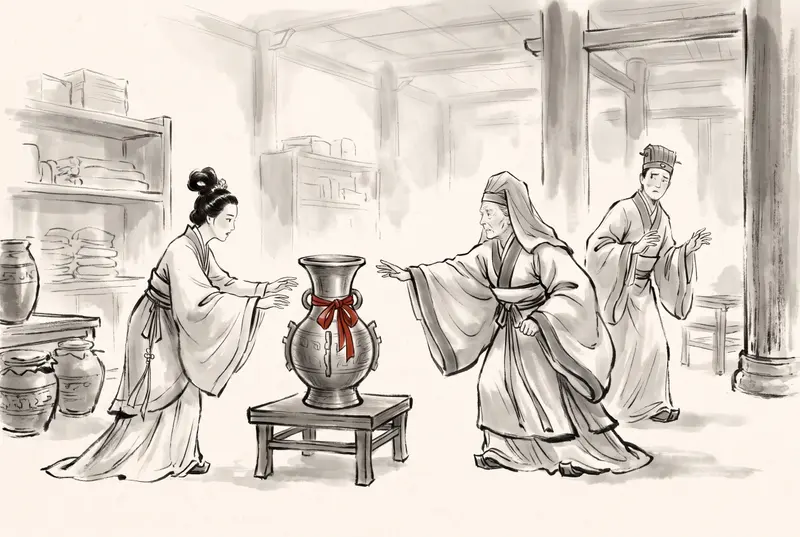
孝王未死時,財以巨萬計,不可勝數。及死,藏府餘黃金尚四十餘萬斤,他財物稱是。梁平王襄十四年,母曰陳太后。共王母曰李太后。李太后,親平王之大母也。而平王之后姓任,曰任王后。任王后甚有寵於平王襄。初,孝王在時,有罍樽,直千金。孝王誡後世,善保罍樽,無得以與人。任王后聞而欲得罍樽。平王大母李太后曰:「先王有命,無得以罍樽與人。他物雖百巨萬,猶自恣也。」任王后絕欲得之。平王襄直使人開府取罍樽,賜任王后。李太后大怒,漢使者來,欲自言,平王襄及任王后遮止,閉門,李太后與爭門,措指,遂不得見漢使者。李太后亦私與食官長及郎中尹霸等士通亂,而王與任王后以此使人風止李太后,李太后內有淫行,亦已。後病薨。病時,任后未嘗請病;薨,又不持喪。
Kundoku (Japanese reading)
孝王未だ死せざる時、財は巨万を以て計え、勝げて数うべからず。死するに及び、蔵府の余りの黄金尚お四十余万斤、他の財物も是に称う。梁の平王襄十四年、母は陳太后と曰う。共王の母は李太后と曰う。李太后は、親しく平王の大母なり。而して平王の后は姓は任、任王后と曰う。任王后甚だ平王襄に寵有り。初め、孝王在りし時、罍樽有り、直千金。孝王後世を誡め、善く罍樽を保ち、以て人に与うるを得る無からしむ。任王后聞きて罍樽を得んと欲す。平王の大母李太后曰く、「先王命有り、罍樽を以て人に与うるを得る無からしむと。他物は百巨万と雖も、猶お自ら恣にせよ」と。任王后絶えて之を得んと欲す。平王襄直ちに人をして府を開きて罍樽を取らしめ、任王后に賜う。李太后大いに怒る。漢の使者来たる。自ら言わんと欲す。平王襄及び任王后遮り止め、門を閉ず。李太后門を争い、指を措う。遂に漢の使者に見ゆるを得ず。李太后も亦た私かに食官長及び郎中尹霸等の士と通乱す。而して王と任王后此れを以て人をして李太后を風止せしむ。李太后内に淫行有り、亦た已む。後に病みて薨ず。病める時、任后未だ嘗て病を請わず。薨じて、又喪を持せず。
Japanese
孝王は生前、財産を億の単位で数え、とても数えきれないほどだった。死んだときも、蔵に残った黄金はまだ四十万斤あまりあり、ほかの財物もそれにふさわしいほどあった。(孝王の孫の)梁の平王襄の十四年。平王の母は陳太后といい、共王の母は李太后といった。李太后は平王の実の祖母である。平王の后は任という姓で、任王后といい、平王にたいそう寵愛されていた。はじめ孝王が生きていたころ、千金の値打ちがある罍樽(雷の文様の酒がめ)があった。孝王は子孫に「罍樽を大切に守り、決して人に与えてはならない」と戒めていた。任王后はこれを聞いて罍樽をほしがった。平王の祖母の李太后は言った。「先王のご命令で、罍樽を人に与えてはならないことになっています。ほかの物なら、百億の値打ちがあっても好きにしてかまいません」。任王后はどうしても罍樽がほしいと言い張った。平王襄はすぐに人に蔵を開けさせて罍樽を取り出し、任王后に与えてしまった。李太后はひどく怒った。漢の使者が来たとき、李太后は自ら訴えようとしたが、平王と任王后がさえぎって門を閉ざした。李太后は門を開けようと争って、指をはさまれ、とうとう漢の使者に会えなかった。李太后もまた、ひそかに食官の長や郎中の尹霸らと不義をはたらいていた。王と任王后はこのことを人に言わせて李太后をそれとなく黙らせたので、李太后も自分に後ろ暗いところがあるので、訴えるのをやめた。のちに李太后は病気で亡くなったが、病気のあいだ任王后は一度も見舞いに行かず、亡くなっても喪に服さなかった。
English
While King Xiao was alive, his wealth was counted in tens of millions, beyond reckoning. When he died, his treasuries still held more than four hundred thousand catties of gold, and other riches to match. In the fourteenth year of Xiang, King Ping of Liang, his mother was called Queen Dowager Chen, and the mother of King Gong was called Queen Dowager Li. Queen Dowager Li was King Ping's own grandmother. King Ping's queen was of the Ren family and was called Queen Ren; King Xiang loved her dearly. In King Xiao's time there had been a wine vessel decorated with thunder patterns worth a thousand gold. King Xiao had warned his descendants to keep it safe and never give it to anyone. Queen Ren heard of it and wanted it. King Ping's grandmother, Queen Dowager Li, said: "The late king commanded that the thunder vessel must never be given to anyone. Anything else you may have as you please, even if it is worth ten thousand million." Queen Ren was determined to have it. King Xiang at once had the treasury opened, took out the vessel, and gave it to Queen Ren. Queen Dowager Li was furious. When an envoy came from Han, she wanted to complain to him herself, but King Xiang and Queen Ren blocked her way and shut the gate. Queen Dowager Li fought them at the gate and caught her fingers in it, and in the end she could not see the Han envoy. But Queen Dowager Li had herself been secretly carrying on with the head of the kitchens, the gentleman Yin Ba and others, and the king and Queen Ren had someone hint at this to silence her. Knowing her own misconduct, she gave up. Later she fell ill and died. While she was ill, Queen Ren never once asked after her, and when she died, Queen Ren did not observe mourning.
Notes (JA)
- 罍樽: 雷の文様をつけた青銅の酒がめ。
- 平王襄: 孝王の孫。のちにこの事件が発覚し、梁は八つの城を削られ、任王后は処刑された(ここでは省く)。
- 大母: 祖母。
- 孝王の莫大な富と、それをめぐる子孫の争いを並べることで、司馬遷は梁の家の行く末を描いている。
Notes (EN)
- The thunder vessel (罍樽): a bronze wine vessel with thunder patterns.
- King Ping (平王襄): King Xiao's grandson; when the affair came out, Liang lost eight cities and Queen Ren was executed (left out here).
- Grandmother (大母).
- By setting King Xiao's vast wealth beside his heirs' quarrels, Sima Qian shows the fate of his house.
Word notes
- misconduct/mɪsˈkɑndʌkt/noun
bad or wrong behaviour
In the text: “her own misconduct”
Similar words: wrongdoing — bad acts · misbehaviour — bad behaviour
- mourning/ˈmɔrnɪŋ/noun
the customs of showing grief after a death
In the text: “did not observe mourning”
Similar words: grief — deep sorrow · lament — show of sorrow
Passage 9
Original
太史公曰:梁孝王雖以親愛之故,王膏腴之地,然會漢家隆盛,百姓殷富,故能植其財貨,廣宮室,車服擬於天子。然亦僭矣。
Kundoku (Japanese reading)
太史公曰く、梁の孝王は親愛の故を以て、膏腴の地に王たりと雖も、然れども漢家の隆盛し、百姓殷富なるに会う。故に能く其の財貨を植え、宮室を広め、車服天子に擬す。然れども亦た僭なり。
Japanese
太史公は言う。梁の孝王は、母に愛されたおかげで肥えた土地の王となったが、ちょうど漢の王朝が栄え、民が豊かな時代にめぐりあわせた。だから財産をふやし、宮殿を広げ、車や衣服を天子と同じようにすることができた。しかしそれは、身分を越えたふるまいでもあった。
English
The Grand Historian says: Because he was so loved, King Xiao of Liang was made king of a rich land, and he lived when the house of Han was flourishing and the people were prosperous. So he could pile up wealth, enlarge his palaces, and ride and dress like the Son of Heaven. But it was also presumption.
Notes (JA)
- 僭: 身分を越えて、上の者のまねをすること。
- このあとの褚少孫の補筆には、袁盎が「殷の道は弟を立て、周の道は子を立てる」と太后を説いた話などがある(ここでは省く)。
Notes (EN)
- Presumption (僭): taking privileges above one's rank.
- Chu Shaosun's later additions include Yuan Ang persuading the empress dowager that Zhou custom passes the throne to sons, not brothers (left out here).
Word notes
- prosperous/ˈprɑspərəs/adjective
rich and successful
In the text: “the people were prosperous”
Similar words: wealthy — rich · thriving — doing well
- presumption/prɪˈzʌmpʃən/noun
behaviour that goes beyond what is proper for one's position
In the text: “it was also presumption”
Similar words: arrogance — too much pride · overreaching — going too far