Hereditary Houses · Vol. 35
The Hereditary Houses of Guan and Cai 管蔡世家
Where Virtue Was Never Built 唯德之不建
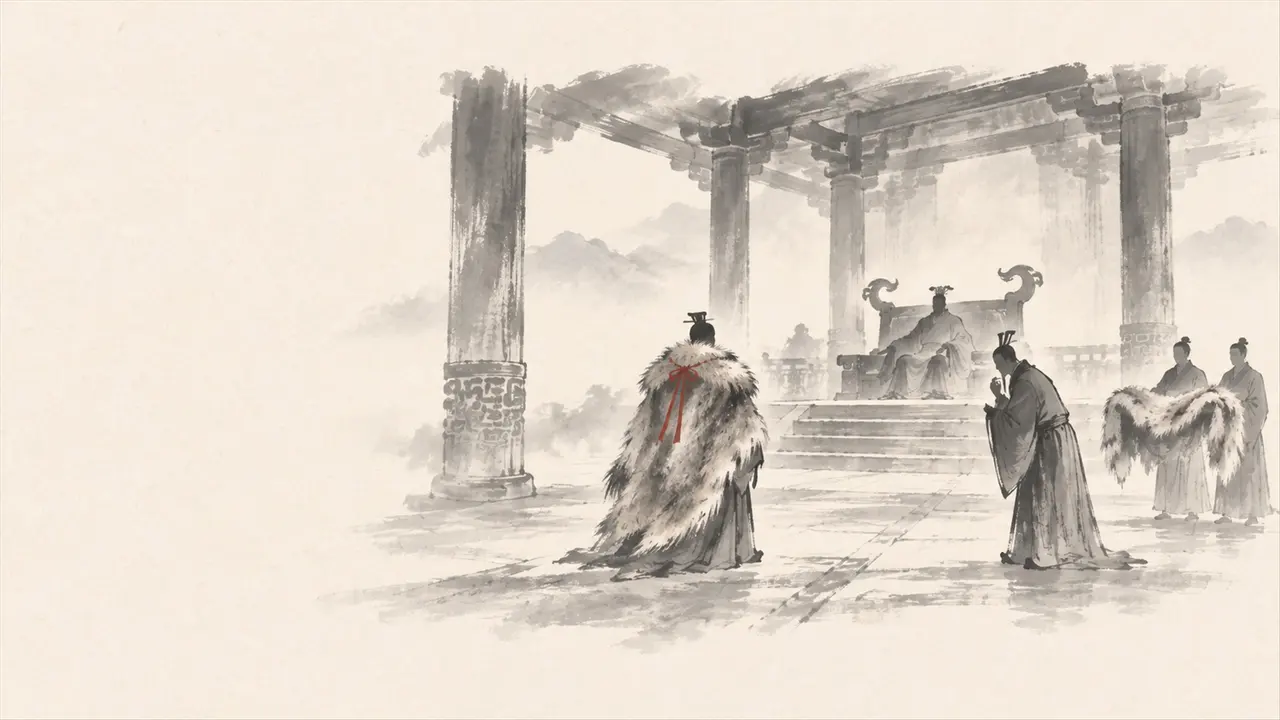
The houses of Guan Shu Xian and Cai Shu Du, sons of King Wen of Zhou and brothers of King Wu, and of their brother Cao Shu Zhenduo. King Wen had ten sons by one mother, and when King Wu overthrew Shang the brothers were given fiefs. After King Wu died and the Duke of Zhou ruled for the boy King Cheng, Guan Shu and Cai Shu suspected the duke and rebelled with Wugeng, son of the last Shang king; Guan Shu was killed and Cai Shu banished, but his son Hu mended his ways and the duke restored Cai. Later rulers of Cai saw their marquis carried off by Chu over the Lady of Xi, were attacked by Qi over a quarrel in a pleasure boat, killed a father who had stolen a son's bride, and lost a marquis to three years' detention over a fur coat; at last Chu destroyed Cai. In the House of Cao, Duke Gong, who had insulted the exiled Chong'er, was captured by him as Duke Wen of Jin, and a later ruler who raised up a man named in an ominous dream lost the state to Song.
This page has the scene "Where Virtue Was Never Built" from this volume, not the whole volume.
Audio
The audio is synthetic speech.
Video
Passage 1
Original
管叔鮮、蔡叔度者,周文王子而武王弟也。武王同母兄弟十人。母曰太姒,文王正妃也。其長子曰伯邑考,次曰武王發,次曰管叔鮮,次曰周公旦,次曰蔡叔度,次曰曹叔振鐸,次曰成叔武,次曰霍叔處,次曰康叔封,次曰冉季載。冉季載最少。同母昆弟十人,唯發、旦賢,左右輔文王,故文王舍伯邑考而以發為太子。及文王崩而發立,是為武王。伯邑考既已前卒矣。武王已克殷紂,平天下,封功臣昆弟。於是封叔鮮于管,封叔度於蔡:二人相紂子武庚祿父,治殷遺民。封叔旦於魯而相周,為周公。封叔振鐸於曹,封叔武於成,封叔處於霍。康叔封、冉季載皆少,未得封。
Kundoku (Japanese reading)
管叔鮮・蔡叔度は、周の文王の子にして武王の弟なり。武王の同母の兄弟十人。母を太姒と曰う。文王の正妃なり。其の長子を伯邑考と曰い、次を武王発と曰い、次を管叔鮮と曰い、次を周公旦と曰い、次を蔡叔度と曰い、次を曹叔振鐸と曰い、次を成叔武と曰い、次を霍叔処と曰い、次を康叔封と曰い、次を冉季載と曰う。冉季載最も少し。同母の昆弟十人、唯だ発・旦のみ賢にして、左右に文王を輔く。故に文王伯邑考を舎てて発を以て太子と為す。文王崩じて発立つに及び、是を武王と為す。伯邑考は既已に前に卒せり。武王已に殷の紂に克ち、天下を平らげ、功臣昆弟を封ず。是に於いて叔鮮を管に封じ、叔度を蔡に封ず。二人紂の子武庚禄父を相け、殷の遺民を治む。叔旦を魯に封じて周に相たらしむ。周公と為す。叔振鐸を曹に封じ、叔武を成に封じ、叔処を霍に封ず。康叔封・冉季載は皆少く、未だ封を得ず。
Japanese
管叔鮮と蔡叔度は、周の文王の子で、武王の弟である。武王と母を同じくする兄弟は十人いた。母は太姒といい、文王の正妻である。長男は伯邑考、次が武王発、次が管叔鮮、次が周公旦、次が蔡叔度、次が曹叔振鐸、次が成叔武、次が霍叔処、次が康叔封、次が冉季載で、冉季載がいちばん年下だった。同じ母の兄弟十人のうち、発と旦だけが賢く、左右から文王を助けた。そこで文王は伯邑考をさしおいて発を太子とした。文王が亡くなって発が位につき、これが武王である。伯邑考はすでにその前に亡くなっていた。武王は殷の紂を破って天下を平定すると、功臣と兄弟たちを封じた。叔鮮を管に、叔度を蔡に封じ、二人に紂の子の武庚禄父を補佐させて、殷の遺民を治めさせた。叔旦は魯に封じ、周の宰相とした。これが周公である。叔振鐸を曹に、叔武を成に、叔処を霍に封じた。康叔封と冉季載はどちらも幼かったので、まだ封じられなかった。
English
Guan Shu Xian and Cai Shu Du were sons of King Wen of Zhou and younger brothers of King Wu. King Wu had ten full brothers. Their mother was Tai Si, King Wen's principal consort. The eldest son was Bo Yikao, then King Wu, named Fa, then Guan Shu Xian, then Dan, the Duke of Zhou, then Cai Shu Du, then Cao Shu Zhenduo, then Cheng Shu Wu, then Huo Shu Chu, then Kang Shu Feng, then Ran Ji Zai; Ran Ji Zai was the youngest. Of the ten brothers only Fa and Dan were wise, and they helped King Wen on either side, so King Wen passed over Bo Yikao and made Fa his heir. When King Wen died, Fa came to the throne: this was King Wu. Bo Yikao had already died. When King Wu had conquered Zhou of Shang and brought peace to the realm, he gave fiefs to his meritorious ministers and his brothers. He enfeoffed Shu Xian at Guan and Shu Du at Cai, and set the two of them to assist Wugeng Lufu, son of Zhou of Shang, in governing the people left from Shang. He enfeoffed Shu Dan at Lu and made him chancellor of Zhou: he was the Duke of Zhou. He enfeoffed Shu Zhenduo at Cao, Shu Wu at Cheng and Shu Chu at Huo. Kang Shu Feng and Ran Ji Zai were both young and were not yet enfeoffed.
Notes (JA)
- 叔: 兄弟の順を表す字(伯・仲・叔・季)。管叔は「管に封じられた叔」の意味。
- 伯邑考: 文王の長子。紂に殺されたという伝説もある。
- 周公旦: 武王の弟で、周の礼と制度を整えたとされる(033-duke-zhou の章)。
Notes (EN)
- Shu (叔): a word marking a younger brother (bo, zhong, shu, ji); Guan Shu means "the younger brother enfeoffed at Guan".
- Bo Yikao: King Wen's eldest son, said in some legends to have been killed by Zhou of Shang.
- Dan, the Duke of Zhou: King Wu's brother, credited with setting up the rites and institutions of Zhou (chapter 033).
Word notes
- consort/ˈkɒnsɔːrt/noun
a king's wife or partner
In the text: “King Wen's principal consort”
Similar words: queen — the wife of a king · spouse — a husband or wife
- enfeoff/ɪnˈfiːf/verb
to give someone land to hold from a ruler
In the text: “enfeoffed Shu Xian at Guan”
Similar words: grant — give formally · endow — give property to
Passage 2
Original
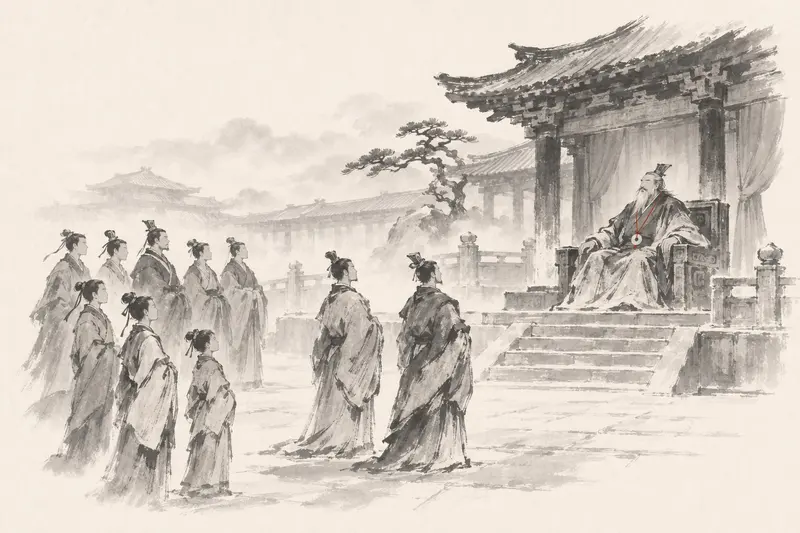
武王既崩,成王少,周公旦專王室。管叔、蔡叔疑周公之為不利於成王,乃挾武庚以作亂。周公旦承成王命伐誅武庚,殺管叔,而放蔡叔,遷之,與車十乘,徒七十人從。而分殷餘民為二:其一封微子啟於宋,以續殷祀;其一封康叔為衛君,是為衛康叔。封季載於冉。冉季、康叔皆有馴行,於是周公舉康叔為周司寇,冉季為周司空,以佐成王治,皆有令名於天下。蔡叔度既遷而死。其子曰胡,胡乃改行,率德馴善。周公聞之,而舉胡以為魯卿士,魯國治。於是周公言於成王,復封胡於蔡,以奉蔡叔之祀,是為蔡仲。餘五叔皆就國,無為天子吏者。
Kundoku (Japanese reading)
武王既に崩じ、成王少し。周公旦王室を専らにす。管叔・蔡叔周公の為すことの成王に利あらざらんことを疑い、乃ち武庚を挟みて以て乱を作す。周公旦成王の命を承けて武庚を伐ち誅し、管叔を殺し、而して蔡叔を放ち、之を遷し、車十乗、徒七十人を与えて従わしむ。而して殷の余民を分かちて二と為す。其の一は微子啓を宋に封じて、以て殷の祀を続がしむ。其の一は康叔を封じて衛の君と為す。是を衛の康叔と為す。季載を冉に封ず。冉季・康叔皆馴行有り。是に於いて周公康叔を挙げて周の司寇と為し、冉季を周の司空と為し、以て成王の治を佐けしむ。皆令名を天下に有す。蔡叔度既に遷されて死す。其の子を胡と曰う。胡乃ち行いを改め、徳に率い善に馴う。周公之を聞きて、胡を挙げて以て魯の卿士と為し、魯国治まる。是に於いて周公成王に言い、復た胡を蔡に封じ、以て蔡叔の祀を奉ぜしむ。是を蔡仲と為す。余の五叔皆国に就き、天子の吏為る者無し。
Japanese
武王が亡くなると、成王は幼く、周公旦が王室の政治を一手に握った。管叔と蔡叔は、周公が成王のためにならないことをするのではないかと疑い、武庚を担いで反乱を起こした。周公旦は成王の命を受けて武庚を討って殺し、管叔を殺し、蔡叔は追放して遠くへ移し、車十台と従者七十人をつけてやった。そして殷の遺民を二つに分け、一つは微子啓を宋に封じて殷の祭りを継がせ、もう一つは康叔を衛の君主に封じた。これが衛の康叔である。季載は冉に封じた。冉季と康叔はどちらも行いがすなおだったので、周公は康叔を周の司寇(法務の長)に、冉季を周の司空(土木の長)に取り立て、成王の政治を助けさせた。二人とも天下によい名を残した。蔡叔度は流されたまま亡くなった。その子を胡といった。胡は行いを改め、徳に従い善を守った。周公はこれを聞いて、胡を魯の卿士に取り立て、魯の国はよく治まった。そこで周公は成王に申し上げて、胡をふたたび蔡に封じ、蔡叔の祭りを継がせた。これが蔡仲である。残りの五人の叔は皆自分の国へ行き、天子の役人になる者はいなかった。
English
King Wu died, King Cheng was young, and Dan, the Duke of Zhou, held the royal house in his own hands. Guan Shu and Cai Shu suspected that what the duke was doing would harm King Cheng, so they took Wugeng with them and rose in revolt. On King Cheng's orders the Duke of Zhou attacked and killed Wugeng, killed Guan Shu, and banished Cai Shu, moving him away with ten carriages and seventy followers. He divided the people left from Shang into two: one part he gave to Weizi Qi, enfeoffed in Song to carry on the sacrifices of Shang; the other to Kang Shu, made lord of Wey — he was Kang Shu of Wey. He enfeoffed Ji Zai at Ran. Ran Ji and Kang Shu both behaved well, so the Duke of Zhou made Kang Shu Minister of Justice of Zhou and Ran Ji Minister of Works, to help King Cheng govern, and both won good names throughout the realm. Cai Shu Du died in banishment. His son was called Hu. Hu mended his ways, followed virtue and kept to the good. When the Duke of Zhou heard of it, he made Hu a minister in Lu, and Lu was well governed. Then the duke spoke to King Cheng, and Hu was enfeoffed again at Cai to carry on the sacrifices to Cai Shu: he was Cai Zhong. The other five brothers all went to their own states, and none served the Son of Heaven as an official.
Notes (JA)
- 武庚: 殷の紂の子。殷の遺民を治めるために残されていた(004-zhou の章)。
- 微子啓: 紂の兄。宋の祖となった(038-song の章)。
- 康叔: 衛の祖(037-wei-kangshu の章)。
Notes (EN)
- Wugeng: son of Zhou of Shang, left to govern the Shang people (chapter 004).
- Weizi Qi: elder brother of Zhou of Shang and founder of Song (chapter 038).
- Kang Shu: founder of Wey (chapter 037).
Word notes
- banish/ˈbænɪʃ/verb
to send someone away as a punishment
In the text: “banished Cai Shu”
Similar words: exile — force to live abroad · expel — force out
- mend/mɛnd/verb
to improve your behaviour
In the text: “Hu mended his ways”
Similar words: reform — change for the better · amend — correct
Passage 3
Original
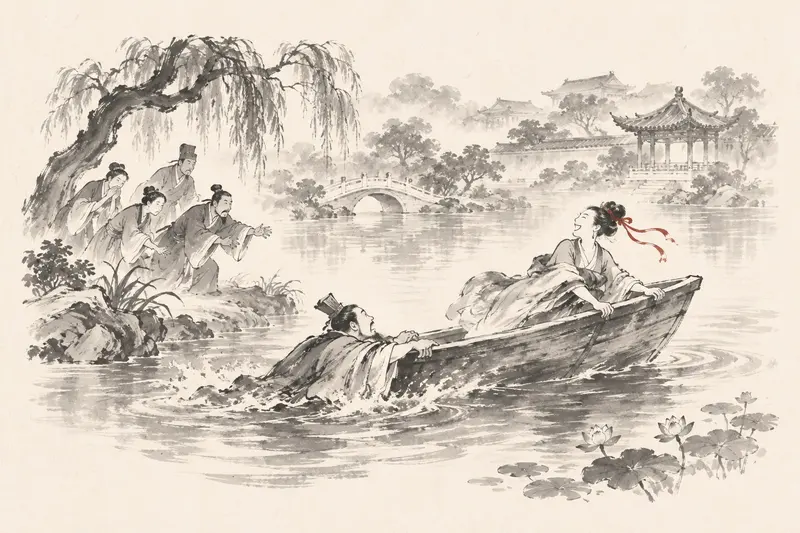
哀侯十一年,初,哀侯娶陳,息侯亦娶陳。息夫人將歸,過蔡,蔡侯不敬。息侯怒,請楚文王:「來伐我,我求救於蔡,蔡必來,楚因擊之,可以有功。」楚文王從之,虜蔡哀侯以歸。哀侯留九歲,死於楚。凡立二十年卒。蔡人立其子肸,是為繆侯。繆侯以其女弟爲齊桓公夫人。十八年,齊桓公與蔡女戲船中,夫人蕩舟,桓公止之,不止,公怒,歸蔡女,而不絶也。蔡侯怒,嫁其弟。齊桓公怒,伐蔡;蔡潰,遂虜繆侯,南至楚邵陵。已而諸侯爲蔡謝齊,齊侯歸蔡侯。二十九年,繆侯卒,子莊侯甲午立。
Kundoku (Japanese reading)
哀侯の十一年、初め、哀侯陳より娶り、息侯も亦た陳より娶る。息夫人将に帰がんとし、蔡を過ぐ。蔡侯敬せず。息侯怒り、楚の文王に請う、「来たりて我を伐て。我救いを蔡に求めん。蔡必ず来たらん。楚因りて之を撃たば、以て功有るべし」と。楚の文王之に従い、蔡の哀侯を虜にして以て帰る。哀侯留まること九歳、楚に死す。凡そ立つこと二十年にして卒す。蔡人其の子肸を立つ。是を繆侯と為す。繆侯其の女弟を以て斉の桓公の夫人と為す。十八年、斉の桓公蔡女と船中に戯る。夫人舟を蕩かす。桓公之を止むるも、止まず。公怒り、蔡女を帰すも、而も絶たず。蔡侯怒り、其の弟を嫁がしむ。斉の桓公怒り、蔡を伐つ。蔡潰え、遂に繆侯を虜にし、南して楚の邵陵に至る。已にして諸侯蔡の為に斉に謝し、斉侯蔡侯を帰す。
Japanese
蔡の哀侯の十一年(前684年)のこと。以前、哀侯は陳から妻をめとり、息の国の君主もまた陳から妻をめとった。息夫人が嫁ぐ途中で蔡を通ったとき、蔡侯は礼を欠いた扱いをした。息侯は怒って楚の文王に頼んだ。「わが国を攻めてください。わたしは蔡に助けを求めます。蔡はきっと来るので、楚はそこを攻めれば手柄を立てられます」。楚の文王はこれに従い、蔡の哀侯を捕らえて連れ帰った。哀侯は九年間楚に留め置かれ、楚で亡くなった。在位は合わせて二十年だった。蔡の人々はその子の肸を立てた。これが繆侯である。繆侯は妹を斉の桓公の夫人とした。十八年(前657年)、斉の桓公が蔡から来た夫人と舟遊びをしていると、夫人が舟を揺らした。桓公が止めさせようとしても止めなかった。桓公は怒って夫人を蔡に帰したが、離縁はしなかった。蔡侯は怒って、妹を別の人に嫁がせた。斉の桓公は怒って蔡を攻め、蔡は敗れ、ついに繆侯を捕らえ、さらに南の楚の邵陵まで進んだ。やがて諸侯が蔡のために斉にわび、斉の桓公は蔡侯を帰した。
English
In the eleventh year of Marquis Ai of Cai: earlier, Marquis Ai had taken a wife from Chen, and the Marquis of Xi had also taken a wife from Chen. When the Lady of Xi was on her way to be married, she passed through Cai, and the Marquis of Cai treated her without respect. The Marquis of Xi was furious and asked King Wen of Chu: "Come and attack me. I will ask Cai for help, and Cai is sure to come; then Chu can strike it and win merit." King Wen of Chu did so, captured Marquis Ai of Cai and took him home. Marquis Ai was kept there nine years and died in Chu, twenty years in all after he came to the throne. The people of Cai set up his son Xi: this was Marquis Mu. Marquis Mu gave his younger sister to Duke Huan of Qi as his wife. In his eighteenth year, Duke Huan of Qi was playing in a boat with the woman from Cai, and she rocked the boat. The duke told her to stop, but she would not. In anger he sent her home to Cai, though without divorcing her. The Marquis of Cai, angry in turn, married her off to someone else. Duke Huan of Qi, furious, attacked Cai; Cai collapsed, Marquis Mu was captured, and Qi pressed south as far as Shaoling in Chu. Later the lords apologised to Qi on Cai's behalf, and the Marquis of Qi sent the Marquis of Cai home.
Notes (JA)
- 息夫人: 陳の娘で、のちに楚の文王が息を滅ぼして妻とした。楚王の前では口をきかなかったと伝えられる。
- 斉の桓公: 春秋最初の覇者(032-qi-taigong の章)。
- 舟を蕩かす: 舟を揺らして、泳げない桓公をこわがらせた。
Notes (EN)
- The Lady of Xi: a daughter of Chen whom King Wen of Chu later took as his wife after destroying Xi; she is said never to have spoken in his presence.
- Duke Huan of Qi: the first overlord of the Spring and Autumn period (chapter 032).
- Rocking the boat: she frightened the duke, who could not swim.
Word notes
- respect/rɪˈspɛkt/noun
polite and careful treatment
In the text: “treated her without respect”
Similar words: courtesy — politeness · esteem — high regard
- divorce/dɪˈvɔːrs/verb
to end a marriage officially
In the text: “without divorcing her”
Similar words: separate — live apart · split up — end a relationship; informal
Passage 4
Original
景侯元年,楚莊王卒。四十九年,景侯為太子般娶婦於楚,而景侯通焉。太子弒景侯而自立,是為靈侯。靈侯二年,楚公子圍弒其王郟敖而自立,為靈王。九年,陳司徒招弒其君哀公。楚使公子棄疾滅陳而有之。十二年,楚靈王以靈侯弒其父,誘蔡靈侯于申,伏甲飲之,醉而殺之,刑其士卒七十人。令公子棄疾圍蔡。十一月,滅蔡,使棄疾為蔡公。
Kundoku (Japanese reading)
景侯の元年、楚の荘王卒す。四十九年、景侯太子般の為に婦を楚より娶る。而して景侯焉に通ず。太子景侯を弑して自立す。是を霊侯と為す。霊侯の二年、楚の公子囲其の王郟敖を弑して自立し、霊王と為る。九年、陳の司徒招其の君哀公を弑す。楚公子棄疾をして陳を滅ぼして之を有せしむ。十二年、楚の霊王霊侯の其の父を弑せしを以て、蔡の霊侯を申に誘い、甲を伏せて之に飲ましめ、酔わしめて之を殺し、其の士卒七十人を刑す。公子棄疾をして蔡を囲ましむ。十一月、蔡を滅ぼし、棄疾をして蔡公と為らしむ。
Japanese
景侯の元年(前591年)、楚の荘王が亡くなった。四十九年、景侯は太子の般のために楚から嫁を迎えたが、景侯自身がその嫁と通じた。太子は景侯を殺して自ら位についた。これが霊侯である。霊侯の二年、楚の公子囲が王の郟敖を殺して自ら位につき、霊王となった。九年、陳の司徒の招が主君の哀公を殺したので、楚は公子棄疾に陳を滅ぼさせてその地を取った。十二年(前531年)、楚の霊王は、蔡の霊侯が父を殺したことを理由に、霊侯を申に誘い出し、兵を伏せておいて酒を飲ませ、酔わせて殺し、その兵七十人を罰した。そして公子棄疾に蔡を囲ませ、十一月に蔡を滅ぼして、棄疾を蔡公とした。
English
In the first year of Marquis Jing, King Zhuang of Chu died. In the forty-ninth year Marquis Jing took a bride from Chu for his heir, Ban, and then had relations with her himself. The heir killed Marquis Jing and set himself up: this was Marquis Ling. In the second year of Marquis Ling, Prince Wei of Chu killed his king, Jia'ao, set himself up and became King Ling. In the ninth year Zhao, Minister over the Masses of Chen, killed his lord, Duke Ai, and Chu sent Prince Qiji to destroy Chen and take it. In the twelfth year King Ling of Chu, on the grounds that Marquis Ling had killed his father, lured Marquis Ling of Cai to Shen, hid soldiers in ambush, made him drink, killed him when he was drunk, and punished seventy of his men. He sent Prince Qiji to besiege Cai, and in the eleventh month destroyed Cai and made Qiji Duke of Cai.
Notes (JA)
- 楚の霊王: 自らも王を殺して位についたが、父を殺した蔡の霊侯を罰するという名目で蔡を滅ぼした(040-chu の章)。
- 公子棄疾: のちに霊王を倒して楚の平王となる。
Notes (EN)
- King Ling of Chu: himself a king-killer, he destroyed Cai in the name of punishing a son who had killed his father (chapter 040).
- Prince Qiji: later overthrew King Ling and became King Ping of Chu.
Word notes
- ambush/ˈæmbʊʃ/noun
a surprise attack from a hidden place
In the text: “hid soldiers in ambush”
Similar words: trap — a trick to catch someone · surprise attack — an unexpected attack
- lure/lʊər/verb
to tempt someone to go somewhere, often into danger
In the text: “lured Marquis Ling of Cai to Shen”
Similar words: entice — tempt · decoy — lead into a trap
Passage 5
Original
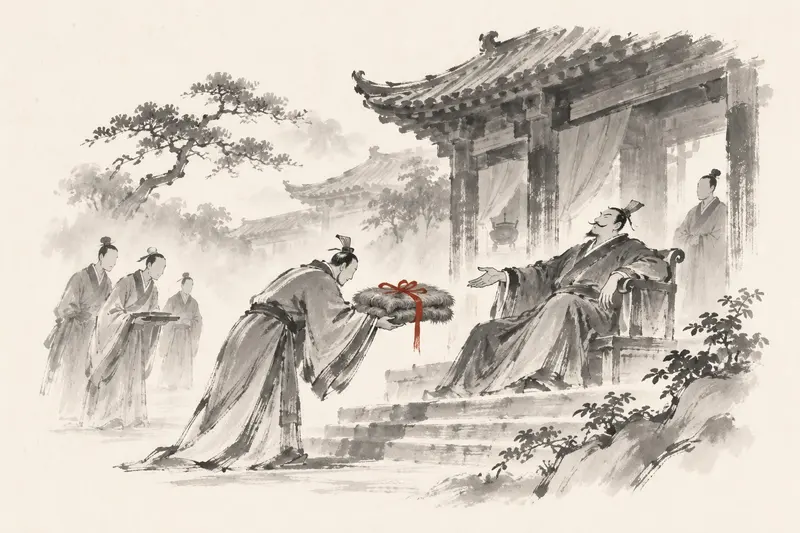
昭侯十年,朝楚昭王,持美裘二,獻其一於昭王而自衣其一。楚相子常欲之,不與。子常讒蔡侯,留之楚三年。蔡侯知之,乃獻其裘於子常;子常受之,乃言歸蔡侯。蔡侯歸而之晉,請與晉伐楚。十三年春,與衛靈公會邵陵。蔡侯私於周萇弘以求長於衛;衛使史言康叔之功德,乃長衛。夏,為晉滅沈,楚怒,攻蔡。蔡昭侯使其子為質於吳,以共伐楚。冬,與吳王闔閭遂破楚入郢。蔡怨子常,子常恐,奔鄭。十四年,吳去而楚昭王復國。十六年,楚令尹為其民泣以謀蔡,蔡昭侯懼。二十六年,孔子如蔡。楚昭王伐蔡,蔡恐,告急於吳。吳為蔡遠,約遷以自近,易以相救;昭侯私許,不與大夫計。吳人來救蔡,因遷蔡于州來。二十八年,昭侯將朝于吳,大夫恐其復遷,乃令賊利殺昭侯;已而誅賊利以解過,而立昭侯子朔,是為成侯。
Kundoku (Japanese reading)
昭侯の十年、楚の昭王に朝し、美裘二を持し、其の一を昭王に献じて自ら其の一を衣る。楚の相子常之を欲するも、与えず。子常蔡侯を讒し、之を楚に留むること三年。蔡侯之を知り、乃ち其の裘を子常に献ず。子常之を受け、乃ち言いて蔡侯を帰す。蔡侯帰りて晋に之き、晋と楚を伐たんことを請う。十三年の春、衛の霊公と邵陵に会す。蔡侯私かに周の萇弘に頼りて以て衛に長たらんことを求む。衛史をして康叔の功徳を言わしめ、乃ち衛を長とす。夏、晋の為に沈を滅ぼす。楚怒り、蔡を攻む。蔡の昭侯其の子をして呉に質たらしめ、以て共に楚を伐つ。冬、呉王闔閭と遂に楚を破りて郢に入る。蔡子常を怨む。子常恐れ、鄭に奔る。十四年、呉去りて楚の昭王国を復す。十六年、楚の令尹其の民の為に泣きて以て蔡を謀る。蔡の昭侯懼る。二十六年、孔子蔡に如く。楚の昭王蔡を伐つ。蔡恐れ、急を呉に告ぐ。呉蔡の遠きが為に、遷りて以て自ら近づき、相救い易からんことを約す。昭侯私かに許し、大夫と計らず。呉人来たりて蔡を救い、因りて蔡を州来に遷す。二十八年、昭侯将に呉に朝せんとす。大夫其の復た遷らんことを恐れ、乃ち賊利をして昭侯を殺さしむ。已にして賊利を誅して以て過ちを解き、而して昭侯の子朔を立つ。是を成侯と為す。
Japanese
蔡の昭侯の十年(前509年)、昭侯は楚の昭王に朝見し、美しい皮衣を二着持って行って、一着を昭王に献上し、もう一着を自分で着た。楚の宰相の子常がそれを欲しがったが、昭侯は与えなかった。子常は蔡侯を悪く言い、三年間楚に留め置いた。蔡侯はそのわけを知り、皮衣を子常に贈った。子常はそれを受け取ると、王に言って蔡侯を帰らせた。蔡侯は帰るとそのまま晋へ行き、晋とともに楚を攻めたいと願い出た。十三年の春、衛の霊公と邵陵で会合した。蔡侯はひそかに周の萇弘に頼んで衛より上の席につこうとしたが、衛は史官に康叔の功徳を述べさせたので、衛が上となった。夏、晋のために沈を滅ぼした。楚は怒って蔡を攻めた。蔡の昭侯は子を呉に人質として送り、ともに楚を攻めた。冬、呉王闔閭とともに楚を破って都の郢に入った。蔡は子常を恨み、子常は恐れて鄭へ逃げた。十四年、呉が去り、楚の昭王は国を取り戻した。十六年、楚の令尹(宰相)が民のために涙を流しながら蔡を攻める相談をしたので、蔡の昭侯は恐れた。二十六年、孔子が蔡へ来た。楚の昭王が蔡を攻め、蔡は恐れて呉に急を告げた。呉は蔡が遠いので、呉の近くに移れば助けやすいと約束させた。昭侯は大夫たちと相談せずにひそかにこれを承知した。呉の人々が蔡を救いに来て、そのまま蔡を州来に移した。二十八年、昭侯が呉に朝見しようとすると、大夫たちはまた国を移されるのを恐れ、刺客の利に昭侯を殺させた。そのあと利を殺して責任を逃れ、昭侯の子の朔を立てた。これが成侯である。
English
In his tenth year Marquis Zhao of Cai went to court with King Zhao of Chu, bringing two beautiful fur coats; he gave one to the king and wore the other himself. Zichang, chancellor of Chu, wanted it, but the marquis would not give it to him. Zichang slandered him and had him kept in Chu for three years. When the marquis understood why, he gave the coat to Zichang, who accepted it and spoke for his release. The marquis went home and then on to Jin, asking to attack Chu together with Jin. In the spring of his thirteenth year he met Duke Ling of Wey at Shaoling. He quietly asked Chang Hong of Zhou to give him precedence over Wey, but Wey had its historian recite the merits of Kang Shu, and Wey was given precedence. In the summer he destroyed Shen for Jin. Chu, furious, attacked Cai. Marquis Zhao sent his son to Wu as a hostage so they could attack Chu together, and in the winter, with Helü, King of Wu, he broke Chu and entered Ying. Cai bore Zichang a grudge, and Zichang fled to Zheng in fear. In the fourteenth year Wu withdrew and King Zhao of Chu recovered his state. In the sixteenth year the chief minister of Chu wept for his people as he planned revenge on Cai, and Marquis Zhao was afraid. In the twenty-sixth year Confucius came to Cai. King Zhao of Chu attacked Cai; Cai in fear sent to Wu for help. Wu, finding Cai too far away, made it promise to move nearer so that help would be easier, and Marquis Zhao privately agreed without consulting his grandees. The men of Wu came to save Cai and moved it to Zhoulai. In the twenty-eighth year, when the marquis was about to go to court in Wu, his grandees, fearing another move, had an assassin named Li kill him; then they put Li to death to clear themselves, and set up the marquis's son Shuo: this was Marquis Cheng.
Notes (JA)
- 美裘: 美しい毛皮の衣。小さな贈り物の恨みが、国の運命を変えた。
- 郢に入る: 前506年、呉の闔閭と伍子胥が楚の都を落とした(066-wu-zixu の章)。
- 州来: 呉に近い淮水のほとりの地。蔡はここで下蔡と呼ばれた。
Notes (EN)
- A beautiful fur coat: a small gift withheld that changed the fate of a state.
- Entering Ying: in 506 BCE Helü of Wu and Wu Zixu took the capital of Chu (chapter 066).
- Zhoulai: a place on the Huai near Wu, where Cai became known as Lower Cai.
Word notes
- slander/ˈslɑːndər/verb
to say false things to damage someone
In the text: “Zichang slandered him”
Similar words: defame — damage a good name · smear — spread lies about
- precedence/ˈprɛsɪdəns/noun
the right to come first
In the text: “give him precedence over Wey”
Similar words: priority — coming first · seniority — higher rank
Passage 6
Original
侯齊四年,楚惠王滅蔡,蔡侯齊亡,蔡遂絕祀。後陳滅三十三年。伯邑考,其後不知所封。武王發,其後為周,有本紀言。管叔鮮作亂誅死,無後。周公旦,其後為魯,有世家言。蔡叔度,其後為蔡,有世家言。曹叔振鐸,有後為曹,有世家言。成叔武,其後世無所見。霍叔處,其後晉獻公時滅霍。康叔封,其後為衛,有世家言。冉季載,其後世無所見。太史公曰:管蔡作亂,無足載者。然周武王崩,成王少,天下既疑,賴同母之弟成叔、冉季之屬十人為輔拂,是以諸侯卒宗周,故附之世家言。
Kundoku (Japanese reading)
侯斉の四年、楚の恵王蔡を滅ぼす。蔡侯斉亡げ、蔡遂に祀を絶つ。陳の滅びし後三十三年なり。伯邑考は、其の後封ぜらるる所を知らず。武王発は、其の後周と為る。本紀有りて言う。管叔鮮は乱を作して誅死し、後無し。周公旦は、其の後魯と為る。世家有りて言う。蔡叔度は、其の後蔡と為る。世家有りて言う。曹叔振鐸は、後有りて曹と為る。世家有りて言う。成叔武は、其の後世見ゆる所無し。霍叔処は、其の後晋の献公の時霍を滅ぼす。康叔封は、其の後衛と為る。世家有りて言う。冉季載は、其の後世見ゆる所無し。太史公曰く、管蔡乱を作す。載するに足る者無し。然れども周の武王崩じ、成王少く、天下既に疑う。同母の弟成叔・冉季の属十人の輔拂を為すに頼る。是を以て諸侯卒に周を宗とす。故に之を世家に附して言う。
Japanese
蔡侯斉の四年(前447年)、楚の恵王が蔡を滅ぼした。蔡侯斉は逃げ、蔡の祭りはとうとう絶えた。陳が滅びてから三十三年後のことである。伯邑考の子孫がどこに封じられたかはわからない。武王発の子孫は周の王となり、本紀に書いてある。管叔鮮は乱を起こして殺され、子孫はない。周公旦の子孫は魯となり、世家に書いてある。蔡叔度の子孫は蔡となり、世家に書いてある。曹叔振鐸の子孫は曹となり、世家に書いてある。成叔武の子孫は記録に見えない。霍叔処の子孫の霍は、晋の献公のときに滅ぼされた。康叔封の子孫は衛となり、世家に書いてある。冉季載の子孫は記録に見えない。太史公は言う。管叔と蔡叔は乱を起こしたので、とくに書きとどめるほどのことはない。しかし周の武王が亡くなり、成王が幼くて天下が疑いを抱いたとき、母を同じくする弟の成叔・冉季ら十人の兄弟の助けに頼った。そのおかげで、諸侯は最後には周を宗主とあおいだ。だから、彼らを世家に付けて書いたのである。
English
In the fourth year of Marquis Qi, King Hui of Chu destroyed Cai. Qi, Marquis of Cai, fled, and the sacrifices of Cai came to an end, thirty-three years after the fall of Chen. Of Bo Yikao, it is not known where his descendants were enfeoffed. King Wu, Fa: his descendants became the house of Zhou, told in its Basic Annals. Guan Shu Xian rebelled and was put to death, leaving no descendants. Dan, the Duke of Zhou: his descendants became Lu, told in its Hereditary House. Cai Shu Du: his descendants became Cai, told in its Hereditary House. Cao Shu Zhenduo had descendants who became Cao, told in its Hereditary House. Of Cheng Shu Wu's descendants nothing is seen. Of Huo Shu Chu's descendants, Huo was destroyed in the time of Duke Xian of Jin. Kang Shu Feng: his descendants became Wey, told in its Hereditary House. Of Ran Ji Zai's descendants nothing is seen. The Grand Historian says: Guan and Cai rebelled; there is little about them worth recording. But when King Wu died, King Cheng was young and the realm was full of doubt, Zhou relied on the help of the ten brothers of one mother, Cheng Shu, Ran Ji and the rest, and so in the end the lords honoured Zhou as their head. That is why I have attached them to the Hereditary Houses.
Notes (JA)
- 蔡の滅亡: 前447年。楚の恵王は、その前に陳も滅ぼしていた(036-chen-qi の章)。
- 輔拂: 助け、正すこと。
Notes (EN)
- The fall of Cai: 447 BCE; King Hui of Chu had destroyed Chen before it (chapter 036).
- Help (輔拂): support and correction.
Word notes
- descendant/dɪˈsɛndənt/noun
a person who comes later in the same family line
In the text: “leaving no descendants”
Similar words: heir — one who inherits · offspring — children
Passage 7
Original
曹叔振鐸者,周武王弟也。武王已克殷紂,封叔振鐸於曹。共公十六年,初,晉公子重耳其亡過曹,曹君無禮,欲觀其駢脅。釐負羈諫,不聽,私善於重耳。二十一年,晉文公重耳伐曹,虜共公以歸,令軍毋入釐負羈之宗族閭。或說晉文公曰:「昔齊桓公會諸侯,復異姓;今君囚曹君,滅同姓,何以令於諸侯?」晉乃復歸共公。
Kundoku (Japanese reading)
曹叔振鐸は、周の武王の弟なり。武王已に殷の紂に克ち、叔振鐸を曹に封ず。共公の十六年、初め、晋の公子重耳其の亡げて曹を過ぐるや、曹君礼無く、其の駢脅を観んと欲す。釐負羈諫むるも、聴かず。私かに重耳に善くす。二十一年、晋の文公重耳曹を伐ち、共公を虜にして以て帰り、軍をして釐負羈の宗族の閭に入ること毋からしむ。或るひと晋の文公に説きて曰く、「昔斉の桓公諸侯を会し、異姓を復す。今君曹の君を囚え、同姓を滅ぼす。何を以てか諸侯に令せん」と。晋乃ち復た共公を帰す。
Japanese
曹叔振鐸は周の武王の弟である。武王は殷の紂を破ると、叔振鐸を曹に封じた。曹の共公の十六年(前637年)、以前、晋の公子重耳が亡命の途中で曹を通ったとき、曹の君主は無礼をはたらき、重耳のあばら骨が一枚につながっているのをのぞき見ようとした。大夫の釐負羈が諫めたが聞かなかったので、釐負羈はひそかに重耳に親切にした。二十一年(前632年)、晋の文公となった重耳は曹を攻め、共公を捕らえて連れ帰り、兵には釐負羈の一族の村に入らないよう命じた。ある人が晋の文公に説いた。「昔、斉の桓公は諸侯を集めて、姓の違う国まで再興させました。いま殿は曹の君主を捕らえて、同じ姫姓の国を滅ぼそうとしています。それでどうして諸侯に命令できましょう」。そこで晋は共公を帰した。
English
Cao Shu Zhenduo was a younger brother of King Wu of Zhou. When King Wu had conquered Zhou of Shang, he enfeoffed Shu Zhenduo at Cao. In the sixteenth year of Duke Gong: earlier, when Chong'er, a prince of Jin, passed through Cao in exile, the lord of Cao treated him rudely and tried to get a look at his joined ribs. Xi Fuji remonstrated, but the duke would not listen, so Xi Fuji was secretly kind to Chong'er. In the twenty-first year Chong'er, now Duke Wen of Jin, attacked Cao, captured Duke Gong and took him home, ordering his troops not to enter the village of Xi Fuji's clan. Someone said to Duke Wen of Jin: "Long ago Duke Huan of Qi gathered the lords and even restored states of other surnames. Now you have imprisoned the lord of Cao and are destroying a state of your own surname. How will you command the lords?" So Jin sent Duke Gong home.
Notes (JA)
- 駢脅: あばら骨が一枚の板のようにつながっていること。重耳の体の特徴とされた。
- 重耳: 十九年の亡命ののち、晋の文公となった(039-chong-er の章)。
- 同姓: 晋も曹も周の王族の姫姓だった。
Notes (EN)
- Joined ribs (駢脅): ribs fused like a single plate, said to be one of Chong'er's marks.
- Chong'er: after nineteen years of exile he became Duke Wen of Jin (chapter 039).
- The same surname: Jin and Cao were both of Zhou's royal Ji clan.
Word notes
- insult/ɪnˈsʌlt/verb
to treat someone rudely
In the text: “treated him rudely”
Similar words: offend — upset · affront — insult openly
- exile/ˈɛɡzaɪl/noun
the state of being forced to live away from home
In the text: “passed through Cao in exile”
Similar words: banishment — being sent away · refuge — a safe place
Passage 8
Original
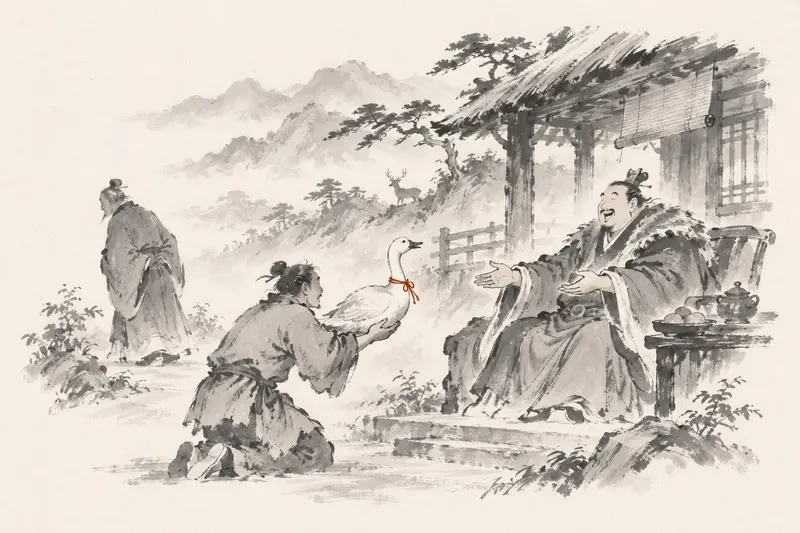
伯陽三年,國人有夢眾君子立于社宮,謀欲亡曹;曹叔振鐸止之,請待公孫彊,許之。旦,求之曹,無此人。夢者戒其子曰:「我亡,爾聞公孫彊為政,必去曹,無離曹禍。」及伯陽即位,好田弋之事。六年,曹野人公孫彊亦好田弋,獲白鴈而獻之,且言田弋之說,因訪政事。伯陽大說之,有寵,使為司城以聽政。夢者之子乃亡去。公孫彊言霸說於曹伯。十四年,曹伯從之,乃背晉干宋。宋景公伐之,晉人不救。十五年,宋滅曹,執曹伯陽及公孫彊以歸而殺之。曹遂絕其祀。
Kundoku (Japanese reading)
伯陽の三年、国人に夢みる有り、衆君子社宮に立ち、謀りて曹を亡ぼさんと欲す。曹叔振鐸之を止め、公孫彊を待たんことを請う。之を許す。旦、之を曹に求むるも、此の人無し。夢みし者其の子を戒めて曰く、「我亡きのち、爾公孫彊政を為すと聞かば、必ず曹を去れ。曹の禍いに離ること無かれ」と。伯陽即位するに及び、田弋の事を好む。六年、曹の野人公孫彊も亦た田弋を好み、白鴈を獲て之を献じ、且つ田弋の説を言い、因りて政事を訪う。伯陽大いに之を説び、寵有り、司城と為して以て政を聴かしむ。夢みし者の子乃ち亡げ去る。公孫彊霸の説を曹伯に言う。十四年、曹伯之に従い、乃ち晋に背きて宋を干す。宋の景公之を伐つ。晋人救わず。十五年、宋曹を滅ぼし、曹伯陽及び公孫彊を執えて以て帰りて之を殺す。曹遂に其の祀を絶つ。
Japanese
曹伯陽の三年(前499年)、曹の国の人が夢を見た。大勢の君子が土地の神の社に集まり、曹を滅ぼそうと相談していた。曹叔振鐸がそれを止め、公孫彊という者が現れるまで待ってほしいと頼むと、君子たちは承知した。夜が明けてから、曹じゅうでその人を探したが、そんな人はいなかった。夢を見た者は子に言い聞かせた。「わたしが死んだあと、公孫彊という者が政治をとると聞いたら、必ず曹を去れ。曹の災いに巻きこまれてはならない」。伯陽が位につくと、狩りが好きだった。六年、曹の田舎者の公孫彊もやはり狩りが好きで、白い雁を射止めて献上し、狩りの話をして、ついでに政治のことも話した。伯陽はたいへん喜んで彼を寵愛し、司城(土木の長)にして政治にあずからせた。夢を見た者の子は、そこで国を去った。公孫彊は覇者になる方法を曹伯に説いた。十四年、曹伯はこれに従って晋に背き、宋を攻めた。宋の景公が曹を攻めたが、晋は救わなかった。十五年(前487年)、宋は曹を滅ぼし、曹伯陽と公孫彊を捕らえて連れ帰り、殺した。こうして曹の祭りは絶えた。
English
In the third year of Bo Yang, a man of the state dreamed that a crowd of gentlemen stood in the altar hall of the earth god, plotting to destroy Cao. Cao Shu Zhenduo stopped them and asked them to wait for Gongsun Qiang, and they agreed. In the morning the man looked for such a person all over Cao, but there was none. He warned his son: "After I am gone, if you hear that Gongsun Qiang is running the government, you must leave Cao. Do not get caught in Cao's disaster." When Bo Yang came to the throne he loved hunting. In his sixth year a countryman of Cao named Gongsun Qiang, who also loved hunting, shot a white goose and presented it, and talked about hunting, and then about government. Bo Yang was delighted with him, made him a favourite, and appointed him Minister of Walls to take part in the government. The dreamer's son then left the state. Gongsun Qiang talked to the Earl of Cao about becoming an overlord. In his fourteenth year the earl followed his advice, turned against Jin and attacked Song. Duke Jing of Song attacked Cao, and Jin did not come to help. In the fifteenth year Song destroyed Cao, seized Bo Yang and Gongsun Qiang, took them home and killed them. And so the sacrifices of Cao came to an end.
Notes (JA)
- 社宮: 土地の神をまつる社。
- 白鴈: 白い雁。めずらしい獲物として献上された。
- 夢のお告げが、そのとおりに実現する話として語られている。
Notes (EN)
- Altar hall of the earth god (社宮): the shrine of the god of the land.
- A white goose: a rare catch, fit to be presented to a ruler.
- The story is told as a dream-prophecy that came true to the letter.
Word notes
- favourite/ˈfeɪvərɪt/noun
a person liked best by a ruler
In the text: “made him a favourite”
Similar words: darling — a much-loved person · minion — a servile follower
British spelling favourite; American favorite.
- plot/plɒt/verb
to plan something secretly, usually something bad
In the text: “plotting to destroy Cao”
Similar words: scheme — plan secretly · conspire — plan together in secret
Passage 9
Original
太史公曰:余尋曹共公之不用僖負羈,乃乘軒者三百人,知唯德之不建。及振鐸之夢,豈不欲引曹之祀者哉?如公孫彊不修厥政,叔鐸之祀忽諸。
Kundoku (Japanese reading)
太史公曰く、余曹の共公の僖負羈を用いず、乃ち軒に乗る者三百人なるを尋ね、唯だ徳の建たざるを知る。振鐸の夢に及びては、豈に曹の祀を引かんと欲せざる者ならんや。如し公孫彊厥の政を修めずんば、叔鐸の祀忽諸せん。
Japanese
太史公は言う。わたしは、曹の共公が僖負羈を用いず、そのくせ大夫の車に乗る者が三百人もいたことを調べて、ただ徳が立てられていなかったのだと知った。振鐸が夢に現れた話を見ると、振鐸は曹の祭りを長く続かせようと願っていたのではないか。公孫彊が政治を誤らなければ、叔振鐸の祭りがたちまち絶えることはなかっただろうに。
English
The Grand Historian says: Looking into how Duke Gong of Cao failed to employ Xi Fuji while three hundred men rode in grandees' carriages, I see that virtue was simply never built there. As for Zhenduo's appearance in the dream — did he not wish to prolong the sacrifices of Cao? Had Gongsun Qiang not misgoverned, the sacrifices to Shu Zhenduo would not have vanished so suddenly.
Notes (JA)
- 軒に乗る者三百人: 大夫の乗る車に乗る者が三百人。役に立たない者に高い位を与えていたことを責める(『左伝』にも見える)。
- 僖負羈: 原文第35段の釐負羈と同じ人。
- 忽諸: たちまち絶えること。
Notes (EN)
- Three hundred men in grandees' carriages: a reproach for giving high rank to useless men (also in the Zuo Zhuan).
- Xi Fuji: the same man written 釐負羈 earlier in the chapter.
- Vanished so suddenly (忽諸): cut off all at once.
Word notes
- grandee/ɡrænˈdiː/noun
a man of high rank
In the text: “rode in grandees' carriages”
Similar words: noble — a person of high birth · dignitary — an important person