世家 · 巻 38
宋微子世家 宋微子世家
殷の三仁と「宋襄の仁」 殷有三仁與宋襄之仁
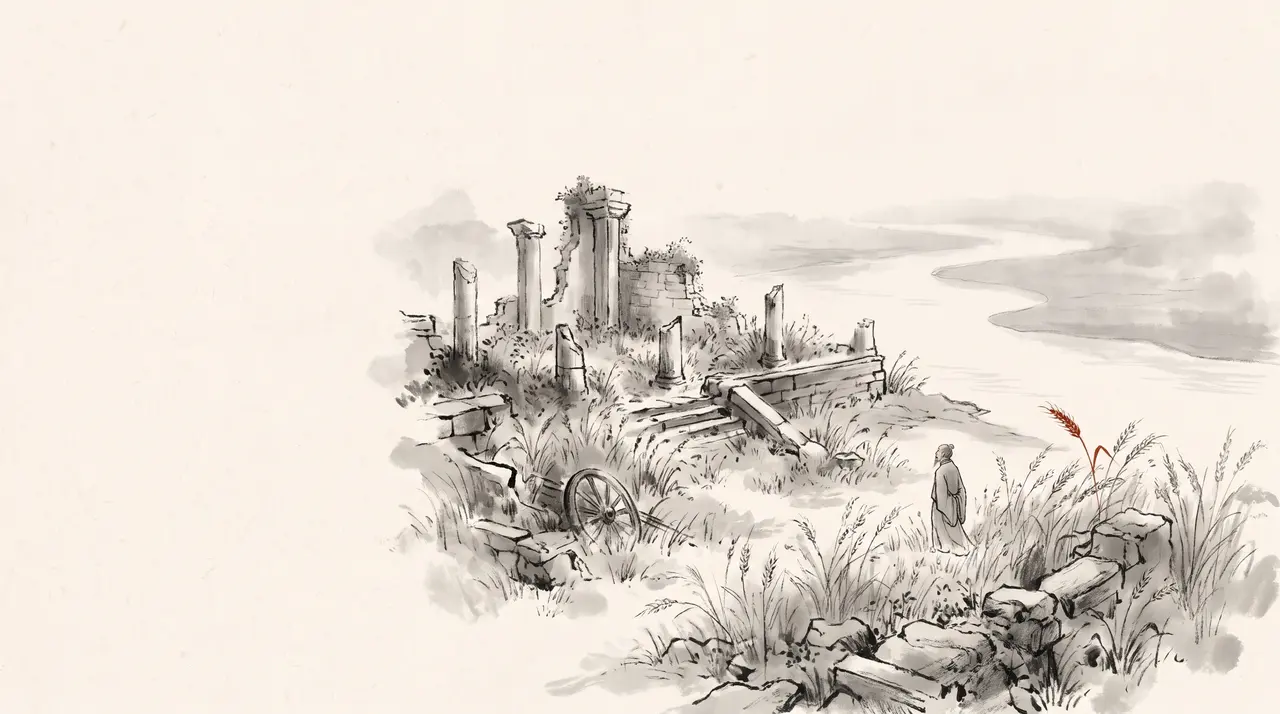
殷の王族が受け継いだ国、宋の物語。殷の紂王の兄の微子は、何度いさめても聞かれず、国を去った。叔父の箕子は、紂が象牙の箸を作ったのを見て「次は玉の杯、やがて遠方の珍味を求め、ぜいたくは止まらなくなる」と嘆き、いさめて聞かれないと、髪を振り乱して狂ったふりをして奴隷となった。王子比干は死を覚悟して直言し、「聖人の心には七つの穴があるそうだな」と言われて胸を裂かれた。殷が滅ぶと、微子は宋に封じられて殷の祭りを継ぎ、箕子は殷の都の跡に麦が茂るのを見て「麦秀の歌」を作った。春秋時代、宋の襄公は覇者になろうとして楚と泓水で戦ったが、「敵が川を渡りきって陣を整えるまで攻めない」と言って大敗し、「宋襄の仁」と笑われた。羊のスープをもらえなかった御者に恨まれて敵陣に連れこまれた将軍華元、包囲されて「子を取り替えて食べている」ほど飢えた都、天の凶兆を宰相や民や作物に移すのを拒んだ景公、最後には天に向けて矢を射た王偃が「桀宋」と呼ばれて滅ぶ。
この巻のうち「殷の三仁と「宋襄の仁」」の場面を載せています。巻の全文ではありません。
音声
音声は合成音声です。
動画
節 1
原文
微子開避漢景帝諱啓,改啓爲開者,殷帝乙之首子而帝紂之庶兄也。紂既立,不明,淫亂於政,微子數諫,紂不聽。及祖伊以周西伯昌之修德,滅黎國,懼禍至,以告紂。紂曰:「我生不有命在天乎?是何能爲!」於是微子度紂終不可諫,欲死之,及去,未能自決,乃問於太師、少師曰:「殷不有治政,不治四方。我祖遂陳於上,紂沈湎於酒,婦人是用,亂敗湯德於下。殷既小大好草竊姦宄,卿士師師非度,皆有罪辜,乃無維獲,小民乃并興,相爲敵讎。今殷其典喪!若涉水無津涯。殷遂喪,越至于今。」曰:「太師,少師,我其發出往?吾家保于喪?今女無故告予,顛躋,如之何其?」太師若曰:「王子,天篤下菑亡殷國,乃毋畏畏,不用老長。今殷民乃陋淫神祇之祀。今誠得治國,國治身死不恨。爲死,終不得治,不如去。」遂亡。
書き下し文
微子開は、漢の景帝の諱啓を避け、啓を改めて開と為す者にして、殷の帝乙の首子にして帝紂の庶兄なり。紂既に立ち、明ならず、政に淫乱す。微子数々諫むるも、紂聴かず。祖伊の、周の西伯昌の徳を修め、黎国を滅ぼすを以て、禍の至らんことを懼れ、以て紂に告ぐるに及び、紂曰く、「我生まれて命天に在る有らずや。是れ何をか能く為さん」と。是に於いて微子、紂の終に諫むべからざるを度り、之に死なんと欲し、去るに及びて、未だ自ら決する能わず、乃ち太師・少師に問いて曰く、「殷は政を治むる有らず、四方を治めず。我が祖遂に上に陳なるに、紂は酒に沈湎し、婦人是れ用い、湯の徳を下に乱敗す。殷既に小大好んで草竊姦宄し、卿士師師として度に非ず、皆罪辜有るも、乃ち維れ獲うる無く、小民乃ち並び興りて、相敵讎と為る。今殷其れ典喪わんとす。水を渉るに津涯無きが若し。殷遂に喪び、越に今に至る」と。曰く、「太師、少師、我其れ発して出で往かんか。吾が家喪ぶるを保たんか。今女故無くして予に告げず、顛躋せば、之を如何せん」と。太師若くして曰く、「王子、天篤く菑を下して殷国を亡ぼす。乃ち畏るべきを畏れず、老長を用いず。今殷民乃ち神祇の祀を陋淫す。今誠に国を治むるを得ば、国治まりて身死すとも恨みず。為に死すとも、終に治むるを得ずんば、去るに如かず」と。遂に亡ぐ。
現代語訳
微子開(啓)は(漢の景帝の名の「啓」を避けて「開」と書く)、殷の帝乙の長子で、帝紂の異母兄である。紂が位につくと、道理にくらく、政治は乱れた。微子は何度もいさめたが、紂は聞かなかった。祖伊が、周の西伯昌(文王)が徳を修めて黎の国を滅ぼしたことから、災いが及ぶのを恐れて紂に告げると、紂は「わたしが生まれたのは天命によるのではないか。西伯に何ができるものか」と言った。そこで微子は、紂はどうしてもいさめられないと見て、死のうか、去ろうかと迷って決められず、太師と少師にたずねた。「殷は政治も行わず、四方を治めもしない。わが祖先は上で功業を連ねたのに、紂は酒におぼれ、女の言うことを聞いて、湯王の徳を下で乱し損なっている。殷の民は身分の上下を問わず盗みや悪事を好み、大臣たちも法を守らず、皆罪があるのに誰も捕らえられない。民は一斉に立ち上がり、たがいに敵となっている。いま殷は礼法を失おうとしている。川を渡るのに渡し場も岸もないようなものだ。殷はついに滅び、いまにも尽きようとしている」。そしてまた言った。「太師、少師、わたしは家を出て去るべきだろうか。それとも一族の滅ぶのを見守るべきか。いまあなたがたがわたしに道を示してくれなければ、わたしが道を誤って倒れたらどうしよう」。太師は答えた。「王子、天はひどく災いを下して殷を滅ぼそうとしています。紂は恐れるべきものを恐れず、老人や年長者の言うことを用いません。いまの殷の民は神々の祭りさえけがしています。もし本当に国を治められるのなら、国が治まって身が死んでも悔いはないでしょう。しかし死んでもなお治められないのなら、去るにこしたことはありません」。こうして微子は国を去った。
英訳
Kai, the Viscount of Wei, was really named Qi, but the name is changed to Kai to avoid the personal name of Emperor Jing of Han. He was the eldest son of King Yi of Yin and the elder half-brother of King Zhou. When Zhou came to the throne, he was blind to reason and wanton in government. The Viscount of Wei warned him many times, but Zhou would not listen. When Zu Yi, alarmed because Chang, the Lord of the West of Zhou, was cultivating virtue and had destroyed the state of Li, warned Zhou that disaster was coming, Zhou said: "Was I not born with my fate in Heaven's hands? What can he do?" Then the Viscount of Wei judged that Zhou could never be made to listen. He thought of dying, or of leaving, but could not decide, so he asked the Grand Tutor and the Lesser Tutor: "Yin has no government and does not rule the four quarters. Our ancestors set out their achievements above, but Zhou drowns himself in wine and listens to women, and ruins the virtue of Tang here below. Great and small in Yin love to steal and do evil; the ministers follow no law; all are guilty, yet none is caught. The common people rise up together and become each other's enemies. Now Yin is losing its laws, like someone fording a river with no ford and no bank. Yin will fall, and soon." And he said: "Grand Tutor, Lesser Tutor, should I set out and go? Or should I stay to see my house to its end? If you do not tell me now, and I stumble and fall, what then?" The Grand Tutor answered: "Prince, Heaven is sending down great calamity to destroy the state of Yin. It does not fear what ought to be feared, and will not use the old and the wise. Now the people of Yin even defile the sacrifices to the gods. If you could truly set the state in order, there would be no regret in dying once it was done. But if you die and still cannot set it in order, it is better to leave." So he fled.
解説(日)
- 微子開: 本名は啓。司馬遷の時代の皇帝景帝の名「啓」を避けて「開」と書いた(避諱)。
- 祖伊: 殷の臣。文王の勢いを警告した。
- 太師・少師: 王の師。太師は箕子、少師は比干とする説がある。この問答は『尚書』微子篇にもとづく。
- 庶兄: 母の違う兄。微子が生まれたとき母はまだ正妻でなかったので、紂が跡継ぎとなったとされる。
解説(英)
- Kai for Qi (開・啓): the name was changed to avoid writing the personal name of Emperor Jing, the reigning emperor's father.
- The Grand and Lesser Tutors (太師・少師): sometimes identified as Jizi and Bi Gan; the dialogue follows the "Viscount of Wei" chapter of the Book of Documents.
- Elder half-brother (庶兄): born before his mother became queen, he could not inherit.
英語の語注
- wanton/ˈwɑntən/adjective
without control or care for what is right
本文では: “wanton in government”
似た語と違い: reckless — careless of results · unrestrained — without limits
- calamity/kəˈlæməti/noun
a terrible event causing great harm
本文では: “great calamity to destroy the state”
似た語と違い: disaster — great misfortune · catastrophe — sudden ruin
節 2
原文
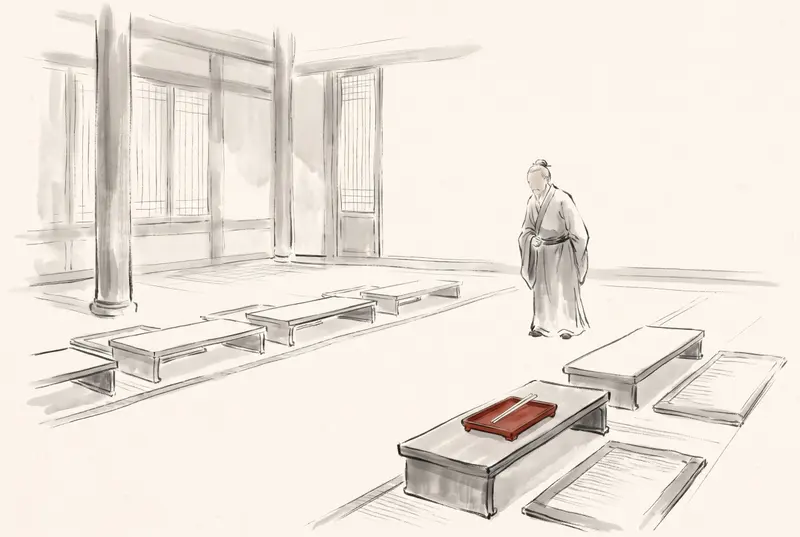
箕子者,紂親戚也。紂始爲象箸,箕子嘆曰:「彼爲象箸,必爲玉桮;爲桮,則必思遠方珍怪之物而御之矣。輿馬宮室之漸自此始,不可振也。」紂爲淫泆,箕子諫,不聽。人或曰:「可以去矣。」箕子曰:「爲人臣諫不聽而去,是彰君之惡而自說於民,吾不忍爲也。」乃被髪詳狂而爲奴。遂隱而鼓琴以自悲,故傳之曰箕子操。
書き下し文
箕子は、紂の親戚なり。紂始めて象箸を為る。箕子嘆じて曰く、「彼象箸を為れば、必ず玉桮を為らん。桮を為れば、則ち必ず遠方の珍怪の物を思いて之を御せん。輿馬宮室の漸此より始まり、振るうべからざるなり」と。紂淫泆を為す。箕子諫むるも、聴かず。人或いは曰く、「以て去るべし」と。箕子曰く、「人臣と為りて諫めて聴かれずして去るは、是れ君の悪を彰わして自ら民に説ばるるなり。吾為すに忍びず」と。乃ち髪を被り詳狂して奴と為る。遂に隠れて琴を鼓し以て自ら悲しむ。故に之を伝えて箕子操と曰う。
現代語訳
箕子は紂の親族(叔父)である。紂がはじめて象牙の箸を作ったとき、箕子はため息をついて言った。「象牙の箸を作れば、きっと玉の杯を作るだろう。玉の杯を作れば、きっと遠方の珍しい物を食べたくなるだろう。車や馬、宮殿のぜいたくも、これから始まって、もう止められなくなる」。紂はみだらな遊びにふけった。箕子はいさめたが、紂は聞かなかった。ある人が「もう去ってもよいでしょう」と言うと、箕子は言った。「臣下でありながら、いさめて聞かれないからといって去るのは、主君の悪をさらけ出して、自分が民に喜ばれようとすることだ。わたしにはできない」。そして髪を振り乱し、狂ったふりをして奴隷となった。人目を避けて琴をひき、自分の悲しみを歌った。それでこの曲は「箕子操」として伝えられている。
英訳
Jizi was a kinsman of Zhou. When Zhou first had chopsticks made of ivory, Jizi sighed: "If he makes ivory chopsticks, he will surely make cups of jade. If he makes jade cups, he will surely long for rare and strange dishes from far away to fill them. Grand carriages, horses and palaces will follow, step by step from here, and nothing will stop it." Zhou gave himself up to wild pleasures. Jizi warned him, but he would not listen. Someone said: "You may leave now." Jizi said: "If a subject leaves because his warnings are not heeded, he exposes his lord's wickedness and wins the people's approval for himself. I cannot bring myself to do it." So he let his hair hang loose, pretended to be mad, and became a slave. He hid himself away and played the zither to lament his fate, and so the tune has come down to us as "Jizi's Lament".
解説(日)
- 象箸: 象牙の箸。小さなぜいたくがやがて大きなぜいたくにつながることのたとえ(象箸玉杯)。
- 被髪詳狂: 髪を結わずに垂らし、狂ったふりをすること。
- 箕子操: 箕子が作ったと伝えられる琴の曲。「操」は琴の曲のこと。
解説(英)
- Ivory chopsticks (象箸): a small luxury that leads to ever greater ones; the saying "ivory chopsticks, jade cups".
- Feigned madness (詳狂): letting his hair down and acting mad.
- "Jizi's Lament" (箕子操): a zither tune said to be his.
この節から生まれた言葉: 象箸玉杯
英語の語注
- lament/ləˈmɛnt/verb
to express deep sorrow
本文では: “to lament his fate”
似た語と違い: mourn — grieve · bewail — cry over
- heed/hid/verb
to pay attention to advice
本文では: “his warnings are not heeded”
似た語と違い: listen to — take notice of · mind — pay attention
節 3
原文
王子比干者,亦紂之親戚也。見箕子諫不聽而爲奴,則曰:「君有過而不以死爭,則百姓何辜!」乃直言諫紂。紂怒曰:「吾聞聖人之心有七竅,信有諸乎?」乃遂殺王子比干,刳視其心。微子曰:「父子有骨肉,而臣主以義屬。故父有過,子三諫不聽,則隨而號之;人臣三諫不聽,則其義可以去矣。」於是太師、少師乃勸微子去,遂行。
書き下し文
王子比干は、亦た紂の親戚なり。箕子の諫めて聴かれずして奴と為るを見て、則ち曰く、「君過ち有りて死を以て争わずんば、則ち百姓何の辜かあらん」と。乃ち直言して紂を諫む。紂怒りて曰く、「吾聞く、聖人の心には七竅有りと。信に諸れ有りや」と。乃ち遂に王子比干を殺し、刳きて其の心を視る。微子曰く、「父子には骨肉有り、而して臣主は義を以て属す。故に父過ち有らば、子三たび諫めて聴かれずんば、則ち随いて之に号ぶ。人臣三たび諫めて聴かれずんば、則ち其の義以て去るべし」と。是に於いて太師・少師乃ち微子に去らんことを勧め、遂に行く。
現代語訳
王子比干もまた紂の親族である。箕子がいさめて聞かれず、奴隷になったのを見て、言った。「主君に過ちがあるのに、死を覚悟していさめなければ、民に何の罪があってこの苦しみを受けるのか」。そこでまっすぐに紂をいさめた。紂は怒って言った。「聖人の心臓には七つの穴があると聞く。本当かどうか確かめてやろう」。そして王子比干を殺し、胸を裂いてその心臓を見た。微子は言った。「父と子は血肉でつながっているが、臣と主君は義でつながっている。だから父に過ちがあれば、子は三度いさめて聞かれなくても、泣き叫びながらついていく。しかし臣下は三度いさめて聞かれなければ、義として去ってよいのだ」。そこで太師と少師も微子に去るようすすめ、微子はついに去っていった。
英訳
Prince Bi Gan was also a kinsman of Zhou. When he saw that Jizi's warnings had not been heeded and that he had become a slave, he said: "If the ruler does wrong and no one is willing to die to correct him, what wrong have the people done to deserve this?" So he spoke out plainly and rebuked Zhou. Zhou said in a rage: "I have heard that a sage's heart has seven openings. Is it true?" And he killed Prince Bi Gan and cut him open to look at his heart. The Viscount of Wei said: "Father and son are bound by flesh and blood, but ruler and subject are bound by duty. So if a father does wrong and his son warns him three times in vain, the son follows him, weeping. But if a subject warns his ruler three times in vain, his duty allows him to leave." Then the Grand Tutor and the Lesser Tutor urged the Viscount of Wei to go, and he went.
解説(日)
- 七竅: 七つの穴。聖人の心臓には七つの穴があり、それで知恵がよく通ると考えられていた。
- 比干の死は殷本紀にもある(003-yin の章)。
- 臣主以義屬: 臣と主君は義でつながる。だから三度いさめて聞かれなければ去ってよい、という考え。
解説(英)
- Seven openings (七竅): a sage's heart was thought to have seven openings through which wisdom flowed.
- Bi Gan's death is also told in the Basic Annals of Yin (chapter 003).
- Bound by duty (以義屬): so a minister may leave after three unheeded warnings, though a son may not.
英語の語注
- rebuke/rɪˈbjuk/verb
to speak sharply to someone who has done wrong
本文では: “rebuked Zhou”
似た語と違い: scold — criticise angrily · reprimand — blame formally
- in vain/ɪn veɪn/phrase
without success
本文では: “warns him three times in vain”
似た語と違い: uselessly — with no result · to no avail — without effect
節 4
原文
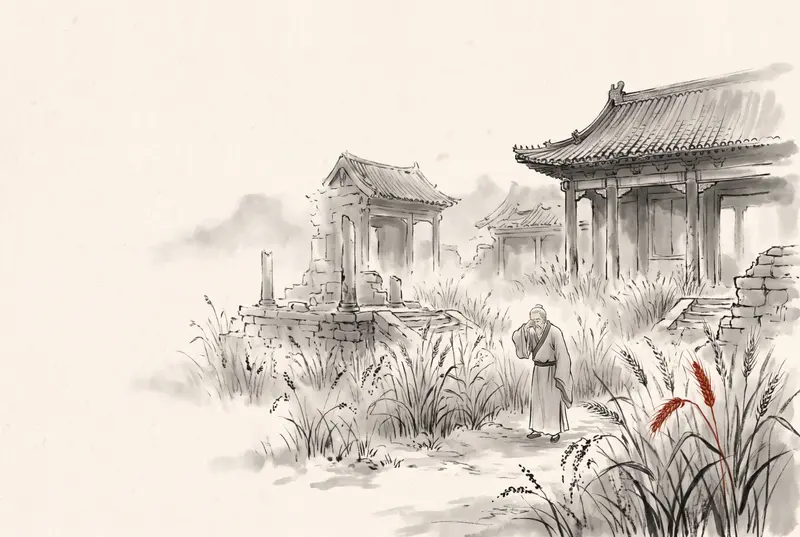
周武王伐紂克殷,微子乃持其祭器造於軍門,肉袒面縛,左牽羊,右把茅,膝行而前以告。於是武王乃釋微子,復其位如故。於是武王乃封箕子於朝鮮而不臣也。其後箕子朝周,過故殷虛,感宮室毀壞,生禾黍,箕子傷之,欲哭則不可,欲泣爲其近婦人,乃作麥秀之詩以歌詠之。其詩曰:「麥秀漸漸兮,禾黍油油。彼狡僮兮,不與我好兮!」所謂狡童者,紂也。殷民聞之,皆爲流涕。
書き下し文
周の武王紂を伐ちて殷に克つ。微子乃ち其の祭器を持して軍門に造り、肉袒面縛し、左に羊を牽き、右に茅を把り、膝行して前み以て告ぐ。是に於いて武王乃ち微子を釈き、其の位を復すること故の如し。是に於いて武王乃ち箕子を朝鮮に封じて臣とせざるなり。其の後箕子周に朝し、故の殷虚を過ぎ、宮室の毀壊して禾黍を生ずるに感じ、箕子之を傷む。哭せんと欲すれば則ち不可なり。泣かんと欲すれば其の婦人に近きが為なり。乃ち麦秀の詩を作りて以て之を歌詠す。其の詩に曰く、「麦秀でて漸漸たり、禾黍油油たり。彼の狡僮、我と好からず」と。所謂狡童とは、紂なり。殷の民之を聞き、皆為に流涕す。
現代語訳
周の武王が紂を討って殷に勝つと、微子は殷の祭器を持って周の軍門へ行き、肌脱ぎになって手を後ろに縛り、左手で羊を引き、右手に茅を持って、ひざで進み出て降伏を告げた。そこで武王は微子を許し、もとの位にもどした。(武王は箕子に天下を治める道をたずね、)箕子を朝鮮に封じたが、臣下扱いはしなかった。のちに箕子は周に朝見に行く途中、もとの殷の都の跡を通りかかった。宮殿はくずれ、跡には麦やきびが生い茂っていた。箕子は悲しくなったが、声をあげて泣くわけにもいかず、すすり泣くのは女々しいと思って、「麦秀の歌」を作って歌った。その歌はこうである。「麦の穂はすくすくと伸び、きびはつややかに茂る。あのこざかしい若者は、わたしの言うことを聞かなかった」。こざかしい若者とは、紂のことである。殷の民はこれを聞いて、皆涙を流した。
英訳
When King Wu of Zhou attacked Zhou of Yin and conquered the Yin, the Viscount of Wei took the sacrificial vessels of his house to the gate of the army camp. Stripped to the waist, with his hands tied behind him, leading a sheep with his left hand and holding a bunch of rushes in his right, he came forward on his knees to surrender. King Wu set the Viscount of Wei free and restored him to his old rank. King Wu gave Jizi a fief in Korea, and did not treat him as a subject. Later, Jizi went to the Zhou court, and on the way he passed the ruins of the old Yin capital. Seeing the palaces in ruins and grain growing where they had stood, he was filled with grief. He could not wail aloud, and to weep quietly seemed too much like a woman, so he made "The Song of the Wheat Ears" and sang it. The song said: "The wheat ears grow tall and fine, the millet is lush and green. That clever boy would not be good to me." The clever boy was Zhou. When the people of Yin heard it, they all wept.
解説(日)
- 肉袒面縛: 肌脱ぎになり、手を後ろに縛る。降伏の作法。羊と茅は祭りの供え物のしるし。
- 朝鮮: 箕子が朝鮮に封じられたという伝え(箕子朝鮮)。歴史的な事実かどうかは議論がある。
- 麥秀之詩: 滅んだ国の都の跡を見て嘆くことを「麦秀の歎」という。
- このあいだに、箕子が武王に政治の大法「洪範九疇」を説く長い部分がある(ここでは省く)。
解説(英)
- Stripped to the waist, hands bound (肉袒面縛): the ritual of surrender; the sheep and rushes were offerings.
- Korea (朝鮮): the tradition of "Jizi's Korea"; its history is much debated.
- "The Song of the Wheat Ears" (麥秀之詩): grief for a fallen dynasty became known as "the lament of the wheat ears".
- Between these lines comes Jizi's long exposition of the "Great Plan" to King Wu (left out here).
この節から生まれた言葉: 麦秀の嘆
英語の語注
- ruins/ˈruɪnz/noun
the broken remains of old buildings
本文では: “the ruins of the old Yin capital”
似た語と違い: remains — what is left · wreckage — broken parts
- surrender/səˈrɛndər/verb
to stop fighting and give yourself up
本文では: “came forward on his knees to surrender”
似た語と違い: give up — stop resisting · submit — accept defeat
節 5
原文
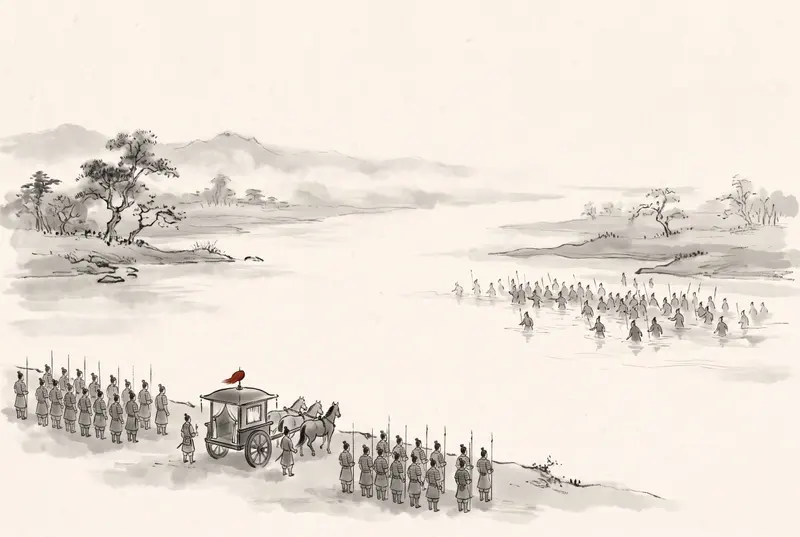
八年,齊桓公卒,宋欲爲盟會。十二年春,宋襄公爲鹿上之盟,以求諸侯於楚,楚人許之。公子目夷諫曰:「小國爭盟,禍也。」不聽。秋,諸侯會宋公盟于盂。目夷曰:「禍其在此乎?君欲已甚,何以堪之!」於是楚執宋襄公以伐宋。冬,會于亳,以釋宋公。子魚曰:「禍猶未也。」十三年夏,宋伐鄭。子魚曰:「禍在此矣。」秋,楚伐宋以救鄭。襄公將戰,子魚諫曰:「天之棄商久矣,不可。」冬,十一月,襄公與楚成王戰于泓。楚人未濟,目夷曰:「彼眾我寡,及其未濟擊之。」公不聽。已濟未陳,又曰:「可擊。」公曰:「待其已陳。」陳成,宋人擊之。宋師大敗,襄公傷股。國人皆怨公。公曰:「君子不困人於阸,不鼓不成列。」子魚曰:「兵以勝爲功,何常言與!必如公言,即奴事之耳,又何戰爲?」
書き下し文
八年、斉の桓公卒す。宋盟会を為さんと欲す。十二年春、宋の襄公鹿上の盟を為し、以て諸侯を楚に求む。楚人之を許す。公子目夷諫めて曰く、「小国の盟を争うは、禍なり」と。聴かず。秋、諸侯宋公に会して盂に盟う。目夷曰く、「禍其れ此に在らんか。君の欲已に甚だし。何を以て之に堪えん」と。是に於いて楚宋の襄公を執えて以て宋を伐つ。冬、亳に会し、以て宋公を釈す。子魚曰く、「禍猶お未だしなり」と。十三年夏、宋鄭を伐つ。子魚曰く、「禍此に在り」と。秋、楚宋を伐ちて以て鄭を救う。襄公将に戦わんとす。子魚諫めて曰く、「天の商を棄つること久し。不可なり」と。冬、十一月、襄公楚の成王と泓に戦う。楚人未だ済らず。目夷曰く、「彼は衆く我は寡し。其の未だ済らざるに及びて之を撃たん」と。公聴かず。已に済りて未だ陳せず。又曰く、「撃つべし」と。公曰く、「其の已に陳するを待て」と。陳成り、宋人之を撃つ。宋の師大いに敗れ、襄公股を傷つく。国人皆公を怨む。公曰く、「君子は人を阸に困しめず、成列せざるに鼓せず」と。子魚曰く、「兵は勝つを以て功と為す。何の常言か之れ与らん。必ず公の言の如くんば、即ち之に奴事せんのみ。又何ぞ戦うを為さん」と。
現代語訳
(宋の襄公の)八年、斉の桓公が亡くなると、宋は諸侯の盟主になろうとした。十二年の春、宋の襄公は鹿上で盟約を結び、楚に諸侯を集めてくれるよう求めた。楚はそれを承知した。公子目夷(子魚)はいさめた。「小国が盟主の座を争うのは、災いのもとです」。襄公は聞かなかった。秋、諸侯は宋公と盂で会盟した。目夷は言った。「災いはここにあるのではないか。殿の欲は度が過ぎている。どうして持ちこたえられよう」。案の定、楚は宋の襄公を捕らえて宋を攻めた。冬、亳で会合して、ようやく宋公は釈放された。子魚は「災いはまだ終わっていない」と言った。十三年の夏、宋は鄭を攻めた。子魚は「災いはここにある」と言った。秋、楚は鄭を救うために宋を攻めた。襄公が戦おうとすると、子魚はいさめた。「天が商(殷)を見捨ててから久しいのです。戦ってはなりません」。冬十一月、襄公は楚の成王と泓水で戦った。楚の軍がまだ川を渡りきらないうちに、目夷は言った。「敵は多く、味方は少ない。渡りきらないうちに攻めましょう」。襄公は聞かなかった。渡り終えたがまだ陣を整えないうちに、目夷はまた「いまこそ攻めるべきです」と言った。襄公は「陣を整えるのを待て」と言った。楚の陣が整ってから宋は攻めかかり、宋軍は大敗して、襄公はももに傷を負った。国の人々は皆、襄公を恨んだ。襄公は言った。「君子は、困っている人をさらに苦しめたりはしない。陣を整えていない敵に太鼓を鳴らして攻めかかったりはしない」。子魚は言った。「戦いは勝つことが手柄です。そんな決まり文句が何になりましょう。殿の言うとおりにするなら、はじめから相手の奴隷になって仕えればよいのです。何のために戦うのですか」。
英訳
In the eighth year Duke Huan of Qi died, and Song wanted to lead a league of the lords. In the spring of the twelfth year, Duke Xiang of Song held a covenant at Lushang and asked Chu to bring the lords to him. The men of Chu agreed. Prince Muyi warned him: "For a small state to compete to lead a league is to invite disaster." The duke would not listen. In the autumn the lords met the Duke of Song and swore a covenant at Yu. Muyi said: "Is this where the disaster lies? Your desires go too far. How can we bear them?" And Chu seized Duke Xiang of Song and attacked Song. In the winter they met at Bo, and the Duke of Song was let go. Ziyu said: "The disaster is not over yet." In the summer of the thirteenth year Song attacked Zheng. Ziyu said: "Here is the disaster." In the autumn Chu attacked Song to save Zheng. As Duke Xiang was about to fight, Ziyu warned him: "Heaven abandoned the house of Shang long ago. You must not." In the winter, in the eleventh month, Duke Xiang fought King Cheng of Chu at the Hong River. The men of Chu had not yet crossed. Muyi said: "They are many and we are few. Let us strike them before they have crossed." The duke would not listen. When they had crossed but not yet formed their ranks, he said again: "Now we can strike." The duke said: "Wait until they have formed their ranks." When the ranks were formed, the men of Song attacked. The army of Song was utterly defeated, and Duke Xiang was wounded in the thigh. Everyone in the state blamed the duke. The duke said: "A gentleman does not press a man who is in difficulty, and does not sound the drums against an enemy whose ranks are not formed." Ziyu said: "In war, victory is what counts. What use are such sayings? If we must do as you say, we might as well become their slaves. Why fight at all?"
解説(日)
- 目夷: 公子目夷、字は子魚。襄公の異母兄で、宰相として何度もいさめた。
- 泓: 泓水。今の河南省柘城県のあたりの川。前638年の戦い。
- 宋襄之仁: 敵に情けをかけて自分が敗れるような、無用の思いやり。この話から生まれた故事成語。
- 天之棄商久矣: 宋は殷(商)の子孫の国なので、こう言った。
解説(英)
- Muyi (目夷): Prince Muyi, courtesy name Ziyu, the duke's elder half-brother and chief minister.
- The Hong River (泓): the battle of 638 BCE, in eastern Henan.
- "The kindness of Duke Xiang" (宋襄之仁): misplaced chivalry that brings defeat.
- Heaven abandoned Shang: Song was ruled by descendants of the Shang (Yin) kings.
この節から生まれた言葉: 宋襄の仁
英語の語注
- covenant/ˈkʌvənənt/noun
a formal, solemn agreement
本文では: “held a covenant at Lushang”
似た語と違い: pact — agreement · treaty — formal agreement between states
- utterly/ˈʌtərli/adverb
completely
本文では: “utterly defeated”
似た語と違い: totally — fully · completely — entirely
節 6
原文
四年春,(鄭)[楚]命(楚)[鄭]伐宋。宋使華元將,鄭敗宋,囚華元。華元之將戰,殺羊以食士,其御羊羹不及,故怨,馳入鄭軍,故宋師敗,得囚華元。宋以兵車百乘文馬四百匹贖華元。未盡入,華元亡歸宋。
書き下し文
四年春、(鄭)[楚](楚)[鄭]に命じて宋を伐たしむ。宋、華元をして将たらしむ。鄭宋を敗り、華元を囚う。華元の将に戦わんとするや、羊を殺して以て士に食らわしむ。其の御、羊羹及ばず。故に怨み、馳せて鄭の軍に入る。故に宋の師敗れ、華元を囚うるを得たり。宋、兵車百乗・文馬四百匹を以て華元を贖う。未だ尽く入らずして、華元亡げて宋に帰る。
現代語訳
(宋の文公の)四年の春、楚は鄭に命じて宋を攻めさせた。宋は華元を将軍として迎え撃ったが、鄭は宋を破り、華元を捕らえた。華元は戦いの前に羊を殺して兵士たちにふるまったが、自分の車の御者には羊のスープが回らなかった。御者はそれを恨み、戦いが始まると、華元を乗せたまま車を鄭の陣へ走らせた。それで宋の軍は敗れ、鄭は華元を捕らえることができた。宋は兵車百台と、模様のある馬四百頭で華元を買いもどそうとしたが、全部を引き渡さないうちに、華元は逃げて宋に帰った。
英訳
In the spring of the fourth year, Chu ordered Zheng to attack Song. Song sent Hua Yuan as its general. Zheng defeated Song and took Hua Yuan prisoner. Before the battle, Hua Yuan had a sheep killed and fed to his soldiers, but his chariot driver got none of the mutton soup. He bore a grudge for it, and drove straight into the army of Zheng. So the army of Song was beaten and Hua Yuan was captured. Song offered a hundred war chariots and four hundred painted horses to ransom Hua Yuan, but before they had all been handed over, Hua Yuan escaped and came home to Song.
解説(日)
- (鄭)[楚]命(楚)[鄭]: 校勘の印。底本の「鄭が楚に命じて」を、「楚が鄭に命じて」と改めて読む。
- 羊羹: 羊の肉の汁物。いまの和菓子の羊羹とは違う。
- 文馬: 毛並みに模様のある、または飾りをつけた馬。
- 小さな不公平が大きな災いを招く例として、のちによく引かれる話。
解説(英)
- The brackets correct the text: it was Chu that ordered Zheng, not the other way round.
- Mutton soup (羊羹): the Japanese sweet called yōkan took its name from this word.
- A small slight that cost a whole battle: a favourite cautionary tale.
英語の語注
- grudge/ɡrʌdʒ/noun
a lasting feeling of anger about a past wrong
本文では: “He bore a grudge for it”
似た語と違い: resentment — bitterness · ill will — unfriendly feeling
- ransom/ˈrænsəm/verb
to pay to free a prisoner
本文では: “to ransom Hua Yuan”
似た語と違い: buy back — pay to free · redeem — free by payment
節 7
原文
十六年,楚使過宋,宋有前仇,執楚使。九月,楚莊王圍宋。十七年,楚以圍宋五月不解,宋城中急,無食,華元乃夜私見楚將子反。子反告莊王。王問:「城中何如?」曰:「析骨而炊,易子而食。」莊王曰:「誠哉言!我軍亦有二日糧。」以信故,遂罷兵去。
書き下し文
十六年、楚の使い宋を過ぐ。宋前に仇有り、楚の使いを執う。九月、楚の荘王宋を囲む。十七年、楚宋を囲むこと五月にして解かざるを以て、宋の城中急にして、食無し。華元乃ち夜私かに楚の将子反に見ゆ。子反荘王に告ぐ。王問う、「城中何如」と。曰く、「骨を析きて炊ぎ、子を易えて食らう」と。荘王曰く、「誠なるかな言。我が軍も亦た二日の糧有るのみ」と。信を以ての故に、遂に兵を罷めて去る。
現代語訳
(文公の)十六年、楚の使者が宋を通った。宋は以前の恨みがあったので、楚の使者を捕らえた(そして殺した)。九月、楚の荘王は宋の都を囲んだ。十七年、楚の包囲は五か月たっても解けず、宋の都は追いつめられ、食べ物がなくなった。華元は夜ひそかに城を出て、楚の将軍子反に会った。子反が荘王に伝えると、王はたずねた。「城の中はどんな様子か」。華元は答えた。「骨を割って薪にして煮炊きし、子どもを取り替えて食べています」。荘王は言った。「正直な言葉だ。わが軍も二日分の食糧しかない」。華元が正直に言ったので、楚は兵を引いて去った。
英訳
In the sixteenth year an envoy of Chu passed through Song. Song had an old grudge, and seized the envoy of Chu. In the ninth month King Zhuang of Chu besieged Song. In the seventeenth year, when Chu had kept up the siege for five months, the city of Song was desperate and there was no food left. Hua Yuan secretly went by night to see Zifan, the Chu general, and Zifan reported to King Zhuang. The king asked: "How are things in the city?" He said: "We split bones for firewood, and exchange our children to eat them." King Zhuang said: "Honest words indeed! My army too has only two days' food left." Because he had kept faith, the king called off the siege and went away.
解説(日)
- 易子而食: 自分の子を食べるのは忍びないので、他人の子と取り替えて食べる。極度の飢えのたとえ。
- 楚の荘王: 「鳴かず飛ばず」の王(040-chu の章)。
- 子反: 楚の将軍。『春秋左氏伝』では、華元が子反の寝床に忍びこんで話したとされる。
解説(英)
- Exchange our children to eat them (易子而食): too horrible to eat one's own; a byword for extreme famine.
- King Zhuang of Chu: the king of "the silent bird" (chapter 040).
- Zifan (子反): in the Zuo Commentary Hua Yuan slips into his bedroom by night to speak to him.
この節から生まれた言葉: 子を易えて食らう
英語の語注
- besiege/bɪˈsidʒ/verb
to surround a city with an army
本文では: “King Zhuang of Chu besieged Song”
似た語と違い: surround — close in on · blockade — cut off
- desperate/ˈdɛspərɪt/adjective
in a very bad situation with little hope
本文では: “the city of Song was desperate”
似た語と違い: hopeless — without hope · dire — extremely serious
節 8
原文
三十七年,楚惠王滅陳。熒惑守心。心,宋之分野也。景公憂之。司星子韋曰:「可移於相。」景公曰:「相,吾之股肱。」曰:「可移於民。」景公曰:「君者待民。」曰:「可移於歲。」景公曰:「歲饑民困,吾誰爲君!」子韋曰:「天高聽卑。君有君人之言三,熒惑宜有動。」於是候之,果徙三度。
書き下し文
三十七年、楚の恵王陳を滅ぼす。熒惑心を守る。心は、宋の分野なり。景公之を憂う。司星子韋曰く、「相に移すべし」と。景公曰く、「相は、吾の股肱なり」と。曰く、「民に移すべし」と。景公曰く、「君は民を待つ」と。曰く、「歳に移すべし」と。景公曰く、「歳饑えて民困しまば、吾誰の為にか君たらん」と。子韋曰く、「天は高くして卑きを聴く。君に君人の言三有り。熒惑宜しく動く有るべし」と。是に於いて之を候うに、果たして徙ること三度なり。
現代語訳
(宋の景公の)三十七年、楚の恵王が陳を滅ぼした。火星が心宿にとどまった。心宿は宋に当たる星の区域である。景公はこれを心配した。星を占う役人の子韋は言った。「災いを宰相に移すことができます」。景公は「宰相はわたしの手足だ」と言った。「では民に移すことができます」。景公は「君主は民あってのものだ」と言った。「では作物の実りに移すことができます」。景公は言った。「凶作で民が苦しめば、わたしは誰のために君主でいるのか」。子韋は言った。「天は高いところにありながら、低いところの声をよく聞いています。殿は君主にふさわしい言葉を三つおっしゃいました。火星はきっと動くでしょう」。そこで見張っていると、果たして火星は三度移動した。
英訳
In the thirty-seventh year King Hui of Chu destroyed Chen. Mars lingered in the Heart constellation. The Heart was the part of the sky that belonged to Song, and Duke Jing was troubled. Ziwei, the reader of the stars, said: "It can be shifted onto your chancellor." Duke Jing said: "My chancellor is my arms and legs." "It can be shifted onto the people." Duke Jing said: "A ruler depends on his people." "It can be shifted onto the harvest." Duke Jing said: "If the harvest fails and the people suffer, for whom would I be ruler?" Ziwei said: "Heaven is high, but it hears what is said below. Three times you have spoken as a true ruler should. Mars should move." So they watched it, and it did indeed move by three degrees.
解説(日)
- 熒惑守心: 火星が心宿にとどまること。君主に災いがある前ぶれとされた。始皇帝のときにも現れた(006-unification の章)。
- 分野: 天の星座の区域を、地上の国々に割り当てる考え方。
- 股肱: ももとひじ。手足のように頼りになる家臣。
- 天高聽卑: 天は高い所にいながら、低い所の人の言葉をよく聞いている。
解説(英)
- Mars in the Heart (熒惑守心): an omen of danger to the ruler; it also appeared before the First Emperor's death (chapter 006).
- The part of the sky belonging to Song (分野): each state had its own region of the heavens.
- Arms and legs (股肱): a trusted minister.
英語の語注
- linger/ˈlɪŋɡər/verb
to stay in a place longer than expected
本文では: “Mars lingered in the Heart constellation”
似た語と違い: remain — stay · tarry — delay leaving
- constellation/ˌkɑnstəˈleɪʃən/noun
a group of stars with a name
本文では: “the Heart constellation”
似た語と違い: star group — stars seen together · asterism — pattern of stars
節 9
原文
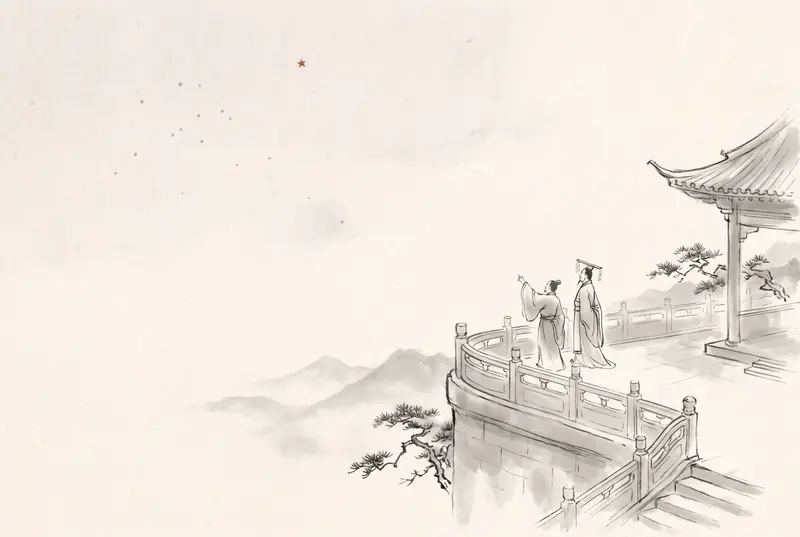
君偃十一年,自立爲王。東敗齊,取五城;南敗楚,取地三百里;西敗魏軍,乃與齊、魏爲敵國。盛血以韋囊,縣而射之,命曰「射天」。淫於酒婦人。羣臣諫者輒射之。於是諸侯皆曰「桀宋」,「宋其復爲紂所爲,不可不誅。」告齊伐宋。王偃立四十七年,齊湣王與魏、楚伐宋,殺王偃,遂滅宋而三分其地。
書き下し文
君偃の十一年、自立して王と為る。東のかた斉を敗り、五城を取る。南のかた楚を敗り、地三百里を取る。西のかた魏の軍を敗り、乃ち斉・魏と敵国と為る。血を盛るに韋囊を以てし、県けて之を射、命じて「射天」と曰う。酒と婦人とに淫す。群臣の諫むる者は輒ち之を射る。是に於いて諸侯皆曰く「桀宋」と。「宋其れ復た紂の為す所を為す。誅せざるべからず」と。斉に告げて宋を伐たしむ。王偃立ちて四十七年、斉の湣王、魏・楚と宋を伐ち、王偃を殺し、遂に宋を滅ぼして其の地を三分す。
現代語訳
宋の君主偃の十一年、偃は自ら王を名のった。東では斉を破って五つの城を取り、南では楚を破って三百里の土地を取り、西では魏の軍を破って、斉や魏と肩を並べる強国になった。革の袋に血を入れてつるし、それを矢で射て「天を射る」と称した。酒と女におぼれ、いさめる家臣がいると、すぐに矢で射た。そこで諸侯は皆、「桀宋(桀王のような宋)」と呼び、「宋はまた紂王と同じことをしている。討たないわけにはいかない」と言って、斉に宋を討つよう告げた。王偃が立って四十七年目、斉の湣王は魏・楚とともに宋を討ち、王偃を殺して、ついに宋を滅ぼし、その地を三つに分けた。
英訳
In the eleventh year of his reign, Yan, the ruler of Song, made himself king. In the east he defeated Qi and took five cities; in the south he defeated Chu and took three hundred li of land; in the west he defeated the army of Wei, and so Song became a match for Qi and Wei. He filled a leather bag with blood, hung it up and shot arrows at it, calling it "shooting Heaven". He gave himself up to wine and women, and whenever a minister warned him, he shot him. So all the lords called him "Jie of Song", and said: "Song is doing again what Zhou of Yin did. He must be punished." They called on Qi to attack Song. In the forty-seventh year of King Yan's reign, King Min of Qi, together with Wei and Chu, attacked Song, killed King Yan, destroyed Song and divided its land in three.
解説(日)
- 射天: 血を入れた革袋を天に見立てて射ること。殷の武乙も同じことをしたと殷本紀にある。
- 桀宋: 夏の暴君桀になぞらえた呼び名。
- 宋の滅亡は前286年。殷の子孫の国は、紂王と同じような最後の王で終わった。
解説(英)
- Shooting Heaven (射天): the same blasphemy is told of King Wu Yi of Yin in the Basic Annals of Yin.
- "Jie of Song" (桀宋): named after the last tyrant of Xia.
- Song fell in 286 BCE: the heirs of Yin ended, as Yin had, with a tyrant.
英語の語注
- match/mætʃ/noun
someone as strong as another
本文では: “a match for Qi and Wei”
似た語と違い: equal — one of the same level · rival — competitor
節 10
原文
太史公曰:孔子稱「微子去之,箕子爲之奴,比干諫而死,殷有三仁焉」。春秋譏宋之亂自宣公廢太子而立弟,國以不寧者十世。襄公之時,修行仁義,欲爲盟主。其大夫正考父美之,故追道契、湯、高宗,殷所以興,作商頌。襄公既敗於泓,而君子或以爲多,傷中國闕禮義,褒之也,宋襄之有禮讓也。
書き下し文
太史公曰く、孔子称す、「微子は之を去り、箕子は之が奴と為り、比干は諫めて死す。殷に三仁有り」と。春秋に宋の乱の宣公の太子を廃して弟を立てしより、国以て寧からざる者十世なるを譏る。襄公の時、仁義を修行し、盟主と為らんと欲す。其の大夫正考父之を美し、故に契・湯・高宗、殷の興る所以を追道して、商頌を作る。襄公既に泓に敗る。而して君子或いは以て多と為す。中国の礼義を闕くを傷み、之を褒むるなり。宋襄の礼譲有るなり。
現代語訳
太史公は言う。孔子は「微子は国を去り、箕子は奴隷となり、比干はいさめて死んだ。殷には三人の仁者がいた」とたたえた。『春秋』は、宋の乱れが、宣公が太子をさしおいて弟に位を譲ったことから始まり、十代にわたって国が落ち着かなかったことを非難している。襄公の時代には、仁義を行って盟主になろうとした。大夫の正考父は襄公をたたえ、契・湯・高宗(武丁)といった殷の興隆をさかのぼって語り、『詩経』の「商頌」を作った。襄公は泓水で敗れたが、君子のなかにはかえって襄公をほめる者もいた。中国に礼儀が失われているのを嘆き、襄公の礼儀と譲り合いの心をたたえたのである。
英訳
The Grand Historian says: Confucius said: "The Viscount of Wei left him, Jizi became his slave, and Bi Gan warned him and died. Yin had three good men." The Spring and Autumn Annals condemn the disorders of Song, which began when Duke Xuan set aside his heir and made his brother ruler, so that the state had no peace for ten generations. In Duke Xiang's time he practised humanity and justice and hoped to become leader of the lords. His minister Zheng Kaofu admired him, and so he looked back on Xie, Tang and Gaozong, and how the Yin had risen, and composed the Hymns of Shang. Duke Xiang was defeated at the Hong River, yet some gentlemen thought well of him. Grieving that the central states had lost their sense of rites and justice, they praised him; for Duke Xiang of Song did have courtesy and the spirit of yielding.
解説(日)
- 殷有三仁焉: 『論語』微子篇の言葉。微子・箕子・比干の三人の仁者。
- 商頌: 『詩経』の頌の一部。殷の祖先をたたえる歌。
- 司馬遷は「宋襄の仁」を笑うだけでなく、礼儀を重んじた心をほめる見方も紹介している。
解説(英)
- "Yin had three good men" (殷有三仁焉): from the Analects.
- The Hymns of Shang (商頌): a section of the Book of Odes praising the Yin ancestors.
- Sima Qian does not simply mock Duke Xiang; he also records those who admired his courtesy.
英語の語注
- condemn/kənˈdɛm/verb
to say strongly that something is wrong
本文では: “condemn the disorders of Song”
似た語と違い: denounce — criticise publicly · censure — disapprove formally