本紀 · 巻 7
項羽本紀 項羽本紀
鴻門の会 鴻門之會
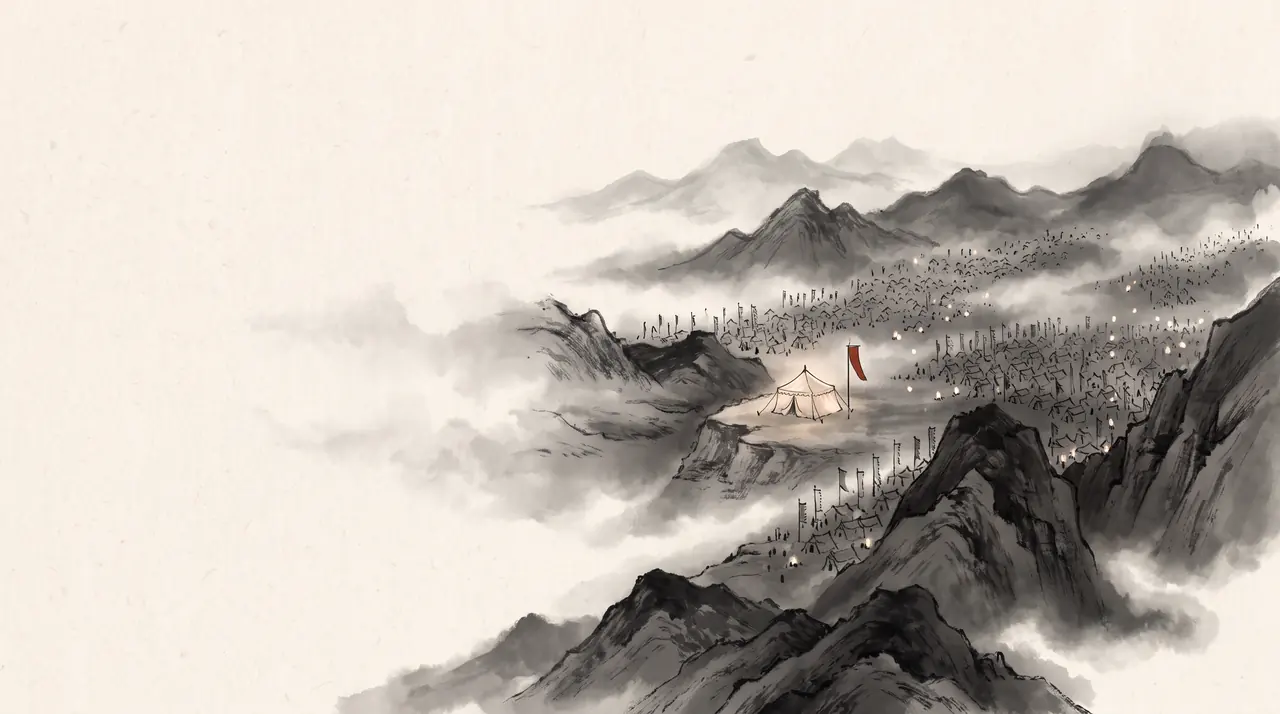
秦が滅んだあと、先に関中へ入った沛公(劉邦)を、項羽が討とうとする。鴻門の酒宴で、范増の合図、項荘の剣舞、樊噲の乱入と緊迫した場面が続き、沛公はからくも逃れる。のちの楚漢の争いの行方を予感させる、『史記』屈指の名場面。
この巻のうち「鴻門の会」の場面を載せています。巻の全文ではありません。
音声
音声は合成音声です。
動画
節 1
原文
行略定秦地。函谷關有兵守關,不得入。又聞沛公已破咸陽,項羽大怒,使當陽君等擊關。項羽遂入,至于戲西。沛公軍霸上,未得與項羽相見。沛公左司馬曹無傷使人言於項羽曰:「沛公欲王關中,使子嬰為相,珍寶盡有之。」項羽大怒,曰:「旦日饗士卒,為擊破沛公軍!」當是時,項羽兵四十萬,在新豐鴻門,沛公兵十萬,在霸上。范增說項羽曰:「沛公居山東時,貪於財貨,好美姬。今入關,財物無所取,婦女無所幸,此其志不在小。吾令人望其氣,皆為龍虎,成五采,此天子氣也。急擊勿失。」
書き下し文
行くゆく秦の地を略定す。函谷関に兵有りて関を守り、入るを得ず。又た沛公已に咸陽を破ると聞き、項羽大いに怒り、当陽君等をして関を撃たしむ。項羽遂に入りて、戯の西に至る。沛公は覇上に軍し、未だ項羽と相見ゆるを得ず。沛公の左司馬曹無傷、人をして項羽に言わしめて曰く、「沛公、関中に王たらんと欲し、子嬰をして相たらしめ、珍宝尽く之を有す」と。項羽大いに怒りて曰く、「旦日士卒を饗し、為に沛公の軍を撃破せん」と。是の時に当たり、項羽の兵は四十万、新豊の鴻門に在り。沛公の兵は十万、覇上に在り。范増、項羽に説きて曰く、「沛公山東に居りし時、財貨を貪り、美姫を好めり。今関に入りて、財物取る所無く、婦女幸する所無し。此れ其の志小に在らず。吾人をして其の気を望ましむるに、皆竜虎を為し、五采を成す。此れ天子の気なり。急ぎ撃ちて失う勿かれ」と。
現代語訳
項羽の軍は進みながら秦の地を平定していった。函谷関には兵がいて関を守っており、入ることができなかった。そのうえ、沛公(劉邦)がすでに咸陽を落としたと聞いて、項羽は激怒し、当陽君らに関を攻めさせた。項羽はこうして関中に入り、戯水の西に着いた。沛公は覇上に陣を構えていたが、まだ項羽と会えていなかった。沛公の左司馬の曹無傷が、人をやって項羽に告げさせた。「沛公は関中の王になるつもりで、子嬰(秦の最後の君主)を宰相にし、財宝をすべて手に入れています。」項羽は激怒して言った。「明朝、兵士にごちそうをして、沛公の軍を撃ち破ってやる。」このとき、項羽の兵は四十万で新豊の鴻門におり、沛公の兵は十万で覇上にいた。范増が項羽に説いた。「沛公は山東にいたころ、財物をむさぼり、美女を好みました。ところが関中に入ってからは、財物を取らず、女性を寵愛することもない。これは志が小さくない証拠です。私が人に沛公の上の気を見させたところ、どれも竜や虎の形をして、五色に輝いていました。これは天子の気です。急いで攻撃し、機会を逃してはなりません。」
英訳
Xiang Yu's army advanced, bringing the land of Qin under control. But soldiers were guarding the Hangu Pass, and he could not get through. He also heard that the Lord of Pei had already taken Xianyang. Furious, Xiang Yu sent the Lord of Dangyang and others to attack the pass. He then entered and reached the west of the Xi River. The Lord of Pei was camped at Bashang and had not yet met Xiang Yu. Cao Wushang, the Lord of Pei's Marshal of the Left, sent a man to tell Xiang Yu, "The Lord of Pei means to make himself king of the land within the passes, with Ziying as his chancellor, and he has taken all the treasure for himself." Xiang Yu was furious and said, "Tomorrow morning we will feast the troops and then smash the Lord of Pei's army!" At this time Xiang Yu had four hundred thousand men at Hongmen in Xinfeng, and the Lord of Pei had a hundred thousand at Bashang. Fan Zeng advised Xiang Yu, "When the Lord of Pei lived east of the mountains, he was greedy for riches and fond of beautiful women. Now that he has entered the passes, he takes no riches and favors no women. This shows that his ambitions are not small. I had someone watch the aura above him, and it all took the shapes of dragons and tigers in five colors. This is the aura of a Son of Heaven. Attack at once and do not lose the chance."
解説(日)
- 沛公: 劉邦。沛(今の江蘇省沛県)で兵を挙げたので、こう呼ばれる。のちの漢の高祖。
- 函谷関: 関中(秦の本拠地)へ入る東の関所。
- 当陽君: 黥布(英布)。項羽の配下の勇将。
- 子嬰: 秦の最後の君主。沛公に降伏していた。
- 鴻門: 新豊(今の陝西省西安市臨潼区の東)にあった地。覇上とは四十里ほど離れていた。
- 気を望む: 雲気を見て、人の運や吉凶を占う術。
- 范増: 項羽の参謀。「亜父」(父に次ぐ人)と呼ばれた。
解説(英)
- The Lord of Pei: Liu Bang, so called because he raised his army at Pei. He later became Emperor Gaozu of Han.
- Hangu Pass: the eastern gateway into the land "within the passes" (Guanzhong), the Qin heartland.
- The Lord of Dangyang: Qing Bu (Ying Bu), one of Xiang Yu's fiercest generals.
- Ziying: the last ruler of Qin, who had surrendered to the Lord of Pei.
- Hongmen: a place in Xinfeng, east of present-day Lintong near Xi'an, about forty li from Bashang.
- Watching the aura (望氣): the art of reading a person's fortune from clouds and vapors.
- Fan Zeng: Xiang Yu's chief adviser, called "Second Father" (亞父).
この節から生まれた言葉: 鴻門の会
英語の語注
- furious/ˈfjʊriəs/adjective
extremely angry
本文では: “Furious, Xiang Yu sent the Lord of Dangyang”
似た語と違い: angry — the everyday word; can be mild · enraged — suddenly filled with rage
- chancellor/ˈtʃænsələr/noun
the highest minister of a state, who runs the government for the ruler
本文では: “with Ziying as his chancellor”
似た語と違い: prime minister — the modern title for a head of government · minister — any high official
- smash/smæʃ/verb
to defeat completely; also, to break into pieces
本文では: “smash the Lord of Pei's army”
似た語と違い: crush — defeat so badly that the enemy cannot fight back · shatter — break into many small pieces
In passage 12 the word is used for breaking the jade dippers.
- aura/ˈɔrə/noun
a cloud or glow believed to surround a person and show their nature or fate
本文では: “I had someone watch the aura above him”
似た語と違い: atmosphere — the feeling of a place or situation · glow — soft, steady light
- ambition/æmˈbɪʃən/noun
a strong wish to achieve something great, such as power
本文では: “his ambitions are not small”
似た語と違い: aim — a goal; neutral · desire — a wish or want, often a feeling
節 2
原文
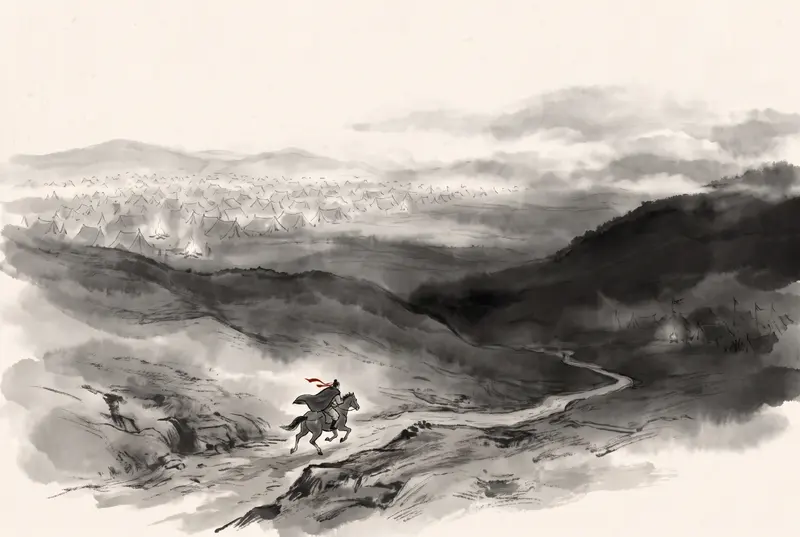
楚左尹項伯者,項羽季父也,素善留侯張良。張良是時從沛公,項伯乃夜馳之沛公軍,私見張良,具告以事,欲呼張良與俱去。曰:「毋從俱死也。」張良曰:「臣為韓王送沛公,沛公今事有急,亡去不義,不可不語。」良乃入,具告沛公。
書き下し文
楚の左尹項伯なる者は、項羽の季父なり。素より留侯張良に善し。張良是の時沛公に従う。項伯乃ち夜馳せて沛公の軍に之き、私かに張良に見え、具に告ぐるに事を以てし、張良を呼びて与に倶に去らんと欲す。曰く、「従いて倶に死すること毋かれ」と。張良曰く、「臣は韓王の為に沛公を送る。沛公今事急有り。亡げ去るは義ならず。語げざるべからず」と。良乃ち入りて、具に沛公に告ぐ。
現代語訳
楚の左尹(高官)の項伯は、項羽の叔父で、以前から留侯の張良と親しかった。張良はこのとき沛公に従っていた。項伯は夜のうちに馬を走らせて沛公の陣へ行き、ひそかに張良に会って事情をすべて告げ、張良を呼び出していっしょに立ち去ろうとした。「沛公について一緒に死ぬことはない」と言うのである。張良は言った。「私は韓王のために沛公を送り届けている身です。沛公がいま危急のときに逃げ去るのは、義にかないません。知らせないわけにはいきません。」張良はそこで中に入り、沛公にすべてを告げた。
英訳
Xiang Bo, Chief Minister of the Left of Chu, was Xiang Yu's youngest uncle and had long been a good friend of Zhang Liang, later Marquis of Liu. At this time Zhang Liang was serving the Lord of Pei. That night Xiang Bo rode hard to the Lord of Pei's camp, met Zhang Liang in secret, told him everything, and urged him to leave with him. "Don't die along with him," he said. Zhang Liang said, "I am escorting the Lord of Pei on behalf of the King of Hann. He is now in danger, and it would not be right for me to run away. I must tell him." So Zhang Liang went in and told the Lord of Pei everything.
解説(日)
- 左尹: 楚の官名で、高位の大臣。
- 季父: 父の末の弟、叔父。
- 留侯張良: 沛公の参謀。のちに留侯に封じられたので、この呼び名で書かれている。
- 韓王: 戦国の韓の王族、韓成。張良は韓の名家の出で、韓王のもとから沛公に同行していた。
- 項伯の行動: 主君である項羽の作戦を、旧友のためにもらしたことになる。
解説(英)
- 左尹 (Chief Minister of the Left): a high office in Chu.
- 季父: the youngest of one's father's brothers.
- Zhang Liang, Marquis of Liu: the Lord of Pei's strategist, called by the title he received later.
- The King of Hann (韓): Han Cheng, of the old royal house of the Warring States state of 韓. It is spelled "Hann" here to keep it apart from the later Han dynasty (漢). Zhang Liang came from a great family of that state.
- Xiang Bo's choice: for an old friend's sake, he leaks his own commander's plan.
英語の語注
- escort/ɪˈskɔrt/verb
to go with someone to protect or guide them
本文では: “I am escorting the Lord of Pei”
似た語と違い: accompany — go along with; no idea of protection · guard — watch over to keep safe
As a noun (a guard or companion) it is stressed on the first syllable: /ˈɛskɔrt/.
- urge/ɜrdʒ/verb
to try hard to make someone do something
本文では: “urged him to leave with him”
似た語と違い: persuade — succeed in making someone agree · press — push someone hard, again and again
節 3
原文
沛公大驚,曰:「為之柰何?」張良曰:「誰為大王為此計者?」曰:「鯫生說我曰『距關,毋內諸侯,秦地可盡王也』。故聽之。」良曰:「料大王士卒足以當項王乎?」沛公默然,曰:「固不如也,且為之柰何?」張良曰:「請往謂項伯,言沛公不敢背項王也。」沛公曰:「君安與項伯有故?」張良曰:「秦時與臣游,項伯殺人,臣活之。今事有急,故幸來告良。」沛公曰「孰與君少長?」良曰:「長於臣。」沛公曰「君為我呼入,吾得兄事之。」
書き下し文
沛公大いに驚きて曰く、「之を為すこと奈何せん」と。張良曰く、「誰か大王の為に此の計を為す者ぞ」と。曰く、「鯫生我に説きて曰く、『関を距ぎて、諸侯を内るる毋かれ。秦の地尽く王たるべし』と。故に之を聴けり」と。良曰く、「大王の士卒を料るに、以て項王に当たるに足るか」と。沛公黙然として曰く、「固より如かざるなり。且つ之を為すこと奈何せん」と。張良曰く、「請う、往きて項伯に謂い、沛公敢えて項王に背かざるを言わん」と。沛公曰く、「君安くんぞ項伯と故有る」と。張良曰く、「秦の時臣と游ぶ。項伯人を殺す、臣之を活かせり。今事急有り、故に幸いに来たりて良に告ぐ」と。沛公曰く、「君と孰れか少長なる」と。良曰く、「臣より長ず」と。沛公曰く、「君我が為に呼び入れよ。吾兄として之に事うるを得ん」と。
現代語訳
沛公はたいへん驚いて言った。「どうしたらよいのだ。」張良は言った。「誰が大王のために、この(関を閉ざす)策を立てたのですか。」沛公は言った。「つまらぬ小者が『関所をふさいで諸侯を入れるな。そうすれば秦の地すべての王になれる』と私に説いたので、それに従ったのだ。」張良は言った。「大王の兵で、項王に対抗できるとお考えですか。」沛公は黙りこみ、やがて言った。「もちろんかなわない。いったいどうしたらよいのだ。」張良は言った。「項伯のところへ行って、沛公は決して項王に背くつもりはないと伝えさせてください。」沛公は言った。「君はどうして項伯と縁があるのだ。」張良は言った。「秦の時代に私と付き合いがありました。項伯が人を殺したとき、私が命を助けたのです。いま危急のときなので、わざわざ知らせに来てくれたのです。」沛公は言った。「君と比べて、年はどちらが上か。」張良は言った。「私より年上です。」沛公は言った。「君、私のために彼を呼び入れてくれ。私は兄として彼に仕えよう。」
英訳
The Lord of Pei was greatly alarmed. "What shall I do?" he said. Zhang Liang said, "Who gave Your Highness this plan?" The Lord of Pei said, "Some petty fellow told me, 'Block the pass and keep the other lords out, and you can be king of all the land of Qin.' So I listened to him." Zhang Liang said, "Do you judge that your troops are a match for King Xiang?" The Lord of Pei fell silent, then said, "Of course they are not. So what shall I do?" Zhang Liang said, "Let me go and tell Xiang Bo that you would never dare to turn against King Xiang." The Lord of Pei said, "How do you come to know Xiang Bo?" Zhang Liang said, "We went about together in Qin times. Xiang Bo killed a man, and I saved his life. Now that there is danger, he has kindly come to warn me." The Lord of Pei said, "Which of you is older?" Zhang Liang said, "He is older than I." The Lord of Pei said, "Call him in for me. I will treat him as an elder brother."
解説(日)
- 大王: ここでは沛公への呼びかけ。まだ王ではないが、敬って呼んでいる。
- 鯫生: 小物、つまらない者。策を進言した人物をさげすんだ言い方。
- 項王: 項羽のこと。原文は、この場面から項羽を「項王」と呼ぶことが多い。
- 兄として事う: 項伯を味方につけるための、沛公らしい腰の低さ。
解説(英)
- 大王 ("Your Highness"): a respectful address to the Lord of Pei, who is not yet a king.
- 鯫生: a contemptuous word for a petty, worthless man.
- King Xiang (項王): Xiang Yu. From this scene the text often calls him King Xiang.
- "Treat him as an elder brother": the Lord of Pei's typical humility, used to win Xiang Bo over.
英語の語注
- alarmed/əˈlɑrmd/adjective
suddenly frightened that something bad will happen
本文では: “The Lord of Pei was greatly alarmed.”
似た語と違い: frightened — afraid; the general word · worried — anxious, but calmer
- petty/ˈpɛti/adjective
small-minded and unimportant; mean in a small way
本文では: “Some petty fellow told me”
似た語と違い: small-minded — thinking only of small things · trivial — of little importance
- warn/wɔrn/verb
to tell someone about a danger before it happens
本文では: “he has kindly come to warn me”
似た語と違い: alert — make someone notice a danger quickly · caution — formal; advise someone to be careful
節 4
原文
張良出,要項伯。項伯即入見沛公。沛公奉巵酒為壽,約為婚姻,曰:「吾入關,秋豪不敢有所近,籍吏民,封府庫,而待將軍。所以遣將守關者,備他盜之出入與非常也。日夜望將軍至,豈敢反乎!願伯具言臣之不敢倍德也。」項伯許諾。謂沛公曰:「旦日不可不蚤自來謝項王。」沛公曰:「諾。」於是項伯復夜去,至軍中,具以沛公言報項王。因言曰:「沛公不先破關中,公豈敢入乎?今人有大功而擊之,不義也,不如因善遇之。」項王許諾。
書き下し文
張良出でて、項伯を要う。項伯即ち入りて沛公に見ゆ。沛公巵酒を奉じて寿を為し、約して婚姻を為す。曰く、「吾関に入りて、秋豪も敢えて近づくる所有らず。吏民を籍し、府庫を封じて、将軍を待てり。将を遣わして関を守らしめし所以の者は、他盗の出入と非常とに備えしなり。日夜将軍の至るを望む。豈に敢えて反かんや。願わくは伯具に臣の敢えて徳に倍かざるを言え」と。項伯許諾す。沛公に謂いて曰く、「旦日蚤く自ら来たりて項王に謝せざるべからず」と。沛公曰く、「諾」と。是に於いて項伯復た夜去り、軍中に至り、具に沛公の言を以て項王に報ず。因りて言いて曰く、「沛公先ず関中を破らずんば、公豈に敢えて入らんや。今人大功有るに之を撃つは、不義なり。因りて善く之を遇するに如かず」と。項王許諾す。
現代語訳
張良は外へ出て、項伯を招き入れた。項伯はすぐに入って沛公に会った。沛公は杯に酒を満たして捧げ、長寿を祝い、子どもどうしを結婚させる約束をして言った。「私は関中に入ってから、毛筋ほどのものにも手をつけず、役人と民の戸籍を作り、倉を封印して、将軍(項羽)をお待ちしていました。部下に関所を守らせたのは、ほかの盗賊の出入りや非常の事態に備えたためです。日夜、将軍のおいでを待ち望んでおりました。どうして背いたりしましょう。どうか私が恩に背くつもりのないことを、詳しく伝えてください。」項伯は承知し、沛公に言った。「明朝、早く自分から来て、項王にお詫びしなければなりません。」沛公は「承知しました」と答えた。そこで項伯は再び夜のうちに立ち去り、陣中に戻って、沛公の言葉をくわしく項王に報告した。そして言った。「沛公が先に関中を破らなかったら、あなたもすんなり入れたでしょうか。大きな手柄を立てた人を討つのは、義にかないません。この機に手厚く遇するほうがよい。」項王は承知した。
英訳
Zhang Liang went out and invited Xiang Bo in. Xiang Bo came in at once and met the Lord of Pei. The Lord of Pei raised a cup of wine to toast his health and proposed a marriage between their families. He said, "Since I entered the passes, I have not dared to touch so much as a hair. I have registered the officials and the people, sealed the storehouses, and waited for the general. I sent men to guard the pass only against other bandits coming and going, and against emergencies. Day and night I have been longing for the general to arrive. How would I dare to rebel? I beg you to tell him fully that I would never betray his kindness." Xiang Bo agreed, and said to the Lord of Pei, "Tomorrow morning you must come early yourself and apologize to King Xiang." "I will," said the Lord of Pei. So Xiang Bo left again that night, returned to his camp, and reported all of the Lord of Pei's words to King Xiang. Then he said, "If the Lord of Pei had not first broken into the land within the passes, would you have been able to enter so easily? To attack a man who has done great service is not right. Better to treat him well." King Xiang agreed.
解説(日)
- 巵: さかずき。「寿を為す」は杯を捧げて長寿を祝うこと。
- 婚姻を約す: 子どうしを結婚させる約束。項伯を身内に取りこむ一手。
- 秋豪: 秋に生えかわる獣の細い毛。ごくわずかなもののたとえ。
- 籍吏民、封府庫: 戸籍を整え、倉を封印する。略奪していないことの証拠として述べている。
- 項伯の進言: 一晩で、項羽の攻撃命令が取り下げられた。
解説(英)
- 巵: a wine cup. 為壽 is offering a cup to wish someone long life.
- Proposing a marriage: promising to marry their children to each other, to make Xiang Bo family.
- 秋豪 ("an autumn hair"): the fine new hair of animals in autumn, a figure for the tiniest thing.
- Registering the people and sealing the storehouses: offered as proof that he had not looted.
- Xiang Bo's advice: in one night, Xiang Yu's order to attack is called off.
英語の語注
- toast/toʊst/verb
to raise a cup and drink to someone's health or honor
本文では: “raised a cup of wine to toast his health”
似た語と違い: drink to — the everyday phrase · salute — honor someone with a formal gesture
As a noun, toast is also browned bread.
- betray/bɪˈtreɪ/verb
to be disloyal to someone who trusts you
本文では: “I would never betray his kindness”
似た語と違い: deceive — make someone believe something false · let down — disappoint someone who relied on you
節 5
原文
沛公旦日從百餘騎來見項王,至鴻門,謝曰:「臣與將軍戮力而攻秦,將軍戰河北,臣戰河南,然不自意能先入關破秦,得復見將軍於此。今者有小人之言,令將軍與臣有郤。」項王曰:「此沛公左司馬曹無傷言之;不然,籍何以至此。」項王即日因留沛公與飲。
書き下し文
沛公旦日百余騎を従えて来たりて項王に見えんとし、鴻門に至りて謝して曰く、「臣将軍と力を戮わせて秦を攻む。将軍は河北に戦い、臣は河南に戦う。然れども自ら意わざりき、能く先に関に入りて秦を破り、復た将軍に此に見ゆるを得んとは。今者小人の言有りて、将軍をして臣と郤有らしむ」と。項王曰く、「此れ沛公の左司馬曹無傷之を言う。然らずんば、籍何を以て此に至らん」と。項王即日因りて沛公を留めて与に飲む。
現代語訳
沛公は翌朝、百騎あまりを従えて項王に会いに来た。鴻門に着くと、詫びて言った。「私は将軍と力を合わせて秦を攻めました。将軍は黄河の北で戦い、私は黄河の南で戦いました。けれども、自分が先に関中に入って秦を破り、ここで再び将軍にお会いできるとは思ってもいませんでした。ところが今、つまらぬ者の告げ口があって、将軍と私の間に溝ができてしまいました。」項王は言った。「それはあなたの左司馬の曹無傷が言ったことだ。そうでなければ、私(籍)がどうしてこんなことをしようか。」項王はその日、そのまま沛公を引き留めて酒宴を開いた。
英訳
The next morning the Lord of Pei came with a hundred or so horsemen to see King Xiang. Arriving at Hongmen, he apologized: "The general and I joined forces to attack Qin. You fought north of the Yellow River, and I fought south of it. I never expected that I would be the first to enter the passes and defeat Qin, or that I would meet you again here. Now some petty man's talk has set us at odds." King Xiang said, "It was your own Marshal of the Left, Cao Wushang, who said it. Otherwise, why would I have gone this far?" That same day King Xiang kept the Lord of Pei there to drink with him.
解説(日)
- 河北・河南: 黄河の北と南。
- 郤: すき間、仲たがい(「隙」と同じ)。
- 籍: 項羽の名(羽は字)。自分を名で呼んでいる。
- 項王の失言: 告げ口をした曹無傷の名を、自分から明かしてしまう。この一言が最後の場面につながる。
解説(英)
- 河北 / 河南: north and south of the Yellow River.
- 郤: a rift, a falling-out (the same as 隙).
- 籍: Xiang Yu's personal name (Yu is his courtesy name). He refers to himself by it.
- King Xiang's slip: he names the informer himself. This line leads to the last scene.
英語の語注
- apologize/əˈpɑləˌdʒaɪz/verb
to say that you are sorry for something you did
本文では: “Arriving at Hongmen, he apologized”
似た語と違い: say sorry — the everyday phrase · beg pardon — old-fashioned and very polite
- at odds/æt ˈɑdz/phrase
in disagreement or conflict
本文では: “set us at odds”
似た語と違い: in conflict — fighting or opposed · at loggerheads — informal; in strong disagreement
節 6
原文
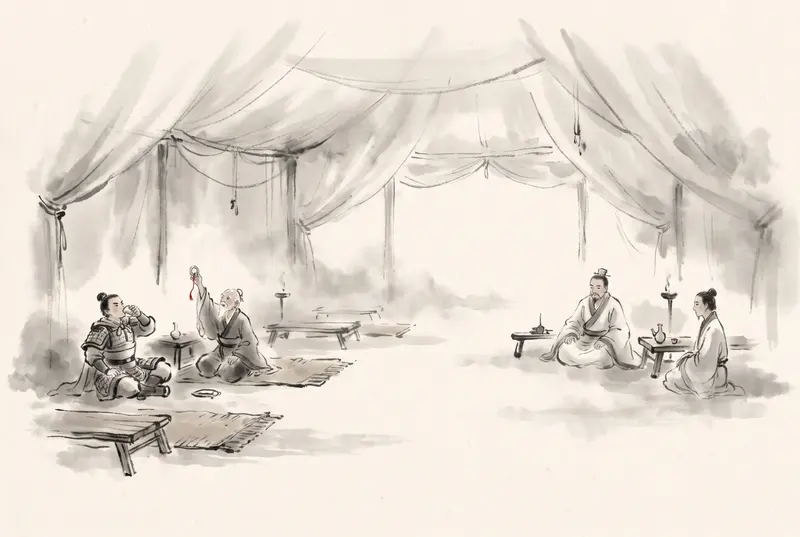
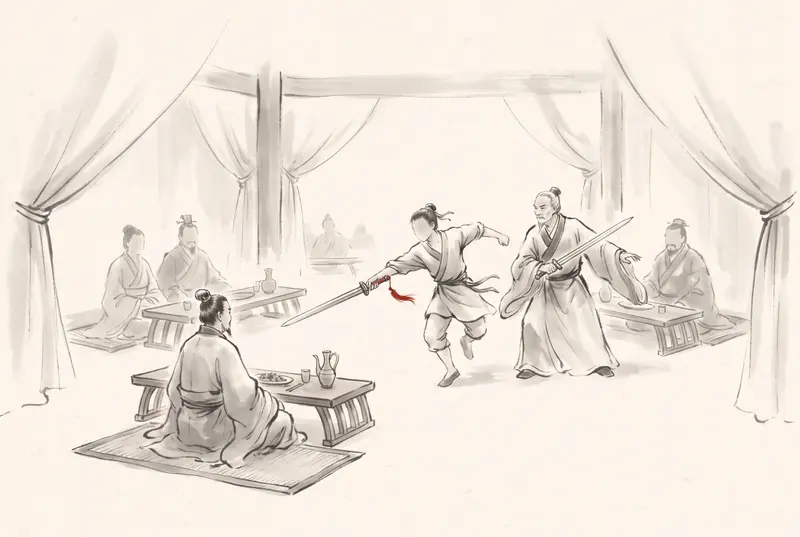
項王、項伯東嚮坐。亞父南嚮坐。亞父者,范增也。沛公北嚮坐,張良西向侍。范增數目項王,舉所佩玉珪以示之者三,項王默然不應。范增起,出召項莊,謂曰:「君王為人不忍,若入前為壽,壽畢,請以劍舞,因擊沛公於坐,殺之。不者,若屬皆且為所虜。」莊則入為壽,壽畢,曰:「君王與沛公飲,軍中無以為樂,請以劍舞。」項王曰:「諾。」項莊拔劍起舞,項伯亦拔劍起舞,常以身翼蔽沛公,莊不得擊。
書き下し文
項王・項伯は東嚮して坐す。亜父は南嚮して坐す。亜父とは范増なり。沛公は北嚮して坐し、張良は西嚮して侍す。范増数しば項王に目し、佩ぶる所の玉珪を挙げて以て之に示す者三たびなるも、項王黙然として応ぜず。范増起ちて、出でて項荘を召し、謂いて曰く、「君王人と為り忍びず。若入りて前みて寿を為せ。寿畢わらば、請うて剣を以て舞い、因りて沛公を坐に撃ちて之を殺せ。不らずんば、若が属皆且に虜とする所と為らんとす」と。荘則ち入りて寿を為す。寿畢わりて曰く、「君王沛公と飲む。軍中以て楽を為す無し。請う、剣を以て舞わん」と。項王曰く、「諾」と。項荘剣を抜きて起ちて舞う。項伯も亦た剣を抜きて起ちて舞い、常に身を以て沛公を翼蔽す。荘撃つを得ず。
現代語訳
項王と項伯は東向きに座り、亜父は南向きに座った。亜父とは范増のことである。沛公は北向きに座り、張良は西向きに控えた。范増は何度も項王に目くばせし、腰に下げた玉を三度も持ち上げて合図したが、項王は黙ったまま応じなかった。范増は席を立って外へ出ると、項荘を呼んで言った。「わが君は人柄が甘く、思い切ったことができない。おまえが入って進み出て、長寿を祝う杯を捧げよ。それがすんだら、剣舞をさせてほしいと願い出て、そのすきに沛公を座ったまま斬り殺せ。そうしなければ、おまえたちはみな、やがて沛公の捕虜になってしまうぞ。」項荘はそこで入って杯を捧げ、祝いがすむと言った。「わが君と沛公の酒宴ですが、陣中のこととて楽しみがございません。剣舞をお見せしましょう。」項王は「よかろう」と言った。項荘は剣を抜いて立ち上がり、舞った。すると項伯も剣を抜いて立ち上がって舞い、いつも自分の体で沛公をかばったので、項荘は斬りつけることができなかった。
英訳
King Xiang and Xiang Bo sat facing east. The Second Father sat facing south; the Second Father was Fan Zeng. The Lord of Pei sat facing north, and Zhang Liang attended him, facing west. Fan Zeng kept glancing at King Xiang, and three times he raised the jade ornament at his belt as a signal, but King Xiang said nothing and did not respond. Fan Zeng got up, went out and called Xiang Zhuang. He said, "Our lord is too soft-hearted to do it. Go in, step forward and offer a toast. When the toast is over, ask to perform a sword dance, and strike the Lord of Pei down where he sits. If you don't, all of you will end up as his prisoners." So Xiang Zhuang went in and offered a toast. When it was over, he said, "Our lord is drinking with the Lord of Pei, but there is nothing in camp for entertainment. Let me perform a sword dance." King Xiang said, "Very well." Xiang Zhuang drew his sword, rose and began to dance. But Xiang Bo also drew his sword and danced, always shielding the Lord of Pei with his own body, and Xiang Zhuang could not strike.
解説(日)
- 座席: 東向きが最上の席とされた。主人の項羽が上座に着き、客の沛公は低い北向きの席に置かれている。力関係が座り方に表れている。
- 玉珪: 通行本の多くは「玉玦」に作る。玦(けつ)は「決」に通じ、決断をうながす合図と解される。このテキストの字は「玉珪」。
- 不忍: 情にもろく、むごいことができない。
- 項荘: 項羽の従弟(いとこ)。
- 翼蔽: 鳥が翼で覆うように、身をもってかばう。
解説(英)
- Seating: facing east was the seat of honor. Xiang Yu, the host, takes it, and his guest is put in the lowly north-facing seat. The seating shows who holds power.
- 玉珪 (jade ornament): most editions read 玉玦, a jade ring with a gap. 玦 (jué) sounds like 決 "decide", so it is taken as a sign urging Xiang Yu to act. This text has 玉珪.
- 不忍: soft-hearted, unable to do something cruel.
- Xiang Zhuang: Xiang Yu's cousin.
- 翼蔽: shielding someone as a bird covers with its wings.
英語の語注
- signal/ˈsɪɡnəl/noun
a sign or movement that gives a secret message or order
本文では: “raised the jade ornament at his belt as a signal”
似た語と違い: sign — anything that shows meaning · cue — a signal to start doing something
- soft-hearted/ˌsɔftˈhɑrtɪd/adjective
too kind or gentle to do something harsh
本文では: “Our lord is too soft-hearted to do it.”
似た語と違い: kind — positive; caring about others · weak — negative; lacking firmness
- shield/ʃiːld/verb
to protect someone by putting something, or yourself, in the way
本文では: “always shielding the Lord of Pei with his own body”
似た語と違い: protect — keep safe; the general word · cover — stand in front of to protect
As a noun, a shield is what a soldier holds, as Fan Kuai does in passage 7.
節 7
原文
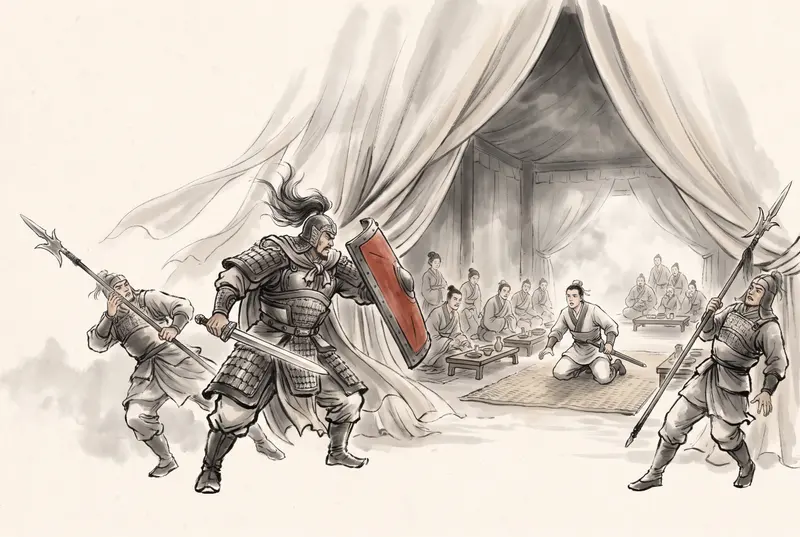
於是張良至軍門,見樊噲。樊噲曰:「今日之事何如?」良曰:「甚急。今者項莊拔劍舞,其意常在沛公也。」噲曰:「此迫矣,臣請入,與之同命。」噲即帶劍擁盾入軍門。交戟之衛士欲止不內,樊噲側其盾以撞,衛士仆地,噲遂入,披帷西向立,瞋目視項王,頭髪上指,目眥盡裂。
書き下し文
是に於いて張良軍門に至り、樊噲を見る。樊噲曰く、「今日の事何如」と。良曰く、「甚だ急なり。今者項荘剣を抜きて舞う。其の意常に沛公に在るなり」と。噲曰く、「此れ迫れり。臣請う、入りて之と命を同じくせん」と。噲即ち剣を帯び盾を擁して軍門に入る。交戟の衛士止めて内れざらんと欲す。樊噲其の盾を側てて以て撞く。衛士地に仆る。噲遂に入り、帷を披きて西嚮して立ち、目を瞋らして項王を視る。頭髪上指し、目眥尽く裂く。
現代語訳
そこで張良は陣営の門まで行き、樊噲に会った。樊噲は言った。「今日のようすはどうです。」張良は言った。「たいへん危ない。いま項荘が剣を抜いて舞っているが、その狙いはずっと沛公にある。」樊噲は言った。「それは差し迫っている。私が入って、沛公と生死をともにしましょう。」樊噲はすぐに剣を帯び、盾を抱えて門に入った。戟を交差させて守る衛兵が止めて入れまいとしたが、樊噲が盾を斜めにして突き当たると、衛兵は地面に倒れた。樊噲はこうして入り込み、幕を押し開いて西向きに立ち、目をむいて項王をにらみつけた。髪は逆立ち、まなじりは裂けんばかりだった。
英訳
Then Zhang Liang went to the gate of the camp and found Fan Kuai. Fan Kuai said, "How do things stand today?" Zhang Liang said, "It is very dangerous. Right now Xiang Zhuang has drawn his sword and is dancing, and all the while his aim is at the Lord of Pei." Fan Kuai said, "Then there is no time to lose. Let me go in and share my lord's fate." At once he went through the gate with his sword at his side and his shield in his arms. The guards with crossed halberds tried to stop him, but Fan Kuai tilted his shield and rammed them, and they fell to the ground. He went in, pulled aside the curtain and stood facing west, glaring at King Xiang. His hair stood straight up and the corners of his eyes looked ready to split.
解説(日)
- 樊噲: 沛公の古くからの仲間。もとは犬の肉を売っていたとされる勇士。
- 交戟之衛士: 戟(ほこ)を交差させて門を守る兵。
- 帷: 宴席を囲む幕。
- 頭髪上指、目眥尽裂: 激しい怒りの表現。「完璧帰趙」の「怒髪上りて冠を衝く」と比べてみるとよい。
解説(英)
- Fan Kuai: an old comrade of the Lord of Pei, said to have been a dog butcher, famous for his courage.
- 交戟之衛士: guards who cross their halberds to bar a gate.
- 帷: the curtain around the banquet.
- Hair standing up, eyes splitting: an image of violent rage. Compare the hair "rising against his cap" in "Returning the Jade Intact to Zhao".
英語の語注
- glare/ɡlɛr/verb
to look at someone with an angry, fixed stare
本文では: “glaring at King Xiang”
似た語と違い: stare — look for a long time; not always angry · scowl — make an angry face
- halberd/ˈhælbərd/noun
a long pole weapon with a spear point and an axe blade
本文では: “The guards with crossed halberds”
似た語と違い: spear — a pole with a sharp point only · pike — a very long spear for foot soldiers
節 8
原文
項王按劍而跽曰:「客何為者?」張良曰:「沛公之參乘樊噲者也。」項王曰:「壯士,賜之巵酒。」則與斗巵酒。噲拜謝,起,立而飲之。項王曰:「賜之彘肩。」則與一生彘肩。樊噲覆其盾於地,加彘肩上,拔劍切而㗖之。
書き下し文
項王剣を按じて跽きて曰く、「客何為る者ぞ」と。張良曰く、「沛公の参乗樊噲なる者なり」と。項王曰く、「壮士なり。之に巵酒を賜え」と。則ち斗巵酒を与う。噲拝謝し、起ちて、立ちながらにして之を飲む。項王曰く、「之に彘肩を賜え」と。則ち一の生彘肩を与う。樊噲其の盾を地に覆せ、彘肩を上に加え、剣を抜きて切りて之を啗らう。
現代語訳
項王は剣の柄に手をかけ、片膝を立てて身構えて言った。「客人、何者だ。」張良が言った。「沛公の参乗(護衛として車に同乗する者)の樊噲でございます。」項王は言った。「壮士だ。大杯の酒を取らせよ。」そこで一斗入りの大杯の酒が与えられた。樊噲は礼をして立ち上がり、立ったまま飲みほした。項王は言った。「豚の肩肉を取らせよ。」そこで生の豚の肩肉が一つ与えられた。樊噲は盾を地面に伏せて置き、その上に肩肉をのせ、剣を抜いて切り分けて食べた。
英訳
King Xiang put his hand on his sword, rose onto his knees and said, "Who is this guest?" Zhang Liang said, "This is Fan Kuai, the Lord of Pei's carriage guard." King Xiang said, "A stout fellow! Give him a cup of wine." He was given a huge cup of wine. Fan Kuai bowed in thanks, rose and drank it standing. King Xiang said, "Give him a shoulder of pork." He was given a raw pork shoulder. Fan Kuai laid his shield face down on the ground, set the pork on it, drew his sword, cut the meat and ate it.
解説(日)
- 跽: ひざまずいた姿勢から腰を浮かせ、いつでも立てる構え。
- 参乗: 戦車で主君の右に乗る護衛。
- 斗巵酒: 一斗(当時の量で約2リットルとされる)入る大杯の酒。
- 生彘肩: 生の豚の肩肉。項王が試すように出したとも、手違いとも読まれる。
- 㗖: 「啖」と同じで、食らう。
解説(英)
- 跽: rising from a kneeling position, ready to stand. A defensive stance.
- 參乘: the guard who rides on the right of his lord in a chariot.
- 斗巵酒: a cup holding one dou, said to be about two liters at the time.
- A raw pork shoulder: read either as a test from King Xiang or as a careless gift.
- 㗖: the same as 啖, to eat greedily.
英語の語注
- stout/staʊt/adjective
brave and strong (an old-fashioned use)
本文では: “A stout fellow!”
似た語と違い: brave — not afraid · sturdy — strongly built
Today stout usually means "rather fat".
節 9
原文
項王曰:「壯士,能復飲乎?」樊噲曰:「臣死且不避,巵酒安足辭!夫秦王有虎狼之心,殺人如不能舉,刑人如恐不勝,天下皆叛之。懷王與諸將約曰『先破秦入咸陽者王之』。今沛公先破秦入咸陽,豪毛不敢有所近,封閉宮室,還軍霸上,以待大王來。故遣將守關者,備他盜出入與非常也。勞苦而功高如此,未有封侯之賞,而聽細說,欲誅有功之人。此亡秦之續耳,竊為大王不取也。」項王未有以應,曰:「坐。」樊噲從良坐。坐須臾,沛公起如廁,因招樊噲出。
書き下し文
項王曰く、「壮士なり。能く復た飲むか」と。樊噲曰く、「臣死すら且つ避けず。巵酒安くんぞ辞するに足らん。夫れ秦王虎狼の心有り。人を殺すこと挙ぐる能わざるが如く、人を刑すること勝えざるを恐るるが如し。天下皆之に叛く。懐王諸将と約して曰く、『先に秦を破りて咸陽に入る者は之に王とせん』と。今沛公先に秦を破りて咸陽に入り、豪毛も敢えて近づくる所有らず。宮室を封閉し、還りて覇上に軍し、以て大王の来たるを待つ。故に将を遣わして関を守らしめし者は、他盗の出入と非常とに備えしなり。労苦して功高きこと此くの如きに、未だ封侯の賞有らず。而るに細説を聴きて、有功の人を誅せんと欲す。此れ亡秦の続なるのみ。窃かに大王の為に取らざるなり」と。項王未だ以て応うる有らず、曰く、「坐せ」と。樊噲良に従いて坐す。坐すること須臾にして、沛公起ちて廁に如き、因りて樊噲を招きて出づ。
現代語訳
項王は言った。「壮士だ。もっと飲めるか。」樊噲は言った。「私は死ぬことさえ避けません。大杯の酒くらい、どうして断りましょう。そもそも秦王は虎や狼のような心を持ち、人を殺すのは数えきれないほど、刑罰はやり尽くせないのを恐れるかのようでした。それで天下の人がみな背いたのです。懐王は将軍たちと『最初に秦を破って咸陽に入った者を、その地の王とする』と約束されました。いま沛公は最初に秦を破って咸陽に入りましたが、毛筋ほどのものにも手をつけず、宮殿を封鎖して、覇上に軍を引き、大王のおいでを待っていました。部下に関所を守らせたのは、ほかの盗賊の出入りや非常の事態に備えたからです。これほど苦労して大きな手柄を立てたのに、まだ諸侯に封じるほうびもなく、そのうえつまらぬ者の告げ口を聞いて、手柄のある人を殺そうとなさる。これでは滅んだ秦の二の舞いにすぎません。大王のために、私はそうなさるべきではないと思います。」項王は答えることができず、「座れ」と言った。樊噲は張良の隣に座った。しばらくして、沛公は立って厠へ行き、そのついでに樊噲を招いて外へ出た。
英訳
King Xiang said, "A stout fellow! Can you drink some more?" Fan Kuai said, "I would not shrink even from death. Why would I refuse a cup of wine? The King of Qin had the heart of a tiger or a wolf. He killed people as if he could never kill enough, and punished them as if afraid he could never punish enough, so the whole world rose against him. King Huai made a pact with his generals: 'Whoever first defeats Qin and enters Xianyang shall be its king.' Now the Lord of Pei has been the first to defeat Qin and enter Xianyang. He has not dared to touch so much as a hair. He sealed the palaces, pulled his army back to Bashang and waited for Your Majesty. He sent men to guard the pass only against other bandits and against emergencies. After such hard work and such great merit, he has not been rewarded with a fief. Instead you listen to petty slander and want to kill a man of merit. This is only to carry on the ways of the fallen Qin. I humbly think Your Majesty should not do it." King Xiang had no answer. "Sit down," he said. Fan Kuai sat next to Zhang Liang. After they had sat for a while, the Lord of Pei got up to go to the latrine, and beckoned Fan Kuai to come out with him.
解説(日)
- 懐王: 楚の懐王(心)。項梁・項羽らが擁立した楚の王で、諸将の上に立っていた。
- 「先に咸陽に入る者を王とする」約束: 沛公が関中の王になる根拠。項羽にとっては都合の悪い約束だった。
- 亡秦の続: 滅んだ秦と同じことの繰り返し。
- 樊噲の弁: 前夜に沛公が項伯に語ったのとほぼ同じ言い分を、項羽の面前で堂々と述べている。
解説(英)
- King Huai: King Huai of Chu (Xin), set up as king by Xiang Liang and Xiang Yu, and the nominal head over the generals.
- The pact about entering Xianyang first: the basis of the Lord of Pei's claim to rule the land within the passes. It was an awkward promise for Xiang Yu.
- 亡秦之續: "a continuation of the fallen Qin", repeating Qin's mistakes.
- Fan Kuai's speech repeats, boldly and to Xiang Yu's face, almost the same case the Lord of Pei made to Xiang Bo the night before.
英語の語注
- shrink/ʃrɪŋk/verb
to move back or avoid something because of fear
本文では: “I would not shrink even from death.”
似た語と違い: flinch — make a quick, nervous movement back · back away — move backward, slowly or carefully
Shrink also means "become smaller".
- slander/ˈslændər/noun
false things said to damage someone's good name
本文では: “you listen to petty slander”
似た語と違い: lie — any untrue statement · gossip — talk about other people, true or not
- fief/fiːf/noun
land given by a ruler to a noble, who rules it and receives its income
本文では: “he has not been rewarded with a fief”
似た語と違い: estate — a large area of land owned by one person · domain — the land someone rules
節 10
原文
沛公已出,項王使都尉陳平召沛公。沛公曰:「今者出,未辭也,為之柰何?」樊噲曰:「大行不顧細謹,大禮不辭小讓。如今人方為刀俎,我為魚肉,何辭為。」於是遂去。乃令張良留謝。良問曰:「大王來何操?」曰:「我持白璧一雙,欲獻項王,玉斗一雙,欲與亞父,會其怒,不敢獻。公為我獻之」張良曰:「謹諾。」
書き下し文
沛公已に出づ。項王都尉陳平をして沛公を召さしむ。沛公曰く、「今者出づるに、未だ辞せざるなり。之を為すこと奈何せん」と。樊噲曰く、「大行は細謹を顧みず、大礼は小譲を辞せず。如今人は方に刀俎たり、我は魚肉たり。何ぞ辞することを為さん」と。是に於いて遂に去る。乃ち張良をして留まりて謝せしむ。良問いて曰く、「大王来たるとき何をか操れる」と。曰く、「我白璧一双を持ち、項王に献ぜんと欲し、玉斗一双、亜父に与えんと欲す。其の怒りに会いて、敢えて献ぜず。公我が為に之を献ぜよ」と。張良曰く、「謹んで諾す」と。
現代語訳
沛公が外へ出ると、項王は都尉の陳平に沛公を呼び戻させようとした。沛公は言った。「いま出てきたが、まだいとまごいをしていない。どうしたものか。」樊噲は言った。「大事をなす者は細かな慎みにこだわらず、大きな礼を守る者は小さな遠慮を気にしないものです。いまや相手は包丁とまな板、こちらは魚や肉です。いとまごいなどしている場合ですか。」そこでそのまま立ち去ることにし、張良を残して詫びさせることにした。張良は尋ねた。「大王は何をお持ちになりましたか。」沛公は言った。「白い璧を一対持ってきて項王に献上し、玉の酒器を一対、亜父に贈るつもりだったが、怒っているところに出くわして、献上できなかった。君が私に代わって献上してくれ。」張良は言った。「かしこまりました。」
英訳
After the Lord of Pei had gone out, King Xiang sent Chen Ping, a commandant, to call him back. The Lord of Pei said, "I came out without taking my leave. What shall I do?" Fan Kuai said, "A man of great deeds does not fuss over small courtesies, and a man of great manners does not worry about little formalities. Right now they are the knife and the chopping board, and we are the fish and the meat. Why take leave?" So they decided to go, and left Zhang Liang behind to apologize. Zhang Liang asked, "What did Your Highness bring?" The Lord of Pei said, "I brought a pair of white jade discs to present to King Xiang, and a pair of jade wine dippers for the Second Father. But I ran into their anger and did not dare to present them. Present them for me." Zhang Liang said, "As you command."
解説(日)
- 陳平: このときは項羽の部下。のちに劉邦に仕え、漢の丞相となる。
- 大行不顧細謹: 大事をなす者は小さな礼儀にこだわらない、という成句のもと。
- 刀俎・魚肉: 「人は刀俎たり、我は魚肉たり」。生殺与奪を相手に握られている状態のたとえ。
- 玉斗: 玉で作った、酒をくむひしゃく形の器。
解説(英)
- Chen Ping: at this time one of Xiang Yu's men. He later joined Liu Bang and became chancellor of Han.
- 大行不顧細謹: the source of a saying that great doers need not mind small courtesies.
- The knife and chopping board, the fish and meat: a famous image of being completely at someone else's mercy.
- 玉斗: a jade ladle-shaped vessel for serving wine.
この節から生まれた言葉: 人は刀俎たり、我は魚肉たり、大行は細謹を顧みず
英語の語注
- courtesy/ˈkɜrtəsi/noun
polite behavior; a polite act
本文では: “does not fuss over small courtesies”
似た語と違い: politeness — the general word · manners — rules of polite behavior
- fuss/fʌs/verb
to worry or pay too much attention to small things
本文では: “does not fuss over small courtesies”
似た語と違い: worry — feel anxious · bother — take the trouble about something
節 11
原文
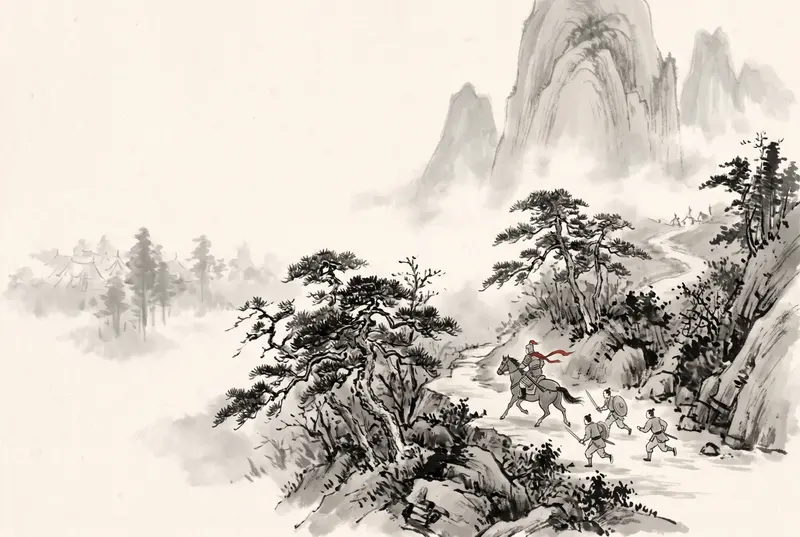
當是時,項王軍在鴻門下,沛公軍在霸上,相去四十里。沛公則置車騎,脫身獨騎,與樊噲、夏侯嬰、靳彊、紀信等四人持劍盾步走,從酈山下,道芷陽閒行。沛公謂張良曰:「從此道至吾軍,不過二十里耳。度我至軍中,公乃入。」
書き下し文
是の時に当たり、項王の軍は鴻門の下に在り、沛公の軍は覇上に在り、相去ること四十里。沛公則ち車騎を置き、身を脱して独り騎し、樊噲・夏侯嬰・靳彊・紀信等の四人と剣盾を持ちて歩走し、酈山の下より、芷陽に道して間行す。沛公張良に謂いて曰く、「此の道より吾が軍に至るは、二十里に過ぎざるのみ。我の軍中に至るを度りて、公乃ち入れ」と。
現代語訳
このとき、項王の軍は鴻門のふもとにあり、沛公の軍は覇上にあって、互いに四十里離れていた。沛公は車や騎兵をその場に残し、ただ一人馬に乗って抜け出した。樊噲・夏侯嬰・靳彊・紀信の四人が剣と盾を持って徒歩で従い、酈山のふもとから芷陽を通る間道を進んだ。沛公は張良に言った。「この道を行けば、わが軍まで二十里にすぎない。私が陣に着いたころを見はからって、君は中へ入ってくれ。」
英訳
At this time King Xiang's army was at the foot of Hongmen and the Lord of Pei's army was at Bashang, forty li apart. The Lord of Pei left his carriages and horsemen behind and slipped away alone on horseback. Four men, Fan Kuai, Xiahou Ying, Jin Qiang and Ji Xin, ran on foot beside him with swords and shields. They went down past Mount Li and took a back road through Zhiyang. The Lord of Pei said to Zhang Liang, "By this road it is no more than twenty li to my army. When you judge that I have reached camp, go in."
解説(日)
- 四十里: 当時の一里は四百メートル余りとされ、四十里は十数キロ。
- 夏侯嬰・靳彊・紀信: いずれも沛公の部下。紀信はのちに滎陽で劉邦の身代わりとなって死ぬ。
- 酈山: 驪山。秦の始皇帝の陵墓がふもとにある山。
- 間行: 人目につかない間道を行く。
解説(英)
- Forty li: a li was then a little over 400 meters, so forty li is some 16 kilometers.
- Xiahou Ying, Jin Qiang, Ji Xin: the Lord of Pei's men. Ji Xin later died at Xingyang posing as Liu Bang so that he could escape.
- Mount Li: the mountain at whose foot the First Emperor of Qin was buried.
- 閒行: travelling by a hidden side road.
英語の語注
- slip away/ˌslɪp əˈweɪ/phrasal verb
to leave quietly without being noticed
本文では: “slipped away alone on horseback”
似た語と違い: sneak off — informal; leave secretly · escape — get away from danger
節 12
原文
沛公已去,閒至軍中,張良入謝,曰:「沛公不勝桮杓,不能辭。謹使臣良奉白璧一雙,再拜獻大王足下;玉斗一雙,再拜奉大將軍足下。」項王曰:「沛公安在?」良曰:「聞大王有意督過之,脫身獨去,已至軍矣。」項王則受璧,置之坐上。亞父受玉斗,置之地,拔劍撞而破之,曰:「唉!豎子不足與謀。奪項王天下者,必沛公也,吾屬今為之虜矣。」沛公至軍,立誅殺曹無傷。
書き下し文
沛公已に去り、間かに軍中に至る。張良入りて謝して曰く、「沛公桮杓に勝えず、辞する能わず。謹んで臣良をして白璧一双を奉じ、再拝して大王の足下に献じ、玉斗一双、再拝して大将軍の足下に奉ぜしむ」と。項王曰く、「沛公安くにか在る」と。良曰く、「大王之を督過するに意有りと聞き、身を脱して独り去る。已に軍に至れり」と。項王則ち璧を受け、之を坐上に置く。亜父玉斗を受け、之を地に置き、剣を抜きて撞きて之を破りて曰く、「唉、豎子与に謀るに足らず。項王の天下を奪う者は、必ず沛公ならん。吾が属今に之が虜と為らん」と。沛公軍に至り、立ちどころに曹無傷を誅殺す。
現代語訳
沛公が去り、間道を通って陣に着いたころ、張良は宴席に入って詫びた。「沛公は酒に弱く、酔ってしまい、いとまごいができませんでした。謹んで私、良に、白い璧一対を大王に再拝して献上させ、玉の酒器一対を大将軍(范増)に再拝して差し上げさせます。」項王は言った。「沛公はどこにいる。」張良は言った。「大王がとがめるおつもりだと聞いて、一人で抜け出しました。もう陣に着いているでしょう。」項王は璧を受け取り、座席のわきに置いた。亜父は玉の酒器を受け取ると地面に置き、剣を抜いて突き砕き、言った。「ああ、小僧とは大事をはかれぬ。項王の天下を奪うのは、必ず沛公だ。われらはいずれ沛公の捕虜になるだろう。」沛公は陣に着くと、すぐに曹無傷を処刑した。
英訳
When the Lord of Pei had gone and slipped back to his camp, Zhang Liang went in and apologized: "The Lord of Pei could not hold his wine and was unable to take his leave. He respectfully sends me, Liang, to present with a double bow this pair of white jade discs at Your Majesty's feet, and with a double bow this pair of jade dippers at the feet of the Grand General." King Xiang said, "Where is the Lord of Pei?" Zhang Liang said, "He heard that Your Majesty meant to reproach him, so he slipped away alone. He has already reached his camp." King Xiang accepted the discs and put them by his seat. The Second Father took the jade dippers, put them on the ground, drew his sword and smashed them. "Bah!" he said. "This boy is not worth making plans with. The one who will take the empire from King Xiang is sure to be the Lord of Pei. All of us will soon be his prisoners." When the Lord of Pei reached his camp, he had Cao Wushang executed at once.
解説(日)
- 不勝桮杓: 杯や杓に勝てない、つまり酒に弱い。退席の言いわけ。
- 足下: 相手の足もと。手に直接ではなく足もとに差し出す、という敬意の表現。
- 豎子: 小僧、青二才。范増が項羽(一説に項荘)をののしった言葉と読まれる。
- 范増の予言: この後、劉邦は項羽を垓下に破り、漢を建てる。予言は当たることになる。
- 曹無傷: 告げ口をした沛公の部下。第5節の項王の一言で、身元が知れていた。
解説(英)
- 不勝桮杓 ("could not hold his cups"): could not take any more wine, an excuse for leaving.
- 足下 ("at your feet"): presenting a gift at someone's feet rather than into their hands, a form of respect.
- 豎子 ("boy"): a contemptuous word. Fan Zeng is usually taken to be cursing Xiang Yu (some say Xiang Zhuang).
- Fan Zeng's prediction comes true: Liu Bang later defeats Xiang Yu at Gaixia and founds the Han.
- Cao Wushang: the informer, exposed by King Xiang's own words in passage 5.
この節から生まれた言葉: 豎子ともに謀るに足らず
英語の語注
- reproach/rɪˈproʊtʃ/verb
to blame someone and show that you are disappointed in them
本文では: “meant to reproach him”
似た語と違い: blame — say someone is responsible for something bad · scold — speak angrily to someone, often a child
- execute/ˈɛksəˌkjuːt/verb
to kill someone as a legal punishment
本文では: “he had Cao Wushang executed at once”
似た語と違い: put to death — formal phrase with the same meaning · kill — the general word
Execute also means "to carry out", as in "execute a plan".