本紀 · 巻 4
周本紀 周本紀
「民の口を防ぐ」と烽火(周の衰え) 厲王與幽王
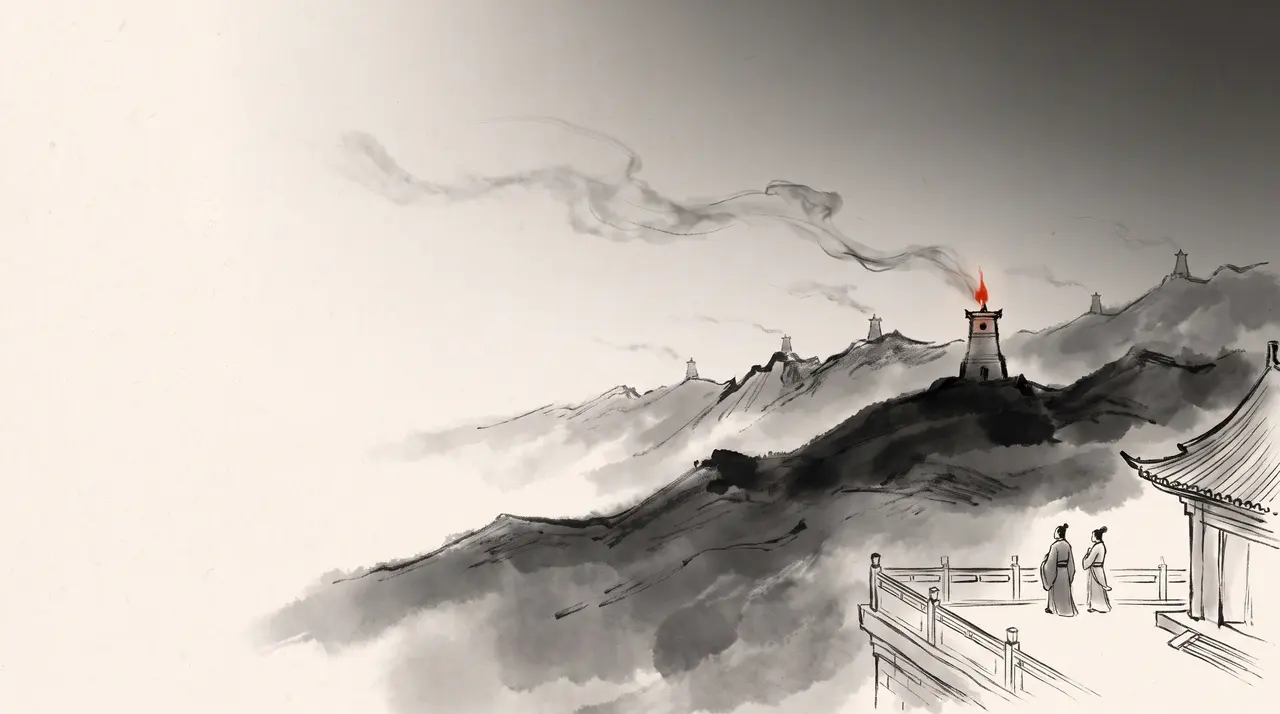
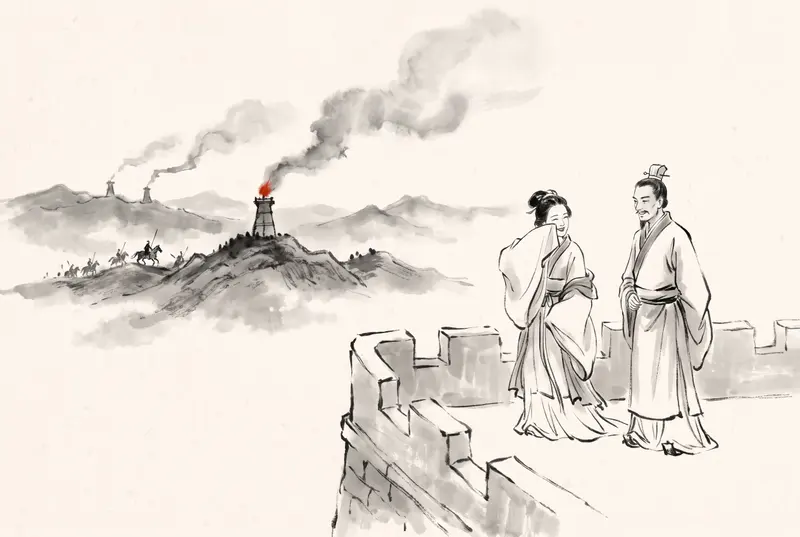
周の衰えを描いた二つの場面。暴君の厲王は、悪口を言う者を巫者に見張らせて殺し、人々は道で目くばせしかできなくなる。召公は「民の口を防ぐは、川を防ぐより甚だし」といさめるが、王は聞かず、三年後に都の人々に追われる。王のいない間、二人の宰相による「共和」の政治が行われた。その孫の幽王は、竜のよだれから生まれたという不思議な出生の美女褒姒を寵愛し、王后と太子を廃する。笑わない褒姒が、偽ののろしで駆けつけた諸侯を見て大笑いしたので、王はたびたびのろしを上げ、やがて誰も信じなくなる。本当に攻められたとき、援軍は来なかった。
この巻のうち「「民の口を防ぐ」と烽火(周の衰え)」の場面を載せています。巻の全文ではありません。
音声
音声は合成音声です。
動画
節 1
原文
夷王崩,子厲王胡立。厲王即位三十年,好利,近榮夷公。大夫芮良夫諫厲王曰:「王室其將卑乎?夫榮公好專利而不知大難。夫利,百物之所生也,天地之所載也,而有專之,其害多矣。天地百物皆將取焉,何可專也?所怒甚多,不備大難。以是教王,王其能久乎?夫王人者,將導利而布之上下者也。使神人百物無不得極,猶日怵惕懼怨之來也。故《頌》曰『思文后稷,克配彼天,立我蒸民,莫匪爾極』。大雅曰『陳錫載周』。是不布利而懼難乎,故能載周以至于今。今王學專利,其可乎?匹夫專利,猶謂之盜,王而行之,其歸鮮矣。榮公若用,周必敗也。」厲王不聽,卒以榮公為卿士,用事。
書き下し文
夷王崩じ、子の厲王胡立つ。厲王即位三十年、利を好み、栄夷公を近づく。大夫芮良夫厲王を諫めて曰く、「王室其れ将に卑からんとするか。夫れ栄公は利を専らにするを好みて大難を知らず。夫れ利は、百物の生ずる所なり、天地の載する所なり。而るに之を専らにする有らば、其の害多し。天地百物皆将に取らんとす。何ぞ専らにすべけんや。怒る所甚だ多くして、大難に備えず。是を以て王に教う。王其れ能く久しからんや。夫れ人に王たる者は、将に利を導きて之を上下に布かんとする者なり。神人百物をして極を得ざる無からしむるも、猶お日に怵惕して怨みの来たらんことを懼る。故に頌に曰く、『思に文なる后稷、克く彼の天に配す。我が蒸民を立つるは、爾の極に匪ざる莫し』と。大雅に曰く、『錫を陳べて周を載す』と。是れ利を布きて難を懼るるにあらずや。故に能く周を載せて以て今に至る。今王利を専らにするを学ぶ。其れ可ならんや。匹夫利を専らにするすら、猶お之を盗と謂う。王にして之を行わば、其の帰すること鮮し。栄公若し用いられば、周必ず敗れん」と。厲王聴かず、卒に栄公を以て卿士と為し、事を用いしむ。
現代語訳
夷王が亡くなり、子の厲王胡が位についた。厲王は即位して三十年、利益を好み、栄夷公を近づけた。大夫の芮良夫が厲王をいさめて言った。「王室は衰えようとしているのでしょうか。栄公は利益を独り占めするのが好きで、大きな災いが来ることを知りません。利益というものは、あらゆるものから生まれ、天地が支えているものです。それを独り占めすれば、害が多くなります。天地のあらゆるものが、みな利益を求めているのです。どうして独り占めなどできましょう。多くの人を怒らせておきながら、大きな災いに備えていない。こんなやり方を王に教えて、王の位が長く保てるでしょうか。人の王たる者は、利益を導いて上下に行き渡らせるものです。神々も人もあらゆるものも、それぞれにふさわしいものを得られるようにしても、なお日々おそれつつしんで、恨みが生じることを心配するものです。だから『詩経』の頌に『文徳ある后稷は、天に並ぶほどの徳をもち、わが民を養った。その恵みを受けない者はない』とあり、大雅に『恵みを広く施して周を興した』とあるのです。これこそ利を行き渡らせ、災いをおそれたということではありませんか。だからこそ周は今まで続いてきたのです。いま王は利益の独り占めを学んでおられる。それでよいはずがありません。一人の庶民が利益を独り占めしても、盗人と呼ばれます。王がそれをすれば、王に従う者はほとんどいなくなるでしょう。栄公を用いれば、周はきっと滅びます」。厲王は聞き入れず、ついに栄公を卿士に任じて、政治を任せた。
英訳
King Yi died, and his son Hu, King Li, came to the throne. When he had reigned for thirty years, King Li was fond of profit and kept the Duke of Rong close. The grandee Rui Liangfu remonstrated with him: "Is the royal house about to sink low? The Duke of Rong loves to keep profit for himself and does not see the great disaster coming. Profit is what all things produce and what heaven and earth bear up. Whoever keeps it all to himself does great harm. Everything under heaven wants its share; how can one man take it all? He angers a great many and makes no preparation against disaster. If this is what he teaches the king, can the king last long? He who is king over men should guide profit and spread it to high and low alike. Even when gods, men and all things each get their due, he still fears every day that resentment will come. So the Hymns say: 'Accomplished Hou Ji, worthy to stand beside Heaven: he raised up our people, and none but received his bounty.' And the Greater Odes say: 'He spread his gifts and so raised up Zhou.' Was this not spreading profit and fearing disaster? That is why Zhou has lasted until today. Now Your Majesty is learning to keep profit to himself; can that be right? Even a commoner who hoards profit is called a thief. If a king does it, few will stay loyal to him. If the Duke of Rong is employed, Zhou will surely fall." King Li did not listen. In the end he made the Duke of Rong a chief minister and gave him charge of affairs.
解説(日)
- 厲王: 周の第10代の王。在位は前9世紀半ばまで。「厲」は死後の名で、暴虐の意味を含む。
- 榮夷公: 栄国の君主。
- 芮良夫: 芮国の大夫。
- 頌・大雅: いずれも『詩経』の部分の名。引用はそれぞれ周頌「思文」と大雅「文王」。
- 后稷: 周の祖先。民に農業を教えたとされる。
- 卿士: 王を補佐して政治を取り仕切る大臣。
解説(英)
- King Li (厲王): the tenth king of Zhou, who reigned until the mid-ninth century BCE. "Li" is a posthumous name implying cruelty.
- The Hymns and the Greater Odes (頌・大雅): sections of the Book of Odes; the quotations are from "Si wen" and "Wen wang".
- Hou Ji (后稷): the ancestor of the Zhou, said to have taught the people farming.
- Chief minister (卿士): the minister who ran the government for the king.
英語の語注
- hoard/hɔrd/verb
to collect and keep a lot of something for yourself
本文では: “Even a commoner who hoards profit”
似た語と違い: stockpile — store up · amass — gather a lot
- remonstrate/ˈrɛmənˌstreɪt/verb
to protest or warn someone that they are wrong
本文では: “remonstrated with him”
似た語と違い: object — say you disagree · protest — complain strongly
節 2
原文
王行暴虐侈傲,國人謗王。召公諫曰:「民不堪命矣。」王怒,得衛巫,使監謗者,以告則殺之。其謗鮮矣,諸侯不朝。三十四年,王益嚴,國人莫敢言,道路以目。厲王喜,告召公曰:「吾能弭謗矣,乃不敢言。」
書き下し文
王暴虐侈傲を行い、国人王を謗る。召公諫めて曰く、「民命に堪えず」と。王怒り、衛の巫を得て、謗る者を監せしめ、告ぐるを以て則ち之を殺す。其の謗り鮮し。諸侯朝せず。三十四年、王益々厳しく、国人敢えて言う莫く、道路目を以てす。厲王喜び、召公に告げて曰く、「吾能く謗りを弭めたり。乃ち敢えて言わず」と。
現代語訳
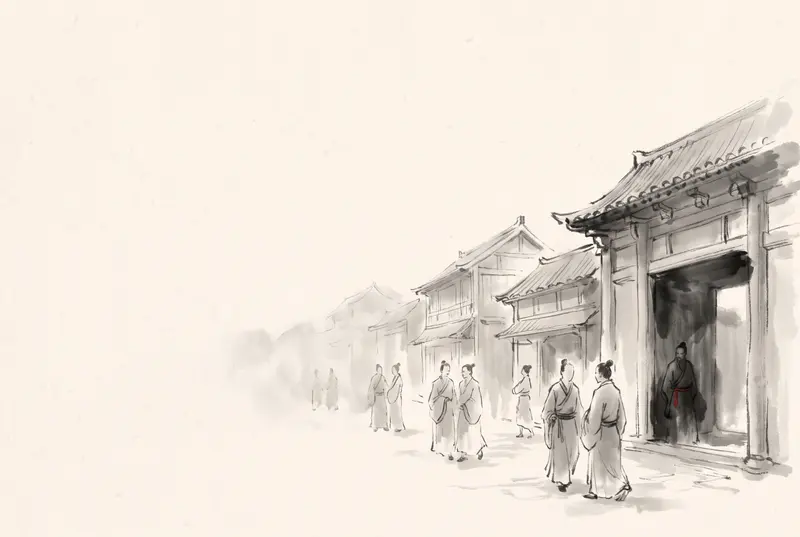
王は乱暴でおごり高ぶったふるまいをし、都の人々は王を悪く言った。召公がいさめて言った。「民はもう王の命令に耐えられません」。王は怒り、衛の国から巫者を連れてきて、王の悪口を言う者を見張らせ、巫者が告げた者を殺した。悪口はほとんど聞こえなくなったが、諸侯は朝見に来なくなった。三十四年、王はますます厳しくなり、都の人々は誰も口をきかなくなり、道で会っても目くばせで気持ちを伝え合うだけになった。厲王は喜び、召公に言った。「わしは悪口を止めてみせたぞ。もう誰も何も言わぬ」。
英訳
The king behaved with violence, extravagance and arrogance, and the people of the capital spoke ill of him. The Duke of Shao warned him: "The people cannot bear your orders." The king was angry. He got a shaman from Wei to watch for those who spoke against him, and whoever the shaman reported, he killed. The criticism almost stopped, but the lords stopped coming to court. In his thirty-fourth year the king grew harsher still. No one in the capital dared to speak; people meeting in the road only exchanged glances. King Li was delighted and told the Duke of Shao: "I have put an end to the slander. No one dares say a word."
解説(日)
- 國人: 都に住む人々。
- 召公: 召の穆公。周のはじめの召公奭の子孫。
- 衛巫: 衛の国の巫者(みこ)。神がかりで人の心を見抜くとされた。
- 道路以目: 道で会っても話せず、目で気持ちを伝え合う。
- 弭: やめさせる、しずめる。
解説(英)
- People of the capital (國人): the townsfolk of the royal city.
- Duke of Shao (召公): Duke Mu of Shao, a descendant of the Duke of Shao who helped found Zhou.
- Only exchanged glances (道路以目): too afraid to speak, people spoke with their eyes.
この節から生まれた言葉: 道路目を以てす
英語の語注
- extravagance/ɪkˈstrævəɡəns/noun
spending far too much
本文では: “with violence, extravagance and arrogance”
似た語と違い: excess — too much · waste — careless use
- glance/ɡlæns/noun
a quick look
本文では: “only exchanged glances”
似た語と違い: look — act of seeing · peek — a quick secret look
節 3
原文
召公曰:「是鄣之也。防民之口,甚於防水。水壅而潰,傷人必多,民亦如之。是故為水者決之使導,為民者宣之使言。故天子聽政,使公卿至於列士獻詩,瞽獻曲,史獻書,師箴,瞍賦,矇誦,百工諫,庶人傳語,近臣盡規,親戚補察,瞽史教誨,耆艾修之,而後王斟酌焉,是以事行而不悖。民之有口也,猶土之有山川也,財用於是乎出:猶其有原隰衍沃也,衣食於是乎生。口之宣言也,善敗於是乎興。行善而備敗,所以產財用衣食者也。夫民慮之於心而宣之於口,成而行之。若壅其口,其與能幾何?」王不聽。於是國莫敢出言,三年,乃相與畔,襲厲王。厲王出奔於彘。
書き下し文
召公曰く、「是れ之を鄣ぐなり。民の口を防ぐは、水を防ぐより甚だし。水壅がりて潰ゆれば、人を傷つくること必ず多し。民も亦之の如し。是の故に水を為むる者は之を決して導かしめ、民を為むる者は之を宣べて言わしむ。故に天子政を聴くに、公卿より列士に至るまで詩を献ぜしめ、瞽は曲を献じ、史は書を献じ、師は箴し、瞍は賦し、矇は誦し、百工は諫め、庶人は語を伝え、近臣は規を尽くし、親戚は補察し、瞽史は教誨し、耆艾は之を修め、而る後に王斟酌す。是を以て事行われて悖らず。民の口有るは、猶お土の山川有るがごときなり。財用是に於いてか出づ。猶お其の原隰衍沃有るがごときなり。衣食是に於いてか生ず。口の言を宣ぶるや、善敗是に於いてか興る。善を行いて敗に備うるは、財用衣食を産む所以の者なり。夫れ民之を心に慮りて之を口に宣べ、成りて之を行う。若し其の口を壅がば、其れ与に能く幾何ぞ」と。王聴かず。是に於いて国敢えて言を出だす莫し。三年にして、乃ち相与に畔き、厲王を襲う。厲王彘に出奔す。
現代語訳
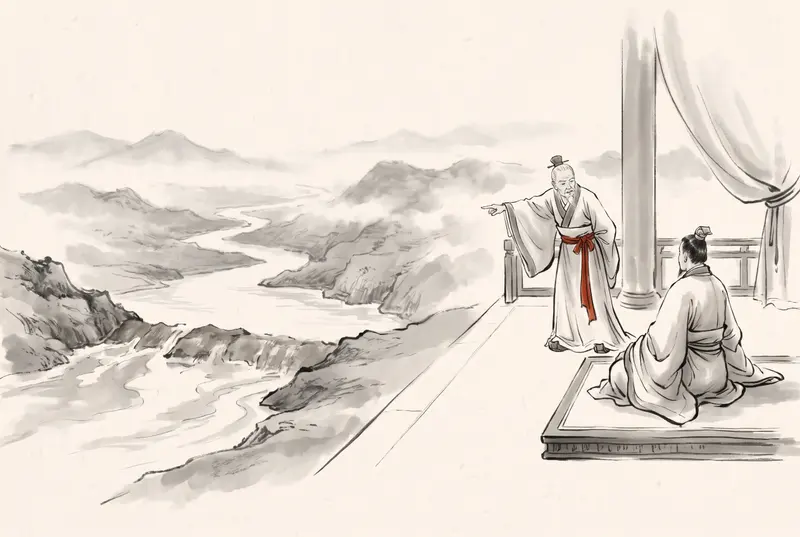
召公は言った。「それは口をふさいだだけです。民の口をふさぐのは、川の流れをせき止めるより危ういことです。水はせき止められてあふれ出せば、必ず多くの人を傷つけます。民も同じです。だから川を治める者は、流れを切り開いて導き、民を治める者は、思うことを言わせるのです。そこで天子が政治を行うときは、公卿から下級の士にいたるまで詩を献じさせ、盲目の楽人には楽曲を、史官には記録を献じさせ、楽師には戒めの言葉を述べさせ、目の見えない者たちには詩を吟じさせ、職人たちには意見を言わせ、庶民の声も伝わるようにし、近臣は正しい道を説き、親族は足りないところを補い、楽官や史官は教え導き、老臣がこれをまとめ、そのうえで王が取捨して判断するのです。だから政治が行われても道理に外れることがないのです。民に口があるのは、大地に山や川があるようなものです。財貨はそこから出てくる。また、大地に平原や湿地や肥えた土地があるようなものです。衣食はそこから生まれる。口に出して言わせてこそ、政治の良し悪しが明らかになります。良いことを行い、悪いことに備える。それが財貨や衣食を生み出すもとなのです。民は心で考えたことを口に出し、考えがまとまれば実行するものです。もしその口をふさいだら、どれほど長く続けられましょうか」。王は聞き入れなかった。そこで都では誰も口をきかなくなった。三年後、人々はついにそろって背き、厲王を襲った。厲王は彘へ逃げた。
英訳
The Duke of Shao said: "You have only dammed it up. Stopping the mouths of the people is more dangerous than stopping a river. When a river is blocked and bursts, it is sure to hurt many people, and the people are the same. So those who manage rivers cut channels to guide the water, and those who govern people let them speak their minds. That is why, when the Son of Heaven governs, he has everyone from the great ministers down to the lesser officers present poems; the blind musicians present songs, the scribes present records, the music masters give admonitions, the blind recite and chant, the craftsmen give advice, and the words of the common people are passed up; his close ministers give him counsel, his kinsmen fill in what he misses, the musicians and scribes instruct him, and the elders put it all in order. Only then does the king weigh it all and decide, and so his affairs go forward without going wrong. The people having mouths is like the land having mountains and rivers, from which wealth comes forth, and plains, marshes and fertile fields, from which food and clothing grow. When the mouth speaks, good and bad come to light. To do the good and guard against the bad is how wealth, food and clothing are produced. The people think things over in their hearts, speak them with their mouths, and when the thought is ripe, they act. If you stop their mouths, how long can that last?" The king did not listen. After that no one in the land dared speak a word. Three years later they rose together and attacked King Li, and King Li fled to Zhi.
解説(日)
- 鄣: 「障」と同じ。ふさぐ。
- 防民之口,甚於防水: 『国語』周語にも見える言葉で、「民の口を防ぐは川を防ぐよりも甚だし」の形で知られる。
- 瞽・瞍・矇: いずれも目の見えない楽人。周の宮廷で詩や歌を受け持った。
- 耆艾: 年老いた家臣。
- 彘: 今の山西省霍州市。
- 襲厲王: 前841年の、いわゆる「国人暴動」。
解説(英)
- "Stopping the mouths of the people is more dangerous than stopping a river" (防民之口,甚於防水): the saying also appears in the Discourses of the States (國語).
- The blind musicians (瞽・瞍・矇): blind performers who recited poetry and songs at the Zhou court.
- Zhi (彘): present-day Huozhou in Shanxi.
- The rising of 841 BCE is often called the revolt of the people of the capital.
この節から生まれた言葉: 民の口を防ぐは川を防ぐよりも甚だし
英語の語注
- dam/dæm/verb
to block water with a wall
本文では: “You have only dammed it up”
似た語と違い: block — stop the flow · obstruct — get in the way of
- burst/bɜrst/verb
to break open suddenly
本文では: “When a river is blocked and bursts”
似た語と違い: break — come apart · overflow — flow over the edge
Past tense: burst.
節 4
原文
厲王太子靜匿召公之家,國人聞之,乃圍之。召公曰:「昔吾驟諫王,王不從,以及此難也。今殺王太子,王其以我為讎而懟怒乎?夫事君者,險而不讎懟,怨而不怒,況事王乎!」乃以其子代王太子,太子竟得脫。
書き下し文
厲王の太子静召公の家に匿る。国人之を聞き、乃ち之を囲む。召公曰く、「昔吾驟々王を諫むるも、王従わず、以て此の難に及ぶ。今王の太子を殺さば、王其れ我を以て讎と為して懟怒せんか。夫れ君に事うる者は、険にして讎懟せず、怨みて怒らず。況んや王に事うるをや」と。乃ち其の子を以て王の太子に代う。太子竟に脱するを得たり。
現代語訳
厲王の太子の静は、召公の家にかくまわれた。都の人々はこれを聞いて、召公の家を取り囲んだ。召公は言った。「私はかつて何度も王をいさめたが、王は聞き入れず、この災難を招いた。いま王の太子を殺させれば、王は私が仕返しをしたと思って恨むだろう。主君に仕える者は、危うい目にあっても主君を仇と恨まず、不満があっても怒らないものだ。まして王に仕える身であればなおさらだ」。そして自分の子を太子の身代わりに差し出した。太子はこうして逃れることができた。
英訳
King Li's crown prince, Jing, hid in the Duke of Shao's house. When the people of the capital heard of it, they surrounded the house. The Duke of Shao said: "Time and again I warned the king, and he would not listen; that is how this disaster came. If I let the king's heir be killed now, the king will think I did it out of spite, and hate me. One who serves a lord does not bear a grudge against him even in danger, nor grow angry though he has grievances; still more so when he serves the king." So he gave up his own son in place of the prince, and the prince escaped.
解説(日)
- 太子靜: のちの宣王。
- 驟: たびたび。
- 懟: うらむ。
- 以其子代王太子: 召公は自分の子を太子と偽って差し出し、殺させた。
解説(英)
- Prince Jing (太子靜): later King Xuan.
- Gave up his own son: the duke handed over his son as if he were the prince, and the boy was killed.
英語の語注
- spite/spaɪt/noun
a wish to hurt someone you are angry with
本文では: “out of spite”
似た語と違い: malice — wish to do harm · vengeance — revenge
- grievance/ˈɡrivəns/noun
a reason to complain about unfair treatment
本文では: “though he has grievances”
似た語と違い: complaint — a statement that something is wrong · resentment — bitter feeling
節 5
原文
召公、周公二相行政,號曰「共和」。共和十四年,厲王死于彘。太子靜長於召公家,二相乃共立之為王,是為宣王。宣王即位,二相輔之,修政,法文、武、成、康之遺風,諸侯復宗周。十二年,魯武公來朝。宣王不修籍於千畝,虢文公諫曰不可,王弗聽。三十九年,戰于千畝,王師敗績于姜氏之戎。宣王既亡南國之師,乃料民於太原。仲山甫諫曰:「民不可料也。」宣王不聽,卒料民。
書き下し文
召公・周公の二相政を行い、号して「共和」と曰う。共和十四年、厲王彘に死す。太子静召公の家に長じ、二相乃ち共に之を立てて王と為す。是を宣王と為す。宣王即位し、二相之を輔け、政を修め、文・武・成・康の遺風に法り、諸侯復た周を宗とす。十二年、魯の武公来朝す。宣王籍を千畝に修めず。虢の文公諫めて不可なりと曰うも、王聴かず。三十九年、千畝に戦い、王師姜氏の戎に敗績す。宣王既に南国の師を亡い、乃ち民を太原に料る。仲山甫諫めて曰く、「民は料るべからず」と。宣王聴かず、卒に民を料る。
現代語訳
召公と周公の二人の宰相が政治を行い、これを「共和」と呼んだ。共和十四年、厲王は彘で亡くなった。太子の静は召公の家で成長しており、二人の宰相は相談して彼を王に立てた。これが宣王である。宣王が即位すると、二人の宰相がこれを助けて政治を立て直し、文王・武王・成王・康王の残した良い気風にならったので、諸侯はふたたび周を盟主と仰ぐようになった。十二年、魯の武公が朝見に来た。宣王は千畝の籍田で、王が自ら田を耕す儀式を行わなかった。虢の文公がいけないといさめたが、王は聞かなかった。三十九年、千畝で戦い、王の軍は姜氏の戎に大敗した。宣王は南方の軍を失うと、太原で民の人数を調べさせた。仲山甫が「民の数を数えてはなりません」といさめたが、宣王は聞かず、ついに数えさせた。
英訳
The two ministers, the Dukes of Shao and Zhou, governed together, and this was called the Gonghe, the Joint Rule. In the fourteenth year of the Joint Rule, King Li died at Zhi. Prince Jing had grown up in the Duke of Shao's house, and the two ministers together made him king: this was King Xuan. When he took the throne, the two ministers helped him set the government in order and follow the ways handed down by Kings Wen, Wu, Cheng and Kang, and the lords looked to Zhou again. In his twelfth year Duke Wu of Lu came to court. King Xuan did not perform the royal ploughing at the Thousand Acres; Duke Wen of Guo warned him not to neglect it, but the king would not listen. In his thirty-ninth year he fought at Qianmu, and the royal army was routed by the Rong of the Jiang clan. Having lost his southern army, King Xuan had the people of Taiyuan counted. Zhong Shanfu warned him: "The people must not be counted." King Xuan did not listen, and had them counted anyway.
解説(日)
- 共和: 前841年に始まる。中国の歴史で、年がはっきりわかるのはこの年からとされる。近代になって、republic の訳語に「共和」が使われた。
- 籍: 籍田。王が春に自ら田を耕して見せる儀式。
- 千畝: 地名。籍田の場所とされる。
- 姜氏之戎: 西方の異民族。
- 料民: 人口を調べる。兵や税を取り立てるためで、民を疑うことと考えられた。
解説(英)
- The Joint Rule (共和): it began in 841 BCE, the first year of Chinese history that can be dated with certainty. In modern times 共和 was chosen to translate "republic".
- The royal ploughing (籍): a spring ceremony in which the king ploughed a field himself.
- Counting the people (料民): a census for troops and taxes, seen as showing distrust of the people.
英語の語注
- rout/raʊt/verb
to defeat an army completely
本文では: “the royal army was routed”
似た語と違い: crush — defeat completely · overwhelm — beat by force
- neglect/nɪˈɡlɛkt/verb
to fail to take care of or do
本文では: “warned him not to neglect it”
似た語と違い: ignore — pay no attention · overlook — fail to notice
節 6
原文
四十六年,宣王崩,子幽王宮𣵀(又作湦)立。幽王二年,西周三川皆震。伯陽甫曰:「周將亡矣。夫天地之氣,不失其序;若過其序,民亂之也。陽伏而不能出,陰迫而不能蒸,於是有地震。今三川實震,是陽失其所而填陰也。陽失而在陰,原必塞;原塞,國必亡。夫水土演而民用也。土無所演,民乏財用,不亡何待!昔伊、洛竭而夏亡,河竭而商亡。今周德若二代之季矣,其川原又塞,塞必竭。夫國必依山川,山崩川竭,亡國之徵也。川竭必山崩。若國亡不過十年,數之紀也。天之所棄,不過其紀。」是歲也,三川竭,岐山崩。
書き下し文
四十六年、宣王崩じ、子の幽王宮湦立つ。幽王の二年、西周の三川皆震う。伯陽甫曰く、「周将に亡びんとす。夫れ天地の気は、其の序を失わず。若し其の序を過つは、民之を乱すなり。陽伏して出づる能わず、陰迫りて蒸る能わず、是に於いて地震有り。今三川実に震う。是れ陽其の所を失いて陰に填めらるるなり。陽失いて陰に在れば、原必ず塞がる。原塞がれば、国必ず亡ぶ。夫れ水土演びて民用う。土演ぶる所無ければ、民財用に乏し。亡びずして何をか待たん。昔伊・洛竭きて夏亡び、河竭きて商亡ぶ。今周の徳二代の季の若し。其の川原又塞がる。塞がれば必ず竭く。夫れ国は必ず山川に依る。山崩れ川竭くるは、亡国の徴なり。川竭くれば必ず山崩る。若し国亡ぶるも十年に過ぎず、数の紀なり。天の棄つる所は、其の紀を過ぎず」と。是の歳や、三川竭き、岐山崩る。
現代語訳
四十六年、宣王が亡くなり、子の幽王宮湦が位についた。幽王の二年、西周の三つの川(涇水・渭水・洛水)の流域で大地震があった。伯陽甫は言った。「周は滅びるだろう。天地の気というものは、その順序を失わない。もし順序が乱れるとすれば、それは人が乱したのだ。陽の気が地中に押さえこまれて出られず、陰の気に押さえられて上ってこられないとき、地震が起こる。いま三つの川の流域が揺れたのは、陽の気が居場所を失って陰に押さえこまれたからだ。陽が陰の中に閉じこめられると、水源は必ずふさがる。水源がふさがれば、国は必ず滅びる。水が流れ、土が潤ってこそ、民は暮らしていける。土が潤わなければ、民は財に困る。滅びずにすむはずがない。昔、伊水と洛水が涸れて夏が滅び、黄河が涸れて商(殷)が滅んだ。いま周の徳は、夏と殷の末期のようだ。そのうえ川の源がふさがった。ふさがれば必ず涸れる。国というものは必ず山や川を頼りにしている。山が崩れ、川が涸れるのは、国が滅びるしるしだ。川が涸れれば、必ず山も崩れる。国が滅びるとしても、十年はかかるまい。十は数の区切りであり、天に見放されたものは、その区切りを越えないからだ」。この年、三つの川は涸れ、岐山が崩れた。
英訳
In the forty-sixth year King Xuan died, and his son Gongsheng, King You, came to the throne. In the second year of King You, the land of the Three Rivers in western Zhou was shaken by an earthquake. Boyang Fu said: "Zhou is going to fall. The energies of heaven and earth keep their order; if they lose it, it is because people have disordered them. When the yang is pressed down and cannot come out, and the yin bears down so that it cannot rise, there is an earthquake. Now the Three Rivers have truly shaken: the yang has lost its place and been smothered by the yin. When yang is trapped in yin, the springs are sure to be blocked, and when the springs are blocked, the state is sure to fall. Water must flow and soil be moist for the people to live; if the soil is not watered, the people lack the means of life. How can the state not fall? Long ago the Yi and the Luo ran dry and Xia fell; the Yellow River ran dry and Shang fell. Now the virtue of Zhou is like that of those two dynasties at their end, and its rivers and springs are blocked as well. Blocked, they must run dry. A state depends on its mountains and rivers; when mountains crumble and rivers dry up, it is a sign that the state will fall. When rivers dry up, mountains are sure to crumble. If the state falls, it will be within ten years, for ten is the measure of numbers, and what Heaven casts off does not outlast that measure." That year the Three Rivers ran dry and Mount Qi crumbled.
解説(日)
- 宮𣵀(又作湦): 幽王の名。「湦とも書く」という注記が原文に入っている。
- 三川: 涇水・渭水・洛水。いずれも周の本拠である関中を流れる。
- 伯陽甫: 周の大夫。次の節の太史伯陽と同じ人とする説もある。
- 陰陽: 万物をつくる二つの気。地震は陽の気が陰に押さえこまれて起こると考えられた。
- 伊・洛: 夏の本拠を流れた川。
- 岐山: 周の祖先が住んだ地。今の陝西省岐山県。
解説(英)
- Gongsheng (宮𣵀): King You's personal name; the note "also written 湦" is part of the source text.
- The Three Rivers (三川): the Jing, Wei and Luo, which flow through the Zhou heartland around present-day Xi'an.
- Yin and yang (陰陽): the two energies of which all things are made; earthquakes were thought to happen when the yang was trapped beneath the yin.
- Mount Qi (岐山): the old homeland of the Zhou ancestors, in present-day Shaanxi.
英語の語注
- crumble/ˈkrʌmbəl/verb
to break into small pieces and fall
本文では: “Mount Qi crumbled”
似た語と違い: collapse — fall down · disintegrate — break apart
- smother/ˈsmʌðər/verb
to cover something so that it cannot breathe or rise
本文では: “been smothered by the yin”
似た語と違い: stifle — hold down · suppress — keep down
節 7
原文
三年,幽王嬖愛褒姒。褒姒生子伯服,幽王欲廢太子。太子母申侯女,而為后。後幽王得褒姒,愛之,欲廢申后,并去太子宜臼,以褒姒為后,以伯服為太子。周太史伯陽讀史記曰:「周亡矣。」
書き下し文
三年、幽王褒姒を嬖愛す。褒姒子伯服を生み、幽王太子を廃せんと欲す。太子の母は申侯の女にして、后為り。後に幽王褒姒を得て、之を愛し、申后を廃し、并びに太子宜臼を去り、褒姒を以て后と為し、伯服を以て太子と為さんと欲す。周の太史伯陽史記を読みて曰く、「周亡びたり」と。
現代語訳
三年、幽王は褒姒を寵愛した。褒姒は子の伯服を産み、幽王は太子を廃そうと考えた。太子の母は申侯の娘で、王后であった。のちに幽王は褒姒を手に入れて寵愛し、申后を廃し、あわせて太子の宜臼を退け、褒姒を后に、伯服を太子にしようとした。周の太史の伯陽は、歴代の記録を読んで言った。「周は滅びた」。
英訳
In his third year King You fell in love with Bao Si. She bore him a son, Bofu, and King You wanted to set aside the crown prince. The prince's mother, a daughter of the Marquis of Shen, was queen. But once King You had Bao Si he doted on her, and wanted to put aside Queen Shen and her son, the crown prince Yijiu, and make Bao Si queen and Bofu his heir. Bo Yang, Grand Scribe of Zhou, read the records and said: "Zhou is finished."
解説(日)
- 嬖愛: 身分の低い者を特別にかわいがる。
- 申侯: 申国の君主。王后の父。
- 史記: ここでは周に伝わる歴代の記録のこと。司馬遷の『史記』ではない。
解説(英)
- Marquis of Shen (申侯): the queen's father, ruler of the state of Shen.
- The records (史記): the chronicles kept at the Zhou court, not Sima Qian's book.
英語の語注
- dote/doʊt/verb
to love someone too much (dote on)
本文では: “he doted on her”
似た語と違い: adore — love very much · idolize — worship
- heir/ɛr/noun
the person who will take over a throne or property
本文では: “make Bao Si queen and Bofu his heir”
似た語と違い: successor — one who comes next · crown prince — the next king
The h is silent: sounds like "air".
節 8
原文
昔自夏后氏之衰也,有二神龍止於夏帝庭而言曰:「余,褒之二君。」夏帝卜殺之與去之與止之,莫吉。卜請其漦而藏之,乃吉。於是布幣而策告之,龍亡而漦在,櫝而去之。夏亡,傳此器殷。殷亡,又傳此器周。比三代,莫敢發之,至厲王之末,發而觀之。漦流于庭,不可除。厲王使婦人裸而譟之。漦化為玄黿,以入王後宮。後宮之童妾既齔而遭之,既笄而孕,無夫而生子,懼而棄之。宣王之時童女謠曰:「厭弧箕服,實亡周國。」於是宣王聞之,有夫婦賣是器者,宣王使執而戮之。逃於道,而見鄉者後宮童妾所棄妖子出於路者,聞其夜啼,哀而收之,夫婦遂亡,奔於褒。褒人有罪,請入童妾所棄女子者於王以贖罪。棄女子出於褒,是為褒姒。當幽王三年,王之後宮見而愛之,生子伯服,竟廢申后及太子,以褒姒為后,伯服為太子。太史伯陽曰:「禍成矣,無可奈何!」
書き下し文
昔夏后氏の衰うるより、二神龍有りて夏帝の庭に止まりて言いて曰く、「余は、褒の二君なり」と。夏帝之を殺すと之を去ると之を止むるとを卜するに、吉なる莫し。其の漦を請いて之を蔵するを卜すれば、乃ち吉なり。是に於いて幣を布きて策もて之に告ぐ。龍亡びて漦在り。櫝にして之を去る。夏亡び、此の器を殷に伝う。殷亡び、又此の器を周に伝う。三代に比ぶまで、敢えて之を発く莫し。厲王の末に至りて、発きて之を観る。漦庭に流れ、除くべからず。厲王婦人をして裸にして之を譟がしむ。漦化して玄黿と為り、以て王の後宮に入る。後宮の童妾既に齔して之に遭い、既に笄して孕み、夫無くして子を生む。懼れて之を棄つ。宣王の時、童女謡いて曰く、「厭弧箕服、実に周国を亡ぼさん」と。是に於いて宣王之を聞く。夫婦の是の器を売る者有り。宣王執えて之を戮さしむ。道に逃れ、而して郷者の後宮の童妾の棄てし所の妖子の路に出づる者を見る。其の夜啼くを聞き、哀れみて之を収む。夫婦遂に亡げて、褒に奔る。褒人罪有り、童妾の棄てし所の女子を王に入れて以て罪を贖わんことを請う。棄女子褒より出づ、是を褒姒と為す。幽王の三年に当たり、王の後宮に之を見て愛し、子伯服を生む。竟に申后及び太子を廃し、褒姒を以て后と為し、伯服を太子と為す。太史伯陽曰く、「禍成れり。奈何ともする無し」と。
現代語訳
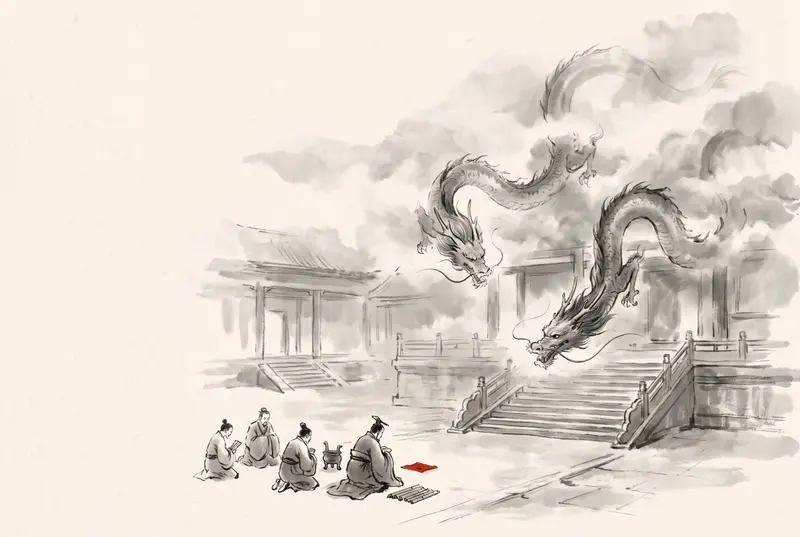
昔、夏后氏(夏王朝)が衰えたころ、二匹の神竜が夏の帝の庭に降りてきて、「われらは褒の国の二人の祖先の君である」と言った。夏の帝は、竜を殺すか、追い払うか、とどめておくかを占ったが、どれも吉と出なかった。竜のよだれをもらってしまっておくことを占うと、吉と出た。そこで供え物を並べ、竹の札に書いた言葉で竜に願い出ると、竜は去り、よだれが残った。それを箱に収めてしまいこんだ。夏が滅ぶと、この箱は殷に伝わり、殷が滅ぶと、さらに周に伝わった。三代にわたって、誰も開けようとしなかった。厲王の末年になって、開けて中を見た。よだれは庭に流れ出し、ぬぐい去ることができなかった。厲王は女たちを裸にして大声で騒がせ、追い払おうとした。よだれは黒いすっぽんに姿を変え、王の後宮に入りこんだ。後宮の幼い召使いの娘が、歯の抜け替わるころにそれに出会い、成人の年ごろになって身ごもり、夫もないのに子を産んだ。娘は恐ろしくなって子を捨てた。宣王の時代、少女たちがこう歌った。「山桑の弓に、箕で編んだ矢筒、これぞ周の国を滅ぼすもの」。宣王はこれを聞いた。ちょうどそのような弓と矢筒を売る夫婦がいたので、宣王は捕らえて殺させようとした。夫婦は道へ逃げ出し、そこで以前に後宮の召使いの娘が捨てた不吉な子が道ばたにいるのを見つけた。夜に泣いている声を聞いてかわいそうに思い、拾って連れて行った。夫婦はそのまま逃げて褒の国へ行った。のちに褒の人が罪を犯し、その捨て子の娘を王に差し出して罪をつぐなおうとした。捨てられた娘が褒から出てきたので、褒姒という。幽王の三年、王は後宮で彼女を見て寵愛し、子の伯服が生まれた。ついに申后と太子を廃し、褒姒を后に、伯服を太子にした。太史の伯陽は言った。「災いはできあがってしまった。もうどうしようもない」。
英訳
Long ago, when the house of Xia was in decline, two divine dragons came down into the court of the Xia ruler and said: "We are two former lords of Bao." The Xia ruler divined whether to kill them, drive them away or keep them, and none of these came out auspicious. Then he divined whether to ask for their spittle and store it away, and that was auspicious. So he set out offerings and addressed the dragons in writing; the dragons vanished and the spittle remained, and he put it in a casket and stored it. When Xia fell the vessel passed to Yin, and when Yin fell it passed to Zhou. Through three dynasties no one dared to open it, until at the end of King Li's reign it was opened and looked at. The spittle flowed out into the court and could not be cleared away. King Li had women strip naked and shout at it. The spittle turned into a black turtle and went into the king's harem. A little slave girl of the harem, just losing her milk teeth, came upon it, and when she came of age she was with child, and bore a child with no husband. In fear she abandoned it. In the time of King Xuan the girls had a song: "A bow of mountain mulberry, a quiver of reeds: these will bring down the state of Zhou." King Xuan heard it. There was a man and his wife who sold such things, and King Xuan had them seized to be put to death. They fled along the road, and there they found the uncanny child the slave girl had abandoned, lying by the road. Hearing it crying in the night, they pitied it and took it with them, and fled on to Bao. Later a man of Bao committed a crime and asked to atone for it by presenting the abandoned girl to the king. Because the abandoned girl came from Bao, she was called Bao Si. In the third year of King You, the king saw her in his harem and fell in love with her, and she bore him Bofu. In the end he set aside Queen Shen and the crown prince, making Bao Si queen and Bofu his heir. Bo Yang, the Grand Scribe, said: "The disaster is complete. Nothing can be done."
解説(日)
- 夏后氏: 夏王朝。
- 漦: 竜の口から出る泡、よだれ。
- 布幣而策告之: 供え物を並べ、竹の札に書いた言葉で告げる。
- 譟: 大声で騒ぐ。悪いものを追い払うまじないとされる。
- 玄黿: 黒いすっぽん。黒いとかげとする説もある。
- 齔: 子どもの歯が抜け替わること(7、8歳ごろ)。
- 笄: 女子が成人してかんざしを挿すこと(15歳ごろ)。
- 厭弧箕服: 山桑で作った弓と、箕(植物)で編んだ矢入れ。「厭」は「檿」(やまぐわ)と同じ。
- 褒: 今の陝西省漢中市のあたりにあった国。姒はその国の姓で、「褒の姒氏の娘」の意。
解説(英)
- Spittle (漦): the foam from a dragon's mouth.
- Shout at it (譟): loud noise was believed to drive away evil.
- Black turtle (玄黿): some commentators read it as a black lizard.
- Losing her milk teeth (齔): about seven or eight years old; "came of age" (笄) means about fifteen.
- A bow of mountain mulberry, a quiver of reeds (厭弧箕服): 厭 stands for 檿, the mountain mulberry.
- Bao Si (褒姒): "the Si girl of Bao"; Si was the clan name of the rulers of Bao, near present-day Hanzhong in Shaanxi.
英語の語注
- auspicious/ɔˈspɪʃəs/adjective
showing signs of good luck to come
本文では: “none of these came out auspicious”
似た語と違い: promising — likely to go well · favourable — good
- uncanny/ʌnˈkæni/adjective
strange in a way that is hard to explain
本文では: “the uncanny child”
似た語と違い: eerie — strange and scary · weird — very strange
節 9
原文
褒姒不好笑,幽王欲其笑萬方,故不笑。幽王為烽燧大鼓,有寇至則舉烽火。諸侯悉至,至而無寇,褒姒乃大笑。幽王說之,為數舉烽火。其後不信,諸侯益亦不至。
書き下し文
褒姒笑うことを好まず。幽王其の笑わんことを欲すること万方なるも、故より笑わず。幽王烽燧大鼓を為り、寇の至る有れば則ち烽火を挙ぐ。諸侯悉く至る。至るも寇無し。褒姒乃ち大いに笑う。幽王之を説び、為に数しば烽火を挙ぐ。其の後信ぜられず、諸侯益々亦至らず。
現代語訳
褒姒は笑うことを好まなかった。幽王はあの手この手で笑わせようとしたが、やはり笑わなかった。幽王は、のろし台と大太鼓を設け、敵が攻めてきたときにはのろしを上げることにしていた。(あるとき、のろしが上がって)諸侯がことごとく駆けつけたが、来てみると敵はいなかった。それを見て、褒姒は大笑いした。幽王はこれを喜び、彼女のために何度ものろしを上げた。その後、のろしは信用されなくなり、諸侯はますます来なくなった。
英訳
Bao Si did not like to laugh. King You tried ten thousand ways to make her laugh, but still she would not. King You had beacon towers and great drums set up, so that when raiders came the beacon fires would be lit. The lords all came hurrying, and when they arrived there were no raiders. At that Bao Si laughed out loud. King You was delighted, and lit the beacon fires for her again and again. After that no one believed them, and the lords came less and less.
解説(日)
- 烽燧: のろし。昼は煙、夜は火で急を知らせる。
- 欲其笑萬方: あらゆる方法で笑わせようとする。
- この話から、褒姒は国を傾ける美女、いわゆる「傾国」の代表とされる。ただし、のろしの話は後世の脚色とする見方もある。
解説(英)
- Beacon fires (烽燧): smoke by day and fire by night to raise the alarm.
- Bao Si became the classic example of a beauty who ruins a state, though many historians think the beacon story is a later embellishment.
英語の語注
- beacon/ˈbikən/noun
a fire lit on a high place as a signal
本文では: “beacon towers”
似た語と違い: signal fire — a fire that sends a message · flare — a bright light
- raider/ˈreɪdər/noun
a person who attacks suddenly to rob
本文では: “when raiders came”
似た語と違い: invader — one who enters by force · marauder — a roaming robber
節 10
原文
幽王以虢石父為卿,用事,國人皆怨。石父為人佞巧善諛好利,王用之。又廢申后,去太子也。申侯怒,與繒、西夷犬戎攻幽王。幽王舉烽火徵兵,兵莫至。遂殺幽王驪山下,虜褒姒,盡取周賂而去。於是諸侯乃即申侯而共立故幽王太子宜臼,是為平王,以奉周祀。
書き下し文
幽王虢石父を以て卿と為し、事を用いしむ。国人皆怨む。石父人と為り佞巧にして善く諛い利を好む。王之を用う。又申后を廃し、太子を去るなり。申侯怒り、繒・西夷の犬戎と幽王を攻む。幽王烽火を挙げて兵を徴するも、兵至る莫し。遂に幽王を驪山の下に殺し、褒姒を虜にし、尽く周の賂を取りて去る。是に於いて諸侯乃ち申侯に即きて共に故の幽王の太子宜臼を立つ。是を平王と為し、以て周の祀を奉ず。
現代語訳
幽王は虢石父を卿に任じて政治を任せたので、都の人々はみな恨んだ。石父は口先がうまく、こびへつらうのが上手で、利益を好む人物だったが、王は彼を用いた。そのうえ申后を廃し、太子を退けた。申侯は怒り、繒の国や西方の犬戎とともに幽王を攻めた。幽王はのろしを上げて兵を呼んだが、一人も来なかった。こうして犬戎らは幽王を驪山のふもとで殺し、褒姒を捕らえ、周の財宝をことごとく奪って去った。そこで諸侯は申侯のもとに集まり、ともに元の太子の宜臼を王に立てた。これが平王で、周の祭祀を継いだ。
英訳
King You made Shifu of Guo a chief minister and gave him charge of affairs, and the people of the capital all resented it. Shifu was a smooth talker, a skilled flatterer and fond of profit, yet the king used him. On top of that the king had set aside Queen Shen and the crown prince. The Marquis of Shen in his anger joined with Zeng and the Quanrong of the western tribes to attack King You. King You lit the beacon fires to summon troops, but no troops came. So they killed King You at the foot of Mount Li, took Bao Si captive, carried off all the treasure of Zhou and left. Then the lords went over to the Marquis of Shen and together set up King You's former heir, Yijiu. This was King Ping, who carried on the sacrifices of Zhou.
解説(日)
- 虢石父: 虢国の君主。
- 佞巧: 口先がうまく、こびへつらう。
- 繒: 申と手を結んだ国。
- 犬戎: 西方の遊牧民。
- 驪山: 今の陝西省西安市臨潼区の山。のちに始皇帝陵が築かれた。
- 平王: 前770年、都を東の洛邑(洛陽)に移した。これより前を西周、後を東周(春秋・戦国時代)という。
解説(英)
- The Quanrong (犬戎): nomads of the west.
- Mount Li (驪山): near present-day Xi'an; the First Emperor's tomb was later built at its foot.
- King Ping (平王): in 770 BCE he moved the capital east to Luoyi (Luoyang). Zhou before this is called Western Zhou, and after it Eastern Zhou, the age of the Spring and Autumn and Warring States periods.
英語の語注
- flatterer/ˈflætərər/noun
a person who praises others too much to win favour
本文では: “a skilled flatterer”
似た語と違い: sycophant — a servile flatterer · toady — a person who fawns
- captive/ˈkæptɪv/noun
a person taken prisoner
本文では: “took Bao Si captive”
似た語と違い: prisoner — a person held · hostage — a person held to force a deal