本紀 · 巻 3
殷本紀 殷本紀
湯王の網と紂王の酒池肉林 成湯與帝紂
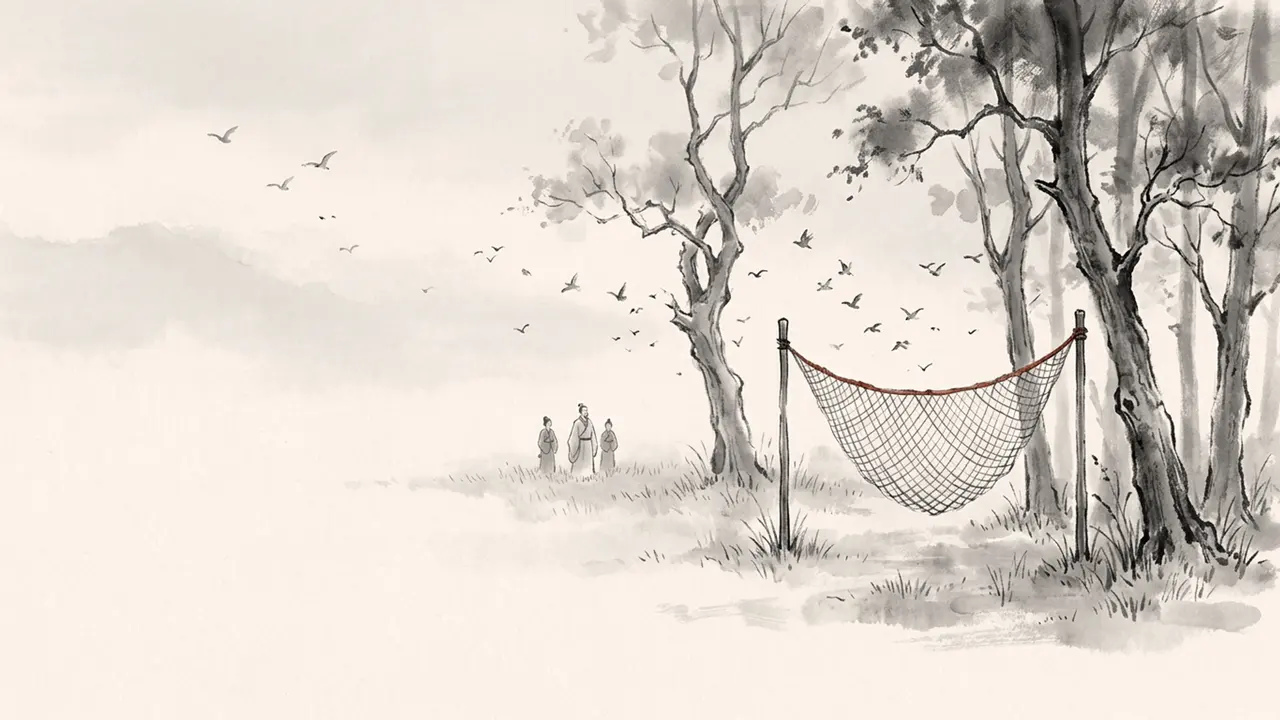
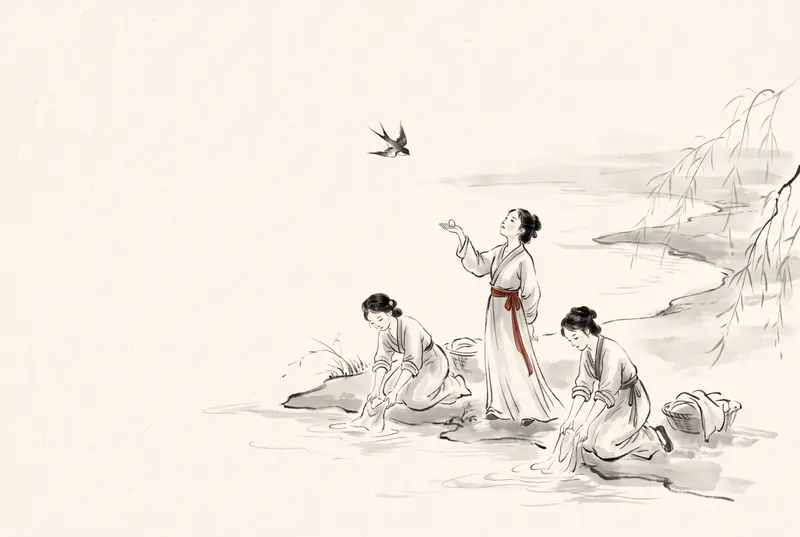
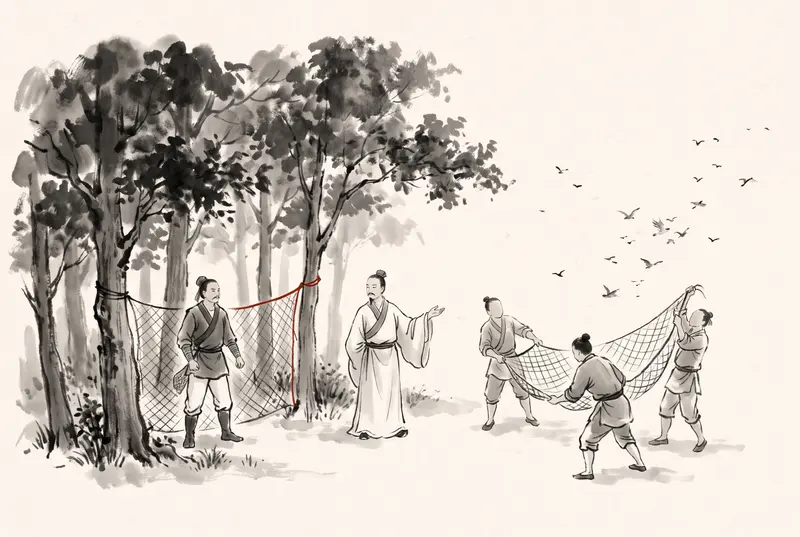
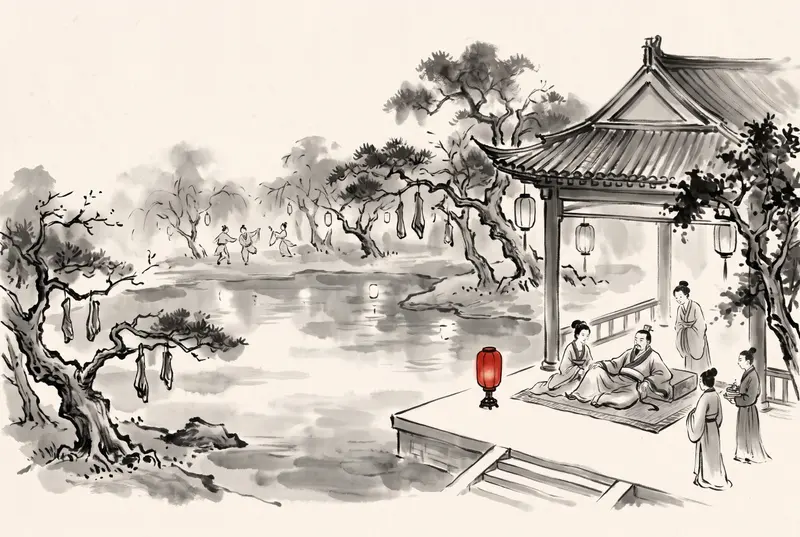
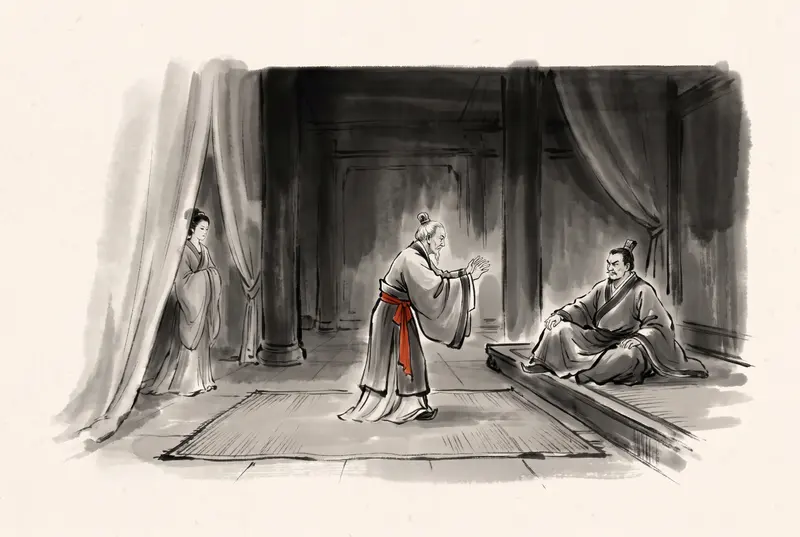
夏のあとに続いた殷(商)王朝の物語。殷の祖先の契は、母が飲みこんだ燕(玄鳥)の卵から生まれた。湯王は、四方に網を張って「天下の鳥はみなわが網に入れ」と祈る猟師を見て、三方の網を解かせ、諸侯は「湯の徳は鳥や獣にまで及ぶ」と感じ入った。湯は料理人として近づいてきた伊尹を宰相とし、暴君桀を討って殷を開く。のちの武丁は、夢に見た聖人を土木作業の囚人の中から見つけ出して宰相とし、殷を立て直した。だが最後の王紂は、才知にすぐれながら、妲己を愛して酒の池と肉の林で夜通し宴を開き、焼けた銅の柱を渡らせる刑で人々を苦しめ、いさめた叔父比干の胸を裂いた。周の武王に牧野で敗れた紂は、宝玉の衣を着て火に飛びこんで死ぬ。
この巻のうち「湯王の網と紂王の酒池肉林」の場面を載せています。巻の全文ではありません。
音声
音声は合成音声です。
動画
節 1
原文
殷契,母曰簡狄,有娀氏之女,為帝嚳次妃。三人行浴,見玄鳥墮其卵,簡狄取吞之,因孕生契。契長而佐禹治水有功。帝舜乃命契曰:「百姓不親,五品不訓,汝為司徒而敬敷五教,五教在寬。」封于商,賜姓子氏。契興於唐、虞、大禹之際,功業著於百姓,百姓以平。
書き下し文
殷の契、母を簡狄と曰う。有娀氏の女にして、帝嚳の次妃たり。三人行きて浴し、玄鳥の其の卵を墮すを見る。簡狄取りて之を呑み、因りて孕みて契を生む。契長じて禹を佐けて水を治めて功有り。帝舜乃ち契に命じて曰く、「百姓親しまず、五品訓わず。汝司徒と為りて敬みて五教を敷け。五教は寛に在り」と。商に封じ、姓を子氏と賜う。契唐・虞・大禹の際に興り、功業百姓に著われ、百姓以て平らかなり。
現代語訳
殷の祖先の契は、母を簡狄という。有娀氏の娘で、帝嚳の第二の妃だった。簡狄が三人で水浴びに行ったとき、燕(玄鳥)が卵を落とすのを見た。簡狄はそれを拾って飲みこみ、身ごもって契を産んだ。契は成長すると、禹を助けて洪水を治め、手柄を立てた。帝舜は契に命じて言った。「民がたがいに親しまず、人の守るべき五つの道が守られていない。おまえは司徒(教育の長官)となり、つつしんで五つの教えを広めよ。五つの教えは寛容を旨とせよ」。契は商に封じられ、子という姓を与えられた。契は堯・舜・禹の時代に身を起こし、その功績は民のあいだに知れわたり、民は安らかに治まった。
英訳
Xie of Yin: his mother was Jiandi, a daughter of the Yousong clan and second consort of Emperor Ku. Once three women went to bathe, and they saw a dark bird, a swallow, drop its egg. Jiandi picked it up and swallowed it, conceived, and gave birth to Xie. When Xie grew up he helped Yu control the flood and won merit. Emperor Shun charged him: "The people are not loving to one another, and the five relationships are not kept. Be Minister of Instruction and spread the five teachings with care. The five teachings depend on gentleness." He was enfeoffed at Shang and given the clan name Zi. Xie rose in the days of Yao, Shun and Great Yu; his achievements were known to all the people, and the people were at peace.
解説(日)
- 玄鳥: 黒い鳥、燕のこと。殷の始祖が鳥の卵から生まれたという伝説は、『詩経』の「天命じて玄鳥、降りて商を生む」にも歌われる。
- 五品: 父子・君臣・夫婦・長幼・朋友の五つの人間関係。
- 司徒: 民の教化をつかさどる長官。
- 商: 殷のもとの名。殷は商とも呼ばれる。
解説(英)
- A dark bird (玄鳥): a swallow. The Book of Odes sings: "Heaven bade the dark bird come down and give birth to Shang."
- Minister of Instruction (司徒): the official in charge of teaching the people.
- Shang (商): the dynasty's original name; it is called both Shang and Yin.
英語の語注
- consort/ˈkɑnsɔrt/noun
the wife or partner of a ruler
本文では: “second consort of Emperor Ku”
似た語と違い: spouse — husband or wife · queen — a king's wife
- conceive/kənˈsiv/verb
to become pregnant
本文では: “conceived, and gave birth to Xie”
似た語と違い: become pregnant — start to carry a child · be with child — old-fashioned
節 2
原文
伊尹名阿衡。阿衡欲奸湯而無由,乃為有莘氏媵臣,負鼎俎,以滋味說湯,致于王道。或曰,伊尹處士,湯使人聘迎之,五反,然後肯往從湯,言素王及九主之事。湯舉任以國政。伊尹去湯適夏。既醜有夏,復歸于亳。入自北門,遇女鳩、女房,作女鳩女房。湯出,見野張網四面,祝曰:「自天下四方皆入吾網。」湯曰:「嘻,盡之矣!」乃去其三面,祝曰:「欲左,左;欲右,右。不用命,乃入吾網。」諸侯聞之,曰:「湯德至矣,及禽獸。」
書き下し文
伊尹名は阿衡。阿衡湯に奸めんと欲するも由無し。乃ち有莘氏の媵臣と為り、鼎俎を負い、滋味を以て湯に説き、王道に致す。或いは曰く、伊尹は処士なり。湯人をして聘して之を迎えしむ。五たび反りて、然る後に肯えて往きて湯に従い、素王及び九主の事を言うと。湯挙げて任ずるに国政を以てす。伊尹湯を去りて夏に適く。既に有夏を醜とし、復た亳に帰る。北門より入り、女鳩・女房に遇い、女鳩女房を作る。 湯出でて、野に網を張ること四面なるを見る。祝りて曰く、「天下四方より皆吾が網に入れ」と。湯曰く、「嘻、之を尽くせり」と。乃ち其の三面を去り、祝りて曰く、「左せんと欲すれば左し、右せんと欲すれば右せよ。命を用いずんば、乃ち吾が網に入れ」と。諸侯之を聞きて曰く、「湯の徳至れり。禽獣に及ぶ」と。
現代語訳
伊尹は名を阿衡という。阿衡は湯に仕えたいと思ったが、つてがなかった。そこで、湯にとつぐ有莘氏の娘のお付きの家来となり、鼎とまな板を背負って料理人として仕え、料理の味にたとえて湯に説き、王者の道へと導いた。一説には、伊尹は仕官しない隠者で、湯が人をやって招いたが、五度も使者が往復して、ようやく承知して湯に従い、位はなくとも王の徳をもつ者のことや、九種類の君主のことを説いたともいう。湯は伊尹を取り立てて国の政治を任せた。伊尹は一時湯のもとを去って夏へ行ったが、夏の政治のひどさに愛想をつかし、再び亳へ帰ってきた。北門から入ったところで女鳩・女房という二人の賢臣に会い、「女鳩女房」の篇を作った。 湯が外出したとき、野原の四方に網を張っている者を見た。その者は祈っていた。「天下の四方から、みなわしの網に入ってこい」。湯は言った。「ああ、それでは取りつくしてしまう」。そこで三方の網を取り払わせて、こう祈らせた。「左へ行きたい者は左へ、右へ行きたい者は右へ行け。言うことを聞かない者だけ、わしの網に入れ」。諸侯はこれを聞いて言った。「湯の徳はきわまっている。鳥や獣にまで及んでいる」。
英訳
Yi Yin was called Aheng. Aheng wanted to win Tang's favour but had no way to reach him. So he became one of the servants who went with a bride of the Youshen clan to Tang's house, carrying cauldron and chopping board, and he won Tang over by talking about flavours, leading him to the way of true kingship. Some say instead that Yi Yin was a recluse, that Tang sent men to invite him, that only after they had gone back and forth five times did he agree to come, and that he spoke to Tang of the uncrowned king and the nine kinds of ruler. Tang raised him up and gave him the government of the state. Yi Yin left Tang and went to Xia, but, disgusted with Xia, he came back to Bo. Entering by the north gate, he met Ru Jiu and Ru Fang, and wrote "Ru Jiu and Ru Fang". Once when Tang went out, he saw someone who had spread nets on all four sides of a field and was praying: "From all four quarters of the world, come into my net!" Tang said: "Ah, that would take them all!" He had three sides of the net taken down and the man pray instead: "Those who want to go left, go left; those who want to go right, go right. Only those who will not heed, come into my net." When the lords heard of it they said: "Tang's virtue is perfect. It reaches even to the birds and beasts."
解説(日)
- 伊尹: 湯を助けて殷を開いた名宰相。
- 媵臣: 嫁入りする娘に付き従う家来。
- 負鼎俎,以滋味說湯: 料理人として、料理の味つけにたとえて政治を説いた。
- 素王: 位はないが、王者の徳をもつ人。
- 網開三面: 網の三方を開く。寛大な処置のたとえ(「網開一面」とも)。
解説(英)
- Yi Yin (伊尹): the great minister who helped Tang found Shang.
- Talking about flavours (以滋味說湯): he used the art of seasoning as a lesson in government.
- Taking down three sides of the net (網開三面): a byword for leniency.
この節から生まれた言葉: 網の三面を解く
英語の語注
- recluse/ˈrɛklus/noun
a person who lives alone, away from society
本文では: “Yi Yin was a recluse”
似た語と違い: hermit — one who lives alone · loner — one who avoids others
- disgusted/dɪsˈɡʌstɪd/adjective
feeling strong dislike and disapproval
本文では: “disgusted with Xia”
似た語と違い: repelled — turned away by dislike · sickened — deeply upset
節 3
原文
帝小乙崩,子帝武丁立。帝武丁即位,思復興殷,而未得其佐。三年不言,政事決定於冢宰,以觀國風。武丁夜夢得聖人,名曰說。以夢所見視群臣百吏,皆非也。於是迺使百工營求之野,得說於傅險中。是時說為胥靡,筑於傅險。見於武丁,武丁曰是也。得而與之語,果聖人,舉以為相,殷國大治。故遂以傅險姓之,號曰傅說。
書き下し文
帝小乙崩じ、子帝武丁立つ。帝武丁即位し、殷を復興せんことを思うも、未だ其の佐を得ず。三年言わず、政事は冢宰に決定せしめ、以て国風を観る。武丁夜夢に聖人を得たり。名を説と曰う。夢に見る所を以て群臣百吏を視るに、皆非なり。是に於いて迺ち百工をして営み求めしむ。之を野に求め、説を傅険の中に得たり。是の時説胥靡と為り、傅険に築く。武丁に見ゆ。武丁曰く、是なりと。得て之と語るに、果たして聖人なり。挙げて以て相と為す。殷国大いに治まる。故に遂に傅険を以て之に姓し、号して傅説と曰う。
現代語訳
帝小乙が亡くなり、子の帝武丁が即位した。武丁は殷を再びさかんにしたいと考えたが、まだそれを助ける人物を得ていなかった。三年のあいだ口をきかず、政治は宰相に決めさせて、国の様子をじっと見ていた。ある夜、武丁は夢で聖人を得た。名を説といった。夢で見た顔を家臣や役人たちとくらべてみたが、誰も違った。そこで役人たちに命じて国中を探させると、傅険という土地の荒れ地で説が見つかった。そのとき説は罪人として労役につき、傅険で土を突き固めて壁を造っていた。武丁に会わせると、武丁は「この人だ」と言った。話をしてみると、やはり聖人だった。武丁は説を取り立てて宰相とし、殷の国は大いに治まった。そこで傅険の地名を姓として与え、傅説と名のらせた。
英訳
When Emperor Xiao Yi died, his son Wu Ding took the throne. Wu Ding wanted to restore Yin, but had not yet found a minister to help him. For three years he did not speak; he left decisions to the chief minister and watched the ways of the state. One night Wu Ding dreamed that he had found a sage named Yue. He compared the face from his dream with all his ministers and officers, and none was the man. So he sent officials out to search the land, and they found Yue among the wastes of Fuxian. At that time Yue was a convict labourer, pounding earth walls at Fuxian. When he was brought before Wu Ding, Wu Ding said: "That is him." He talked with him and found that he was indeed a sage. He made him chief minister, and the state of Yin was well governed. He named him after Fuxian, calling him Fu Yue.
解説(日)
- 武丁: 殷の第二十二代の王。殷を中興した名君。甲骨文に多く記録が残る。
- 三年不言: 喪に服して三年口をきかなかったとも、国情を観察していたともいう。
- 冢宰: 最高の宰相。
- 胥靡: 縄でつながれて労役につく罪人。
- 築: 板のあいだに土を入れて突き固め、土壁を造る(版築)。
解説(英)
- Wu Ding (武丁): the king who revived Shang; many oracle bones record his reign.
- Convict labourer (胥靡): a prisoner roped to others and set to forced labour.
- Pounding earth walls (築): the rammed-earth method of building walls.
英語の語注
- restore/rɪˈstɔr/verb
to bring back to a former good state
本文では: “wanted to restore Yin”
似た語と違い: revive — bring back to life · renew — make new again
- convict/ˈkɑnvɪkt/noun
a person found guilty of a crime and punished
本文では: “Yue was a convict labourer”
似た語と違い: prisoner — one held for a crime · criminal — a lawbreaker
節 4
原文
帝武丁祭成湯,明日,有飛雉登鼎耳而呴,武丁懼。祖己曰:「王勿憂,先修政事。」祖己乃訓王曰:「唯天監下典厥義,降年有永有不永,非天夭民,中絕其命。民有不若德,不聽罪,天既附命正厥德,乃曰其柰何。鳴呼!王嗣敬民,罔非天繼,常祀毋禮于棄道。」武丁修政行德,天下咸驩,殷道復興。
書き下し文
帝武丁成湯を祭る。明日、飛雉有りて鼎の耳に登りて呴く。武丁懼る。祖己曰く、「王憂うる勿かれ。先ず政事を修めよ」と。祖己乃ち王に訓えて曰く、「唯れ天下を監みて厥の義を典る。年を降すに永き有り永からざる有り。天民を夭するに非ず、中ごろ其の命を絶つなり。民徳に若わず、罪を聴かざる有れば、天既に命を附して厥の徳を正す。乃ち曰く、其れ奈何と。嗚呼、王嗣ぎて民を敬え。天の継に非ざるは罔し。常祀に道を棄つるに礼すること毋かれ」と。武丁政を修め徳を行い、天下咸驩び、殷の道復た興る。
現代語訳
帝武丁が成湯(湯王)を祭った翌日、雉が飛んできて鼎の耳にとまって鳴いた。武丁は不吉なしるしだと恐れた。祖己は言った。「王よ、ご心配なさいますな。まず政治を正されることです」。そして祖己は王に教えて言った。「天は下界を見守って、人の行いの正しさを基準とされます。天が与える寿命には長いものも短いものもありますが、天が民を若死にさせるのではなく、民が自ら途中でその命を断つのです。民が徳に従わず、罪を認めないとき、天は不吉なしるしを下してその徳を正そうとされます。それなのに人は、『それがどうした』と言うのです。ああ、王は位を継いで民を敬いなさいませ。民はみな天の子孫なのです。いつもの祭りで、道にはずれたものを手厚く祭ってはなりません」。武丁は政治を正し、徳を行ったので、天下はみな喜び、殷の道は再びさかんになった。
英訳
When Emperor Wu Ding sacrificed to Tang the Accomplished, the next day a pheasant flew up onto the handle of the sacrificial cauldron and crowed. Wu Ding was afraid. Zu Ji said: "Do not worry, Your Majesty. First set your government in order." Then he instructed the king: "Heaven watches over those below and judges by their righteousness. The years it sends down are long for some and short for others; it is not Heaven that cuts the people off early, but they who cut their own lives short. When people do not follow virtue and will not admit their faults, Heaven sends a sign to correct them, and still they say: 'What of it?' Ah, Your Majesty, you have inherited the throne: revere the people. None of them but are Heaven's heirs. In the regular sacrifices, do not lavish rites on what has strayed from the way." Wu Ding set his government in order and practised virtue, the whole realm rejoiced, and the way of Yin flourished again.
解説(日)
- 鼎耳: 鼎の両側の取っ手。
- 呴: 鳴く。祭りの器に野鳥がとまるのは不吉とされた。
- 祖己: 武丁の賢臣。
- 『書経』の「高宗肜日」を下敷きにした段。武丁は死後、高宗とたたえられた。
解説(英)
- The handle of the cauldron (鼎耳): a wild bird on the sacred vessel was an ill omen.
- Based on "The Day of the Supplementary Sacrifice to Gaozong" in the Book of Documents; Wu Ding was honoured after death as Gaozong.
英語の語注
- sacrifice/ˈsækrəˌfaɪs/verb
to offer something to a god or ancestor
本文では: “sacrificed to Tang the Accomplished”
似た語と違い: make offerings — give gifts to spirits · worship — honour a god
- rejoice/rɪˈdʒɔɪs/verb
to feel or show great joy
本文では: “the whole realm rejoiced”
似た語と違い: celebrate — mark with joy · exult — be very happy
節 5
原文
帝武乙無道,為偶人,謂之天神。與之博,令人為行。天神不勝,乃僇辱之。為革囊,盛血,卬而射之,命曰「射天」。武乙獵於河渭之閒,暴雷,武乙震死。子帝太丁立。帝太丁崩,子帝乙立。帝乙立,殷益衰。帝乙長子曰微子啓,啓母賤,不得嗣。少子辛,辛母正后,辛為嗣。帝乙崩,子辛立,是為帝辛,天下謂之紂。
書き下し文
帝武乙無道なり。偶人を為りて、之を天神と謂う。之と博し、人をして行を為さしむ。天神勝たざれば、乃ち之を僇辱す。革嚢を為りて、血を盛り、卬ぎて之を射、命じて「天を射る」と曰う。武乙河渭の閒に猟す。暴雷あり、武乙震死す。子帝太丁立つ。帝太丁崩じ、子帝乙立つ。帝乙立ちて、殷益々衰う。 帝乙の長子を微子啓と曰う。啓の母は賤しく、嗣たるを得ず。少子は辛、辛の母は正后なり。辛嗣と為る。帝乙崩じ、子辛立つ。是れを帝辛と為す。天下之を紂と謂う。
現代語訳
帝武乙は道にはずれた王だった。人形を作って天の神と呼び、それと双六をして、人に天の神の駒を動かさせた。天の神が負けると、人形をはずかしめた。革の袋を作って血を満たし、高くつるしてそれを射て、「天を射る」と名づけた。武乙は黄河と渭水のあいだで狩りをしていたとき、激しい雷に打たれて死んだ。子の帝太丁が即位し、太丁が亡くなると子の帝乙が即位した。帝乙の代になると、殷はますます衰えた。 帝乙の長男を微子啓といった。啓の母は身分が低かったので、跡継ぎになれなかった。末の子は辛といい、辛の母は正式の后だったので、辛が跡継ぎとなった。帝乙が亡くなり、子の辛が即位した。これが帝辛である。天下の人々は彼を紂と呼んだ。
英訳
Emperor Wu Yi was without the way. He made a wooden figure and called it the Spirit of Heaven. He played board games against it, with a man moving its pieces, and when the Spirit of Heaven lost, he insulted and beat it. He made a leather bag, filled it with blood, hung it up high and shot at it, and called this "shooting Heaven". While hunting between the Yellow River and the Wei, he was struck dead by a sudden thunderbolt. His son Emperor Tai Ding took the throne, and when Tai Ding died, his son Emperor Yi. Under Emperor Yi, Yin declined further. Emperor Yi's eldest son was called Qi, the Viscount of Wei, but Qi's mother was of low birth, so he could not be the heir. The youngest son was Xin, whose mother was the queen, so Xin became the heir. When Emperor Yi died, his son Xin took the throne. He was Emperor Xin, whom the realm called Zhou.
解説(日)
- 偶人: 木で作った人形。
- 博: すごろくのような盤上の遊び。
- 射天: 天を射る。天をあなどる行いで、雷に打たれる最期と対になっている。
- 微子啓: 紂の異母兄。のちに周から宋に封じられ、殷の祭りを継いだ(巻38)。
- 紂: 「義を残い善を損なう」という意味のおくり名とされる。周の国名の「周」とは別の字。
解説(英)
- Shooting Heaven (射天): mocking Heaven, an act matched by his death by thunderbolt.
- Qi, Viscount of Wei (微子啓): Zhou's elder half-brother, later enfeoffed in Song to carry on the Yin sacrifices.
- Zhou (紂): a name of reproach for Emperor Xin, written with a different character from the Zhou dynasty that overthrew him.
英語の語注
- insult/ɪnˈsʌlt/verb
to say or do something rude to someone
本文では: “he insulted and beat it”
似た語と違い: offend — hurt the feelings of · mock — laugh at
- thunderbolt/ˈθʌndərˌboʊlt/noun
a flash of lightning with thunder
本文では: “struck dead by a sudden thunderbolt”
似た語と違い: lightning bolt — a stroke of lightning · bolt from the blue — a sudden shock (figurative)
節 6
原文
帝紂資辨捷疾,聞見甚敏;材力過人,手格猛獸;知足以距諫,言足以飾非;矜人臣以能,高天下以聲,以為皆出己之下。好酒淫樂,嬖於婦人。愛妲己,妲己之言是從。於是使師涓作新淫聲,北里之舞,靡靡之樂。厚賦稅以實鹿臺之錢,而盈鉅橋之粟。益收狗馬奇物,充仞宮室。益廣沙丘苑臺,多取野獸蜚鳥置其中。慢於鬼神。大㝡樂戲於沙丘,以酒為池,縣肉為林,使男女倮相逐其閒,為長夜之飲。
書き下し文
帝紂資辨捷疾にして、聞見甚だ敏なり。材力人に過ぎ、手もて猛獣を格つ。知は以て諫めを距ぐに足り、言は以て非を飾るに足る。人臣に矜るに能を以てし、天下に高ぶるに声を以てし、以為えらく皆己の下に出づと。酒を好み楽に淫し、婦人に嬖す。妲己を愛し、妲己の言是れ従う。是に於いて師涓をして新淫の声、北里の舞、靡靡の楽を作らしむ。賦税を厚くして以て鹿台の銭を実たし、鉅橋の粟を盈たす。益々狗馬奇物を収めて、宮室に充仞す。益々沙丘の苑台を広め、多く野獣蜚鳥を取りて其の中に置く。鬼神に慢る。大いに楽戯を沙丘に㝡め、酒を以て池と為し、肉を県けて林と為し、男女をして倮にして其の閒に相逐わしめ、長夜の飲を為す。
現代語訳
帝紂は生まれつき弁がたち、頭の回転が速く、見聞きしたことを素早く理解した。力も人並みはずれていて、素手で猛獣と格闘した。その知恵はいさめを退けるのに十分で、その弁舌は自分の過ちを言いつくろうのに十分だった。才能を家臣たちに見せびらかし、名声を天下に誇って、誰もが自分より下だと思っていた。酒を好み、遊びにおぼれ、女を寵愛した。とりわけ妲己を愛し、妲己の言うことには何でも従った。楽師の師涓に命じて、新しくみだらな音楽や、北里の踊り、退廃的な調べを作らせた。税を重くして、鹿台の倉を銭で満たし、鉅橋の倉を穀物でいっぱいにした。犬や馬やめずらしい品をますます集めて、宮殿にあふれさせた。沙丘の庭園と高殿をさらに広げ、野の獣や鳥をたくさん捕らえてそこに放った。鬼神をあなどった。沙丘に楽人や役者を大勢集め、酒を満たして池とし、肉をつるして林とし、裸の男女をそのあいだで追いかけっこさせて、夜通し酒宴を開いた。
英訳
Emperor Zhou was naturally eloquent and quick, sharp in all he heard and saw. His strength surpassed other men's; he fought wild beasts with his bare hands. His intelligence was enough to fend off any criticism, and his words enough to gloss over any wrong. He showed off his abilities to his ministers and lorded it over the realm with his fame, thinking everyone beneath him. He loved wine and was lost in pleasure, and he doted on women. He loved Daji, and whatever Daji said he did. He had the music master Juan compose new lewd songs, the dances of the northern quarter and languid, decadent music. He raised taxes to fill the treasury of the Deer Terrace with coin and the granaries of Juqiao with grain. He collected more and more dogs, horses and curiosities until they filled his palaces. He enlarged the parks and terraces at Shaqiu and filled them with wild beasts and birds. He was insolent toward the spirits. At Shaqiu he gathered great crowds of entertainers; he made a lake of wine and a forest of hanging meat, had men and women chase each other naked among them, and drank through the long night.
解説(日)
- 資辨捷疾: 生まれつき弁がたち、すばやい。紂は愚かな王ではなく、才能をもちながら道をはずれた王として描かれる。
- 妲己: 紂の寵姫。のちに悪女の代表とされた。
- 鹿臺・鉅橋: 紂が財宝と穀物を蓄えた倉。
- 酒池肉林: 酒を池とし、肉を林とする。ぜいたくをきわめた宴の言葉の出典。
- 長夜之飲: 夜通しの酒宴。
解説(英)
- Naturally eloquent and quick (資辨捷疾): Zhou is shown not as a fool but as a gifted man gone wrong.
- Daji (妲己): Zhou's favourite, later the archetype of the wicked beauty.
- A lake of wine and a forest of meat (酒池肉林): still the phrase for extreme debauchery.
この節から生まれた言葉: 酒池肉林
英語の語注
- eloquent/ˈɛləkwənt/adjective
good at speaking well and persuasively
本文では: “naturally eloquent and quick”
似た語と違い: articulate — clear in speech · silver-tongued — persuasive
- insolent/ˈɪnsələnt/adjective
rude and lacking respect
本文では: “He was insolent toward the spirits”
似た語と違い: disrespectful — without respect · impudent — rude and bold
節 7
原文
百姓怨望而諸侯有畔者,於是紂乃重刑辟,有炮格之法。以西伯昌、九侯、鄂侯為三公。九侯有好女,入之紂。九侯女不憙淫,紂怒,殺之,而醢九侯。鄂侯爭之彊,辨之疾,并脯鄂侯。西伯昌聞之,竊嘆。崇侯虎知之,以告紂,紂囚西伯羑里。西伯之臣閎夭之徒,求美女奇物善馬以獻紂,紂乃赦西伯。西伯出而獻洛西之地,以請除炮格之刑。紂乃許之,賜弓矢斧鉞,使得征伐,為西伯。而用費中為政。費中善諛,好利,殷人弗親。紂又用惡來。惡來善毀讒,諸侯以此益疏。
書き下し文
百姓怨望して諸侯畔く者有り。是に於いて紂乃ち刑辟を重くし、炮格の法有り。西伯昌・九侯・鄂侯を以て三公と為す。九侯に好女有り、之を紂に入る。九侯の女淫を憙ばず。紂怒りて、之を殺し、而して九侯を醢にす。鄂侯之を争うこと彊く、之を辨ずること疾し。并せて鄂侯を脯にす。西伯昌之を聞きて、竊かに嘆ず。崇侯虎之を知り、以て紂に告ぐ。紂西伯を羑里に囚う。西伯の臣閎夭の徒、美女奇物善馬を求めて以て紂に献ず。紂乃ち西伯を赦す。西伯出でて洛西の地を献じ、以て炮格の刑を除かんことを請う。紂乃ち之を許し、弓矢斧鉞を賜い、征伐することを得しめ、西伯と為す。而して費中を用いて政を為さしむ。費中善く諛い、利を好む。殷人親しまず。紂又悪来を用う。悪来善く毀讒す。諸侯此を以て益々疏んず。
現代語訳
民は恨み、諸侯の中にはそむく者も出てきた。そこで紂は刑罰を重くし、炮格の刑を設けた。紂は西伯昌(のちの周の文王)・九侯・鄂侯を三公とした。九侯には美しい娘がいて、紂の後宮に入れた。九侯の娘はみだらなことを好まなかったので、紂は怒って娘を殺し、九侯を塩漬けの肉にした。鄂侯が強くいさめ、激しく弁じたので、鄂侯もいっしょに干し肉にした。西伯昌はそれを聞いて、ひそかにため息をついた。崇侯虎がそれを知って紂に告げたので、紂は西伯を羑里に閉じこめた。西伯の家臣の閎夭たちは、美女やめずらしい品やよい馬を探し求めて紂に献上した。紂はそれで西伯を許した。西伯は出獄すると、洛水の西の土地を献上して、炮格の刑をやめてほしいと願い出た。紂はこれを許し、弓矢とまさかりを与えて、征伐の権限を認め、西方の諸侯の長(西伯)とした。紂は費中を用いて政治を任せた。費中はへつらいがうまく、利をむさぼったので、殷の人々は親しまなかった。紂はまた悪来を用いた。悪来は人をそしり、悪口を告げるのがうまかったので、諸侯はますます離れていった。
英訳
The people grew bitter, and some of the lords rebelled. So Zhou made the punishments heavier and introduced the punishment of the roasting pillar. He made Chang, the Earl of the West, the Marquis of Jiu and the Marquis of E his three highest ministers. The Marquis of Jiu had a beautiful daughter whom he sent into Zhou's palace. She did not care for debauchery, so Zhou in his anger killed her and had the Marquis of Jiu chopped and pickled. The Marquis of E argued hard and spoke out fiercely, so Zhou had him dried into meat as well. When Chang, the Earl of the West, heard of it, he sighed in secret. Hu, the Marquis of Chong, learned of this and told Zhou, and Zhou imprisoned the Earl of the West at Youli. The earl's ministers, Hong Yao and others, searched for beautiful women, rare things and fine horses and presented them to Zhou, and Zhou pardoned the earl. When he came out, the earl offered Zhou the land west of the Luo River and begged him to abolish the roasting pillar. Zhou agreed, gave him a bow and arrows, an axe and a halberd, empowered him to make war, and made him Earl of the West. Zhou put Fei Zhong in charge of the government; Fei Zhong was a flatterer who loved profit, and the people of Yin had no love for him. Zhou also employed E Lai, who was good at slander, and the lords drifted further away.
解説(日)
- 炮格: 油を塗った銅の柱を炭火で焼き、その上を罪人に渡らせる刑。落ちれば火に焼かれる。「炮烙」とも書く。
- 西伯昌: 周の文王。羑里に囚われているあいだに『易』の六十四卦を作ったと伝えられる。
- 醢・脯: 人を殺して塩漬けの肉にする、干し肉にする。
- 弓矢斧鉞: 征伐の権限を与えるしるし。
- 費中・惡來: 紂のへつらい者たち。
解説(英)
- The roasting pillar (炮格): a greased bronze pillar over burning coals that victims were made to walk across.
- Chang, Earl of the West (西伯昌): the future King Wen of Zhou, said to have worked out the sixty-four hexagrams of the Book of Changes while imprisoned at Youli.
- A bow and arrows, an axe and a halberd (弓矢斧鉞): tokens of the right to wage war on the king's behalf.
英語の語注
- rebel/rɪˈbɛl/verb
to fight against those in power
本文では: “some of the lords rebelled”
似た語と違い: revolt — rise against · rise up — start a rebellion
- slander/ˈslændər/noun
false statements that damage someone's name
本文では: “who was good at slander”
似た語と違い: defamation — damaging lies · calumny — false accusation
節 8
原文
西伯歸,乃陰修德行善,諸侯多叛紂而往歸西伯。西伯滋大,紂由是稍失權重。王子比干諫,弗聽。商容賢者,百姓愛之,紂廢之。及西伯伐飢國,滅之,紂之臣祖伊聞之而咎周,恐,奔告紂曰:「天既訖我殷命,假人元龜,無敢知吉,非先王不相我後人,維王淫虐用自絕,故天弃我,不有安食,不虞知天性,不迪率典。今我民罔不欲喪,曰『天曷不降威,大命胡不至』?今王其柰何?」紂曰:「我生不有命在天乎!」祖伊反,曰:「紂不可諫矣。」西伯既卒,周武王之東伐,至盟津,諸侯叛殷會周者八百。諸侯皆曰:「紂可伐矣。」武王曰:「爾未知天命。」乃復歸。
書き下し文
西伯帰り、乃ち陰かに徳を修め善を行う。諸侯多く紂に叛きて往きて西伯に帰す。西伯滋々大にして、紂是れ由り稍く権重を失う。王子比干諫むるも、聴かず。商容は賢者にして、百姓之を愛す。紂之を廃す。西伯の飢国を伐ちて、之を滅ぼすに及び、紂の臣祖伊之を聞きて周を咎め、恐れて、奔りて紂に告げて曰く、「天既に我が殷の命を訖う。仮人元亀も、敢えて吉を知る無し。先王我が後人を相けざるに非ず。維れ王淫虐にして用て自ら絶つ。故に天我を棄て、安食有らず、天性を虞り知らず、率典に迪わず。今我が民喪びんことを欲せざる罔く、曰く『天曷ぞ威を降さざる、大命胡ぞ至らざる』と。今王其れ奈何」と。紂曰く、「我が生くるは命天に在る有らずや」と。祖伊反りて曰く、「紂は諫むべからず」と。西伯既に卒す。周の武王の東伐して、盟津に至るや、諸侯殷に叛きて周に会する者八百。諸侯皆曰く、「紂伐つべし」と。武王曰く、「爾未だ天命を知らず」と。乃ち復た帰る。
現代語訳
西伯は国に帰ると、ひそかに徳を修め、善い政治を行った。諸侯の多くは紂にそむいて西伯に従うようになった。西伯の勢力はしだいに大きくなり、紂はこのため少しずつ権威を失っていった。王子の比干がいさめたが、紂は聞かなかった。商容は賢者で民に慕われていたが、紂は彼を退けた。西伯が飢の国を討ち滅ぼすと、紂の家臣の祖伊はそれを聞いて周をにくみ、恐れて紂のもとへ駆けつけて言った。「天はもはや、わが殷の命運を終わらせようとしています。占いの名人や大亀の甲羅でも、吉と出るものはありません。先王がわれら子孫を助けてくださらないのではなく、王がみだらで残虐なために、自ら天命を断ってしまったのです。それで天はわれらを見捨て、民は安らかに食べることもできず、天から与えられた本性もわきまえず、法にも従いません。いまわが民は、誰もが殷が滅びることを願って、『天はなぜ罰を下さないのか。新しい天命はなぜ来ないのか』と言っています。王はいったいどうなさるおつもりですか」。紂は言った。「わしが生まれたのは、天命があったからではないか」。祖伊は引き下がって言った。「紂はもういさめようがない」。西伯が亡くなり、子の周の武王が東へ兵を進めて盟津に着くと、殷にそむいて周のもとに集まった諸侯は八百にのぼった。諸侯はみな「紂を討つべきです」と言ったが、武王は「あなたがたはまだ天命がわかっていない」と言って、兵を引き返した。
英訳
When the Earl of the West went home, he quietly cultivated virtue and did good, and many of the lords left Zhou and turned to him. The earl grew ever stronger, and Zhou began little by little to lose his hold. Prince Bi Gan warned Zhou, but he would not listen. Shang Rong was a worthy man loved by the people; Zhou dismissed him. When the Earl of the West attacked and destroyed the state of Ji, Zhou's minister Zu Yi heard of it, blamed Zhou, and in fear ran to warn the king: "Heaven has already ended the mandate of our Yin. Neither the wise men nor the great tortoise dare find any good omen. It is not that the former kings will not help their descendants; it is that Your Majesty, by your excess and cruelty, have cut yourself off. So Heaven has abandoned us: the people cannot eat in peace, they do not understand their own nature, and they do not follow the laws. Now there is not one of our people who does not want us to perish. They say: 'Why does Heaven not send down its terror? Why does the great mandate not come?' What will Your Majesty do now?" Zhou said: "Was I not born with my mandate from Heaven?" Zu Yi went away, saying: "There is no warning Zhou." After the Earl of the West died, King Wu of Zhou marched east as far as the Meng Ford, and eight hundred lords who had abandoned Yin gathered there to join him. They all said: "Now Zhou can be attacked." King Wu said: "You do not yet know Heaven's will," and went back home.
解説(日)
- 比干: 紂の叔父。忠臣の代表。
- 假人元龜: 占いの名人と、占いに使う大亀の甲羅。
- 我生不有命在天乎: 「わしは天命を受けて生まれたのではないか」。天命を自分のものと思いこむ紂の言葉。
- 盟津: 黄河の渡し場。孟津とも書く。
- 爾未知天命: 武王は、まだ時が熟していないとして兵を引いた。
解説(英)
- Bi Gan (比干): Zhou's uncle, the model of the loyal minister.
- "Was I not born with my mandate from Heaven?": Zhou believes Heaven's mandate is his by right.
- "You do not yet know Heaven's will": King Wu judged that the time was not yet ripe.
英語の語注
- mandate/ˈmænˌdeɪt/noun
the authority to rule, here given by Heaven
本文では: “ended the mandate of our Yin”
似た語と違い: authority — the right to command · commission — a charge to act
- cruelty/ˈkruəlti/noun
behaviour that causes pain to others
本文では: “by your excess and cruelty”
似た語と違い: brutality — savage cruelty · harshness — severity
節 9
原文
紂愈淫亂不止。微子數諫不聽,乃與大師、少師謀,遂去。比干曰:「為人臣者,不得不以死爭。」迺強諫紂。紂怒曰:「吾聞聖人心有七竅。」剖比干,觀其心。箕子懼,乃詳狂為奴,紂又囚之。殷之大師、少師乃持其祭樂器奔周。周武王於是遂率諸侯伐紂。紂亦發兵距之牧野。甲子日,紂兵敗。紂走,入登鹿臺,衣其寶玉衣,赴火而死。周武王遂斬紂頭,縣之大白旗。殺妲己。釋箕子之囚,封比干之墓,表商容之閭。封紂子武庚祿父,以續殷祀,令修行盤庚之政。殷民大說。於是周武王為天子。其後世貶帝號,號為王。而封殷後為諸侯,屬周。
書き下し文
紂愈々淫乱して止まず。微子数々諫むるも聴かず。乃ち大師・少師と謀りて、遂に去る。比干曰く、「人臣為る者は、死を以て争わざるを得ず」と。迺ち強いて紂を諫む。紂怒りて曰く、「吾聞く、聖人の心に七竅有りと」と。比干を剖きて、其の心を観る。箕子懼れ、乃ち詳り狂いて奴と為る。紂又之を囚う。殷の大師・少師乃ち其の祭楽器を持して周に奔る。周の武王是に於いて遂に諸侯を率いて紂を伐つ。紂も亦兵を発して之を牧野に距ぐ。甲子の日、紂の兵敗る。紂走りて、入りて鹿台に登り、其の宝玉の衣を衣て、火に赴きて死す。周の武王遂に紂の頭を斬り、之を大白旗に県く。妲己を殺す。箕子の囚を釈し、比干の墓を封じ、商容の閭を表す。紂の子武庚禄父を封じて、以て殷の祀を続がしめ、盤庚の政を修行せしむ。殷の民大いに説ぶ。是に於いて周の武王天子と為る。其の後世帝号を貶し、号して王と為す。而して殷の後を封じて諸侯と為し、周に属せしむ。
現代語訳
紂はますますみだらな行いを続けてやめなかった。微子は何度もいさめたが聞き入れられなかったので、楽官の長の大師・少師と相談して、ついに去った。比干は言った。「臣下たる者は、死をかけていさめないわけにはいかない」。そして強く紂をいさめた。紂は怒って言った。「聖人の心臓には七つの穴があると聞く」。そして比干の胸を裂いて、その心臓を見た。箕子は恐れて、気が狂ったふりをして奴隷になったが、紂はまた彼を捕らえて閉じこめた。殷の大師・少師は、祭りの楽器を持って周へ逃げた。そこで周の武王は、ついに諸侯を率いて紂を討った。紂も兵を出して牧野で迎え撃った。甲子の日、紂の兵は敗れた。紂は逃げて鹿台に上り、宝玉で飾った衣を着て、火の中に身を投げて死んだ。周の武王は紂の首を斬って、大きな白い旗にかけた。妲己も殺した。箕子を牢から出し、比干の墓に土を盛ってたたえ、商容の住んだ村の門にしるしを立てて表彰した。紂の子の武庚禄父を諸侯に封じて殷の祭りを継がせ、盤庚の政治にならわせた。殷の民は大いに喜んだ。こうして周の武王は天子となった。その後の代には帝の称号を下げて王と呼ぶようになり、殷の子孫は諸侯として周に従わせた。
英訳
Zhou went on in his excesses more and more. The Viscount of Wei warned him many times, but he would not listen; so the viscount consulted the Grand Music Master and the Lesser Music Master and at last went away. Bi Gan said: "One who is a minister must fight with his life." So he pressed his warnings on Zhou. Zhou said in fury: "I have heard that a sage's heart has seven openings." He had Bi Gan cut open and looked at his heart. The Viscount of Ji was afraid; he pretended to be mad and became a slave, but Zhou imprisoned him too. The Grand and Lesser Music Masters of Yin fled to Zhou with their sacrificial instruments. Then King Wu of Zhou led the lords against Zhou, and Zhou sent out an army to meet him at Muye. On the day jiazi Zhou's army was defeated. Zhou fled, climbed the Deer Terrace, put on his robes of jewels and jade, and threw himself into the fire and died. King Wu cut off his head and hung it on a great white banner. He had Daji killed. He released the Viscount of Ji from prison, raised a mound over Bi Gan's grave and honoured the village gate of Shang Rong. He enfeoffed Zhou's son, Wugeng Lufu, to carry on the sacrifices of Yin and told him to follow the government of Pan Geng. The people of Yin were overjoyed. So King Wu of Zhou became Son of Heaven. Later generations lowered the title "emperor" and called the rulers "king", and the descendants of Yin were made lords subject to Zhou.
解説(日)
- 微子・箕子・比干: 紂の一族の三人の賢者。孔子は「殷に三仁有り」とたたえた。
- 聖人心有七竅: 聖人の心臓には七つの穴があるという俗説。
- 牧野: 殷の都の郊外。周と殷の決戦の地(前1046年ごろ)。
- 表商容之閭: 商容の村の門にしるしを立ててたたえる。
- 貶帝號,號爲王: 夏・殷の君主は「帝」と呼ばれたが、周からは「王」と称した。
解説(英)
- The Viscounts of Wei and Ji and Bi Gan: Confucius called them "the three humane men of Yin".
- "A sage's heart has seven openings" (聖人心有七竅): a popular belief, turned into a hideous joke.
- Muye (牧野): the plain outside the Yin capital where Zhou defeated Shang, around 1046 BCE.
- Lowered the title (貶帝號): the rulers of Xia and Shang were called "di", those of Zhou "wang", king.
英語の語注
- pretend/prɪˈtɛnd/verb
to act as if something is true when it is not
本文では: “he pretended to be mad”
似た語と違い: feign — fake · fake — imitate falsely
- overjoyed/ˌoʊvərˈdʒɔɪd/adjective
extremely happy
本文では: “The people of Yin were overjoyed”
似た語と違い: delighted — very pleased · elated — full of joy
節 10
原文
太史公曰:余以頌次契之事,自成湯以來,采於書詩。契為子姓,其後分封,以國為姓,有殷氏、來氏、宋氏、空桐氏、稚氏、北殷氏、目夷氏。孔子曰,殷路車為善,而色尚白。
書き下し文
太史公曰く、余頌を以て契の事を次で、成湯より以来は、書・詩に采る。契は子姓たり。其の後分封せられ、国を以て姓と為す。殷氏・来氏・宋氏・空桐氏・稚氏・北殷氏・目夷氏有り。孔子曰く、殷の路車を善しと為し、而して色は白を尚ぶと。
現代語訳
太史公は言う。私は『詩経』の頌(殷の祭りの歌)にもとづいて契のことを順序立て、成湯より後のことは『書経』と『詩経』から材料を取った。契は子姓である。その子孫は各地に封じられ、国の名を姓とした。それで殷氏・来氏・宋氏・空桐氏・稚氏・北殷氏・目夷氏がある。孔子は、殷の天子の車はすぐれており、色は白を尊んだ、と言っている。
英訳
The Grand Historian says: I have set out the story of Xie from the Hymns, and from Tang the Accomplished onward I have drawn on the Documents and the Odes. Xie's clan name was Zi. His descendants were enfeoffed in many places and took their states' names as clan names; hence the Yin, Lai, Song, Kongtong, Zhi, Northern Yin and Muyi clans. Confucius said that the state carriage of Yin was the finest, and that Yin honoured the colour white.
解説(日)
- 頌: 『詩経』の部の名。殷の祭りの歌「商頌」をさす。
- 路車: 天子の乗る車。
- 色尚白: 殷は白を尊んだ。夏は黒、周は赤を尊んだとされる。
解説(英)
- The Hymns (頌): the "Hymns of Shang" in the Book of Odes.
- Yin honoured white: Xia was said to honour black, and Zhou red.
英語の語注
- honour/ˈɑnər/verb
to show great respect for
本文では: “Yin honoured the colour white”
似た語と違い: revere — deeply respect · esteem — value highly
British spelling; US: honor, color.