Biographies · Vol. 108
The Biography of Han Anguo 韓長孺列傳
Can Dead Ashes Burn Again? 死灰獨不復然乎
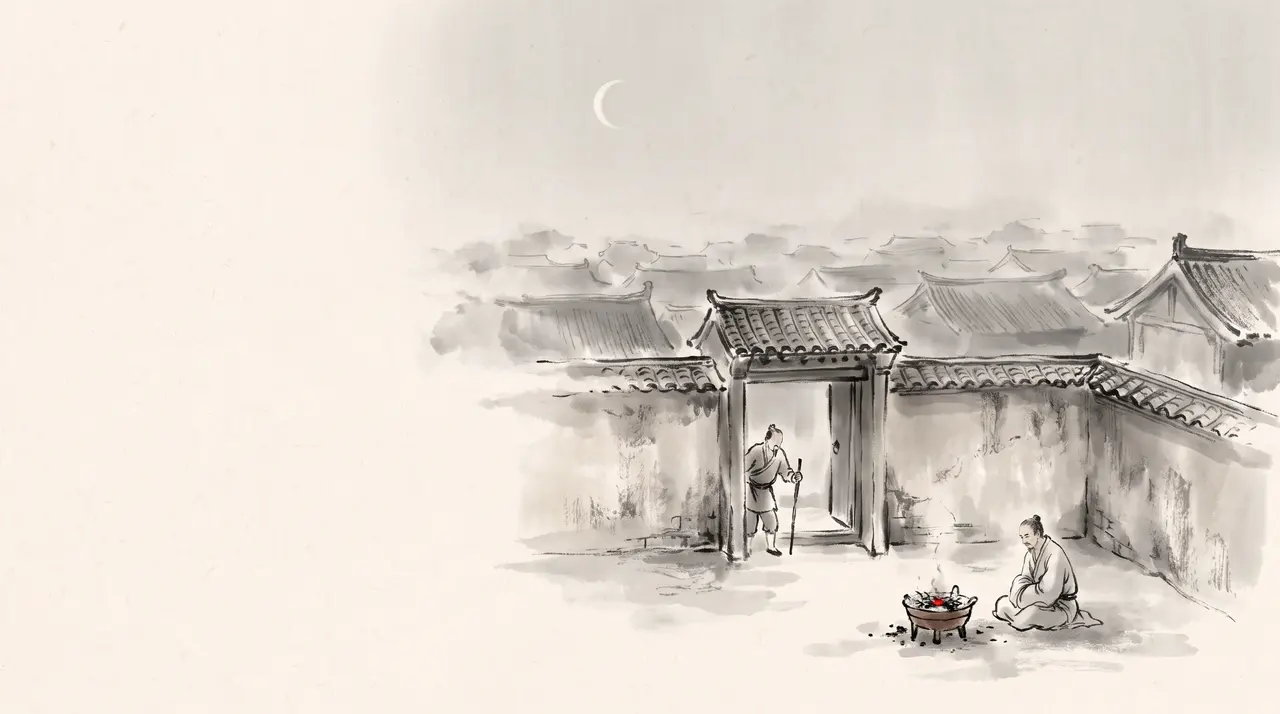
The story of Han Anguo, who served King Xiao of Liang and later became Emperor Wu's grand secretary. Having made his name defending Liang in the Rebellion of the Seven States, he wept before Emperor Jing's sister to plead the King of Liang's loyalty and filial love, when the emperor and Empress Dowager Dou were angry at the king's extravagance, and made peace between the brothers. When he was in prison for an offence and the jailer Tian Jia insulted him, he said: "Do you think dead ashes cannot burn again?" "If they do, I'll piss on them," said Tian Jia. Soon Han Anguo was made chief minister of Liang, but he forgave Tian Jia, who had fled, and treated him well. When the King of Liang hid Gongsun Gui and Yang Sheng, who had had Yuan Ang murdered, Han Anguo wept as he reproached him until he gave them up. Under Emperor Wu, when the Xiongnu asked for peace, he argued against war: "At the end of its flight, an arrow from the strongest crossbow cannot pierce the thinnest silk." The next year a plan was made to lure the Xiongnu into an ambush at Mayi, and Han Anguo was one of its generals; but the Chanyu learned of the trap from a captured officer and turned back. In his last years, defeated by the Xiongnu, he fell into gloom, coughed blood, and died.
This page has the scene "Can Dead Ashes Burn Again?" from this volume, not the whole volume.
Audio
The audio is synthetic speech.
Video
Passage 1
Original
御史大夫韓安國者,梁成安人也,後徙睢陽。嘗受韓子、雜家説於騶田生所。事梁孝王爲中大夫。呉楚反時,孝王使安國及張羽爲將,捍呉兵於東界。張羽力戰,安國持重,以故呉不能過梁。呉楚已破,安國、張羽名由此顯。
Kundoku (Japanese reading)
御史大夫韓安国は、梁の成安の人なり。後に睢陽に徙る。嘗て韓子・雑家の説を騶の田生の所に受く。梁孝王に事えて中大夫と為る。呉楚反する時、孝王安国及び張羽をして将と為し、呉の兵を東界に捍がしむ。張羽力戦し、安国持重す。故を以て呉梁を過ぐる能わず。呉楚已に破れ、安国・張羽の名此れに由りて顕わる。
Japanese
御史大夫の韓安国は、梁の成安の人で、のちに睢陽に移った。かつて騶の田先生のもとで、韓非子や雑家の学説を学んだ。梁孝王に仕えて中大夫となった。呉と楚が背いたとき、梁孝王は韓安国と張羽を将軍にして、東の国境で呉の兵を防がせた。張羽は力をふりしぼって戦い、韓安国は慎重に守りを固めた。そのため呉は梁を越えて進むことができなかった。呉と楚が破れると、韓安国と張羽の名はこれによって知られるようになった。
English
Han Anguo, the grand secretary, was a man of Cheng'an in Liang who later moved to Suiyang. He had studied the teachings of Master Han Fei and the Eclectics under a scholar named Tian of Zou. He served King Xiao of Liang as a palace counsellor. When Wu and Chu rebelled, King Xiao made Han Anguo and Zhang Yu his generals to hold back the army of Wu on the eastern border. Zhang Yu fought hard, while Han Anguo was steady and careful, and so Wu could not get past Liang. When Wu and Chu had been beaten, the names of Han Anguo and Zhang Yu became famous.
Notes (JA)
- 韓安國: 字は長孺。巻の題「韓長孺列伝」はこの字による。
- 韓子・雜家: 韓非子の法家の学と、諸学派の説を取り混ぜた雑家の学(063-han-fei の章)。
- 梁孝王: 景帝の同母弟。呉楚七国の乱で呉の西進を食い止めた(106-liu-pi の章)。
Notes (EN)
- Han Anguo (韓安國): his courtesy name was Zhangru, which gives the chapter its title.
- Han Fei and the Eclectics (韓子・雜家): Legalist teaching and a school that mixed many others (chapter 063).
- King Xiao of Liang (梁孝王): Emperor Jing's brother, whose kingdom held back Wu (chapter 106).
Word notes
- steady/ˈstɛdi/adjective
calm and careful, not easily changed
In the text: “steady and careful”
Similar words: composed — calm · level-headed — sensible
- border/ˈbɔrdər/noun
the line where one country or region ends
In the text: “on the eastern border”
Similar words: frontier — edge of a country · boundary — dividing line
Passage 2
Original
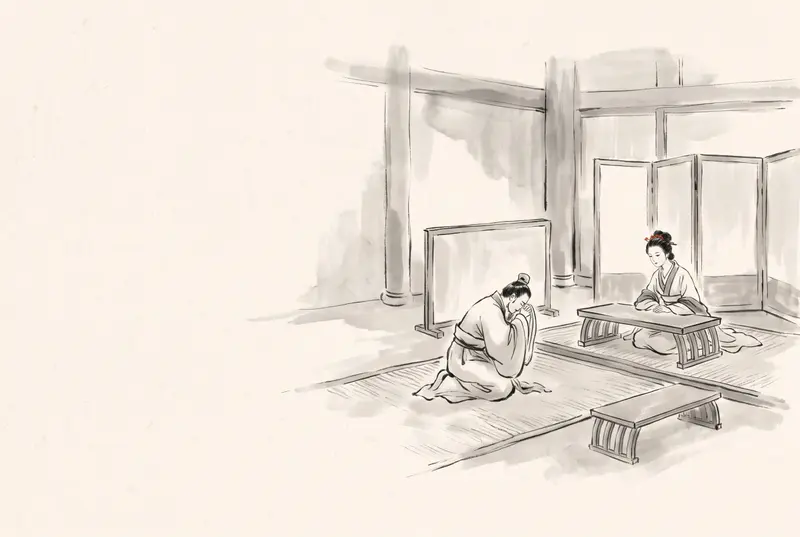
梁孝王,景帝母弟,竇太后愛之,令得自請置相、二千石,出入遊戲,僭於天子。天子聞之,心弗善也。太后知帝不善,乃怒梁使者,弗見,案責王所爲。韓安國爲梁使,見大長公主而泣曰:「何梁王爲人子之孝,爲人臣之忠,太后曾弗省也?夫前日呉、楚、齊、趙七國反時,自關以東皆合從西鄕,惟梁最親爲艱難。梁王念太后、帝在中,而諸侯擾亂,一言泣數行下,跪送臣等六人,將兵擊卻呉楚,呉楚以故兵不敢西,而卒破亡,梁王之力也。今太后以小睗苛禮責望梁王。梁王父兄皆帝王,所見者大,故出稱蹕,入言警,車旗皆帝所賜也,即欲以侘鄙縣,驅馳國中,以夸諸侯,令天下盡知太后、帝愛之也。今梁使來,輒案責之。梁王恐,日夜涕泣思慕,不知所爲。何梁王之爲子孝,爲臣忠,而太后弗恤也?」大長公主具以告太后,太后喜曰:「爲言之帝。」言之,帝心乃解,而免冠謝太后曰:「兄弟不能相教,乃爲太后遺憂。」悉見梁使,厚賜之。其後梁王益親驩。太后、長公主更賜安國可直千餘金。名由此顯,結於漢。
Kundoku (Japanese reading)
梁孝王は、景帝の母弟なり。竇太后之を愛し、自ら請いて相・二千石を置き、出入遊戯すること、天子に僭するを得しむ。天子之を聞き、心善しとせず。太后帝の善しとせざるを知り、乃ち梁の使者を怒りて、見ず、王の為す所を案責す。韓安国梁の使いと為り、大長公主に見えて泣きて曰く、「何ぞ梁王の人の子と為りての孝、人の臣と為りての忠を、太后曾て省みざるや。夫れ前日呉・楚・斉・趙七国反する時、関より以東皆合従して西郷す。惟だ梁最も親しくして艱難を為す。梁王太后・帝の中に在りて、諸侯擾乱するを念い、一たび言えば泣数行下り、跪きて臣等六人を送り、兵を将いて呉楚を撃ち卻けしむ。呉楚故を以て兵敢えて西せずして、卒に破亡す。梁王の力なり。今太后小さき睗の苛礼を以て梁王を責望す。梁王の父兄は皆帝王なり。見る所の者大なり。故に出づれば蹕と称し、入れば警と言う。車旗は皆帝の賜う所なり。即ち以て鄙県に侘り、国中に駆馳して、以て諸侯に夸り、天下をして尽く太后・帝の之を愛するを知らしめんと欲す。今梁の使い来たれば、輒ち之を案責す。梁王恐れ、日夜涕泣して思慕し、為す所を知らず。何ぞ梁王の子と為りて孝、臣と為りて忠なるに、而も太后恤れまざるや」と。大長公主具に以て太后に告ぐ。太后喜びて曰く、「為に之を帝に言え」と。之を言う。帝の心乃ち解けて、冠を免ぎて太后に謝して曰く、「兄弟相教うる能わず、乃ち太后の為に憂いを遺す」と。悉く梁の使いに見えて、厚く之に賜う。其の後梁王益々親驩す。太后・長公主更々安国に直千余金ばかりなるを賜う。名此れに由りて顕われ、漢に結ぶ。
Japanese
梁孝王は景帝の同母弟で、竇太后にかわいがられ、自分で願い出て宰相や二千石の役人を任命することを許され、外出や遊びのさまは天子と同じほどになっていた。天子はそれを聞いて、心中おもしろく思わなかった。太后は帝が不快に思っているのを知って、梁の使者に腹を立てて会わず、梁王のふるまいを問いただした。韓安国は梁の使者となって、景帝の姉の大長公主に会い、泣いて言った。「梁王は子としてあれほど孝行で、臣としてあれほど忠実なのに、どうして太后はお分かりにならないのでしょう。先ごろ呉・楚・斉・趙など七国が背いたとき、函谷関から東の国々は皆手を組んで西へ攻めのぼりました。ただ梁だけが、最も近い肉親として苦しい戦いを引き受けたのです。梁王は、太后と帝が都におられるのに諸侯が乱を起こしたことを思い、一言しゃべるごとに涙を何すじも流し、ひざまずいてわたしたち六人の将を送り出し、兵を率いて呉と楚を撃退させました。呉と楚がそのために西へ進めず、ついに滅んだのは、梁王の力です。それなのに太后は、ささいな礼儀のことで梁王を責めておられます。梁王は父も兄も皇帝ですから、見なれているものが大きいのです。それで外出のときは先払いの声をかけ、帰るときは警戒の声をかけさせるのです。車も旗も皆帝からいただいたものです。それで田舎の県々に見せびらかし、国中を走り回って諸侯に誇り、太后と帝にかわいがられていることを天下に知らせたいだけなのです。それなのに、梁の使者が来るたびに問いただされる。梁王はおびえて、昼も夜も涙を流して太后をお慕いし、どうしてよいか分からないでいます。梁王は子として孝行で、臣として忠実なのに、どうして太后はあわれんでくださらないのでしょう」。大長公主はそれをくわしく太后に伝えた。太后は喜んで、「それを帝にも話しておくれ」と言った。大長公主が帝に話すと、帝の心はようやく解け、冠を脱いで太后にわびて言った。「兄弟で教え合うことができず、太后にご心配をおかけしました」。そして梁の使者に皆会って、手厚く贈り物を与えた。その後、梁王はますます親しまれ、かわいがられた。太后と大長公主は、それぞれ韓安国に千金あまりに値する品を与えた。韓安国の名はこれによって知られ、漢の朝廷とつながりができた。
English
King Xiao of Liang was Emperor Jing's younger brother by the same mother. Empress Dowager Dou doted on him, and allowed him to appoint his own chancellor and officials of two thousand dan, and to come and go and amuse himself as if he were the Son of Heaven. When the emperor heard of it, he was not pleased. Knowing that the emperor was displeased, the empress dowager grew angry with Liang's envoys, refused to see them, and had the king's conduct investigated. Han Anguo went as Liang's envoy to see the emperor's elder sister, the Grand Princess, and wept as he said: "The King of Liang is such a loving son and such a loyal subject. Why does the empress dowager not see it? When the seven states of Wu, Chu, Qi, Zhao and the rest rebelled, all the lands east of the pass joined in alliance and marched west. Only Liang, as the closest kin, took on the hardest fight. Thinking of the empress dowager and the emperor in the capital while the lords rose in chaos, the King of Liang wept as he spoke; he knelt to send six of us off to lead his troops and drive back Wu and Chu. That Wu and Chu did not dare to go west, and were destroyed in the end, was the King of Liang's doing. Yet now the empress dowager blames him over small points of etiquette. The King of Liang's father and brother are emperors, and what he is used to seeing is grand. So when he goes out, he has the road cleared, and when he comes in, he has the guards called. His carriages and banners were all given to him by the emperor. He only wants to show them off in the country towns and ride about his kingdom to impress the lords, so that the whole realm will know how much the empress dowager and the emperor love him. Yet now, whenever envoys come from Liang, they are questioned. The King of Liang is frightened. Day and night he weeps and longs for the empress dowager, and does not know what to do. Why, when he is so loving a son and so loyal a subject, does the empress dowager not take pity on him?" The Grand Princess told the empress dowager everything. The empress dowager was delighted and said: "Tell the emperor." When she told him, the emperor's heart softened at last. He took off his cap and apologised to the empress dowager: "We brothers could not teach each other, and have caused you worry." He received all of Liang's envoys and gave them rich gifts. After that the King of Liang was more beloved than ever. The empress dowager and the Grand Princess each gave Han Anguo gifts worth more than a thousand gold, and his name became known and he made friends at the Han court.
Notes (JA)
- 大長公主: 景帝の姉の館陶公主(劉嫖)。竇太后の娘で、のちに娘を武帝の皇后(陳皇后)にした。
- 出稱蹕,入言警: 天子の外出と帰還のときにだけ許された、人払いと警戒の呼び声。
- 韓安国は、梁王の行き過ぎを弁解するのではなく、梁王の「孝」と「忠」を前に出して、太后の情に訴えた。
Notes (EN)
- The Grand Princess (大長公主): Liu Piao, Emperor Jing's elder sister, whose daughter later became Emperor Wu's first empress.
- Clearing the road and calling the guards (蹕・警): calls reserved for the emperor's own outings.
- Han Anguo did not excuse the king's excesses; he appealed to the empress dowager's love by stressing the king's devotion.
Word notes
- weep/wip/verb
to cry
In the text: “wept as he said”
Similar words: cry — shed tears · sob — cry noisily
- etiquette/ˈɛtɪkɪt/noun
the rules of polite behaviour
In the text: “small points of etiquette”
Similar words: manners — polite behaviour · protocol — formal rules
Passage 3
Original
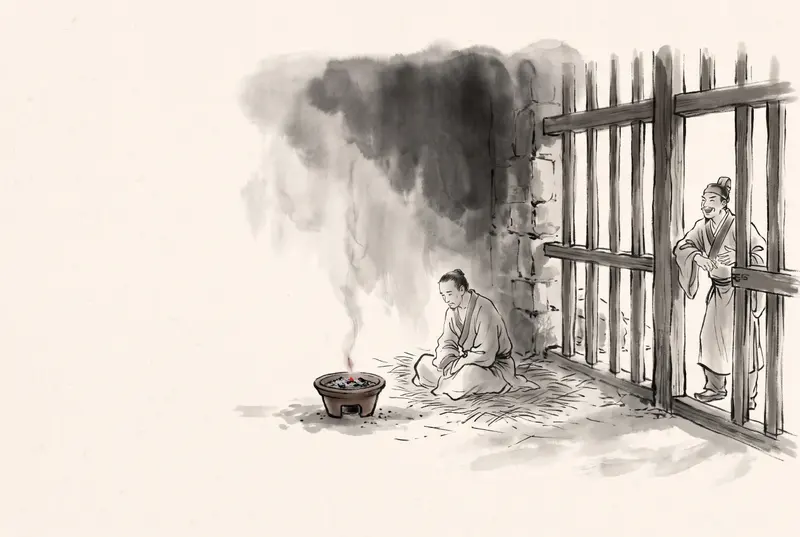
其後安國坐法抵罪,蒙獄吏田甲辱安國。安國曰:「死灰獨不復然乎?」田甲曰:「然即溺之。」居無何,梁內史缺,漢使使者拜安國爲梁內史,起徒中爲二千石。田甲亡走。安國曰:「甲不就官,我滅而宗。」甲因肉袒謝。安國笑曰:「可溺矣!公等足與治乎?」卒善遇之。
Kundoku (Japanese reading)
其の後安国法に坐して罪に抵る。蒙の獄吏田甲安国を辱む。安国曰く、「死灰独り復た然えざらんや」と。田甲曰く、「然えば即ち之に溺せん」と。居ること何も無くして、梁の内史缺く。漢使者をして安国を拝して梁の内史と為さしむ。徒中より起ちて二千石と為る。田甲亡げ走る。安国曰く、「甲官に就かずんば、我而の宗を滅さん」と。甲因りて肉袒して謝す。安国笑いて曰く、「溺すべし。公等与に治むるに足らんや」と。卒に善く之を遇す。
Japanese
その後、韓安国は法にふれて罪に問われた。蒙県の獄吏の田甲が韓安国をはずかしめた。韓安国は言った。「燃えかすの灰が、二度と燃えないとでも思うのか」。田甲は言った。「燃えたら、小便をかけて消してやるさ」。まもなく梁の内史の職が空いた。漢は使者を送って韓安国を梁の内史に任じ、韓安国は囚人の身からいきなり二千石の高官になった。田甲は逃げ出した。韓安国は言った。「田甲が職に戻らなければ、お前の一族を滅ぼすぞ」。田甲は肌ぬぎになって謝りに来た。韓安国は笑って言った。「さあ、小便をかけてみろ。お前たちなど、相手にするほどのこともない」。そして最後まで田甲をよく遇した。
English
Later Han Anguo broke the law and was punished. A jailer at Meng named Tian Jia insulted him. Han Anguo said: "Do you think dead ashes cannot burn again?" Tian Jia said: "If they do, I'll piss on them." Not long after, the post of chief minister of Liang fell vacant, and Han sent an envoy to appoint Han Anguo to it. He rose straight from among the convicts to the rank of two thousand dan. Tian Jia ran away. Han Anguo said: "If Tian Jia does not come back to his post, I will wipe out his clan." So Tian Jia came, stripped to the waist, to beg forgiveness. Han Anguo laughed and said: "Now you can piss! Are people like you worth dealing with?" In the end he treated him well.
Notes (JA)
- 死灰復然: 燃えつきた灰がまた燃えあがること。一度勢いを失った者が再び力を盛り返すことのたとえ。この話が出典。今では、おさまった物事がまたぶり返す意味でも使う。
- 溺: 小便をかけること。
- 肉袒: 肌ぬぎになって、罰を受ける覚悟を示す謝罪のしかた(081-wanbi の章の廉頗の「負荊」も同じ)。
Notes (EN)
- Dead ashes burning again (死灰復然): the origin of the idiom for a comeback, or for something that flares up again.
- Stripped to the waist (肉袒): a sign of submission, ready for punishment.
- His forgiveness shows the generous side of Han Anguo's character.
Idioms from this passage: Dead ashes burn again 死灰復た然ゆ
Word notes
- insult/ɪnˈsʌlt/verb
to say or do something rude to hurt someone
In the text: “insulted him”
Similar words: offend — upset · abuse — speak rudely to
- convict/ˈkɑnvɪkt/noun
a person in prison for a crime
In the text: “from among the convicts”
Similar words: prisoner — person in jail · inmate — person held in prison
Passage 4
Original
內史安國聞詭、勝匿孝王所,安國入見王而泣曰:「主辱臣死。大王無良臣,故事紛紛至此。今詭、勝不得,請辭賜死。」王曰:「何至此?」安國泣數行下,曰:「大王自度於皇帝,孰與太上皇之與高皇帝及皇帝之與臨江王親?」孝王曰:「弗如也。」安國曰:「夫太上、臨江親父子之閒,然而高帝曰『提三尺劍取天下者朕也』,故太上皇終不得制事,居于櫟陽。臨江王,適長太子也,以一言過,廢王臨江;用宮垣事,卒自殺中尉府。何者?治天下終不以私亂公。語曰:『雖有親父,安知其不爲虎?雖有親兄,安知其不爲狼?』今大王列在諸侯,悅一邪臣浮説,犯上禁,橈明法。天子以太后故,不忍致法於王。太后日夜涕泣,幸大王自改,而大王終不覺寤。有如太后宮車即晏駕,大王尚誰攀乎?」語未卒,孝王泣數行下,謝安國曰:「吾今出詭、勝。」詭、勝自殺。漢使還報,梁事皆得釋,安國之力也。於是景帝、太后益重安國。孝王卒,共王即位,安國坐法失官,居家。
Kundoku (Japanese reading)
内史安国詭・勝の孝王の所に匿るるを聞き、安国入りて王に見えて泣きて曰く、「主辱めらるれば臣死す。大王に良臣無し。故に事紛紛として此に至る。今詭・勝得られず。請う辞して死を賜わらん」と。王曰く、「何ぞ此に至らん」と。安国泣数行下りて、曰く、「大王自ら皇帝に於けるを度るに、太上皇の高皇帝に於ける、及び皇帝の臨江王に於ける親しきに孰与ぞ」と。孝王曰く、「如かざるなり」と。安国曰く、「夫れ太上・臨江は親しき父子の間なり。然り而して高帝曰く『三尺の剣を提げて天下を取る者は朕なり』と。故に太上皇終に事を制するを得ず、櫟陽に居る。臨江王は、適長の太子なり。一言の過ちを以て、廃せられて臨江に王たり。宮垣の事を用て、卒に中尉府に自殺す。何となれば、天下を治むるは終に私を以て公を乱さざればなり。語に曰く、『親父有りと雖も、安んぞ其の虎と為らざるを知らん。親兄有りと雖も、安んぞ其の狼と為らざるを知らん』と。今大王諸侯に列在し、一邪臣の浮説を悦び、上禁を犯し、明法を橈む。天子太后の故を以て、法を王に致すに忍びず。太后日夜涕泣し、大王の自ら改めんことを幸う。而るに大王終に覚寤せず。有如し太后の宮車即し晏駕せば、大王尚お誰をか攀じん」と。語未だ卒らざるに、孝王泣数行下り、安国に謝して曰く、「吾今詭・勝を出ださん」と。詭・勝自殺す。漢の使い還りて報じ、梁の事皆釈かるるを得たり。安国の力なり。是に於いて景帝・太后益々安国を重んず。
Japanese
(梁孝王の家臣の公孫詭と羊勝は、梁王が帝の跡継ぎになることを願い、それに反対する袁盎ら漢の大臣をひそかに刺し殺させた。景帝はこれを知って二人を捕らえさせようとしたが、梁の国中を探しても見つからなかった。)内史の韓安国は、公孫詭と羊勝が梁孝王のもとに隠れていると聞いて、宮中に入って王に会い、泣いて言った。「主君がはずかしめを受ければ、臣下は死ぬものです。大王によい臣下がいなかったので、事がこのように乱れてしまいました。いま公孫詭と羊勝が見つかりません。どうかわたしに暇を与え、死をお命じください」。王は「どうしてそこまでするのか」と言った。韓安国は涙を何すじも流して言った。「大王はご自分と皇帝との仲を、太上皇と高皇帝、皇帝と臨江王との仲に比べて、どちらが親しいとお考えですか」。孝王は「かなわない」と言った。韓安国は言った。「太上皇と高帝、皇帝と臨江王は、実の親子の間柄です。それでも高帝は『三尺の剣をひっさげて天下を取ったのはわしだ』と言われたので、太上皇はついに政治に口を出せず、櫟陽に住まわれました。臨江王は正妻の生んだ長男の太子でしたが、一言の過ちで廃されて臨江王となり、宮殿の垣根のことで罪に問われて、ついに中尉の役所で自殺しました。なぜでしょう。天下を治めるには、決して私情で公の道を乱さないからです。ことわざに『実の父でも、虎にならないとどうして分かろう。実の兄でも、狼にならないとどうして分かろう』と言います。いま大王は諸侯の一人でありながら、一人の悪い臣下のでたらめな話を喜び、帝の禁令を犯し、明らかな法を曲げておられます。天子は太后のことを思って、大王を法で裁くに忍びないのです。太后は昼も夜も涙を流して、大王が自ら改められることを願っておられます。それなのに大王は、とうとうお気づきになりません。もし太后がお亡くなりになったら、大王はいったい誰にすがるおつもりですか」。言葉が終わらないうちに、孝王は涙を何すじも流し、韓安国にわびて言った。「すぐに詭と勝を差し出そう」。公孫詭と羊勝は自殺した。漢の使者は帰って報告し、梁の件は皆許された。これは韓安国の力だった。こうして景帝と太后はますます韓安国を重んじた。
English
When Han Anguo, the chief minister, heard that Gongsun Gui and Yang Sheng were hiding in King Xiao's palace, he went in to see the king and said, weeping: "When the lord is shamed, the subject dies. Because Your Highness has no good ministers, things have come to this confusion. Now Gui and Sheng cannot be found. I beg leave to resign and to be granted death." The king said: "Why go so far?" With tears streaming down his face, Han Anguo said: "Consider, Your Highness: are you as close to the emperor as the Grand Supreme Emperor was to Emperor Gao, or as the emperor is to the King of Linjiang?" King Xiao said: "Not as close." Han Anguo said: "The Grand Supreme Emperor and the King of Linjiang were father and son to the emperors. Yet Emperor Gao said: 'It was I who took the realm with a three-foot sword in my hand,' and so the Grand Supreme Emperor never had any say in affairs, and lived at Yueyang. The King of Linjiang was the eldest son of the empress and the crown prince, but for one wrong word he was deposed and made King of Linjiang, and over the matter of the palace wall he ended by killing himself in the office of the capital commandant. Why? Because in ruling the realm, private feelings must never be allowed to upset public duty. The saying goes: 'Even your own father may turn out to be a tiger; even your own brother may turn out to be a wolf.' Now Your Highness, who ranks among the lords, has listened with pleasure to the empty talk of one wicked minister, broken the emperor's ban and bent the clear law. Only for the empress dowager's sake can the emperor not bear to bring the law down on you. The empress dowager weeps day and night, hoping you will mend your ways, yet you have still not woken up to it. If the empress dowager's carriage should one day set out late, never to return, whom would you have left to cling to?" Before he had finished, King Xiao was weeping too. He apologised to Han Anguo: "I will give up Gui and Sheng now." Gui and Sheng killed themselves. The envoys of Han went back to report, and the whole matter of Liang was forgiven, thanks to Han Anguo. After that Emperor Jing and the empress dowager valued him more than ever.
Notes (JA)
- 公孫詭・羊勝: 梁孝王の家臣。梁王を皇太弟にする話に反対した袁盎らを刺客に殺させた(101-yuan-ang-chao-cuo の章)。
- 太上皇: 劉邦の父。劉邦が皇帝になってからも政治にはかかわらなかった。
- 臨江王: 景帝の長男劉栄(栗太子)。太子を廃され、宗廟の垣根の土地を宮殿に取りこんだ罪で取り調べられて自殺した。
- 宮車晏駕: 天子や太后の車が遅く出る。亡くなることを遠回しに言う言葉。
Notes (EN)
- Gongsun Gui and Yang Sheng: the King of Liang's men, who had Yuan Ang murdered for opposing the king's claim to the succession (chapter 101).
- The Grand Supreme Emperor (太上皇): Liu Bang's father, who had no part in government.
- The King of Linjiang (臨江王): Liu Rong, Emperor Jing's eldest son, deposed as heir and driven to suicide.
- A carriage setting out late (宮車晏駕): a polite way of speaking of death.
Word notes
- resign/rɪˈzaɪn/verb
to give up your job or position
In the text: “I beg leave to resign”
Similar words: step down — leave a post · quit — leave a job
- deposed/dɪˈpoʊzd/adjective
removed from a high position
In the text: “he was deposed and made King of Linjiang”
Similar words: ousted — forced out · dethroned — removed from the throne
Passage 5
Original
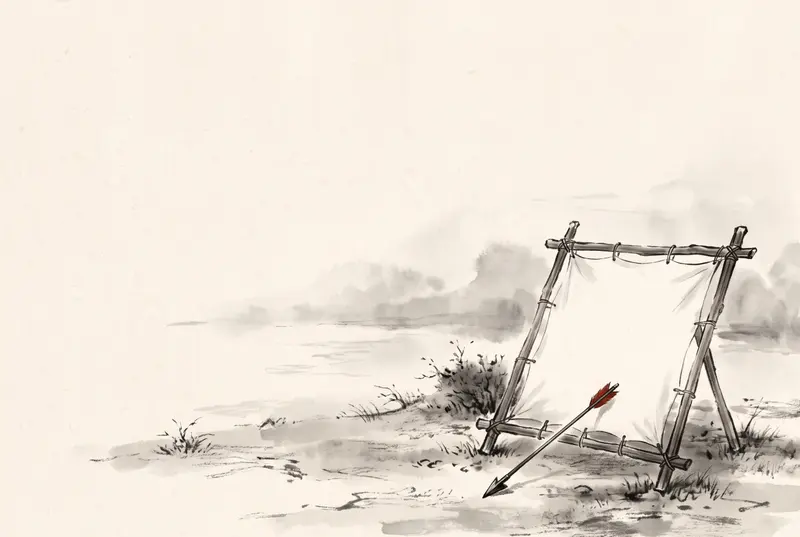
匈奴來請和親,天子下議。大行王恢,燕人也,數爲邊吏,習知胡事。議曰:「漢與匈奴和親,率不過數歳即復倍約。不如勿許,興兵擊之。」安國曰:「千里而戰,兵不獲利。今匈奴負戎馬之足,懷禽獸之心,遷徙鳥舉,難得而制也。得其地不足以爲廣,有其眾不足以爲彊,自上古不屬爲人。漢數千里爭利,則人馬罷,虜以全制其敝。且彊弩之極,矢不能穿魯縞;沖風之末,力不能漂鴻毛。非初不勁,末力衰也。擊之不便,不如和親。」群臣議者多附安國,於是上許和親。
Kundoku (Japanese reading)
匈奴来たりて和親を請う。天子議に下す。大行王恢は、燕の人なり。数々辺吏と為り、胡の事を習い知る。議して曰く、「漢匈奴と和親するも、率ね数歳を過ぎずして即ち復た約に倍く。許す勿くして、兵を興して之を撃つに如かず」と。安国曰く、「千里にして戦えば、兵利を獲ず。今匈奴戎馬の足を負み、禽獣の心を懐き、遷徙すること鳥のごとく挙がり、得て制し難きなり。其の地を得るも以て広しと為すに足らず。其の衆を有つも以て彊しと為すに足らず。上古より属して人と為らず。漢数千里にして利を争わば、則ち人馬罷れ、虜全きを以て其の敝れを制せん。且つ彊弩の極、矢魯縞を穿つ能わず。衝風の末、力鴻毛を漂わす能わず。初めに勁からざるに非ず、末力衰うればなり。之を撃つは便ならず。和親するに如かず」と。群臣の議する者多く安国に附く。是に於いて上和親を許す。
Japanese
(梁孝王の死後、韓安国は官を失ったが、武帝のはじめに田蚡の口ききで取り立てられ、御史大夫となった。)匈奴が和親を求めてきたので、天子は臣下に議論させた。大行の王恢は燕の人で、何度も国境の役人を務め、匈奴のことをよく知っていた。王恢は言った。「漢が匈奴と和親しても、たいてい数年もたたないうちに、また約束を破ります。許さずに、兵を出して討つほうがよいでしょう」。韓安国は言った。「千里のかなたで戦えば、兵は勝利を得られません。いま匈奴は軍馬の足の速さをたのみ、けものの心を抱き、鳥が飛び立つように移り住むので、捕らえて押さえるのは難しいのです。その土地を得ても広くなったとは言えず、その民を手に入れても強くなったとは言えません。大昔から、人の下に属したことのない者たちです。漢が数千里のかなたで利を争えば、人も馬も疲れはて、敵は無傷のまま、こちらの疲れたところを押さえるでしょう。それに、強い弩から放った矢も、飛ぶ力の尽きるところでは、魯の薄絹さえ射ぬけません。はげしい風も、吹き終わりには、おおとりの羽毛さえ吹き上げられません。はじめが強くなかったのではなく、終わりには力が衰えるからです。匈奴を討つのはよくありません。和親するほうがよいでしょう」。議論した群臣の多くは韓安国に賛成し、帝は和親を許した。
English
The Xiongnu came to ask for peace and a marriage alliance, and the emperor put the matter to debate. The grand herald, Wang Hui, was a man of Yan who had served many times as a frontier official and knew the ways of the Hu well. He said: "Whenever Han makes peace with the Xiongnu, they break the treaty again within a few years. Better to refuse, and raise an army to attack them." Han Anguo said: "An army that fights a thousand li from home gains nothing. The Xiongnu rely on the speed of their war horses and have the hearts of wild beasts. They move about like birds taking flight, and are hard to catch and control. To win their land would not make us larger; to rule their people would not make us stronger. Since ancient times they have never been subjects of anyone. If Han goes thousands of li to fight them for gain, our men and horses will be worn out, and the enemy, at full strength, will take advantage of our exhaustion. Besides, at the end of its flight, an arrow from the strongest crossbow cannot pierce the thin silk of Lu, and at the end of its gust, the fiercest wind cannot lift a swan's feather. It is not that they lacked force at the start; their strength has simply failed at the end. It is not wise to attack them. Better to make peace." Most of the ministers in the debate sided with Han Anguo, and so the emperor agreed to make peace.
Notes (JA)
- 王恢: 大行(外交をつかさどる官)。翌年の馬邑の作戦を立てた。
- 彊弩之末: 強い弩の矢も、飛ぶ力の尽きるところでは何も射ぬけない。勢いの強いものも、最後には衰えて何もできなくなるたとえ。この話が出典。
- 魯縞: 魯で織られた白い薄絹。
Notes (EN)
- Wang Hui (王恢): the official in charge of foreign affairs, who planned the next year's ambush.
- The end of a strong crossbow's flight (彊弩之末): the origin of the idiom for a force that is spent.
- The thin silk of Lu (魯縞): a fine white silk.
Idioms from this passage: The end of a strong crossbow's flight 彊弩の末
Word notes
- pierce/pɪrs/verb
to go through something with a sharp point
In the text: “cannot pierce the thin silk of Lu”
Similar words: penetrate — go into · puncture — make a hole in
- exhaustion/ɪɡˈzɔstʃən/noun
the state of being extremely tired
In the text: “take advantage of our exhaustion”
Similar words: fatigue — great tiredness · weariness — tiredness
Passage 6
Original
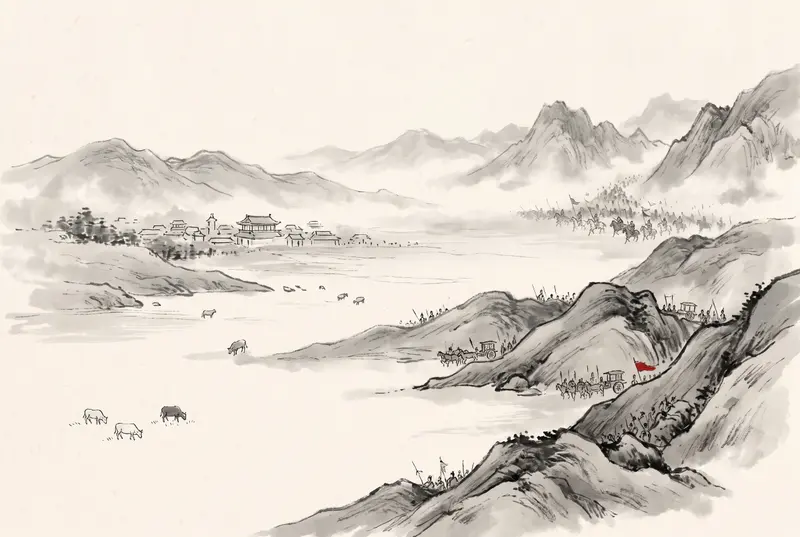
其明年,則元光元年,鴈門馬邑豪聶翁壹因大行王恢言上曰:「匈奴初和親,親信邊,可誘以利。」陰使聶翁壹爲閒,亡入匈奴,謂單于曰:「吾能斬馬邑令丞吏,以城降,財物可盡得。」單于愛信之,以爲然,許聶翁壹。聶翁壹乃還,詐斬死罪囚,縣其頭馬邑城,示單于使者爲信。曰:「馬邑長吏已死,可急來。」於是單于穿塞將十餘萬騎,入武州塞。當是時,漢伏兵車騎材官二十餘萬,匿馬邑旁谷中。衞尉李廣爲驍騎將軍,太仆公孫賀爲輕車將軍,大行王恢爲將屯將軍,太中大夫李息爲材官將軍。御史大夫韓安國爲護軍將軍,諸將皆屬護軍。約單于入馬邑而漢兵縱發。王恢、李息、李廣別從代主擊其輜重。於是單于入漢長城武州塞。未至馬邑百餘里,行掠鹵,徒見畜牧於野,不見一人。單于怪之,攻烽燧,得武州尉史。欲刺問尉史。尉史曰:「漢兵數十萬伏馬邑下。」單于顧謂左右曰:「幾爲漢所賣!」乃引兵還。出塞,曰:「吾得尉史,乃天也。」命尉史爲「天王」。
Kundoku (Japanese reading)
其の明年、則ち元光元年、鴈門馬邑の豪聶翁壱大行王恢に因りて上に言いて曰く、「匈奴初めて和親し、辺を親信す。誘うに利を以てすべし」と。陰かに聶翁壱をして間と為さしめ、亡げて匈奴に入り、単于に謂いて曰く、「吾能く馬邑の令丞の吏を斬り、城を以て降らん。財物尽く得べし」と。単于愛して之を信じ、以て然りと為し、聶翁壱に許す。聶翁壱乃ち還り、詐りて死罪の囚を斬り、其の頭を馬邑の城に県け、単于の使者に示して信と為す。曰く、「馬邑の長吏已に死せり。急ぎ来たるべし」と。是に於いて単于塞を穿ちて十余万騎を将い、武州の塞に入る。是の時に当たり、漢車騎材官二十余万を伏せ、馬邑の旁の谷中に匿す。衛尉李広驍騎将軍と為り、太僕公孫賀軽車将軍と為り、大行王恢将屯将軍と為り、太中大夫李息材官将軍と為る。御史大夫韓安国護軍将軍と為り、諸将皆護軍に属す。単于馬邑に入らば漢の兵縦発せんと約す。王恢・李息・李広別に代より主として其の輜重を撃つ。是に於いて単于漢の長城武州の塞に入る。未だ馬邑に至らざること百余里、行くゆく掠鹵するに、徒だ畜牧の野に在るを見て、一人をも見ず。単于之を怪しみ、烽燧を攻めて、武州の尉史を得たり。刺して尉史に問わんと欲す。尉史曰く、「漢の兵数十万馬邑の下に伏す」と。単于顧みて左右に謂いて曰く、「幾ど漢の売る所と為らんとす」と。乃ち兵を引きて還る。塞を出でて、曰く、「吾尉史を得たるは、乃ち天なり」と。尉史に命じて「天王」と為す。
Japanese
その翌年、元光元年に、雁門郡馬邑の有力者の聶翁壱が、大行の王恢を通じて帝に申し上げた。「匈奴は和親したばかりで、国境の者を信じています。利益で誘い出すことができます」。そこでひそかに聶翁壱を間者にし、逃げたふりをして匈奴に入らせた。聶翁壱は単于に言った。「わたしは馬邑の県令や副官を斬って、城ごと降ることができます。財物は皆手に入りますよ」。単于は聶翁壱を気に入って信用し、それはよいと言って承知した。聶翁壱は帰ると、死刑囚を斬って、県令の首だといつわって馬邑の城壁にかけ、単于の使者に見せて証拠とし、「馬邑の役人はもう死にました。急いで来てください」と言った。そこで単于は長城を越え、十万あまりの騎兵を率いて武州の塞に入った。このとき漢は、戦車・騎兵・歩兵二十万あまりを、馬邑の近くの谷間に隠していた。衛尉の李広が驍騎将軍、太僕の公孫賀が軽車将軍、大行の王恢が将屯将軍、太中大夫の李息が材官将軍となり、御史大夫の韓安国が護軍将軍となって、諸将は皆護軍に属した。単于が馬邑に入ったら、漢の兵がいっせいに襲いかかる手はずだった。王恢・李息・李広は別に代から出て、敵の輜重(物資を運ぶ部隊)を討つことになっていた。こうして単于は漢の長城の武州の塞に入った。馬邑まであと百里あまりのところで、略奪しながら進んだが、家畜が野に放されているのが見えるだけで、人が一人もいない。単于はあやしんで、のろし台を攻め、武州の尉史(下級の役人)を捕らえた。刺し殺すとおどして問いただそうとすると、尉史は言った。「漢の兵数十万が馬邑のそばに隠れています」。単于は振り返って側近に言った。「あやうく漢にだまされるところだった」。そして兵を引き返した。長城を出ると、「わしが尉史を捕らえたのは、天のおかげだ」と言って、尉史を「天王」と名づけた。
English
The following year, the first year of Yuanguang, Nie Wengyi, a powerful man of Mayi in Yanmen, sent word to the emperor through the grand herald Wang Hui: "The Xiongnu have only just made peace, and they trust the people of the frontier. They can be lured in with the promise of gain." In secret Nie Wengyi was sent as a spy. He fled to the Xiongnu, as if deserting, and told the Chanyu: "I can kill the magistrate and officials of Mayi and surrender the city to you. You can take all its wealth." The Chanyu liked and trusted him, thought it a good plan, and agreed. Nie Wengyi went back, beheaded a condemned prisoner, and hung the head on the wall of Mayi, showing it to the Chanyu's envoy as proof. "The officials of Mayi are dead," he said. "Come quickly." So the Chanyu broke through the frontier with more than a hundred thousand horsemen and entered the Wuzhou pass. At that time Han had hidden more than two hundred thousand chariots, horsemen and foot soldiers in the valleys around Mayi. Li Guang, commandant of the guards, was General of Valiant Cavalry; Gongsun He, the minister of carriages, was General of Light Chariots; Wang Hui, the grand herald, was General of Garrisons; Li Xi, a palace counsellor, was General of Infantry; and Han Anguo, the grand secretary, was General Protector of the Army, with all the other generals under him. The plan was that when the Chanyu entered Mayi, the Han troops would be let loose on him. Wang Hui, Li Xi and Li Guang were to come separately from Dai and attack his baggage train. So the Chanyu entered the Han Great Wall at the Wuzhou pass. When he was still more than a hundred li from Mayi, plundering as he went, he saw only cattle grazing in the fields, and not a single person. The Chanyu found this strange. He attacked a beacon tower and captured a junior officer of Wuzhou, and was about to stab him to make him talk. The officer said: "Several hundred thousand Han troops are lying in wait at Mayi." The Chanyu turned to his men and said: "We very nearly fell into Han's trap!" He led his army back. When he was out beyond the frontier, he said: "That I caught this officer was the will of Heaven," and he named the officer "King of Heaven".
Notes (JA)
- 馬邑: 今の山西省朔州市。前133年、漢はここで匈奴を待ち伏せようとした。
- 護軍將軍: 諸将を監督する総司令の役。韓安国は和親を主張したが、作戦の総指揮をとった。
- この失敗で和親は破れ、漢と匈奴の長い戦いが始まった(110-xiongnu の章)。作戦を立てた王恢は罪に問われて自殺した(ここでは省く)。
Notes (EN)
- Mayi (馬邑): near Shuozhou in Shanxi, scene of the failed ambush of 133 BCE.
- General Protector of the Army (護軍將軍): Han Anguo, who had argued for peace, was in overall command.
- The failure ended the peace and began the long war with the Xiongnu (chapter 110); Wang Hui, who planned it, killed himself (left out here).
Word notes
- spy/spaɪ/noun
a person who secretly gathers information for one side
In the text: “was sent as a spy”
Similar words: agent — secret worker · informer — one who passes on secrets
- plunder/ˈplʌndər/verb
to steal goods by force, especially in war
In the text: “plundering as he went”
Similar words: loot — steal in war · pillage — rob violently
Passage 7
Original
安國爲人多大略,智足以當世取合,而出於忠厚焉。貪嗜於財。所推舉皆廉士,賢於己者也。於梁舉壺遂、臧固、郅他,皆天下名士,士亦以此稱慕之,唯天子以爲國器。安國爲御史大夫四歳餘,丞相田蚡死,安國行丞相事,奉引墮車蹇。天子議置相,欲用安國,使使視之,蹇甚,乃更以平棘侯薛澤爲丞相。安國病免數月,蹇愈,上復以安國爲中尉。歳餘,徙爲衞尉。安國始爲御史大夫及護軍,後稍斥疎,下遷;而新幸壯將軍衞青等有功,益貴。安國既疎遠,默默也;將屯又爲匈奴所欺,失亡多,甚自愧。幸得罷歸,乃益東徙屯,意忽忽不樂。數月,病歐血死。安國以元朔二年中卒。
Kundoku (Japanese reading)
安国人と為り大略多く、智以て世に当たりて取合するに足り、而して忠厚より出づ。財を貪嗜す。推挙する所は皆廉士にして、己より賢れる者なり。梁に於いて壺遂・臧固・郅他を挙ぐ。皆天下の名士なり。士も亦た此れを以て之を称慕す。唯だ天子以て国器と為す。安国御史大夫と為ること四歳余、丞相田蚡死す。安国丞相の事を行い、引を奉じて車より墮ちて蹇す。天子相を置かんことを議し、安国を用いんと欲す。使いをして之を視しむるに、蹇甚だし。乃ち更めて平棘侯薛沢を以て丞相と為す。安国病みて免ぜらるること数月、蹇愈ゆ。上復た安国を以て中尉と為す。歳余にして、徙りて衛尉と為る。安国始め御史大夫及び護軍と為り、後に稍く斥疎せられて、下遷す。而して新たに幸せらるる壮将軍衛青等功有りて、益々貴し。安国既に疎遠せられて、黙黙たり。屯に将として又匈奴の欺く所と為り、失亡多く、甚だ自ら愧ず。幸いに罷めて帰るを得んとするに、乃ち益々東に徙りて屯し、意忽忽として楽しまず。数月、病みて血を欧きて死す。安国元朔二年中を以て卒す。
Japanese
韓安国は大きな策略をもった人で、その知恵は世の中の流れに合わせて人とうまくやっていくのに十分だったが、根は誠実で温厚だった。財物を好むところがあった。推薦したのは皆、清廉な人や自分よりすぐれた人だった。梁では壺遂・臧固・郅他を推薦したが、皆天下に名の知られた人物だった。士人たちも、それで韓安国をたたえ慕った。天子も、国の大きな器と認めていた。韓安国が御史大夫を四年あまり務めたころ、丞相の田蚡が死んだ。韓安国は丞相の仕事を代わりに行ったが、帝の車の先導をしていて車から落ち、足を痛めた。天子は丞相を選ぶ議論をして、韓安国を用いようとしたが、使いに様子を見させると、足の痛みがひどかった。そこで平棘侯の薛沢を丞相にした。韓安国は病気で数か月職を離れ、足が治ると、帝はまた韓安国を中尉に任じた。一年あまりのちに衛尉に移った。韓安国は、はじめは御史大夫や護軍将軍だったが、のちにしだいに遠ざけられて位が下がった。代わりに新しく帝に気に入られた若い将軍の衛青らが手柄を立てて、ますます重んじられた。韓安国は遠ざけられて、黙りこんでいた。漁陽の守りについたときにも匈奴にあざむかれて、多くの人や家畜を失い、ひどく恥じた。やめて帰れることを願っていたのに、かえってさらに東の右北平に移されて守りにつき、気がふさいで楽しまなかった。数か月して、病気で血を吐いて死んだ。韓安国が死んだのは元朔二年のことである。
English
Han Anguo was a man of large designs. He was clever enough to get along with the world, but at heart he was loyal and kind. He was fond of money. The men he recommended were all honest gentlemen, and better men than himself. In Liang he recommended Hu Sui, Zang Gu and Zhi Ta, all famous men in the realm, and the gentlemen praised and admired him for it. The emperor himself saw him as a man fit to serve the state. When Han Anguo had been grand secretary for over four years, the chancellor Tian Fen died, and he took over the chancellor's duties. While leading the emperor's procession, he fell from his carriage and was lamed. The emperor discussed whom to make chancellor and wanted to appoint Han Anguo, but when he sent someone to see him, his limp was very bad, and so he made Xue Ze, Marquis of Pingji, chancellor instead. Han Anguo was away ill for several months. When his leg had healed, the emperor made him capital commandant again, and a year or so later, commandant of the guards. Han Anguo had begun as grand secretary and general protector of the army, but later he was gradually pushed aside and moved down, while the emperor's new favourite, the vigorous general Wei Qing, and others won glory and rose higher and higher. Shut out, Han Anguo kept silent. Commanding a garrison, he was tricked by the Xiongnu again and lost many men, and he was deeply ashamed. He had hoped to be allowed to retire and go home, but instead he was sent further east to garrison another post. His spirits sank, and he was unhappy. A few months later he fell ill, coughed up blood, and died. Han Anguo died in the second year of Yuanshuo.
Notes (JA)
- 壺遂: のちに司馬遷とともに太初暦を定めた人物(130-taishigong の章で司馬遷と問答する)。
- 衛青: 武帝の皇后衛子夫の弟。匈奴との戦いで大功を立てた(111-wei-huo の章)。
- 漁陽の敗戦: 韓安国は匈奴が遠くへ去ったと上奏して兵を引かせたが、その直後に匈奴が攻めこみ、多くの民を奪われた(ここでは省く)。
- 元朔二年: 前127年。
Notes (EN)
- Hu Sui (壺遂): who later worked with Sima Qian on the calendar, and questions him in chapter 130.
- Wei Qing (衛青): brother of Emperor Wu's empress Wei, the great general against the Xiongnu (chapter 111).
- Tricked again: he reported that the Xiongnu had gone and stood his troops down, and they raided at once (left out here).
- The second year of Yuanshuo: 127 BCE.
Word notes
- lamed/leɪmd/adjective
made unable to walk properly
In the text: “fell from his carriage and was lamed”
Similar words: crippled — injured in the legs · limping — walking unevenly
- favourite/ˈfeɪvərɪt/noun
a person a ruler likes and rewards more than others
In the text: “the emperor's new favourite”
Similar words: darling — one much loved · pet — specially liked person
British spelling: favourite (US: favorite).
Passage 8
Original
太史公曰:余與壺遂定律暦,觀韓長孺之義,壺遂之深中隱厚。世之言梁多長者,不虛哉!壺遂官至詹事,天子方倚以爲漢相,會遂卒。不然,壺遂之內廉行修,斯鞠躬君子也。
Kundoku (Japanese reading)
太史公曰く、余壺遂と律暦を定む。韓長孺の義、壺遂の深中隠厚を観る。世の梁に長者多しと言うは、虚ならざるかな。壺遂官詹事に至る。天子方に倚りて以て漢の相と為さんとするに、会々遂卒す。然らずんば、壺遂の内廉にして行修まれる、斯れ鞠躬の君子なり。
Japanese
太史公は言う。わたしは壺遂とともに暦を定めたことがあり、韓長孺(韓安国)の義と、壺遂の思慮深く誠実な人柄を見た。世の人が「梁にはすぐれた年長者が多い」と言うのは、うそではない。壺遂は詹事の官にまで進み、天子がちょうど頼りにして漢の丞相にしようとしていたところで、亡くなってしまった。そうでなければ、壺遂は内に清廉で行いの正しい人だったから、身をかがめてつつしむ立派な君子として、名を残したであろう。
English
The Grand Historian says: I worked with Hu Sui on fixing the calendar, and so I saw Han Zhangru's sense of duty and Hu Sui's deep sincerity. When people say there were many fine elders in Liang, it is no empty saying! Hu Sui rose to be steward of the crown prince's household, and the emperor was about to rely on him as chancellor of Han when he died. Had he lived, with his inner honesty and upright conduct, he would have been known as a gentleman of true humility.
Notes (JA)
- 律暦: 音律と暦。前104年、司馬遷は壺遂らとともに太初暦を定めた。
- 長者: 徳のある年長者。
- 鞠躬: 身をかがめてつつしむさま。
Notes (EN)
- Fixing the calendar (律暦): in 104 BCE Sima Qian, Hu Sui and others drew up the Taichu calendar.
- Han Zhangru (韓長孺): Han Anguo's courtesy name.
- Humility (鞠躬): literally "bending the body".
Word notes
- humility/hjuˈmɪləti/noun
not thinking you are better than others
In the text: “a gentleman of true humility”
Similar words: modesty — not boasting · meekness — gentleness
- sincerity/sɪnˈsɛrəti/noun
honesty in what you say and feel
In the text: “Hu Sui's deep sincerity”
Similar words: honesty — truthfulness · earnestness — seriousness