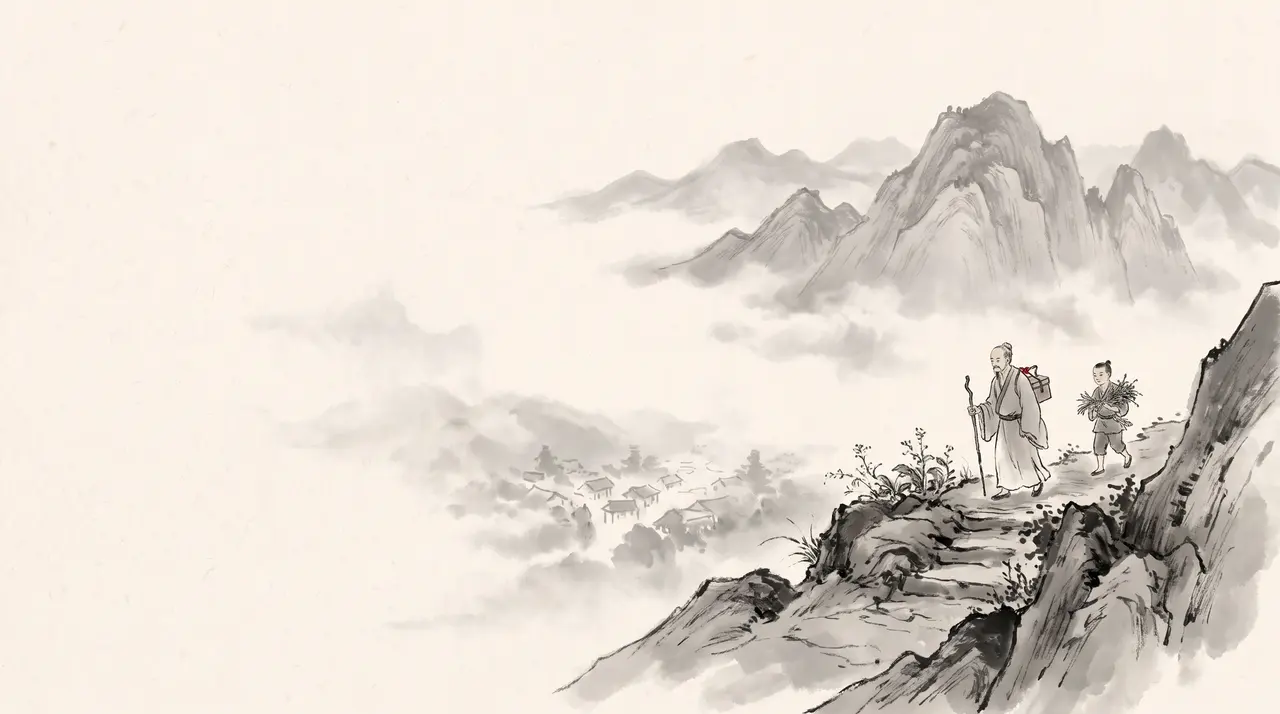
Biographies · Vol. 105
The Biographies of Bian Que and Master Cang 扁鵲倉公列傳
The Six Incurables 六不治
The lives of two great physicians of ancient China. Bian Que is said to have received a secret drug and books from a mysterious old man, and to have gained the power to see inside the body. He raised up the Crown Prince of Guo, who was thought to be dead, with needles and medicine, but said: "I cannot bring the dead to life. He was going to live, and I only got him up." Four times he warned Marquis Huan of Qi of his advancing illness and was ignored, and he listed the six kinds of patient who cannot be cured. His fame led a jealous court physician of Qin to have him killed. Under the Han, Chunyu Yi, Master Cang, was charged with a crime, and his youngest daughter Tiying wrote to Emperor Wen offering herself as a slave in his place, which led to the end of mutilating punishments. The case records he submitted are a precious source for the history of medicine.
This page has the scene "The Six Incurables" from this volume, not the whole volume.
Audio
The audio is synthetic speech.
Video
Passage 1
Original
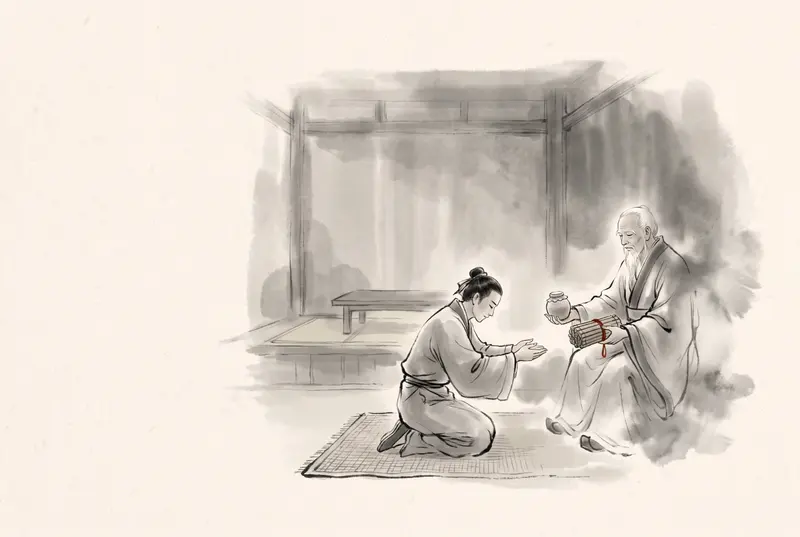
扁鵲者,勃海郡鄭人也,姓秦氏,名越人。少時為人舍長。舍客長桑君過,扁鵲獨奇之,常謹遇之。長桑君亦知扁鵲非常人也。出入十餘年,乃呼扁鵲私坐,閒與語曰:「我有禁方,年老,欲傳與公,公毋泄。」扁鵲曰:「敬諾。」乃出其懷中藥予扁鵲:「飲是以上池之水,三十日當知物矣。」乃悉取其禁方書盡與扁鵲。忽然不見,殆非人也。扁鵲以其言飲藥三十日,視見垣一方人。以此視病,盡見五藏癥結,特以診脈為名耳。為醫或在齊,或在趙。在趙者名扁鵲。
Kundoku (Japanese reading)
扁鵲なる者は、勃海郡鄭の人なり。姓は秦氏、名は越人。少き時人の舎長と為る。舎客長桑君過ぎる。扁鵲独り之を奇とし、常に謹みて之を遇す。長桑君も亦扁鵲の常人に非ざるを知る。出入すること十余年、乃ち扁鵲を呼びて私かに坐せしめ、間に与に語りて曰く、「我に禁方有り。年老いたり、公に伝与せんと欲す。公泄らす毋かれ」と。扁鵲曰く、「敬みて諾す」と。乃ち其の懐中の薬を出だして扁鵲に予う。「是を飲むに上池の水を以てせよ。三十日にして当に物を知るべし」と。乃ち悉く其の禁方の書を取りて尽く扁鵲に与う。忽然として見えず。殆ど人に非ざるなり。扁鵲其の言を以て薬を飲むこと三十日、垣の一方の人を視見る。此を以て病を視れば、尽く五蔵の癥結を見る。特に診脈を以て名と為すのみ。医を為すに或いは斉に在り、或いは趙に在り。趙に在る者は扁鵲と名づく。
Japanese
扁鵲は勃海郡鄭の人で、姓は秦、名は越人という。若いころ、宿屋の管理人をしていた。宿の客に長桑君という人が立ち寄った。扁鵲だけが彼を非凡だと思い、いつも丁重にもてなした。長桑君も扁鵲がただ者でないと知っていた。出入りすること十年あまり、長桑君は扁鵲を呼んで二人きりで座り、そっと言った。「私には秘伝の処方がある。年をとったので、あなたに伝えたい。他に漏らさないでくれ」。扁鵲は「つつしんでお受けします」と言った。長桑君は懐から薬を出して渡した。「これを天から受けた露の水で飲みなさい。三十日で物事がわかるようになる」。そして秘伝の書をすべて扁鵲に与えると、ふっと姿を消した。人ではなかったのだろう。扁鵲が言われたとおり薬を三十日飲むと、垣根の向こう側の人まで見えるようになった。この力で病人を見ると、五臓のしこりがすべて見えた。ただ、脈を取って診ているように見せていたのである。斉や趙で医者をし、趙では扁鵲と呼ばれた。
English
Bian Que was a man of Zheng in Bohai Commandery. His family name was Qin and his personal name Yueren. As a young man he managed an inn. A guest named Master Changsang came by. Bian Que alone saw that he was extraordinary and always treated him with respect, and Master Changsang also knew that Bian Que was no ordinary man. After coming and going for more than ten years, he called Bian Que to sit with him in private and said quietly: "I have secret prescriptions. I am old and wish to pass them to you. You must not reveal them." Bian Que said: "I respectfully agree." He took a drug out of his robe and gave it to him. "Drink this with water from the upper pool, and in thirty days you will know things." Then he gave Bian Que all his secret books, and suddenly vanished. He was surely not human. Bian Que took the drug as he was told for thirty days, and found that he could see people on the other side of a wall. Looking at the sick in this way, he could see every blockage in their five organs. He only pretended to work by feeling the pulse. He practiced medicine sometimes in Qi and sometimes in Zhao, and it was in Zhao that he was called Bian Que.
Notes (JA)
- 扁鵲: もとは伝説の名医の名とされ、秦越人がその名で呼ばれたという。
- 舍長: 宿舎の管理人。
- 上池の水: 地に落ちる前の露や雨水とされる。
- 五藏: 肝・心・脾・肺・腎。
- 癥結: 腹中のしこり。
Notes (EN)
- Bian Que: originally the name of a legendary healer, given to Qin Yueren.
- Upper pool (上池): dew or rain caught before it touches the ground.
- Five organs (五藏): liver, heart, spleen, lungs and kidneys.
- This chapter records ancient medicine and is not a guide to modern treatment.
Word notes
- prescription/prɪˈskrɪpʃən/noun
a doctor's written order for medicine
In the text: “secret prescriptions”
Similar words: formula — a list of ingredients · remedy — a cure
- blockage/ˈblɑkɪdʒ/noun
something that stops the flow
In the text: “every blockage in their five organs”
Similar words: obstruction — something in the way · clog — a block
Passage 2
Original
其後扁鵲過虢。虢太子死,扁鵲至虢宮門下,問中庶子喜方者曰:「太子何病,國中治穰過於眾事?」中庶子曰:「太子病血氣不時,交錯而不得泄,暴發於外,則為中害。精神不能止邪氣,邪氣畜積而不得泄,是以陽緩而陰急,故暴蹷而死。」扁鵲曰:「其死何如時?」曰:「雞鳴至今。」曰:「收乎?」曰:「未也,其死未能半日也。」「言臣齊勃海秦越人也,家在於鄭,未嘗得望精光侍謁於前也。聞太子不幸而死,臣能生之。」中庶子曰:「先生得無誕之乎?何以言太子可生也!臣聞上古之時,醫有俞跗,治病不以湯液醴灑,鑱石撟引,案扤毒熨,一撥見病之應,因五藏之輸,乃割皮解肌,訣脈結筋,搦髓腦,揲荒爪幕,湔浣腸胃,漱滌五藏,練精易形。先生之方能若是,則太子可生也;不能若是而欲生之,曾不可以告咳嬰之兒。」終日,扁鵲仰天嘆曰:「夫子之為方也,若以管窺天,以郄視文。越人之為方也,不待切脈望色聽聲寫形,言病之所在。聞病之陽,論得其陰;聞病之陰,論得其陽。病應見於大表,不出千里,決者至眾,不可曲止也。子以吾言為不誠,試入診太子,當聞其耳鳴而鼻張,循其兩股以至於陰,當尚溫也。」
Kundoku (Japanese reading)
其の後扁鵲虢を過ぐ。虢の太子死す。扁鵲虢の宮門の下に至り、中庶子の方を喜む者に問いて曰く、「太子何の病ぞ、国中の治穣衆事に過ぐるは」と。中庶子曰く、「太子の病は血気時ならず、交錯して泄るるを得ず、暴かに外に発すれば、則ち中害を為す。精神邪気を止むる能わず、邪気畜積して泄るるを得ず。是を以て陽緩にして陰急なり。故に暴かに蹷きて死す」と。扁鵲曰く、「其の死は何れの時ぞ」と。曰く、「鶏鳴より今に至る」と。曰く、「収めたるか」と。曰く、「未だし。其の死未だ半日なる能わざるなり」と。「言え、臣は斉の勃海の秦越人なり。家は鄭に在り。未だ嘗て精光を望みて前に侍謁するを得ず。太子の不幸にして死せるを聞く。臣能く之を生かさん」と。中庶子曰く、「先生之を誕る無きを得んや。何を以てか太子生くべしと言う。臣聞く上古の時、医に俞跗有り。病を治するに湯液醴灑、鑱石撟引、案扤毒熨を以てせず。一たび撥けば病の応を見、五蔵の輸に因りて、乃ち皮を割き肌を解き、脈を訣り筋を結び、髄脳を搦り、荒を揲り幕を爪し、腸胃を湔浣し、五蔵を漱滌し、精を練り形を易う。先生の方能く是くの若くなれば、則ち太子生くべし。是くの若くなる能わずして之を生かさんと欲するは、曾ち以て咳嬰の児に告ぐべからず」と。終日、扁鵲天を仰ぎて嘆じて曰く、「夫子の方を為すや、管を以て天を窺い、郄を以て文を視るが若し。越人の方を為すや、脈を切り色を望み声を聴き形を写すを待たずして、病の在る所を言う。病の陽を聞けば、其の陰を論じ得、病の陰を聞けば、其の陽を論じ得。病の応は大表に見れ、千里を出でず、決する者至って衆く、曲げて止むべからざるなり。子吾が言を以て誠ならずと為さば、試みに入りて太子を診よ。当に其の耳鳴りて鼻張るを聞くべし。其の両股を循りて以て陰に至らば、当に尚お温かなるべし」と。
Japanese
その後、扁鵲が虢の国を通ると、虢の太子が死んだところだった。扁鵲は宮殿の門へ行き、医術好きの中庶子に尋ねた。「太子は何の病で、なぜ国中がお祓いに追われているのですか」。中庶子は言った。「太子の病は血と気の流れが乱れて交錯し、外へ出られず、突然発して体の中を害しました。精神が邪気を止められず、邪気がたまって出ていけない。そのため陽が弱く陰が激しくなり、急に倒れて亡くなりました」。扁鵲は言った。「亡くなったのはいつですか」。「夜明けの鶏の声のころから今までです」。「納棺はしましたか」。「まだです。亡くなって半日にもなりません」。扁鵲は言った。「お伝えください。私は斉の勃海の秦越人で、鄭に家があります。まだお目にかかったことはありませんが、太子が不幸にも亡くなられたと聞きました。私なら生かすことができます」。中庶子は言った。「でたらめではありませんか。どうして太子が生き返ると言えるのです。上古に俞跗という医者がいて、湯薬も酒も、鍼も按摩も使わず、一目で病の応を見て、皮を割き肉を開き、脈を切り筋を結び、脳や髄を整え、膜をさばき、腸や胃を洗い、五臓をすすいで、体を作り変えたそうです。あなたの医術がこれほどなら太子は生きるでしょう。そうでないのに生かすなどと言っても、赤子さえ信じません」。しばらくして扁鵲は天を仰いで嘆いて言った。「あなたの医術は、管から天をのぞき、すき間から模様を見るようなものです。私の医術は、脈を取り、顔色を見、声を聞き、姿を調べるまでもなく、病のありかを言えます。陽の症状を聞けば陰がわかり、陰の症状を聞けば陽がわかる。病の兆しは体の表に現れ、遠くへ行かなくても判断できることは非常に多く、ごまかしようがありません。信じられないなら、入って太子を診てごらんなさい。耳が鳴り、鼻がふくらんでいるのが聞こえるはずです。両ももをなでて陰部に至れば、まだ温かいはずです」。
English
Later Bian Que passed through Guo. The crown prince of Guo had died. Bian Que went to the palace gate and asked a palace officer who was fond of medicine: "What was the prince's illness, that the whole country is busy with rites of exorcism above all else?" The officer said: "The prince's blood and breath went out of order and became tangled and could not escape. They burst out suddenly and did harm within. His spirit could not hold back the evil breath, which built up with no outlet. So the yang grew slack and the yin violent, and he collapsed and died." Bian Que said: "When did he die?" "Between cockcrow and now." "Has he been laid in his coffin?" "Not yet. He has not been dead for half a day." "Tell them that I am Qin Yueren of Bohai in Qi, with my home in Zheng. I have never had the honor of seeing the ruler. I hear that the prince has had the misfortune to die. I can bring him back." The officer said: "Surely you are joking. How can you say the prince can live? I have heard that in high antiquity there was a physician named Yu Fu, who cured the sick without broths, wines, stone needles, massage or hot compresses. At one touch he saw the signs of disease. Following the channels of the five organs, he cut the skin, opened the flesh, severed vessels and tied sinews, pressed the marrow and brain, trimmed the membranes, washed the bowels and stomach, rinsed the five organs, refined the essence and changed the body. If your art can do this, then the prince can live. If not, you could not fool a babe in arms." After a long while Bian Que looked up to heaven and sighed: "Your medicine, sir, is like looking at the sky through a tube, or at a pattern through a crack. My medicine does not need to feel the pulse, look at the color, listen to the voice or study the body to say where an illness lies. Tell me the yang of an illness and I can infer its yin. Tell me its yin and I can infer its yang. The signs of illness show on the surface, and a great many cases can be decided without going far. It cannot be hidden. If you think I am not telling the truth, go in and examine the prince. You will hear a ringing in his ears and see his nostrils flare. Feel along his thighs up to the groin, and they should still be warm."
Notes (JA)
- 虢: 周の小国。ただしこの話の時代には諸説ある。
- 中庶子: 太子に仕える官。
- 治穰: お祓いをする。
- 陰陽: 中国医学で体の働きを説明する二つの力。
- 以管窺天: 「管を以て天を窺う」の出典の一つ。
Notes (EN)
- Guo: a small Zhou state. The dates in this story are uncertain.
- Yin and yang: the two forces by which Chinese medicine explains the body.
- Looking at the sky through a tube (以管窺天): still a common phrase for a narrow view.
Idioms from this passage: Look at the sky through a tube 管を以て天を窺う
Word notes
- misfortune/mɪsˈfɔrtʃən/noun
bad luck
In the text: “has had the misfortune to die”
Similar words: bad luck — unlucky events · tragedy — a very sad event
- exorcism/ˈɛksɔrˌsɪzəm/noun
a ritual to drive out evil spirits
In the text: “rites of exorcism”
Similar words: ritual — a ceremony · cleansing — making pure
- groin/ɡrɔɪn/noun
where the legs meet the body
In the text: “up to the groin”
Similar words: crotch — where the legs join · inner thigh — the inside of the upper leg
Passage 3
Original
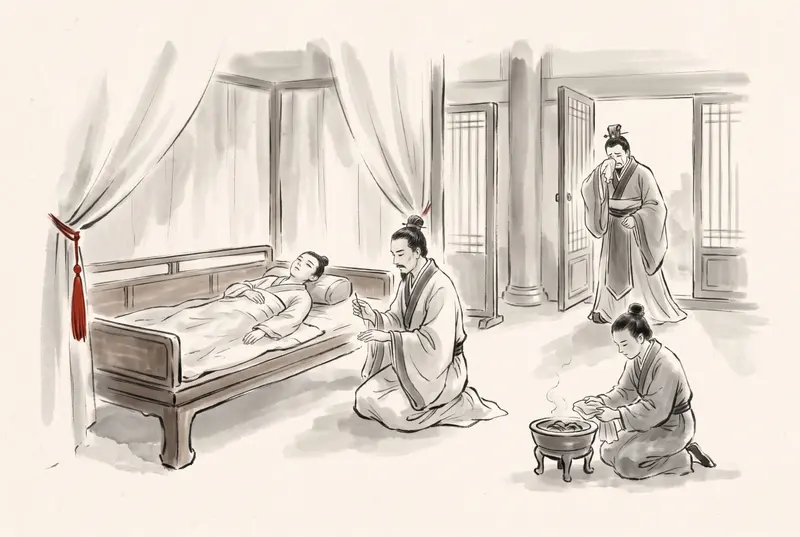
中庶子聞扁鵲言,目眩然而不瞚,舌撟然而不下,乃以扁鵲言入報虢君。虢君聞之大驚,出見扁鵲於中闕,曰:「竊聞高義之日久矣,然未嘗得拜謁於前也。先生過小國,幸而舉之,偏國寡臣幸甚。有先生則活,無先生則棄捐填溝壑,長終而不得反。」言末卒,因噓唏服臆,魂精泄橫,流涕長潸,忽忽承睫,悲不能自止,容貌變更。扁鵲曰:「若太子病,所謂『尸蹷』者也。夫以陽入陰中,動胃繵緣,中經維絡,別下於三焦、膀胱,是以陽脈下遂,陰脈上爭,會氣閉而不通,陰上而陽內行,下內鼓而不起,上外絕而不為使,上有絕陽之絡,下有破陰之紐,破陰絕陽,(之)色[已]廢脈亂,故形靜如死狀。太子未死也。夫以陽入陰支蘭藏者生,以陰入陽支蘭藏者死。凡此數事,皆五藏蹙中之時暴作也。良工取之,拙者疑殆。」扁鵲乃使弟子子陽厲鍼砥石,以取外三陽五會。有閒,太子蘇。乃使子豹為五分之熨,以八減之齊和煮之,以更熨兩脅下。太子起坐。更適陰陽,但服湯二旬而復故。故天下盡以扁鵲為能生死人。扁鵲曰:「越人非能生死人也,此自當生者,越人能使之起耳。」
Kundoku (Japanese reading)
中庶子扁鵲の言を聞き、目眩然として瞚かず、舌撟然として下らず、乃ち扁鵲の言を以て入りて虢君に報ず。虢君之を聞きて大いに驚き、出でて扁鵲に中闕に見えて、曰く、「窃かに高義を聞くこと日久し。然れども未だ嘗て前に拝謁するを得ず。先生小国を過ぎり、幸いにして之を挙げば、偏国の寡臣幸甚なり。先生有れば則ち活き、先生無ければ則ち棄捐して溝壑に填ち、長く終わりて反るを得ざらん」と。言未だ卒わらざるに、因りて噓唏服臆し、魂精泄横し、流涕長く潸として、忽忽として睫に承け、悲しみ自ら止むる能わず、容貌変更す。扁鵲曰く、「太子の病の若きは、所謂『尸蹷』なる者なり。夫れ陽を以て陰の中に入り、胃を動かして繵縁し、経維絡に中り、別れて三焦・膀胱に下る。是を以て陽脈下に遂き、陰脈上に争い、会気閉じて通ぜず、陰上りて陽内に行き、下内に鼓して起たず、上外に絶えて使を為さず、上に絶陽の絡有り、下に破陰の紐有り。破陰絶陽、(之)色[已]に廃れ脈乱る。故に形静かにして死状の如し。太子は未だ死せざるなり。夫れ陽を以て陰に入りて蔵を支蘭する者は生き、陰を以て陽に入りて蔵を支蘭する者は死す。凡そ此の数事は、皆五蔵の蹙中の時に暴かに作るなり。良工は之を取り、拙者は疑殆す」と。扁鵲乃ち弟子子陽をして鍼を厲ぎ石を砥がしめ、以て外の三陽五会を取る。間有りて、太子蘇る。乃ち子豹をして五分の熨を為らしめ、八減の斉を以て和して之を煮、以て更々両脅の下を熨す。太子起ちて坐す。更に陰陽を適え、但だ湯を服すること二旬にして故に復す。故に天下尽く扁鵲を以て能く死人を生かすと為す。扁鵲曰く、「越人は能く死人を生かすに非ざるなり。此れ自ら当に生くべき者、越人能く之をして起たしむるのみ」と。
Japanese
中庶子は扁鵲の言葉を聞くと、目がくらんでまばたきもできず、舌が上がって下りなくなった。そして扁鵲の言葉を虢の君主に報告した。君主は大いに驚き、宮殿の中門まで出てきて扁鵲に会って言った。「ご高名は久しく聞いておりましたが、お目にかかる機会がありませんでした。先生が小国にお立ち寄りくださり、わが子を救ってくださるなら、まことに幸いです。先生がおられれば息子は生き、おられなければ溝に捨てられて、二度と戻らないでしょう」。言い終わらないうちにすすり泣いて胸を詰まらせ、気を失いそうになり、涙がまつげをぬらして止まらず、悲しみで顔かたちまで変わった。扁鵲は言った。「太子の病は、いわゆる『尸蹷』です。陽の気が陰の中に入り、胃を動かして絡み、経絡に当たって、三焦と膀胱へ下ったのです。そのため陽の脈は下へ落ち、陰の脈は上へ争い、気の集まるところがふさがって通じなくなりました。陰が上り陽が内へ入って、下は内で動いても起き上がらず、上は外と絶えて働かない。上には陽の絶えた絡があり、下には陰の破れた紐があります。陰が破れ陽が絶えて、顔色は衰え脈は乱れたので、体は静かで死んだように見えるのです。太子はまだ死んでいません。陽が陰に入って臓をふさぐ者は生き、陰が陽に入って臓をふさぐ者は死にます。これらはみな五臓が突然詰まるときに起こります。腕の良い医者は治療し、下手な者は迷うのです」。扁鵲は弟子の子陽に鍼と石を研がせ、体の表の三陽五会の経穴に打った。しばらくすると太子は息を吹き返した。さらに弟子の子豹に五分の温湿布を作らせ、八減の薬を混ぜて煮て、両脇の下を交互に温めた。太子は起き上がって座った。さらに陰陽を整え、煎じ薬を二十日飲むだけで元どおりになった。天下の人はみな、扁鵲は死人を生き返らせることができると思った。扁鵲は言った。「私に死人を生き返らせることはできません。この方はもともと助かるはずだったので、私は起き上がらせただけです」。
English
When the officer heard this his eyes went wide and did not blink, and his tongue curled up and would not come down. He went in and reported Bian Que's words to the ruler of Guo. The ruler, astonished, came out to the inner gate to meet him and said: "I have long heard of your high principles, but have never had the chance to pay my respects. If you, passing through our little state, can raise up my son, I and my poor land will be fortunate indeed. With you he will live. Without you he will be thrown into a ditch and never return." Before he could finish he was choking with sobs, his spirit failed him, tears streamed down and clung to his lashes, he could not stop his grief, and his whole face changed. Bian Que said: "The prince's illness is what is called corpse collapse. The yang has entered the yin, stirred the stomach and coiled around it, struck the channels and vessels, and passed down to the triple burner and bladder. So the yang pulse has sunk and the yin pulse struggles upward, and the meeting place of breath is blocked. The yin rises and the yang goes inward. Below, it stirs within but cannot rise; above, it is cut off from the outside and does not function. With the yin broken and the yang cut off, his color has faded and his pulse is in disorder, and so his body lies still as if dead. The prince is not dead. When yang enters yin and blocks the organs, the patient lives; when yin enters yang and blocks the organs, he dies. All such cases arise suddenly when the five organs are obstructed. A good physician treats them, and a poor one hesitates." Bian Que then had his student Ziyang sharpen the needles and stones, and treated the Three Yang and Five Meetings on the outside of the body. After a while the prince revived. He had his student Zibao prepare a hot compress and boil it with a mixture, and applied it by turns under both ribs. The prince sat up. He balanced the yin and yang further, and after only twenty days of medicine the prince was as he had been. So all the world said that Bian Que could bring the dead back to life. Bian Que said: "I cannot bring the dead back to life. This was someone who was going to live, and I only got him up."
Notes (JA)
- 尸蹷: 死体のように倒れる病。仮死状態とされる。
- 三焦: 中国医学でいう体の三つの部分の働き。
- 三陽五會: 経穴(つぼ)の名。
- 熨: 温めた薬を当てる治療。
- 「起死回生」の語はこの話に通じる。説明は古代の医学理論によるもので、現代の医学とは異なる。
Notes (EN)
- Corpse collapse (尸蹷): an illness in which the patient appears dead.
- Triple burner (三焦): a functional system in traditional Chinese medicine.
- These explanations belong to ancient medical theory and do not reflect modern medicine.
Word notes
- compress/ˈkɑmprɛs/noun
a pad pressed on the body to treat it
In the text: “a hot compress”
Similar words: poultice — a soft, warm dressing · pad — a soft piece of cloth
- revive/rɪˈvaɪv/verb
to come back to life or consciousness
In the text: “the prince revived”
Similar words: recover — get well · come to — wake up
Passage 4
Original
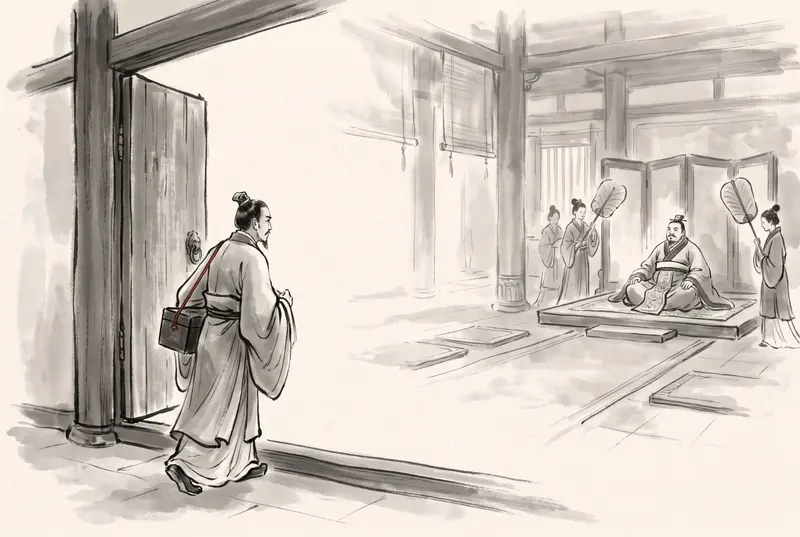
扁鵲過齊,齊桓侯客之。入朝見,曰:「君有疾在腠理,不治將深。」桓侯曰:「寡人無疾。」扁鵲出,桓侯謂左右曰:「醫之好利也,欲以不疾者為功。」後五日,扁鵲復見,曰:「君有疾在血脈,不治恐深。」桓侯曰:「寡人無疾。」扁鵲出,桓侯不悅。後五日,扁鵲復見,曰;「君有疾在腸胃閒,不治將深。」桓侯不應。扁鵲出,桓侯不悅。後五日,扁鵲復見,望見桓侯而退走。桓侯使人問其故。扁鵲曰:「疾之居腠理也,湯熨之所及也;在血脈,鍼石之所及也;其在腸胃,酒醪之所及也;其在骨髓,雖司命無柰之何。今在骨髓,臣是以無請也。」後五日,桓侯體病,使人召扁鵲,扁鵲已逃去。桓侯遂死。
Kundoku (Japanese reading)
扁鵲斉を過ぐ。斉の桓侯之を客とす。入朝して見えて、曰く、「君に疾有りて腠理に在り。治せずんば将に深からんとす」と。桓侯曰く、「寡人に疾無し」と。扁鵲出づ。桓侯左右に謂いて曰く、「医の利を好むや、疾あらざる者を以て功を為さんと欲す」と。後五日、扁鵲復た見えて、曰く、「君に疾有りて血脈に在り。治せずんば恐らくは深からん」と。桓侯曰く、「寡人に疾無し」と。扁鵲出づ。桓侯悦ばず。後五日、扁鵲復た見えて、曰く、「君に疾有りて腸胃の間に在り。治せずんば将に深からんとす」と。桓侯応えず。扁鵲出づ。桓侯悦ばず。後五日、扁鵲復た見え、桓侯を望み見て退き走る。桓侯人をして其の故を問わしむ。扁鵲曰く、「疾の腠理に居るや、湯熨の及ぶ所なり。血脈に在るや、鍼石の及ぶ所なり。其の腸胃に在るや、酒醪の及ぶ所なり。其の骨髄に在るや、司命と雖も之を柰何ともする無し。今骨髄に在り。臣是を以て請う無きなり」と。後五日、桓侯体病む。人をして扁鵲を召さしむ。扁鵲已に逃れ去る。桓侯遂に死す。
Japanese
扁鵲が斉を通ると、斉の桓侯は客としてもてなした。朝廷に入って会うと、扁鵲は言った。「君には病があり、皮膚のきめの間にあります。治さないと深くなります」。桓侯は言った。「私に病はない」。扁鵲が退出すると、桓侯は側近に言った。「医者は利を好むものだ。病気でない者を治して手柄にしたいのだ」。五日後、扁鵲はまた会って言った。「君の病は血脈にあります。治さないと深くなるでしょう」。桓侯は言った。「私に病はない」。扁鵲が退出すると、桓侯は不機嫌だった。五日後、扁鵲はまた会って言った。「君の病は腸胃の間にあります。治さないと深くなります」。桓侯は答えなかった。扁鵲が退出すると、桓侯は不機嫌だった。五日後、扁鵲はまた来たが、桓侯を遠くから見ると、退いて走り去った。桓侯が人をやってわけを尋ねさせると、扁鵲は言った。「病が皮膚にあるうちは煎じ薬と湿布で治せます。血脈にあれば鍼で、腸胃にあれば薬酒で治せます。骨髄に入れば、寿命をつかさどる神でもどうすることもできません。今は骨髄にあります。だから私は何も申し上げなかったのです」。五日後、桓侯の体は病に冒された。人をやって扁鵲を呼ばせたが、扁鵲はすでに逃げ去っていた。桓侯はそのまま亡くなった。
English
Bian Que passed through Qi, and Marquis Huan of Qi received him as a guest. Coming to court, he said: "My lord, you have an illness in the surface of your skin. If it is not treated it will go deeper." The marquis said: "I have no illness." When Bian Que had left, the marquis said to those around him: "Doctors love profit. They want to take credit for curing people who are not sick." Five days later Bian Que saw him again and said: "My lord, your illness is in the blood vessels. If it is not treated, I fear it will go deeper." The marquis said: "I have no illness." When Bian Que left, the marquis was displeased. Five days later Bian Que saw him again and said: "My lord, your illness is between the bowels and the stomach. If it is not treated it will go deeper." The marquis did not answer. When Bian Que left, the marquis was displeased. Five days later Bian Que came again, took one look at the marquis from a distance and turned and ran. The marquis sent someone to ask why. Bian Que said: "When an illness is in the skin, broths and hot compresses can reach it. In the blood vessels, needles and stones can reach it. In the bowels and stomach, medicinal wine can reach it. Once it is in the marrow, even the god who rules our fates can do nothing. Now it is in the marrow, and so I have nothing to ask." Five days later the marquis fell ill. He sent for Bian Que, who had already fled. And so the marquis died.
Notes (JA)
- 桓侯: 斉の君主。『韓非子』では蔡の桓侯の話とする。
- 腠理: 皮膚と筋肉のきめ。
- 酒醪: 薬酒。
- 司命: 人の寿命をつかさどる神。
- 「病膏肓に入る」と並ぶ、手遅れのたとえとなった話。
Notes (EN)
- Marquis Huan: the Han Feizi tells the same story of a ruler of Cai.
- The god who rules our fates (司命): the deity who sets the length of life.
- The story became a classic warning against ignoring early signs.
Word notes
- marrow/ˈmæroʊ/noun
the soft tissue inside bones
In the text: “Once it is in the marrow”
Similar words: bone tissue — matter in bones · core — the innermost part
- displeased/dɪsˈplizd/adjective
annoyed or unhappy
In the text: “the marquis was displeased”
Similar words: annoyed — a little angry · irritated — bothered
Passage 5
Original
使聖人預知微,能使良醫得蚤從事,則疾可已,身可活也。人之所病,病疾多;而醫之所病,病道少。故病有六不治:驕恣不論於理,一不治也;輕身重財,二不治也;衣食不能適,三不治也;陰陽并,藏氣不定,四不治也;形羸不能服藥,五不治也;信巫不信醫,六不治也。有此一者,則重難治也。扁鵲名聞天下。過邯鄲,聞貴婦人,即為帶下醫;過雒陽,聞周人愛老人,即為耳目痹醫;來入咸陽,聞秦人愛小兒,即為小兒醫:隨俗為變。秦太醫令李醯自知伎不如扁鵲也,使人刺殺之。至今天下言脈者,由扁鵲也。
Kundoku (Japanese reading)
聖人をして預め微を知り、良医をして蚤く事に従うを得しむれば、則ち疾已むべく、身活くべきなり。人の病む所は、疾の多きを病み、而して医の病む所は、道の少なきを病む。故に病に六不治有り。驕恣にして理を論ぜざる、一の不治なり。身を軽んじ財を重んずる、二の不治なり。衣食適う能わざる、三の不治なり。陰陽并し、蔵気定まらざる、四の不治なり。形羸せて薬を服する能わざる、五の不治なり。巫を信じて医を信ぜざる、六の不治なり。此の一有る者は、則ち重ねて治し難きなり。扁鵲名天下に聞こゆ。邯鄲を過ぐるに、婦人を貴ぶを聞き、即ち帯下医と為る。雒陽を過ぐるに、周人の老人を愛すを聞き、即ち耳目痹医と為る。来たりて咸陽に入り、秦人の小児を愛すを聞き、即ち小児医と為る。俗に随いて変を為す。秦の太医令李醯自ら伎の扁鵲に如かざるを知り、人をして之を刺殺せしむ。今に至るまで天下の脈を言う者は、扁鵲に由るなり。
Japanese
もし聖人のように前もって小さな兆しを知り、良い医者に早く治療させれば、病は治り、命は助かる。人が悩むのは病の種類の多さであり、医者が悩むのは治療法の少なさである。だから病には六つの治せない場合がある。おごり高ぶって道理を聞かないのが一つ目。身を軽んじて財を惜しむのが二つ目。衣食の節度を保てないのが三つ目。陰陽が偏り、臓の気が安定しないのが四つ目。体が痩せ衰えて薬を飲めないのが五つ目。まじない師を信じて医者を信じないのが六つ目である。このうち一つでもあれば、治すのは非常に難しい。扁鵲の名は天下に知られた。邯鄲を通ると、女性を大切にすると聞いて婦人科の医者となり、洛陽を通ると、人々が老人を大切にすると聞いて耳や目、しびれの医者となり、咸陽に入ると、秦の人が子どもを愛すると聞いて小児科の医者となった。風俗に応じて変えたのである。秦の太医令の李醯は、自分の技が扁鵲に及ばないことを知り、人をやって扁鵲を刺し殺させた。今に至るまで、天下で脈を語る者は扁鵲をもとにしている。
English
If a sage could see the first faint signs in advance, and let a good physician begin early, illness could be stopped and life saved. What people worry about is that there are so many diseases. What doctors worry about is that there are so few cures. So there are six kinds of patient who cannot be cured. Those who are arrogant and will not listen to reason are the first. Those who hold their bodies cheap and their money dear are the second. Those who cannot be moderate in food and clothing are the third. Those whose yin and yang are confounded and whose organs are unsettled are the fourth. Those so wasted they cannot take medicine are the fifth. Those who trust shamans and do not trust physicians are the sixth. With any one of these, a cure is very hard. Bian Que's name was known throughout the world. Passing through Handan and hearing that women were valued there, he became a doctor of women's ailments. Passing through Luoyang and hearing that the people of Zhou cherished the old, he became a doctor of the ears, eyes and numbness. Coming to Xianyang and hearing that the people of Qin loved their children, he became a doctor of children. He changed with local customs. Li Xi, the chief court physician of Qin, knew his skill was no match for Bian Que's, and had him stabbed to death. To this day, all who speak of the pulse in this world follow Bian Que.
Notes (JA)
- 六不治: 六つの治せない場合。医の心得として長く引かれた。
- 帶下: 婦人の病。
- 痹: しびれや痛み。
- 太醫令: 宮廷の医官の長。
Notes (EN)
- The six incurables (六不治): long quoted as basic wisdom for physicians.
- Chief court physician (太醫令): the head of the palace doctors.
Idioms from this passage: The six incurables 六不治
Word notes
- moderate/ˈmɑdərət/adjective
not extreme
In the text: “cannot be moderate in food”
Similar words: temperate — self-controlled · restrained — keeping to limits
- wasted/ˈweɪstɪd/adjective
very thin from illness
In the text: “so wasted they cannot take medicine”
Similar words: emaciated — extremely thin · gaunt — very thin and tired
- stabbed/stæbd/verb
wounded with a knife
In the text: “had him stabbed to death”
Similar words: knifed — cut with a knife · pierced — made a hole in
Passage 6
Original
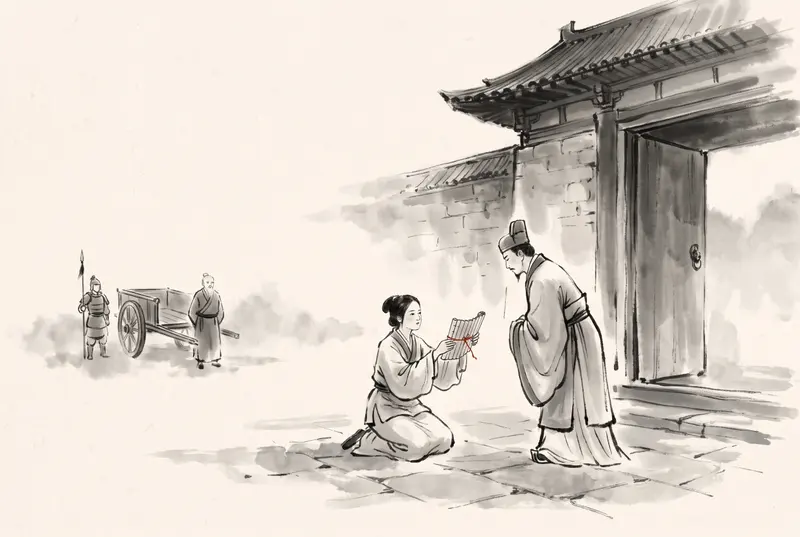
太倉公者,齊太倉長,臨菑人也,姓淳于氏,名意。少而喜醫方術。高后八年,更受師同郡元里公乘陽慶。慶年七十餘,無子,使意盡去其故方,更悉以禁方予之,傳黃帝、扁鵲之脈書,五色診病,知人死生,決嫌疑,定可治,及藥論,甚精。受之三年,為人治病,決死生多驗。然左右行游諸侯,不以家為家,或不為人治病,病家多怨之者。文帝四年中,人上書言意,以刑罪當傳西之長安。意有五女,隨而泣。意怒,罵曰:「生子不生男,緩急無可使者!」於是少女緹縈傷父之言,乃隨父西。上書曰:「妾父為吏,齊中稱其廉平,今坐法當刑。妾切痛死者不可復生而刑者不可復續,雖欲改過自新,其道莫由,終不可得。妾願入身為官婢,以贖父刑罪,使得改行自新也。」書聞,上悲其意,此歲中亦除肉刑法。
Kundoku (Japanese reading)
太倉公なる者は、斉の太倉の長、臨菑の人なり。姓は淳于氏、名は意。少くして医方の術を喜む。高后の八年、更めて師を同郡元里の公乗陽慶に受く。慶年七十余、子無く、意をして尽く其の故方を去らしめ、更に悉く禁方を以て之に予え、黄帝・扁鵲の脈書を伝え、五色もて病を診し、人の死生を知り、嫌疑を決し、治すべきを定め、及び薬論、甚だ精なり。之を受くること三年、人の為に病を治し、死生を決するに験多し。然れども左右に行きて諸侯に游び、家を以て家と為さず、或いは人の為に病を治さず。病家多く之を怨む者あり。文帝の四年中、人上書して意を言う。刑罪を以て当に伝えて西のかた長安に之くべし。意に五女有り、随いて泣く。意怒り、罵りて曰く、「子を生むも男を生まず、緩急に使うべき者無し」と。是に於いて少女緹縈父の言を傷み、乃ち父に随いて西す。上書して曰く、「妾が父は吏と為り、斉の中其の廉平を称す。今法に坐して当に刑すべし。妾切に痛む、死者は復た生くべからず、而して刑者は復た続くべからず、過ちを改めて自ら新たにせんと欲すと雖も、其の道由る莫く、終に得べからざることを。妾願わくは身を入れて官婢と為り、以て父の刑罪を贖い、行いを改めて自ら新たにするを得しめん」と。書聞こゆ。上其の意を悲しみ、此の歳の中に亦肉刑の法を除く。
Japanese
太倉公は斉の太倉の長官で、臨菑の人である。姓は淳于、名は意という。若いころから医術を好んだ。呂后の八年、同じ郡の元里の公乗、陽慶に改めて師事した。陽慶は七十あまりで子がなく、淳于意にそれまでの処方をすべて捨てさせ、秘伝の処方をすべて授け、黄帝と扁鵲の脈書を伝えた。顔の五色で病を診て、生死を知り、疑わしいものを見分け、治せるかどうかを定める術や薬の理論で、非常に精密なものだった。三年学ぶと、人の病を治し、生死を判断して、よく的中した。しかし諸侯の間を渡り歩いて家に落ち着かず、人の治療を断ることもあったので、病人の家に恨まれることが多かった。文帝の四年、ある人が淳于意を訴え、刑罰を受けるため西の長安へ護送されることになった。淳于意には五人の娘がいて、ついて来て泣いた。淳于意は怒って罵った。「子を生んでも男を生まなかったから、いざというとき役に立つ者がいない」。末娘の緹縈は父の言葉に心を痛め、父について西へ行き、上書した。「私の父は役人として、斉では清廉公平とたたえられておりました。今、法に触れて刑を受けることになりました。私が切に悲しむのは、死んだ者は生き返らず、体を断たれた者は元に戻らず、過ちを改めて生まれ変わろうとしても、その道がないことです。どうか私を官の奴婢にして父の刑を贖い、行いを改めて出直させてください」。この書が届くと、文帝はその心を哀れみ、この年のうちに肉刑の法を廃止した。
English
Master Cang of the Great Granary was the director of the Great Granary of Qi, a man of Linzi. His family name was Chunyu and his personal name Yi. He had loved the art of medicine from his youth. In the eighth year of Empress Lü he took a new teacher, Yang Qing of Yuanli in his own commandery. Yang Qing was over seventy and had no son. He made Yi throw away all his old prescriptions and gave him all his secret ones. He passed on the pulse books of the Yellow Emperor and Bian Que, the art of diagnosing by the five colors, of knowing life and death, settling doubts and deciding what could be cured, and the theory of drugs, all very exact. After three years of study, Yi treated patients, and his judgments of life and death often proved right. But he traveled about among the lords, did not make his home his home, and sometimes refused to treat people, and many families of the sick resented him. In the fourth year of Emperor Wen, someone brought charges against him, and he was to be taken west to Chang'an for punishment. He had five daughters, who followed him weeping. Yi was angry and cursed them: "I had children but no sons. In a crisis there is no one I can use!" His youngest daughter, Tiying, was hurt by her father's words, and she went west with him and sent a letter to the throne: "My father served as an official, and all of Qi praised him as honest and fair. Now he has broken the law and must be punished. What pains me to the heart is that the dead cannot live again, and what has been cut off cannot be joined. Even if he wished to mend his ways and begin anew, there would be no way to do it. I beg to be taken as a government slave to redeem my father's punishment, so that he may change his conduct and begin again." When the letter reached him, the emperor was moved by her devotion, and that same year he abolished the mutilating punishments.
Notes (JA)
- 太倉: 国の穀物倉。
- 高后八年: 前180年。
- 五色: 顔色による診断。
- 文帝四年: 『漢書』では文帝十三年(前167年)とする。
- 緹縈: 孝女として後世まで語られる。
- 肉刑: 入れ墨、鼻切り、足切りなど、体を損なう刑。
Notes (EN)
- Eighth year of Empress Lü: 180 BCE.
- Fourth year of Emperor Wen: the History of the Former Han dates this to the thirteenth year, 167 BCE.
- Mutilating punishments (肉刑): tattooing, cutting off the nose or feet and the like.
Word notes
- devotion/dɪˈvoʊʃən/noun
deep love and loyalty
In the text: “moved by her devotion”
Similar words: loyalty — faithful support · love — deep affection
- abolish/əˈbɑlɪʃ/verb
to officially end
In the text: “he abolished the mutilating punishments”
Similar words: end — stop · do away with — get rid of
Passage 7
Original
意家居,詔召問所為治病死生驗者幾何人也,主名為誰。詔問故太倉長臣意:「方伎所長,及所能治病者?有其書無有?皆安受學?受學幾何歲?嘗有所驗,何縣里人也?何病?醫藥已,其病之狀皆何如?具悉而對。」臣意對曰:自意少時,喜醫藥,醫藥方試之多不驗者。至高后八年,得見師臨菑元里公乘陽慶。慶年七十餘,意得見事之。謂意曰:「盡去而方書,非是也。慶有古先道遺傳黃帝、扁鵲之脈書,五色診病,知人生死,決嫌疑,定可治,及藥論書,甚精。我家給富,心愛公,欲盡以我禁方書悉教公。」臣意即曰:「幸甚,非意之所敢望也。」臣意即避席再拜謁,受其脈書上下經、五色診、奇咳術、揆度陰陽外變、藥論、石神、接陰陽禁書,受讀解驗之,可一年所。明歲即驗之,有驗,然尚未精也。要事之三年所,即嘗已為人治,診病決死生,有驗,精良。今慶已死十年所,臣意年盡三年,年三十九歲也。
Kundoku (Japanese reading)
意家居す。詔して召して病を治して死生の験ある所の者は幾何人なるか、主の名は誰と為すかを問う。詔して故の太倉の長臣意に問う、「方伎の長ずる所、及び能く治する所の病は。其の書有りや無しや。皆安くにか学を受くる。学を受くること幾何歳ぞ。嘗て験ある所有るは、何れの県里の人ぞ。何の病ぞ。医薬已りて、其の病の状は皆何如。具悉にして対えよ」と。臣意対えて曰く、意少き時より、医薬を喜む。医薬の方之を試みるに多く験あらず。高后の八年に至り、師の臨菑元里の公乗陽慶に見ゆるを得たり。慶年七十余、意見えて之に事うるを得たり。意に謂いて曰く、「尽く而の方書を去れ、是に非ざるなり。慶に古の先道の遺伝せる黄帝・扁鵲の脈書有り、五色もて病を診し、人の生死を知り、嫌疑を決し、治すべきを定め、及び薬論の書、甚だ精なり。我が家は給富なり、心公を愛す。尽く我が禁方の書を以て悉く公に教えんと欲す」と。臣意即ち曰く、「幸甚なり。意の敢えて望む所に非ざるなり」と。臣意即ち席を避けて再拝謁し、其の脈書上下経、五色診、奇咳術、揆度陰陽外変、薬論、石神、接陰陽禁書を受け、受けて読み解き験すること、一年所可りなり。明歳即ち之を験するに、験有り。然れども尚お未だ精ならざるなり。要ず之に事うること三年所にして、即ち嘗て已に人の為に治し、病を診し死生を決するに、験有り、精良なり。今慶已に死すること十年所、臣意年尽くること三年、年三十九歳なり。
Japanese
淳于意が家にいると、詔があって、治療して生死の判断が当たった者は何人いるか、その名は誰かと問われた。詔は元の太倉長の意に尋ねた。「得意とする医術は何か。治せる病は何か。その書はあるか。どこで学び、何年学んだか。効果のあった例は、どこの県と村の人か。何の病か。治療のあと、病状はどうなったか。詳しく答えよ」。臣意は答えた。私は若いころから医薬を好みましたが、処方を試しても効かないことが多くありました。呂后の八年に、師である臨菑元里の陽慶に会うことができました。陽慶は七十あまりで、私はお仕えすることができました。陽慶は私に言いました。「あなたの処方の書はすべて捨てなさい。あれは正しくない。私には古の先達が伝えた黄帝と扁鵲の脈書があり、五色で病を診て、生死を知り、疑いを決し、治せるかを定める書と薬の書で、非常に精密だ。私の家は十分に富んでいて、心からあなたを見込んでいる。私の秘伝の書をすべて教えよう」。私は申しました。「この上ない幸いです。私の望むところを超えています」。そして席を下りて再拝し、脈書の上下経、五色診、奇咳術、陰陽の変化を測る術、薬論、石の鍼の書、陰陽の秘書を授かりました。読み解いて確かめるのに一年ほどかかりました。翌年試すと効果がありましたが、まだ精密ではありませんでした。三年ほど仕えたころには、人を治療し、病を診て生死を判断すると、よく当たり、優れた結果を得るようになりました。今、陽慶が亡くなって十年ほどになり、私が学び終えて三年、年は三十九歳です。
English
While Yi was living at home, an edict called on him to say how many patients he had treated with proven judgments of life and death, and who they were. The edict asked the former Director of the Great Granary, Yi: "What are your strengths in medicine, and what illnesses can you cure? Do you have books? Where did you study, and for how many years? In the cases that proved your skill, from which county and village were the patients? What was the illness? After treatment, what became of them? Answer in full detail." I, Yi, replied: From my youth I have loved medicine, but when I tried out prescriptions, many did not work. In the eighth year of Empress Lü I was able to meet my teacher, Yang Qing of Yuanli in Linzi. He was over seventy, and I was allowed to serve him. He said to me: "Throw away all your books of prescriptions. They are wrong. I have the pulse books of the Yellow Emperor and Bian Que, handed down from the masters of old, with diagnosis by the five colors, knowledge of life and death, ways of settling doubts and deciding what can be cured, and books on drugs, all very exact. My family is well off, and I have grown fond of you. I wish to teach you all my secret books." I said: "This is more good fortune than I would have dared to hope for." I rose from my mat, bowed twice and received his pulse classics, the five-color diagnosis, the art of unusual coughs, the measures of yin and yang and their outward changes, the theory of drugs, the book of stone needles and the secret book on yin and yang. I spent about a year reading, explaining and testing them. The next year I tried them out, and they worked, but I was not yet expert. After serving him for about three years I began to treat people, and my diagnoses and judgments of life and death proved right and were of good quality. Master Yang has now been dead about ten years. I finished my studies three years after I began, and I am thirty-nine years old.
Notes (JA)
- 詔問: 倉公の答弁は「診籍」と呼ばれ、現存する最古の診療記録の一つとされる。
- 公乘: 爵位の一つ。
- 黃帝: 医学の祖とされる伝説の帝王。
- 避席: 敬意を表して席を下りる。
Notes (EN)
- His reply is known as the "case records" (診籍), among the oldest surviving medical records in the world.
- Yellow Emperor: the legendary founder of Chinese medicine.
Word notes
- diagnosis/ˌdaɪəɡˈnoʊsɪs/noun
identifying an illness
In the text: “with diagnosis by the five colors”
Similar words: assessment — a judgment · identification — finding out what it is
Passage 8
Original
齊丞相舍人奴從朝入宮,臣意見之食閨門外,望其色有病氣。臣意即告宦者平。平好為脈,學臣意所,臣意即示之舍人奴病,告之曰:「此傷脾氣也,當至春鬲塞不通,不能食飲,法至夏泄血死。」宦者平即往告相曰:「君之舍人奴有病,病重,死期有日。」相君曰:「卿何以知之?」曰:「君朝時入宮,君之舍人奴盡食閨門外,平與倉公立,即示平曰,病如是者死。」相即召舍人(奴)而謂之曰:「公奴有病不?」舍人曰:「奴無病,身無痛者。」至春果病,至四月,泄血死。所以知奴病者,脾氣周乘五藏,傷部而交,故傷脾之色也,望之殺然黃,察之如死青之茲。眾醫不知,以為大蟲,不知傷脾。所以至春死病者,胃氣黃,黃者土氣也,土不勝木,故至春死。所以至夏死者,脈法曰「病重而脈順清者曰內關」,內關之病,人不知其所痛,心急然無苦。若加以一病,死中春;一愈順,及一時。其所以四月死者,診其人時愈順。愈順者,人尚肥也。奴之病得之流汗數出,(灸)[炙]於火而以出見大風也。
Kundoku (Japanese reading)
斉の丞相の舎人の奴朝に従いて宮に入る。臣意之の閨門の外に食らうを見、其の色を望むに病気有り。臣意即ち宦者平に告ぐ。平は脈を為すを好み、臣意の所に学ぶ。臣意即ち之に舎人の奴の病を示し、之に告げて曰く、「此れ脾気を傷るなり。当に春に至りて鬲塞して通ぜず、飲食する能わず、法に夏に至りて血を泄らして死すべし」と。宦者平即ち往きて相に告げて曰く、「君の舎人の奴に病有り、病重く、死期日有り」と。相君曰く、「卿何を以て之を知る」と。曰く、「君朝する時宮に入る。君の舎人の奴尽く閨門の外に食らう。平倉公と立つ。即ち平に示して曰く、病是くの如き者は死すと」と。相即ち舎人(奴)を召して謂いて曰く、「公の奴に病有りや不や」と。舎人曰く、「奴に病無し、身に痛む者無し」と。春に至りて果たして病み、四月に至りて、血を泄らして死す。奴の病を知る所以の者は、脾気周く五蔵に乗り、部を傷りて交わる。故に脾を傷るの色なり。之を望めば殺然として黄、之を察すれば死青の茲の如し。衆医知らず、以て大虫と為し、脾を傷るを知らず。春に至りて死病する所以の者は、胃気黄なり。黄は土気なり。土は木に勝たず、故に春に至りて死す。夏に至りて死する所以の者は、脈法に曰く「病重くして脈順清なる者を内関と曰う」と。内関の病は、人其の痛む所を知らず、心急然として苦無し。若し加うるに一病を以てせば、中春に死す。一たび愈々順なれば、一時に及ぶ。其の四月に死する所以の者は、其の人を診する時愈々順なり。愈々順なる者は、人尚お肥ゆるなり。奴の病之を得たるは流汗数しば出で、(灸)[炙]火に於いてして以て出でて大風に見ゆるなり。
Japanese
斉の丞相の家来の奴僕が、主人の朝参に従って宮中に来た。私は彼が内門の外で食事をしているのを見かけ、その顔色に病の気を認めました。そこで宦官の平に告げました。平は脈の術を好み、私のもとで学んでいました。私は舎人の奴の病を平に示して言いました。「これは脾の気を損なっている。春になると胸がふさがって飲食できなくなり、脈法によれば夏に下血して死ぬだろう」。平はすぐ丞相に告げました。「あなたの家来の奴に病があります。重い病で、死ぬ日も決まっています」。丞相は「どうしてわかるのか」と言いました。平は言いました。「殿が朝参に入られたとき、家来の奴たちは内門の外で食事をしていました。私が倉公と立っていると、倉公が私に示して、このような病の者は死ぬと言ったのです」。丞相が家来を呼んで「お前の奴は病気か」と尋ねると、家来は「奴に病はなく、体の痛みもありません」と答えました。春になると果たして病み、四月に下血して死にました。私が奴の病を知ったのは、脾の気が五臓にめぐり、持ち場を損なって交わっていたからで、それが脾を損なった顔色です。遠くから見れば枯れたように黄色く、よく見れば死んだ青草のようでした。他の医者はわからず、大きな寄生虫のせいだと思い、脾を損なったとは知りませんでした。春に重くなって死に向かうのは、胃の気が黄色だからです。黄は土の気で、土は木に勝てないので、春に悪くなります。夏に死ぬのは、脈法に「病が重いのに脈が順で清らかなものを内関という」とあるからです。内関の病は本人が痛みを知らず、心に苦しみもありません。もう一つ病が加われば春の半ばに死に、脈がより順であれば一季節持ちます。四月に死んだのは、診たときの脈が順だったからで、順であるのは、まだ太っていたからです。この奴の病は、たびたび汗を流し、火にあぶられたあと外へ出て、強い風に当たったことから起こったものです。
English
A slave of a retainer of the chancellor of Qi came to the palace with his master for the morning audience. I saw him eating outside the inner gate, and from his color I could tell that he was sick. I told the eunuch Ping, who was fond of pulse lore and studied with me. I pointed out the slave's illness and said: "He has injured the breath of his spleen. By spring his chest will be blocked and he will not be able to eat or drink, and by the rule he will pass blood and die in summer." Ping went at once and told the chancellor: "Your retainer's slave is ill, gravely ill, and his days are numbered." The chancellor said: "How do you know?" He said: "When you entered the palace for the audience, your retainers' slaves were all eating outside the inner gate. I was standing with Master Cang, and he pointed him out to me and said that one with such an illness will die." The chancellor sent for the retainer and said: "Is your slave ill?" The retainer said: "He is not ill, and has no pain anywhere." When spring came he did fall ill, and in the fourth month he passed blood and died. I knew of his illness because the breath of the spleen was spreading over the five organs and injuring their regions, and that is the color of an injured spleen. From a distance it looked withered yellow, and close up like dead green grass. The other doctors did not know this. They took it for a large worm and did not see that the spleen was injured. He worsened in spring because the breath of his stomach was yellow. Yellow is the breath of Earth, and Earth cannot overcome Wood, so he failed in spring. He died at the start of summer because the rule of the pulse says: "When the illness is grave but the pulse is smooth and clear, it is called inner blockage." In this illness the patient does not know where it hurts and feels no distress. If one more illness is added he dies in mid-spring. If the pulse is smoother, he lasts another season. He died in the fourth month because his pulse was smooth when I examined him, which means he was still well fleshed. He got this illness by sweating heavily again and again, roasting himself by the fire, and then going out into a strong wind.
Notes (JA)
- 舍人: 高官に仕える家来。
- 脾氣: 消化をつかさどると考えられた気。
- 土不勝木: 五行説による説明。
- (奴)(灸)[炙]: 校訂の印。
- 当時の医学理論による説明で、現代の医学とは異なる。
Notes (EN)
- Breath of the spleen (脾氣): the force thought to govern digestion.
- Earth and Wood: an explanation based on the theory of the Five Phases.
- This reasoning belongs to ancient theory and is not valid as modern medicine.
Word notes
- withered/ˈwɪðərd/adjective
dried up
In the text: “it looked withered yellow”
Similar words: shriveled — dried and wrinkled · faded — lost color
- pulse/pʌls/noun
the beat of blood in the body
In the text: “his pulse was smooth”
Similar words: heartbeat — beat of the heart · throb — a strong, regular beat
Passage 9
Original
齊王侍醫遂病,自練五石服之。臣意往過之,遂謂意曰:「不肖有病,幸診遂也。」臣意即診之,告曰:「公病中熱。論曰『中熱不溲者,不可服五石』。石之為藥精悍,公服之不得數溲,亟勿服。色將發臃。」遂曰:「扁鵲曰『陰石以治陰病,陽石以治陽病』。夫藥石者有陰陽水火之齊,故中熱,即為陰石柔齊治之;中寒,即為陽石剛齊治之。」臣意曰:「公所論遠矣。扁鵲雖言若是,然必審診,起度量,立規矩,稱權衡,合色脈表裏有餘不足順逆之法,參其人動靜與息相應,乃可以論。論曰『陽疾處內,陰形應外者,不加悍藥及鑱石』。夫悍藥入中,則邪氣辟矣,而宛氣愈深。診法曰『二陰應外,一陽接內者,不可以剛藥』。剛藥入則動陽,陰病益衰,陽病益箸,邪氣流行,為重困於俞,忿發為疽。」意告之後百餘日,果為疽發乳上,入缺盆,死。此謂論之大體也,必有經紀。拙工有一不習,文理陰陽失矣。
Kundoku (Japanese reading)
斉王の侍医遂病み、自ら五石を練りて之を服す。臣意往きて之を過ぐ。遂意に謂いて曰く、「不肖病有り。幸いに遂を診せよ」と。臣意即ち之を診し、告げて曰く、「公の病は中熱なり。論に曰く『中熱にして溲せざる者は、五石を服すべからず』と。石の薬為るや精悍なり。公之を服して数しば溲するを得ず。亟やかに服する勿かれ。色将に臃を発せんとす」と。遂曰く、「扁鵲曰く『陰石以て陰病を治し、陽石以て陽病を治す』と。夫れ薬石は陰陽水火の斉有り。故に中熱なれば、即ち陰石柔斉を為りて之を治し、中寒なれば、即ち陽石剛斉を為りて之を治す」と。臣意曰く、「公の論ずる所遠し。扁鵲是くの若く言うと雖も、然れども必ず審らかに診し、度量を起こし、規矩を立て、権衡を称り、色脈表裏の有余不足順逆の法を合わせ、其の人の動静と息との相応ずるを参えて、乃ち以て論ずべし。論に曰く『陽疾内に処り、陰形外に応ずる者は、悍薬及び鑱石を加えず』と。夫れ悍薬中に入れば、則ち邪気辟すれども、而して宛気愈々深し。診法に曰く『二陰外に応じ、一陽内に接する者は、剛薬を以てすべからず』と。剛薬入れば則ち陽を動かし、陰病益々衰え、陽病益々箸る。邪気流行して、重く俞を困しめ、忿発して疽と為る」と。意之に告げて後百余日、果たして疽乳上に発し、缺盆に入りて、死す。此れ論の大体を謂うなり。必ず経紀有り。拙工は一も習わざる有れば、文理陰陽失わる。
Japanese
斉王の侍医の遂が病気になり、自分で五石の薬を調合して飲んでいました。私が立ち寄ると、遂は言いました。「私は病気です。どうか診てください」。私は診察して告げました。「あなたの病は体内の熱です。医書に『内に熱があって小便が出ない者は五石を飲んではならない』とあります。石の薬は作用が激しい。あなたはこれを飲んで小便がたびたび出なくなっています。すぐにやめなさい。顔色からすると、腫れ物が出ようとしています」。遂は言いました。「扁鵲は『陰の石で陰の病を治し、陽の石で陽の病を治す』と言っています。薬石には陰陽水火の調合があります。だから内に熱があれば陰の石の柔らかな薬で治し、内に冷えがあれば陽の石の強い薬で治すのです」。私は言いました。「あなたの論は的外れです。扁鵲はそう言いましたが、必ず詳しく診察し、基準を立て、物差しを定め、はかりで量り、顔色と脈、表と裏、過不足、順逆の法を合わせ、その人の動きと呼吸の対応を参照して、はじめて論じられるのです。医書に『陽の病が内にあり、陰の形が外に応じている者には、強い薬と鍼を加えてはならない』とあります。強い薬が入ると、邪気は一時退きますが、こもった気はますます深くなります。診法に『二陰が外に応じ、一陽が内に接する者には強い薬を用いてはならない』とあります。強い薬が入れば陽を動かし、陰の病はますます衰え、陽の病はますます明らかになります。邪気がめぐって経穴を重く苦しめ、激しく出て悪性の腫れ物となります」。そう告げて百日あまりすると、果たして腫れ物が乳の上にでき、鎖骨のくぼみまで広がって亡くなりました。これが医学の論の大筋です。必ず筋道があるのです。下手な医者が一つでも習っていないと、理も陰陽も失ってしまいます。
English
Sui, a physician attending the King of Qi, fell ill and prepared the Five Minerals himself and took them. I called on him, and he said to me: "I am unwell. Please examine me." I examined him and told him: "Your illness is heat in the center. The treatise says, 'One who has heat in the center and cannot pass water must not take the Five Minerals.' Mineral drugs are potent and violent. Since taking them you have often been unable to pass water. Stop at once. Your color shows that an abscess is about to break out." Sui said: "Bian Que said, 'Use yin minerals to cure yin illness and yang minerals to cure yang illness.' Mineral drugs come in formulas of yin and yang, water and fire. So for heat in the center one uses a mild formula of yin minerals, and for cold in the center a strong formula of yang minerals." I said: "Your argument is far off. Bian Que may have said this, but one must examine closely, take measurements, set standards, weigh things in the balance, and combine the rules for color and pulse, surface and interior, excess and lack, and normal and reversed flow. One must consider how the patient's movement and rest match his breathing. Only then can one judge. The treatise says, 'When a yang illness is inside and a yin form responds outside, do not use violent drugs or stone needles.' When a violent drug goes in, the evil breath may retreat, but the blocked breath goes deeper. The rules of diagnosis say, 'When two yin respond outside and one yang joins within, strong drugs must not be used.' A strong drug stirs up the yang. The yin illness weakens and the yang illness grows more evident, and the evil breath spreads, afflicts the vital points and bursts out as an abscess." More than a hundred days after I told him this, an abscess did break out above his breast. It went into the hollow above the collarbone, and he died. This is what is meant by the broad principles of the art. There must be a system to it. If a clumsy practitioner has failed to learn even one part, he loses the whole pattern of yin and yang.
Notes (JA)
- 五石: 鉱物から作る薬。のちの時代にも中毒の害が多かった。
- 中熱: 体内の熱。
- 疽: 悪性の腫れ物。
- 缺盆: 鎖骨の上のくぼみ。
- 書物の言葉だけに頼らず、患者を実際に診ることを説く箇所。
Notes (EN)
- Five Minerals (五石): mineral drugs, which caused many poisonings in later ages too.
- The point of this case: do not rely on the words of a book without examining the patient.
Word notes
- abscess/ˈæbsɛs/noun
a painful swollen area filled with pus
In the text: “an abscess is about to break out”
Similar words: boil — a painful swelling · ulcer — an open sore
- potent/ˈpoʊtənt/adjective
very strong
In the text: “potent and violent”
Similar words: powerful — very strong · strong — having great effect
Passage 10
Original
太史公曰:女無美惡,居宮見妒;士無賢不肖,入朝見疑。故扁鵲以其伎見殃,倉公乃匿跡自隱而當刑。緹縈通尺牘,父得以後寧。故老子曰「美好者不祥之器」,豈謂扁鵲等邪?若倉公者,可謂近之矣。
Kundoku (Japanese reading)
太史公曰く、女は美悪と無く、宮に居れば妒まれ、士は賢不肖と無く、朝に入れば疑わる。故に扁鵲は其の伎を以て殃を見、倉公は乃ち跡を匿して自ら隠るるも刑に当たる。緹縈尺牘を通じ、父得て以て後に寧し。故に老子曰く「美好なる者は不祥の器」と。豈に扁鵲等を謂うか。倉公の若き者は、之に近しと謂うべし。
Japanese
太史公は言う。女は美しくても醜くても、後宮に入れば妬まれ、士は賢くても愚かでも、朝廷に入れば疑われる。だから扁鵲はその技のために災いにあい、倉公は跡を隠して身をひそめても刑を受けることになった。緹縈が一枚の書を届けたおかげで、父はその後やすらかに暮らせた。老子は「美しくよいものは不吉な器である」と言った。これは扁鵲らのことを言っているのではないか。倉公のような者は、これに近いと言えるだろう。
English
The Grand Historian says: A woman, beautiful or plain, is envied once she enters the palace. A scholar, worthy or not, is suspected once he enters the court. So Bian Que met disaster because of his skill, and Master Cang, though he hid himself away, was still condemned. Tiying sent up a single letter, and her father lived in peace ever after. So Laozi said: "Things of beauty are vessels of ill omen." Could he have meant people like Bian Que? Master Cang, at least, came close to it.
Notes (JA)
- 尺牘: 手紙。
- 美好者不祥之器: 今本の『老子』第31章の「兵は不祥の器」に似る。
- 才能ゆえに害を受ける人への、司馬遷自身の思いがにじむ。
Notes (EN)
- Vessels of ill omen: compare the Daodejing, chapter 31, which says this of weapons.
- Sima Qian, who suffered for his own outspokenness, writes here with feeling.
Word notes
- envied/ˈɛnvid/adjective
wished against by jealous others
In the text: “is envied once she enters the palace”
Similar words: begrudged — resented for having · resented — disliked out of jealousy