Biographies · Vol. 93
The Biographies of Han Xin, King of Han, and Lu Wan 韓信盧綰列傳
Like a Lame Man Who Longs to Walk 如痿人不忘起
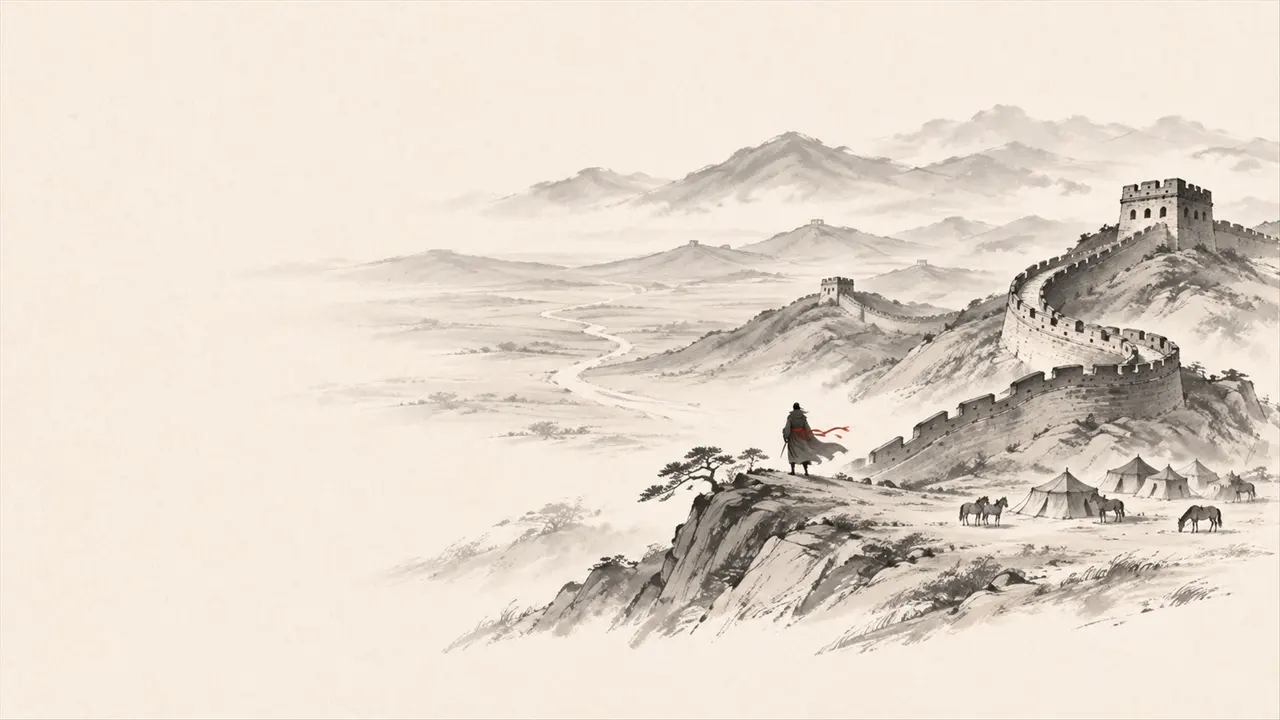
The lives of three men whom Liu Bang made great and who ended by fleeing north to the Xiongnu. Han Xin, King of Han — not the Marquis of Huaiyin — was a descendant of the royal house of Han, who told the King of Han that his soldiers all longed to go home east, and that their eagerness could win him the realm. Moved north to Taiyuan to face the Xiongnu, he was suspected for sending envoys to seek peace, and surrendered to them at Mayi; Gaozu marched against him and was surrounded by the Xiongnu for seven days on Mount Baideng. Han Xin wrote to a Han general that, guilty of three crimes, he could not ask to live, and was killed. Lu Wan, born in the same village on the same day as Gaozu, rose to be King of Yan, but during Chen Xi's revolt his dealings with the Xiongnu, urged by his minister Zhang Sheng, came to light; he fled to the Xiongnu and died among them. Chen Xi, suspected for the crowds of guests he kept, was driven into revolt.
This page has the scene "Like a Lame Man Who Longs to Walk" from this volume, not the whole volume.
Audio
The audio is synthetic speech.
Video
Passage 1
Original
韓王信者,故韓襄王孽孫也,長八尺五寸。及項梁之立楚後懷王也,燕、齊、趙、魏皆已前王,唯韓無有後,故立韓諸公子橫陽君成為韓王,欲以撫定韓故地。項梁敗死定陶,成奔懷王。沛公引兵擊陽城,使張良以韓司徒降下韓故地,得信,以為韓將,將其兵從沛公入武關。沛公立為漢王,韓信從入漢中,乃說漢王曰:「項王王諸將近地,而王獨遠居此,此左遷也。士卒皆山東人,跂而望歸,及其鋒東鄉,可以爭天下。」漢王還定三秦,乃許信為韓王,先拜信為韓太尉,將兵略韓地。
Kundoku (Japanese reading)
韓王信は、故の韓の襄王の孽孫なり。長八尺五寸。項梁の楚の後懐王を立つるに及び、燕・斉・趙・魏皆已に前に王たり。唯だ韓のみ後有ること無し。故に韓の諸公子横陽君成を立てて韓王と為し、以て韓の故地を撫定せんと欲す。項梁定陶に敗死し、成懐王に奔る。沛公兵を引きて陽城を撃ち、張良をして韓の司徒を以て韓の故地を降下せしめ、信を得て、以て韓の将と為し、其の兵を将いて沛公に従いて武関に入らしむ。沛公立ちて漢王と為り、韓信従いて漢中に入る。乃ち漢王に説きて曰く、「項王諸将を近地に王とし、而して王独り遠く此に居る。此れ左遷なり。士卒皆山東の人なり、跂ちて帰らんことを望む。其の鋒の東に郷うに及ばば、以て天下を争うべし」と。漢王還りて三秦を定め、乃ち信を許して韓王と為し、先ず信を拝して韓の太尉と為し、兵を将いて韓の地を略せしむ。
Japanese
韓王信は、もとの韓の襄王の庶子の孫である。身の丈は八尺五寸(約一九五センチ)あった。項梁が楚の王族の子孫を懐王に立てたころ、燕・斉・趙・魏ではすでに王が立っていたが、韓だけはまだ王の跡継ぎがいなかった。そこで韓の公子の一人、横陽君成を韓王に立てて、韓のもとの土地を落ち着かせようとした。項梁が定陶で敗れて死ぬと、韓王成は懐王のもとへ逃げた。沛公(劉邦)は兵を率いて陽城を攻め、張良に韓の司徒(大臣)として韓のもとの土地を降伏させたが、このとき信を手に入れて韓の将軍とし、その兵を率いて沛公に従わせ、武関から関中に入らせた。沛公が漢王に立てられると、信も従って漢中に入った。信は漢王に説いた。「項王は諸将を都に近い土地の王にしたのに、王だけを遠いこの地に置きました。これは左遷です。兵士たちは皆、山の東の人で、つま先立ちをするほど故郷に帰りたがっています。その勢いを東へ向ければ、天下を争うことができます」。漢王は関中に戻って三秦を平定すると、信を韓王にすると約束し、まず韓の太尉に任じて、兵を率いて韓の地を攻め取らせた。
English
Han Xin, King of Han, was a grandson of King Xiang of Han by a lesser wife. He stood eight feet five inches tall. When Xiang Liang set up a descendant of the royal house of Chu as King Huai, Yan, Qi, Zhao and Wei already had kings, and only Han had no heir of its old house. So one of the princes of Han, Cheng, Lord of Hengyang, was made King of Han to bring order to the old land of Han. When Xiang Liang was defeated and killed at Dingtao, Cheng fled to King Huai. The Lord of Pei led his troops against Yangcheng and had Zhang Liang, as minister of Han, win over the old land of Han; there he found Xin, made him a general of Han, and had him lead his troops with the Lord of Pei through the Wu Pass. When the Lord of Pei was made King of Han, Han Xin went with him into Hanzhong, and urged him: "King Xiang has made his generals kings of lands near the centre, and left you alone out here far away. This is banishment. Your officers and men are all from east of the mountains, standing on tiptoe in their longing to go home. If you turn that edge of theirs to the east, you can contend for the realm." When the King of Han came back to settle the Three Qins, he promised to make Xin King of Han, first appointing him Grand Commandant of Han to lead troops and take the land of Han.
Notes (JA)
- 韓王信: 淮陰侯の韓信(092-han-xin の章)とは別人。区別するため「韓王信」と呼ぶ。
- 孽孫: 正妻でない女性から生まれた子の子。
- 左遷: もとは低い位に落とすことをいい、この話から地方へ遠ざけることの意味でも使われる。
- 跂ちて帰らんことを望む: つま先立ちで故郷を見たがる。帰りたい気持ちが強いこと。
Notes (EN)
- Han Xin, King of Han: not the Han Xin who became Marquis of Huaiyin (chapter 092); he is called "King Han Xin" to tell them apart.
- Grandson by a lesser wife (孽孫): descended from a son of a concubine.
- Banishment (左遷): demotion; the word came to mean being posted far from the capital.
- Standing on tiptoe: straining to see home, a picture of longing.
Idioms from this passage: Demotion 左遷
Word notes
- banishment/ˈbænɪʃmənt/noun
being sent away from home as a punishment
In the text: “This is banishment”
Similar words: exile — being forced to live away · expulsion — being forced out
- tiptoe/ˈtɪptoʊ/noun
the tips of your toes, as when you stand up high
In the text: “standing on tiptoe”
Similar words: toes — the ends of the feet · stretch — reach as far as you can
Passage 2
Original
明年春,上以韓信材武,所王北近鞏、洛,南迫宛、葉,東有淮陽,皆天下勁兵處,乃詔徙韓王信王太原以北,備御胡,都晉陽。信上書曰:「國被邊,匈奴數入,晉陽去塞遠,請治馬邑。」上許之,信乃徙治馬邑。秋,匈奴冒頓大圍信,信數使使胡求和解。漢發兵救之,疑信數閒使,有二心,使人責讓信。信恐誅,因與匈奴約共攻漢,反,以馬邑降胡,擊太原。七年冬,上自往擊,破信軍銅鞮,斬其將王喜。信亡走匈奴。(與)其與白土人曼丘臣、王黃等立趙苗裔趙利為王,復收信敗散兵,而與信及冒頓謀攻漢。匈奴仗左右賢王將萬餘騎與王黃等屯廣武以南,至晉陽,與漢兵戰,漢大破之,追至于離石,復破之。匈奴復聚兵樓煩西北,漢令車騎擊破匈奴。匈奴常敗走,漢乘勝追北,聞冒頓居代(上)谷,高皇帝居晉陽,使人視冒頓,還報曰「可擊」。上遂至平城。上出白登,匈奴騎圍上,上乃使人厚遺閼氏。閼氏乃說冒頓曰:「今得漢地,猶不能居;且兩主不相緱」居七日,胡騎稍引去。時天大霧,漢使人往來,胡不覺。護軍中尉陳平言上曰:「胡者全兵,請令彊弩傅兩矢外向,徐行出圍。」入平城,漢救兵亦到,胡騎遂解去。漢亦罷兵歸。韓信為匈奴將兵往來擊邊。
Kundoku (Japanese reading)
明年の春、上韓信の材武なるを以て、王たる所北は鞏・洛に近く、南は宛・葉に迫り、東は淮陽有り、皆天下の勁兵の処なれば、乃ち詔して韓王信を徙して太原以北に王たらしめ、胡を備御せしめ、晋陽に都せしむ。信上書して曰く、「国辺を被り、匈奴数々入る。晋陽は塞を去ること遠し。請う馬邑に治せん」と。上之を許す。信乃ち徙りて馬邑に治す。秋、匈奴の冒頓大いに信を囲む。信数々使いをして胡に使いして和解を求めしむ。漢兵を発して之を救う。信の数々間使するを疑い、二心有りとし、人をして信を責譲せしむ。信誅せられんことを恐れ、因りて匈奴と約して共に漢を攻め、反し、馬邑を以て胡に降り、太原を撃つ。七年の冬、上自ら往きて撃ち、信の軍を銅鞮に破り、其の将王喜を斬る。信亡げて匈奴に走る。其の白土の人曼丘臣・王黄等と趙の苗裔趙利を立てて王と為し、復た信の敗散の兵を収め、而して信及び冒頓と漢を攻めんことを謀る。匈奴左右賢王をして万余騎を将いて王黄等と広武以南に屯せしめ、晋陽に至りて、漢の兵と戦う。漢大いに之を破り、追いて離石に至り、復た之を破る。匈奴復た兵を楼煩の西北に聚む。漢車騎をして匈奴を撃破せしむ。匈奴常に敗走し、漢勝ちに乗じて北ぐるを追う。冒頓代谷に居ると聞き、高皇帝晋陽に居り、人をして冒頓を視しむ。還りて報じて曰く「撃つべし」と。上遂に平城に至る。上白登に出づ。匈奴の騎上を囲む。上乃ち人をして厚く閼氏に遺らしむ。閼氏乃ち冒頓に説きて曰く、「今漢の地を得るも、猶お居ること能わず。且つ両主相困しめず」と。居ること七日、胡騎稍く引き去る。時に天大いに霧ふり、漢人をして往来せしむるも、胡覚らず。護軍中尉陳平上に言いて曰く、「胡は全兵なり。請う彊弩をして両矢を傅けて外に向かわしめ、徐ろに行きて囲みを出でん」と。平城に入り、漢の救兵も亦た到り、胡騎遂に解きて去る。漢も亦た兵を罷めて帰る。韓信匈奴の為に兵を将いて往来して辺を撃つ。
Japanese
翌年の春、高祖は韓王信が才能があって武勇にすぐれ、しかも領地が北は鞏・洛陽に近く、南は宛・葉に迫り、東には淮陽があって、どこも天下の強い兵のいる地であることを考え、詔を出して韓王信を太原より北の王に移し、匈奴を防がせることにして、晋陽を都とさせた。韓王信は上書した。「この国は国境に接していて、匈奴がたびたび入ってきます。晋陽は国境のとりでから遠すぎます。馬邑に役所を置かせてください」。高祖は許し、信は馬邑に移った。秋、匈奴の冒頓単于が大軍で信を囲んだ。信はたびたび匈奴に使いを送って和を求めた。漢は兵を出して救ったが、信がたびたびひそかに使いを出しているのを疑い、二心があると考えて、人をやって信を責めた。信は殺されるのを恐れ、匈奴と約束してともに漢を攻めることにして背き、馬邑ごと匈奴に降って、太原を攻めた。七年(前200年)の冬、高祖は自ら出陣して、銅鞮で信の軍を破り、その将の王喜を斬った。信は匈奴へ逃げた。信の部下で白土の人の曼丘臣・王黄たちは、趙の王族の子孫の趙利を王に立て、散らばった信の兵を集めなおし、信や冒頓とともに漢を攻めようとはかった。匈奴は左右の賢王に一万あまりの騎兵を率いさせ、王黄たちと広武の南に陣を置き、晋陽まで来て漢の兵と戦ったが、漢は大いに破り、離石まで追ってまた破った。匈奴はまた楼煩の西北に兵を集めたが、漢は戦車と騎兵で打ち破った。匈奴はいつも負けて逃げ、漢は勝ちに乗じて追いかけた。冒頓が代谷にいると聞くと、晋陽にいた高祖は人をやって冒頓のようすを探らせた。使いは戻って「攻められます」と報告した。高祖はこうして平城まで来た。高祖が白登山に出たところ、匈奴の騎兵が高祖を囲んだ。高祖は人をやって、冒頓の妻の閼氏にたっぷり贈り物をした。閼氏は冒頓に説いた。「いま漢の土地を手に入れても、住むことはできません。それに、二人の君主が互いに追いつめあうものではありません」。七日たって、匈奴の騎兵は少しずつ引いていった。そのとき空には深い霧が立ちこめ、漢が使いを行き来させても匈奴は気づかなかった。護軍中尉の陳平が高祖に言った。「匈奴は兵をまるごと残しています。強い弩に矢を二本ずつつがえて外へ向けさせ、ゆっくり進んで囲みを出ましょう」。高祖が平城に入ると、漢の救援の兵も着き、匈奴の騎兵はとうとう囲みを解いて去った。漢も兵を引いて帰った。韓王信は匈奴のために兵を率いて行き来し、漢の国境を攻めた。
English
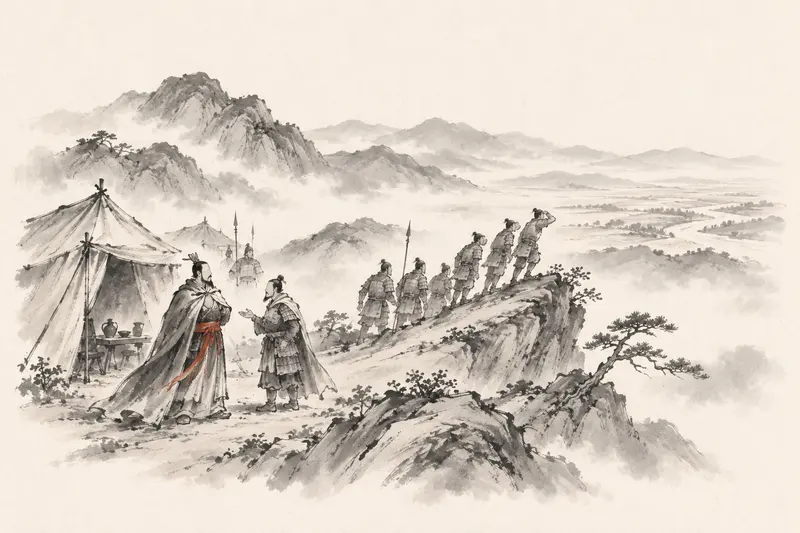
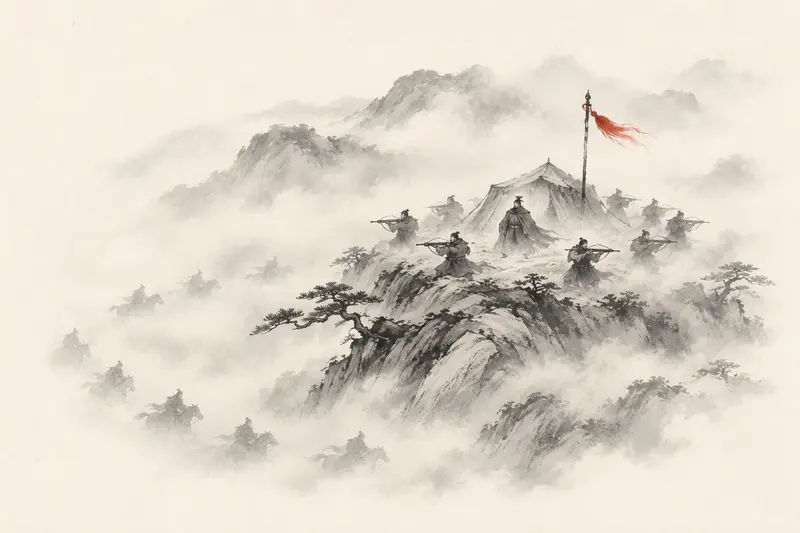
The next spring the emperor, considering that Han Xin was able and warlike, and that his kingdom bordered Gong and Luoyang to the north, pressed on Wan and Ye to the south and had Huaiyang to the east — all places with the strongest troops in the realm — issued a decree moving him to be king of the land north of Taiyuan, to guard against the Hu, with his capital at Jinyang. Han Xin sent up a letter: "My kingdom lies on the frontier, and the Xiongnu often break in. Jinyang is far from the border forts. I ask to govern from Mayi." The emperor agreed, and Han Xin moved to Mayi. In the autumn Modu of the Xiongnu surrounded him with a great army, and Han Xin repeatedly sent envoys to the Hu to seek a settlement. Han sent troops to rescue him, but, suspecting him for his many secret envoys, thought him double-hearted and sent someone to rebuke him. Afraid he would be put to death, Han Xin agreed with the Xiongnu to attack Han together; he rebelled, surrendered Mayi to the Hu and attacked Taiyuan. In the winter of the seventh year the emperor marched against him himself, crushed his army at Tongdi and beheaded his general Wang Xi. Han Xin fled to the Xiongnu. His men from Baitu, Manqiu Chen and Wang Huang, set up Zhao Li, a descendant of the house of Zhao, as king, gathered Han Xin's scattered troops again and plotted with Han Xin and Modu to attack Han. The Xiongnu sent their Worthy Kings of the Left and Right with more than ten thousand horsemen to camp with Wang Huang south of Guangwu; they came as far as Jinyang and fought the Han army, and Han routed them, chased them to Lishi and routed them again. The Xiongnu massed troops again northwest of Loufan, and Han sent its chariots and cavalry to smash them. The Xiongnu kept fleeing, and Han pressed after them. Hearing that Modu was in the valley of Dai, the emperor, at Jinyang, sent men to spy on him; they came back and reported, "He can be attacked." So the emperor went on to Pingcheng. When he went out to Baideng, the Xiongnu horsemen surrounded him. He sent someone with rich gifts to the yanzhi, Modu's queen, and she said to Modu: "Even if you take the land of Han, you could never live there. Besides, two rulers should not drive each other to the wall." After seven days the Hu horsemen began to draw off. A thick fog lay over everything, and Han sent men to and fro without the Hu noticing. Chen Ping, Commandant of the Army Protector, said to the emperor: "The Hu still have their whole army. Have the strong crossbows each fit two bolts and point them outward, and let us move slowly out of the ring." He reached Pingcheng, the Han relief force arrived too, and the Hu horsemen at last broke off and left. Han also withdrew its troops and went home. Han Xin led troops for the Xiongnu, raiding back and forth along the frontier.
Notes (JA)
- 冒頓: 匈奴の単于(君主)。匈奴を大帝国にした(110-xiongnu の章)。
- 閼氏: 単于の妻。陳平の策で贈り物をしたとされる(056-chen-ping の章)。
- 白登の囲み: 高祖が匈奴に七日間囲まれた出来事。これ以後、漢は匈奴と和親を結ぶ。
- 原文の「(與)」「代(上)谷」は、底本が余分な字として示すもの。「不相緱」は「不相困」の誤りとされ、そう読んだ。
Notes (EN)
- Modu: the chanyu (ruler) of the Xiongnu who made them a great empire (chapter 110).
- The yanzhi: the chanyu's consort; the gifts are said to have been Chen Ping's idea (chapter 056).
- The siege of Baideng: Gaozu's seven days surrounded by the Xiongnu, after which Han made peace with them by marriage alliance.
- The bracketed "(與)" and "(上)" are marked by the editors as extra characters; 不相緱 is read as 不相困, "not drive each other to the wall".
Word notes
- rebuke/rɪˈbjuːk/verb
to speak angrily to someone for doing wrong
In the text: “sent someone to rebuke him”
Similar words: scold — speak angrily to · reprimand — officially criticise
- fog/fɒɡ/noun
thick cloud close to the ground
In the text: “A thick fog lay over everything”
Similar words: mist — thin fog · haze — light, dusty air
Passage 3
Original
漢十年,信令王黃等說誤陳豨。十一年春,故韓王信復與胡騎入居參合,距漢。漢使柴將軍擊之,遺信書曰:「陛下寬仁,諸侯雖有畔亡,而復歸,輒復故位號,不誅也。大王所知。今王以敗亡走胡,非有大罪,急自歸!」韓王信報曰:「陛下擢仆起閭巷,南面稱孤,此仆之幸也。滎陽之事,仆不能死,囚於項籍,此一罪也。及寇攻馬邑,仆不能堅守,以城降之,此二罪也。今反為寇將兵,與將軍爭一旦之命,此三罪也。夫種、蠡無一罪,身死亡;今仆有三罪於陛下,而欲求活於世,此伍子胥所以僨於吳也。今仆亡匿山谷閒,旦暮乞貸蠻夷,仆之思歸,如痿人不忘起,盲者不忘視也,勢不可耳。」遂戰。柴將軍屠參合,斬韓王信。
Kundoku (Japanese reading)
漢の十年、信王黄等をして陳豨に説きて誤らしむ。十一年の春、故の韓王信復た胡騎と入りて参合に居り、漢を距ぐ。漢柴将軍をして之を撃たしめ、信に書を遺りて曰く、「陛下は寛仁なり。諸侯畔亡すること有りと雖も、而も復た帰れば、輒ち故の位号に復し、誅せざるなり。大王の知る所なり。今王敗亡を以て胡に走る。大罪有るに非ず。急ぎ自ら帰れ」と。韓王信報じて曰く、「陛下僕を閭巷より擢きて起こし、南面して孤と称せしむ。此れ僕の幸いなり。滎陽の事、僕死すること能わずして、項籍に囚わる。此れ一の罪なり。寇の馬邑を攻むるに及び、僕堅く守ること能わず、城を以て之に降る。此れ二の罪なり。今反りて寇の為に兵を将い、将軍と一旦の命を争う。此れ三の罪なり。夫れ種・蠡は一の罪無くして、身死亡す。今僕陛下に三の罪有り、而して世に活きんことを求めんと欲す。此れ伍子胥の呉に僨れし所以なり。今僕山谷の間に亡匿し、旦暮に蛮夷に乞貸す。僕の帰らんことを思うは、痿人の起つを忘れず、盲者の視るを忘れざるが如きなり。勢い可ならざるのみ」と。遂に戦う。柴将軍参合を屠り、韓王信を斬る。
Japanese
漢の十年(前197年)、韓王信は王黄たちに陳豨をそそのかさせ、道を誤らせた。十一年の春、もとの韓王信はまた匈奴の騎兵とともに入りこんで参合にとどまり、漢をはばんだ。漢は柴将軍に攻めさせた。柴将軍は信に手紙を送った。「陛下は心が広く情け深い方です。諸侯のなかに背いて逃げた者がいても、戻ってくれば、もとの位と称号に戻して、殺すことはありません。大王もご存じのとおりです。いま王は戦に負けて匈奴へ逃げただけで、大きな罪があるわけではありません。急いで自分から戻ってきなさい」。韓王信は返事を書いた。「陛下はわたしを村の路地から引き上げ、南を向いて王と名のらせてくださいました。これはわたしの幸せです。滎陽の戦いでは、わたしは死ぬことができず、項籍に捕らえられました。これが一つめの罪です。敵が馬邑を攻めたとき、わたしは守りきれず、城ごと降りました。これが二つめの罪です。いま逆に敵のために兵を率いて、将軍と命のやりとりをしています。これが三つめの罪です。越の文種と范蠡は一つも罪がないのに、文種は死に、范蠡は国を去りました。いまわたしは陛下に対して三つも罪があるのに、この世に生きていたいと願うなら、それは伍子胥が呉で倒れたのと同じことになるでしょう。いまわたしは山や谷に逃げ隠れ、朝に夕に異民族に物を借りて暮らしています。わたしが帰りたいと思う気持ちは、足のなえた人が立ち上がることを忘れず、目の見えない人が見ることを忘れないのと同じです。ただ、成りゆきがそれを許さないのです」。こうして戦いになり、柴将軍は参合の城の人々を皆殺しにして、韓王信を斬った。
English
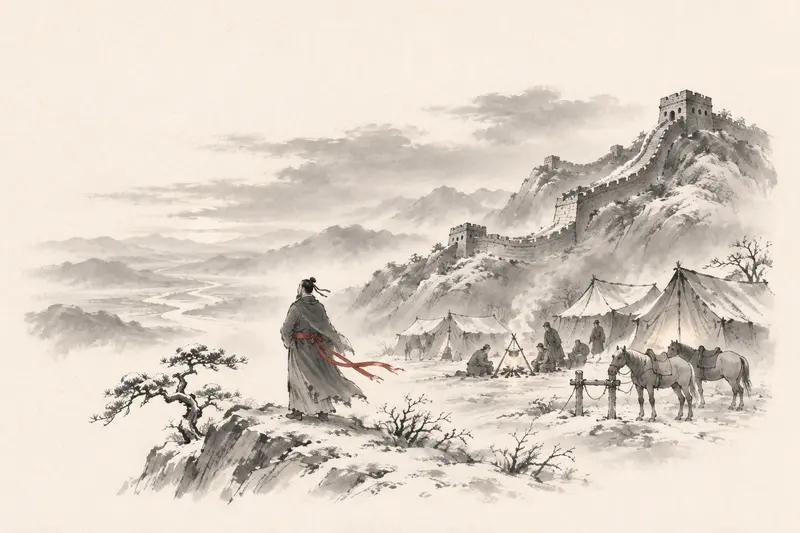
In the tenth year of Han, Han Xin had Wang Huang and others lead Chen Xi astray. In the spring of the eleventh year, the former King of Han came in again with Hu horsemen, stayed at Canhe and held off Han. Han sent General Chai to attack him, and the general sent him a letter: "His Majesty is generous and kind. Even when lords rebel and flee, if they come back he restores their old rank and title and does not put them to death. Great King, you know this. You fled to the Hu only because you were beaten; you have committed no great crime. Come back of your own accord, quickly!" Han Xin wrote back: "His Majesty raised me from the village lanes to sit facing south and call myself king; that was my good fortune. At Xingyang I could not die, and was taken prisoner by Xiang Ji: that is my first crime. When the raiders attacked Mayi I could not hold it, and surrendered the city to them: that is my second. Now I have turned to lead troops for the raiders and fight you, General, for a moment's life: that is my third. Wen Zhong and Fan Li committed not one crime, yet one died and one had to flee. I have committed three against His Majesty; to hope to live on in the world would be just how Wu Zixu came to fall in Wu. Now I hide in the hills and valleys, begging and borrowing from the barbarians morning and night. My longing to go home is like a lame man who never forgets to stand, or a blind man who never forgets to see; but things will not allow it." So they fought. General Chai massacred Canhe and beheaded Han Xin, King of Han.
Notes (JA)
- 種・蠡: 越王句践に仕えた文種と范蠡。文種は殺され、范蠡は国を去った(041-goujian の章)。
- 伍子胥: 呉王に仕え、聞き入れられずに死を命じられた(066-wu-zixu の章)。
- 痿人: 足がなえて歩けない人。
- 柴将軍: 柴武(陳武)とされる。
Notes (EN)
- Wen Zhong and Fan Li: ministers of Goujian of Yue; Wen Zhong was forced to die and Fan Li left the state (chapter 041).
- Wu Zixu: the minister of Wu ordered to his death when his warnings went unheeded (chapter 066).
- A lame man (痿人): one whose legs have withered.
- General Chai: thought to be Chai Wu, also called Chen Wu.
Word notes
- generous/ˈdʒɛnərəs/adjective
kind and ready to give or forgive
In the text: “His Majesty is generous and kind”
Similar words: kind — caring · lenient — not strict in punishing
- massacre/ˈmæsəkər/verb
to kill many people cruelly
In the text: “massacred Canhe”
Similar words: slaughter — kill many · butcher — kill brutally
Passage 4
Original
盧綰者,豐人也,與高祖同里。盧綰親與高祖太上皇相愛,及生男,高祖、盧綰同日生,里中持羊酒賀兩家。及高祖、盧綰壯,俱學書,又相愛也。里中嘉兩家親相愛,生子同日,壯又相愛,復賀兩家羊酒。高祖為布衣時,有吏事辟匿,盧綰常隨出入上下。及高祖初起沛,盧綰以客從,入漢中為將軍,常侍中。從東擊項籍,以太尉常從,出入臥內,衣被飲食賞賜,群臣莫敢望,雖蕭曹等,特以事見禮,至其親幸,莫及盧綰。綰封為長安侯。長安,故咸陽也。
Kundoku (Japanese reading)
盧綰は、豊の人なり。高祖と里を同じくす。盧綰の親高祖の太上皇と相愛す。男を生むに及び、高祖・盧綰日を同じくして生まる。里中羊酒を持して両家を賀す。高祖・盧綰壮なるに及び、倶に書を学び、又た相愛す。里中両家の親の相愛し、子を生むこと日を同じくし、壮にして又た相愛するを嘉し、復た両家を羊酒もて賀す。高祖布衣為りし時、吏事有りて辟匿するに、盧綰常に随いて出入上下す。高祖の初めて沛に起こるに及び、盧綰客を以て従い、漢中に入りて将軍と為り、常に侍中す。従いて東して項籍を撃ち、太尉を以て常に従い、臥内に出入し、衣被飲食の賞賜は、群臣敢えて望むもの莫し。蕭・曹等と雖も、特だ事を以て礼せらるるのみ。其の親幸に至りては、盧綰に及ぶもの莫し。綰封ぜられて長安侯と為る。長安は、故の咸陽なり。
Japanese
盧綰は豊の人で、高祖と同じ村に住んでいた。盧綰の父は高祖の父(太上皇)と仲がよかった。男の子が生まれると、高祖と盧綰は同じ日に生まれたので、村の人々は羊と酒を持って両家を祝った。高祖と盧綰が大きくなると、一緒に読み書きを学び、二人もまた仲がよかった。村の人々は、両家の父親が仲よく、子が同じ日に生まれ、大きくなってからも仲がよいのをほめたたえ、また羊と酒で両家を祝った。高祖がまだ無位無官だったころ、役所の事件で身を隠さなければならなくなったときも、盧綰はいつもついて回った。高祖が沛で兵を挙げると、盧綰は客分として従い、漢中に入って将軍となり、いつもそば近くに仕えた。東へ項籍を攻めるときにも、太尉としていつも従い、高祖の寝室にまで出入りし、衣服や食べ物などのほうびは、ほかの家臣たちが望むべくもないほどだった。蕭何や曹参でさえ、仕事の上で重んじられていただけで、親しくかわいがられることでは、盧綰に及ぶ者はいなかった。盧綰は長安侯に封じられた。長安とは、もとの咸陽である。
English
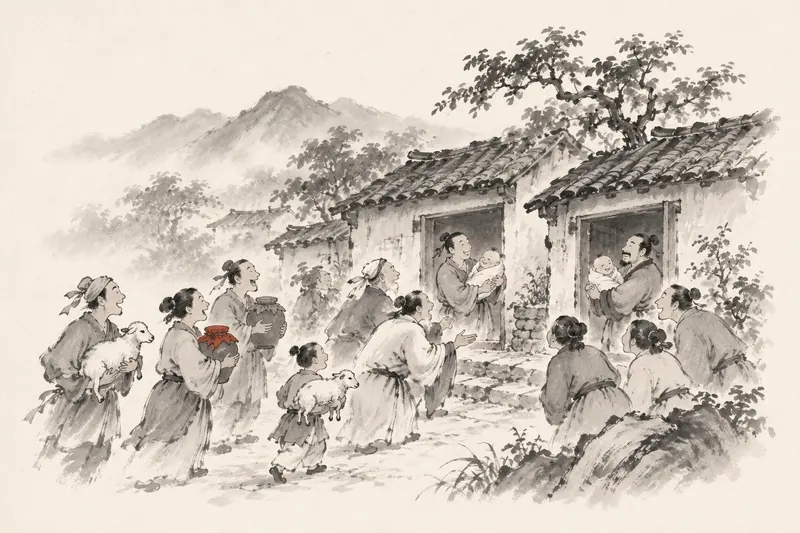
Lu Wan was a man of Feng, from the same village as Gaozu. His father and Gaozu's father, the Grand Supreme Emperor, were fond of each other, and when they had sons, Gaozu and Lu Wan were born on the same day; the villagers brought lambs and wine to congratulate both families. When Gaozu and Lu Wan grew up, they studied writing together and were fond of each other too. The villagers, delighted that the fathers were friends, the sons born on the same day and friends again when grown, brought lambs and wine to congratulate both families once more. When Gaozu was a commoner and had to hide from the officers over some matter, Lu Wan always went with him wherever he went. When Gaozu first rose at Pei, Lu Wan followed him as a retainer; he went into Hanzhong as a general and was always in attendance. He followed the king east against Xiang Ji, always at his side as Grand Commandant, going in and out of his bedchamber; the clothes, bedding, food and rewards he received were more than any other minister dared hope for. Even Xiao He and Cao Shen were honoured only for their work; for closeness and favour, no one came near Lu Wan. He was made Marquis of Chang'an. Chang'an was the old Xianyang.
Notes (JA)
- 太上皇: 皇帝の父。ここでは劉邦の父。
- 羊酒: 羊と酒。祝いの贈り物。
- 蕭・曹: 蕭何(053-xiao-he の章)と曹参(054-cao-can の章)。
Notes (EN)
- The Grand Supreme Emperor (太上皇): the emperor's father, here Liu Bang's father.
- Lambs and wine: the customary gifts of congratulation.
- Xiao He and Cao Shen: Gaozu's great ministers (chapters 053 and 054).
Word notes
- commoner/ˈkɒmənər/noun
an ordinary person without noble rank
In the text: “When Gaozu was a commoner”
Similar words: citizen — a member of the public · plebeian — an ordinary person; formal
- favour/ˈfeɪvər/noun
kind treatment shown to one person more than others
In the text: “for closeness and favour”
Similar words: approval — liking · partiality — unfair liking for one
British spelling favour; American favor.
Passage 5
Original
漢五年冬,以破項籍,乃使盧綰別將,與劉賈擊臨江王共尉,破之。七月還,從擊燕王臧荼,臧荼降。高祖已定天下,諸侯非劉氏而王者七人。欲王盧綰,為群臣觖望。及虜臧荼,乃下詔諸將相列侯,擇群臣有功者以為燕王。群臣知上欲王盧綰,皆言曰:「太尉長安侯盧綰常從平定天下,功最多,可王燕。」詔許之。漢五年八月,乃立虜綰為燕王。諸侯王得幸莫如燕王。
Kundoku (Japanese reading)
漢の五年の冬、項籍を破るを以て、乃ち盧綰をして別に将とし、劉賈と臨江王共尉を撃たしめ、之を破る。七月に還り、従いて燕王臧荼を撃ち、臧荼降る。高祖已に天下を定め、諸侯の劉氏に非ずして王たる者七人。盧綰を王とせんと欲するも、群臣の觖望を為さんことをおそる。臧荼を虜にするに及び、乃ち詔を諸将相列侯に下し、群臣の功有る者を択びて以て燕王と為さしむ。群臣上の盧綰を王とせんと欲するを知り、皆言いて曰く、「太尉長安侯盧綰常に従いて天下を平定し、功最も多し。燕に王たらしむべし」と。詔して之を許す。漢の五年八月、乃ち盧綰を立てて燕王と為す。諸侯王の幸を得ること燕王に如くは莫し。
Japanese
漢の五年(前202年)の冬、項籍を破ったので、盧綰に別の部隊を率いさせ、劉賈とともに臨江王共尉を攻めさせて破った。七月に戻ると、高祖に従って燕王臧荼を攻め、臧荼は降った。高祖が天下を定めたとき、劉氏でない王は七人いた。高祖は盧綰を王にしたかったが、家臣たちが不満に思うのを気にしていた。臧荼を捕らえると、将軍・大臣・列侯たちに詔を出して、手柄のある家臣を選んで燕王にするよう命じた。家臣たちは高祖が盧綰を王にしたがっているのを知っていたので、皆言った。「太尉の長安侯盧綰は、いつも陛下に従って天下を平定し、手柄がいちばん多い。燕の王にするのがよいでしょう」。詔はこれを許した。漢の五年八月、盧綰を燕王に立てた。諸侯王のなかで、燕王ほど高祖にかわいがられた者はいなかった。
English
In the winter of the fifth year of Han, after Xiang Ji was crushed, Lu Wan was given a separate command to attack Gong Wei, King of Linjiang, together with Liu Jia, and defeated him. He came back in the seventh month and followed the emperor against Zang Tu, King of Yan, who surrendered. When Gaozu had settled the realm, seven of the lords who were kings were not of the Liu clan. He wanted to make Lu Wan a king, but worried that the ministers would resent it. When Zang Tu was captured, he sent down a decree to the generals, ministers and marquises to choose one of the ministers with merit to be King of Yan. Knowing the emperor wanted Lu Wan, they all said: "The Grand Commandant, Lu Wan, Marquis of Chang'an, followed Your Majesty everywhere in settling the realm and did more than anyone. He should be King of Yan." The decree approved it, and in the eighth month of the fifth year Lu Wan was made King of Yan. Of all the kings, none enjoyed such favour as the King of Yan.
Notes (JA)
- 劉氏に非ずして王たる者七人: 楚王韓信、韓王信、淮南王黥布、梁王彭越、趙王張耳、長沙王呉芮、そして燕王。
- 觖望: 不満に思い、うらむこと。
- 劉賈: 荊王(051-jing-yan の章)。
Notes (EN)
- Seven kings not of the Liu clan: Han Xin of Chu, Han Xin of Han, Qing Bu of Huainan, Peng Yue of Liang, Zhang Er of Zhao, Wu Rui of Changsha, and the King of Yan.
- Resent (觖望): to be disappointed and bear a grudge.
- Liu Jia: later King of Jing (chapter 051).
Word notes
- resent/rɪˈzɛnt/verb
to feel angry about something that seems unfair
In the text: “the ministers would resent it”
Similar words: begrudge — be unhappy that someone has something · grudge — feel bitter about
- merit/ˈmɛrɪt/noun
good deeds that deserve praise or reward
In the text: “ministers with merit”
Similar words: worth — value · credit — praise for something done
Passage 6
Original
漢十一年秋,陳豨反代地,高祖如邯鄲擊豨兵,燕王綰亦擊其東北。當是時,陳豨使王黃求救匈奴。燕王綰亦使其臣張勝於匈奴,言豨等軍破。張勝至胡,故燕王臧茶子衍出亡在胡,見張勝曰:「公所以重於燕者,以習胡事也。燕所以久存者,以諸侯數反,兵連不決也。今公為燕欲急滅豨等,豨等已盡,次亦至燕,公等亦且為虜矣。公何不令燕且緩陳豨而與胡和?事寬,得長王燕;即有漢急,可以安國。」張勝以為然,豨私令匈奴助豨等擊燕。燕王綰疑張勝與胡反,上書請族張勝。勝還,具道所以為者。燕王寤,乃詐論它人,脫勝家屬,使得為匈奴閒,而陰使范齊之陳豨所,欲令久亡,連兵勿決。
Kundoku (Japanese reading)
漢の十一年の秋、陳豨代の地に反す。高祖邯鄲に如きて豨の兵を撃ち、燕王綰も亦た其の東北を撃つ。是の時に当たりて、陳豨王黄をして救いを匈奴に求めしむ。燕王綰も亦た其の臣張勝を匈奴に使いせしめ、豨等の軍破れたりと言わしむ。張勝胡に至る。故の燕王臧荼の子衍出亡して胡に在り。張勝に見えて曰く、「公の燕に重んぜらるる所以の者は、胡の事に習うを以てなり。燕の久しく存する所以の者は、諸侯数々反し、兵連なりて決せざるを以てなり。今公燕の為に急に豨等を滅ぼさんと欲す。豨等已に尽きなば、次は亦た燕に至らん。公等も亦た且に虜と為らんとす。公何ぞ燕をして且く陳豨を緩くして胡と和せしめざる。事寛やかならば、長く燕に王たるを得ん。即し漢の急有らば、以て国を安んずべし」と。張勝以て然りと為し、乃ち私かに匈奴をして豨等を助けて燕を撃たしむ。燕王綰張勝の胡と反するを疑い、上書して張勝を族せんことを請う。勝還り、具さに為す所以の者を道う。燕王寤り、乃ち詐りて它人を論じ、勝の家属を脱し、匈奴の間たるを得しめ、而して陰かに范斉をして陳豨の所に之かしめ、久しく亡げ、兵を連ねて決すること勿からしめんと欲す。
Japanese
漢の十一年(前196年)の秋、陳豨が代の地で反乱を起こした。高祖は邯鄲へ行って陳豨の兵を攻め、燕王盧綰も東北から攻めた。このとき陳豨は王黄に匈奴の助けを求めさせていた。燕王盧綰も家臣の張勝を匈奴へやって、陳豨たちの軍はもう破れたと伝えさせた。張勝が匈奴に着くと、もとの燕王臧荼の子の臧衍が逃げてきていて、張勝に会って言った。「あなたが燕で重んじられているのは、匈奴のことにくわしいからです。燕が長く続いているのは、諸侯がたびたび反乱を起こして、戦がいつまでも決着しないからです。いまあなたは燕のために陳豨たちを急いで滅ぼそうとしていますが、陳豨たちがいなくなれば、次は燕の番です。あなたたちも捕らえられることになるでしょう。それより、燕にしばらく陳豨への攻撃をゆるめさせ、匈奴と仲よくさせてはどうですか。ことが落ち着いていれば、燕は長く王でいられます。もし漢に攻められても、国を守ることができます」。張勝はもっともだと思い、ひそかに匈奴に陳豨たちを助けて燕を攻めさせた。燕王盧綰は、張勝が匈奴と組んで背いたと疑い、上書して張勝の一族を皆殺しにするよう願った。張勝が戻ってきて、なぜそうしたかをくわしく話すと、燕王ははっと気づき、別の者の罪にすりかえて張勝の家族を逃がし、張勝を匈奴との連絡役にした。また、ひそかに范斉を陳豨のもとへやり、陳豨が長く逃げ続けて、戦が決着しないようにさせようとした。
English
In the autumn of the eleventh year of Han, Chen Xi rebelled in the land of Dai. Gaozu went to Handan to attack his troops, and Lu Wan, King of Yan, attacked from the northeast. At this time Chen Xi sent Wang Huang to ask the Xiongnu for help. The King of Yan also sent his minister Zhang Sheng to the Xiongnu, to tell them that Chen Xi's army had been beaten. When Zhang Sheng reached the Hu, Zang Yan, son of the former King of Yan Zang Tu, who was living there in exile, came to see him and said: "You are valued in Yan because you know the ways of the Hu. Yan has lasted this long because the lords keep rebelling and the wars never end. Now you want to destroy Chen Xi quickly for Yan's sake; but once he is finished, Yan will be next, and you will all be taken prisoner. Why not have Yan go easy on Chen Xi for now and make peace with the Hu? While things stay loose, Yan can be a kingdom for a long time; and if Han ever turns on it, it will be safe." Zhang Sheng agreed, and secretly had the Xiongnu help Chen Xi attack Yan. The King of Yan suspected that Zhang Sheng had turned traitor with the Hu, and sent up a letter asking that his whole clan be put to death. But when Zhang Sheng came back and explained in full what he had done and why, the king came round; he falsely charged other men instead, saved Zhang Sheng's family, and let him act as a go-between with the Xiongnu. He also secretly sent Fan Qi to Chen Xi, wishing him to stay on the run for a long time and keep the war from ever being settled.
Notes (JA)
- 陳豨: 代の地を守っていた将。のちの第8節で、反乱に至るいきさつが書かれる。
- 臧衍の言葉: 「戦が続くかぎり燕は必要とされる」という理屈で、盧綰の運命を変えた。
- 族す: 一族をすべて死刑にすること。
Notes (EN)
- Chen Xi: the general guarding Dai; passage 8 tells how he came to rebel.
- Zang Yan's argument — as long as the wars go on, Yan is needed — changed Lu Wan's fate.
- Put the clan to death (族): execute every member of the family.
Word notes
- exile/ˈɛɡzaɪl/noun
the state of being forced to live away from home
In the text: “living there in exile”
Similar words: banishment — being sent away · refuge — a safe place
- go-between/ˈɡoʊ bɪˌtwiːn/noun
a person who carries messages between two sides
In the text: “act as a go-between”
Similar words: messenger — one who carries messages · intermediary — someone who links two sides
Passage 7
Original
漢十二年,東擊黥布,豨常將兵居代,漢使樊噲擊斬豨。其裨將降,言燕王綰使范齊通計謀於豨所。高祖使使召盧綰,綰稱病。上又使辟陽侯審食其、御史大夫趙堯往迎燕王,因驗問左右。綰愈恐,閉匿,謂其幸臣曰:「非劉氏而王,獨我與長沙耳。往年春,漢族淮陰,夏,誅彭越,皆呂后計。今上病,屬任呂后。呂后婦人,專欲以事誅異姓王者及大功臣。」乃遂稱病不行。其左右皆亡匿。語頗泄,辟陽侯聞之,歸具報上,上益怒。又得匈奴降者,降者言張勝亡在匈奴,為燕使。於是上曰:「盧綰果反矣!」使樊噲擊燕。燕王綰悉將其宮人家屬騎數千居長城下,侯伺,幸上病愈,自入謝。四月,高祖崩,盧綰遂將其眾亡入匈奴,匈奴以為東胡盧王。綰為蠻夷所侵奪,常思復歸。居歲餘,死胡中。高后時,盧綰妻子亡降漢,會高后病,不能見,舍燕邸,為欲置酒見之。高祖竟崩,不得見。盧綰妻亦病死。
Kundoku (Japanese reading)
漢の十二年、東して黥布を撃つ。豨常に兵を将いて代に居る。漢樊噲をして撃ちて豨を斬らしむ。其の裨将降り、燕王綰の范斉をして計謀を豨の所に通ぜしむるを言う。高祖使いをして盧綰を召さしむ。綰病と称す。上又た辟陽侯審食其・御史大夫趙堯をして往きて燕王を迎えしめ、因りて左右を験問せしむ。綰愈々恐れ、閉じて匿れ、其の幸臣に謂いて曰く、「劉氏に非ずして王たるは、独り我と長沙とのみ。往年の春、漢淮陰を族し、夏、彭越を誅す。皆呂后の計なり。今上病み、呂后に属任す。呂后は婦人にして、専ら事を以て異姓の王たる者及び大功臣を誅せんと欲す」と。乃ち遂に病と称して行かず。其の左右皆亡げ匿る。語頗る泄れ、辟陽侯之を聞き、帰りて具さに上に報ず。上益々怒る。又た匈奴の降る者を得たり。降る者言う、張勝亡げて匈奴に在り、燕の使いと為る、と。是に於いて上曰く、「盧綰果たして反せり」と。樊噲をして燕を撃たしむ。燕王綰悉く其の宮人家属騎数千を将いて長城の下に居り、侯伺し、上の病愈ゆるを幸い、自ら入りて謝せんとす。四月、高祖崩ず。盧綰遂に其の衆を将いて亡げて匈奴に入る。匈奴以て東胡の盧王と為す。綰蛮夷の侵奪する所と為り、常に復た帰らんことを思う。居ること歳余にして、胡中に死す。高后の時、盧綰の妻子亡げて漢に降る。会々高后病み、見ること能わず。燕の邸に舎らしめ、為に酒を置きて之に見えんと欲す。高后竟に崩じ、見るを得ず。盧綰の妻も亦た病みて死す。
Japanese
漢の十二年(前195年)、高祖は東の黥布を攻めた。陳豨はずっと兵を率いて代にいたが、漢は樊噲に攻めさせて陳豨を斬った。陳豨の副将が降伏し、燕王盧綰が范斉を使って陳豨と通じ、はかりごとをしていたと話した。高祖は使いを送って盧綰を呼び出したが、盧綰は病気だと言って来なかった。高祖はさらに辟陽侯の審食其と御史大夫の趙堯を送って燕王を迎えに行かせ、ついでに側近たちを取り調べさせた。盧綰はますます恐れて、閉じこもり、お気に入りの家臣に言った。「劉氏でないのに王でいるのは、わたしと長沙王だけになった。去年の春、漢は淮陰侯(韓信)の一族を皆殺しにし、夏には彭越を殺した。どれも呂后のはかりごとだ。いま陛下はご病気で、政治を呂后にまかせている。呂后は女で、何かと理由をつけて、劉氏でない王や大きな手柄のある家臣を殺そうとしているのだ」。こうして、ついに病気を理由に行かなかった。側近たちも皆逃げ隠れた。この言葉がかなりもれて、辟陽侯の耳に入り、帰ってくわしく高祖に報告したので、高祖はますます怒った。また、匈奴から降ってきた者が、張勝は匈奴に逃げていて燕の使いをしていると話した。そこで高祖は「盧綰はやはり背いたのだ」と言い、樊噲に燕を攻めさせた。燕王盧綰は、宮中の女たちや家族、騎兵数千をすべて連れて長城のふもとにとどまり、ようすをうかがって、陛下の病気が治ったら、自分から都へ行ってわびようとしていた。四月、高祖が亡くなった。盧綰はとうとう部下を連れて匈奴へ逃げこんだ。匈奴は盧綰を東胡の盧王とした。盧綰は異民族に物を奪われ、いつも漢へ帰りたいと思っていたが、一年あまりして匈奴の地で亡くなった。呂后の時代、盧綰の妻子が逃げてきて漢に降った。ちょうど呂后は病気で会うことができず、燕の屋敷に泊まらせて、酒宴を開いて会おうとしていたが、呂后はそのまま亡くなり、会えなかった。盧綰の妻も病気で亡くなった。
English
In the twelfth year of Han, the emperor went east to attack Qing Bu. Chen Xi had stayed in Dai with his troops all along, and Han sent Fan Kuai to attack him and behead him. Chen Xi's lieutenant surrendered and told how the King of Yan had sent Fan Qi to Chen Xi to share plans with him. Gaozu sent an envoy to summon Lu Wan, but Lu Wan said he was ill. The emperor then sent Shen Yiji, Marquis of Biyang, and Zhao Yao, the Grandee Secretary, to bring the King of Yan in and question the men around him. Lu Wan grew more afraid, shut himself up in hiding, and said to his favourite minister: "Of the kings not of the Liu clan, only I and the King of Changsha are left. Last spring Han wiped out the clan of the Marquis of Huaiyin, and in the summer it put Peng Yue to death — all Empress Lü's doing. Now the emperor is ill and has left things to Empress Lü. She is a woman, and she is set on finding reasons to kill the kings of other clans and the great ministers." So in the end he said he was ill and did not go. The men around him all ran off and hid. His words leaked out; the Marquis of Biyang heard of them, went back and told the emperor everything, and the emperor was angrier still. Then a Xiongnu deserter said that Zhang Sheng had fled to the Xiongnu and was acting as Yan's envoy. At that the emperor said, "So Lu Wan has rebelled after all!" and sent Fan Kuai to attack Yan. Lu Wan took all his palace women, his family and several thousand horsemen and waited below the Great Wall, watching, hoping that when the emperor recovered he could go in himself and beg pardon. In the fourth month Gaozu died, and Lu Wan at last led his followers into the land of the Xiongnu, who made him King Lu of the Eastern Hu. Robbed and harried by the barbarians, he always longed to go back, but after a year or so he died among the Hu. In Empress Lü's time, Lu Wan's wife and children escaped and surrendered to Han. The empress happened to be ill and could not see them; she lodged them in the Yan residence, meaning to hold a feast and receive them, but she died without ever seeing them. Lu Wan's wife also fell ill and died.
Notes (JA)
- 長沙: 長沙王呉芮の家。劉氏でない王のなかで、最後まで残った。
- 淮陰を族し: 淮陰侯韓信の一族を皆殺しにしたこと(092-han-xin-end の章)。
- 審食其: 呂后の信頼が厚かった人物。
- 高祖と同じ日に生まれた盧綰は、高祖が亡くなったその月に、漢を去った。
Notes (EN)
- Changsha: the house of Wu Rui, King of Changsha, the last kingdom outside the Liu clan.
- Wiping out the Marquis of Huaiyin's clan: the end of Han Xin (chapter 092-han-xin-end).
- Shen Yiji: a man high in Empress Lü's trust.
- Lu Wan, born on the same day as Gaozu, left Han in the very month Gaozu died.
Word notes
- summon/ˈsʌmən/verb
to order someone to come
In the text: “sent an envoy to summon Lu Wan”
Similar words: call — ask to come · send for — ask someone to come
- harry/ˈhæri/verb
to attack or trouble again and again
In the text: “Robbed and harried by the barbarians”
Similar words: harass — trouble repeatedly · pester — annoy again and again
Passage 8
Original
豨常告歸過趙,趙相周昌見豨賓客隨之者千餘乘,邯鄲官舍皆滿。豨所以待賓客布衣交,皆出客下。豨還之代,周昌乃求入見。見上,具言豨賓客盛甚,擅兵於外數歲,恐有變。上乃令人覆案豨客居代者財物諸不法事,多連引豨。豨恐,陰令客通使王黃、曼丘臣所。及高祖十年七月,太上皇崩,使人召豨,豨稱病甚。九月,遂與王黃等反,自立為代王,劫略趙、代。
Kundoku (Japanese reading)
豨常て告げて帰り趙を過ぐ。趙の相周昌豨の賓客の之に随う者千余乗、邯鄲の官舎皆満つるを見る。豨の賓客を待する所以は布衣の交わりのごとく、皆客の下に出づ。豨還りて代に之く。周昌乃ち入見せんことを求む。上に見え、具さに豨の賓客甚だ盛んにして、兵を外に擅にすること数歳、変有らんことを恐るるを言う。上乃ち人をして豨の客の代に居る者の財物諸々の不法の事を覆案せしむ。多く豨を連引す。豨恐れ、陰かに客をして使いを王黄・曼丘臣の所に通ぜしむ。高祖の十年七月に及び、太上皇崩ず。人をして豨を召さしむ。豨病甚だしと称す。九月、遂に王黄等と反し、自ら立ちて代王と為り、趙・代を劫略す。
Japanese
陳豨が休暇をもらって故郷へ帰る途中、趙を通ったことがあった。趙の相の周昌は、陳豨についてきた賓客の車が千台を超え、邯鄲の宿舎がどこも満員になっているのを見た。陳豨は賓客を、身分のない者どうしのつきあいのように扱い、いつも自分を客より下に置いていた。陳豨が代へ戻ると、周昌は都へ上って高祖に会いたいと願い出た。高祖に会うと、陳豨の賓客がとても多く、外で何年も兵を思いのままにしているので、何か事を起こすのではないかと心配だと、くわしく話した。高祖は人をやって、代にいる陳豨の客たちの財産や、さまざまな法に背く行いを調べさせた。多くの件が陳豨につながっていた。陳豨は恐れ、ひそかに客に命じて王黄・曼丘臣のもとへ使いを通わせた。高祖の十年(前197年)の七月、太上皇が亡くなり、高祖は人をやって陳豨を呼んだが、陳豨は重い病気だと言って来なかった。九月、陳豨はとうとう王黄たちとともに反乱を起こし、自ら代王と名のって、趙と代の地を荒らし回った。
English
Chen Xi once went home on leave and passed through Zhao. Zhou Chang, chancellor of Zhao, saw that more than a thousand carriages of his guests went with him, filling every lodging in Handan. Chen Xi treated his guests like friends among commoners, always putting himself below them. When Chen Xi had gone back to Dai, Zhou Chang asked to go to court, and when he saw the emperor he told him in detail how great a crowd of guests Chen Xi kept, and how, having commanded troops far from court for years on his own authority, he might well cause trouble. The emperor had men look into the wealth and the many lawless doings of Chen Xi's guests in Dai, and much of it led back to Chen Xi. Afraid, Chen Xi secretly had his guests send messages to Wang Huang and Manqiu Chen. In the seventh month of Gaozu's tenth year the Grand Supreme Emperor died, and the emperor sent for Chen Xi, but Chen Xi said he was gravely ill. In the ninth month he rebelled with Wang Huang and the others, made himself King of Dai, and plundered Zhao and Dai.
Notes (JA)
- 周昌: 口べたで知られた硬骨の臣(096-zhang-cang の章)。
- 布衣の交わり: 身分にとらわれない、ふつうの人どうしのつきあい。
- 陳豨は若いころ、食客を多く集めた魏の信陵君にあこがれていた(太史公の評、第9節)。
Notes (EN)
- Zhou Chang: an unbending minister known for his stammer (chapter 096).
- Friends among commoners (布衣之交): friendship without regard to rank.
- In his youth Chen Xi admired the Lord of Xinling of Wei, famed for his many guests (the Grand Historian's comment, passage 9).
Word notes
- lodging/ˈlɒdʒɪŋ/noun
a place to stay for a time
In the text: “filling every lodging in Handan”
Similar words: inn — a small hotel · quarters — rooms to live in
- plunder/ˈplʌndər/verb
to steal goods by force, especially in war
In the text: “plundered Zhao and Dai”
Similar words: loot — steal in war or riots · pillage — rob with violence
Passage 9
Original
太史公曰:韓信、盧綰非素積德累善之世,徼一時權變,以詐力成功,遭漢初定,故得列地,南面稱孤。內見疑彊大,外倚蠻貊以為援,是以日疏自危,事窮智困,卒赴匈奴,豈不哀哉!陳豨,梁人,其少時數稱慕魏公子;及將軍守邊,招致賓客而下士,名聲過實。周昌疑之,疵瑕頗起,懼禍及身,邪人進說,遂陷無道。於戲悲夫!夫計之生孰成敗於人也深矣!
Kundoku (Japanese reading)
太史公曰く、韓信・盧綰は素より徳を積み善を累ぬるの世に非ず。一時の権変を徼め、詐力を以て功を成し、漢の初めて定まるに遭い、故に地を列ね、南面して孤と称するを得たり。内には彊大なるを疑われ、外には蛮貊に倚りて以て援と為す。是を以て日に疏んぜられて自ら危うく、事窮まり智困しみ、卒に匈奴に赴く。豈に哀しからずや。陳豨は、梁の人なり。其の少き時、数々魏の公子を称慕す。将軍として辺を守るに及び、賓客を招致して士に下り、名声実に過ぐ。周昌之を疑い、疵瑕頗る起こり、禍の身に及ばんことを懼る。邪人説を進め、遂に無道に陥る。於戯悲しいかな。夫れ計の生熟の成敗、人に於けるや深し。
Japanese
太史公は言う。韓王信と盧綰は、代々徳を積み善を重ねてきた家の出ではない。そのときどきの成りゆきをうまくとらえ、策略と力で手柄を立て、漢が天下を定めたばかりのときにめぐりあったので、土地を与えられ、王と名のることができた。しかし内では力が大きすぎると疑われ、外では異民族を頼って助けとした。そのため日ごとに遠ざけられて身が危うくなり、行きづまって知恵も尽き、ついに匈奴へ走った。なんと哀れなことではないか。陳豨は梁の人で、若いころ、たびたび魏の公子(信陵君)をほめ慕っていた。将軍として国境を守るようになると、賓客を招いてへりくだったので、名声が実力を上回った。周昌に疑われ、あらがあちこちで見つかって、災いが身に及ぶのを恐れた。そこへよこしまな者が勧めたので、ついに道に外れたことをしてしまった。ああ、悲しいことだ。はかりごとがよく練られているかどうかが、人の成功と失敗を深く左右するのである。
English
The Grand Historian says: Han Xin and Lu Wan did not come of families that had long stored up virtue and good deeds. They seized the chances of a passing moment, won success by trickery and force, and happened upon the founding of Han, so that they were given land and sat facing south as kings. But at home they were suspected for being too strong, and abroad they leaned on the barbarians for help; so day by day they were pushed further away and endangered themselves, until, at the end of their means and their wits, they went over to the Xiongnu. Is it not sad? Chen Xi was a man of Liang. In his youth he often spoke of his admiration for the Prince of Wei. When he became a general guarding the frontier, he drew guests to him and humbled himself before men of worth, and his fame outran his substance. Zhou Chang suspected him, faults began to turn up, and he feared disaster would fall on him; wicked men pressed their counsel on him, and he sank at last into lawlessness. Alas, how sad! How deeply success and failure turn on whether one's plans are ripe or raw!
Notes (JA)
- 魏の公子: 信陵君(077-xinling の章)。
- 名声実に過ぐ: 評判が実力より大きくなること。
- 計の生熟: はかりごとが未熟か、よく練られているか。
Notes (EN)
- The Prince of Wei: the Lord of Xinling (chapter 077).
- Fame outran his substance (名聲過實): his reputation was greater than his real worth.
- Ripe or raw (生孰): whether plans are well thought out or half-formed.
Word notes
- trickery/ˈtrɪkəri/noun
the use of tricks to cheat people
In the text: “won success by trickery and force”
Similar words: deceit — dishonest behaviour · cunning — clever, sly skill
- lawlessness/ˈlɔːləsnəs/noun
a state in which laws are not obeyed
In the text: “he sank at last into lawlessness”
Similar words: disorder — confusion · anarchy — no government at all