Biographies · Vol. 82
The Biography of Tian Dan 田單列傳
In 284 BCE the great Yan general Yue Yi invaded Qi and took more than seventy cities, until only Ju and Jimo held out. Tian Dan, a minor market official, escaped with his clan by sheathing their axle ends in iron, and for that good sense the people of Jimo made him their general. He spread rumors that had Yue Yi removed, set up a "divine teacher" to hold the city together, goaded the Yan army into acts that filled his people with rage, and lulled the enemy with a false surrender. Then one night he loosed a thousand oxen with blades on their horns and burning reeds on their tails, broke the Yan army and won back all seventy cities. The chapter ends with two stories from the fall and rise of Qi: the Queen Dowager Junwang, and Wang Zhu, who died rather than serve the conqueror.
Audio
The audio is synthetic speech.
Video
Passage 1
Original
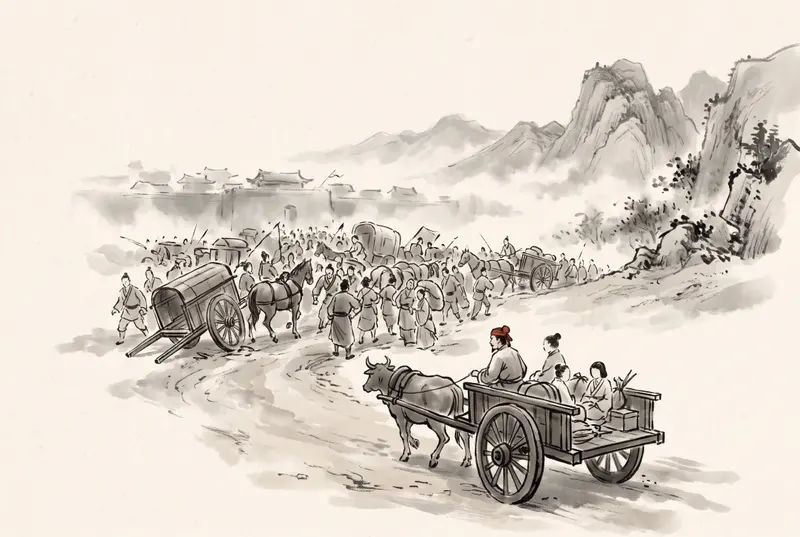
田單者,齊諸田疏屬也。湣王時,單為臨菑市掾,不見知。及燕使樂毅伐破齊,齊湣王出奔,已而保莒城。燕師長驅平齊,而田單走安平,令其宗人盡斷其車軸末而傅鐵籠。已而燕軍攻安平,城壞,齊人走,爭涂,以轊折車敗,為燕所虜,唯田單宗人以鐵籠故得脫,東保即墨。燕既盡降齊城,唯獨莒、即墨不下。燕軍聞齊王在莒,并兵攻之。淖齒既殺湣王於莒,因堅守,距燕軍,數年不下。燕引兵東圍即墨,即墨大夫出與戰,敗死。城中相與推田單,曰:「安平之戰,田單宗人以鐵籠得全,習兵。」立以為將軍,以即墨距燕。
Kundoku (Japanese reading)
田単なる者は、斉の諸田の疏属なり。湣王の時、単は臨菑の市掾と為るも、知られず。燕の楽毅をして斉を伐ち破らしむるに及び、斉の湣王出奔し、已にして莒城を保つ。燕の師長駆して斉を平らぐ。而して田単は安平に走り、其の宗人をして尽く其の車軸の末を断ちて鉄籠を傅けしむ。已にして燕軍安平を攻め、城壊れ、斉人走りて涂を争い、轊折れ車敗るるを以て、燕の虜とする所と為る。唯だ田単の宗人のみ鉄籠の故を以て脱するを得、東して即墨を保つ。燕既に尽く斉の城を降すも、唯だ独り莒と即墨とのみ下らず。燕軍斉王の莒に在るを聞き、兵を并せて之を攻む。淖歯既に湣王を莒に殺し、因りて堅守して燕軍を距ぎ、数年下らず。燕兵を引きて東して即墨を囲む。即墨の大夫出でて与に戦い、敗れて死す。城中相与に田単を推して曰く、「安平の戦い、田単の宗人鉄籠を以て全きを得たり。兵に習えり」と。立てて以て将軍と為し、即墨を以て燕を距ぐ。
Japanese
田単は、斉の王族である田氏の遠い親戚である。湣王の時代、田単は都の臨菑で市場の下役をしていたが、世に知られていなかった。やがて燕が楽毅に命じて斉を攻め破ると、斉の湣王は逃げ出し、莒の城にたてこもった。燕軍は一気に進んで斉を平定した。田単は安平へ逃げ、一族の者に命じて、車軸の両端を切り落として鉄の覆いをかぶせさせた。やがて燕軍が安平を攻めて城が崩れると、斉の人々は我先にと道を争って逃げたが、車軸の先がぶつかって折れ、車が壊れて燕の捕虜になった。田単の一族だけは鉄の覆いのおかげで逃げのび、東の即墨にたてこもった。燕は斉の城をことごとく降したが、莒と即墨の二つだけは落ちなかった。燕軍は斉王が莒にいると聞き、兵を合わせて攻めた。楚の将軍淖歯は莒で湣王を殺したのち、城を堅く守って燕軍を防ぎ、数年たっても落ちなかった。燕は兵を東に向けて即墨を包囲した。即墨の長官は出撃して敗れ、戦死した。城中の人々は相談して田単を推した。「安平の戦いで、田単の一族は鉄の覆いで無事だった。戦の心得がある人だ」。そこで彼を将軍に立て、即墨にこもって燕を防いだ。
English
Tian Dan was a distant relative of the royal Tian clan of Qi. In the time of King Min he was a minor market official in the capital, Linzi, and nobody had heard of him. Then Yan sent Yue Yi to attack and crush Qi. King Min fled and took refuge in the city of Ju, and the Yan army swept on and overran the country. Tian Dan fled to Anping, where he had his clansmen saw off the ends of their cart axles and fit them with iron caps. Soon Yan attacked Anping and the walls gave way. The people of Qi fled, fighting for room on the road, and their axle ends snapped, their carts broke down, and they were taken by Yan. Only Tian Dan's clan got away, thanks to the iron caps, and they went east to hold Jimo. Yan took the surrender of every city in Qi except two: Ju and Jimo. Hearing that the king was at Ju, Yan massed its troops against it. Nao Chi killed King Min there and then held the city so firmly that it did not fall for years. So Yan led its army east and besieged Jimo. The governor of Jimo went out to fight and was defeated and killed. The people in the city together chose Tian Dan, saying: "At the battle of Anping his clan came through safely because of those iron caps. He understands war." They made him general, and with Jimo he held off Yan.
Notes (JA)
- 臨菑: 斉の都。今の山東省淄博市。
- 市掾: 市場を管理する下級の役人。
- 樂毅: 燕の昭王に仕えた名将。前284年に五国の兵を率いて斉を破った。
- 鐵籠: 車軸の先にかぶせる鉄の覆い。
- 轊: 車軸の両端の、車輪から突き出た部分。
- 淖齒: 斉を救うため楚から来た将。のちに湣王を殺した。
Notes (EN)
- Linzi (臨菑): the capital of Qi, in present-day Zibo, Shandong.
- Yue Yi (樂毅): the great general of King Zhao of Yan, who led five states against Qi in 284 BCE.
- Axle ends (轊): the parts of the axle that stick out past the wheels.
- Nao Chi (淖齒): a Chu general sent to help Qi, who then killed its king.
Word notes
- axle/ˈæksəl/noun
the rod that joins a pair of wheels
In the text: “saw off the ends of their cart axles”
Similar words: shaft — a long rod · spindle — a rod that turns
- besiege/bɪˈsidʒ/verb
to surround a city to force it to give up
In the text: “besieged Jimo”
Similar words: surround — be on all sides of · blockade — cut off from supplies
Passage 2
Original
頃之,燕昭王卒,惠王立,與樂毅有隙。田單聞之,乃縱反閒於燕,宣言曰:「齊王已死,城之不拔者二耳。樂毅畏誅而不敢歸,以伐齊為名,實欲連兵南面而王齊。齊人未附,故且緩攻即墨以待其事。齊人所懼,唯恐他將之來,即墨殘矣。」燕王以為然,使騎劫代樂毅。
Kundoku (Japanese reading)
頃之、燕の昭王卒し、恵王立つ。楽毅と隙有り。田単之を聞き、乃ち反間を燕に縦ちて、宣言して曰く、「斉王已に死し、城の抜けざる者二のみ。楽毅誅を畏れて敢えて帰らず。斉を伐つを以て名と為すも、実は兵を連ねて南面して斉に王たらんと欲す。斉人未だ附かず、故に且く即墨を攻むるを緩くして以て其の事を待つ。斉人の懼るる所は、唯だ他将の来たらんことを恐る。即墨残われん」と。燕王以て然りと為し、騎劫をして楽毅に代わらしむ。
Japanese
まもなく燕の昭王が亡くなり、恵王が立った。恵王は楽毅と仲が悪かった。田単はこれを聞くと、燕に間者を放って、こう言いふらさせた。「斉王はもう死に、落ちていない城は二つだけだ。楽毅は処罰を恐れて燕に帰ろうとしない。斉を討つと言いながら、実は兵を率いて自分が斉の王になるつもりなのだ。斉の人々がまだなつかないので、わざと即墨への攻撃をゆるめて、時を待っている。斉の人々が恐れているのは、ほかの将軍が来ることだけだ。そうなれば即墨は滅びるだろう」。燕王はそのとおりだと思い、騎劫を楽毅と交代させた。
English
Soon afterward King Zhao of Yan died and King Hui took the throne. The new king was on bad terms with Yue Yi. When Tian Dan heard this, he sent secret agents into Yan to spread the word: "The king of Qi is dead, and only two cities have not fallen. Yue Yi fears execution and dares not go home. He calls this a war on Qi, but in truth he means to keep the army and make himself king of Qi. The people of Qi have not yet come over to him, so he is going easy on Jimo while he waits. All that Qi fears is that another general might come; then Jimo would be finished." The king of Yan believed it, and sent Qi Jie to replace Yue Yi.
Notes (JA)
- 反閒: 敵の内部に疑いや争いを起こさせるための間者。
- 南面: 君主の位につくこと。君主は南を向いて座る。
- 騎劫: 燕の将軍。
Notes (EN)
- Secret agents (反閒): spies sent to sow distrust within the enemy.
- Make himself king: literally "face south", the direction a ruler faces on the throne.
Word notes
- agent/ˈeɪdʒənt/noun
a person who secretly works for a government or ruler
In the text: “secret agents”
Similar words: spy — a secret watcher · operative — a secret worker
- replace/rɪˈpleɪs/verb
to put a new person in someone's position
In the text: “to replace Yue Yi”
Similar words: substitute — use instead · succeed — come after in a post
Passage 3
Original
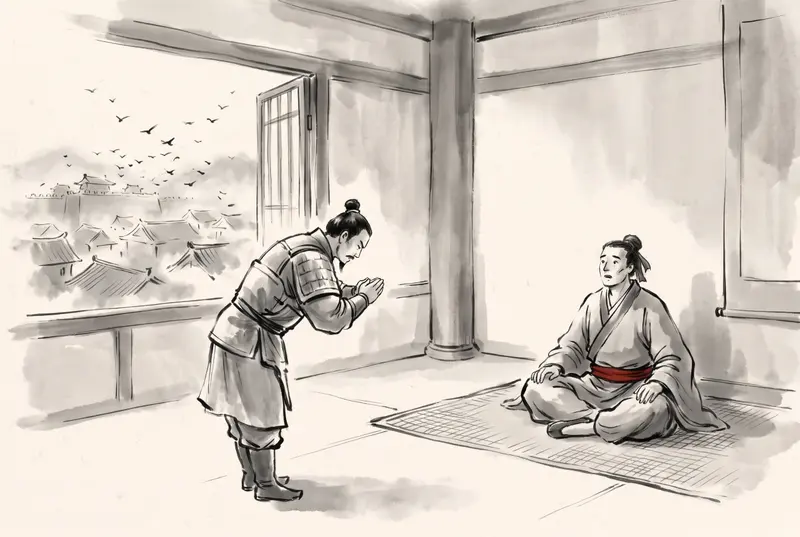
樂毅因歸趙,燕人士卒忿。而田單乃令城中人食必祭其先祖於庭,飛鳥悉翔舞城中下食。燕人怪之。田單因宣言曰:「神來下教我。」乃令城中人曰:「當有神人為我師。」有一卒曰:「臣可以為師乎?」因反走。田單乃起,引還,東鄉坐,師事之。卒曰:「臣欺君,誠無能也。」田單曰:「子勿言也!」因師之。每出約束,必稱神師。
Kundoku (Japanese reading)
楽毅因りて趙に帰す。燕人の士卒忿る。而して田単乃ち城中の人をして、食するに必ず其の先祖を庭に祭らしむ。飛鳥悉く城中に翔舞して下りて食らう。燕人之を怪しむ。田単因りて宣言して曰く、「神来たり下りて我に教う」と。乃ち城中の人に令して曰く、「当に神人の我が師と為るもの有るべし」と。一卒有りて曰く、「臣以て師と為るべきか」と。因りて反り走る。田単乃ち起ち、引きて還し、東郷して坐せしめ、之に師事す。卒曰く、「臣君を欺く。誠に能無きなり」と。田単曰く、「子言う勿かれ」と。因りて之を師とす。約束を出だす毎に、必ず神師を称す。
Japanese
楽毅はそのまま趙へ身を寄せ、燕の兵士たちは憤った。田単は城中の人々に、食事のたびに必ず庭で先祖を祭らせた。すると空の鳥がみな城の上を舞い、降りてきて供え物を食べた。燕の人々はこれを不思議がった。田単はそこで言いふらした。「神が降りてきて私に教えを授けるのだ」。そして城中に命じた。「神人が現れて、私の師となるはずだ」。すると一人の兵が言った。「私が師になってもいいですか」。そう言って背を向けて逃げようとした。田単は立ち上がって彼を連れ戻し、東向きの上座に座らせて、師として仕えた。兵は言った。「私はあなたをだましました。本当に何もできません」。田単は「何も言うな」と言って、彼を師とした。そして命令を出すたびに、必ず「神師のお告げ」と称した。
English
Yue Yi then went over to Zhao, and the Yan soldiers were furious. Tian Dan now ordered everyone in the city to offer food to their ancestors in the courtyard at every meal. The birds all came wheeling over the city and swooped down to eat. The men of Yan thought this very strange. Tian Dan announced: "A god has come down to teach me." He told the people: "A divine man will appear to be my teacher." One soldier said: "Could I be your teacher?" and turned and ran. Tian Dan got up, brought him back, sat him in the seat of honor facing east, and served him as his master. The soldier said: "I was fooling you, sir. I really have no powers." "Say nothing," said Tian Dan, and treated him as his teacher. Whenever he gave an order, he always said it came from the divine teacher.
Notes (JA)
- 東鄉: 東を向く。当時、室内では東向きの席が最上席。
- 約束: 軍令や決まりごと。
- 神師: 神意を伝える師。城内の人心をまとめるための演出。
Notes (EN)
- Facing east (東鄉): in a room, the east-facing seat was the place of honor.
- Divine teacher (神師): a piece of theater to keep the besieged people believing and united.
Word notes
- swoop/swup/verb
to fly down quickly
In the text: “swooped down to eat”
Similar words: dive — go down fast · plunge — drop suddenly
- divine/dɪˈvaɪn/adjective
of or from a god
In the text: “A divine man”
Similar words: holy — sacred · heavenly — from heaven
Passage 4
Original
乃宣言曰:「吾唯懼燕軍之劓所得齊卒,置之前行,與我戰,即墨敗矣。」燕人聞之,如其言。城中人見齊諸降者盡劓,皆怒,堅守,唯恐見得。單又縱反閒曰:「吾懼燕人掘吾城外冢墓,僇先人,可為寒心。」燕軍盡掘壟墓,燒死人。即墨人從城上望見,皆涕泣,俱欲出戰,怒自十倍。
Kundoku (Japanese reading)
乃ち宣言して曰く、「吾唯だ燕軍の得る所の斉卒を劓して、之を前行に置き、我と戦わしめんことを懼る。即墨敗れん」と。燕人之を聞き、其の言の如くす。城中の人、斉の諸降者の尽く劓せらるるを見て、皆怒り、堅く守りて、唯だ得らるるを恐る。単又反間を縦ちて曰く、「吾燕人の吾が城外の冢墓を掘り、先人を僇せんことを懼る。寒心すべし」と。燕軍尽く壟墓を掘り、死人を焼く。即墨の人城上より望み見て、皆涕泣し、倶に出でて戦わんと欲し、怒り自ら十倍す。
Japanese
さらに田単は言いふらした。「私が恐れるのは、燕軍が捕らえた斉の兵の鼻を切り、最前列に並べて我らと戦わせることだけだ。そうなれば即墨は負けるだろう」。燕の人々はこれを聞いて、そのとおりにした。城中の人々は、降伏した斉の兵がみな鼻を切られたのを見て激しく怒り、ますます堅く守り、捕まることだけを恐れた。田単はまた間者を放って言わせた。「私が恐れるのは、燕軍が城外の墓を掘り返し、先祖を辱めることだ。考えるだけでぞっとする」。燕軍は墓をことごとく掘り返し、遺体を焼いた。即墨の人々は城壁の上からそれを見て、みな涙を流し、一斉に出撃して戦いたいと願い、怒りは十倍にもなった。
English
Then he let it be known: "My one fear is that the Yan army will cut off the noses of the Qi soldiers it has captured, put them in the front line and make them fight us. Then Jimo would be lost." The men of Yan heard this and did just that. When the people in the city saw that all the Qi men who had surrendered had lost their noses, they were enraged. They held the walls harder than ever, terrified only of being captured. Tian Dan sent out more agents to say: "I fear that the Yan men will dig up the graves outside our walls and shame our ancestors. The very thought chills the heart." The Yan army dug up all the graves and burned the bodies. The people of Jimo watched from the walls and wept. All of them longed to go out and fight, and their rage grew tenfold.
Notes (JA)
- 劓: 鼻を切り落とす刑。
- 冢墓・壟墓: 土を盛った墓。
- 僇: 辱める。
- 田単は敵の残虐さをわざと引き出し、味方の怒りを戦う力に変えた。
Notes (EN)
- Grave mounds (冢墓, 壟墓): in Chinese belief, harming the ancestors' graves was among the worst of insults.
- Tian Dan deliberately drew out the enemy's cruelty in order to turn his own people's fear into fury.
Word notes
- enraged/ɪnˈreɪdʒd/adjective
extremely angry
In the text: “they were enraged”
Similar words: furious — very angry · livid — white with anger
- grave/ɡreɪv/noun
a place where a dead person is buried
In the text: “dig up the graves”
Similar words: tomb — a burial place · burial mound — a heap of earth over a grave
Passage 5
Original
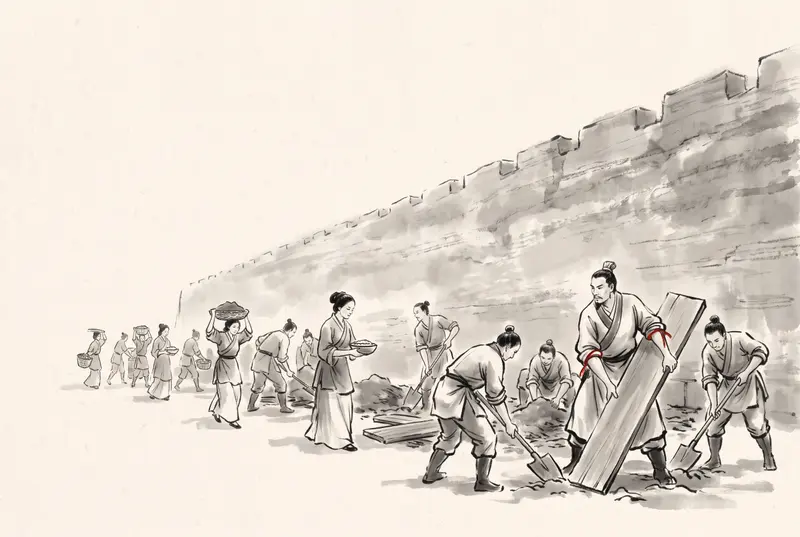
田單知士卒之可用,乃身操版插,與士卒分功,妻妾編於行伍之閒,盡散飲食饗士。令甲卒皆伏,使老弱女子乘城,遣使約降於燕,燕軍皆呼萬歲。田單又收民金,得千溢,令即墨富豪遺燕將,曰:「即墨即降,願無虜掠吾族家妻妾,令安堵。」燕將大喜,許之。燕軍由此益懈。
Kundoku (Japanese reading)
田単士卒の用うべきを知り、乃ち身づから版插を操り、士卒と功を分かち、妻妾を行伍の間に編み、尽く飲食を散じて士を饗す。甲卒をして皆伏せしめ、老弱女子をして城に乗らしめ、使いを遣わして降を燕に約す。燕軍皆万歳を呼ぶ。田単又民の金を収め、千溢を得て、即墨の富豪をして燕の将に遺らしめて曰く、「即墨即し降らば、願わくは吾が族家の妻妾を虜掠すること無く、安堵せしめよ」と。燕の将大いに喜び、之を許す。燕軍此に由りて益々懈る。
Japanese
田単は兵士たちが戦えるようになったと見ると、自ら板やすきを手にして兵とともに働き、妻や妾も隊列に加え、飲食物をすべて分け与えて兵をもてなした。そして武装した兵をすべて隠し、老人や弱い者、女たちを城壁の上に立たせて、使者を送って燕に降伏を約束した。燕軍はみな万歳を叫んだ。田単はさらに民から金を集めて千溢を得ると、即墨の富豪に命じて燕の将軍に贈らせ、こう言わせた。「即墨が降伏しましたら、どうか私どもの一族の妻や妾を連れ去らず、安らかにしておいてください」。燕の将軍は大喜びで承知した。燕軍はこれでますます気がゆるんだ。
English
Tian Dan saw that his men were now fit to fight. He took up boards and spade himself and worked beside the soldiers, placed his own wife and concubines in the ranks, and shared out all the food and drink to feast the men. Then he had the armed troops hide, put the old, the weak and the women up on the walls, and sent envoys to arrange a surrender to Yan. The whole Yan army shouted for joy. Tian Dan also collected gold from the people, a thousand yi of it, and had the rich men of Jimo send it to the Yan general with this message: "When Jimo surrenders, we beg you not to carry off our wives and families, but to leave them in peace." The Yan general was delighted and agreed. From then on the Yan army grew ever more careless.
Notes (JA)
- 版插: 土壁をつくる板と、土を掘るすき。
- 行伍: 軍の隊列。
- 溢: 金の重さの単位。「鎰」と同じ。
- 安堵: 住まいに安んじること。日本語の「安堵」のもと。
Notes (EN)
- Boards and spade (版插): the tools for building rammed-earth walls.
- Yi (溢): a unit of weight for gold, also written 鎰.
- Leave them in peace (安堵): literally "safe within their walls", the source of the Japanese word for relief, ando.
Word notes
- surrender/səˈrɛndər/noun
the act of giving up to an enemy
In the text: “to arrange a surrender”
Similar words: capitulation — giving up in war · submission — accepting another's power
- careless/ˈkɛrləs/adjective
not paying enough attention
In the text: “ever more careless”
Similar words: slack — not strict · negligent — failing to take care
Passage 6
Original
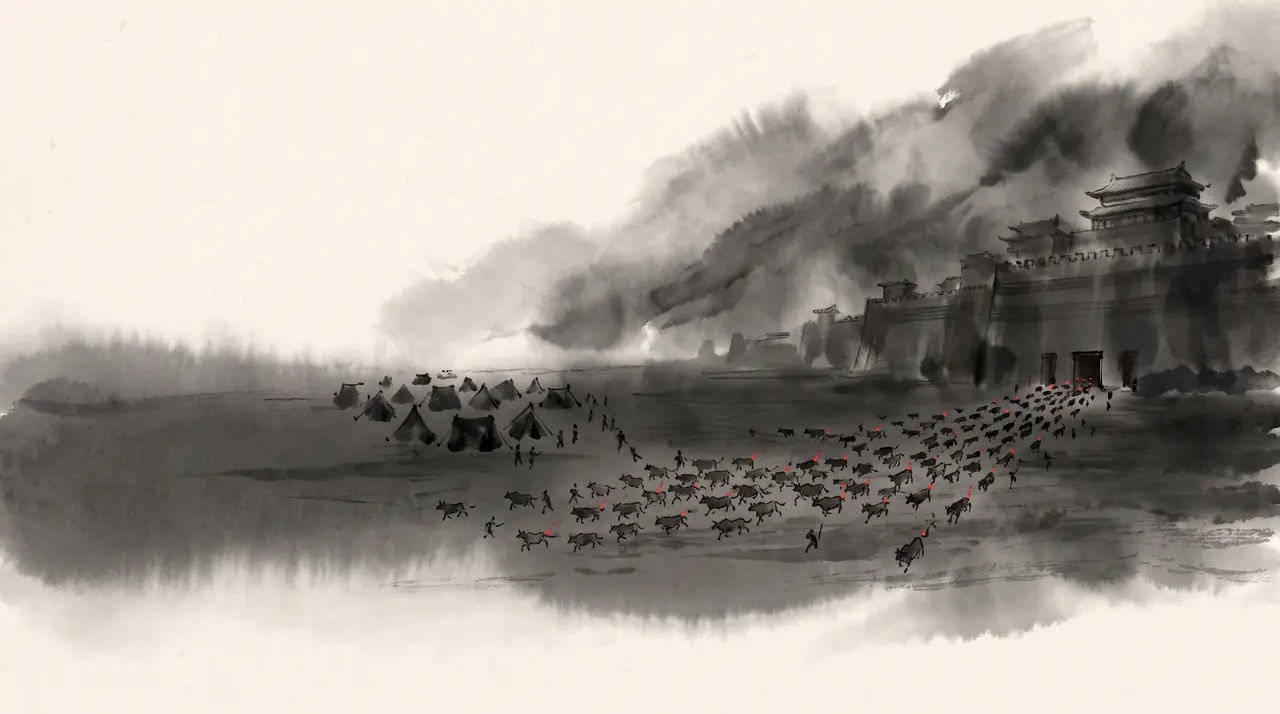
田單乃收城中得千餘牛,為絳繒衣,畫以五彩龍文,束兵刃於其角,而灌脂束葦於尾,燒其端。鑿城數十穴,夜縱牛,壯士五千人隨其後。牛尾熱,怒而奔燕軍,燕軍夜大驚。牛尾炬火光明炫燿,燕軍視之皆龍文,所觸盡死傷。五千人因銜枚擊之,而城中鼓譟從之,老弱皆擊銅器為聲,聲動天地。燕軍大駭,敗走。齊人遂夷殺其將騎劫。燕軍擾亂奔走,齊人追亡逐北,所過城邑皆畔燕而歸田單,兵日益多,乘勝,燕日敗亡,卒至河上,而齊七十餘城皆復為齊。乃迎襄王於莒,入臨菑而聽政。襄王封田單,號曰安平君。
Kundoku (Japanese reading)
田単乃ち城中を収めて千余牛を得、絳繒の衣を為り、画くに五彩の龍文を以てし、兵刃を其の角に束ね、而して脂を灌ぎ葦を尾に束ね、其の端を焼く。城に数十の穴を鑿ち、夜牛を縦ち、壮士五千人其の後に随う。牛尾熱く、怒りて燕軍に奔る。燕軍夜大いに驚く。牛尾の炬火光明炫燿し、燕軍之を視るに皆龍文なり。触るる所尽く死傷す。五千人因りて枚を銜みて之を撃ち、而して城中鼓譟して之に従い、老弱皆銅器を撃ちて声を為し、声天地を動かす。燕軍大いに駭き、敗走す。斉人遂に其の将騎劫を夷殺す。燕軍擾乱して奔走し、斉人亡を追い北を逐う。過ぐる所の城邑皆燕に畔きて田単に帰し、兵日に益々多く、勝ちに乗ず。燕日に敗亡し、卒に河上に至る。而して斉の七十余城皆復た斉と為る。乃ち襄王を莒に迎え、臨菑に入りて政を聴く。襄王田単を封じ、号して安平君と曰う。
Japanese
田単は城中の牛を集めて千頭あまりを得ると、赤い絹の衣を着せ、五色の竜の模様を描き、角に刃物を結びつけ、尾には油を注いだ葦を束ねて、その先に火をつけた。城壁に数十の穴をあけ、夜に牛を放つと、勇士五千人がその後に続いた。尾が熱くなった牛は、怒り狂って燕軍へ突進した。燕軍は夜中に大混乱に陥った。牛の尾のたいまつはまばゆく輝き、見れば牛はみな竜の模様である。ぶつかられた者はことごとく死傷した。五千人は声を立てぬよう枚を口にふくんで襲いかかり、城中からは太鼓を打ち鳴らして叫びながら続き、老人や弱い者も銅の器をたたいて音を立て、その音は天地を揺るがした。燕軍は恐れおののいて敗走した。斉の人々はついに将軍の騎劫を討ち取った。燕軍は総崩れとなって逃げ、斉軍は追撃した。通り過ぎる町々はみな燕に背いて田単についたので、兵は日ごとに増え、勝ちに乗じて進んだ。燕は日ごとに敗れて、ついに黄河のほとりまで退き、斉の七十余城はすべて斉に戻った。そこで襄王を莒から迎え、臨菑に入って政治を執らせた。襄王は田単を封じ、安平君と号した。
English
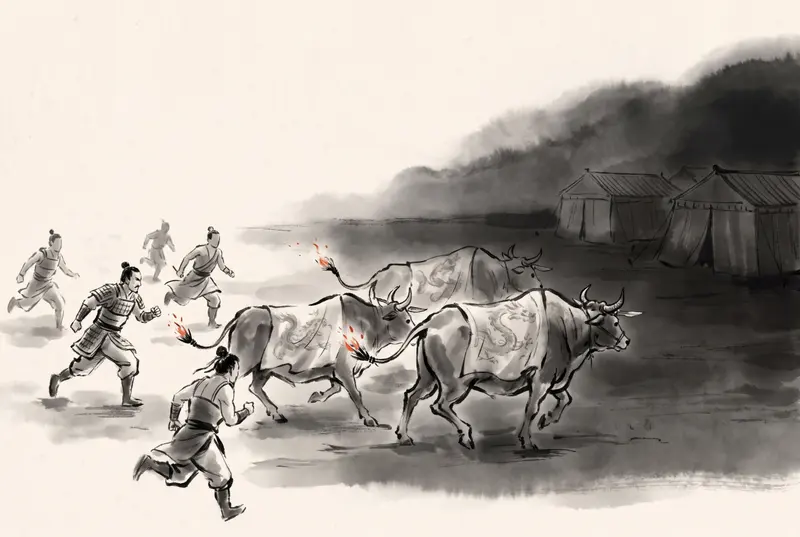
Tian Dan then gathered more than a thousand oxen from the city. He dressed them in cloaks of crimson silk painted with dragons in five colors, tied blades to their horns, and bound reeds soaked in fat to their tails. Then he set the ends on fire. Dozens of holes had been cut through the wall. At night he let the oxen loose, with five thousand strong men following behind. Their tails burning, the maddened oxen charged at the Yan army. The Yan camp woke in terror. The torches on the tails blazed and dazzled, and every beast the Yan men saw was covered with dragons. Whatever they struck was killed or wounded. The five thousand attacked in silence, with gags between their teeth, and from the city came the roar of drums and shouting, while the old and the weak beat on bronze vessels until the noise shook heaven and earth. The Yan army panicked and fled. The men of Qi killed its general, Qi Jie. As the Yan troops ran in confusion, Qi pursued them, and every town they passed rose against Yan and came over to Tian Dan. His army grew by the day and rode its victory, while Yan fell back until it reached the Yellow River. All of the seventy-odd cities of Qi were Qi's once more. Then King Xiang was welcomed from Ju and entered Linzi to rule. He enfeoffed Tian Dan with the title Lord of Anping.
Notes (JA)
- 絳繒: 赤い絹。
- 銜枚: 声を立てないよう、箸のような木片を口にくわえる。
- 鼓譟: 太鼓を打ち、叫ぶ。
- 火牛の計: この策を後世こう呼ぶ。
- 七十餘城: 斉の領土のほぼすべて。
- 襄王: 湣王の子、法章(p8)。
Notes (EN)
- Gags (銜枚): a stick held between the teeth to keep soldiers silent on a night attack.
- The fire-ox stratagem (火牛計): the name later generations gave this plan.
- King Xiang: Fazhang, the son of King Min (see p8).
Idioms from this passage: The fire-ox stratagem 火牛の計
Word notes
- crimson/ˈkrɪmzən/adjective
deep red
In the text: “cloaks of crimson silk”
Similar words: scarlet — bright red · ruby — deep red like the gem
- dazzle/ˈdæzəl/verb
to blind for a moment with bright light
In the text: “blazed and dazzled”
Similar words: blind — stop from seeing · glare — shine too brightly
- panic/ˈpænɪk/verb
to be suddenly overcome by fear
In the text: “The Yan army panicked”
Similar words: stampede — rush in fear · lose one's head — stop thinking clearly
Passage 7
Original
太史公曰:兵以正合,以奇勝。善之者,出奇無窮。奇正還相生,如環之無端。夫始如處女,適人開戶;後如脫兔,適不及距:其由單之謂邪!
Kundoku (Japanese reading)
太史公曰く、兵は正を以て合い、奇を以て勝つ。之を善くする者は、奇を出だすこと窮まり無し。奇正還りて相生ずること、環の端無きが如し。夫れ始めは処女の如く、適人戸を開く。後は脱兎の如く、適距ぐに及ばず。其れ単の謂いか。
Japanese
太史公は言う。戦いは正攻法で敵と向き合い、奇策で勝つものである。戦いの上手な者は、奇策を限りなく繰り出す。奇策と正攻法は互いに生み合い、環に端がないようなものだ。「はじめは乙女のようにおとなしくして敵に戸を開かせ、のちには逃げる兎のようにすばやく動いて、敵に防ぐ間を与えない」というのは、まさに田単のことであろう。
English
The Grand Historian says: In war you meet the enemy with the regular force and win with the surprise. A master of war brings out surprises without end. The regular and the surprise give birth to each other, like a ring that has no end. "At first be like a maiden, so that the enemy opens his door; then be like a hare breaking free, so that he has no time to stop you." Surely this describes Tian Dan.
Notes (JA)
- 以正合、以奇勝: 『孫子』勢篇の言葉。
- 始如處女、後如脫兔: 『孫子』九地篇の言葉。「脱兎の如し」の出典。
- 適: 「敵」と同じ。
Notes (EN)
- The opening line comes from the Art of War, chapter 5.
- The maiden and the hare come from the Art of War, chapter 11.
Idioms from this passage: First like a maiden, then like a hare breaking free 始めは処女の如く後は脱兎の如し
Word notes
- maiden/ˈmeɪdən/noun
an old word for a young unmarried woman
In the text: “be like a maiden”
Similar words: girl — a young female · lass — a young woman
Passage 8
Original
初,淖齒之殺湣王也,莒人求湣王子法章,得之太史嬓之家,為人灌園。嬓女憐而善遇之。後法章私以情告女,女遂與通。及莒人共立法章為齊王,以莒距燕,而太史氏女遂為后,所謂「君王后」也。
Kundoku (Japanese reading)
初め、淖歯の湣王を殺すや、莒人湣王の子法章を求め、之を太史嬓の家に得たり。人の為に園に灌ぐ。嬓の女憐れみて善く之を遇す。後に法章私かに情を以て女に告ぐ。女遂に与に通ず。莒人共に法章を立てて斉王と為し、莒を以て燕を距ぐに及び、太史氏の女遂に后と為る。所謂「君王后」なり。
Japanese
これより前、淖歯が湣王を殺したとき、莒の人々は湣王の子の法章を探し、太史嬓の家で見つけた。法章は身分を隠し、雇われて庭の水まきをしていた。嬓の娘は彼を気の毒に思い、親切にしていた。のちに法章はひそかに素性を娘に打ち明け、二人は結ばれた。莒の人々が共に法章を斉王に立て、莒にこもって燕を防ぐことになると、太史の娘は王后となった。これが「君王后」である。
English
Earlier, when Nao Chi had killed King Min, the people of Ju searched for the king's son Fazhang and found him in the house of the court scribe Jiao, where he was working as a hired gardener, watering the plants. Jiao's daughter had pitied him and treated him kindly. Later Fazhang secretly told her who he was, and the two became lovers. When the people of Ju made Fazhang king of Qi and held Ju against Yan, the scribe's daughter became queen. She is the one known as Queen Junwang.
Notes (JA)
- 太史: 記録や天文をつかさどる官。
- 灌園: 畑や庭に水をやること。
- 君王后: のちに子の王建を助けて斉を治めた賢明な太后として知られる。
Notes (EN)
- Court scribe (太史): an official in charge of records and astronomy.
- Queen Junwang (君王后): later known as a wise queen dowager who helped her son Jian rule Qi.
Word notes
- pity/ˈpɪti/verb
to feel sorry for someone
In the text: “had pitied him”
Similar words: sympathize — share someone's trouble · feel for — feel sorry for
Passage 9
Original
燕之初入齊,聞畫邑人王蠋賢,令軍中曰「環畫邑三十里無入」,以王蠋之故。已而使人謂蠋曰:「齊人多高子之義,吾以子為將,封子萬家。」蠋固謝。燕人曰:「子不聽,吾引三軍而屠畫邑。」王蠋曰:「忠臣不事二君,貞女不更二夫。齊王不聽吾諫,故退而耕於野。國既破亡,吾不能存;今又劫之以兵為君將,是助桀為暴也。與其生而無義,固不如烹!」遂經其頸於樹枝,自奮絕脰而死。齊亡大夫聞之,曰:「王蠋,布衣也,義不北面於燕,況在位食祿者乎!」乃相聚如莒,求諸子,立為襄王。
Kundoku (Japanese reading)
燕の初めて斉に入るや、画邑の人王蠋の賢なるを聞き、軍中に令して曰く、「画邑を環ること三十里に入る無かれ」と。王蠋の故を以てなり。已にして人をして蠋に謂わしめて曰く、「斉人多く子の義を高しとす。吾子を以て将と為し、子を万家に封ぜん」と。蠋固く謝す。燕人曰く、「子聴かずんば、吾三軍を引きて画邑を屠らん」と。王蠋曰く、「忠臣は二君に事えず、貞女は二夫を更えず。斉王吾が諫を聴かず、故に退きて野に耕す。国既に破亡し、吾存すること能わず。今又之を劫かすに兵を以てして君の将と為さんとす。是れ桀を助けて暴を為すなり。其の生きて義無からんよりは、固より烹らるるに如かず」と。遂に其の頸を樹枝に経り、自ら奮いて脰を絶ちて死す。斉の亡大夫之を聞きて曰く、「王蠋は布衣なるも、義として北面して燕に事えず。況んや位に在りて禄を食む者をや」と。乃ち相聚まりて莒に如き、諸子を求めて、立てて襄王と為す。
Japanese
燕が初めて斉に攻め入ったとき、画邑の王蠋が賢者だと聞いて、「画邑の周囲三十里には入るな」と軍に命じた。王蠋をはばかってのことである。やがて使者をやって王蠋に言わせた。「斉の人々の多くが、あなたの義を尊んでいます。あなたを将軍とし、一万戸に封じましょう」。王蠋はかたく断った。燕の使者は言った。「聞かないなら、全軍を率いて画邑の人々を皆殺しにする」。王蠋は言った。「忠臣は二人の君主に仕えず、貞女は二人の夫を持たない。斉王が私の諫めを聞かなかったので、私は退いて田畑を耕していた。国が滅びるのを救えなかったうえ、今また武力で脅されて敵の将軍になるのは、暴君の桀を助けて悪をなすことだ。義を失って生きるより、釜ゆでにされるほうがましだ」。そして木の枝に首をかけ、身を投げて首の骨を折って死んだ。斉から逃げていた大夫たちはこれを聞いて言った。「王蠋は無位無官の身でありながら、義を守って燕に仕えなかった。まして位にあって俸禄を受けてきた我々はどうすべきか」。そこで集まって莒へ行き、王の子を探して、襄王として立てた。
English
When Yan first entered Qi, it heard that Wang Zhu of Hua was a worthy man, and ordered the army: "No one is to enter within thirty li of Hua." This was out of respect for him. Then it sent someone to tell him: "Many in Qi admire your sense of honor. We will make you a general and give you ten thousand households." Wang Zhu firmly refused. The men of Yan said: "If you will not listen, we will bring our whole army and slaughter the people of Hua." Wang Zhu said: "A loyal minister does not serve two lords, and a faithful woman does not take a second husband. The king of Qi would not heed my advice, so I withdrew to farm in the fields. My country has fallen and I could not save it. Now you threaten me with arms to make me your general; that would be helping a tyrant do evil. Better to be boiled alive than to live without honor." Then he put his neck in the fork of a tree branch, threw himself forward, broke his neck and died. The fugitive ministers of Qi heard this and said: "Wang Zhu was a commoner, yet honor would not let him bow to Yan. How much more must we, who held office and ate the king's grain!" So they gathered at Ju, sought out the king's son, and made him King Xiang.
Notes (JA)
- 畫邑: 斉の町。臨菑の近く。
- 布衣: 官位のない庶民。
- 北面: 臣下として君主に向かう。君主の南面に対する語。
- 桀: 夏の最後の王。暴君の代表とされる。
- 「忠臣は二君に事えず」: この話が出典として広く知られる。
Notes (EN)
- Hua (畫邑): a town near Linzi.
- To bow (北面): literally "face north", the position of a subject before a ruler.
- Tyrant (桀): Jie, the last king of Xia and the classic example of a bad ruler.
- "A loyal minister does not serve two lords": this passage is the well-known source of the phrase.
Idioms from this passage: A loyal minister does not serve two lords 忠臣は二君に事えず
Word notes
- threaten/ˈθrɛtən/verb
to say you will harm someone
In the text: “you threaten me with arms”
Similar words: menace — put in danger · intimidate — frighten into doing something
- fugitive/ˈfjudʒətɪv/adjective
running away or in hiding
In the text: “The fugitive ministers of Qi”
Similar words: exiled — forced to live away from home · runaway — having escaped