Hereditary Houses · Vol. 44
The Hereditary House of Wei 魏世家
Five Ways to Judge a Man 居視其所親
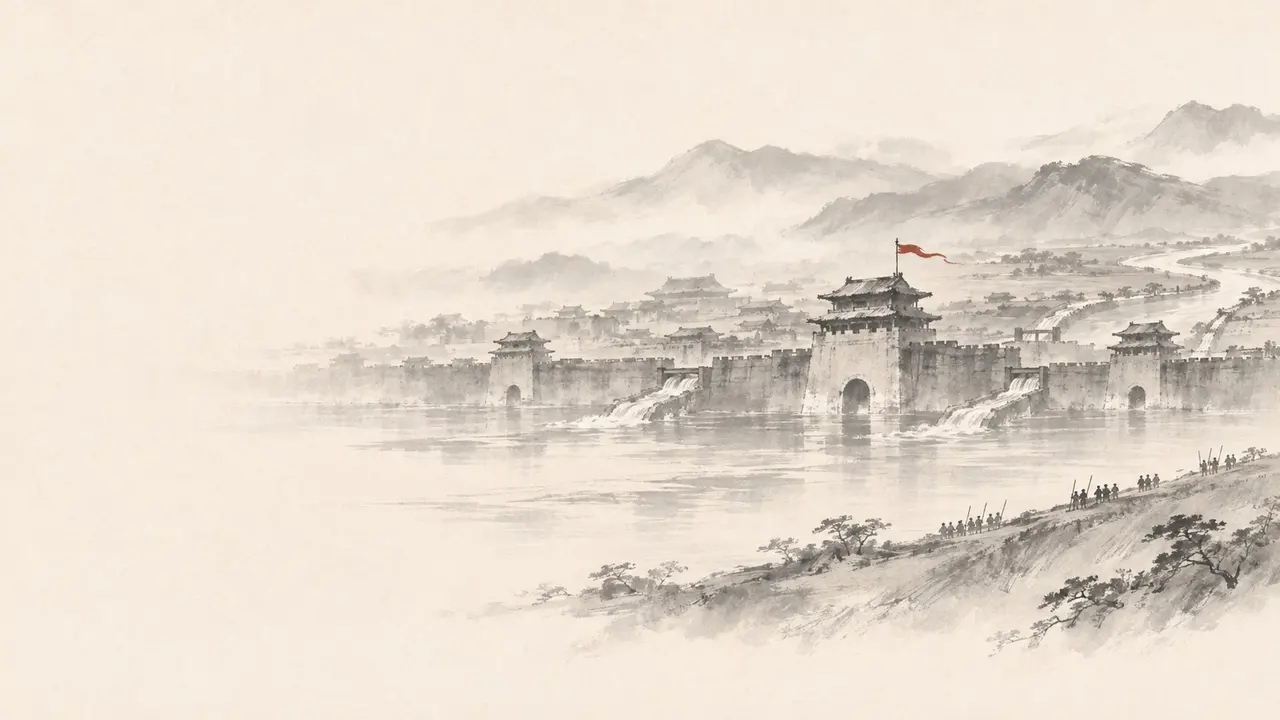
The history of Wei, one of the great Warring States carved out of Jin. Its first marquis, Wen, studied with Confucius's disciple Zixia, bowed from his carriage whenever he passed the village of the recluse Duangan Mu, and sent Ximen Bao to govern Ye well; even Qin said Wei could not be attacked while its ruler honoured worthy men. When he had to choose a chancellor, Li Ke told him to look at five things: whom a man keeps close, whom he gives to when rich, whom he recommends when risen, what he will not do in straits and what he will not take when poor, and then set the indignant Zhai Huang straight. But his grandson King Hui was crushed by Qi at Maling, his crown prince captured and his general Pang Juan killed; when he asked Mencius how he would profit the state, Mencius answered: "Benevolence and righteousness, and that is all." Later the ninety-year-old Tang Ju talked the King of Qin into sending help, but Wei was steadily cut down by Qin, and in the end its capital Daliang was flooded and the state destroyed. Sima Qian visited the ruins and wrote that Heaven was making Qin unite the realm.
This page has the scene "Five Ways to Judge a Man" from this volume, not the whole volume.
Audio
The audio is synthetic speech.
Video
Passage 1
Original
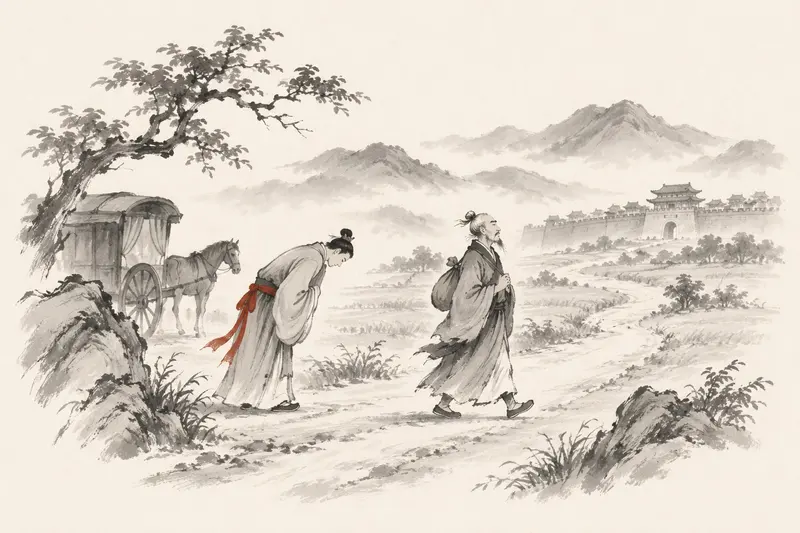
十七年,伐中山,使子撃守之,趙倉唐傅之。子撃逢文侯之師田子方於朝歌,引車避,下謁。田子方不爲禮。子撃因問曰:『富貴者驕人乎?且貧賤者驕人乎?』子方曰:『亦貧賤者驕人耳。夫諸侯而驕人則失其國,大夫而驕人則失其家。貧賤者,行不合,言不用,則去之楚、越,若脱屣然,柰何其同之哉!』子撃不懌而去。西攻秦,至鄭而還,筑雒陰、合陽。
Kundoku (Japanese reading)
十七年、中山を伐ち、子撃をして之を守らしめ、趙倉唐之に傅たり。子撃文侯の師田子方に朝歌に逢い、車を引きて避け、下りて謁す。田子方礼を為さず。子撃因りて問いて曰く、「富貴なる者人に驕るか。且つ貧賤なる者人に驕るか」と。子方曰く、「亦た貧賤なる者人に驕るのみ。夫れ諸侯にして人に驕れば則ち其の国を失い、大夫にして人に驕れば則ち其の家を失う。貧賤なる者は、行い合わず、言用いられざれば、則ち去りて楚・越に之くこと、屣を脱ぐが若く然り。柰何ぞ其れ之を同じくせんや」と。子撃懌ばずして去る。西のかた秦を攻め、鄭に至りて還り、雒陰・合陽に城く。
Japanese
文侯の十七年、魏は中山を攻め、子の撃にそこを守らせ、趙倉唐を守り役につけた。撃は、文侯の師である田子方に朝歌で出会うと、車をわきに寄せ、降りてあいさつした。田子方は礼を返さなかった。そこで撃はたずねた。「富貴な者が人におごるものでしょうか。それとも貧しく身分の低い者が人におごるものでしょうか」。田子方は言った。「貧しく身分の低い者こそ、人におごるのです。諸侯が人におごれば国を失い、大夫が人におごれば家を失います。貧しく身分の低い者は、行いが合わず、言葉が用いられなければ、去って楚や越へ行くだけのこと。はき物を脱ぎ捨てるようなものです。どうして同じに考えられましょうか」。撃は不機嫌になって立ち去った。この年、魏は西へ秦を攻めて鄭まで行って引き返し、雒陰と合陽に城を築いた。
English
In his seventeenth year Marquis Wen attacked Zhongshan and had his son Ji hold it, with Zhao Cangtang as his tutor. Ji met Tian Zifang, Marquis Wen's teacher, at Zhaoge; he drew his carriage aside, got down and paid his respects. Tian Zifang did not return the courtesy. So Ji asked: "Is it the rich and noble who may be proud before others, or the poor and lowly?" Zifang said: "It is the poor and lowly who may be proud. If a lord is proud before others he loses his state; if a great officer is proud he loses his house. But a poor and lowly man, if his conduct does not suit and his words are not used, simply leaves and goes off to Chu or Yue, as easily as kicking off his sandals. How can the two be the same?" Ji went away displeased. That year Wei attacked Qin in the west, went as far as Zheng and turned back, and built walls at Luoyin and Heyang.
Notes (JA)
- 子撃: 文侯の太子。のちの武侯。
- 田子方: 文侯が師とした賢者の一人(第4節)。
- 中山: 今の河北省にあった国。将軍の楽羊が攻め取った(第4節)。
- 屣を脱ぐが若し: はき物を脱ぎ捨てるように、未練なく去ること。
Notes (EN)
- Ji (子撃): Marquis Wen's heir, later Marquis Wu.
- Tian Zifang: one of the worthies Marquis Wen treated as his teachers (passage 4).
- Zhongshan: a state in present-day Hebei, taken by the general Yue Yang (passage 4).
- Kicking off his sandals (脫屣): leaving without a backward glance.
Word notes
- courtesy/ˈkɜːrtəsi/noun
polite and respectful behaviour
In the text: “Tian Zifang did not return the courtesy”
Similar words: politeness — good manners · respect — showing you value someone
- displeased/dɪsˈpliːzd/adjective
annoyed or not satisfied
In the text: “Ji went away displeased”
Similar words: annoyed — a little angry · unhappy — not pleased; general word
Passage 2
Original
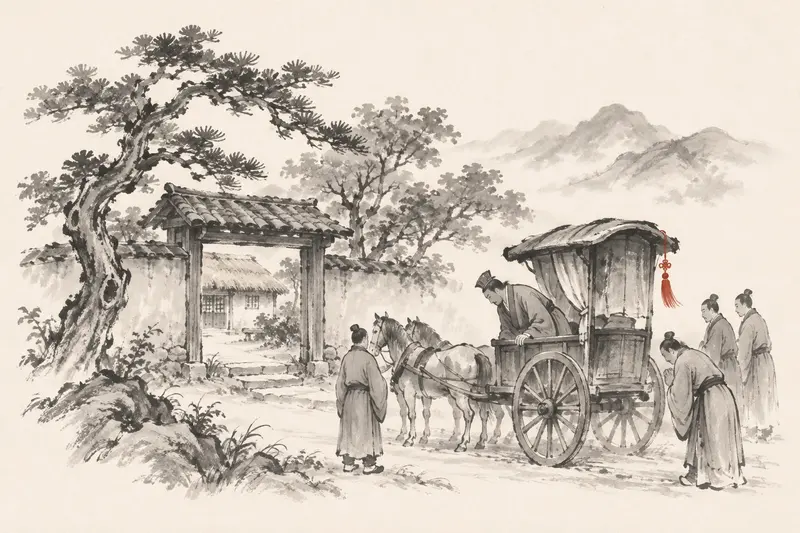
文侯受子夏經藝,客段干木,過其閭,未嘗不軾也。秦嘗欲伐魏,或曰:『魏君賢人是禮,國人稱仁,上下和合,未可圖也。』文侯由此得譽於諸侯。任西門豹守鄴,而河内稱治。
Kundoku (Japanese reading)
文侯子夏に経芸を受け、段干木を客とし、其の閭を過ぐるに、未だ嘗て軾せずんばあらざるなり。秦嘗て魏を伐たんと欲す。或ひと曰く、「魏君は賢人を是れ礼し、国人仁を称し、上下和合す。未だ図るべからざるなり」と。文侯此に由りて誉れを諸侯に得たり。西門豹を任じて鄴を守らしめ、而して河内治まると称せらる。
Japanese
文侯は子夏から経典と学芸を学び、段干木を客として敬い、段干木の住む村の門を通るときは、いつも車の横木に手をかけて頭を下げた。秦が魏を攻めようとしたことがあったが、ある人が言った。「魏の君主は賢人を敬い、国の人々はその仁をたたえ、上下が仲よくまとまっています。まだ手を出せません」。文侯はこれによって諸侯の間で名声を得た。西門豹を鄴の守りに任じると、河内はよく治まったと言われた。
English
Marquis Wen studied the classics and the arts with Zixia, treated Duangan Mu as an honoured guest, and whenever he passed the gate of Duangan Mu's village he never failed to bow from his carriage rail. Once Qin wanted to attack Wei, but someone said: "The ruler of Wei honours worthy men, his people praise his kindness, and high and low live in harmony. He cannot be attacked yet." Through this Marquis Wen won a good name among the lords. He appointed Ximen Bao to hold Ye, and the land within the river was said to be well governed.
Notes (JA)
- 子夏: 孔子の弟子。学問にすぐれ、孔子の死後は魏の西河で教えた(067-disciples の章)。
- 段干木: 魏の隠者。仕えることを断り続けた。
- 軾: 車の前の横木。これに手をかけて頭を下げるのが、敬意を表す礼。
- 西門豹: 鄴の長官。河の神に娘を嫁がせる迷信をやめさせた話で知られる(126-huaji の章)。
Notes (EN)
- Zixia: a disciple of Confucius famed for learning, who taught in Wei after the Master's death (chapter 067).
- Duangan Mu: a recluse of Wei who refused all office.
- Carriage rail (軾): bowing with a hand on the front rail of one's carriage was a sign of respect.
- Ximen Bao: the magistrate of Ye who ended the custom of "marrying" girls to the River God (chapter 126).
Word notes
- harmony/ˈhɑːrməni/noun
a state of living together peacefully
In the text: “high and low live in harmony”
Similar words: peace — no fighting · agreement — sharing the same view
- govern/ˈɡʌvərn/verb
to rule and manage a place or people
In the text: “was said to be well governed”
Similar words: rule — have power over · manage — run and organise
Passage 3
Original
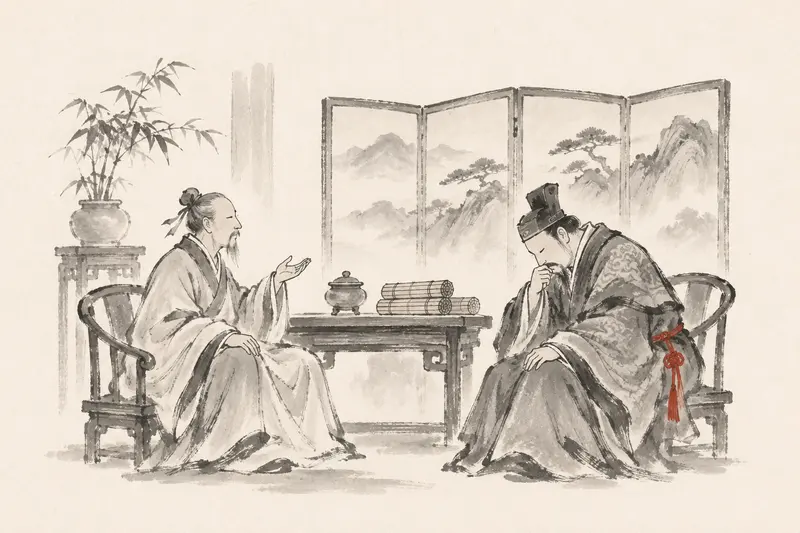
魏文侯謂李克曰:『先生嘗教寡人曰「家貧則思良妻,國亂則思良相」。今所置非成則璜,二子何如?』李克對曰:『臣聞之,卑不謀尊,疎不謀戚。臣在闕門之外,不敢當命。』文侯曰:『先生臨事勿讓。』李克曰:『君不察故也。居視其所親,富視其所與,達視其所舉,窮視其所不爲,貧視其所不取,五者足以定之矣,何待克哉!』文侯曰:『先生就舍,寡人之相定矣。』
Kundoku (Japanese reading)
魏の文侯李克に謂いて曰く、「先生嘗て寡人に教えて曰く『家貧しければ則ち良妻を思い、国乱るれば則ち良相を思う』と。今置く所は成に非ずんば則ち璜なり。二子何如」と。李克対えて曰く、「臣之を聞く、卑は尊を謀らず、疎は戚を謀らずと。臣は闕門の外に在り、敢えて命に当たらず」と。文侯曰く、「先生事に臨みて譲ること勿かれ」と。李克曰く、「君察せざるが故なり。居りては其の親しむ所を視、富みては其の与うる所を視、達しては其の挙ぐる所を視、窮しては其の為さざる所を視、貧しくしては其の取らざる所を視る。五者以て之を定むるに足る。何ぞ克を待たんや」と。文侯曰く、「先生舎に就け。寡人の相定まれり」と。
Japanese
魏の文侯が李克に言った。「先生はかつてわたしに、『家が貧しければよい妻を思い、国が乱れればよい宰相を思う』と教えてくれた。いま宰相に置くのは、魏成か翟璜のどちらかだ。二人はどうか」。李克は答えた。「わたしは、身分の低い者は身分の高い者のことを議さず、疎遠な者は近しい者のことを議さない、と聞いています。わたしは宮門の外にいる者ですから、そのご下問にはお答えできません」。文侯は言った。「先生、この場にのぞんで遠慮しないでほしい」。李克は言った。「殿がよく見ておられないからです。ふだんは誰と親しくしているかを見、富めば誰に与えるかを見、出世すれば誰を推薦するかを見、行きづまれば何をしないかを見、貧しければ何を受け取らないかを見る。この五つで決めるのに十分です。わたしの意見を待つまでもありません」。文侯は言った。「先生、宿舎にお戻りなさい。わたしの宰相は決まった」。
English
Marquis Wen of Wei said to Li Ke: "You once taught me: 'When a family is poor it longs for a good wife; when a state is in disorder it longs for a good minister.' Now the man I appoint will be either Cheng or Huang. What do you think of the two?" Li Ke replied: "I have heard that the lowly do not plan for the high, and the distant do not plan for the near. I am a man from outside the palace gate; I dare not take on such a question." Marquis Wen said: "Do not hold back when the matter is before you." Li Ke said: "It is only that you have not looked closely. In ordinary times, see whom he keeps close; when rich, see whom he gives to; when risen, see whom he recommends; when in straits, see what he will not do; when poor, see what he will not take. These five are enough to settle it. Why wait for me?" Marquis Wen said: "Go back to your lodging, sir. My chancellor is decided."
Notes (JA)
- 李克: 文侯に仕えた政治家。法律書『法経』を作った李悝と同じ人物とする説がある。
- 成・璜: 文侯の弟の魏成子と、重臣の翟璜。
- 居りては其の親しむ所を視…: 人を見る五つの方法として、後の世によく引かれる。
- 闕門: 宮殿の門。
Notes (EN)
- Li Ke: a statesman under Marquis Wen, often identified with Li Kui, author of the law code Fajing.
- Cheng and Huang: Wei Chengzi, the marquis's younger brother, and the minister Zhai Huang.
- "See whom he keeps close…": often quoted in later ages as five ways to judge a man.
- Palace gate (闕門): the gate of the palace; Li Ke means he is an outsider.
Word notes
- disorder/dɪsˈɔːrdər/noun
a state of confusion and lawlessness
In the text: “when a state is in disorder”
Similar words: chaos — complete disorder · turmoil — great trouble and confusion
- recommend/ˌrɛkəˈmɛnd/verb
to say that someone is good for a job
In the text: “see whom he recommends”
Similar words: suggest — put forward an idea · endorse — give public support
Passage 4
Original
李克趨而出,過翟璜之家。翟璜曰:『今者聞君召先生而卜相,果誰爲之?』李克曰:『魏成子爲相矣。』翟璜忿然作色曰:『以耳目之所睹記,臣何負於魏成子?西河之守,臣之所進也。君内以鄴爲憂,臣進西門豹。君謀欲伐中山,臣進樂羊。中山以拔,無使守之,臣進先生。君之子無傅,臣進屈侯鮒。臣何以負於魏成子!』李克曰:『且子之言克於子之君者,豈將比周以求大官哉?君問而置相「非成則璜,二子何如」?克對曰:「君不察故也。居視其所親,富視其所與,達視其所舉,窮視其所不爲,貧視其所不取,五者足以定之矣,何待克哉!」是以知魏成子之爲相也。且子安得與魏成子比乎?魏成子以食祿千鐘,什九在外,什一在内,是以東得卜子夏、田子方、段干木。此三人者,君皆師之。子之所進五人者,君皆臣之。子惡得與魏成子比也?』翟璜逡巡再拜曰:『璜,鄙人也,失對,願卒爲弟子。』
Kundoku (Japanese reading)
李克趨りて出で、翟璜の家に過る。翟璜曰く、「今者聞く、君先生を召して相を卜すと。果たして誰か之と為る」と。李克曰く、「魏成子相と為れり」と。翟璜忿然として色を作して曰く、「耳目の睹記する所を以てするに、臣何ぞ魏成子に負かんや。西河の守は、臣の進むる所なり。君内に鄴を以て憂いと為し、臣西門豹を進む。君謀りて中山を伐たんと欲し、臣楽羊を進む。中山以て抜け、之を守らしむる無く、臣先生を進む。君の子に傅無く、臣屈侯鮒を進む。臣何を以て魏成子に負かんや」と。李克曰く、「且つ子の克を子の君に言うは、豈に将に比周して以て大官を求めんとするか。君問いて相を置かんとして『成に非ずんば則ち璜、二子何如』と。克対えて曰く、『君察せざるが故なり。居りては其の親しむ所を視、富みては其の与うる所を視、達しては其の挙ぐる所を視、窮しては其の為さざる所を視、貧しくしては其の取らざる所を視る。五者以て之を定むるに足る。何ぞ克を待たんや』と。是を以て魏成子の相と為るを知るなり。且つ子安くんぞ魏成子と比するを得んや。魏成子は食禄千鍾を以て、什の九は外に在り、什の一は内に在り。是を以て東のかた卜子夏・田子方・段干木を得たり。此の三人は、君皆之を師とす。子の進むる所の五人は、君皆之を臣とす。子悪くんぞ魏成子と比するを得んや」と。翟璜逡巡し再拝して曰く、「璜は鄙人なり。対うるを失せり。願わくは卒に弟子と為らん」と。
Japanese
李克は小走りに退出し、翟璜の家に立ち寄った。翟璜は言った。「さきほど、殿が先生を呼んで宰相を選ばれたと聞きました。結局だれになったのですか」。李克は言った。「魏成子が宰相になりました」。翟璜はむっとして顔色を変えて言った。「わたしが見聞きしてきたことからすれば、わたしのどこが魏成子に劣るというのですか。西河の守りは、わたしが推薦した者です。殿が国内で鄴のことを心配なさったとき、わたしは西門豹を推薦しました。殿が中山を攻めようとなさったとき、わたしは楽羊を推薦しました。中山を攻め取ったのに守らせる者がいなかったとき、わたしは先生を推薦しました。殿のお子に守り役がいなかったとき、わたしは屈侯鮒を推薦しました。わたしのどこが魏成子に劣るのですか」。李克は言った。「そもそもあなたがわたしを殿に推薦したのは、仲間を組んで高い官位を求めるためだったのですか。殿は宰相を置こうとして、『魏成か翟璜か、二人はどうか』とおたずねになりました。わたしは答えました。『殿がよく見ておられないからです。ふだんは誰と親しくしているかを見、富めば誰に与えるかを見、出世すれば誰を推薦するかを見、行きづまれば何をしないかを見、貧しければ何を受け取らないかを見る。この五つで決めるのに十分です。わたしを待つまでもありません』と。それで魏成子が宰相になると分かったのです。それに、あなたがどうして魏成子と比べられましょう。魏成子は千鍾の俸禄のうち、九割を外に使い、一割だけを家に入れています。だから東方から卜子夏、田子方、段干木を迎えることができました。この三人を、殿は皆師としておられます。あなたが推薦した五人を、殿は皆家臣としておられます。あなたがどうして魏成子と比べられましょう」。翟璜はためらってから二度拝礼して言った。「わたしは田舎者でした。とんでもない答えをしてしまいました。どうか最後まで先生の弟子にしてください」。
English
Li Ke hurried out and called at Zhai Huang's house. Zhai Huang said: "I hear the lord called you in to choose a chancellor. Who is it to be?" Li Ke said: "Wei Chengzi is to be chancellor." Zhai Huang flushed with anger and said: "By everything I have seen and heard, how am I worse than Wei Chengzi? The governor of Xihe was my recommendation. When the lord was worried about Ye, I recommended Ximen Bao. When he planned to attack Zhongshan, I recommended Yue Yang. When Zhongshan was taken and there was no one to hold it, I recommended you. When the lord's son had no tutor, I recommended Qu Houfu. How am I worse than Wei Chengzi?" Li Ke said: "When you recommended me to your lord, was it so that we could band together and seek high office? The lord, about to appoint a chancellor, asked me: 'It will be either Cheng or Huang. What do you think of the two?' I replied: 'It is only that you have not looked closely. In ordinary times, see whom he keeps close; when rich, see whom he gives to; when risen, see whom he recommends; when in straits, see what he will not do; when poor, see what he will not take. These five are enough to settle it. Why wait for me?' That is how I knew Wei Chengzi would be chancellor. Besides, how can you compare yourself with Wei Chengzi? Of his salary of a thousand zhong, he spends nine tenths outside and only one tenth at home. That is how he brought from the east Bu Zixia, Tian Zifang and Duangan Mu. These three the lord treats as his teachers. The five you recommended the lord treats as his ministers. How can you compare yourself with Wei Chengzi?" Zhai Huang drew back, bowed twice and said: "I am a boor. I answered badly. Let me be your disciple to the end."
Notes (JA)
- 西河の守: 秦との国境の西河を守った呉起を指す(065-sunzi の章)。
- 楽羊: 中山を攻め落とした将軍。
- 鍾: 穀物の量の単位。
- 卜子夏: 子夏のこと。子夏の姓は卜。
- 李克は「誰を推薦したか」ではなく「誰を師として迎えたか」で、二人の器の違いを示した。
Notes (EN)
- The governor of Xihe: Wu Qi, who held the border with Qin (chapter 065).
- Yue Yang: the general who took Zhongshan.
- Zhong (鍾): a large measure of grain.
- Bu Zixia: Zixia, whose surname was Bu.
- Li Ke measures the two men not by whom they recommended but by whom they brought in as teachers.
Word notes
- salary/ˈsæləri/noun
regular pay for work
In the text: “Of his salary of a thousand zhong”
Similar words: pay — money for work; general · wage — pay counted by the hour or day
- boor/bʊr/noun
a rough person with bad manners
In the text: “I am a boor”
Similar words: lout — a rude, clumsy man · oaf — a stupid, clumsy person
Passage 5
Original
三十年,魏伐趙,趙告急齊。齊宣王用孫子計,救趙撃魏。魏遂大興師,使龐涓將,而令太子申爲上將軍。過外黃,外黃徐子謂太子曰:『臣有百戰百勝之術。』太子曰:『可得聞乎?』客曰:『固願效之。』曰:『太子自將攻齊,大勝并莒,則富不過有魏,貴不益爲王。若戰不勝齊,則萬世無魏矣。此臣之百戰百勝之術也。』太子曰:『諾,請必從公之言而還矣。』客曰:『太子雖欲還,不得矣。彼勸太子戰攻,欲啜汁者衆。太子雖欲還,恐不得矣。』太子因欲還,其御曰:『將出而還,與北同。』太子果與齊人戰,敗於馬陵。齊虜魏太子申,殺將軍涓,軍遂大破。
Kundoku (Japanese reading)
三十年、魏趙を伐ち、趙急を斉に告ぐ。斉の宣王孫子の計を用い、趙を救いて魏を撃つ。魏遂に大いに師を興し、龐涓をして将たらしめ、而して太子申をして上将軍と為らしむ。外黄を過ぐ。外黄の徐子太子に謂いて曰く、「臣に百戦百勝の術有り」と。太子曰く、「聞くを得べきか」と。客曰く、「固より之を效さんと願う」と。曰く、「太子自ら将として斉を攻め、大いに勝ちて莒を并すとも、則ち富は魏を有するに過ぎず、貴きは王為るに益さず。若し戦いて斉に勝たずんば、則ち万世魏無からん。此れ臣の百戦百勝の術なり」と。太子曰く、「諾。請う、必ず公の言に従いて還らん」と。客曰く、「太子還らんと欲すと雖も、得ざらん。彼の太子に戦攻を勧むる者は、汁を啜らんと欲する者衆し。太子還らんと欲すと雖も、恐らくは得ざらん」と。太子因りて還らんと欲す。其の御曰く、「将として出でて還るは、北と同じ」と。太子果たして斉人と戦い、馬陵に敗る。斉魏の太子申を虜にし、将軍涓を殺し、軍遂に大いに破る。
Japanese
恵王の三十年、魏は趙を攻め、趙は斉に危急を告げた。斉の宣王は孫子(孫臏)の計略を用いて、趙を救うために魏を攻めた。魏はそこで大軍を起こし、龐涓を将軍とし、太子の申を上将軍とした。軍が外黄を通ったとき、外黄の徐子が太子に言った。「わたしには百戦百勝の術があります」。太子は言った。「聞かせてもらえるか」。客は言った。「もとよりお聞かせしたいのです」。そして言った。「太子が自ら将軍となって斉を攻め、大勝して莒まで併せたとしても、富は魏を持つことを越えず、位は王となることより上がりはしません。もし斉に勝てなければ、魏は永遠に失われるでしょう。これがわたしの百戦百勝の術です」。太子は言った。「わかった。必ずあなたの言葉に従って引き返そう」。客は言った。「太子が引き返そうとなさっても、できないでしょう。太子に戦を勧める者たちの中には、おこぼれの汁をすすろうとする者が大勢います。引き返そうとなさっても、おそらくできないでしょう」。太子はそれでも引き返そうとしたが、御者が言った。「将軍として出陣して引き返すのは、敗北と同じです」。太子は結局、斉の軍と戦い、馬陵で敗れた。斉は魏の太子申を捕らえ、将軍の龐涓を殺し、魏の軍はさんざんに打ち破られた。
English
In the thirtieth year Wei attacked Zhao, and Zhao sent to Qi for help. King Xuan of Qi followed Sunzi's plan, came to Zhao's rescue and struck at Wei. Wei raised a great army, with Pang Juan as general and Crown Prince Shen as supreme general. As it passed Waihuang, Master Xu of Waihuang said to the crown prince: "I have a method for winning a hundred battles out of a hundred." The prince said: "May I hear it?" The guest said: "That is just what I wish to offer." Then he said: "If you lead the attack on Qi yourself and win a great victory, even taking Ju, your wealth will be no more than possessing Wei, and your rank no higher than king. But if you fight and fail to beat Qi, there will be no Wei for ten thousand generations. That is my method for winning a hundred battles out of a hundred." The prince said: "Very well. I will follow your advice and go back." The guest said: "Even if you wish to go back, you will not be able to. Among those who urge you to fight, many want to sip the broth. Even if you wish to go back, I fear you cannot." The prince did want to go back, but his driver said: "To set out as general and come back is the same as defeat." In the end the prince fought the men of Qi and was beaten at Maling. Qi captured Crown Prince Shen of Wei and killed the general Pang Juan, and the army was utterly broken.
Notes (JA)
- 孫子: 孫臏。龐涓に足を切られた兵法家で、馬陵で龐涓を討った(065-sunzi の章)。
- 斉の宣王: 年代からは、その父の威王の時代にあたるとされる。
- 汁を啜る: 戦の手柄のおこぼれにあずかろうとすること。
- 北: 敗れて逃げること。
Notes (EN)
- Sunzi: Sun Bin, the strategist whose feet Pang Juan had cut off, and who destroyed Pang Juan at Maling (chapter 065).
- King Xuan of Qi: by the dates, this should be his father King Wei.
- Sip the broth: to share in the spoils of someone else's war.
- Defeat (北): literally "turning one's back," fleeing.
Word notes
- victory/ˈvɪktəri/noun
success in a battle or contest
In the text: “win a great victory”
Similar words: win — everyday word · triumph — a great, proud victory
- broth/brɔːθ/noun
a thin soup made by boiling meat
In the text: “many want to sip the broth”
Similar words: soup — general word · stock — liquid used to make soup
Passage 6
Original
惠王數被於軍旅,卑禮厚幣以招賢者。鄒衍、淳于髡、孟軻皆至梁。梁惠王曰:『寡人不佞,兵三折於外,太子虜,上將死,國以空虚,以羞先君宗廟社稷,寡人甚丑之,叟不遠千里,辱幸至獘邑之廷,將何利吾國?』孟軻曰:『君不可以言利若是。夫君欲利則大夫欲利,大夫欲利則庶人欲利,上下爭利,國則危矣。爲人君,仁義而已矣,何以利爲!』
Kundoku (Japanese reading)
恵王数々軍旅を被り、礼を卑くし幣を厚くして以て賢者を招く。鄒衍・淳于髡・孟軻皆梁に至る。梁の恵王曰く、「寡人不佞にして、兵三たび外に折け、太子虜にせられ、上将死し、国以て空虚にして、以て先君の宗廟社稷を羞かしむ。寡人甚だ之を醜ず。叟千里を遠しとせず、辱くも幸いに弊邑の廷に至る。将た何を以て吾が国を利せんとする」と。孟軻曰く、「君以て利を言うこと是くの若くすべからず。夫れ君利を欲すれば則ち大夫利を欲し、大夫利を欲すれば則ち庶人利を欲す。上下利を争えば、国則ち危うし。人君為る者は、仁義のみ。何ぞ利を以て為さん」と。
Japanese
恵王はたびたび戦に敗れたので、へりくだった礼と手厚い贈り物で賢者を招いた。鄒衍、淳于髡、孟軻(孟子)が皆、梁にやって来た。梁の恵王は言った。「わたしはふつつか者で、兵は三度も外で敗れ、太子は捕らえられ、上将軍は死に、国は空っぽになって、先祖の宗廟と国の神々に恥をかかせてしまった。わたしはひどく恥じている。ご老人は千里の道を遠いとも思わず、わざわざわが国の朝廷に来てくださった。どうやってわが国に利益をもたらしてくださるのか」。孟軻は言った。「殿は、このように利益を口にしてはなりません。殿が利益を求めれば大夫も利益を求め、大夫が利益を求めれば民も利益を求めます。上の者も下の者も利益を争えば、国は危うくなります。君主たる者は、仁義があればよいのです。どうして利益など口にされるのですか」。
English
King Hui had suffered defeat in war again and again, so he humbled himself and offered rich gifts to attract worthy men. Zou Yan, Chunyu Kun and Meng Ke all came to Liang. King Hui of Liang said: "I am without talent. My armies have been broken three times abroad, my crown prince was captured, my supreme general died, the state is drained and empty, and I have shamed the ancestral temples and altars of my forebears. I am deeply ashamed. You, venerable sir, have not thought a thousand li too far to come to the court of my humble state. How will you profit my state?" Meng Ke said: "You should not speak of profit like this, my lord. If the ruler wants profit, the great officers want profit; if the great officers want profit, the common people want profit. When high and low compete for profit, the state is in danger. For a ruler there is benevolence and righteousness, and that is all. Why speak of profit?"
Notes (JA)
- 梁: 魏は恵王のとき大梁に都を移したので、梁とも呼ばれる。
- 孟軻: 孟子。この問答は『孟子』の冒頭とほぼ同じ(074-mencius の章)。
- 鄒衍・淳于髡: 斉の稷下の学者(074-mencius の章)。
- 兵三たび外に折け: 馬陵の敗戦(第5節)や、秦・楚に敗れたことを指す。
Notes (EN)
- Liang: Wei moved its capital to Daliang under King Hui and was also called Liang.
- Meng Ke: Mencius; this exchange is almost the same as the opening of the book Mencius (chapter 074).
- Zou Yan and Chunyu Kun: scholars of the Jixia academy in Qi (chapter 074).
- Broken three times: Maling (passage 5) and defeats by Qin and Chu.
Word notes
- humble/ˈhʌmbəl/verb
to make oneself lower or less proud
In the text: “so he humbled himself”
Similar words: lower oneself — act below one's rank · abase — humble oneself deeply; formal
- righteousness/ˈraɪtʃəsnəs/noun
the quality of being morally right
In the text: “benevolence and righteousness”
Similar words: justice — fairness · virtue — good moral character
Passage 7
Original
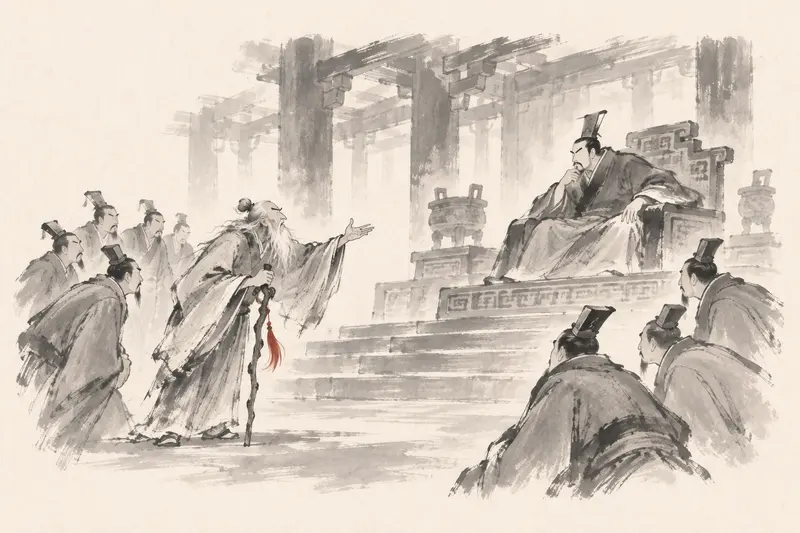
齊、楚相約而攻魏,魏使人求救於秦,冠蓋相望也,而秦救不至。魏人有唐雎者,年九十餘矣,謂魏王曰:『老臣請西説秦王,令兵先臣出。』魏王再拜,遂約車而遣之。唐雎到,入見秦王。秦王曰:『丈人芒然乃遠至此,甚苦矣!夫魏之來求救數矣,寡人知魏之急已。』唐雎對曰:『大王已知魏之急而救不發者,臣竊以爲用策之臣無任矣。夫魏,一萬乘之國也,然所以西面而事秦,稱東藩,受冠帶,祠春秋者,以秦之彊足以爲與也。今齊、楚之兵已合於魏郊矣,而秦救不發,亦將賴其未急也。使之大急,彼且割地而約從,王尚何救焉?必待其急而救之,是失一東藩之魏而彊二敵之齊、楚,則王何利焉?』於是秦昭王遽爲發兵救魏。魏氏復定。
Kundoku (Japanese reading)
斉・楚相約して魏を攻む。魏人をして救いを秦に求めしむること、冠蓋相望むも、秦の救い至らず。魏人に唐雎なる者有り、年九十余なり。魏王に謂いて曰く、「老臣請う、西のかた秦王に説き、兵をして臣より先に出でしめん」と。魏王再拝し、遂に車を約して之を遣わす。唐雎到り、入りて秦王に見ゆ。秦王曰く、「丈人芒然として乃ち遠く此に至る。甚だ苦しめり。夫れ魏の来たりて救いを求むること数々なり。寡人魏の急なるを知れり」と。唐雎対えて曰く、「大王已に魏の急なるを知りて救い発せざるは、臣窃かに以為えらく策を用うるの臣任無しと。夫れ魏は、一万乗の国なり。然れども西面して秦に事え、東藩と称し、冠帯を受け、春秋に祠る所以の者は、秦の彊きこと以て与と為すに足るを以てなり。今斉・楚の兵已に魏の郊に合す。而るに秦の救い発せざるは、亦た将に其の未だ急ならざるに頼らんとするなり。之をして大いに急ならしめば、彼且に地を割きて従を約せんとす。王尚お何をか救わん。必ず其の急なるを待ちて之を救わば、是れ一東藩の魏を失いて二敵の斉・楚を彊くするなり。則ち王何の利かあらん」と。是に於いて秦の昭王遽かに為に兵を発して魏を救う。魏氏復た定まる。
Japanese
斉と楚が手を結んで魏を攻めた。魏は秦に救いを求める使者を次々と送り、その冠と車のおおいが道に途切れることがないほどだったが、秦の援軍は来なかった。魏に唐雎という者がいて、九十歳あまりだった。唐雎は魏王に言った。「この老臣に、西へ行って秦王を説かせてください。わたしが戻るより先に、秦の兵を出させてみせます」。魏王は二度拝礼し、車を用意して唐雎を送り出した。唐雎は秦に着き、秦王に会った。秦王は言った。「ご老人は、はるばるこんな遠くまで、さぞお疲れだろう。魏が救いを求めに来たのは何度もだ。魏が危ういことはわたしも分かっている」。唐雎は答えた。「大王が魏の危急をご存じなのに援軍を出されないのは、おそれながら、策を立てる家臣が役に立っていないからだと思います。魏は兵車一万台の大国です。それでも西を向いて秦に仕え、東の守りと名のり、秦の冠と帯を受け、春と秋に祭りをささげているのは、秦の強さが味方とするに足るからです。いま斉と楚の兵は、もう魏の都の郊外に集まっています。それなのに秦の援軍が出ないのは、まだそれほど急ではないと高をくくっておられるからでしょう。もし本当に追いつめられたら、魏は土地を割いて斉・楚と同盟を結ぶでしょう。そのとき王は何を救われるのですか。危急になるのを待ってから救おうとすれば、東の守りである魏を失い、敵である斉と楚の二国を強くすることになります。それで王に何の利益がありましょう」。そこで秦の昭王は急いで兵を出して魏を救った。魏はまた落ち着いた。
English
Qi and Chu made a pact and attacked Wei. Wei sent envoy after envoy to beg help from Qin, so many that their caps and carriage canopies were always in sight of each other on the road, but no help came from Qin. In Wei there was a man named Tang Ju, over ninety years old. He said to the King of Wei: "Let this old servant go west and persuade the King of Qin to send his troops out before I return." The King of Wei bowed twice, had a carriage made ready and sent him. Tang Ju arrived and was received by the King of Qin. The King of Qin said: "Venerable sir, you have come all this way in your old age; it must have been hard. Wei has come to ask for help many times. I know that Wei is in danger." Tang Ju replied: "If Your Majesty knows Wei is in danger and yet sends no help, I humbly think that the ministers who make your plans are not doing their work. Wei is a state of ten thousand chariots. Yet it faces west and serves Qin, calls itself your eastern march, wears the caps and sashes you grant it and offers sacrifices to you spring and autumn, because Qin is strong enough to be a worthy ally. Now the armies of Qi and Chu are already joined outside the walls of Wei, and still Qin sends no help, counting on the danger not yet being desperate. But if Wei is made truly desperate, it will cede land and join an alliance with them. Then what will Your Majesty have left to save? If you must wait until Wei is desperate before you help, you will lose Wei, your eastern march, and strengthen your two enemies, Qi and Chu. What profit is there in that for Your Majesty?" At this King Zhao of Qin sent troops at once to save Wei, and Wei was safe again.
Notes (JA)
- 唐雎: 魏の老臣。『戦国策』にも同じ話がある。
- 冠蓋相望む: 使者の冠と車のおおいが、道に途切れず見える。使者が次々と送られるさま。
- 東藩: 東の守りとなる属国。
- 従: 合従。東の国々が手を結んで秦に対抗すること(069-su-qin の章)。
Notes (EN)
- Tang Ju: an aged minister of Wei; the same story appears in the Intrigues of the Warring States.
- Caps and canopies in sight of each other (冠蓋相望): envoys sent one after another.
- Eastern march (東藩): a dependent state guarding the east.
- Alliance (從): the "vertical alliance" of eastern states against Qin (chapter 069).
Word notes
- envoy/ˈɛnvɔɪ/noun
a messenger sent by one ruler to another
In the text: “Wei sent envoy after envoy”
Similar words: messenger — one who carries a message · ambassador — a high official envoy
- ally/ˈælaɪ/noun
a country or person who helps another
In the text: “strong enough to be a worthy ally”
Similar words: partner — one who works with you · friend — everyday word
Passage 8
Original
三年,秦灌大梁,虜王假,遂滅魏以爲郡縣。太史公曰:吾適故大梁之墟,墟中人曰:『秦之破梁,引河溝而灌大梁,三月城壞,王請降,遂滅魏。』説者皆曰魏以不用信陵君故,國削弱至於亡,余以爲不然。天方令秦平海内,其業未成,魏雖得阿衡之佐,曷益乎?
Kundoku (Japanese reading)
三年、秦大梁に灌ぎ、王仮を虜にし、遂に魏を滅ぼして以て郡県と為す。太史公曰く、吾故の大梁の墟に適く。墟中の人曰く、「秦の梁を破るや、河溝を引きて大梁に灌ぎ、三月にして城壊れ、王降を請い、遂に魏を滅ぼす」と。説く者皆曰く、魏は信陵君を用いざるの故を以て、国削弱して亡ぶに至ると。余以為えらく然らず。天方に秦をして海内を平らげしめんとし、其の業未だ成らず。魏阿衡の佐を得と雖も、曷ぞ益あらんや。
Japanese
王仮の三年(前225年)、秦は大梁に水を注ぎこみ、王仮を捕らえ、ついに魏を滅ぼして郡県とした。太史公は言う。わたしは昔の大梁の都の跡を訪れた。そこに住む人は言った。「秦が梁を攻め破ったときは、黄河の水路を引いて大梁に水を注ぎこみ、三か月で城壁がくずれ、王は降伏を願い出て、とうとう魏は滅びました」。論じる人々は皆、魏は信陵君を用いなかったために国が弱まり、滅亡に至ったのだと言う。わたしはそうは思わない。天はちょうど秦に天下を平定させようとしていて、その事業はまだ成し遂げられていなかった。魏が伊尹のような名宰相の助けを得たとしても、何の役に立っただろうか。
English
In the third year of King Jia, Qin flooded Daliang, captured King Jia, and at last destroyed Wei and made it into commanderies and counties. The Grand Historian says: I went to the ruins of old Daliang. The people living among the ruins told me: "When Qin broke Liang, it led the waters of the river and the canals into Daliang. In three months the walls collapsed, the king asked to surrender, and so Wei was destroyed." Those who discuss it all say that Wei weakened and fell because it did not use the Lord of Xinling. I do not think so. Heaven was just then making Qin bring peace to all within the seas, and its work was not yet done. Even if Wei had had a helper like Yi Yin, what good would it have done?
Notes (JA)
- 信陵君: 魏の公子無忌。秦を破った名将だが、王に疑われて退けられた(077-xinling の章)。
- 阿衡: 殷の湯王を助けた名宰相、伊尹の称号。
- 司馬遷は大梁の跡を自分で訪ね、土地の人の話を聞いて書いている。
- 天方に秦をして…: 魏の滅亡を一人の人物のせいにせず、時代の大きな流れとして見る、司馬遷の歴史観を示す言葉。
Notes (EN)
- The Lord of Xinling: Prince Wuji of Wei, the general who beat Qin but was pushed aside by a suspicious king (chapter 077).
- A-heng (阿衡): the title of Yi Yin, the great minister of King Tang of Shang.
- Sima Qian visited the ruins of Daliang himself and wrote down what the local people told him.
- "Heaven was making Qin…": rather than blame one man, Sima Qian sees Wei's fall as part of the great movement of the age.
Word notes
- ruins/ˈruːɪnz/noun
the remains of buildings that have been destroyed
In the text: “I went to the ruins of old Daliang”
Similar words: remains — what is left · wreckage — broken pieces after a disaster
- collapse/kəˈlæps/verb
to fall down suddenly
In the text: “the walls collapsed”
Similar words: fall down — everyday phrase · crumble — break into small pieces