Annals · Vol. 1
The Basic Annals of the Five Emperors 五帝本紀
The Yellow Emperor, and Yao Yields the Throne to Shun 黃帝與堯舜
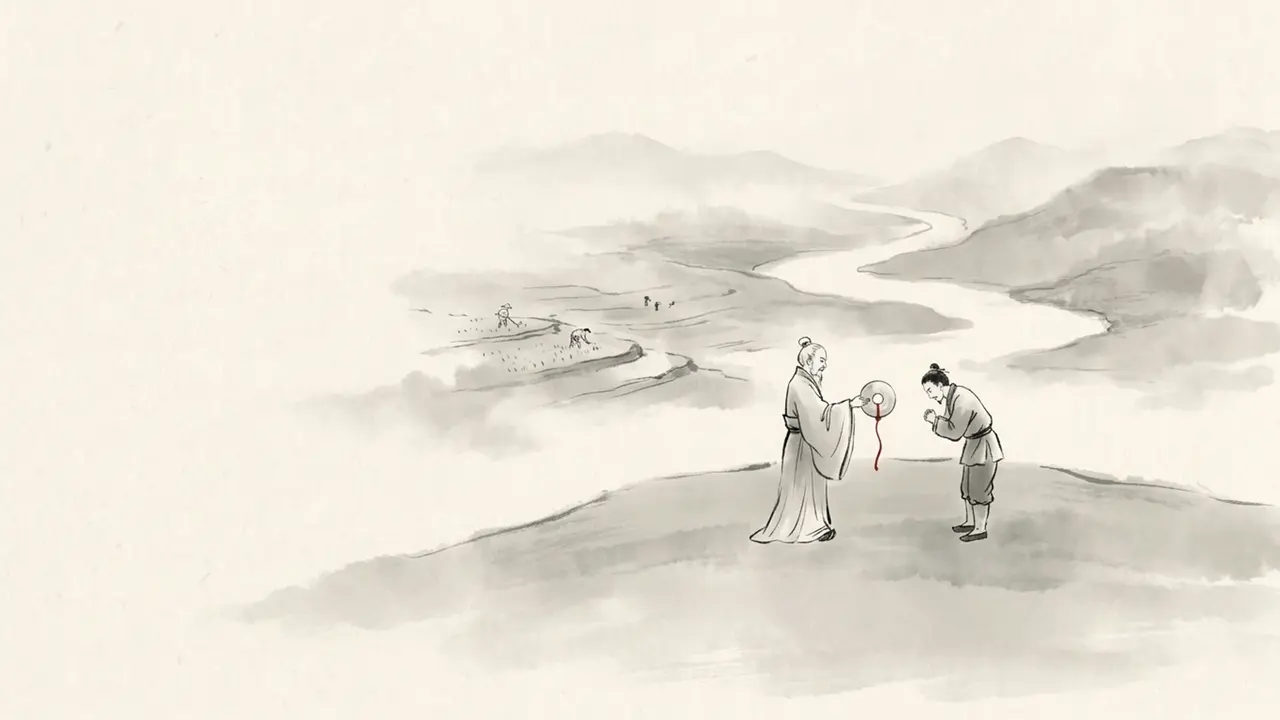
The first of the 130 volumes of the Shiji. Of the five legendary emperors, this selection tells of the Yellow Emperor, and of Yao and Shun. In an age of disorder the Yellow Emperor trained his troops, brought the lords together, defeated the violent Chiyou at Zhuolu and became Son of Heaven. Yao, whose "humanity was like Heaven and wisdom like a god", grew old and chose as his heir not his own son Danzhu but Shun, a man from among the common people. Shun's blind father, his stepmother and his arrogant half-brother tried again and again to kill him. They set fire to a granary while he was on the roof and filled in a well while he was at the bottom, yet he escaped and went on serving them as a good son. Saying that he would not harm the whole realm to benefit one man, Yao gave the realm to Shun, and Shun in turn passed it not to his son but to Yu. Sima Qian ends by telling how he travelled the land himself to check the old traditions.
This page has the scene "The Yellow Emperor, and Yao Yields the Throne to Shun" from this volume, not the whole volume.
Audio
The audio is synthetic speech.
Video
Passage 1
Original
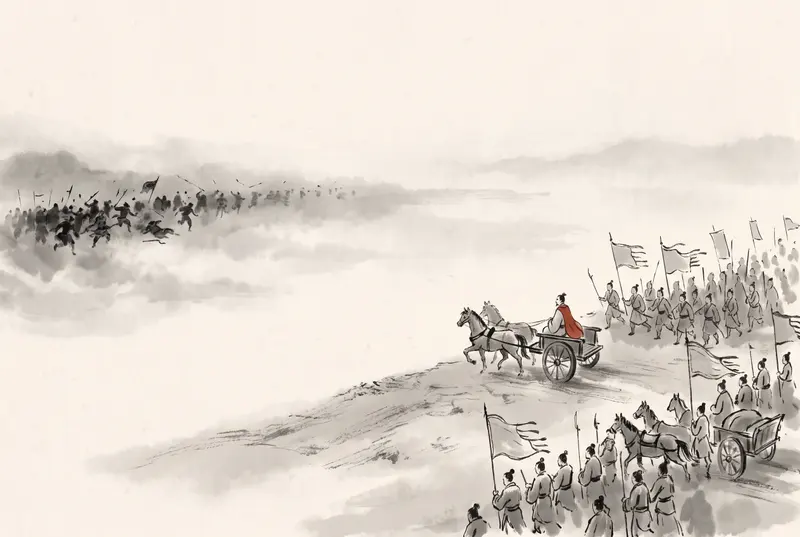
黃帝者,少典之子,姓公孫,名曰軒轅。生而神靈,弱而能言,幼而徇齊,長而敦敏,成而聰明。軒轅之時,神農氏世衰。諸侯相侵伐,暴虐百姓,而神農氏弗能征。於是軒轅乃習用干戈,以征不享,諸侯咸來賓從。而蚩尤最爲暴,莫能伐。炎帝欲侵陵諸侯,諸侯咸歸軒轅。軒轅乃修德振兵,治五氣,蓺五種,撫萬民,度四方,教熊羆貔貅貙虎,以與炎帝戰於阪泉之野。三戰,然後得其志。蚩尤作亂,不用帝命。於是黃帝乃徵師諸侯,與蚩尤戰於涿鹿之野,遂禽殺蚩尤。而諸侯咸尊軒轅爲天子,代神農氏,是爲黃帝。天下有不順者,黃帝從而征之,平者去之,披山通道,未嘗寧居。
Kundoku (Japanese reading)
黄帝なる者は、少典の子なり。姓は公孫、名は軒轅と曰う。生まれながらにして神霊、弱にして能く言い、幼にして徇斉、長じて敦敏、成りて聡明なり。 軒轅の時、神農氏の世衰う。諸侯相侵伐し、百姓を暴虐す。而して神農氏征する能わず。是に於いて軒轅乃ち干戈を用うるを習いて、以て享せざるを征す。諸侯咸来たりて賓従す。而して蚩尤最も暴を為し、能く伐つ莫し。炎帝諸侯を侵陵せんと欲す。諸侯咸軒轅に帰す。軒轅乃ち徳を修め兵を振るい、五気を治め、五種を蓺え、万民を撫し、四方を度り、熊羆貔貅貙虎に教えて、以て炎帝と阪泉の野に戦う。三たび戦いて、然る後に其の志を得たり。蚩尤乱を作し、帝命を用いず。是に於いて黄帝乃ち師を諸侯に徴し、蚩尤と涿鹿の野に戦い、遂に蚩尤を禽殺す。而して諸侯咸軒轅を尊びて天子と為し、神農氏に代わる。是れを黄帝と為す。天下順わざる者有れば、黄帝従いて之を征し、平らぐ者は之を去る。山を披き道を通じ、未だ嘗て寧居せず。
Japanese
黄帝は少典の子で、姓は公孫、名を軒轅といった。生まれつき神のような霊力をそなえ、赤ん坊のうちから口をきき、幼いころから頭の回転が速く、長じては誠実で敏く、大人になると聡明だった。 軒轅のころ、神農氏の世は衰えていた。諸侯はたがいに攻め合って民をしいたげたが、神農氏にはそれを征伐する力がなかった。そこで軒轅は武器の使い方を習い、貢ぎ物を納めない者を討ったので、諸侯はみな来て従った。だが蚩尤はもっとも乱暴で、誰も討つことができなかった。炎帝が諸侯を侵そうとしたので、諸侯はみな軒轅のもとに集まった。軒轅は徳を修め、兵をふるい立たせ、季節の気をととのえ、五穀を植え、民をいたわり、四方の土地をはかり、熊・ひぐま・豹・虎などの猛獣(の名の部隊)を訓練して、阪泉の野で炎帝と戦った。三度戦って、ようやく思いをとげた。蚩尤が反乱を起こし、帝の命令に従わなかったので、黄帝は諸侯から兵を集め、涿鹿の野で蚩尤と戦い、ついに捕らえて殺した。諸侯はみな軒轅を尊んで天子とし、神農氏に代わらせた。これが黄帝である。天下に従わない者があれば、黄帝は出かけて行って征伐し、平定するとまた去った。山を切り開いて道を通し、落ち着いて暮らしたことは一度もなかった。
English
The Yellow Emperor was the son of Shaodian. His surname was Gongsun and his name Xuanyuan. He had divine powers from birth; he could speak as a baby, was quick as a child, honest and sharp as a youth, and wise when grown. In Xuanyuan's time the age of Shennong was in decline. The lords attacked one another and tyrannised the people, and Shennong could not bring them to order. So Xuanyuan learned the use of shield and spear to punish those who brought no tribute, and the lords all came and submitted to him. But Chiyou was the most violent of all, and no one could defeat him. When the Fiery Emperor tried to oppress the lords, they all turned to Xuanyuan. Xuanyuan cultivated virtue and readied his troops; he ordered the five vital forces of the seasons, planted the five grains, cared for the people and surveyed the four quarters; he trained bears, leopards and tigers, and with them fought the Fiery Emperor in the wilds of Banquan. Only after three battles did he have his way. Then Chiyou rebelled and would not obey the emperor's command. The Yellow Emperor called up troops from the lords, fought Chiyou in the wilds of Zhuolu, and captured and killed him. The lords all honoured Xuanyuan as Son of Heaven in Shennong's place, and he became the Yellow Emperor. Whenever anyone in the realm would not submit, he went and punished them, and when they were pacified he moved on. He cut through mountains and opened roads, and never once stayed at rest.
Notes (JA)
- 黃帝: 中国の民族の祖とされる伝説の帝王。五帝の最初。
- 神農氏: 農業と医薬を始めたとされる伝説の帝王。
- 徇齊: すばやく、さとい。
- 熊羆貔貅貙虎: 猛獣の名。猛獣を手なずけた、または猛獣の名を旗印にした部族の兵を指すともいう。
- 蚩尤: 伝説上の乱暴な首領。のちに戦の神として祭られた。
Notes (EN)
- The Yellow Emperor (黃帝): the legendary ancestor of the Chinese, first of the Five Emperors.
- Shennong (神農氏): the "Divine Farmer", legendary inventor of agriculture and medicine.
- Bears, leopards and tigers (熊羆貔貅貙虎): either tamed beasts or tribes that bore their names.
- Chiyou (蚩尤): a legendary rebel chief, later worshipped as a god of war.
Word notes
- tyrannise/ˈtɪrəˌnaɪz/verb
to rule or treat people cruelly
In the text: “tyrannised the people”
Similar words: oppress — keep down by force · bully — frighten and hurt
British spelling; US: tyrannize.
- submit/səbˈmɪt/verb
to accept someone's authority
In the text: “came and submitted to him”
Similar words: yield — give in · surrender — give up fighting
Passage 2
Original
帝堯者,放勳。其仁如天,其知如神。就之如日,望之如雲。富而不驕,貴而不舒。黃收純衣,彤車乘白馬。能明馴德,以親九族。九族既睦,便章百姓。百姓昭明,合和萬國。
Kundoku (Japanese reading)
帝堯なる者は、放勲なり。其の仁天の如く、其の知神の如し。之に就けば日の如く、之を望めば雲の如し。富みて驕らず、貴くして舒らず。黄収純衣、彤車に白馬に乗る。能く馴徳を明らかにして、以て九族を親しむ。九族既に睦まじくして、便ち百姓を章らかにす。百姓昭明にして、万国を合和す。
Japanese
帝堯は、名を放勲という。その仁愛は天のように広く、その知恵は神のように深かった。近づけば太陽のように温かく、遠くから仰げば雲のように人をうるおした。富んでもおごらず、身分が高くても気ままにふるまわなかった。黄色い冠に黒い衣を着て、赤い車に白い馬をつないで乗った。すぐれた徳を明らかにして一族を親しませ、一族が仲むつまじくなると、民の官をはっきりと定めた。民の暮らしが明るく治まると、天下の国々を和合させた。
English
Emperor Yao was named Fangxun. His humanity was like Heaven and his wisdom like a god. Close to him, one felt warmed as by the sun; from afar, one looked up to him as to the rain clouds. He was rich but not proud, high but not overbearing. He wore a yellow cap and a black robe and rode in a red carriage drawn by white horses. He made bright his great virtue and so brought his kin together; when his kin were in harmony, he set the officers of the people in order; when the people were enlightened, he united the ten thousand states.
Notes (JA)
- 堯: 儒家が理想とした聖天子。
- 就之如日,望之如雲: 近づけば太陽のように温かく、仰げば雨をもたらす雲のよう。
- 九族: 自分を中心に上下四代ずつの一族。
- 百姓: ここでは多くの官や家々を指す。
Notes (EN)
- Yao (堯): the sage ruler held up by Confucians as the ideal.
- Like the sun close by, like the rain clouds from afar (就之如日,望之如雲): warm to those near him, a blessing to those far away.
Word notes
- overbearing/ˌoʊvərˈbɛrɪŋ/adjective
trying to control others in an unpleasant way
In the text: “high but not overbearing”
Similar words: domineering — bossy · arrogant — too proud
- harmony/ˈhɑrməni/noun
a state of peaceful agreement
In the text: “when his kin were in harmony”
Similar words: concord — agreement · accord — friendly agreement
Passage 3
Original
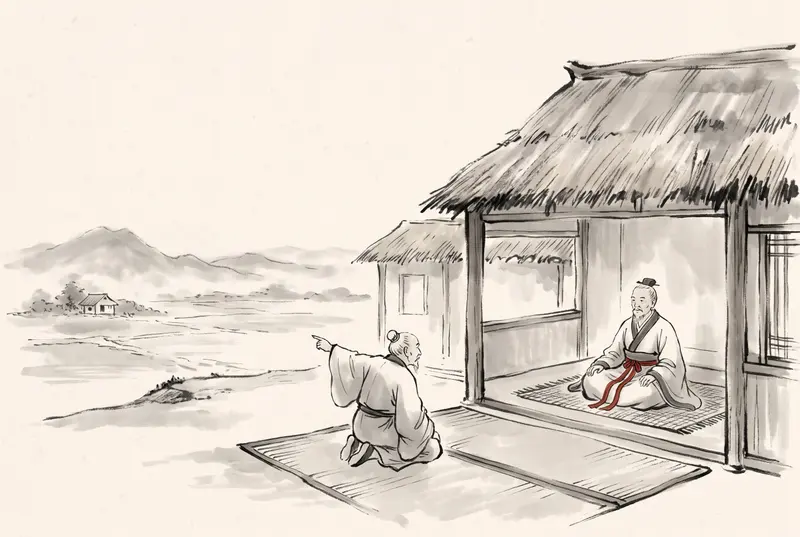
堯曰:「嗟!四嶽:朕在位七十載,汝能庸命,踐朕位?」嶽應曰:「鄙惪忝帝位。」堯曰:「悉舉貴戚及疏遠隱匿者。」衆皆言於堯曰:「有矜在民閒,曰虞舜。」堯曰:「然,朕聞之。其何如?」嶽曰:「盲者子。父頑,母嚚,弟傲,能和以孝,烝烝治,不至姦。」堯曰:「吾其試哉。」於是堯妻之二女,觀其德於二女。舜飭下二女於嬀汭,如婦禮。堯善之,乃使舜慎和五典,五典能從。乃徧入百官,百官時序。賓於四門,四門穆穆,諸侯遠方賓客皆敬。堯使舜入山林川澤,暴風雷雨,舜行不迷。堯以爲聖,召舜曰:「女謀事至而言可績,三年矣。女登帝位。」舜讓於德,不懌。正月上日,舜受終於文祖。文祖者,堯大祖也。
Kundoku (Japanese reading)
堯曰く、「嗟、四嶽よ。朕位に在ること七十載なり。汝能く命を庸い、朕が位を践まんか」と。嶽応えて曰く、「鄙徳帝位を忝くせん」と。堯曰く、「悉く貴戚及び疏遠隠匿の者を挙げよ」と。衆皆堯に言いて曰く、「矜有り、民閒に在り。虞舜と曰う」と。堯曰く、「然り、朕之を聞く。其れ何如」と。嶽曰く、「盲者の子なり。父は頑、母は嚚、弟は傲なるも、能く和するに孝を以てし、烝烝として治め、姦に至らしめず」と。堯曰く、「吾其れ試みんか」と。是に於いて堯之に二女を妻あわせ、其の徳を二女に観る。舜二女を嬀汭に飭下し、婦の礼の如くせしむ。堯之を善しとし、乃ち舜をして慎みて五典を和せしむ。五典能く従う。乃ち徧く百官に入る。百官時に序す。四門に賓す。四門穆穆として、諸侯遠方の賓客皆敬す。堯舜をして山林川沢に入らしむ。暴風雷雨にも、舜行きて迷わず。堯以て聖と為し、舜を召して曰く、「女事を謀りて至り、言いて績す可きこと、三年なり。女帝位に登れ」と。舜徳に譲りて、懌ばず。正月上日、舜終を文祖に受く。文祖なる者は、堯の大祖なり。
Japanese
堯は言った。「ああ、四嶽(四方の諸侯の長)よ。私は帝位について七十年になる。おまえは天命を受けて、私の位を継ぐことができるか」。四嶽は答えた。「私のような徳の乏しい者が帝位につけば、帝位をけがすことになります」。堯は言った。「身分の高い一族の者でも、縁の遠い者でも、世に隠れている者でも、すべて推挙せよ」。人々はそろって堯に申し上げた。「民の中に、妻のいない男がおります。虞舜という者です」。堯「うむ、私も聞いたことがある。どういう人か」。四嶽は言った。「盲人の子です。父はかたくなで、母は口汚く、弟は傲慢ですが、孝行によって家族をなごませ、しだいに善い方へと導いて、悪事に至らせなかったのです」。堯「では、ためしてみようか」。そこで堯は二人の娘を舜にとつがせ、二人の娘に対する舜のふるまいを見て、その徳を確かめた。舜は二人の娘を嬀水のほとりの自分の家にへりくだらせ、嫁としての礼を守らせた。堯はこれをよしとし、舜に五つの人倫の教えを慎重に広めさせると、人々はよくそれに従った。百官を統べさせると、百官の仕事は時に応じて秩序だった。四方の門で賓客を迎えさせると、四方の門はなごやかで、諸侯や遠くからの客もみな敬った。堯は舜を山や林、川や沢に入らせたが、暴風や雷雨の中でも、舜は道に迷わなかった。堯は舜を聖人だと思い、呼び寄せて言った。「おまえが事を計画して実行し、言ったことが成果をあげるようになって、三年になる。帝位につきなさい」。舜は自分より徳のある人に譲ろうとして、喜ばなかった。正月の最初のよい日に、舜は堯の祖先を祭る文祖の廟で、堯の政治を引き継いだ。文祖とは、堯の始祖のことである。
English
Yao said: "Ah, Chief of the Four Mountains! I have been on the throne seventy years. Can you take up the charge and succeed me?" The Chief of the Four Mountains answered: "My poor virtue would disgrace the throne." Yao said: "Then name everyone: the noble and the near, the distant and the hidden." They all said to Yao: "There is an unmarried man among the people, called Shun of Yu." "Yes, I have heard of him," said Yao. "What is he like?" The Chief said: "He is the son of a blind man. His father is stubborn, his stepmother spiteful, his brother arrogant; yet with his filial devotion he has kept peace with them and little by little led them to the good, so that they never fell into evil." Yao said: "Let me try him." So Yao gave him his two daughters as wives, to see his virtue through them. Shun had the two daughters humble themselves in his home by the Gui River and keep the ways of a wife. Yao approved, and set Shun to spread carefully the five rules of human conduct, and the people followed them. He put Shun over all the officers, and the officers did their work in good order. He had him receive guests at the four gates, and at the four gates all was harmony, and the lords and visitors from afar all held him in respect. Yao sent Shun into the mountains and forests, rivers and marshes, and in fierce winds, thunder and rain Shun never lost his way. Yao thought him a sage, called him and said: "For three years your plans have come to pass and your words have borne fruit. Ascend the throne." Shun wished to yield to someone more virtuous and was not pleased. On the first auspicious day of the first month, Shun received the succession in the temple of Wenzu. Wenzu was Yao's first ancestor.
Notes (JA)
- 四嶽: 四方の山を祭り、諸侯をまとめた長官。一人とも四人ともいう。
- 矜: 妻のいない男。
- 父頑,母嚚,弟傲: 父はかたくな、継母は口汚い、異母弟は傲慢。
- 烝烝: しだいに善い方へ進むさま。
- 五典: 父は義、母は慈、兄は友、弟は恭、子は孝という五つの教え。
- 受終: 堯の政治の終わりを受け継ぐ。
Notes (EN)
- Chief of the Four Mountains (四嶽): the official who led the lords of the four quarters.
- Stubborn, spiteful, arrogant (頑,嚚,傲): his father, his stepmother and his half-brother.
- The five rules (五典): righteousness in fathers, kindness in mothers, friendliness in elder brothers, respect in younger brothers, devotion in sons.
Word notes
- disgrace/dɪsˈɡreɪs/verb
to bring shame on something
In the text: “would disgrace the throne”
Similar words: shame — make ashamed · dishonour — bring loss of honour
- stubborn/ˈstʌbərn/adjective
refusing to change one's mind
In the text: “His father is stubborn”
Similar words: obstinate — unwilling to change · headstrong — determined to have one's way
Passage 4
Original
堯立七十年得舜,二十年而老,令舜攝行天子之政,薦之於天。堯辟位凡二十八年而崩。百姓悲哀,如喪父母。三年,四方莫舉樂,以思堯。堯知子丹朱之不肖,不足授天下,於是乃權授舜。授舜,則天下得其利而丹朱病;授丹朱,則天下病而丹朱得其利。堯曰「終不以天下之病而利一人」,而卒授舜以天下。堯崩,三年之喪畢,舜讓辟丹朱於南河之南。諸侯朝覲者不之丹朱而之舜,獄訟者不之丹朱而之舜,謳歌者不謳歌丹朱而謳歌舜。舜曰:「天也夫!」而後之中國踐天子位焉,是爲帝舜。
Kundoku (Japanese reading)
堯立ちて七十年にして舜を得、二十年にして老い、舜をして天子の政を摂行せしめ、之を天に薦む。堯位を辟くること凡そ二十八年にして崩ず。百姓悲哀し、父母を喪うが如し。三年、四方楽を挙ぐる莫く、以て堯を思う。堯子丹朱の不肖にして、天下を授くるに足らざるを知り、是に於いて乃ち権りて舜に授く。舜に授くれば、則ち天下其の利を得て丹朱病む。丹朱に授くれば、則ち天下病みて丹朱其の利を得。堯曰く、「終に天下の病を以て一人を利せず」と。而して卒に舜に授くるに天下を以てす。堯崩じ、三年の喪畢わる。舜譲りて丹朱を南河の南に辟く。諸侯の朝覲する者丹朱に之かずして舜に之き、獄訟する者丹朱に之かずして舜に之き、謳歌する者丹朱を謳歌せずして舜を謳歌す。舜曰く、「天なるかな」と。而る後に中国に之きて天子の位を践む。是れを帝舜と為す。
Japanese
堯は即位して七十年目に舜を見いだし、それから二十年たって年老いると、舜に天子の政治を代行させ、天に舜を推薦した。堯は位をしりぞいてから二十八年後に亡くなった。民は父母を失ったように悲しみ、三年のあいだ、天下のどこでも音楽を奏でず、堯をしのんだ。堯は、わが子の丹朱が愚かで、天下を任せるに足りないことを知っていた。そこで考えたすえに舜に授けたのである。舜に授ければ、天下は利益を得て、丹朱一人が損をする。丹朱に授ければ、天下が損をして、丹朱一人が利益を得る。堯は「天下の人々を苦しめて、一人の者を利することは決してしない」と言って、ついに天下を舜に授けたのである。堯が亡くなり、三年の喪が明けると、舜は丹朱に位を譲ろうとして、自ら南河の南へ身を引いた。ところが、朝見に来る諸侯は丹朱のもとへは行かずに舜のもとへ行き、訴えごとのある者も丹朱のところへは行かずに舜のところへ行き、歌をうたう者も丹朱をたたえずに舜をたたえた。舜は「これが天命なのだ」と言い、そこで都へ行って天子の位についた。これが帝舜である。
English
Yao had reigned seventy years when he found Shun, and twenty years later, grown old, he had Shun act as regent and commended him to Heaven. Twenty-eight years after he stepped aside, Yao died. The people grieved as if they had lost their own parents, and for three years no music was played anywhere in the realm, in memory of Yao. Yao had known that his son Danzhu was unworthy and not fit to be given the realm, so he weighed the matter and gave it to Shun. If he gave it to Shun, the realm would benefit and only Danzhu would suffer; if he gave it to Danzhu, the realm would suffer and only Danzhu would benefit. Yao said: "In the end I will not harm the whole realm to benefit one man," and so at last he gave the realm to Shun. When Yao died and the three years of mourning were over, Shun withdrew south of the Southern River to leave the throne to Danzhu. But the lords who came to pay homage went not to Danzhu but to Shun; those with lawsuits went not to Danzhu but to Shun; those who sang songs sang not of Danzhu but of Shun. Shun said: "It is Heaven's will!" Only then did he go to the capital and take the throne of the Son of Heaven. He became Emperor Shun.
Notes (JA)
- 攝行: 天子に代わって政治を行う。
- 丹朱: 堯の子。愚かだったと伝えられる。
- 終不以天下之病而利一人: 「天下を苦しめて一人を利することはしない」。禅譲の精神を示す言葉。
- 禪讓: 帝位を血縁でなく徳のある人に譲ること。堯から舜、舜から禹への継承が理想とされた。
- 謳歌: 声をそろえてほめたたえる。今の「謳歌する」の出典の一つ。
Notes (EN)
- Danzhu (丹朱): Yao's son, remembered as unworthy.
- "I will not harm the whole realm to benefit one man" (終不以天下之病而利一人): the spirit of abdication in favour of the worthy.
- Abdication (禪讓): handing the throne to the most virtuous rather than to one's son, as Yao did to Shun and Shun to Yu, the Confucian ideal.
Word notes
- regent/ˈridʒənt/noun
a person who rules in place of the ruler
In the text: “had Shun act as regent”
Similar words: deputy ruler — one who rules for another · guardian — one who looks after
- mourning/ˈmɔrnɪŋ/noun
a period of showing grief after a death
In the text: “the three years of mourning were over”
Similar words: grief — deep sorrow · lament — an expression of sorrow
Passage 5
Original
舜父瞽叟盲,而舜母死,瞽叟更娶妻而生象,象傲。瞽叟愛後妻子,常欲殺舜,舜避逃;及有小過,則受罪。順事父及後母與弟,日以篤謹,匪有懈。舜,冀州之人也。舜耕歷山,漁雷澤,陶河濱,作什器於壽丘,就時於負夏。舜父瞽叟頑,母嚚,弟象傲,皆欲殺舜。舜順適不失子道,兄弟孝慈。欲殺,不可得;即求,嘗在側。
Kundoku (Japanese reading)
舜の父瞽叟盲にして、舜の母死す。瞽叟更に妻を娶りて象を生む。象傲なり。瞽叟後妻の子を愛し、常に舜を殺さんと欲す。舜避け逃る。小過有るに及べば、則ち罪を受く。順いて父及び後母と弟とに事え、日に以て篤謹にして、懈ること有る匪し。 舜は冀州の人なり。舜歴山に耕し、雷沢に漁し、河浜に陶し、什器を寿丘に作り、時に負夏に就く。舜の父瞽叟は頑、母は嚚、弟象は傲にして、皆舜を殺さんと欲す。舜順適して子の道を失わず、兄弟には孝慈なり。殺さんと欲すれども、得べからず。即ち求むれば、嘗に側に在り。
Japanese
舜の父の瞽叟は目が見えず、舜の母は亡くなった。瞽叟は後妻をめとって象を生んだ。象は傲慢だった。瞽叟は後妻の子をかわいがり、いつも舜を殺そうとした。舜は逃げて身をかわしたが、小さな過ちがあれば罰を受けた。それでも父と継母と弟に素直に仕え、日ごとに誠実につつしみ、怠ることがなかった。 舜は冀州の人である。歴山で畑を耕し、雷沢で魚をとり、黄河のほとりで焼き物を作り、寿丘で日用品を作り、折を見て負夏で商いをした。父の瞽叟はかたくなで、継母は口汚く、弟の象は傲慢で、みな舜を殺そうとした。舜は彼らに素直に従って子としての道を失わず、弟には兄として慈しみ深く接した。家族が舜を殺そうとしても、決して果たせなかった。ところが用事があって呼べば、舜はいつもそばにいた。
English
Shun's father, the Blind Old Man, was blind, and Shun's mother died. The Blind Old Man took another wife, who bore a son, Xiang, and Xiang was arrogant. The Blind Old Man loved his second wife's son and was always trying to kill Shun. Shun would slip away and escape; but if he made the smallest mistake, he was punished. Still he served his father, his stepmother and his half-brother obediently, more devoted and careful every day, and never slackened. Shun was a man of Ji province. He farmed at Mount Li, fished in the Lei marshes, made pottery on the banks of the Yellow River, made household goods at Shouqiu and traded at Fuxia when the season came. His father was stubborn, his stepmother spiteful and his brother Xiang arrogant, and all of them wanted to kill him. Yet Shun obeyed them and never failed in his duty as a son, and was loving to his brother. When they wanted to kill him, they could never catch him; yet whenever they needed him, he was always at their side.
Notes (JA)
- 瞽叟: 「盲目の老人」の意。舜の父の呼び名。
- 象: 舜の異母弟。
- 欲殺,不可得;即求,嘗在側: 殺そうとしてもつかまらないのに、用があるときはいつもそばにいる。舜の孝行と知恵を示す言葉。
Notes (EN)
- The Blind Old Man (瞽叟): the name by which Shun's father is known.
- "When they wanted to kill him they could never catch him; whenever they needed him, he was always at their side": Shun's devotion and good sense in one sentence.
Word notes
- slacken/ˈslækən/verb
to become less active or careful
In the text: “and never slackened”
Similar words: ease off — do less · let up — become less intense
- obediently/oʊˈbidiəntli/adverb
in a way that does what one is told
In the text: “his half-brother obediently”
Similar words: dutifully — doing one's duty · submissively — without resisting
Passage 6
Original
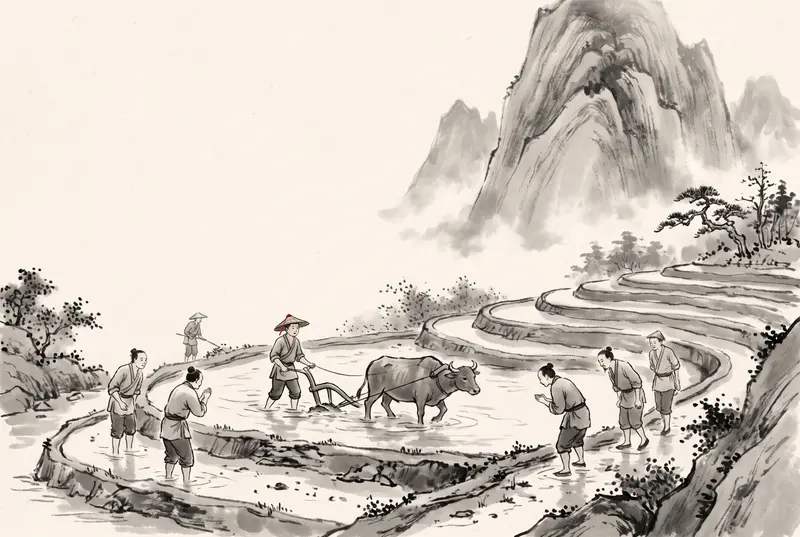
舜年二十以孝聞。三十而帝堯問可用者,四嶽咸薦虞舜,曰可。於是堯乃以二女妻舜以觀其內,使九男與處以觀其外。舜居嬀汭,內行彌謹。堯二女不敢以貴驕事舜親戚,甚有婦道。堯九男皆益篤。舜耕歷山,歷山之人皆讓畔;漁雷澤,雷澤上人皆讓居;陶河濱,河濱器皆不苦窳。一年而所居成聚,二年成邑,三年成都。堯乃賜舜絺衣與琴,爲筑倉廩,予牛羊。
Kundoku (Japanese reading)
舜年二十にして孝を以て聞こゆ。三十にして帝堯用うべき者を問う。四嶽咸虞舜を薦め、可なりと曰う。是に於いて堯乃ち二女を以て舜に妻あわせて以て其の内を観、九男をして与に処らしめて以て其の外を観る。舜嬀汭に居り、内行弥々謹む。堯の二女敢えて貴きを以て舜の親戚に驕り事えず、甚だ婦道有り。堯の九男皆益々篤し。舜歴山に耕せば、歴山の人皆畔を譲り、雷沢に漁すれば、雷沢の上の人皆居を譲り、河浜に陶すれば、河浜の器皆苦窳ならず。一年にして居る所聚を成し、二年にして邑を成し、三年にして都を成す。堯乃ち舜に絺衣と琴とを賜い、為に倉廩を築き、牛羊を予う。
Japanese
舜は二十歳のとき孝行で知られるようになった。三十歳のとき、帝堯が「登用できる者はいないか」と尋ねると、四嶽はみな虞舜を推薦し、よいでしょうと言った。そこで堯は二人の娘を舜にとつがせて家の中での様子を見、九人の息子をいっしょに暮らさせて外での様子を見た。舜は嬀水のほとりに住み、家の中でのふるまいはいよいよつつしみ深かった。堯の二人の娘も、身分の高さをかさに着て舜の家族に横柄にふるまうことはなく、嫁の道をよく守った。堯の九人の息子もみな、ますます誠実になった。舜が歴山で耕すと、歴山の人々はみな田のあぜを譲り合い、雷沢で魚をとると、雷沢の人々はみな住まいを譲り合い、黄河のほとりで焼き物を作ると、そこの器にはひとつも粗悪なものがなくなった。舜が住むと、一年で村ができ、二年で町となり、三年で大きな都になった。堯は舜に細かい麻の衣と琴を与え、倉を建ててやり、牛や羊を贈った。
English
At twenty Shun was known for his filial devotion. When he was thirty, Emperor Yao asked who could be given office, and the Chief of the Four Mountains all recommended Shun of Yu as fit. So Yao gave Shun his two daughters as wives, to see how he behaved at home, and sent his nine sons to live with him, to see how he behaved abroad. Shun lived by the Gui River and was more careful than ever in his conduct at home. Yao's two daughters did not dare to put on airs before Shun's family because of their high birth, but kept the ways of a wife in every respect, and Yao's nine sons all grew more honest. When Shun farmed at Mount Li, the people of Mount Li all gave way to one another over the field boundaries; when he fished in the Lei marshes, the people there all gave way to one another over places to live; when he made pots on the banks of the Yellow River, none of the pots there were badly made. Wherever he lived, in one year a village formed, in two years a town, in three years a city. Yao gave Shun a robe of fine linen and a zither, built granaries for him and gave him cattle and sheep.
Notes (JA)
- 觀其內,觀其外: 家庭での様子と、外での人づきあいを見る。
- 讓畔: 田畑の境界をたがいに譲り合う。舜の徳が人を感化したことを示す。
- 苦窳: 器がもろく、ゆがんでいる。
- 一年而所居成聚,二年成邑,三年成都: 徳のある人のもとには人が集まる。
Notes (EN)
- Gave way over the field boundaries (讓畔): Shun's virtue changed the people around him.
- In one year a village, in two a town, in three a city: people gather to a virtuous man.
Word notes
- filial/ˈfɪliəl/adjective
of a son or daughter, especially in respect for parents
In the text: “known for his filial devotion”
Similar words: dutiful — doing what duty requires · devoted — loving and loyal
- boundary/ˈbaʊndəri/noun
a line that marks the edge of an area
In the text: “over the field boundaries”
Similar words: border — an edge or limit · divide — a line between
Passage 7
Original
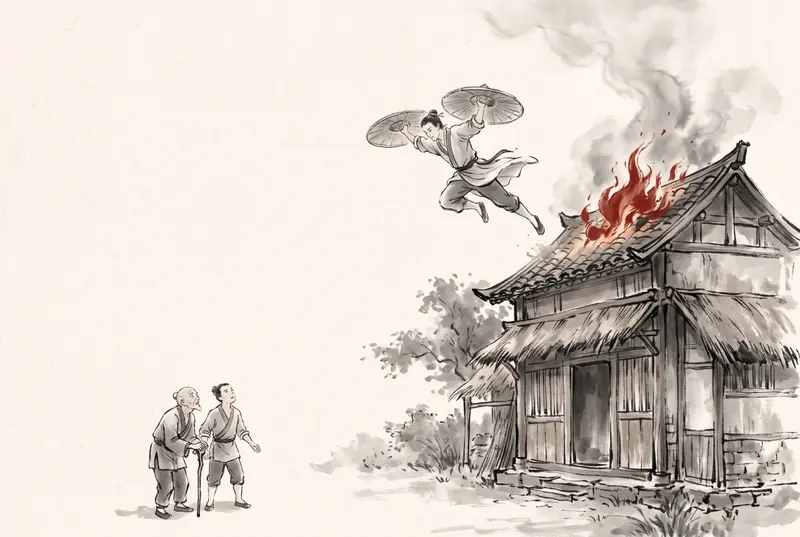
瞽叟尚復欲殺之,使舜上塗廩,瞽叟從下縱火焚廩。舜乃以兩笠自扞而下,去,得不死。後瞽叟又使舜穿井,舜穿井爲匿空旁出。舜既入深,瞽叟與象共下土實井,舜從匿空出,去。瞽叟、象喜,以舜爲已死。象曰:「本謀者象。」象與其父母分,於是曰:「舜妻堯二女與琴,象取之;牛羊倉廩,予父母。」象乃止舜宮居,鼓其琴。舜往見之。象鄂不懌,曰:「我思舜正鬱陶!」舜曰:「然,爾其庶矣!」舜復事瞽叟,愛弟彌謹。於是堯乃試舜五典百官,皆治。
Kundoku (Japanese reading)
瞽叟尚お復た之を殺さんと欲し、舜をして上りて廩を塗らしめ、瞽叟下より火を縦ちて廩を焚く。舜乃ち両笠を以て自ら扞ぎて下り、去りて、死せざるを得たり。後に瞽叟又舜をして井を穿たしむ。舜井を穿ちて匿空を為りて旁らに出づ。舜既に深きに入るや、瞽叟象と共に土を下して井を実む。舜匿空より出でて、去る。瞽叟・象喜び、舜を以て已に死せりと為す。象曰く、「本謀りし者は象なり」と。象其の父母と分かつ。是に於いて曰く、「舜の妻堯の二女と琴とは、象之を取らん。牛羊倉廩は、父母に予えん」と。象乃ち舜の宮に止まりて居り、其の琴を鼓す。舜往きて之を見る。象鄂きて懌ばずして曰く、「我舜を思いて正に鬱陶たり」と。舜曰く、「然り、爾其れ庶からんか」と。舜復た瞽叟に事え、弟を愛すること弥々謹む。是に於いて堯乃ち舜を五典百官に試む。皆治まる。
Japanese
それでも瞽叟はなお舜を殺そうとした。舜を倉の屋根に上らせて壁土を塗らせ、下から火をつけて倉を焼いたのである。舜は二つの笠を両手に持って身を守りながら飛び降り、逃げて、死なずにすんだ。のちに瞽叟は、また舜に井戸を掘らせた。舜は井戸を掘りながら、わきに抜け出す隠し穴を作っておいた。舜が深く掘り進むと、瞽叟と象はいっしょに土を落として井戸を埋めた。舜は隠し穴から抜け出して去った。瞽叟と象は、舜はもう死んだと思って喜んだ。象は言った。「もともと計画を立てたのは、この象だ」。そして父母と財産を分けて言った。「舜の妻の、堯の二人の娘と琴は、象がもらう。牛や羊や倉は、父母にあげよう」。象は舜の家に住みこんで、その琴をひいていた。そこへ舜が会いに行った。象は驚いてばつの悪い顔をし、「兄さんのことを思って、ちょうどふさぎこんでいたところだ」と言った。舜は「そうか。おまえもそういう気持ちになってくれたか」と言った。舜はその後も瞽叟に仕え、弟をいっそう慈しんだ。そこで堯は、舜に五つの人倫の教えと百官の仕事をためさせたが、どれもよく治まった。
English
Still the Blind Old Man wanted to kill him. He sent Shun up to plaster the roof of a granary, then set fire to it from below. Shun shielded himself with two bamboo hats and jumped down, got away and did not die. Later the Blind Old Man had Shun dig a well. As he dug, Shun made a hidden tunnel out to one side. When he had gone deep, the Blind Old Man and Xiang shovelled earth down together and filled the well in. Shun came out through the hidden tunnel and went away. The Blind Old Man and Xiang were delighted, thinking Shun was dead. Xiang said: "The plan was mine," and divided up the property with his parents. "Shun's wives, Yao's two daughters, and his zither I will take. The cattle, the sheep and the granaries you can have." So Xiang moved into Shun's house and played on his zither. Shun went to see him. Xiang was startled and embarrassed. "I was just thinking of you, brother, and feeling so sad," he said. "Yes," said Shun, "you are almost what a brother should be." Shun went on serving the Blind Old Man and loved his brother more carefully than ever. Then Yao tested Shun with the five rules of conduct and the hundred offices, and all were well ordered.
Notes (JA)
- 廩: 穀物の倉。
- 兩笠自扞而下: 二つの笠を翼のように広げて身を守り、飛び降りた。
- 匿空: 隠し穴。
- 鬱陶: 気がふさぐ。
- 爾其庶矣: 「おまえもほぼ(兄弟の情を持つように)なったな」。象の見えすいたうそを責めず、善意に受け取った舜の言葉。
Notes (EN)
- Two bamboo hats: he used them like wings to break his fall.
- "You are almost what a brother should be" (爾其庶矣): instead of exposing Xiang's lie, Shun took it kindly.
Word notes
- plaster/ˈplæstər/verb
to cover a wall or roof with a soft paste that hardens
In the text: “to plaster the roof of a granary”
Similar words: coat — cover with a layer · daub — smear thickly
- embarrassed/ɪmˈbærəst/adjective
feeling awkward and ashamed
In the text: “startled and embarrassed”
Similar words: awkward — uncomfortable · sheepish — a little ashamed
Passage 8
Original
舜年二十以孝聞,年三十堯舉之,年五十攝行天子事,年五十八堯崩,年六十一代堯踐帝位。踐帝位三十九年,南巡狩,崩於蒼梧之野。葬於江南九疑,是爲零陵。舜之踐帝位,載天子旗,往朝父瞽叟,夔夔唯謹,如子道。封弟象爲諸侯。舜子商均亦不肖,舜乃豫薦禹於天。十七年而崩。三年喪畢,禹亦乃讓舜子,如舜讓堯子。諸侯歸之,然後禹踐天子位。堯子丹朱,舜子商均,皆有疆土,以奉先祀。服其服,禮樂如之。以客見天子,天子弗臣,示不敢專也。
Kundoku (Japanese reading)
舜年二十にして孝を以て聞こえ、年三十にして堯之を挙げ、年五十にして天子の事を摂行し、年五十八にして堯崩じ、年六十一にして堯に代わりて帝位を践む。帝位を践むこと三十九年、南に巡狩し、蒼梧の野に崩ず。江南の九疑に葬る。是れを零陵と為す。舜の帝位を践むや、天子の旗を載せて、往きて父瞽叟に朝し、夔夔として唯れ謹み、子の道の如くす。弟象を封じて諸侯と為す。舜の子商均も亦不肖なり。舜乃ち豫め禹を天に薦む。十七年にして崩ず。三年の喪畢わり、禹も亦乃ち舜の子に譲ること、舜の堯の子に譲るが如し。諸侯之に帰し、然る後に禹天子の位を践む。堯の子丹朱、舜の子商均、皆疆土有りて、以て先祀を奉ず。其の服を服し、礼楽之の如くす。客を以て天子に見ゆ。天子臣とせず。敢えて専らにせざるを示すなり。
Japanese
舜は二十歳で孝行により名が知られ、三十歳で堯に登用され、五十歳で天子の政治を代行し、五十八歳のとき堯が亡くなり、六十一歳で堯に代わって帝位についた。帝位について三十九年、南方を巡行して、蒼梧の野で亡くなった。長江の南の九疑山に葬られた。これが零陵である。舜は帝位につくと、天子の旗を立てた車で父の瞽叟のもとへあいさつに行き、子としての道を守って、ひたすらつつしみ深く仕えた。弟の象は諸侯に封じた。舜の子の商均もまた愚かだったので、舜は前もって禹を天に推薦しておいた。十七年後に舜が亡くなった。三年の喪が明けると、禹もまた、舜が堯の子に譲ったように、舜の子に位を譲ろうとした。だが諸侯が禹のもとに集まったので、そこで禹は天子の位についた。堯の子丹朱と舜の子商均は、どちらも領地を与えられて、祖先の祭りを受け継いだ。それぞれの家の服を着て、礼楽もそのまま続けた。天子には客として会い、天子は彼らを臣下として扱わなかった。天下を自分ひとりのものとはしない、ということを示したのである。
English
At twenty Shun was known for his devotion, at thirty Yao raised him up, at fifty he acted as regent, at fifty-eight Yao died, and at sixty-one he took the throne in Yao's place. After thirty-nine years on the throne he went on a tour of inspection to the south and died in the wilds of Cangwu. He was buried at Jiuyi, south of the Yangzi, the place called Lingling. When Shun became emperor, he went with the banners of the Son of Heaven to pay his respects to his father, the Blind Old Man, humble and careful as a son should be. He made his brother Xiang a lord. Shun's son Shangjun was unworthy too, so Shun commended Yu to Heaven in advance. Seventeen years later Shun died. When the three years of mourning were over, Yu in turn yielded to Shun's son, as Shun had yielded to Yao's; but the lords turned to Yu, and then he took the throne. Yao's son Danzhu and Shun's son Shangjun were both given lands so that they could keep up the sacrifices to their ancestors. They wore their own dress and kept their own rites and music, and they met the Son of Heaven as guests; the Son of Heaven did not treat them as subjects, to show that he did not dare to claim everything for himself.
Notes (JA)
- 巡狩: 天子が諸国を見回ること。
- 蒼梧・九疑: 今の湖南省南部。舜を追った二人の妃(堯の娘)が湘水に身を投げた伝説が残る。
- 夔夔: つつしみおそれるさま。
- 商均: 舜の子。
- 天子弗臣: 前の王朝の子孫を客として遇し、臣下としない。
Notes (EN)
- Cangwu and Jiuyi (蒼梧・九疑): in what is now southern Hunan. Legend says Shun's two wives, Yao's daughters, drowned themselves in the Xiang River mourning him.
- Did not treat them as subjects (天子弗臣): the heirs of earlier rulers were honoured as guests.
Word notes
- inspection/ɪnˈspɛkʃən/noun
a careful look at something to check it
In the text: “a tour of inspection”
Similar words: survey — a general look · review — a formal check
- humble/ˈhʌmbəl/adjective
not proud; showing respect
In the text: “humble and careful as a son should be”
Similar words: modest — not boastful · meek — quiet and gentle
Passage 9
Original
太史公曰:學者多稱五帝,尚矣。然尚書獨載堯以來;而百家言黃帝,其文不雅馴,薦紳先生難言之。孔子所傳宰予問五帝德及帝繫姓,儒者或不傳。余嘗西至空桐,北過涿鹿,東漸於海,南浮江淮矣,至長老皆各往往稱黃帝、堯、舜之處,風教固殊焉,總之不離古文者近是。予觀春秋、國語,其發明五帝德、帝繫姓章矣,顧弟弗深考,其所表見皆不虛。書缺有間矣,其軼乃時時見於他說。非好學深思,心知其意,固難爲淺見寡聞道也。余并論次,擇其言尤雅者,故著爲本紀書首。
Kundoku (Japanese reading)
太史公曰く、学者多く五帝を称すること、尚し。然れども尚書は独り堯以来を載す。而して百家黄帝を言うも、其の文雅馴ならず、薦紳先生之を言い難し。孔子の伝うる所の宰予の問える五帝の徳及び帝繫姓は、儒者或いは伝えず。余嘗て西のかた空桐に至り、北のかた涿鹿を過ぎ、東のかた海に漸み、南のかた江淮に浮かぶ。長老の皆各々往往にして黄帝・堯・舜の処を称するに至りては、風教固より殊なれり。之を総ぶるに古文を離れざる者是に近し。予春秋・国語を観るに、其の五帝の徳・帝繫姓を発明すること章らかなり。顧うに弟だ深く考えざるのみ。其の表見する所は皆虚ならず。書の欠くること間有り。其の軼は乃ち時時他説に見ゆ。学を好み深く思い、心に其の意を知るに非ざれば、固より浅見寡聞の為に道い難きなり。余并せて論次し、其の言の尤も雅なる者を択ぶ。故に著して本紀の書の首と為す。
Japanese
太史公は言う。学者たちは昔から五帝のことを多く語ってきた。だが『尚書』は堯より後のことしか載せていない。また諸子百家は黄帝のことを語るが、その文章は正しく穏当ではなく、教養ある紳士たちは口にしにくい。孔子が伝えたという、宰予が五帝の徳と帝の系譜について問うた話も、儒者の中には伝えない者がある。私はかつて、西は空桐山まで行き、北は涿鹿を過ぎ、東は海辺まで行き、南は長江と淮水を舟で下った。土地の長老たちがあちこちで黄帝・堯・舜のゆかりの地だと語るのを聞くと、その土地ごとに風俗や教えはもともと違っていた。それらを総合すると、古い記録から離れていないものが真実に近いようだ。私が『春秋』や『国語』を見ると、五帝の徳と系譜ははっきり記されている。ただ人々が深く考えなかっただけで、そこに書かれていることはどれもでたらめではない。書物には欠けたところがあるが、失われた部分はときどきほかの書物に見つかる。学問を好んで深く考え、心でその意味を悟る者でなければ、見聞の狭い人に説明するのはもともと難しい。私はこれらを合わせて論じ、順序立て、もっとも正しく穏当な言葉を選んだ。そこでこれを本紀の最初の巻とした。
English
The Grand Historian says: Scholars have long spoken of the Five Emperors. But the Book of Documents records only from Yao onward, and while the hundred schools talk about the Yellow Emperor, their writings are not refined or reliable, and gentlemen of learning find it hard to repeat them. Even the questions about the virtues of the Five Emperors and the lineages of the emperors, which Confucius is said to have answered for Zai Yu, some Confucians do not pass on. I have travelled west as far as Mount Kongtong, north past Zhuolu, east to the sea, and south by boat along the Yangzi and the Huai, and everywhere I went the old men pointed out places connected with the Yellow Emperor, Yao and Shun, though the customs and teachings of each place were certainly different. Taken together, the accounts that do not stray from the old texts seem nearest the truth. When I read the Spring and Autumn Annals and the Discourses of the States, I find that they make the virtues and lineages of the Five Emperors clear; people simply have not studied them deeply, and what they show is not false. The records have gaps, but what is missing often turns up in other accounts. Unless one loves learning, thinks deeply and understands the meaning in one's heart, it is hard to explain these things to those who have seen and heard little. I have put them all together and set them in order, choosing the most refined of the accounts, and so made this the first of the Basic Annals.
Notes (JA)
- 尚書: 『書経』。古代の帝王の言葉や記録を集めた儒家の経典。
- 雅馴: 文章が正しく、穏当であること。
- 薦紳先生: 笏を帯にはさんだ人々。教養ある役人や学者。
- 空桐・涿鹿: 黄帝ゆかりの地。司馬遷は二十歳のころから天下を旅して史料を集めた(巻130)。
- 司馬遷は、伝説の時代を書くにあたって、資料を比べ、自分の足で確かめたことを明かしている。
Notes (EN)
- The Book of Documents (尚書): the classic of ancient royal speeches and records.
- Kongtong and Zhuolu: places linked to the Yellow Emperor; Sima Qian travelled the realm from the age of twenty (vol. 130).
- Writing about a legendary age, Sima Qian explains how he compared sources and checked them on the ground.
Word notes
- refined/rɪˈfaɪnd/adjective
elegant and well educated in style
In the text: “not refined or reliable”
Similar words: polished — smooth and elegant · cultivated — well educated
- gap/ɡæp/noun
a place where something is missing
In the text: “The records have gaps”
Similar words: hole — a missing part · omission — something left out