列伝 · 巻 128
亀策列伝 龜策列傳
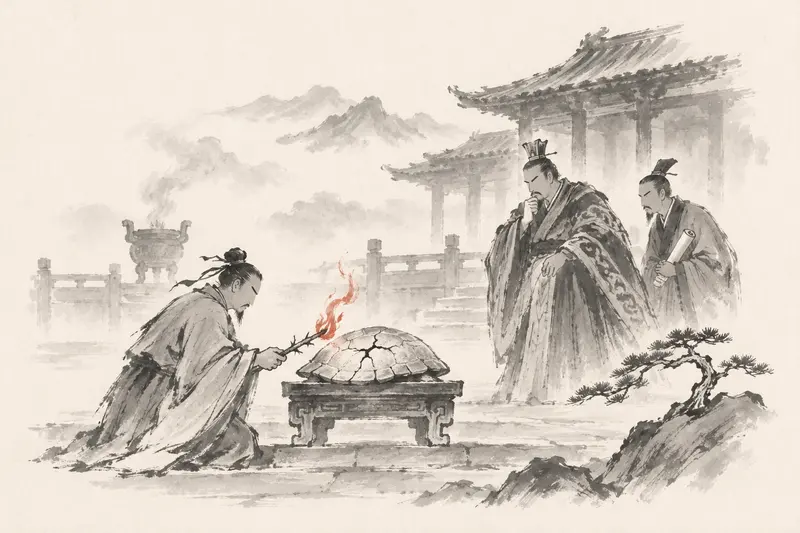
「物安くんぞ全かるべけんや」(夢で王に助けを求めながら殺された神亀) 物安可全乎
亀の甲羅と筮竹による占いの巻。司馬遷の序は、聖王が国を興すときには必ず卜筮で疑いを決めたこと、周公や晋の文公の占いが当たり、晋の献公や楚の霊王は凶の兆しに背いて災いを招いたことを述べ、江南では千年生きた亀が蓮の葉の上で遊ぶと聞いたと記す。本文は失われ、褚先生が太卜の役人から聞いた話を補った。中心は宋の元王の物語で、長江の使いの神亀が漁師の網にかかり、夜中に元王の夢に現れて助けを求める。元王は亀を返そうとするが、博士の衛平は「天が与えた宝を受けなければ、かえって災いを招く」と説いて止め、元王はついに亀を殺してその甲羅で占い、宋は最も強い国になった。褚先生は、未来を知る神亀も漁師の籠から自分を出すことはできなかったと述べ、孔子の言葉として「天でさえ全くはない。どうして物が全くあり得ようか」と結ぶ。
この巻のうち「「物安くんぞ全かるべけんや」(夢で王に助けを求めながら殺された神亀)」の場面を載せています。巻の全文ではありません。
音声
音声は合成音声です。
動画
節 1
原文
太史公曰:自古聖王將建國受命,興動事業,何嘗不寶卜筮以助善!唐虞以上,不可記已。自三代之興,各據禎祥。涂山之兆從而夏啟世,飛燕之卜順故殷興,百穀之筮吉故周王。王者決定諸疑,參以卜筮,斷以蓍龜,不易之道也。蠻夷氐羌雖無君臣之序,亦有決疑之卜。或以金石,或以草木,國不同俗。然皆可以戰伐攻擊,推兵求勝,各信其神,以知來事。
書き下し文
太史公曰く、古より聖王将に国を建て命を受け、事業を興動せんとするに、何ぞ嘗て卜筮を宝として以て善を助けざらんや。唐虞以上は、記すべからざるのみ。三代の興るより、各々禎祥に拠る。塗山の兆従いて夏啓世し、飛燕の卜順いて故に殷興り、百穀の筮吉なるが故に周王たり。王者の諸々の疑いを決定するに、参うるに卜筮を以てし、断ずるに蓍亀を以てす。易えざるの道なり。蛮夷氐羌は君臣の序無しと雖も、亦た疑いを決するの卜有り。或いは金石を以てし、或いは草木を以てす。国俗を同じくせず。然れども皆以て戦伐攻撃し、兵を推して勝ちを求むべし。各々其の神を信じて、以て来事を知る。
現代語訳
太史公は言う。昔から聖王が国を建てて天命を受け、大きな事業を始めようとするとき、卜筮を宝として、よいことを助けさせなかったことがあろうか。堯・舜より前のことは、書きとどめることができない。夏・殷・周の三代が興ったときは、それぞれめでたいしるしによった。塗山の兆しに従って夏の啓が位を継ぎ、つばめの占いに従ったので殷が興り、百穀の筮が吉と出たので周が王となった。王が多くの疑いを決めるときには、卜筮を加えて考え、蓍(筮竹)と亀で決断した。これは変わることのない道である。異民族の氐や羌には君臣の区別もないが、それでも疑いを決めるための占いがある。金属や石で占う国もあれば、草や木で占う国もあり、ならわしは国ごとに違う。けれども、どれも戦に使い、兵を進めて勝ちを求めることができる。それぞれ自分たちの神を信じて、これから起こることを知るのである。
英訳
The Grand Historian says: Since ancient times, when sage-kings were about to found a state, receive the mandate and set great works in motion, when did they ever fail to treasure divination as an aid to good? Before Yao and Shun nothing can be recorded. Since the rise of the Three Dynasties, each relied on auspicious signs: Qi of Xia succeeded because the omen of Mount Tu was followed; Shang arose because the divination of the swallow was obeyed; Zhou became king because the milfoil reading on the hundred grains was lucky. When a king settles his doubts, he weighs them with divination and decides them with milfoil and tortoise. This is a way that never changes. Though the barbarian Di and Qiang have no order of lord and subject, they too have divination to settle doubts. Some use metal or stone, some grass or wood; each country has its own custom. But all can use it in war, to move their troops and seek victory. Each trusts its own gods to know what is to come.
解説(日)
- 卜筮: 卜は亀の甲羅を焼いてできるひびで占い、筮は蓍(めどぎ・筮竹)を数えて占う。
- 飛燕の卜: 殷の祖契の母が、つばめの卵をのんで契を生んだという伝説にかかわる(003-yin の章)。
- 氐・羌: 西方の民族。
解説(英)
- Divination (卜筮): bu reads the cracks in a heated tortoise shell; shi counts milfoil stalks.
- The divination of the swallow: linked to the legend that the mother of Xie, ancestor of Shang, conceived him by swallowing a swallow's egg (chapter 003).
- Di and Qiang: peoples of the west.
英語の語注
- milfoil/ˈmɪlfɔɪl/noun
a plant whose stalks were used for divination
本文では: “decides them with milfoil and tortoise”
似た語と違い: yarrow — another name for milfoil · stalk — a plant stem
- barbarian/bɑːrˈbɛriən/adjective
in old writing, from outside the civilised world
本文では: “the barbarian Di and Qiang”
似た語と違い: foreign — from another land · alien — strange and foreign
Today this word is considered offensive; here it translates the old term 蠻夷.
節 2
原文
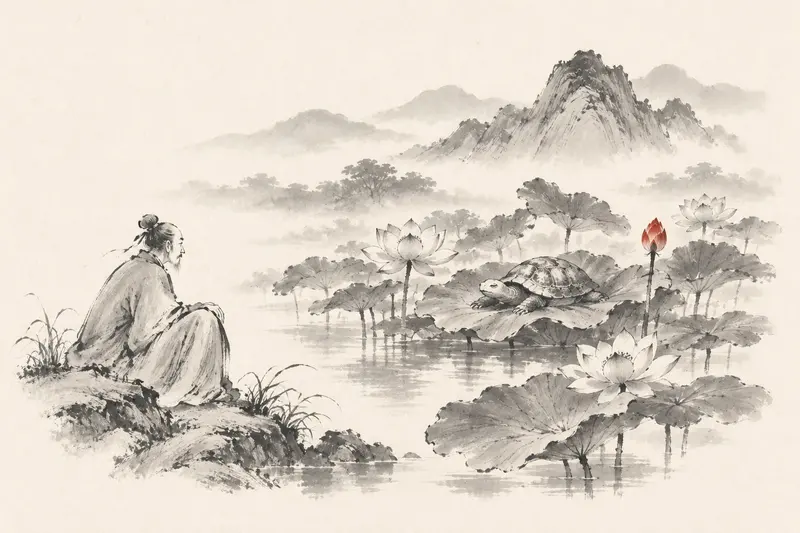
夫摓策定數,灼龜觀兆,變化無窮,是以擇賢而用占焉,可謂聖人重事者乎!周公卜三龜,而武王有瘳。紂為暴虐,而元龜不占。晉文將定襄王之位,卜得黃帝之兆,卒受彤弓之命。獻公貪驪姬之色,卜而兆有口象,其禍竟流五世。楚靈將背周室,卜而龜逆,終被乾谿之敗。兆應信誠於內,而時人明察見之於外,可不謂兩合者哉!君子謂夫輕卜筮,無神明者,悖;背人道,信禎祥者,鬼神不得其正。故書建稽疑,五謀而卜筮居其二,五占從其多,明有而不專之道也。余至江南,觀其行事,問其長老,云龜千歲乃遊蓮葉之上,蓍百莖共一根。又其所生,獸無虎狼,草無毒螫。江傍家人常畜龜飲食之,以為能導引致氣,有益於助衰養老,豈不信哉!
書き下し文
夫れ策を摓りて数を定め、亀を灼きて兆を観るは、変化窮まり無し。是を以て賢を択びて占を用う。聖人の事を重んずる者と謂うべきか。周公三亀を卜して、武王瘳ゆる有り。紂暴虐を為して、元亀占わず。晋文将に襄王の位を定めんとし、卜して黄帝の兆を得、卒に彤弓の命を受く。献公驪姫の色を貪り、卜して兆に口の象有り、其の禍竟に五世に流る。楚霊将に周室に背かんとし、卜して亀逆らい、終に乾谿の敗を被る。兆の応は内に信誠にして、時人明察して之を外に見る。両つながら合する者と謂わざるべけんや。余江南に至り、其の行事を観、其の長老に問うに、云う、亀千歳にして乃ち蓮葉の上に遊び、蓍百茎にして一根を共にすと。又た其の生ずる所、獣に虎狼無く、草に毒螫無し。江の傍の家人常に亀を畜いて之を飲食せしめ、以為えらく能く導引して気を致し、衰えたるを助け老いを養うに益有りと。豈に信ならざらんや。
現代語訳
筮竹を分けて数を定め、亀の甲を焼いてひびの形を見る占いは、その変化に限りがない。だから賢い人を選んで占いを任せた。聖人が物事を重んじたということだろう。周公が三つの亀で占うと、病の武王は治った。殷の紂が暴虐を行うと、大亀の占いには兆しが出なかった。晋の文公が周の襄王の位を定めようとして占うと、黄帝の兆しが出て、ついに覇者のしるしの赤い弓を授けられた。晋の献公が驪姫の美しさにおぼれて占うと、兆しに「口」の形が出て、その災いはついに五代にわたって続いた。楚の霊王が周に背こうとして占うと、亀は逆の兆しを示し、ついに乾谿で敗れた。兆しの応えは内にまことがあり、当時の人ははっきりと外にそれを見た。両方が合っていたと言わずにいられようか。わたしは江南へ行って人々の暮らしを見、長老にたずねた。長老たちは言った。「亀は千年たつと蓮の葉の上で遊び、蓍は百本の茎が一つの根から生える。また亀や蓍の生える所には、獣では虎や狼がおらず、草では毒のあるものがない」。長江のほとりの家では、いつも亀を飼って食べ物を与え、亀は気をめぐらせるので、衰えを助け老いを養うのに役立つと考えていた。どうして本当でないことがあろうか。
英訳
Dividing the stalks to fix the numbers, scorching the tortoise to see the cracks — their changes are endless. That is why worthy men were chosen to do the divining; it shows how seriously the sages took such matters. The Duke of Zhou divined with three tortoises, and King Wu recovered. Zhou of Shang was cruel, and the great tortoise would give no reading. Duke Wen of Jin, about to settle King Xiang on his throne, divined and obtained the omen of the Yellow Emperor, and in the end received the charge of the red bow. Duke Xian, greedy for the beauty of Li Ji, divined and the crack showed the shape of a mouth; the disaster flowed on through five generations. King Ling of Chu, about to defy the house of Zhou, divined and the tortoise said no, and in the end he met defeat at Qianxi. The response of the omens was true within, and the people of the time saw it clearly without. Can that not be called a perfect match? When I went to the lands south of the Yangzi and watched their ways and asked their elders, they told me that a tortoise a thousand years old plays on lotus leaves, and that a hundred stalks of milfoil share one root. Moreover, where they grow there are no tigers or wolves among the beasts and no poisonous plants among the grasses. Families along the river often keep tortoises and feed them, believing that they guide the breath and help to restore the weak and nourish the old. How could it not be true?
解説(日)
- 周公三亀を卜す: 周公が病の武王のために、自分が身代わりになると祈った話(033-duke-zhou の章)。
- 彤弓の命: 赤い弓を授かること。天子が覇者を認めるしるし(039-chong-er の章)。
- 驪姫: 晋の献公の夫人。太子申生を死に追いやり、晋は長く乱れた。
- 乾谿の敗: 楚の霊王が乾谿で家臣に背かれ、首をつって死んだこと(040-chu の章)。
解説(英)
- The Duke of Zhou's three tortoises: when he prayed to die in place of the sick King Wu (chapter 033).
- The charge of the red bow (彤弓之命): the Son of Heaven's recognition of an overlord (chapter 039).
- Li Ji: Duke Xian's consort, who drove the heir Shensheng to his death and threw Jin into long disorder.
- Defeat at Qianxi: King Ling of Chu, deserted by his men at Qianxi, hanged himself (chapter 040).
英語の語注
- scorch/skɔːrtʃ/verb
to burn the surface of something
本文では: “scorching the tortoise”
似た語と違い: singe — burn lightly · sear — burn quickly
- omen/ˈoʊmən/noun
a sign of what will happen
本文では: “the omen of the Yellow Emperor”
似た語と違い: sign — a mark of what is coming · portent — a sign of something big
節 3
原文
褚先生曰:臣以通經術,受業博士,治春秋,以高第為郎,幸得宿衛,出入宮殿中十有餘年。竊好太史公傳。太史公之傳曰:「三王不同龜,四夷各異卜,然各以決吉凶,略闚其要,故作龜策列傳。」臣往來長安中,求龜策列傳不能得,故之大卜官,問掌故文學長老習事者,寫取龜策卜事,編于下方。神龜出於江水中,廬江郡常歲時生龜長尺二寸者二十枚輸太卜官,太卜官因以吉日剔取其腹下甲。龜千歲乃滿尺二寸。王者發軍行將,必鉆龜廟堂之上,以決吉凶。今高廟中有龜室,藏內以為神寶。
書き下し文
褚先生曰く、臣経術に通ずるを以て、業を博士に受け、春秋を治め、高第を以て郎と為り、幸いに宿衛するを得て、宮殿の中に出入すること十有余年。窃かに太史公の伝を好む。太史公の伝に曰く、「三王亀を同じくせず、四夷各々卜を異にす。然れども各々以て吉凶を決す。略其の要を闚う。故に亀策列伝を作る」と。臣長安の中に往来し、亀策列伝を求むるも得ること能わず。故に大卜の官に之き、掌故・文学の長老の事に習う者に問い、亀策卜事を写し取りて、下方に編む。神亀は江水の中に出づ。廬江郡常に歳時に生亀の長さ尺二寸なる者二十枚を生じて太卜官に輸す。太卜官因りて吉日を以て其の腹下の甲を剔り取る。亀千歳にして乃ち尺二寸に満つ。王者軍を発し将を行るに、必ず亀を廟堂の上に鉆りて、以て吉凶を決す。今高廟の中に亀室有り、内に蔵して以て神宝と為す。
現代語訳
褚先生は言う。わたしは経学に通じていたので、博士について学び、『春秋』を修め、よい成績で郎となって、宮中の警護に十年あまり仕えることができた。わたしはひそかに太史公の伝を愛読していた。太史公の序には「三王は亀の占いのしかたが違い、四方の異民族もそれぞれ占いが違う。けれども、どれも吉凶を決めるためのものである。その要点をおおまかにうかがって、亀策列伝を作る」とある。わたしは長安じゅうで亀策列伝を探したが、見つからなかった。そこで太卜の役所へ行き、故事や学問にくわしい年長の役人にたずね、亀や筮竹の占いのことを書き写して、以下に並べた。神亀は長江の中にいる。廬江郡からは毎年、長さ一尺二寸の生きた亀二十匹を太卜の役所に納める。太卜の役所は吉日を選んで、その腹の下の甲羅をはぎ取る。亀は千年たってやっと一尺二寸になる。王が軍を出し将軍を送るときには、必ず廟堂で亀の甲に穴をあけて焼き、吉凶を決める。いまも高祖の廟には亀を納める部屋があり、神の宝としてしまわれている。
英訳
Master Chu says: Because I was versed in the classics, I studied under an erudite, specialised in the Spring and Autumn, and, passing with high marks, became a gentleman of the palace; I was fortunate enough to serve in the palace guard and go in and out of the halls for more than ten years. I secretly loved the Grand Historian's biographies. The Grand Historian wrote: "The Three Kings did not use the tortoise alike, and the barbarians of the four quarters each divine differently, yet all of them settle good and ill fortune this way. I have glimpsed the essentials, and so I made the Biographies of the Tortoise and Milfoil Diviners." I went all over Chang'an looking for this chapter but could not find it. So I went to the office of the Grand Diviner, asked the elders who knew its records and learning and were practised in its work, copied down what they told of divination by tortoise and milfoil, and set it out below. Divine tortoises come from the waters of the Yangzi. Every year Lujiang commandery sends twenty live tortoises a foot and two inches long to the office of the Grand Diviner, which on a lucky day strips off the shell beneath their bellies. A tortoise takes a thousand years to reach a foot and two inches. When a king sends out an army and dispatches his generals, he always drills a tortoise shell in the ancestral hall to settle the good or ill fortune of it. Even now there is a tortoise chamber in the temple of Gaozu, where shells are kept as sacred treasures.
解説(日)
- 褚先生: 褚少孫。亀策列伝はもとの本文の大部分が失われ、褚先生が補った。
- 太卜: 国の占いをつかさどる役所の長。
- 鉆る: 甲羅に穴をあけ、そこを焼いてひびを出すこと。
解説(英)
- Master Chu: Chu Shaosun, who filled the lost body of this chapter.
- The Grand Diviner (太卜): head of the state office of divination.
- Drilling the shell: hollows were drilled and then heated to make the cracks appear.
英語の語注
- erudite/ˈɛrʊdaɪt/noun
a learned scholar holding an official post
本文では: “studied under an erudite”
似た語と違い: scholar — a learned person · academic — a university teacher
Usually an adjective meaning learned; in Han history it names an official post (博士).
- strip/strɪp/verb
to pull off a covering
本文では: “strips off the shell”
似た語と違い: peel — remove the skin · remove — take off
節 4
原文
南方老人用龜支床足,行二十餘歲,老人死,移床,龜尚生不死。龜能行氣導引。問者曰:「龜至神若此,然太卜官得生龜,何為輒殺取其甲乎?」近世江上人有得名龜,畜置之,家因大富。與人議,欲遣去。人教殺之勿遣,遣之破人家。龜見夢曰:「送我水中,無殺吾也。」其家終殺之。殺之后,身死,家不利。人民與君王者異道。人民得名龜,其狀類不宜殺也。以往古故事言之,古明王聖主皆殺而用之。
書き下し文
南方の老人亀を用いて床の足を支え、行うこと二十余歳。老人死し、床を移すに、亀尚お生きて死せず。亀能く気を行らし導引す。問う者曰く、「亀の至神なること此の若し。然るに太卜官生亀を得て、何為れぞ輒ち殺して其の甲を取るや」と。近世江上の人に名亀を得る有り。畜いて之を置き、家因りて大いに富む。人と議して、遣り去らんと欲す。人教えて之を殺して遣ること勿からしむ。之を遣れば人の家を破ると。亀夢に見われて曰く、「我を水中に送れ。吾を殺すこと無かれ」と。其の家終に之を殺す。之を殺して后、身死し、家利あらず。人民と君王とは道を異にす。人民名亀を得れば、其の状殺すに宜しからざるに類す。往古の故事を以て之を言えば、古の明王聖主は皆殺して之を用う。
現代語訳
南の地方の老人が、亀を寝台の足の支えにして二十年あまりたった。老人が死んで寝台を動かすと、亀はまだ生きていて死んでいなかった。亀は気をめぐらせ、体を整えることができるのである。ある人がたずねた。「亀がこれほど神秘なものなら、太卜の役所は生きた亀を手に入れて、なぜすぐに殺して甲羅を取るのか」。近ごろ、長江のほとりの人が名高い亀を手に入れて飼っていたところ、家がたいへん豊かになった。人と相談して、亀を放してやろうとすると、ある人が「殺しなさい、放してはいけない。放せば家がつぶれる」と教えた。すると亀が夢に現れて言った。「わたしを水の中に送ってください。殺さないでください」。その家はとうとう亀を殺した。殺したあと、その人は死に、家もうまくいかなくなった。民と王とでは道が違う。民が名高い亀を手に入れたら、殺さないほうがよいようである。けれども昔の例で言えば、昔の明君や聖王は、皆亀を殺して占いに使ったのである。
英訳
An old man of the south used a tortoise to prop up the leg of his bed. More than twenty years later, when the old man died and the bed was moved, the tortoise was still alive. A tortoise can circulate its breath and guide it. Someone asked: "If the tortoise is so divine, why does the office of the Grand Diviner kill every live tortoise it gets and take its shell?" In recent times a man by the river got hold of a famous tortoise and kept it, and his family grew very rich. He talked it over with someone, meaning to set it free, but was told to kill it rather than release it: releasing it would ruin his family. The tortoise appeared to him in a dream and said: "Send me back to the water; do not kill me." In the end the family killed it. After that the man died and the family prospered no more. The common people and kings follow different ways. When a commoner gets a famous tortoise, it seems best not to kill it. But by the old precedents, the wise kings and sage rulers of antiquity all killed tortoises and used them.
解説(日)
- 導引: 呼吸と体の動きで気をめぐらせ、長生きをはかる術。
- 民と王の違い: 民が亀を殺すと災いを受けるが、王が占いのために殺すのは正しい道だ、という考え方。
解説(英)
- Guiding the breath (導引): breathing and movement exercises for long life.
- Commoners and kings: a commoner who kills a tortoise suffers for it, while a king who kills one for divination follows the right way.
英語の語注
- prop up/prɒp ʌp/phrasal verb
to support something so it does not fall
本文では: “used a tortoise to prop up the leg of his bed”
似た語と違い: support — hold up · brace — make firm
- prosper/ˈprɒspər/verb
to be successful and rich
本文では: “the family prospered no more”
似た語と違い: thrive — grow well · flourish — do very well
節 5
原文
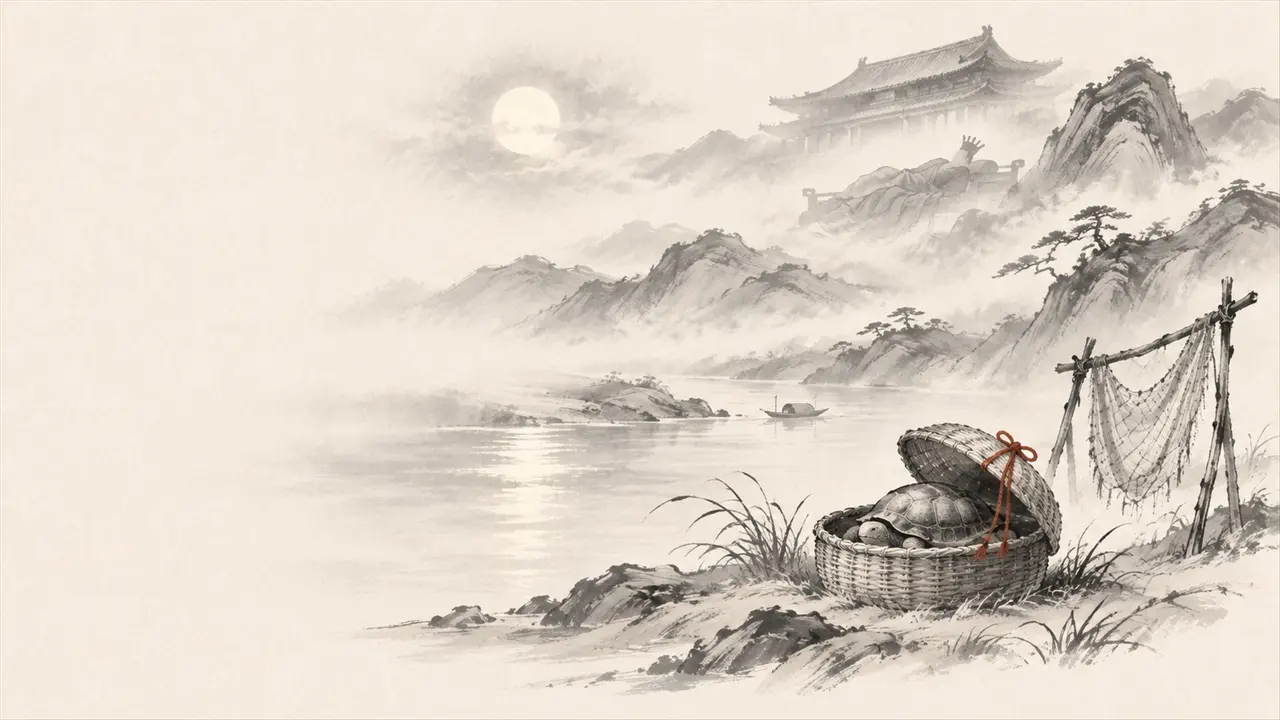
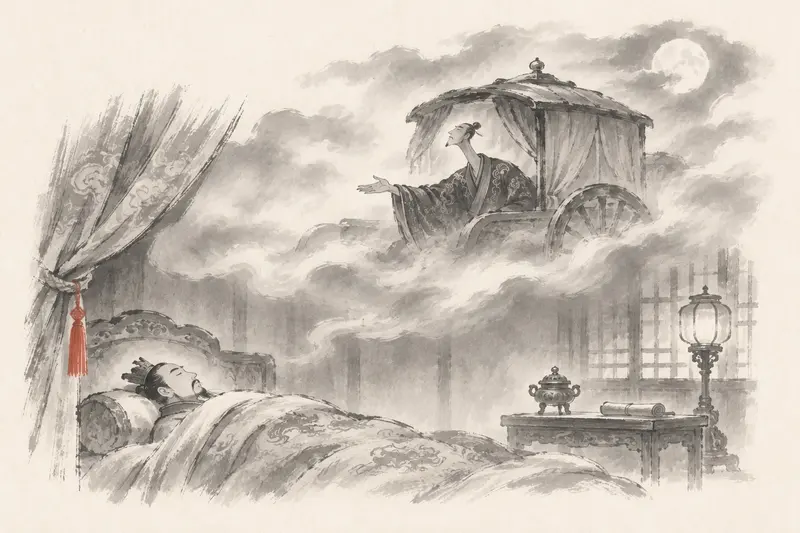
宋元王二年,江使神龜使於河,至於泉陽,漁者豫且舉網得而囚之。置之籠中。夜半,龜來見夢於宋元王曰:「我為江使於河,而幕網當吾路。泉陽豫且得我,我不能去。身在患中,莫可告語。王有德義,故來告訴。」元王惕然而悟。乃召博士衛平而問之曰:「今寡人夢見一丈夫,延頸而長頭,衣玄繡之衣而乘輜車,來見夢於寡人曰:『我為江使於河,而幕網當吾路。泉陽豫且得我,我不能去。身在患中,莫可告語。王有德義,故來告訴。』是何物也?」衛平乃援式而起,仰天而視月之光,觀斗所指,定日處鄉。規矩為輔,副以權衡。四維已定,八卦相望。視其吉凶,介蟲先見。乃對元王曰:「今昔壬子,宿在牽牛。河水大會,鬼神相謀。漢正南北,江河固期,南風新至,江使先來。白雲壅漢,萬物盡留。斗柄指日,使者當囚。玄服而乘輜車,其名為龜。王急使人問而求之。」王曰:「善。」
書き下し文
宋の元王の二年、江神亀をして河に使いせしむ。泉陽に至るに、漁者豫且網を挙げて得て之を囚え、之を籠中に置く。夜半、亀来たりて夢を宋の元王に見わして曰く、「我江の為に河に使いす。而るに幕網吾が路に当たる。泉陽の豫且我を得て、我去ること能わず。身患中に在りて、告げ語るべき莫し。王に徳義有り。故に来たりて告げ訴う」と。元王惕然として悟る。乃ち博士衛平を召して之に問いて曰く、「今寡人夢に一丈夫を見る。頸を延ばして頭を長くし、玄繡の衣を衣て輜車に乗り、来たりて夢を寡人に見わして曰く、『我江の為に河に使いす。而るに幕網吾が路に当たる。泉陽の豫且我を得て、我去ること能わず。身患中に在りて、告げ語るべき莫し。王に徳義有り。故に来たりて告げ訴う』と。是れ何物ぞや」と。衛平乃ち式を援りて起ち、天を仰ぎて月の光を視、斗の指す所を観、日を定め郷に処す。規矩もて輔と為し、副うるに権衡を以てす。四維已に定まり、八卦相望む。其の吉凶を視るに、介虫先ず見わる。乃ち元王に対えて曰く、「今昔は壬子、宿は牽牛に在り。河水大いに会し、鬼神相謀る。漢は南北に正しく、江河固より期す。南風新たに至り、江の使い先ず来たる。白雲漢を壅ぎ、万物尽く留まる。斗柄日を指し、使者当に囚わるべし。玄服にして輜車に乗る、其の名を亀と為す。王急ぎ人をして問いて之を求めしめよ」と。王曰く、「善し」と。
現代語訳
宋の元王の二年、長江は神亀を黄河への使いに出した。神亀が泉陽まで来ると、漁師の豫且が網を上げて捕らえ、籠の中に閉じこめた。夜中、亀は宋の元王の夢に現れて言った。「わたしは長江の使いとして黄河へ行くところでしたが、網がわたしの道をふさいでいました。泉陽の豫且がわたしを捕らえ、わたしは逃げられません。災いの中にいて、訴える相手もいません。王には徳と義があるので、こうしてお訴えに来ました」。元王ははっと目を覚まし、博士の衛平を呼んでたずねた。「いま夢に一人の男を見た。首を長くのばし、頭が長く、黒い刺繍の衣を着て、ほろのある車に乗っていた。夢に現れて言うには、『わたしは長江の使いとして黄河へ行くところでしたが、網がわたしの道をふさいでいました。泉陽の豫且がわたしを捕らえ、わたしは逃げられません。災いの中にいて、訴える相手もいません。王には徳と義があるので、こうしてお訴えに来ました』。これは何者か」。衛平は占いの盤を手に取って立ち上がり、天を仰いで月の光を見、北斗の柄の指す方角を見て、日を定め方角を合わせた。コンパスと定規で助け、はかりを添えた。四方が定まり、八卦が向かい合った。吉凶を見ると、甲羅を持つ生き物がまず現れた。衛平は元王に答えた。「昨夜は壬子の日で、月は牽牛の宿にありました。黄河の水が大いに集まり、鬼神が相談していました。天の川は南北にまっすぐかかり、長江と黄河は前から会う約束をしていました。南風が吹きはじめ、長江の使いが先に来ました。白い雲が天の川をふさぎ、万物がとどまりました。北斗の柄が太陽を指していたので、使者は捕らわれたはずです。黒い服でほろ車に乗っているもの、その名は亀です。王は急いで人をやって、探させてください」。王は「よろしい」と言った。
英訳
In the second year of King Yuan of Song, the Yangzi sent a divine tortoise as its envoy to the Yellow River. When it reached Quanyang, a fisherman named Yu Ju raised his net, caught it and shut it up in a basket. At midnight the tortoise appeared to King Yuan of Song in a dream and said: "I was going to the Yellow River as envoy of the Yangzi, but a net lay across my path. Yu Ju of Quanyang has caught me and I cannot get away. I am in trouble and have no one to tell. You, King, have virtue and righteousness, so I have come to plead with you." King Yuan woke with a start and understood. He summoned the erudite Wei Ping and asked him: "Just now I dreamed of a man with a long neck stretched out and a long head, dressed in black embroidered robes and riding in a covered carriage, who came to me in my dream and said: 'I was going to the Yellow River as envoy of the Yangzi, but a net lay across my path. Yu Ju of Quanyang has caught me and I cannot get away. I am in trouble and have no one to tell. You, King, have virtue and righteousness, so I have come to plead with you.' What creature is this?" Wei Ping took up his divining board and rose; he looked up at the light of the moon, observed where the Dipper pointed, fixed the day and set the directions. Compass and square aided him, and the balance and steelyard as well. When the four corners were fixed and the eight trigrams faced each other, he looked for good and ill, and shelled creatures appeared first. Then he answered King Yuan: "Last night was the day renzi, and the moon was in the Herd Boy. The waters of the River gathered greatly and the spirits took counsel. The River of Heaven ran true from south to north; the Yangzi and the Yellow River had long agreed to meet. The south wind had just come, and the Yangzi's envoy came ahead. White clouds blocked the River of Heaven and all things halted. The handle of the Dipper pointed at the sun, so the envoy must be held captive. Black-robed and riding in a covered carriage — its name is the tortoise. Send someone at once to inquire and find it, my King." "Good," said the king.
解説(日)
- 宋の元王: 宋に「元王」という王は見えず、宋の元公のことかとも言われる。物語として読むのがよい。
- 式: 天と地をかたどった占いの盤。
- 玄繡の衣・輜車: 黒い甲羅と、ほろのような甲を、衣と車にたとえた。
解説(英)
- King Yuan of Song: no such king is known; he may be Duke Yuan of Song. The story is best read as a tale.
- Divining board (式): a board modelled on Heaven and Earth, used for calculation.
- Black embroidered robes and a covered carriage: the tortoise's dark shell pictured as clothing and coach.
英語の語注
- envoy/ˈɛnvɔɪ/noun
a person sent with a message
本文では: “as its envoy to the Yellow River”
似た語と違い: messenger — one who carries messages · emissary — one sent on a mission
- plead/pliːd/verb
to ask for something in a very emotional way
本文では: “I have come to plead with you”
似た語と違い: beg — ask humbly · implore — beg strongly
節 6
原文
於是王乃使人馳而往問泉陽令曰:「漁者幾何家?名誰為豫且?豫且得龜,見夢於王,王故使我求之。」泉陽令乃使吏案籍視圖,水上漁者五十五家,上流之廬,名為豫且。泉陽令曰:「諾。」乃與使者馳而問豫且曰:「今昔汝漁何得?」豫且曰:「夜半時舉網得龜。」使者曰:「今龜安在?」曰:「在籠中。」使者曰:「王知子得龜,故使我求之。」豫且曰:「諾。」即繋龜而出之籠中,獻使者。使者載行,出於泉陽之門。正晝無見,風雨晦冥。雲蓋其上,五采青黃;雷雨并起,風將而行。入於端門,見於東箱。身如流水,潤澤有光。望見元王,延頸而前,三步而止,縮頸而卻,復其故處。元王見而怪之,問衛平曰:「龜見寡人,延頸而前,以何望也?縮頸而復,是何當也?」衛平對曰:「龜在患中,而終昔囚,王有德義,使人活之。今延頸而前,以當謝也,縮頸而卻,欲亟去也。」元王曰:「善哉!神至如此乎,不可久留;趣駕送龜,勿令失期。」衛平對曰:「龜者是天下之寶也,先得此龜者為天子,且十言十當,十戰十勝。生於深淵,長於黃土。知天之道,明於上古。游三千歲,不出其域。安平靜正,動不用力。壽蔽天地,莫知其極。與物變化,四時變色。居而自匿,伏而不食。春倉夏黃,秋白冬黑。明於陰陽,審於刑德。先知利害,察於禍福,以言而當,以戰而勝,王能寶之,諸侯盡服。王勿遣也,以安社稷。」
書き下し文
是に於いて王乃ち人をして馳せて往きて泉陽の令に問わしめて曰く、「漁者幾何家ぞ。名は誰か豫且為る。豫且亀を得て、夢を王に見わす。王故に我をして之を求めしむ」と。泉陽の令乃ち吏をして籍を案じ図を視しむ。水上の漁者五十五家、上流の廬、名づけて豫且と為す。泉陽の令曰く、「諾」と。乃ち使者と馳せて豫且に問いて曰く、「今昔汝漁して何をか得たる」と。豫且曰く、「夜半の時網を挙げて亀を得たり」と。使者曰く、「今亀安くに在りや」と。曰く、「籠中に在り」と。使者曰く、「王子の亀を得しを知る。故に我をして之を求めしむ」と。豫且曰く、「諾」と。即ち亀を繋ぎて之を籠中より出だし、使者に献ず。使者載せて行き、泉陽の門を出づ。正昼にして見ゆる無く、風雨晦冥たり。雲其の上を蓋い、五采青黄なり。雷雨并び起こり、風将いて行く。端門に入り、東箱に見ゆ。身は流水の如く、潤沢にして光有り。元王を望見し、頸を延ばして前み、三歩にして止まり、頸を縮めて卻き、其の故の処に復る。元王見て之を怪しみ、衛平に問いて曰く、「亀寡人を見て、頸を延ばして前むは、何を以てか望むや。頸を縮めて復るは、是れ何ぞ当たるや」と。衛平対えて曰く、「亀患中に在りて、終昔囚わる。王に徳義有りて、人をして之を活かさしむ。今頸を延ばして前むは、以て謝に当つるなり。頸を縮めて卻くは、亟やかに去らんと欲するなり」と。元王曰く、「善いかな。神の至ること此くの如きか。久しく留むべからず。趣やかに駕して亀を送れ。期を失わしむること勿かれ」と。衛平対えて曰く、「亀は是れ天下の宝なり。先ず此の亀を得る者は天子と為り、且つ十言して十当たり、十戦して十勝つ。深淵に生まれ、黄土に長ず。天の道を知り、上古に明らかなり。游ぶこと三千歳、其の域を出でず。安平静正にして、動くに力を用いず。寿は天地を蔽い、其の極まりを知る莫し。物と変化し、四時に色を変ず。居りて自ら匿れ、伏して食わず。春は倉、夏は黄、秋は白、冬は黒。陰陽に明らかにして、刑徳を審らかにす。先ず利害を知り、禍福を察す。以て言えば当たり、以て戦えば勝つ。王能く之を宝とせば、諸侯尽く服せん。王遣ること勿かれ。以て社稷を安んぜよ」と。
現代語訳
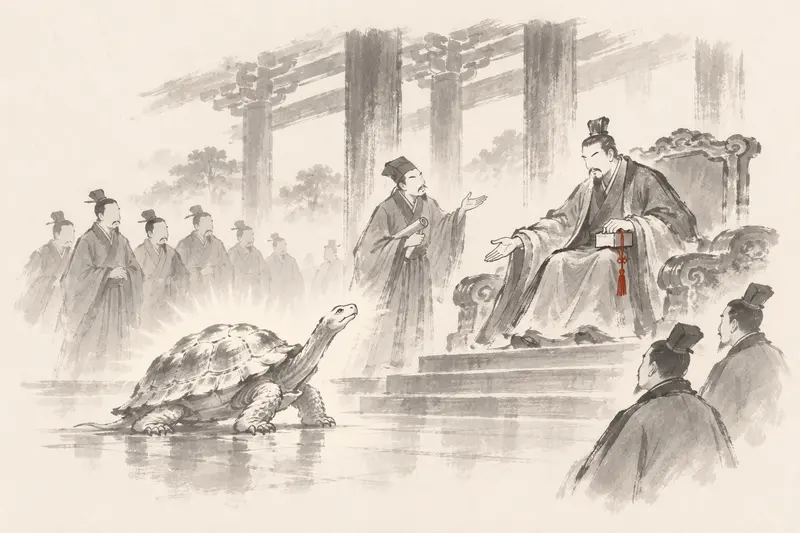
そこで王は人を馬で泉陽の県令のもとへ急がせ、たずねさせた。「漁師は何軒あるか。豫且という名の者は誰か。豫且が亀を捕らえ、その亀が王の夢に現れた。だから王はわたしに亀を探させたのだ」。泉陽の県令は役人に戸籍と地図を調べさせた。川で漁をする者は五十五軒あり、上流の小屋の者が豫且という名だった。県令は「わかりました」と言い、使者とともに馬を走らせて豫且にたずねた。「昨夜、漁で何がとれたか」。豫且は「夜中に網を上げたら亀がとれました」と答えた。使者が「その亀はいまどこにいる」と聞くと、「籠の中です」と答えた。使者が「王はおまえが亀をとったことを知っていて、わたしに探させたのだ」と言うと、豫且は「わかりました」と言って、亀をつないで籠から出し、使者に差し出した。使者が亀を車に乗せて泉陽の門を出ると、真昼なのに何も見えないほど暗くなり、風雨が吹き荒れた。雲が上をおおい、青や黄の五色に輝いた。雷と雨がいっしょに起こり、風が車を導いて進んだ。宮殿の正門を入り、東の部屋で王に会った。亀の体は流れる水のようにつやつやと光っていた。亀は元王を見ると、首をのばして前に出て、三歩進んで止まり、首を縮めて下がり、もとの場所に戻った。元王はふしぎに思い、衛平にたずねた。「亀はわたしを見て首をのばして前に出たが、何を望んでいるのか。首を縮めて戻ったのは、何を意味するのか」。衛平は答えた。「亀は災いにあって一晩じゅう捕らわれていましたが、王は徳と義によって人をやって助けてくださいました。首をのばして前に出たのはお礼のしるし、首を縮めて下がったのは、早く帰りたいということです」。元王は言った。「すばらしい。神がこれほどまでに通じるものか。長く引きとめてはならない。急いで車を用意して亀を送り届けよ。約束の時を失わせてはならない」。衛平は答えた。「この亀は天下の宝です。この亀を先に手に入れた者は天子となり、十のことを言えば十とも当たり、十たび戦えば十たび勝ちます。深い淵に生まれ、黄色い土の中で育ち、天の道を知り、大昔のことに通じています。三千年遊んでも自分の領分を出ず、安らかで静かで正しく、動くにも力を使いません。寿命は天地をおおうほどで、その果てを知る者はいません。物とともに変化し、四季に応じて色を変え、じっと身を隠して、伏したまま食べもしません。春は青、夏は黄、秋は白、冬は黒です。陰陽に通じ、刑と徳をはっきりと見分けます。前もって利と害を知り、災いと福を見通します。これで占えば言うことは当たり、戦えば勝ちます。王がこれを宝とすれば、諸侯は皆従うでしょう。王よ、返してはなりません。これで国を安らかにしてください」。
英訳
So the king sent men galloping to the magistrate of Quanyang to ask: "How many fishing households are there? Which of them is named Yu Ju? Yu Ju has caught a tortoise that appeared to the king in a dream, so the king has sent us to find it." The magistrate had his clerks check the registers and maps: there were fifty-five fishing households on the river, and the hut upstream belonged to one named Yu Ju. "Very well," said the magistrate, and he galloped with the envoys to ask Yu Ju: "What did you catch last night?" Yu Ju said: "At midnight I raised my net and caught a tortoise." "Where is the tortoise now?" asked the envoys. "In my basket." "The king knows you caught a tortoise, and has sent us to fetch it." "Very well," said Yu Ju, and he tied the tortoise, took it out of the basket and handed it to the envoys. The envoys put it in their carriage and drove out through the gate of Quanyang. Though it was broad noon nothing could be seen, and wind and rain made all dark. Clouds covered them, shining in five colours, green and yellow; thunder and rain rose together, and the wind led them on. They entered the main gate of the palace and were received in the east chamber. The tortoise's body was like flowing water, glossy and shining. Seeing King Yuan, it stretched out its neck and came forward three steps, then stopped, drew in its neck, went back and returned to its place. King Yuan, puzzled, asked Wei Ping: "The tortoise saw me and stretched out its neck and came forward — what does it hope for? It drew in its neck and went back — what does that mean?" Wei Ping replied: "The tortoise was in trouble and held captive all night; you, King, in your virtue and righteousness, sent men to save it. Stretching out its neck and coming forward is its thanks; drawing in its neck and going back means it wishes to leave at once." King Yuan said: "Splendid! Can a spirit truly be so wondrous? It must not be kept long. Make ready a carriage at once and send the tortoise on its way; do not let it miss its appointed time." Wei Ping replied: "This tortoise is the treasure of the realm. Whoever gets this tortoise first will become Son of Heaven; ten times he will speak and ten times be right, ten times he will fight and ten times win. It was born in the deep abyss and grew in the yellow earth; it knows the way of Heaven and understands high antiquity. It has roamed for three thousand years without leaving its domain; it is at peace, still and upright, and moves without effort. Its life spans Heaven and Earth, and no one knows its end. It changes with all things and alters its colour with the four seasons; it lies hidden and fasts unseen — green in spring, yellow in summer, white in autumn, black in winter. It understands yin and yang and judges punishment and grace; it knows gain and harm before they come and sees misfortune and blessing. Divine with it and your words will hit the mark; fight with it and you will win. If you can treasure it, my King, all the lords will submit. Do not let it go, my King; use it to secure the altars of the state."
解説(日)
- 端門: 宮殿の正門。
- 春は倉、夏は黄、秋は白、冬は黒: 五行で、四季にそれぞれの色を当てた考え方。
- 衛平の言葉は韻をふんだ文で書かれている。
解説(英)
- The main gate (端門): the principal gate of the palace.
- Green in spring, yellow in summer, white in autumn, black in winter: the colours of the seasons in Five Phases thought.
- Wei Ping's speech is written in rhymed verse.
英語の語注
- glossy/ˈɡlɒsi/adjective
smooth and shiny
本文では: “glossy and shining”
似た語と違い: shiny — reflecting light · sleek — smooth and shiny
- treasure/ˈtrɛʒər/noun
something very valuable
本文では: “the treasure of the realm”
似た語と違い: jewel — a precious stone · prize — something valued
節 7
原文
元王曰:「龜甚神靈,降于上天,陷於深淵。在患難中。以我為賢。德厚而忠信,故來告寡人。寡人若不遣也,是漁者也。漁者利其肉,寡人貪其力,下為不仁,上為無德。君臣無禮,何從有福?寡人不忍,柰何勿遣!」衛平對曰:「不然。臣聞盛德不報,重寄不歸;天與不受,天奪之寶。今龜周流天下,還復其所,上至蒼天,下薄泥涂。還遍九州,未嘗愧辱,無所稽留。今至泉陽,漁者辱而囚之。王雖遣之,江河必怒,務求報仇。自以為侵,因神與謀。淫雨不霽,水不可治。若為枯旱,風而揚埃,蝗蟲暴生,百姓失時。王行仁義,其罰必來。此無佗故,其祟在龜。後雖悔之,豈有及哉!王勿遣也。」
書き下し文
元王曰く、「亀甚だ神霊なり。上天より降り、深淵に陥る。患難の中に在りて、我を以て賢と為す。徳厚くして忠信なり。故に来たりて寡人に告ぐ。寡人若し遣らずんば、是れ漁者なり。漁者は其の肉を利とし、寡人は其の力を貪る。下は不仁と為り、上は無徳と為る。君臣礼無くんば、何に従りてか福有らん。寡人忍びず。奈何ぞ遣ること勿からん」と。衛平対えて曰く、「然らず。臣聞く、盛徳は報いず、重寄は帰さず。天与うるに受けざれば、天之が宝を奪うと。今亀天下を周流し、還りて其の所に復る。上は蒼天に至り、下は泥塗に薄る。還りて九州に遍く、未だ嘗て愧辱せられず、稽留する所無し。今泉陽に至り、漁者辱めて之を囚う。王之を遣ると雖も、江河必ず怒り、務めて報仇を求めん。自ら以て侵さると為し、因りて神と謀らん。淫雨霽れず、水治むべからず。若しくは枯旱を為し、風ふきて埃を揚げ、蝗虫暴かに生じ、百姓時を失わん。王仁義を行うも、其の罰必ず来たらん。此れ佗の故無し。其の祟りは亀に在り。後に之を悔ゆと雖も、豈に及ぶこと有らんや。王遣ること勿かれ」と。
現代語訳
元王は言った。「この亀はとても神聖なものだ。天から降り、深い淵に沈んでいる。災いにあって、わたしを賢いと思い、徳が厚くまことがあると見こんで、わたしに訴えに来たのだ。もし返さなければ、わたしは漁師と同じになる。漁師はその肉を利益とし、わたしはその力をむさぼることになる。下には仁がなく、上には徳がないことになる。君主と臣下に礼がなくて、どうして福があろうか。わたしにはしのびない。どうして返さずにいられよう」。衛平は答えた。「そうではありません。大きな徳には返礼をせず、重い預かりものは返さない、天が与えたものを受け取らなければ、天はかえってその宝を奪う、と聞いています。この亀は天下をめぐってもとの所に戻り、上は青い天まで昇り、下は泥の中まで降り、九州をくまなく回っても、一度も辱めを受けたことがなく、どこにもとどめられたことがありませんでした。それがいま泉陽で、漁師に辱められて捕らえられたのです。王が返しても、長江と黄河はきっと怒って、仕返しをしようとするでしょう。自分たちが侵されたと考え、神々と相談するでしょう。長雨がやまず、水を治められなくなるかもしれません。あるいは日照りになって風が砂ぼこりを巻き上げ、いなごがにわかに発生して、民は種まきや収穫の時を失うでしょう。王がどれほど仁義を行っても、その罰は必ず来ます。ほかでもない、そのたたりは亀にあるのです。後で悔やんでも、間に合いません。王よ、返してはなりません」。
英訳
King Yuan said: "This tortoise is truly divine. It came down from Heaven and sank into the deep abyss. In its trouble it thought me worthy, generous in virtue, loyal and true, and so it came to tell me. If I do not send it back, I am no better than the fisherman. The fisherman wants its flesh; I would be greedy for its power. Below there would be no humanity, above no virtue. If lord and subject lack courtesy, where can blessing come from? I cannot bear it. How can I not send it back?" Wei Ping answered: "Not so. I have heard that great virtue is not repaid and a weighty trust is not returned; if Heaven gives and you do not accept, Heaven takes its treasure from you. This tortoise has travelled round the whole realm and come back to its place; it has risen to the blue sky above and gone down into the mud below; it has been through all nine provinces and was never once disgraced or held back. Now, at Quanyang, a fisherman has disgraced it and shut it up. Even if you send it back, the Yangzi and the Yellow River will surely be angry and seek revenge. They will think themselves wronged and take counsel with the spirits. Endless rain will not clear and the waters will be beyond control; or there will be drought, with wind raising dust and locusts swarming suddenly, and the people will miss their seasons. However humane and just you are, punishment will surely come. There is no other cause: the curse lies in the tortoise. However you regret it afterwards, it will be too late. Do not let it go, my King."
解説(日)
- 盛徳は報いず: 大きな恩には、あえてお礼をしないもの、という意味の古い言葉。
- このあと、元王と衛平の長い問答が続く(第14〜17段、ここでは省略)。元王は「暴と強で得た者は滅びる」と桀・紂を例に反論し、衛平は「強さこそ物事の始まり」と説く。
解説(英)
- "Great virtue is not repaid": an old saying that great kindness is not answered with thanks.
- A long debate follows (paragraphs 14–17, omitted here): the king cites Jie and Zhou to argue that what is taken by force is soon lost, and Wei Ping replies that strength is the beginning of all things.
英語の語注
- revenge/rɪˈvɛndʒ/noun
harm done to someone in return for a wrong
本文では: “seek revenge”
似た語と違い: vengeance — punishment in return · retaliation — striking back
- regret/rɪˈɡrɛt/verb
to feel sorry about something you did
本文では: “However you regret it afterwards”
似た語と違い: repent — feel sorry for wrongdoing · rue — regret; literary
節 8
原文
元王大悅而喜。於是元王向日而謝,再拜而受。擇日齋戒,甲乙最良。乃刑白雉,及與驪羊;以血灌龜,於壇中央。以刀剝之,身全不傷。脯酒禮之,橫其腹腸。荊支卜之,必制其創。理達於理,文相錯迎。使工占之,所言盡當。邦福重寶,聞于傍鄉。殺牛取帮,被鄭之桐。草木畢分,化為甲兵。戰勝攻取,莫如元王。元王之時,衛平相宋,宋國最彊,龜之力也。
書き下し文
元王大いに悦びて喜ぶ。是に於いて元王日に向かいて謝し、再拝して受く。日を択びて斎戒す。甲乙最も良し。乃ち白雉及び驪羊を刑し、血を以て亀に灌ぐ、壇の中央に於いてす。刀を以て之を剝ぐに、身全くして傷つかず。脯酒もて之を礼し、其の腹腸を横たう。荊の支もて之を卜し、必ず其の創を制す。理理に達し、文相錯迎す。工をして之を占わしむるに、言う所尽く当たる。邦の福重宝、傍郷に聞こゆ。牛を殺して革を取り、鄭の桐に被らしむ。草木畢く分かれ、化して甲兵と為る。戦えば勝ち攻むれば取ること、元王に如くは莫し。元王の時、衛平宋に相たり。宋国最も彊し。亀の力なり。
現代語訳
元王は大いに喜んだ。そこで太陽に向かって礼を言い、二度拝んで亀を受け入れた。日を選んで身を清めたが、甲と乙の日がいちばんよかった。白いキジと黒い羊をいけにえにし、その血を祭壇の中央で亀に注いだ。刀で甲羅をはがしたが、亀の甲は傷ひとつなかった。干し肉と酒で礼を尽くし、腹わたを横たえた。いばらの枝を燃やして占い、必ず焼いた跡を整えた。ひびの筋は筋に通じ、模様が交わり合った。占いの専門家に読ませると、言うことはすべて当たった。国の福となる大切な宝として、まわりの国にも知れ渡った。牛を殺してその皮を取り、鄭の桐の木で作った太鼓に張った。草木もすべて分かれて、兵器や兵に変わった。戦えば勝ち、攻めれば取ることにかけて、元王に及ぶ者はいなかった。元王の時代、衛平が宋の宰相となり、宋は最も強い国になった。亀の力である。
英訳
King Yuan was overjoyed. He turned toward the sun to give thanks, bowed twice and accepted the tortoise. He chose a day and purified himself; the days jia and yi were best. He sacrificed a white pheasant and a black ram and poured their blood over the tortoise in the middle of the altar. When it was flayed with a knife, the shell came away whole and undamaged. He honoured it with dried meat and wine and laid out its entrails. He divined with burning sticks of thorn, always shaping the scorch marks. The lines ran true, and the patterns crossed and met. He had the diviners read them, and everything they said came true. Word of the state's blessed treasure spread to the neighbouring lands. He killed oxen for their hides to stretch over drums of Zheng paulownia wood. The very grasses and trees parted and turned into armour and troops. In winning battles and taking cities, none matched King Yuan. In his time Wei Ping was chancellor of Song, and Song was the strongest of states — by the power of the tortoise.
解説(日)
- 甲乙: 十干の甲と乙。占いや祭りによい日とされた。
- 荊の支: いばらの枝。これを燃やして甲羅を焼いた。
- 亀は殺されたが、その甲羅の力で宋は強くなった、という結末になっている。
解説(英)
- Jia and yi: the first two of the ten stems, days good for rites and divination.
- Sticks of thorn: burned to scorch the shell.
- The tortoise is killed, yet its shell makes Song strong — a double-edged ending.
英語の語注
- overjoyed/ˌoʊvərˈdʒɔɪd/adjective
extremely happy
本文では: “King Yuan was overjoyed”
似た語と違い: delighted — very pleased · elated — very happy
- flay/fleɪ/verb
to remove the skin or shell of an animal
本文では: “When it was flayed with a knife”
似た語と違い: skin — remove the skin · peel — remove the outer layer
節 9
原文
故云神至能見夢於元王,而不能自出漁者之籠。身能十言盡當,不能通使於河,還報於江,賢能令人戰勝攻取,不能自解於刀鋒,免剝刺之患。聖能先知亟見,而不能令衛平無言。言事百全,至身而攣;當時不利,又焉事賢!賢者有恒常,士有適然。是故明有所不見,聽有所不聞;人雖賢,不能左畫方,右畫圓;日月之明,而時蔽於浮雲。羿名善射,不如雄渠、蜂門;禹名為辯智,而不能勝鬼神。地柱折,天故毋椽,又柰何責人於全?
書き下し文
故に云う、神は至りて能く夢を元王に見わすも、自ら漁者の籠より出づること能わず。身は能く十言して尽く当たるも、河に通使し、還りて江に報ずること能わず。賢は能く人をして戦えば勝ち攻むれば取らしむるも、自ら刀鋒より解き、剝刺の患いを免るること能わず。聖は能く先に知り亟やかに見るも、衛平をして言無からしむること能わず。事を言うこと百全なるも、身に至りて攣る。時に当たりて利あらざれば、又た焉くんぞ賢を事とせん。賢者に恒常有り、士に適然有り。是の故に明も見ざる所有り、聴も聞かざる所有り。人賢なりと雖も、左に方を画き、右に円を画くこと能わず。日月の明も、時に浮雲に蔽わる。羿は善く射るを名とするも、雄渠・蜂門に如かず。禹は弁智為るを名とするも、鬼神に勝つこと能わず。地柱折れ、天故より椽毋し。又た奈何ぞ人に全きを責めんや。
現代語訳
だからこう言うのである。神亀は霊力が強く、元王の夢に現れることはできたが、自分で漁師の籠から出ることはできなかった。十のことを言えば十とも当てることはできたが、黄河への使いを果たして長江に報告することはできなかった。人を戦えば勝ち攻めれば取れるようにする力はあったが、自分を刀の刃から逃れさせ、甲羅をはがれる災いをまぬかれることはできなかった。前もって知り、すばやく見通すことはできたが、衛平に口を閉じさせることはできなかった。人のことを言えば百のうち百まで当たっても、自分の身のことになると縛られてしまう。時の運がなければ、どうして賢さが役に立とう。賢い人にも変わらないところがあり、士にも思いがけない成りゆきがある。だから、よく見える目にも見えないものがあり、よく聞こえる耳にも聞こえないものがある。どれほど賢い人でも、左手で四角を描きながら右手で丸を描くことはできない。太陽や月の明るささえ、時には浮き雲におおわれる。羿は弓の名人として知られたが、雄渠や蜂門には及ばなかった。禹は知恵と弁舌で知られたが、鬼神に勝つことはできなかった。地を支える柱さえ折れ、天にはもともと垂木もない。どうして人に完全であることを求められようか。
英訳
So it is said: the spirit was mighty enough to appear to King Yuan in a dream, but could not get itself out of the fisherman's basket. It could speak ten times and be right every time, but could not finish its mission to the Yellow River and report back to the Yangzi. Its power could make men win their battles and take their cities, but could not free itself from the blade or escape being flayed and pierced. Its wisdom could foresee and see swiftly, but could not keep Wei Ping silent. In speaking of affairs it was right a hundred times in a hundred, but when it came to itself it was bound. If the time is not favourable, what use is worth? The worthy have their constants, and men of service their chances. So there are things the clearest eye does not see and the keenest ear does not hear. However worthy a man may be, he cannot draw a square with his left hand while drawing a circle with his right. Even the brightness of the sun and moon is sometimes hidden by drifting clouds. Yi was famed as an archer, but he was not the equal of Xiongqu and Fengmen; Yu was famed for wisdom and eloquence, but could not overcome the ghosts and spirits. The pillar of the earth broke, and Heaven never had rafters to begin with — how then can we demand perfection of men?
解説(日)
- 羿: 九つの太陽を射落としたと伝えられる弓の名人。
- 雄渠・蜂門: 弓の名人とされる人たち。
- 地柱折れ: 共工が不周山に頭を打ちつけて天を支える柱を折った、という伝説(025-lushu の章)。
解説(英)
- Yi: the legendary archer said to have shot down nine suns.
- Xiongqu and Fengmen: famous archers of legend.
- The pillar of the earth broke: the legend of Gonggong striking Mount Buzhou and breaking the pillar that held up the sky (chapter 025).
英語の語注
- perfection/pərˈfɛkʃən/noun
the state of being perfect
本文では: “can we demand perfection of men”
似た語と違い: flawlessness — having no faults · excellence — great quality
節 10
原文
孔子聞之曰:「神龜知吉凶,而骨直空枯。日為德而君於天下,辱於三足之烏。月為刑而相佐,見食於蝦蟆。猬辱於鵲,騰蛇之神而殆於即且。竹外有節理,中直空虛;松柏為百木長,而守門閭。日辰不全,故有孤虛。黃金有疵,白玉有瑕。事有所疾,亦有所徐。物有所拘,亦有所據。罔有所數,亦有所疏。人有所貴,亦有所不如。何可而適乎?物安可全乎?天尚不全,故世為屋,不成三瓦而陳之,以應之天。天下有階,物不全乃生也。」
書き下し文
孔子之を聞きて曰く、「神亀は吉凶を知るも、骨直だ空しく枯る。日は徳為りて天下に君たるも、三足の烏に辱めらる。月は刑為りて相佐くるも、蝦蟆に食わる。猬は鵲に辱められ、騰蛇の神なるも即且に殆うし。竹は外に節理有るも、中は直だ空虚なり。松柏は百木の長為るも、門閭を守る。日辰全からず、故に孤虚有り。黄金に疵有り、白玉に瑕有り。事に疾き所有り、亦た徐ろなる所有り。物に拘わる所有り、亦た拠る所有り。罔に数なる所有り、亦た疏なる所有り。人に貴ぶ所有り、亦た如かざる所有り。何ぞ可にして適わんや。物安くんぞ全かるべけんや。天すら尚お全からず。故に世屋を為るに、三瓦を成さずして之を陳ね、以て之を天に応ず。天下に階有り、物全からずして乃ち生ずるなり」と。
現代語訳
孔子はこれを聞いて言った。「神亀は吉凶を知っていたが、その骨はただむなしく枯れた。太陽は徳を表して天下に君臨するが、三本足のからすに辱められる。月は刑を表して太陽を助けるが、ひきがえるに食われる。はりねずみはかささぎに辱められ、空を飛ぶ蛇は神であっても、むかでに危うくされる。竹は外に節や筋があるが、中はただ空っぽである。松や柏は木々の長だが、門を守る役をしている。日の巡りも完全ではないので、孤虚(欠けた日)がある。黄金にも傷があり、白玉にもきずがある。物事には速いところもあれば、ゆっくりなところもある。物には縛られるところもあれば、頼るところもある。網には目の細かいところもあれば、粗いところもある。人にもすぐれたところもあれば、及ばないところもある。どうしてすべてがうまくいくことがあろうか。物がどうして完全であり得ようか。天でさえ完全ではない。だから世の人は家を建てるとき、瓦を三枚分そろえずに並べて、天にならうのである。天下には段階があり、物は完全でないからこそ生まれ出るのだ」。
英訳
When Confucius heard of it he said: "The divine tortoise knew good and ill fortune, yet its bones only withered away in vain. The sun stands for grace and rules the realm, yet it is shamed by the three-legged crow. The moon stands for punishment and helps the sun, yet it is eaten by the toad. The hedgehog is shamed by the magpie, and the flying serpent, divine as it is, is endangered by the centipede. Bamboo has joints and grain outside, yet within it is only hollow. Pine and cypress are the chief of all trees, yet they stand guard at gates. The days and hours are not complete, so there are 'orphan' and 'empty' days. Gold has its flaws and white jade its blemishes. Things have their swift parts and their slow ones; they are held back in some ways and supported in others. Nets have close meshes and loose ones. Men have their excellences and their shortcomings. How can everything fit? How can anything be perfect? Not even Heaven is perfect. That is why, when people build a house, they lay the tiles three short of complete, to answer to Heaven. The realm has its steps and stages: it is because things are incomplete that they come to life."
解説(日)
- 三足の烏: 太陽の中にいるとされた三本足のからす(太陽の黒点)。
- 蝦蟆: 月の中にいるとされたひきがえる。月食は月がかえるに食われることだと考えられた。
- 孤虚: 十干と十二支の組み合わせで余った、欠けた日。
- この孔子の言葉は『論語』などには見えず、褚先生の伝えた言い伝えである。
解説(英)
- The three-legged crow: a crow said to live in the sun (thought to be sunspots).
- The toad: said to live in the moon; an eclipse was the toad eating it.
- "Orphan" and "empty" days (孤虛): days left over when the ten stems and twelve branches are paired.
- These words of Confucius are not in the Analects; they are a tradition Master Chu recorded.
この節から生まれた言葉: 物安くんぞ全かるべけんや
英語の語注
- blemish/ˈblɛmɪʃ/noun
a small mark that spoils how something looks
本文では: “white jade its blemishes”
似た語と違い: flaw — a fault · defect — something wrong
- incomplete/ˌɪnkəmˈpliːt/adjective
not finished or not whole
本文では: “it is because things are incomplete”
似た語と違い: unfinished — not done · partial — only a part