列伝 · 巻 100
季布欒布列伝 季布欒布列傳
漢のはじめの、二人の義の人の伝。楚の将として劉邦を苦しめた季布は、千金の賞金首となるが、奴隷に身をやつして侠客の朱家にかくまわれ、許されて漢に仕える。呂后の前では樊噲の大言を「斬るべし」とたしなめ、文帝には、うわさで人を呼んだり帰したりする危うさを説いた。「黄金百斤を得るは、季布の一諾を得るに如かず」と言われるほど、約束を守る人だった。一方の欒布は、謀反の罪で殺された主君彭越の首の下で、禁を破って泣いた。煮え湯の釜を前に彭越の功を説いて、高祖に許される。司馬遷は、辱めに耐えて生きた季布と、死を恐れなかった欒布の両方をたたえる。
音声
音声は合成音声です。
動画
節 1
原文
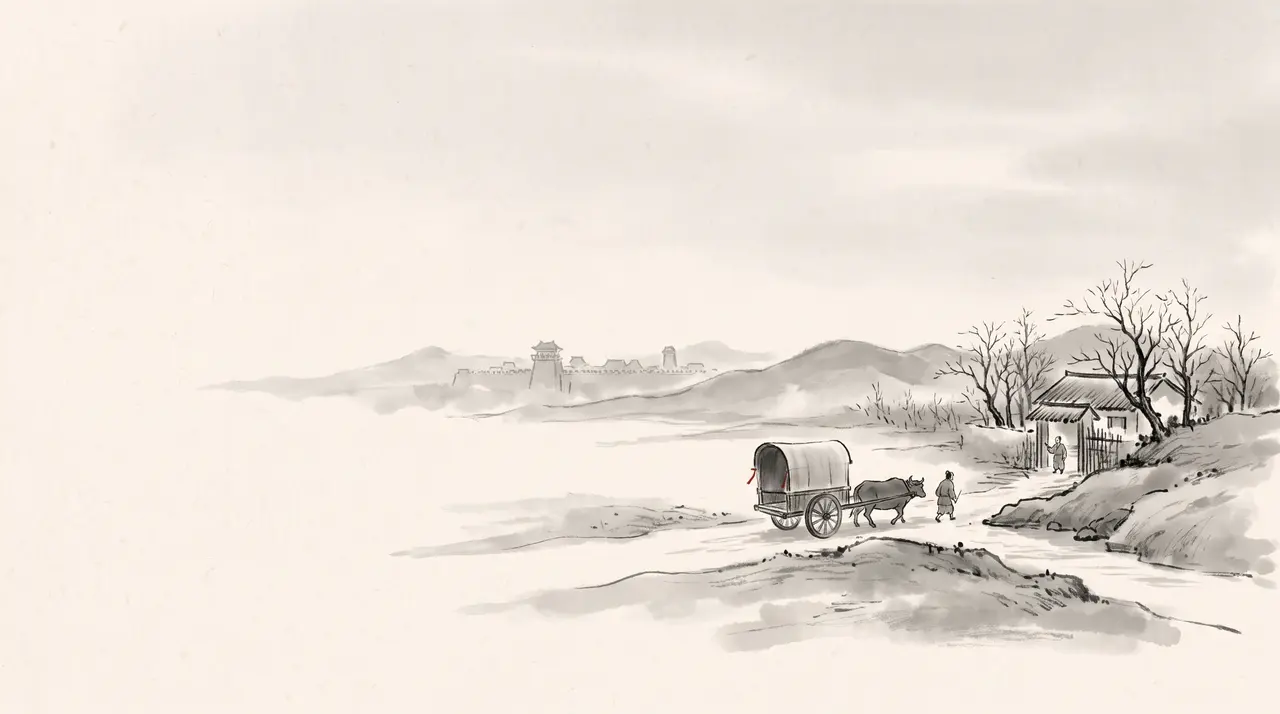
季布者,楚人也。爲氣任俠,有名於楚。項籍使將兵,數窘漢王。及項羽滅,髙祖購求布千金,敢有舍匿,罪及三族。季布匿濮陽周氏。周氏曰:「漢購將軍急,跡且至臣家,將軍能聽臣,臣敢獻計;即不能,願先自剄。」季布許之。乃髡鉗季布,衣褐衣,置廣柳車中,并與其家僮數十人,之魯朱家所賣之。朱家心知是季布,乃買而置之田。誡其子曰:「田事聽此奴,必與同食。」
書き下し文
季布なる者は、楚の人なり。気を為し任侠にして、楚に名有り。項籍兵を将いしめ、数しば漢王を窘しむ。項羽滅ぶるに及び、高祖布を千金に購求し、敢えて舎匿する有らば、罪三族に及ぼす。季布濮陽の周氏に匿る。周氏曰く、「漢将軍を購うこと急なり。跡且に臣が家に至らんとす。将軍能く臣に聴かば、臣敢えて計を献ぜん。即し能わずんば、願わくは先ず自剄せん」と。季布之を許す。乃ち季布を髡鉗し、褐衣を衣せ、広柳車の中に置き、并びに其の家僮数十人と、魯の朱家の所に之きて之を売る。朱家心に是れ季布なるを知り、乃ち買いて之を田に置く。其の子を誡めて曰く、「田の事は此の奴に聴け。必ず与に食を同じくせよ」と。
現代語訳
季布は楚の人である。意気盛んで男気があり、楚で名を知られていた。項籍(項羽)は彼に兵を率いさせ、季布はたびたび漢王(劉邦)を苦しめた。項羽が滅ぶと、高祖(劉邦)は千金の賞金をかけて季布を探させ、かくまう者がいれば罪は三族に及ぶとした。季布は濮陽の周氏の家に隠れた。周氏は言った。「漢は将軍を血眼で探しています。追っ手はまもなく私の家にも来るでしょう。将軍が私の言うことを聞いてくださるなら、策を申し上げます。聞いてくださらないなら、先に自分の首をはねて死にます」。季布は承知した。周氏は季布の髪を剃り、鉄の首かせをはめ、粗末な服を着せて、幌のついた車に乗せ、自分の家の召使い数十人と一緒に、魯の朱家のところへ連れていって売った。朱家は内心、それが季布だと気づいていたが、買い取って田畑で働かせた。そして息子に言い聞かせた。「田の仕事はこの奴隷の言うとおりにせよ。食事も必ず一緒にとるように」。
英訳
Ji Bu was a man of Chu, high-spirited and chivalrous, and well known in Chu. Xiang Ji put him in command of troops, and he hard-pressed the King of Han again and again. When Xiang Yu was destroyed, Emperor Gaozu offered a thousand pieces of gold for Ji Bu and declared that anyone who dared to hide him would be punished along with three generations of his family. Ji Bu hid with the Zhou family of Puyang. Master Zhou said: "Han is hunting you hard, General, and the trail will soon reach my house. If you will do as I say, I have a plan to offer; if not, let me cut my own throat first." Ji Bu agreed. So Zhou shaved Ji Bu's head, put an iron collar on him, dressed him in coarse wool, laid him in a covered cart, and took him with several dozen of his own household slaves to Zhu Jia of Lu, and sold them. Zhu Jia knew in his heart that this was Ji Bu, but he bought him and put him to work in the fields, warning his son: "In the fields, do as this slave says, and be sure to eat with him."
解説(日)
- 任俠: 男気があり、人のために力を尽くすこと。
- 項籍: 項羽のこと。籍は名、羽は字。
- 購: 賞金をかけて探す。
- 三族: 父の一族・母の一族・妻の一族など、本人の一族全体。
- 濮陽: 今の河南省濮陽市。
- 髡鉗: 髪を剃り、鉄の首かせをはめる刑罰。罪人の奴隷に見せかけた。
- 廣柳車: 柩などを運ぶ、幌のついた車とされる。荷車とする説もある。
- 朱家: 魯の侠客。巻124游侠列伝にも出てくる(このサイトに掲載)。
解説(英)
- Xiang Ji (項籍): Xiang Yu; Ji was his given name and Yu his courtesy name.
- Three generations of his family (三族): the whole kin group of the offender.
- Puyang (濮陽): in present-day Henan.
- Shaved his head and collared him (髡鉗): a convict's punishment, to pass him off as a slave.
- Covered cart (廣柳車): said to be a cart with a canopy, used for carrying coffins; some take it as an ordinary wagon.
- Zhu Jia (朱家): the knight-errant of Lu, who also appears in Shiji 124 (on this site).
英語の語注
- chivalrous/ˈʃɪvəlrəs/adjective
brave, generous and ready to help others
本文では: “high-spirited and chivalrous”
似た語と違い: gallant — brave and noble · gentlemanly — polite and honourable
- collar/ˈkɑlər/noun
a band put around the neck
本文では: “put an iron collar on him”
似た語と違い: neckband — a band for the neck · shackle — a metal ring to hold a prisoner
節 2
原文
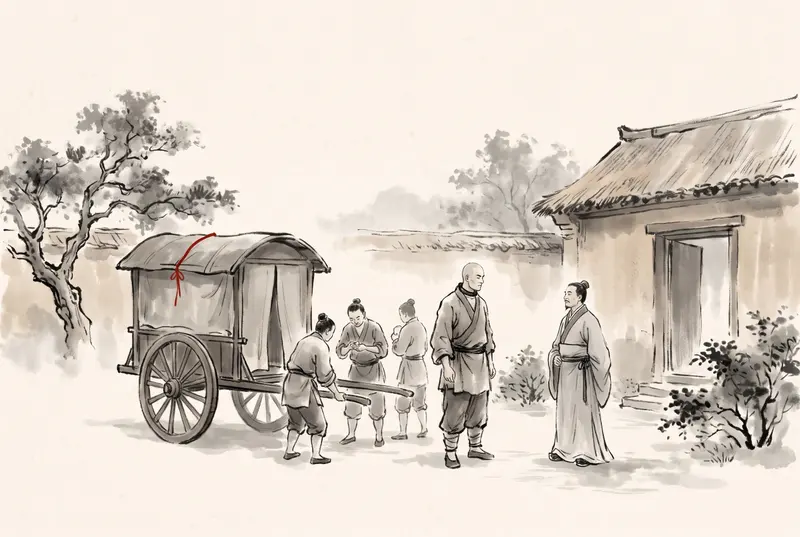
朱家乃乘軺車之洛陽,見汝陰侯滕公。滕公留朱家飲數日。因謂滕公曰:「季布何大罪,而上求之急也?」滕公曰:「布數爲項羽窘上,上怨之,故必欲得之。」朱家曰:「君視季布何如人也?」曰:「賢者也。」朱家曰:「臣各爲其主用,季布爲項籍用,職耳。項氏臣可盡誅邪?今上始得天下,獨以己之私怨求一人,何示天下之不廣也!且以季布之賢而漢求之急如此,此不北走胡即南走越耳。夫忌壯士以資敵國,此伍子胥所以鞭荊平王之墓也。君何不從容爲上言邪?」汝陰侯滕公心知朱家大俠,意季布匿其所,乃許曰:「諾。」待閒,果言如朱家指。上乃赦季布。當是時,諸公皆多季布能摧剛爲柔,朱家亦以此名聞當世。季布召見,謝,上拜爲郎中。
書き下し文
朱家乃ち軺車に乗りて洛陽に之き、汝陰侯滕公に見ゆ。滕公朱家を留めて飲むこと数日。因りて滕公に謂いて曰く、「季布何の大罪ありて、上之を求むること急なるや」と。滕公曰く、「布数しば項羽の為に上を窘しむ。上之を怨む。故に必ず之を得んと欲す」と。朱家曰く、「君季布を視ること何如なる人ぞや」と。曰く、「賢者なり」と。朱家曰く、「臣は各々其の主の為に用いらる。季布の項籍の為に用いらるるは、職のみ。項氏の臣尽く誅すべけんや。今上始めて天下を得て、独り己の私怨を以て一人を求む。何ぞ天下に広からざるを示すや。且つ季布の賢を以てして漢之を求むること急なること此くの如くんば、此れ北のかた胡に走らずんば即ち南のかた越に走らんのみ。夫れ壮士を忌みて以て敵国に資するは、此れ伍子胥の荊の平王の墓を鞭うちし所以なり。君何ぞ従容として上の為に言わざるや」と。汝陰侯滕公心に朱家の大侠なるを知り、季布其の所に匿ると意い、乃ち許して曰く、「諾」と。間を待ちて、果して朱家の指の如く言う。上乃ち季布を赦す。是の時に当たりて、諸公皆季布の能く剛を摧きて柔と為すを多とし、朱家も亦此を以て名当世に聞こゆ。季布召見せられて謝し、上拝して郎中と為す。
現代語訳
朱家は一頭立ての小さな車に乗って洛陽へ行き、汝陰侯の滕公(夏侯嬰)に会った。滕公は朱家を引き留め、数日酒をともにした。その折に朱家は滕公に言った。「季布にどんな大罪があって、陛下はあれほど急いで探しておられるのですか」。滕公は言った。「季布はたびたび項羽のために陛下を苦しめた。陛下は彼を恨んでおられるので、どうしても捕らえたいのだ」。朱家は言った。「あなたは季布をどんな人物だと思われますか」。「賢者だ」。朱家は言った。「家臣はそれぞれ自分の主人のために働くものです。季布が項籍のために働いたのは、務めを果たしただけです。項氏の家臣をすべて殺すことができましょうか。陛下はいま天下を得たばかりなのに、ご自分の個人的な恨みで一人の男を探しておられる。天下に器の小ささを示すことになりませんか。それに、季布ほどの賢者をこれほど厳しく追えば、北の胡(匈奴)へ逃げるか、南の越へ逃げるかするでしょう。勇士を嫌って敵国に力を貸すことになる。伍子胥が楚の平王の墓をむち打つことになったのも、そのためです。あなたからそれとなく陛下に申し上げてはいかがですか」。汝陰侯滕公は、朱家が名高い侠客であることを知っていたので、季布はこの男のところに隠れているのだろうと察し、「承知した」と答えた。そして折を見て、朱家の言ったとおりに陛下に申し上げた。陛下はそこで季布を許した。このころ、人々はみな、季布が剛直さを抑えて柔軟に身を処したことを高く評価し、朱家もこのことで当時名を知られるようになった。季布は召し出されて陛下に詫び、郎中に任じられた。
英訳
Then Zhu Jia rode in a light one-horse carriage to Luoyang to see Lord Teng, Marquis of Ruyin, who kept him there drinking for several days. Zhu Jia took the chance to ask him: "What great crime has Ji Bu committed, that His Majesty hunts him so hard?" Lord Teng said: "He hard-pressed His Majesty many times on Xiang Yu's behalf. His Majesty hates him, and is determined to have him." Zhu Jia said: "What sort of man do you think Ji Bu is?" "A worthy man." Zhu Jia said: "Every retainer serves his own master. When Ji Bu served Xiang Ji, he was only doing his job. Can every one of the Xiang clan's retainers be put to death? His Majesty has only just won the empire, and he hunts one man for a private grudge. What a narrow spirit to show the world! Besides, if Han hunts a man as able as Ji Bu this hard, he will flee north to the nomads or south to Yue. To drive away a brave man and hand him to an enemy state: that is how Wu Zixu came to flog the dead King Ping of Chu at his tomb. Why not find a quiet moment to say this to His Majesty?" Lord Teng knew that Zhu Jia was a great knight-errant, and guessed that Ji Bu was hiding with him. "Very well," he said, and when the moment came he spoke just as Zhu Jia had suggested. His Majesty then pardoned Ji Bu. At the time everyone admired Ji Bu for bending his stiff pride and yielding, and Zhu Jia became famous for this too. Ji Bu was summoned, made his apologies, and was appointed a palace gentleman.
解説(日)
- 軺車: 一頭立ての小さな車。
- 滕公: 夏侯嬰。劉邦の御者から出世した功臣で、汝陰侯に封じられた。
- 胡・越: 北方の遊牧民(匈奴)と南方の越。
- 伍子胥: 楚の平王に父と兄を殺されて呉に逃れ、のちに楚を攻めて平王の墓をあばき、死体をむち打った。巻66伍子胥列伝(このサイトに掲載)。
- 摧剛爲柔: 強さを抑えて柔らかく身を処する。
- 郎中: 皇帝の身近に仕える役人。
解説(英)
- Lord Teng (滕公): Xiahou Ying, who rose from being Liu Bang's carriage driver to become Marquis of Ruyin.
- The nomads and Yue (胡・越): the Xiongnu in the north and the Yue peoples in the south.
- Wu Zixu (伍子胥): driven from Chu when King Ping killed his father and brother, he later led Wu into Chu and flogged the king's corpse. See Shiji 66 on this site.
- Palace gentleman (郎中): an official in attendance on the emperor.
英語の語注
- grudge/ɡrʌdʒ/noun
a feeling of anger about a past wrong
本文では: “for a private grudge”
似た語と違い: resentment — bitter feeling · spite — wish to hurt someone
- pardon/ˈpɑrdən/verb
to free someone from punishment
本文では: “His Majesty then pardoned Ji Bu”
似た語と違い: forgive — let go of anger · excuse — not punish
節 3
原文
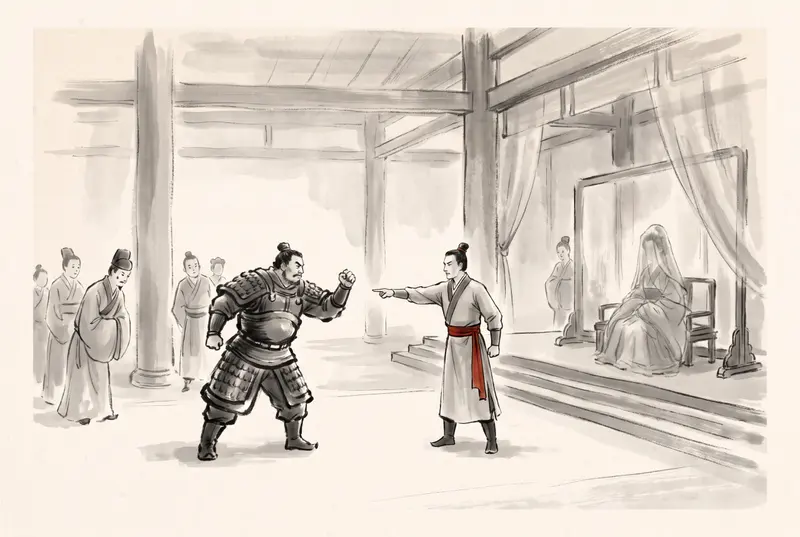
孝惠時,爲中郎將。單于嘗爲書嫚呂后,不遜,呂后大怒,召諸將議之。上將軍樊噲曰:「臣願得十萬衆,橫行匈奴中。」諸將皆阿呂后意,曰「然」。季布曰:「樊噲可斬也!夫髙帝將兵四十餘萬衆,困於平城,今噲柰何以十萬衆橫行匈奴中,面欺!且秦以事於胡,陳勝等起。于今創痍未瘳,噲又面諛,欲搖動天下。」是時殿上皆恐,太后罷朝,遂不復議撃匈奴事。
書き下し文
孝恵の時、中郎将と為る。単于嘗て書を為りて呂后を嫚り、不遜なり。呂后大いに怒り、諸将を召して之を議す。上将軍樊噲曰く、「臣願わくは十万の衆を得て、匈奴の中を横行せん」と。諸将皆呂后の意に阿りて曰く、「然り」と。季布曰く、「樊噲斬るべきなり。夫れ高帝兵四十余万の衆を将いて、平城に困しむ。今噲柰何ぞ十万の衆を以て匈奴の中を横行せん。面欺なり。且つ秦胡に事とするを以て、陳勝等起こる。今に于いて創痍未だ瘳えず。噲又面諛し、天下を揺動せんと欲す」と。是の時殿上皆恐る。太后朝を罷め、遂に復た匈奴を撃つ事を議せず。
現代語訳
恵帝の時代、季布は中郎将となった。匈奴の単于が、呂后を侮辱する無礼な手紙をよこしたことがあった。呂后は激怒し、将軍たちを集めて対応を議論させた。上将軍の樊噲は言った。「十万の兵をいただければ、匈奴の中を縦横に暴れ回ってみせます」。将軍たちはみな呂后の意向に迎合して「そのとおりです」と言った。季布は言った。「樊噲は斬るべきです。高帝は四十万あまりの兵を率いながら、平城で包囲されて苦しまれました。それをいま樊噲は、十万の兵で匈奴の中を暴れ回るなどと言う。面と向かってのでたらめです。それに、秦が匈奴と戦うことに力を注いだために、陳勝らが反乱を起こしたのです。いまだにその傷は癒えていません。それなのに樊噲はおべっかを使い、天下を揺るがそうとしている」。この時、宮殿にいた者はみな震え上がった。太后(呂后)は朝議を打ち切り、それきり匈奴を討つ話はしなかった。
英訳
Under Emperor Hui he became a general of the palace guard. The Xiongnu Shanyu once sent a letter insulting Empress Lü, an insolent one. The empress was furious and called her generals to discuss it. The senior general Fan Kuai said: "Give me a hundred thousand men and I will ride roughshod through the Xiongnu." The other generals all fell in with the empress's wishes and said, "Yes!" Ji Bu said: "Fan Kuai deserves to be beheaded! Emperor Gao led over four hundred thousand men and was trapped at Pingcheng. How can Kuai now ride through the Xiongnu with a hundred thousand? It is a lie to Her Majesty's face. Besides, it was Qin's wars with the nomads that set Chen Sheng and the rest rising up, and the wounds have still not healed. Now here is Kuai, flattering to her face and ready to shake the empire." Everyone in the hall was terrified. The empress closed the court, and an attack on the Xiongnu was never discussed again.
解説(日)
- 孝惠: 恵帝。劉邦と呂后の子。
- 中郎將: 宮中の護衛を率いる武官。
- 單于: 匈奴の君主。このときは冒頓単于(巻110匈奴列伝、このサイトに掲載)。
- 樊噲: 劉邦の古くからの部下で、鴻門の会で劉邦を救った勇将。呂后の妹の夫でもある。
- 平城: 前200年、劉邦は平城の白登山で冒頓に七日間包囲された。
- 面欺・面諛: 面と向かって欺く、面と向かってへつらう。
解説(英)
- Emperor Hui (孝惠): the son of Liu Bang and Empress Lü.
- The Shanyu (單于): the Xiongnu ruler, at this time Modu (Shiji 110, on this site).
- Fan Kuai (樊噲): Liu Bang's old comrade, who saved him at the Feast at Hongmen; he was also married to Empress Lü's sister.
- Pingcheng (平城): in 200 BCE Liu Bang was surrounded there for seven days by Modu.
英語の語注
- insolent/ˈɪnsələnt/adjective
rude and without respect
本文では: “an insolent one”
似た語と違い: rude — not polite · disrespectful — showing no respect
- flatter/ˈflætər/verb
to praise someone too much to please them
本文では: “flattering to her face”
似た語と違い: butter up — praise to get something · fawn — try too hard to please
節 4
原文
季布爲河東守,孝文時,人有言其賢者,孝文召,欲以爲御史大夫。復有言其勇,使酒難近。至,留邸一月,見罷。季布因進曰:「臣無功竊寵,待罪河東。陛下無故召臣,此人必有以臣欺陛下者;今臣至,無所受事,罷去,此人必有以毀臣者。夫陛下以一人之譽而召臣,一人之毀而去臣,臣恐天下有識聞之有以闚陛下也。」上默然慚,良久曰:「河東吾股肱郡,故特召君耳。」布辭之官。
書き下し文
季布河東の守と為る。孝文の時、人其の賢を言う者有り。孝文召して、以て御史大夫と為さんと欲す。復た其の勇にして、酒を使えば近づき難しと言う有り。至りて、邸に留まること一月、罷めらる。季布因りて進みて曰く、「臣功無くして竊かに寵せられ、罪を河東に待つ。陛下故無くして臣を召す。此れ人必ず臣を以て陛下を欺く者有らん。今臣至るも、事を受くる所無くして、罷め去らしむ。此れ人必ず以て臣を毀る者有らん。夫れ陛下一人の誉れを以て臣を召し、一人の毀りを以て臣を去らしむ。臣恐る、天下の識有る者之を聞き、以て陛下を闚うこと有らんことを」と。上黙然として慚じ、良久しくして曰く、「河東は吾が股肱の郡なり。故に特に君を召せしのみ」と。布辞して官に之く。
現代語訳
季布は河東郡の長官となった。文帝の時代、季布は賢者だと推す者があり、文帝は彼を呼び寄せて御史大夫に任じようとした。ところが今度は、季布は勇猛だが酒癖が悪くて近づきにくい、と言う者が出た。季布は都に着いたものの、宿舎で一か月待たされたあげく、そのまま帰されることになった。季布はそこで進み出て言った。「私は功もないのに分不相応なご恩をいただき、河東の長官を務めております。陛下が理由もなく私をお呼びになったのは、誰かが私のことを実際以上に陛下に吹き込んだからでしょう。いま私が来たのに、何の仕事も与えられずに帰されるのは、誰かが私を悪く言ったからでしょう。陛下が一人の誉め言葉で私を呼び、一人の悪口で私を帰されるとなれば、天下の見識ある人々がこれを聞いて、陛下の浅さを見すかすのではないかと心配です」。文帝は黙り込んで恥じ入り、しばらくしてから言った。「河東はわが手足のように大事な郡だ。だから特に君を呼んだのだ」。季布は暇を告げて任地に戻った。
英訳
Ji Bu became governor of Hedong. Under Emperor Wen someone spoke of his worth, and the emperor summoned him, meaning to make him Grandee Secretary. Then someone else said he was reckless and hard to deal with when drunk. When he arrived he was kept waiting at his lodging for a month and then dismissed. Ji Bu took the chance to come forward and say: "I have no merit, yet I enjoy your favour and serve as governor of Hedong. Your Majesty summoned me for no reason; someone must have praised me beyond the truth. Now I come and am sent away with no duties; someone must have spoken ill of me. If Your Majesty calls me on one man's praise and dismisses me on one man's slander, I fear that wise men across the empire will hear of it and see how easily Your Majesty is swayed." The emperor said nothing, ashamed. After a long while he said: "Hedong is a commandery as dear to me as my own arms and legs. That is why I called you specially." Ji Bu took his leave and returned to his post.
解説(日)
- 河東: 黄河の東、今の山西省南西部の郡。
- 孝文: 文帝。劉邦の子で、呂氏の滅亡後に即位した。
- 御史大夫: 丞相に次ぐ大臣。
- 使酒: 酒に酔うと乱暴になる。
- 待罪: 官職についていることを、へりくだって言う言い方。
- 闚: のぞき見る、見すかす。
- 股肱: もも(股)とひじ(肱)。もっとも頼りにするもの。
解説(英)
- Hedong (河東): "east of the River", a commandery in the southwest of present-day Shanxi.
- Emperor Wen (孝文): a son of Liu Bang, who came to the throne after the fall of the Lü clan.
- Grandee Secretary (御史大夫): the minister ranking next to the chancellor.
- Arms and legs (股肱): literally "thigh and forearm", what one relies on most.
英語の語注
- slander/ˈslændər/noun
false words said to harm someone
本文では: “one man's slander”
似た語と違い: lie — a false statement · smear — an attack on someone's name
- sway/sweɪ/verb
to change what someone thinks or does
本文では: “how easily Your Majesty is swayed”
似た語と違い: influence — have an effect on · persuade — talk someone into
節 5
原文
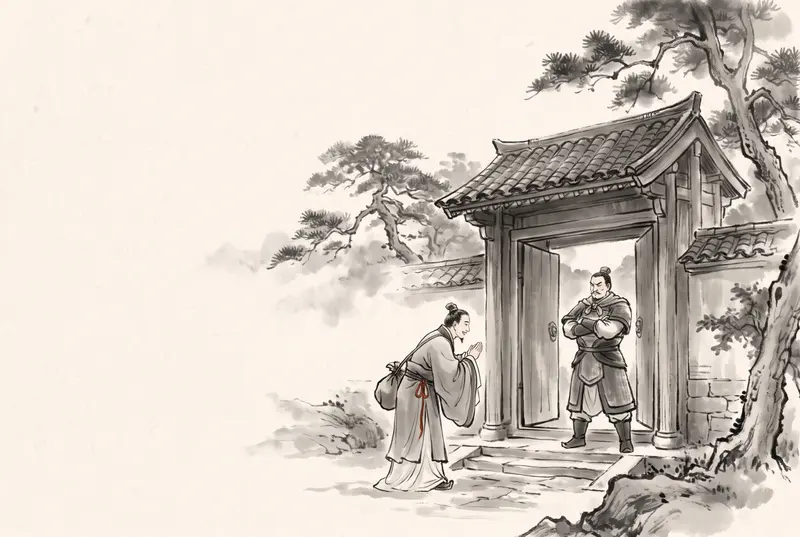
楚人曹丘生,辯士,數招權顧金錢。事貴人趙同等,與竇長君善。季布聞之,寄書諫竇長君曰:「吾聞曹丘生非長者,勿與通。」及曹丘生歸,欲得書請季布。竇長君曰:「季將軍不説足下,足下無往。」固請書,遂行。使人先發書,季布果大怒,待曹丘。曹丘至,即揖季布曰:「楚人諺曰『得黃金百(斤),不如得季布一諾』,足下何以得此聲於梁楚閒哉?且仆楚人,足下亦楚人也。仆游揚足下之名於天下,顧不重邪?何足下距仆之深也!」季布乃大説,引入,留數月,爲上客,厚送之。季布名所以益聞者,曹丘揚之也。
書き下し文
楚人曹丘生は、弁士なり。数しば権を招き金銭を顧う。貴人趙同等に事え、竇長君と善し。季布之を聞き、書を寄せて竇長君を諫めて曰く、「吾聞く、曹丘生は長者に非ず。与に通ずる勿かれ」と。曹丘生帰るに及び、書を得て季布に請わんと欲す。竇長君曰く、「季将軍足下を説ばず。足下往く無かれ」と。固く書を請い、遂に行く。人をして先ず書を発せしむ。季布果して大いに怒り、曹丘を待つ。曹丘至り、即ち季布に揖して曰く、「楚人の諺に曰く、『黄金百を得るは、季布の一諾を得るに如かず』と。足下何を以て此の声を梁楚の間に得たるや。且つ僕は楚人なり、足下も亦楚人なり。僕足下の名を天下に游揚せば、顧って重からずや。何ぞ足下の僕を距むことの深きや」と。季布乃ち大いに説び、引き入れ、留むること数月、上客と為し、厚く之を送る。季布の名の益々聞こゆる所以の者は、曹丘之を揚ぐればなり。
現代語訳
楚の人の曹丘生は弁舌の士で、たびたび権力者に取り入っては金をせびっていた。貴人の趙同らに仕え、竇長君と親しかった。季布はこれを聞き、竇長君に手紙を送っていさめた。「曹丘生は立派な人物ではないと聞く。付き合わないほうがよい」。曹丘生は故郷に帰ることになると、竇長君の紹介状をもらって季布に会いに行こうとした。竇長君は言った。「季将軍はあなたを嫌っている。行かないほうがいい」。曹丘生はなおも紹介状を求め、とうとう出かけた。先に使いの者に紹介状を届けさせると、季布ははたして激怒し、曹丘を待ち構えた。曹丘はやって来ると、すぐに季布に一礼して言った。「楚の人々のことわざに『黄金百斤を手に入れるより、季布の一つの承諾を手に入れるほうがよい』と申します。あなたはどうやって、梁や楚のあたりでこれほどの名声を得られたのでしょう。それに、私は楚の人間、あなたも楚の人間です。私があなたの名を天下に言い広めれば、かえってあなたの重みが増すではありませんか。なぜそれほど私を拒まれるのですか」。季布はそこで大いに喜び、曹丘を招き入れて数か月引き留め、上客としてもてなし、手厚く送り出した。季布の名がいっそう広く知られるようになったのは、曹丘が言い広めたからである。
英訳
Master Caoqiu of Chu was a persuader who often sought out men of power and angled for money. He served the noble Zhao Tong and others, and was on good terms with Dou Changjun. When Ji Bu heard of this he wrote to warn Dou Changjun: "I hear Master Caoqiu is no gentleman. Have nothing to do with him." When Caoqiu was going home, he wanted a letter of introduction to Ji Bu. Dou Changjun said: "General Ji does not like you. Don't go." Caoqiu insisted on the letter and set off. He sent a man ahead with it, and Ji Bu, as expected, was furious, and waited for him. When Caoqiu arrived he bowed to Ji Bu at once and said: "The people of Chu have a saying: 'Better one promise from Ji Bu than a hundred catties of gold.' How did you come by such a name between Liang and Chu? Besides, I am a man of Chu, and so are you. If I spread your name across the empire, won't it carry even more weight? Why do you reject me so firmly?" Ji Bu was delighted. He invited him in, kept him for several months as an honoured guest, and sent him off with rich gifts. It was because Caoqiu spread his name that Ji Bu became more famous still.
解説(日)
- 曹丘生: 曹丘は姓。「生」は学者や弁士を呼ぶときの言い方。
- 招權顧金錢: 権勢のある人に近づき、金をねだる。
- 竇長君: 文帝の竇皇后の兄。
- 一諾: 一度引き受けたこと。「季布の一諾」は、必ず守られる約束のたとえとして今も使われる。
- 黃金百(斤): 中華書局本は「斤」を後の書き入れとして削る。日本では「黄金百斤を得るは、季布の一諾を得るに如かず」の形で知られる。
- 梁楚: 今の河南省東部から江蘇・安徽のあたり。
- 游揚: 言いふらして広める。
解説(英)
- Master Caoqiu (曹丘生): Caoqiu is a surname; 生 is a term for scholars and persuaders.
- Dou Changjun (竇長君): the elder brother of Emperor Wen's Empress Dou.
- One promise (一諾): "Ji Bu's promise" is still a byword for a word that is always kept.
- A hundred catties of gold: the Zhonghua edition deletes 斤 ("catties") as a later addition, but the saying is usually quoted with it.
- Liang and Chu (梁楚): roughly eastern Henan, Jiangsu and Anhui today.
この節から生まれた言葉: 季布の一諾
英語の語注
- persuader/pərˈsweɪdər/noun
a person who makes a living by talking people into things
本文では: “was a persuader”
似た語と違い: orator — a skilled speaker · talker — a person who talks well
- reject/rɪˈdʒɛkt/verb
to refuse to accept
本文では: “Why do you reject me so firmly”
似た語と違い: refuse — say no to · turn away — not let in
節 6
原文
季布弟季心,氣蓋關中,遇人恭謹,爲任俠,方數千里,士皆爭爲之死。嘗殺人,亡之呉,從袁絲匿。長事袁絲,弟畜灌夫、籍福之屬。嘗爲中司馬,中尉郅都不敢不加禮。少年多時時竊籍其名以行。當是時,季心以勇,布以諾,著聞關中。
書き下し文
季布の弟季心、気関中を蓋い、人に遇うこと恭謹にして、任侠を為す。方数千里、士皆争いて之が為に死す。嘗て人を殺し、亡げて呉に之き、袁糸に従いて匿る。袁糸に長事し、灌夫・籍福の属を弟畜す。嘗て中司馬と為る。中尉郅都も敢えて礼を加えずんばあらず。少年多く時時窃かに其の名を籍りて以て行う。是の時に当たりて、季心は勇を以て、布は諾を以て、関中に著聞す。
現代語訳
季布の弟の季心は、その意気が関中(都の周辺)で並ぶ者がないほどで、人に対しては恭しく慎み深く、侠客として振る舞った。数千里四方の士人たちが、争って彼のために命を投げ出そうとした。かつて人を殺し、呉に逃げて袁糸(袁盎)のもとに身を隠した。袁糸を兄として仕え、灌夫や籍福らを弟のように面倒を見た。中尉の下で中司馬となったときには、厳しいことで知られる中尉の郅都でさえ、礼を尽くさずにはいられなかった。若者たちはしばしば、こっそり彼の名をかたって事を運んだ。このころ、季心は勇気で、季布は約束を守ることで、関中に名を知られた。
英訳
Ji Bu's younger brother Ji Xin was the boldest spirit in the land within the passes, yet courteous and careful with people, and he lived as a knight-errant. For thousands of li around, men vied to give their lives for him. He once killed a man and fled to Wu, where he hid with Yuan Si. He served Yuan Si as an elder brother and looked after men like Guan Fu and Ji Fu as younger brothers. When he served as a marshal under the commandant of the capital, even the commandant, Zhi Du, could not help treating him with courtesy. Young men often borrowed his name in secret to get their way. In those days Ji Xin for his courage and Ji Bu for his word were famous throughout the land within the passes.
解説(日)
- 關中: 函谷関の西、長安を中心とする地域。
- 袁絲: 袁盎(えんおう)。絲は字。文帝・景帝に仕えた硬骨の臣。
- 灌夫・籍福: いずれも景帝・武帝のころの人物。
- 中尉・郅都: 中尉は都の治安を担う長官。郅都はその厳しさで恐れられた。
- 籍其名: 名を借りる、名をかたる。
解説(英)
- The land within the passes (關中): the region around the capital Chang'an, west of the Hangu Pass.
- Yuan Si (袁絲): Yuan Ang, an outspoken minister under Emperors Wen and Jing; Si was his courtesy name.
- Zhi Du (郅都): commandant of the capital, feared for his severity.
英語の語注
- courteous/ˈkɜrtiəs/adjective
polite and respectful
本文では: “courteous and careful with people”
似た語と違い: polite — having good manners · gracious — kind and polite
- vie/vaɪ/verb
to compete hard with others
本文では: “men vied to give their lives for him”
似た語と違い: compete — try to beat others · strive — try very hard
Past tense: vied.
節 7
原文
季布母弟丁公,爲楚將。丁公爲項羽逐窘髙祖彭城西,短兵接,髙祖急,顧丁公曰:「兩賢豈相戹哉!」於是丁公引兵而還,漢王遂解去。及項王滅,丁公謁見髙祖。髙祖以丁公徇軍中,曰:「丁公爲項王臣不忠,使項王失天下者,乃丁公也。」遂斬丁公,曰:「使後世爲人臣者無效丁公!」
書き下し文
季布の母弟丁公、楚の将と為る。丁公項羽の為に高祖を彭城の西に逐窘す。短兵接し、高祖急なり。丁公を顧みて曰く、「両賢豈に相戹しめんや」と。是に於いて丁公兵を引きて還る。漢王遂に解き去る。項王滅ぶるに及び、丁公高祖に謁見す。高祖丁公を以て軍中に徇えて曰く、「丁公は項王の臣と為りて不忠なり。項王をして天下を失わしむる者は、乃ち丁公なり」と。遂に丁公を斬りて曰く、「後世の人臣為る者をして丁公に效うこと無からしめん」と。
現代語訳
季布の母方の弟の丁公は、楚の将軍であった。丁公は項羽のために高祖を彭城の西で追い詰め、刀を交えるほどに迫った。高祖は危うくなり、丁公を振り返って言った。「賢い者どうしが、どうして苦しめ合うことがあろう」。そこで丁公は兵を引き返し、漢王(高祖)は逃れ去ることができた。項王が滅ぶと、丁公は高祖に面会に来た。高祖は丁公を軍中に引き回してさらし、「丁公は項王の家臣でありながら不忠であった。項王に天下を失わせたのは、この丁公である」と言った。そして丁公を斬り、「後の世の家臣たちが丁公のまねをしないように」と言った。
英訳
Ji Bu's half-brother on his mother's side, Lord Ding, was a general of Chu. Pursuing Emperor Gaozu west of Pengcheng for Xiang Yu, he came to close quarters with him. Gaozu, in desperate straits, turned to him and said: "Why should two good men torment each other?" At that Lord Ding led his troops back, and the King of Han got away. When King Xiang was destroyed, Lord Ding came to pay his respects to Gaozu. Gaozu paraded him through the army, saying: "Lord Ding was disloyal as King Xiang's retainer. It was Lord Ding who lost King Xiang the empire." Then he had him beheaded, saying: "Let no retainer in ages to come follow Lord Ding's example!"
解説(日)
- 母弟: 母を同じくする弟。ここでは父の違う弟と解される。
- 彭城: 今の江蘇省徐州市。前205年、劉邦はここで項羽に大敗した。
- 短兵接: 刀や剣などの短い武器で打ち合うほど接近する。
- 徇: 罪人を引き回して見せしめにする。
- 季布と丁公の対比: 主君に尽くした季布は許され、敵を見逃した丁公は斬られた。
解説(英)
- Half-brother on his mother's side (母弟): a brother with the same mother but a different father.
- Pengcheng (彭城): present-day Xuzhou in Jiangsu, where Liu Bang was crushed by Xiang Yu in 205 BCE.
- Paraded him (徇): led a condemned man around as a warning to others.
- The contrast: Ji Bu, who served his lord faithfully, was pardoned; Lord Ding, who let the enemy go, was executed.
英語の語注
- disloyal/dɪsˈlɔɪəl/adjective
not faithful to someone you should support
本文では: “was disloyal as King Xiang's retainer”
似た語と違い: unfaithful — not true · treacherous — ready to betray
- behead/bɪˈhɛd/verb
to cut off someone's head
本文では: “had him beheaded”
似た語と違い: execute — put to death · decapitate — cut off the head
節 8
原文
欒布者,梁人也。始梁王彭越爲家人時,嘗與布游。窮困,賃傭於齊,爲酒人保。數歳,彭越去之巨野中爲盜,而布爲人所略賣,爲奴於燕。爲其家主報仇,燕將臧荼舉以爲都尉。臧荼後爲燕王,以布爲將。及臧荼反,漢撃燕,虜布。梁王彭越聞之,乃言上,請贖布以爲梁大夫。
書き下し文
欒布なる者は、梁の人なり。始め梁王彭越の家人為りし時、嘗て布と游ぶ。窮困して、斉に賃傭し、酒人の保と為る。数歳にして、彭越去りて巨野の中に之きて盗と為る。而して布は人の略売する所と為り、燕に奴と為る。其の家主の為に仇を報じ、燕の将臧荼挙げて以て都尉と為す。臧荼後に燕王と為り、布を以て将と為す。臧荼反するに及び、漢燕を撃ちて布を虜にす。梁王彭越之を聞き、乃ち上に言い、布を贖いて以て梁の大夫と為さんことを請う。
現代語訳
欒布は梁の人である。のちに梁王となる彭越がまだ庶民だったころ、欒布と付き合いがあった。欒布は貧しく、斉で雇われて酒屋の使用人をしていた。数年して、彭越は斉を離れて巨野の沼沢地で盗賊となり、欒布は人にさらわれて売られ、燕で奴隷となった。主人の家のために仇を討ったことで、燕の将軍臧荼に取り立てられて都尉となった。臧荼はのちに燕王となり、欒布を将軍にした。臧荼が反乱を起こすと、漢は燕を攻め、欒布は捕虜となった。梁王彭越はこれを聞くと、皇帝に願い出て欒布を買い戻し、梁の大夫にした。
英訳
Luan Bu was a man of Liang. Back when Peng Yue, later King of Liang, was a commoner, the two of them were friends. Luan Bu was poor and worked for hire in Qi as a servant in a wine shop. After a few years Peng Yue left for the marshes of Juye and became an outlaw, while Luan Bu was kidnapped and sold, and became a slave in Yan. He avenged a wrong done to his master's family, and the Yan general Zang Tu raised him to be a commandant. Later Zang Tu became King of Yan and made Luan Bu a general. When Zang Tu rebelled, Han attacked Yan and took Luan Bu prisoner. Hearing of it, Peng Yue, King of Liang, appealed to the emperor to ransom Luan Bu, and made him a grandee of Liang.
解説(日)
- 梁: 今の河南省東部。
- 彭越: 漢の建国の功臣。梁王に封じられた。
- 家人: 官職のない庶民。
- 酒人保: 酒屋の雇い人。
- 巨野: 今の山東省西部にあった大きな沼沢地。
- 臧荼: 項羽に燕王に立てられ、のち漢に従ったが、前202年に反乱を起こして滅ぼされた。
- 都尉: 軍を率いる武官。
解説(英)
- Liang (梁): roughly eastern Henan today.
- Peng Yue (彭越): one of the founders of Han, made King of Liang.
- Juye (巨野): a great marsh in the west of present-day Shandong.
- Zang Tu (臧荼): made King of Yan by Xiang Yu, he went over to Han but rebelled and was destroyed in 202 BCE.
英語の語注
- kidnap/ˈkɪdnæp/verb
to take someone away by force
本文では: “was kidnapped and sold”
似た語と違い: abduct — take away by force · seize — grab
- ransom/ˈrænsəm/verb
to pay to free a prisoner
本文では: “to ransom Luan Bu”
似た語と違い: buy back — pay to get back · redeem — free by paying
節 9
原文
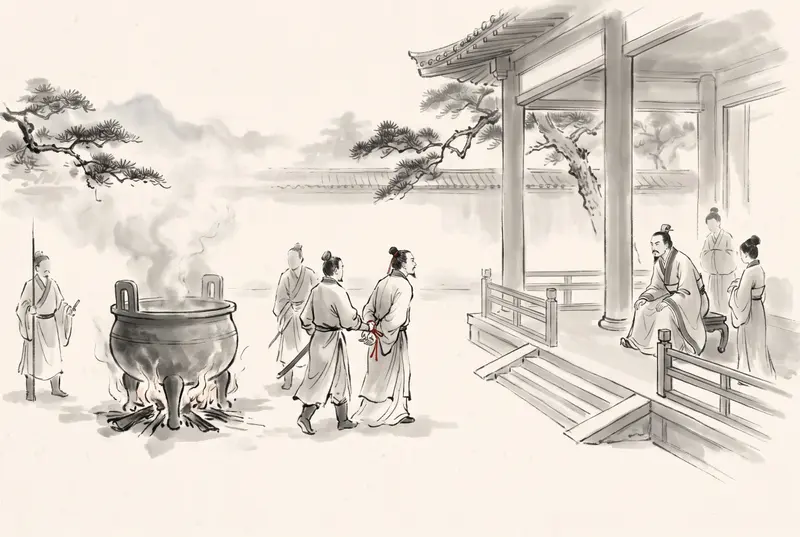
使於齊,未還,漢召彭越,責以謀反,夷三族。已而梟彭越頭於雒陽下,詔曰:「有敢收視者,輒捕之。」布從齊還,奏事彭越頭下,祠而哭之。吏捕布以聞。上召布,罵曰:「若與彭越反邪?吾禁人勿收,若獨祠而哭之,與越反明矣。趣亨之。」
書き下し文
斉に使いして、未だ還らず。漢彭越を召し、責むるに謀反を以てし、三族を夷す。已にして彭越の頭を雒陽の下に梟し、詔して曰く、「敢えて収め視る者有らば、輒ち之を捕えよ」と。布斉より還り、事を彭越の頭の下に奏し、祠りて之を哭す。吏布を捕えて以て聞す。上布を召し、罵りて曰く、「若彭越と反するか。吾人を禁じて収むる勿からしむ。若独り祠りて之を哭す。越と反すること明らかなり。趣かに之を亨よ」と。
現代語訳
欒布が斉へ使いに出て、まだ戻らないうちに、漢は彭越を呼び出し、謀反の罪を責めて三族を皆殺しにした。そのうえ彭越の首を洛陽の城下にさらし、「首を引き取ったり見に来たりする者があれば、ただちに捕らえよ」と詔を出した。欒布は斉から戻ると、彭越の首の下で使いの報告を述べ、祭って泣いた。役人は欒布を捕らえて皇帝に報告した。皇帝は欒布を呼びつけて罵った。「おまえは彭越と一緒に謀反を企んだのか。わしは首を引き取ることを禁じたのに、おまえだけが祭って泣いた。彭越の仲間であることは明らかだ。すぐに釜ゆでにせよ」。
英訳
Luan Bu had gone to Qi on a mission and had not yet returned when Han summoned Peng Yue, charged him with plotting rebellion, and wiped out three generations of his family. Peng Yue's head was then hung up below the walls of Luoyang, with an edict: "Anyone who dares to take it down or tend to it is to be seized at once." Coming back from Qi, Luan Bu made his report beneath Peng Yue's head, made offerings to it and wept. The officials arrested him and reported it. The emperor summoned him and cursed him: "So you plotted rebellion with Peng Yue? I forbade anyone to take the head, and you alone made offerings and wept. It is clear you were his accomplice. Boil him at once!"
解説(日)
- 夷三族: 一族を皆殺しにする。彭越の処刑は前196年。
- 梟: 首を木の上にさらす。
- 雒陽: 洛陽のこと。
- 奏事: 使いの結果を報告する。欒布は生きている主君にするように、首に向かって報告した。
- 亨: 「烹」と同じ。釜ゆでの刑。
解説(英)
- Wiped out three generations (夷三族): Peng Yue was executed in 196 BCE.
- Hung up (梟): to display a severed head on a pole.
- Made his report: Luan Bu reported on his mission to the head, as he would have to his living lord.
- Boil (亨): the same as 烹, death by boiling.
英語の語注
- accomplice/əˈkɑmplɪs/noun
a person who helps someone commit a crime
本文では: “you were his accomplice”
似た語と違い: partner in crime — one who helps a criminal · conspirator — one who plots with others
- edict/ˈidɪkt/noun
an official order from a ruler
本文では: “with an edict”
似た語と違い: decree — an official order · command — an order
節 10
原文
方提趣湯,布顧曰:「願一言而死。」上曰:「何言?」布曰:「方上之困於彭城,敗滎陽、成皋閒,項王所以(遂)不能[遂]西,徒以彭王居梁地,與漢合從苦楚也。當是之時,彭王一顧,與楚則漢破,與漢而楚破。且垓下之會,微彭王,項氏不亡。天下已定,彭王剖符受封,亦欲傳之萬世。今陛下一徵兵於梁,彭王病不行,而陛下疑以爲反,反形未見,以苛小案誅滅之,臣恐功臣人人自危也。今彭王已死,臣生不如死,請就亨。」於是上乃釋布罪,拜爲都尉。
書き下し文
方に提げて湯に趣かんとするに、布顧みて曰く、「願わくは一言して死せん」と。上曰く、「何をか言わん」と。布曰く、「上の彭城に困しみ、滎陽・成皋の間に敗るるに方たりて、項王の遂に西する能わざりし所以は、徒だ彭王梁の地に居り、漢と合従して楚を苦しむるを以てなり。是の時に当たりて、彭王一たび顧みて、楚に与すれば則ち漢破れ、漢に与すれば而ち楚破る。且つ垓下の会、彭王微かりせば、項氏亡びず。天下已に定まり、彭王符を剖ち封を受け、亦之を万世に伝えんと欲す。今陛下一たび兵を梁に徴し、彭王病みて行かず。而るに陛下疑いて以て反すと為し、反形未だ見われざるに、苛小の案を以て之を誅滅す。臣恐る、功臣人人自ら危ぶまんことを。今彭王已に死す。臣生くるは死するに如かず。請う亨に就かん」と。是に於いて上乃ち布の罪を釈し、拝して都尉と為す。
現代語訳
欒布が引き立てられて煮え湯の釜へ連れて行かれようとしたとき、欒布は振り返って言った。「ひとこと言ってから死なせてください」。皇帝は言った。「何を言うのか」。欒布は言った。「陛下が彭城で苦しめられ、滎陽・成皋のあたりで敗れたころ、項王がついに西へ攻め上れなかったのは、ひとえに彭王が梁の地にいて、漢と手を結んで楚を苦しめたからです。あの時、彭王がどちらにつくかで、楚につけば漢が破れ、漢につけば楚が破れる、という情勢でした。しかも垓下の決戦では、彭王がいなければ項氏は滅びなかったでしょう。天下が定まると、彭王は割り符を受けて王に封じられ、これを万世に伝えたいと願っていました。ところが陛下が一度梁に兵を出すよう命じたとき、彭王は病気で出向けませんでした。それを陛下は謀反と疑い、謀反の証拠もないのに、細かな罪をとがめて一族を滅ぼされました。これでは功臣たちが、みな次は自分かとおびえるのではないかと心配です。彭王はもう死にました。私は生きているより死んだほうがましです。どうぞ釜ゆでにしてください」。そこで皇帝は欒布の罪を許し、都尉に任じた。
英訳
As he was being dragged to the boiling cauldron, Luan Bu looked back and said: "Let me say one word before I die." "What would you say?" said the emperor. Luan Bu said: "When Your Majesty was in trouble at Pengcheng and defeated between Xingyang and Chenggao, the only reason King Xiang could not push west was that King Peng held the land of Liang, allied with Han, and harried Chu. In those days everything hung on which way King Peng turned: had he sided with Chu, Han would have been crushed; he sided with Han, and Chu was crushed. And at the meeting at Gaixia, without King Peng the Xiang clan would not have fallen. When the empire was settled, King Peng received his tally and his fief, and he hoped to hand them down for ten thousand generations. Then, the one time Your Majesty called for troops from Liang, King Peng was ill and could not go. Your Majesty suspected him of rebellion, and with no sign of rebellion to be seen, destroyed him over petty charges. I fear every one of your meritorious officials will now fear for himself. King Peng is dead, and I would rather die than live. Let me go to the cauldron." At that the emperor pardoned Luan Bu and made him a commandant.
解説(日)
- 滎陽・成皋: 今の河南省鄭州市の西。楚と漢が長く争った前線。
- 合從: 手を組んで共に戦う。
- 垓下之會: 前202年、項羽が最後に包囲された戦い(巻7項羽本紀「四面楚歌」、このサイトに掲載)。
- 剖符: 割り符を二つに分け、一方を臣下に与えて封建のしるしとする。
- (遂)・[遂]: 丸かっこは中華書局本が削る字、角かっこは補う字。書き下し文は校訂後の文で読む。
解説(英)
- Xingyang and Chenggao (滎陽・成皋): west of present-day Zhengzhou, the long front line between Chu and Han.
- Gaixia (垓下): where Xiang Yu was finally surrounded in 202 BCE (see "Songs of Chu on Four Sides", Shiji 7, on this site).
- Tally (符): a token split in two, one half given to a vassal as proof of his fief.
- Brackets in the original: ( ) marks a character the Zhonghua edition deletes, [ ] one it adds.
英語の語注
- petty/ˈpɛti/adjective
small and unimportant
本文では: “over petty charges”
似た語と違い: trivial — of little importance · minor — small
- harry/ˈhæri/verb
to attack an enemy again and again
本文では: “and harried Chu”
似た語と違い: harass — keep attacking · raid — attack suddenly
節 11
原文
孝文時,爲燕相,至將軍。布乃稱曰:「窮困不能辱身下志,非人也;富貴不能快意,非賢也。」於是嘗有德者厚報之,有怨者必以法滅之。呉(軍)[楚]反時,以軍功封兪侯,復爲燕相。燕齊之閒皆爲欒布立社,號曰欒公社。景帝中五年薨。子賁嗣,爲太常,犧牲不如令,國除。
書き下し文
孝文の時、燕の相と為り、将軍に至る。布乃ち称して曰く、「窮困して身を辱め志を下す能わざるは、人に非ざるなり。富貴にして意を快くする能わざるは、賢に非ざるなり」と。是に於いて嘗て徳有る者には厚く之に報い、怨み有る者には必ず法を以て之を滅ぼす。呉楚反せし時、軍功を以て兪侯に封ぜられ、復た燕の相と為る。燕・斉の間皆欒布の為に社を立て、号して欒公社と曰う。景帝の中五年薨ず。子賁嗣ぎ、太常と為る。犠牲令の如くならず、国除かる。
現代語訳
文帝の時代、欒布は燕の宰相となり、将軍にまでなった。欒布はこう言っていた。「貧しく苦しいときに、身を屈して志を低くできないのは、人間ではない。富貴になって思いどおりにできないのは、賢者ではない」。そこで、かつて恩を受けた人には手厚く報い、恨みのある人には必ず法によって滅ぼした。呉楚七国の乱のときには、軍功によって兪侯に封じられ、ふたたび燕の宰相となった。燕と斉のあたりでは、どこでも欒布のために社を建て、「欒公社」と呼んだ。景帝の中元五年に亡くなった。子の賁が跡を継いで太常となったが、祭りのいけにえが規定どおりでなかったため、領地を取り上げられた。
英訳
Under Emperor Wen he became chancellor of Yan and rose to general. He used to say: "A man who, poor and in trouble, cannot humble himself and lower his sights is no man. A man who, rich and honoured, cannot do as he pleases is no worthy." So he repaid generously those who had once been kind to him, and those he had grudges against he always destroyed by the law. When Wu and Chu rebelled, he was made Marquis of Yu for his services in the war, and became chancellor of Yan again. Throughout Yan and Qi, people built shrines to him, called the Shrines of Lord Luan. He died in the fifth year of the middle period of Emperor Jing. His son Ben succeeded him and became Master of Ceremonies, but the sacrificial animals were not as the rules required, and the fief was abolished.
解説(日)
- 燕相: 燕王国の宰相。
- 吳(軍)[楚]反: 前154年の呉楚七国の乱。
- 社: 土地の神を祭るほこら。生きている人のために社を立てるのは、異例の敬意である。
- 景帝中五年: 前145年。
- 太常: 宗廟の祭祀をつかさどる大臣。
- 國除: 封国を取り上げられる。
解説(英)
- Chancellor of Yan (燕相): the chief minister of the kingdom of Yan.
- When Wu and Chu rebelled: the Rebellion of the Seven States, 154 BCE.
- Shrines (社): altars to the god of the soil; building them for a living man was an exceptional honour.
- The fifth year of the middle period of Emperor Jing: 145 BCE.
- Master of Ceremonies (太常): the minister in charge of the ancestral sacrifices.
英語の語注
- shrine/ʃraɪn/noun
a holy place where people honour a god or person
本文では: “people built shrines to him”
似た語と違い: temple — a building for worship · altar — a table for offerings
- abolish/əˈbɑlɪʃ/verb
to end something officially
本文では: “the fief was abolished”
似た語と違い: end — stop · cancel — make no longer valid
節 12
原文
太史公曰:以項羽之氣,而季布以勇顯於楚,身屨(典)軍搴旗者數矣,可謂壯士。然至被刑戮,爲人奴而不死,何其下也!彼必自負其材,故受辱而不羞,欲有所用其未足也,故終爲漢名將。賢者誠重其死。夫婢妾賤人感慨而自殺者,非能勇也,其計畫無復之耳。欒布哭彭越,趣湯如歸者,彼誠知所處,不自重其死。雖往古烈士,何以加哉!
書き下し文
太史公曰く、項羽の気を以てして、季布勇を以て楚に顕わる。身ずから軍を屨み旗を搴る者数しばなり。壮士と謂うべし。然れども刑戮せられ、人の奴と為りて死せざるに至るは、何ぞ其れ下れるや。彼必ず自ら其の材を負む。故に辱めを受けて羞じず、其の未だ足らざるを用うる所有らんと欲するなり。故に終に漢の名将と為る。賢者は誠に其の死を重んず。夫れ婢妾賤人の感慨して自殺する者は、能く勇なるに非ず、其の計画復たする無きのみ。欒布の彭越を哭し、湯に趣くこと帰するが如きは、彼誠に処する所を知りて、自ら其の死を重んぜず。往古の烈士と雖も、何を以て加えんや。
現代語訳
太史公(司馬遷)は言う。項羽のような気概の持ち主のもとで、季布は勇気によって楚で名を上げた。自ら敵陣を踏み破り、敵の旗を奪い取ったことは数知れない。勇士と言ってよい。それなのに、罰を受けて人の奴隷になってまで死ななかったのは、なんと卑屈なことかと見える。だが彼はきっと自分の才能に自信があったのだ。だから辱めを受けても恥じず、まだ発揮しきれていない才能を生かそうとしたのである。だからこそ、ついには漢の名将となった。賢者は本当に自分の死を重んじるものだ。召使いや身分の低い者が感情に任せて自ら命を絶つのは、勇気があるからではなく、ほかに打つ手がないだけである。欒布が彭越のために泣き、まるで家に帰るように煮え湯の釜へ向かったのは、彼が身の処し方を本当に心得ていて、自分の死を重く見なかったからだ。昔の烈士といえども、これ以上のことはできないだろう。
英訳
The Grand Historian says: Under a man of Xiang Yu's spirit, Ji Bu made his name in Chu for courage. Many times he himself trampled the enemy's ranks and seized their banners: he may be called a hero. Yet he let himself be punished and become another man's slave rather than die. How low that seems! He must have trusted in his own talents, and so he bore disgrace without shame, hoping to use the gifts he had not yet fully used. That is why in the end he became a famous general of Han. A worthy man truly values his own death. When maids and lowly people kill themselves in a fit of feeling, it is not courage; they simply see no other way. Luan Bu wept for Peng Yue and went to the cauldron as if going home. He truly knew where he stood, and did not hold his own death dear. Even the heroes of old could not have done more.
解説(日)
- 屨(典)軍搴旗: 敵陣を踏み破り、敵の旗を抜き取る。「典」は中華書局本で削る字。
- 負其材: 自分の才能を頼みにする。
- 計畫無復之: ほかに取るべき手段がない。
- 司馬遷自身、宮刑の辱めを受けても死なずに『史記』を書き上げた。季布への評には、その思いが重なると読まれている(巻130太史公自序、このサイトに掲載)。
解説(英)
- Trampled the ranks and seized banners (屨軍搴旗): the Zhonghua edition deletes the character 典 here.
- Sima Qian himself chose to live on after the disgrace of castration in order to finish his history; readers often hear that choice behind his judgment of Ji Bu (see Shiji 130, on this site).
英語の語注
- disgrace/dɪsˈɡreɪs/noun
loss of honour and respect
本文では: “he bore disgrace without shame”
似た語と違い: shame — loss of respect · humiliation — being made to feel small
- trample/ˈtræmpəl/verb
to crush by walking or riding over
本文では: “trampled the enemy's ranks”
似た語と違い: crush — press flat · overrun — sweep over