列伝 · 巻 98
傅靳蒯成列伝 傅靳蒯成列傳
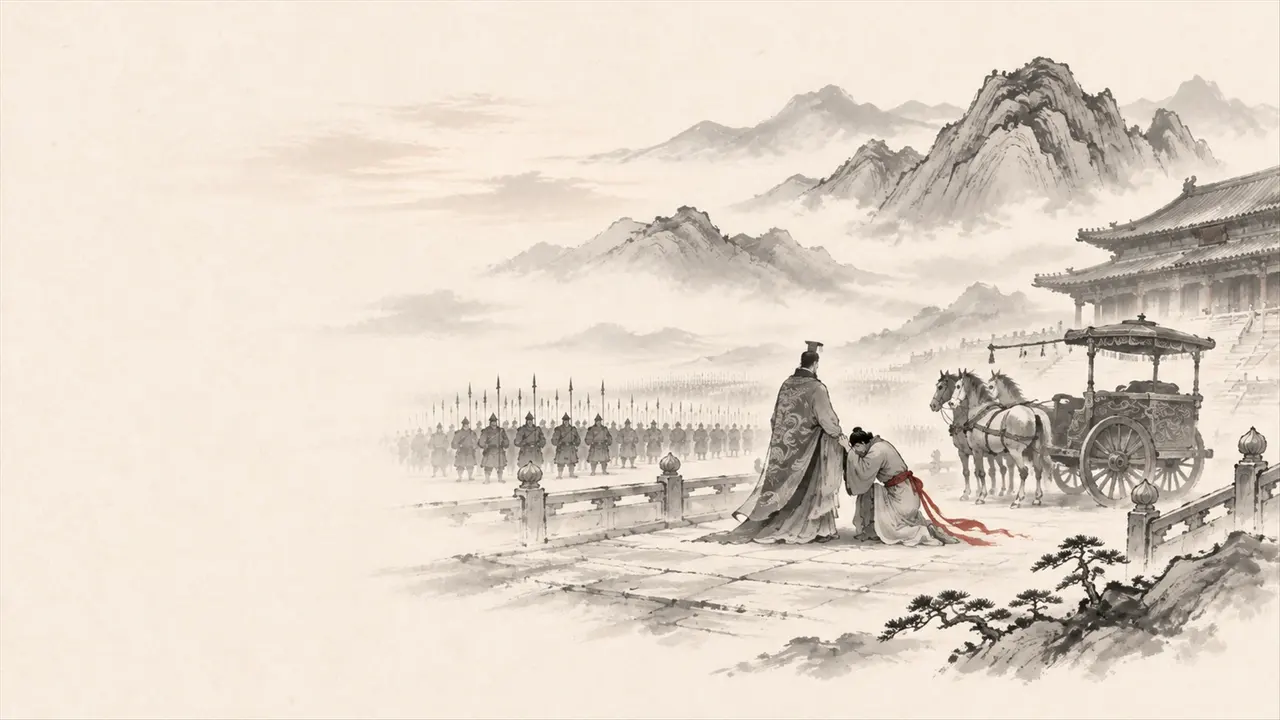
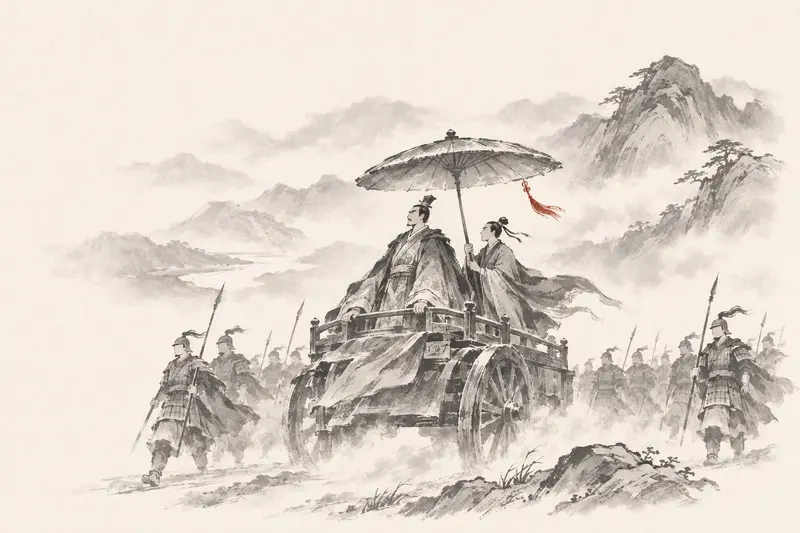
「未だ嘗て涕を垂れざるはあらず」(高祖の出陣のたびに泣いた周緤) 未嘗不垂涕
劉邦に初めから従った三人の将の伝記。傅寛は騎兵の将として秦・楚と戦い、韓信や曹参の下で斉を平らげて陽陵侯となり、斉と代の相をつとめた。靳歙は騎都尉として各地を転戦し、趙を破り、江陵王を生け捕りにして南郡を平定し、信武侯となった。その戦果は、斬った首九十、破った軍十四、降した城五十九と細かく記される。周緤はいつも高祖の車に同乗した側近で、戦いの形勢が悪いときも高祖を離れなかった。高祖が自ら陳豨を討とうとすると、「秦の始皇帝でさえ自分では出陣しなかった。陛下が自ら行かれるのは、使える人がいないからでしょうか」と泣いて止め、高祖は「わたしを愛しているのだ」と喜んだ。太史公は、傅寛・靳歙の手柄は天の授けたもの、周緤は篤実な君子だと評する。
この巻のうち「「未だ嘗て涕を垂れざるはあらず」(高祖の出陣のたびに泣いた周緤)」の場面を載せています。巻の全文ではありません。
音声
音声は合成音声です。
動画
節 1
原文
陽陵侯傅寬,以魏五大夫騎將從,為舍人,起横陽。從攻安陽、杠里,擊趙賁軍於開封,及擊楊熊曲遇、陽武,斬首十二級,賜爵卿。從至霸上。沛公立為漢王,漢王賜寬封號共德君。從入漢中,遷為右騎將。從定三秦,賜食邑雕陰。從擊項籍,待懷,賜爵通德侯。從擊項冠、周蘭、龍且,所將卒斬騎將一人敖下,益食邑。屬淮陰,擊破齊歷下軍,擊田解。屬相國參,殘博,益食邑。因定齊地,剖符世世勿絕,封為陽陵侯,二千六百户,除前所食。為齊右丞相,備齊。五歲為齊相國。
書き下し文
陽陵侯傅寛は、魏の五大夫の騎将を以て従い、舎人と為り、横陽に起こる。従いて安陽・杠里を攻め、趙賁の軍を開封に撃ち、及び楊熊を曲遇・陽武に撃ち、首を斬ること十二級、爵卿を賜わる。従いて霸上に至る。沛公立ちて漢王と為り、漢王寛に封号の共徳君を賜う。従いて漢中に入り、遷りて右騎将と為る。従いて三秦を定め、食邑を雕陰に賜わる。従いて項籍を撃ち、懐に待ち、爵通徳侯を賜わる。従いて項冠・周蘭・龍且を撃ち、将いる所の卒騎将一人を敖下に斬り、食邑を益す。淮陰に属し、斉の歴下の軍を撃破し、田解を撃つ。相国参に属し、博を残し、食邑を益す。因りて斉の地を定め、符を剖きて世世絶ゆること勿からしめ、封じて陽陵侯と為す。二千六百戸、前に食む所を除く。斉の右丞相と為り、斉に備う。五歳にして斉の相国と為る。
現代語訳
陽陵侯の傅寛は、魏の五大夫の位を持つ騎兵の将として劉邦に従い、舎人(側近)となって、横陽で兵を挙げた。劉邦に従って安陽・杠里を攻め、開封で秦の趙賁の軍を撃ち、曲遇・陽武で楊熊を撃って首を十二斬り、卿の爵位を与えられた。劉邦に従って霸上まで行った。沛公が漢王になると、傅寛に共徳君の称号を与えた。漢中に入って右騎将に進み、三秦の平定に従って雕陰を領地として与えられた。項籍を攻めるのに従い、懐で待機して、通徳侯の爵位を与えられた。項冠・周蘭・龍且との戦いに従い、部下が敖倉の下で敵の騎兵の将を一人斬って、領地を増やされた。淮陰侯韓信の下につき、斉の歴下の軍を破り、田解を攻めた。相国の曹参の下につき、博の町を打ち破って、さらに領地を増やされた。こうして斉の地を平定し、子孫まで絶やさないという割符を与えられて、陽陵侯に封じられ、二千六百戸を与えられ、以前の領地は取り消された。斉の右丞相となって斉を守り、五年後に斉の相国となった。
英訳
Fu Kuan, Marquis of Yangling, joined Liu Bang as a cavalry commander with the Wei rank of Fifth Grandee, became one of his retainers and rose with him at Hengyang. He followed him in attacking Anyang and Gangli, fought Zhao Ben's army at Kaifeng and Yang Xiong at Quyu and Yangwu, cutting off twelve heads, and was given the rank of minister. He followed him to Bashang. When the Lord of Pei became King of Han, he gave Fu Kuan the title Lord of Gongde. Fu Kuan went with him into Hanzhong and was promoted to General of Cavalry of the Right. He helped settle the Three Qins and was given Diaoyin as his fief. He followed the attack on Xiang Ji, waited at Huai, and was given the rank of Marquis of Tongde. He followed the attacks on Xiang Guan, Zhou Lan and Long Ju; his men cut down an enemy cavalry commander below Ao, and his fief was enlarged. Under the Marquis of Huaiyin he crushed the Qi army at Lixia and attacked Tian Jie; under the chancellor of state Cao Can he laid waste to Bo, and his fief was enlarged again. So he helped settle the land of Qi, was given a split tally promising that his line would never be cut off, and was made Marquis of Yangling with 2,600 households, in place of his earlier fiefs. He became Right Chancellor of Qi to guard it, and after five years chancellor of state of Qi.
解説(日)
- 五大夫: 爵位の一つ。秦・魏などで使われた。
- 龍且: 項羽の将。濰水で韓信に敗れて死んだ(092-han-xin の章)。
- 符を剖く: 割符を二つに分け、片方を功臣に与えて、子孫まで封じることを約束した。
解説(英)
- Fifth Grandee (五大夫): one of the grades of rank used in Qin, Wei and other states.
- Long Ju: Xiang Yu's general, killed by Han Xin at the Wei River (chapter 092).
- A split tally (剖符): one half given to the vassal as a promise that his line would keep its fief.
英語の語注
- retainer/rɪˈteɪnər/noun
a person who serves a lord
本文では: “became one of his retainers”
似た語と違い: follower — one who serves a leader · attendant — one who waits on another
- tally/ˈtæli/noun
a token split in two, one half kept by each side
本文では: “a split tally”
似た語と違い: token — a sign · seal — a stamp of authority
節 2
原文
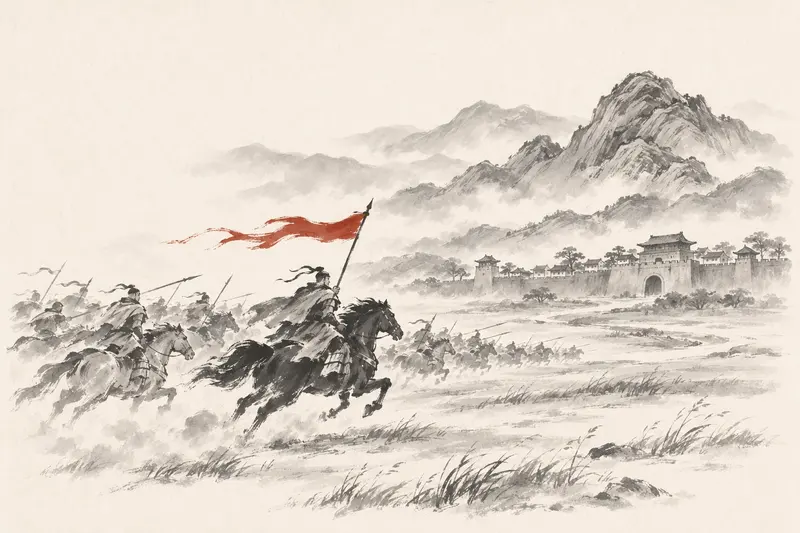
四月,擊陳豨,屬太尉勃,以相國代丞相哙擊豨。一月,徙為代相國,將屯。二歲,為代丞相,將屯。孝惠五年卒,謚為景侯。子頃侯精立,二十四年卒。子共侯則立,十二年卒。子侯偃立,三十一年,坐與淮南王謀反,死,國除。
書き下し文
四月、陳豨を撃ち、太尉勃に属し、相国を以て丞相噲に代わりて豨を撃つ。一月、徙りて代の相国と為り、屯を将う。二歳、代の丞相と為り、屯を将う。孝恵の五年卒し、謚して景侯と為す。子の頃侯精立ち、二十四年にして卒す。子の共侯則立ち、十二年にして卒す。子の侯偃立ち、三十一年、淮南王と謀反するに坐して死し、国除かる。
現代語訳
(高祖十一年の)四月、陳豨を攻め、太尉の周勃の下につき、相国として丞相の樊噲に代わって陳豨を攻めた。一月、代の相国に移り、守備の兵を率いた。二年後、代の丞相となり、守備の兵を率いた。恵帝の五年(前190年)に亡くなり、景侯と諡された。子の頃侯傅精が継いで二十四年で亡くなり、その子の共侯傅則が継いで十二年で亡くなり、その子の傅偃が継いだ。傅偃は三十一年目に、淮南王劉安と謀反をはかった罪で死に、国は取りつぶされた。
英訳
In the fourth month he attacked Chen Xi under the Grand Commandant Zhou Bo, taking the place of the chancellor Fan Kuai as chancellor of state in the campaign. In the first month he was moved to be chancellor of state of Dai, in command of the garrison troops; two years later he became chancellor of Dai, still commanding the garrison. He died in the fifth year of Emperor Hui and was given the posthumous name Marquis Jing. His son Jing, Marquis Qing, succeeded him and died after twenty-four years; his son Ze, Marquis Gong, succeeded and died after twelve years; his son Yan succeeded, and in his thirty-first year was put to death for plotting rebellion with the King of Huainan, and the marquisate was abolished.
解説(日)
- 陳豨: 代で反乱を起こした将(093-lu-wan の章)。
- 淮南王: 劉安。武帝のとき謀反の罪に問われて自殺した(118-huainan の章)。
解説(英)
- Chen Xi: the general who rebelled in Dai (chapter 093).
- The King of Huainan: Liu An, who killed himself when charged with rebellion under Emperor Wu (chapter 118).
英語の語注
- garrison/ˈɡærɪsən/noun
troops stationed in a place to defend it
本文では: “in command of the garrison troops”
似た語と違い: troops — soldiers · guard — soldiers on watch
- abolish/əˈbɒlɪʃ/verb
to end something officially
本文では: “the marquisate was abolished”
似た語と違い: end — bring to a stop · scrap — get rid of; informal
節 3
原文
信武侯靳歙,以中涓從,起宛朐。攻濟陽。破李由軍。擊秦軍亳南、開封東北,斬騎千人將一人,首五十七級,捕虜七十三人,賜爵封號臨平君。又戰藍田北,斬車司馬二人,騎長一人,首二十八級,捕虜五十七人。至霸上。沛公立為漢王,賜歙爵建武侯,遷為騎都尉。從定三秦。别西擊章平軍於隴西,破之,定隴西六縣,所將卒斬車司馬、候各四人,騎長十二人。從東擊楚,至彭城。漢軍敗還,保雍丘,去擊反者王武等。略梁地,别將擊邢說軍菑南,破之,身得說都尉二人,司馬、候十二人,降吏卒四千一百八十人。破楚軍荥陽東。三年,賜食邑四千二百户。
書き下し文
信武侯靳歙は、中涓を以て従い、宛朐に起こる。済陽を攻め、李由の軍を破る。秦の軍を亳の南・開封の東北に撃ち、騎千人の将一人を斬り、首五十七級、捕虜七十三人、爵封号の臨平君を賜わる。又た藍田の北に戦い、車司馬二人・騎長一人を斬り、首二十八級、捕虜五十七人。霸上に至る。沛公立ちて漢王と為り、歙に爵建武侯を賜い、遷りて騎都尉と為る。従いて三秦を定む。別に西のかた章平の軍を隴西に撃ち、之を破り、隴西の六県を定め、将いる所の卒車司馬・候各々四人、騎長十二人を斬る。従いて東のかた楚を撃ち、彭城に至る。漢の軍敗れて還り、雍丘を保ち、去りて反者王武等を撃つ。梁の地を略し、別将として邢説の軍を菑の南に撃ち、之を破り、身ずから説の都尉二人、司馬・候十二人を得、吏卒四千一百八十人を降す。楚の軍を滎陽の東に破る。三年、食邑四千二百戸を賜わる。
現代語訳
信武侯の靳歙は、中涓(側仕え)として劉邦に従い、宛朐で兵を挙げた。済陽を攻め、李由の軍を破った。亳の南と開封の東北で秦の軍を撃ち、千人の騎兵を率いる将を一人斬り、首を五十七取り、七十三人を捕虜にして、臨平君の称号を与えられた。また藍田の北で戦い、車司馬二人と騎長一人を斬り、首二十八、捕虜五十七人を得た。霸上まで行った。沛公が漢王になると、靳歙に建武侯の爵位を与え、騎都尉に進めた。三秦の平定に従った。別に西へ向かい、隴西で章平の軍を破って隴西の六県を平定し、部下は車司馬と候を四人ずつ、騎長十二人を斬った。東へ楚を攻めるのに従い、彭城まで行った。漢軍が敗れて戻ると、雍丘を守り、そこから出て、背いた王武らを攻めた。梁の地を攻め取り、別の部隊を率いて菑の南で邢説の軍を破り、自ら邢説の都尉二人、司馬・候十二人を捕らえ、役人と兵四千百八十人を降した。滎陽の東で楚軍を破った。漢の三年、四千二百戸の領地を与えられた。
英訳
Jin Xi, Marquis of Xinwu, joined Liu Bang as a palace attendant and rose with him at Yuanqu. He attacked Jiyang and broke the army of Li You. He fought the Qin armies south of Bo and northeast of Kaifeng, cut down a commander of a thousand horse, took fifty-seven heads and seventy-three prisoners, and was given the title Lord of Linping. He fought again north of Lantian, cut down two chariot marshals and a cavalry captain, and took twenty-eight heads and fifty-seven prisoners. He came to Bashang. When the Lord of Pei became King of Han, he made Jin Xi Marquis of Jianwu and promoted him to Commandant of Cavalry. He helped settle the Three Qins. Sent west on his own, he broke Zhang Ping's army in Longxi and settled six counties there; his men cut down four chariot marshals, four scouts and twelve cavalry captains. He followed the attack east on Chu as far as Pengcheng. When the Han army was beaten and fell back, he held Yongqiu, then went out against the rebels Wang Wu and others. He overran the land of Liang; in a separate command he broke Xing Yue's army south of Zi, captured two of his commandants and twelve marshals and scouts with his own hands, and took the surrender of 4,180 officers and men. He beat the Chu army east of Xingyang. In the third year he was given a fief of 4,200 households.
解説(日)
- 中涓: 主君の身の回りに仕える役。
- 李由: 秦の丞相李斯の子。三川の太守として劉邦・項羽と戦った(087-li-si の章)。
- 戦果を細かく数え上げる書き方は、漢の功臣の記録(功状)をもとにしていると考えられる。
解説(英)
- Palace attendant (中涓): one who served at his lord's side.
- Li You: son of Qin's chancellor Li Si, governor of Sanchuan, who fought Liu Bang and Xiang Yu (chapter 087).
- The exact counts of heads and prisoners are thought to come from Han records of merit.
英語の語注
- attendant/əˈtɛndənt/noun
a person who serves someone of high rank
本文では: “as a palace attendant”
似た語と違い: servant — one who serves · aide — a helper
- prisoner/ˈprɪzənər/noun
a person captured in war
本文では: “seventy-three prisoners”
似た語と違い: captive — one taken · hostage — one held to force a deal
節 4
原文
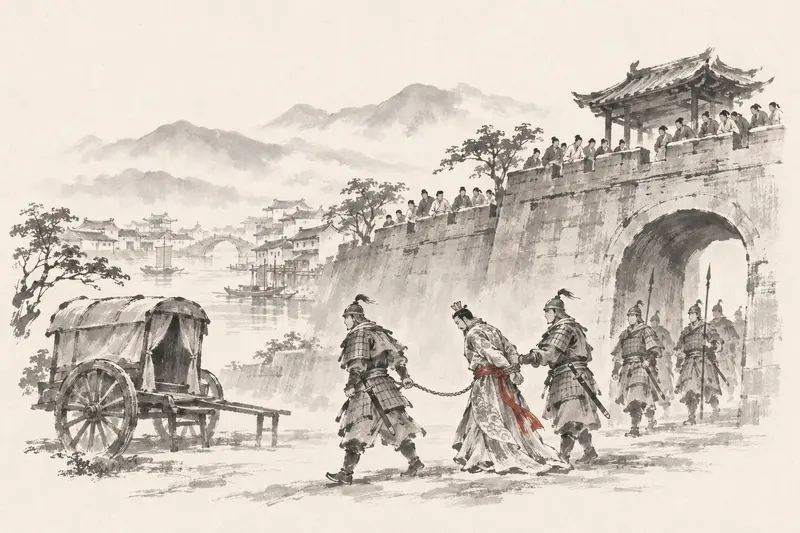
别之河内,擊趙將賁郝軍朝歌,破之,所將卒得騎將二人,車馬二百五十匹。從攻安陽以東,至棘蒲,下七縣。别攻破趙軍,得其將司馬二人,候四人,降吏卒二千四百人。從攻下邯郸。别下平陽,身斬守相,所將卒斬兵守、郡守各一人,降鄴。從攻朝歌、邯郸,及别擊破趙軍,降邯郸郡六縣。還軍敖仓,破項籍軍成皋南,擊絕楚饟道,起荥陽至襄邑。破項冠軍鲁下。略地東至缯、郯、下邳,南至蕲、竹邑。擊項悍濟陽下。還擊項籍陳下,破之。别定江陵,降江陵柱國、大司馬以下八人,身得江陵王,生致之雒陽,因定南郡。從至陳,取楚王信,剖符世世勿絕,定食四千六百户,號信武侯。
書き下し文
別に河内に之き、趙の将賁郝の軍を朝歌に撃ち、之を破り、将いる所の卒騎将二人、車馬二百五十匹を得。従いて安陽以東を攻め、棘蒲に至り、七県を下す。別に趙の軍を攻め破り、其の将司馬二人・候四人を得、吏卒二千四百人を降す。従いて邯鄲を攻め下す。別に平陽を下し、身ずから守相を斬り、将いる所の卒兵守・郡守各々一人を斬り、鄴を降す。従いて朝歌・邯鄲を攻め、及び別に趙の軍を撃破し、邯鄲郡の六県を降す。軍を敖倉に還し、項籍の軍を成皋の南に破り、楚の饟道を撃ち絶ち、滎陽より起こりて襄邑に至る。項冠の軍を魯の下に破る。地を略して東は繒・郯・下邳に至り、南は蘄・竹邑に至る。項悍を済陽の下に撃つ。還りて項籍を陳の下に撃ち、之を破る。別に江陵を定め、江陵の柱国・大司馬以下八人を降し、身ずから江陵王を得て、生きながら之を雒陽に致し、因りて南郡を定む。従いて陳に至り、楚王信を取る。符を剖きて世世絶ゆること勿からしめ、食を定むること四千六百戸、信武侯と号す。
現代語訳
別に河内へ行き、朝歌で趙の将賁郝の軍を破り、部下は騎兵の将二人と車と馬二百五十を得た。安陽より東の攻撃に従い、棘蒲まで行って七つの県を降した。別に趙の軍を破り、将の司馬二人と候四人を捕らえ、役人と兵二千四百人を降した。邯鄲の攻略に従った。別に平陽を降し、自ら郡の守相を斬り、部下は兵守と郡守を一人ずつ斬って、鄴を降した。朝歌と邯鄲の攻撃に従い、別に趙の軍を破って邯鄲郡の六つの県を降した。軍を敖倉に戻し、成皋の南で項籍の軍を破り、滎陽から襄邑までの楚の兵糧の道を断った。魯の城下で項冠の軍を破った。東は繒・郯・下邳まで、南は蘄・竹邑まで攻め取った。済陽の城下で項悍を攻めた。戻って陳の城下で項籍を攻めて破った。別に江陵を平定し、江陵の柱国・大司馬以下八人を降し、自ら江陵王を捕らえて生きたまま洛陽へ送り、こうして南郡を平定した。陳まで従い、楚王韓信を捕らえた。子孫まで絶やさないという割符を与えられ、四千六百戸を領地として、信武侯と称した。
英訳
In a separate command he went to Henei, broke the army of the Zhao general Ben He at Zhaoge, and his men took two cavalry commanders and 250 chariot horses. He followed the attack east of Anyang as far as Jipu and took seven counties. On his own he broke a Zhao army, captured two of its marshals and four scouts, and took the surrender of 2,400 officers and men. He followed the capture of Handan. On his own he took Pingyang, cut down its governor with his own hands, while his men killed a garrison commander and a commandery governor, and took the surrender of Ye. He followed the attacks on Zhaoge and Handan, broke another Zhao army on his own, and took six counties of the commandery of Handan. He brought his army back to Aocang, broke Xiang Ji's army south of Chenggao, and cut Chu's supply road from Xingyang to Xiangyi. He broke Xiang Guan's army below Lu. He overran land as far east as Zeng, Tan and Xiapi and as far south as Qi and Zhuyi. He attacked Xiang Han below Jiyang. Coming back, he attacked Xiang Ji below Chen and beat him. On his own he settled Jiangling, took the surrender of its pillar of state, its grand marshal and six others, captured the King of Jiangling with his own hands, sent him alive to Luoyang, and so settled the commandery of Nan. He followed the emperor to Chen and the arrest of Han Xin, King of Chu. He was given a split tally promising that his line would never be cut off, a fixed fief of 4,600 households, and the title Marquis of Xinwu.
解説(日)
- 江陵王: 臨江王共敖の子、共尉のこととされる(051-jing-yan の章では、すでに死んでいたと書かれる)。
- 楚王信を取る: 前201年、韓信を陳で捕らえたこと(092-han-xin-end の章)。
- 同じ出来事でも巻によって書き方が違うことがあり、司馬遷はそれぞれの記録をそのまま残している。
解説(英)
- The King of Jiangling: thought to be Gong Wei, son of Gong Ao, King of Linjiang (chapter 051 says he had already died).
- Arresting Han Xin, King of Chu: at Chen in 201 BCE (chapter 092-han-xin-end).
- Different volumes sometimes tell the same event differently; Sima Qian kept each record as he found it.
英語の語注
- overrun/ˌoʊvərˈrʌn/verb
to spread over and take control of a place
本文では: “He overran land”
似た語と違い: conquer — take by force · invade — enter by force
- capture/ˈkæptʃər/verb
to take someone as a prisoner
本文では: “captured the King of Jiangling”
似た語と違い: seize — take by force · catch — take hold of
節 5
原文
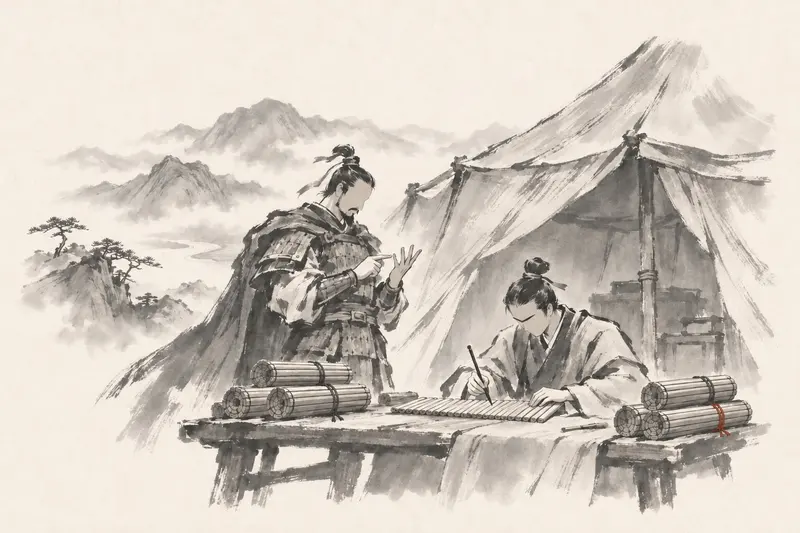
以騎都尉從擊代,攻韩信平城下,還軍東垣。有功,遷為車騎將軍,并將梁、趙、齊、燕、楚車騎,别擊陳豨丞相敞,破之,因降曲逆。從擊黥布有功,益封定食五千三百户。凡斬首九十級,虜百三十二人;别破軍十四,降城五十九,定郡、國各一,縣二十三;得王、柱國各一人,二千石以下至五百石三十九人。高后五年,歙卒,謚為肃侯。子亭代侯。二十一年,坐事國人過律,孝文後三年,夺侯,國除。
書き下し文
騎都尉を以て従いて代を撃ち、韓信を平城の下に攻め、軍を東垣に還す。功有り、遷りて車騎将軍と為り、并せて梁・趙・斉・燕・楚の車騎を将い、別に陳豨の丞相敞を撃ち、之を破り、因りて曲逆を降す。従いて黥布を撃ちて功有り、封を益し食を定むること五千三百戸。凡そ首を斬ること九十級、虜百三十二人。別に軍を破ること十四、城を降すこと五十九、郡・国を定むること各々一、県二十三。王・柱国各々一人、二千石以下五百石に至るまで三十九人を得たり。高后の五年、歙卒し、謚して粛侯と為す。子の亭侯に代わる。二十一年、事えしむる国人の律に過ぐるに坐して、孝文の後三年、侯を奪われ、国除かる。
現代語訳
騎都尉として代を攻めるのに従い、平城の城下で韓王信を攻め、軍を東垣に戻した。手柄があって車騎将軍に進み、梁・趙・斉・燕・楚の戦車と騎兵をあわせて率い、別に陳豨の丞相の敞を破って曲逆を降した。黥布を攻めるのに従って手柄を立て、領地を増やされて五千三百戸となった。斬った首は合わせて九十、捕虜は百三十二人。別に破った軍は十四、降した城は五十九、平定した郡と国はそれぞれ一つ、県は二十三。捕らえた王と柱国はそれぞれ一人、二千石から五百石までの役人は三十九人だった。呂后の五年(前183年)に靳歙は亡くなり、粛侯と諡された。子の靳亭が侯を継いだが、二十一年目、領地の民を決まりより多く使役した罪で、文帝の後三年(前161年)に侯の位を奪われ、国は取りつぶされた。
英訳
As Commandant of Cavalry he followed the attack on Dai, attacked Han Xin below Pingcheng, and brought the army back to Dongyuan. For his merit he was promoted to General of Chariots and Cavalry, commanding the chariots and horse of Liang, Zhao, Qi, Yan and Chu together. On his own he broke Chang, Chen Xi's chancellor, and took the surrender of Quni. He did good service in the campaign against Qing Bu, and his fief was enlarged to a fixed 5,300 households. In all he cut off ninety heads and took 132 prisoners; on his own he broke fourteen armies, took the surrender of fifty-nine cities, settled one commandery and one kingdom and twenty-three counties, and captured a king, a pillar of state, and thirty-nine officials ranked from two thousand down to five hundred piculs. Jin Xi died in the fifth year of Empress Lü and was given the posthumous name Marquis Su. His son Ting succeeded him; in his twenty-first year he was charged with making his people serve beyond the legal limit, and in the third year of Emperor Wen's later period he was stripped of his marquisate and it was abolished.
解説(日)
- 韓信: ここでは韓王信のこと(093-lu-wan の章)。
- 二千石・五百石: 役人の位を、受け取る穀物の量で表したもの。
解説(英)
- Han Xin: here the King of Han, not the Marquis of Huaiyin (chapter 093).
- Two thousand or five hundred piculs: official ranks expressed as salaries in grain.
英語の語注
- household/ˈhaʊshoʊld/noun
a family living in one home, used to count the size of a fief
本文では: “a fixed 5,300 households”
似た語と違い: family — parents and children · home — where people live
- commandant/ˌkɒmənˈdænt/noun
an officer in charge of troops
本文では: “As Commandant of Cavalry”
似た語と違い: commander — one who leads · officer — a military leader
節 6
原文
蒯成侯緤者,沛人也,姓周氏。常為高祖參乘,以舍人從起沛。至霸上,西入蜀、漢,還定三秦,食邑池陽。東絕甬道,從出度平陰,遇淮陰侯兵襄國,軍乍利乍不利,終無離上心。以緤為信武侯,食邑三千三百户。高祖十二年,以緤為蒯成侯,除前所食邑。上欲自擊陳豨,蒯成侯泣曰:“始秦攻破天下,未嘗自行。今上常自行,是為無人可使者乎?”上以為“愛我”,賜入殿門不趨,殺人不死。至孝文五年,緤以壽終,謚為贞侯。子昌代侯,有罪,國除。至孝景中二年,封緤子居代侯。至元鼎三年,居為太常,有罪,國除。
書き下し文
蒯成侯緤は、沛の人なり、姓は周氏。常に高祖の参乗と為り、舎人を以て従いて沛に起こる。霸上に至り、西のかた蜀・漢に入り、還りて三秦を定め、池陽を食邑とす。東のかた甬道を絶ち、従いて出でて平陰を度り、淮陰侯の兵に襄国に遇う。軍乍ち利あり乍ち利あらざるも、終に上を離るるの心無し。緤を以て信武侯と為し、食邑三千三百戸。高祖の十二年、緤を以て蒯成侯と為し、前に食む所の邑を除く。上自ら陳豨を撃たんと欲す。蒯成侯泣きて曰く、「始め秦天下を攻め破るも、未だ嘗て自ら行かず。今上常に自ら行く。是れ使うべき者無しと為すか」と。上以為えらく「我を愛す」と。殿門に入りて趨らず、人を殺すも死せざるを賜う。孝文の五年に至り、緤寿を以て終わり、謚して貞侯と為す。子の昌侯に代わり、罪有りて国除かる。孝景の中二年に至り、緤の子居を封じて侯に代わらしむ。元鼎の三年に至り、居太常と為り、罪有りて国除かる。
現代語訳
蒯成侯の周緤は沛の人で、姓は周氏である。いつも高祖の車に同乗する役をつとめ、舎人として沛で兵を挙げたときから従った。霸上まで行き、西の蜀・漢中に入り、戻って三秦を平定し、池陽を領地とした。東へ向かって楚の甬道(両側を壁で囲った兵糧の道)を断ち、高祖に従って平陰で黄河を渡り、襄国で淮陰侯韓信の兵と合流した。戦いは勝ったり負けたりしたが、最後まで高祖のそばを離れようとする心はなかった。周緤は信武侯とされて三千三百戸の領地を与えられ、高祖の十二年(前195年)に蒯成侯とされ、以前の領地は取り消された。高祖が自ら陳豨を討とうとすると、蒯成侯は泣いて言った。「昔、秦は天下を攻め破りましたが、皇帝が自ら出陣したことは一度もありませんでした。いま陛下はいつも自ら出陣なさいます。これは、使える者がいないということでしょうか」。高祖は「わたしを愛しているのだ」と思い、宮殿の門を入るとき小走りしなくてよいこと、人を殺しても死罪にしないことを許した。文帝の五年(前175年)、周緤は天寿を全うして亡くなり、貞侯と諡された。子の周昌が侯を継いだが、罪を犯して国は取りつぶされた。景帝の中二年(前148年)、周緤の子の周居が侯に封じられたが、武帝の元鼎三年(前114年)、太常をつとめていたときに罪を犯し、国は取りつぶされた。
英訳
Xie, Marquis of Kuaicheng, was a man of Pei, surnamed Zhou. He always rode beside Gaozu in his carriage, and followed him as a retainer from the rising at Pei. He came to Bashang, went west into Shu and Hanzhong, came back to settle the Three Qins, and was given Chiyang as his fief. He went east to cut the walled supply road of Chu, followed the emperor across the river at Pingyin, and met the Marquis of Huaiyin's troops at Xiangguo. The fighting went now well, now badly, but he never thought of leaving his lord. He was made Marquis of Xinwu with a fief of 3,300 households, and in Gaozu's twelfth year Marquis of Kuaicheng, in place of his earlier fief. When the emperor wanted to march against Chen Xi himself, the Marquis of Kuaicheng wept and said: "When Qin conquered the realm, the emperor never once went in person. Now Your Majesty always goes yourself. Is it that there is no one you can send?" The emperor thought, "He loves me," and granted him leave to enter the palace gates without hurrying and to be spared death even if he killed a man. He lived out his years and died in the fifth year of Emperor Wen, and was given the posthumous name Marquis Zhen. His son Chang succeeded him, but committed a crime and the marquisate was abolished. In the second year of Emperor Jing's middle period, Xie's son Ju was made marquis in his place; in the third year of Yuanding, while serving as Master of Ceremonies, Ju committed a crime, and the marquisate was abolished.
解説(日)
- 参乗: 主君の車に同乗して護衛する役。
- 甬道: 両側を土の壁で囲った道。兵糧を運ぶのに使った。
- 殿門に入りて趨らず: 臣下は宮殿で小走りするのが礼だったが、それをしなくてよいという特別の待遇。
解説(英)
- Riding beside (參乘): the bodyguard who rode in his lord's carriage.
- Walled supply road (甬道): a road protected by earth walls on both sides, used to move grain.
- Entering without hurrying: ministers had to walk with quick steps at court; being excused was a special honour.
英語の語注
- weep/wiːp/verb
to cry
本文では: “the Marquis of Kuaicheng wept”
似た語と違い: cry — shed tears · sob — cry noisily
- immunity/ɪˈmjuːnɪti/noun
protection from punishment
本文では: “to be spared death even if he killed a man”
似た語と違い: exemption — freedom from a rule · protection — safety
The text says he was spared death; immunity is the general word for such protection.
節 7
原文
太史公曰:陽陵侯傅寬、信武侯靳歙皆高爵,從高祖起山東,攻項籍,誅殺名將,破軍降城以十數,未嘗困辱,此亦天授也。蒯成侯周緤操心堅正,身不見疑,上欲有所之,未嘗不垂涕,此有伤心者然,可谓笃厚君子矣。
書き下し文
太史公曰く、陽陵侯傅寛・信武侯靳歙は皆高爵なり。高祖に従いて山東に起こり、項籍を攻め、名将を誅殺し、軍を破り城を降すこと十を以て数う。未だ嘗て困辱せられず。此れも亦た天授なり。蒯成侯周緤は心を操ること堅正にして、身疑われず。上之く所有らんと欲すれば、未だ嘗て涕を垂れざるはあらず。此れ心を傷ましむる者有りて然るなり。篤厚の君子と謂うべし。
現代語訳
太史公は言う。陽陵侯の傅寛と信武侯の靳歙は、どちらも高い爵位を得た。高祖に従って山東で兵を挙げ、項籍を攻め、名のある将を討ち取り、軍を破り城を降すこと十をもって数えるほどだったが、一度も追いつめられて辱めを受けたことがない。これもまた天の授けたものである。蒯成侯の周緤は心が堅く正しく、一度も疑われることがなかった。高祖が出陣しようとするたびに、いつも涙を流した。心から主君の身を案じていたからである。誠実で手厚い君子と言うべきである。
英訳
The Grand Historian says: Fu Kuan, Marquis of Yangling, and Jin Xi, Marquis of Xinwu, both reached high rank. They followed Gaozu from his rising east of the mountains, attacked Xiang Ji, killed famous generals, and broke armies and took cities by the dozen, yet were never once cornered or disgraced. This too was a gift of Heaven. Zhou Xie, Marquis of Kuaicheng, kept his heart firm and true, and was never suspected. Whenever the emperor meant to set out, he never failed to weep: it was because something truly grieved his heart. He may be called a gentleman of steadfast loyalty.
解説(日)
- 天授: 天から授かったもの。
- 篤厚: 誠実で、人情が厚いこと。
解説(英)
- A gift of Heaven (天授): something no effort alone could earn.
- Steadfast loyalty (篤厚): sincerity and warmth of heart.
英語の語注
- disgrace/dɪsˈɡreɪs/verb
to bring shame on someone
本文では: “never once cornered or disgraced”
似た語と違い: shame — make ashamed · humiliate — make someone feel foolish
- steadfast/ˈstɛdfɑːst/adjective
firm and loyal
本文では: “a gentleman of steadfast loyalty”
似た語と違い: faithful — loyal · unwavering — not changing