列伝 · 巻 96
張丞相列伝 張丞相列傳
口ごもりの直言(周昌の「期期」) 周昌期期
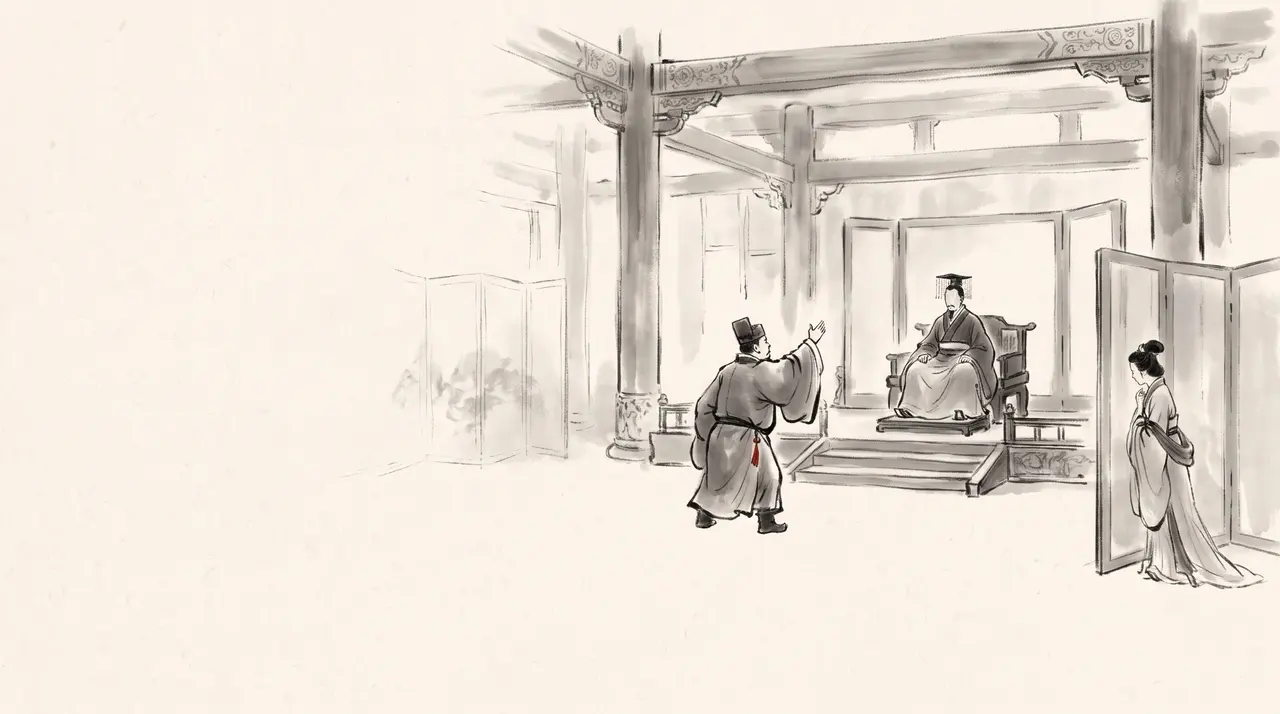
漢のはじめの三人の丞相・大臣の物語。張蒼は秦の書記官だったが、劉邦の軍で罪を犯して斬られそうになったとき、裸にされた体が瓠(ふくべ)のように白く大きかったので、王陵の目にとまって命拾いした。のちに暦と律に通じた名宰相となり、王陵を父のように敬い続け、百歳を超えて生きた。周昌は口ごもる癖があったが、剛直だった。劉邦が呂后の子の太子を廃して戚夫人の子如意を立てようとしたとき、「わ、わたしは口では言えませんが、き、き、きっといけないと分かっています」と言って劉邦を笑わせ、太子を守った。呂后はひざまずいて礼を言った。のちに如意を守るため趙の宰相に回されたが、呂后に呼び出された如意は毒殺され、周昌も病と称して三年後に死んだ。申屠嘉は文帝の丞相で、殿上でふざける寵臣鄧通を呼びつけて斬ろうとし、文帝が使いを出して許しを請うたほどだった。しかし晁錯を罰しようとして景帝に先を越され、「先に斬ればよかった」と血を吐いて死んだ。
この巻のうち「口ごもりの直言(周昌の「期期」)」の場面を載せています。巻の全文ではありません。
音声
音声は合成音声です。
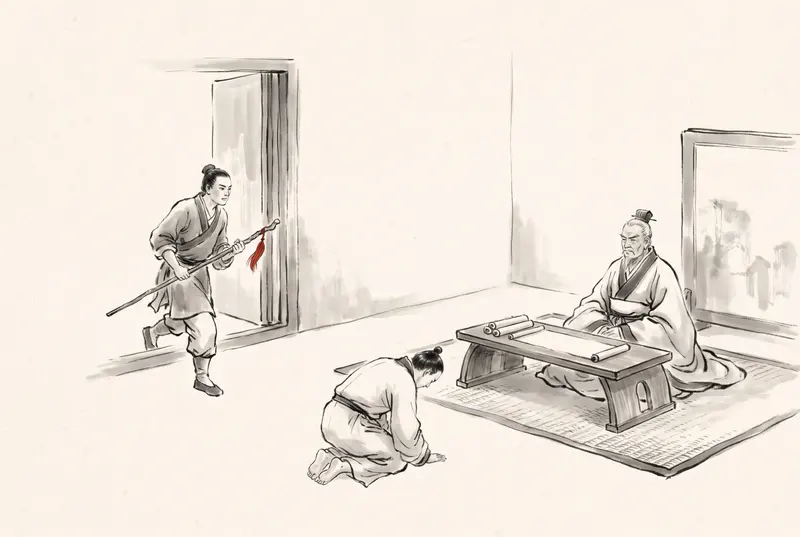
動画
節 1
原文
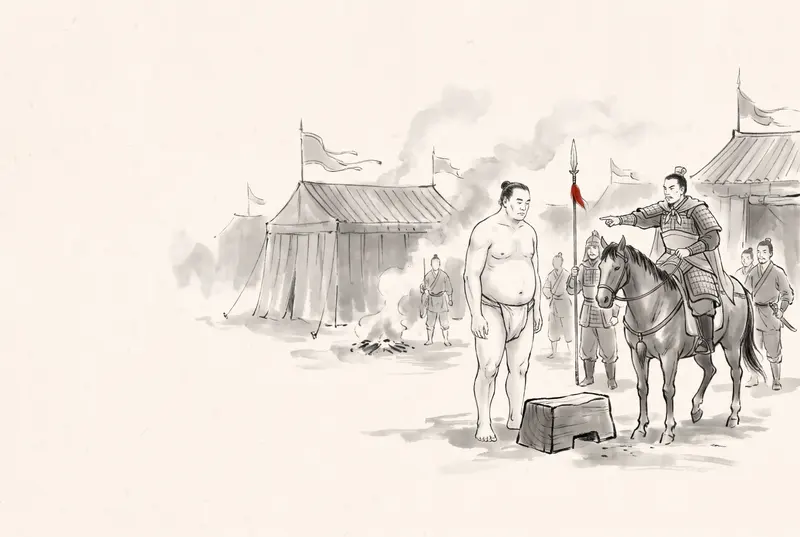
張丞相蒼者,陽武人也。好書律歷。秦時為御史,主柱下方書。有罪,亡歸。及沛公略地過陽武,蒼以客從攻南陽。蒼坐法當斬,解衣伏質,身長大,肥白如瓠,時王陵見而怪其美士,乃言沛公,赦勿斬。
書き下し文
張丞相蒼は、陽武の人なり。書・律暦を好む。秦の時御史と為り、柱下の方書を主る。罪有りて、亡げ帰る。沛公の地を略して陽武を過ぐるに及び、蒼客を以て従いて南陽を攻む。蒼法に坐して斬に当たる。衣を解きて質に伏す。身長大にして、肥白なること瓠の如し。時に王陵見て其の美士なるを怪しみ、乃ち沛公に言い、赦して斬らざらしむ。
現代語訳
丞相の張蒼は陽武の人である。書物や暦・音律の学問を好んだ。秦の時代には御史となり、宮殿の柱の下で文書を管理していた。罪を犯して故郷へ逃げ帰った。沛公(劉邦)が各地を攻めて陽武を通ったとき、張蒼は客分として従い、南陽を攻めた。そのうち張蒼は法にふれて斬罪となり、衣服を脱いで斬首台に伏した。その体は大きく、白く肥えて、まるで瓠(ふくべ)のようだった。そのとき王陵がそれを見て、りっぱな人物なのにとふしぎに思い、沛公に申し上げて、許して斬らないようにさせた。
英訳
Chancellor Zhang Cang was a man of Yangwu. He loved books, the calendar and the musical pitches. Under Qin he was an inspector, in charge of the documents kept below the pillars of the palace. He committed a crime and fled home. When the Lord of Pei passed through Yangwu on his campaigns, Zhang Cang joined him as a retainer and took part in the attack on Nanyang. Then he broke the law and was sentenced to be beheaded. He took off his clothes and lay down on the block. He was tall and big, and so plump and white that he looked like a gourd. Wang Ling, who happened to see him, thought it strange that so fine a man should die, and spoke to the Lord of Pei, who pardoned him and did not have him beheaded.
解説(日)
- 柱下方書: 宮殿の柱の下で保管された文書。張蒼は秦の記録や計算に通じていた。
- 瓠: ひょうたんの一種、ふくべ。白く大きいもののたとえ。
- 王陵: 劉邦の古い仲間。のちに呂后に逆らって白馬の盟を説いた(009-empress-lu の章)。
- このあと張蒼は代や趙の宰相、計相(財政の長)などを歴任した(ここでは省く)。
解説(英)
- Documents below the pillars (柱下方書): the Qin archives; Zhang Cang knew the records and accounts of the old empire.
- Like a gourd (肥白如瓠): plump and pale.
- Wang Ling (王陵): Liu Bang's old comrade, who later defied Empress Lü (chapter 009).
英語の語注
- pardon/ˈpɑrdən/verb
to officially forgive someone for a crime
本文では: “who pardoned him”
似た語と違い: forgive — stop blaming · spare — not punish
- plump/plʌmp/adjective
pleasantly fat and round
本文では: “so plump and white”
似た語と違い: chubby — a little fat · stout — heavily built
節 2
原文
周昌者,沛人也。其從兄曰周苛,秦時皆為泗水卒史。及高祖起沛,擊破泗水守監,於是周昌、周苛自卒史從沛公,沛公以周昌為職志,周苛為客。從入關,破秦。沛公立為漢王,以周苛為御史大夫,周昌為中尉。漢王四年,楚圍漢王滎陽急,漢王遁出去,而使周苛守滎陽城。楚破滎陽城,欲令周苛將。苛罵曰:「若趣降漢王!不然,今為虜矣!」項羽怒,亨周苛。於是乃拜周昌為御史大夫。常從擊破項籍。以六年中與蕭、曹等俱封:封周昌為汾陰侯;周苛子周成以父死事,封為高景侯。
書き下し文
周昌は、沛の人なり。其の従兄を周苛と曰う。秦の時皆泗水の卒史たり。高祖の沛に起ち、泗水の守監を撃破するに及び、是に於いて周昌・周苛卒史より沛公に従う。沛公周昌を以て職志と為し、周苛を客と為す。従いて関に入り、秦を破る。沛公立ちて漢王と為り、周苛を以て御史大夫と為し、周昌を中尉と為す。漢王の四年、楚漢王を滎陽に囲むこと急なり。漢王遁れ出でて去り、而して周苛をして滎陽の城を守らしむ。楚滎陽の城を破り、周苛をして将たらしめんと欲す。苛罵りて曰く、「若趣かに漢王に降れ。然らずんば、今虜と為らん」と。項羽怒り、周苛を亨る。是に於いて乃ち周昌を拝して御史大夫と為す。常に従いて項籍を撃破す。六年中を以て蕭・曹等と倶に封ぜらる。周昌を封じて汾陰侯と為し、周苛の子周成は父の事に死せるを以て、封じて高景侯と為す。
現代語訳
周昌は沛の人で、いとこを周苛という。秦の時代には二人とも泗水郡の下級役人だった。高祖が沛で兵を挙げ、泗水郡の長官を破ると、周昌と周苛は役人をやめて沛公に従った。沛公は周昌を旗持ちとし、周苛を客分とした。二人は従って関中に入り、秦を破った。沛公が漢王になると、周苛を御史大夫、周昌を中尉とした。漢王の四年、楚が滎陽の漢王を激しく囲んだので、漢王は抜け出して逃れ、周苛に滎陽の城を守らせた。楚は滎陽の城を落とし、周苛を自分の将軍にしようとした。周苛はののしって言った。「お前こそさっさと漢王に降れ。さもないと、いまに捕虜になるぞ」。項羽は怒って周苛を煮殺した。そこで周昌が御史大夫に任じられ、いつも漢王に従って項籍を討った。高祖の六年、周昌は蕭何・曹参らとともに領地を与えられて汾陰侯となり、周苛の子の周成は父が戦死したので高景侯とされた。
英訳
Zhou Chang was a man of Pei. His cousin was called Zhou Ke. Under Qin they were both clerks of the Sishui Commandery. When Gaozu rose at Pei and defeated the governor and inspector of Sishui, Zhou Chang and Zhou Ke left their posts as clerks to follow the Lord of Pei. The Lord of Pei made Zhou Chang his standard-bearer and Zhou Ke a retainer. They went with him into the pass and helped destroy Qin. When the Lord of Pei became king of Han, he made Zhou Ke grand secretary and Zhou Chang commandant of the capital. In the fourth year of the king of Han, Chu pressed hard on the king of Han at Xingyang. The king slipped away and escaped, leaving Zhou Ke to hold the city of Xingyang. Chu took Xingyang and wanted to make Zhou Ke one of its generals. Zhou Ke cursed them: "You had better surrender to the king of Han at once, or soon you will be his prisoners!" Xiang Yu was furious and boiled Zhou Ke alive. Then Zhou Chang was made grand secretary, and he followed the king in all the campaigns against Xiang Ji. In the sixth year he was given a fief along with Xiao He, Cao Can and the others, as Marquis of Fenyin, and Zhou Ke's son Zhou Cheng, because his father had died in the king's service, was made Marquis of Gaojing.
解説(日)
- 卒史: 郡の下級役人。
- 職志: 旗を持つ役。
- 周苛: 滎陽を守り、魏豹を殺した人物でもある(090-peng-yue の章)。
- 亨: 煮殺す刑。項羽は降伏を拒んだ周苛を煮殺した。
解説(英)
- Standard-bearer (職志): the man who carried the banner.
- Zhou Ke (周苛): the same man who killed Wei Bao at Xingyang (chapter 090).
- Boiled alive (亨): Xiang Yu's punishment for his defiance.
英語の語注
- furious/ˈfjʊriəs/adjective
extremely angry
本文では: “Xiang Yu was furious”
似た語と違い: enraged — filled with anger · livid — very angry
- standard-bearer/ˈstændərd ˌbɛrər/noun
the person who carries an army's flag
本文では: “his standard-bearer”
似た語と違い: flag-bearer — one who carries the flag · ensign — flag carrier
節 3
原文
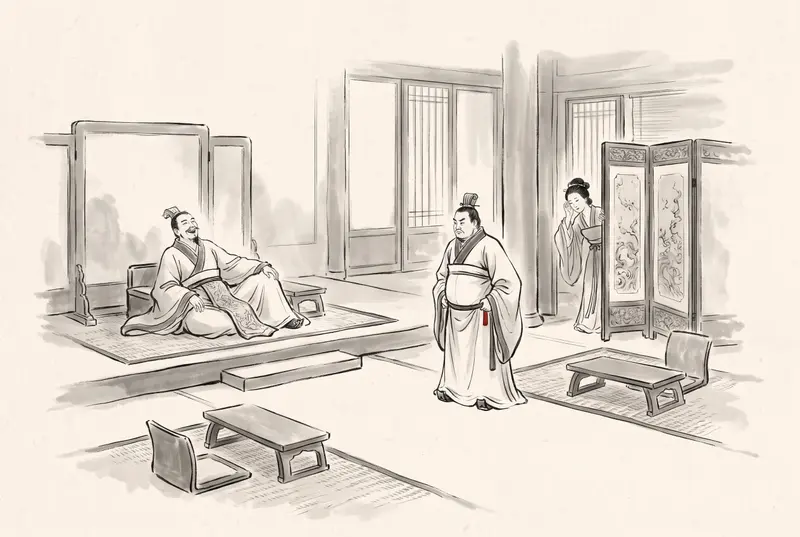
昌為人彊力,敢直言,自蕭、曹等皆卑下之。昌嘗燕時入奏事,高帝方擁戚姬,昌還走,高帝逐得,騎周昌項,問曰:「我何如主也?」昌仰曰:「陛下即桀紂之主也。」於是上笑之,然尤憚周昌。及帝欲廢太子,而立戚姬子如意為太子,大臣固爭之,莫能得;上以留侯策即止。而周昌廷爭之彊,上問其說,昌為人吃,又盛怒,曰:「臣口不能言,然臣期期知其不可。陛下雖欲廢太子,臣期期不奉詔。」上欣然而笑。既罷,呂后側耳於東箱聽,見周昌,為跪謝曰:「微君,太子幾廢。」
書き下し文
昌の人と為り彊力にして、敢えて直言す。蕭・曹等より皆之に卑下す。昌嘗て燕時に入りて事を奏す。高帝方に戚姫を擁す。昌還り走る。高帝逐いて得、周昌の項に騎りて問いて曰く、「我は何如なる主ぞ」と。昌仰ぎて曰く、「陛下は即ち桀紂の主なり」と。是に於いて上之を笑う。然れども尤も周昌を憚る。帝の太子を廃して戚姫の子如意を立てて太子と為さんと欲するに及び、大臣固く之を争うも、能く得る莫し。上留侯の策を以て即ち止む。而して周昌廷に之を争うこと彊し。上其の説を問う。昌人と為り吃にして、又盛んに怒り、曰く、「臣口言う能わず。然れども臣期期として其の不可なるを知る。陛下太子を廃せんと欲すと雖も、臣期期として詔を奉ぜず」と。上欣然として笑う。既に罷む。呂后耳を東箱に側てて聴く。周昌を見、為に跪きて謝して曰く、「君微かりせば、太子幾ど廃せられん」と。
現代語訳
周昌は気性が強く、遠慮せずにまっすぐものを言った。蕭何や曹参でさえ、周昌には一目置いていた。あるとき周昌が、高帝のくつろいでいる時間に上奏に行くと、高帝はちょうど戚夫人を抱いていた。周昌はくるりと向きを変えて走り去ったが、高帝は追いかけてつかまえ、周昌の首にまたがって言った。「わしはどんな君主だ」。周昌は首を上げて答えた。「陛下は桀や紂のような君主です」。高帝は笑ったが、それからはとりわけ周昌をはばかるようになった。高帝が呂后の子の太子を廃して、戚夫人の子の如意を太子にしようとしたとき、大臣たちは強く反対したが、思いとどまらせることはできなかった。結局、高帝は留侯(張良)の策によってやめるのだが、このとき朝廷でいちばん強く反対したのは周昌だった。高帝が理由をたずねると、周昌は口ごもる癖があるうえに、ひどく怒っていたので、こう言った。「わ、わたしは口ではうまく言えません。しかし、き、き、きっといけないことだと分かっています。陛下が太子を廃そうとなさっても、わ、わたしは、き、き、決して詔に従いません」。高帝はうれしそうに笑った。朝廷が終わると、東の脇部屋で耳をそばだてて聞いていた呂后が、周昌を見つけて、ひざまずいて礼を言った。「あなたがいなかったら、太子はあやうく廃されるところでした」。
英訳
Zhou Chang was strong-willed and dared to speak his mind. Everyone from Xiao He and Cao Can down deferred to him. Once he went in to present a memorial while the emperor was at leisure, and found Emperor Gao with his arms around Lady Qi. Zhou Chang turned and ran. Emperor Gao chased after him, caught him, sat astride his neck and asked: "What kind of ruler am I?" Zhou Chang looked up and said: "Your Majesty is a ruler like Jie and Zhou." The emperor laughed, but from then on he was especially wary of Zhou Chang. When the emperor wanted to depose the crown prince and make Ruyi, the son of Lady Qi, his heir instead, the great ministers argued hard against it but could not change his mind; in the end he gave it up because of a plan of the Marquis of Liu. But in the court debate it was Zhou Chang who argued the hardest. When the emperor asked him for his reasons, Zhou Chang, who stammered and was in a great rage besides, said: "I c-can't put it into words. But I k-k-know it's wrong. Even if Your Majesty wants to depose the crown prince, I w-w-will not obey the edict." The emperor laughed with delight. When the court was over, Empress Lü, who had been listening with her ear to the wall of the east chamber, saw Zhou Chang, knelt before him and thanked him: "If not for you, the crown prince would almost certainly have been deposed."
解説(日)
- 期期: 口ごもって「き、き」と言うさま。周昌は吃音(きつおん)だった。のちに口ごもることを「期期艾艾」という。
- 桀紂之主: 夏の桀王、殷の紂王のような暴君。女性を抱いている劉邦を皮肉った。
- 留侯策: 張良がすすめて、太子に商山の四皓(四人の老賢者)を招かせ、劉邦をあきらめさせた(055-zhang-liang の章)。
- 呂后は自分の子の太子を守ってくれた周昌に、ひざまずいて感謝した。
解説(英)
- I k-k-know (期期): Zhou Chang stammered; "qi qi ai ai" later became the phrase for stammering.
- A ruler like Jie and Zhou: a dig at the emperor caught with his favourite.
- The Marquis of Liu's plan: Zhang Liang had the heir bring in four venerable recluses, which made Liu Bang give up (chapter 055).
この節から生まれた言葉: 期期
英語の語注
- defer/dɪˈfɜr/verb
to accept someone else's opinion out of respect
本文では: “deferred to him”
似た語と違い: yield — give way · submit — accept
- stammer/ˈstæmər/verb
to speak with pauses and repeated sounds
本文では: “who stammered”
似た語と違い: stutter — repeat sounds · falter — speak unsteadily
節 4
原文
是後戚姬子如意為趙王,年十歲,高祖憂即萬歲之後不全也。趙堯年少,為符璽御史。趙人方與公謂御史大夫周昌曰:「君之史趙堯,年雖少,然奇才也,君必異之,是且代君之位。」周昌笑曰;「堯年少,刀筆吏耳,何能至是乎!」居頃之,趙堯侍高祖。高祖獨心不樂,悲歌,群臣不知上之所以然。趙堯進請問曰:「陛下所為不樂,非為趙王年少而戚夫人與呂后有卻邪?備萬歲之後而趙王不能自全乎?」高祖曰:「然。吾私憂之,不知所出。」堯曰:「陛下獨宜為趙王置貴彊相,及呂后、太子、群臣素所敬憚乃可。」高祖曰:「然。吾念之欲如是,而群臣誰可者?」堯曰:「御史大夫周昌,其人堅忍質直,且自呂后、太子及大臣皆素敬憚之。獨昌可。」高祖曰:「善。」於是乃召周昌,謂曰:「吾欲固煩公,公彊為我相趙王。」周昌泣曰:「臣初起從陛下,陛下獨柰何中道而棄之於諸侯乎?」高祖曰:「吾極知其左遷,然吾私憂趙王,念非公無可者。公不得已彊行!」於是徙御史大夫周昌為趙相。
書き下し文
是の後戚姫の子如意趙王と為る。年十歳。高祖即ち万歳の後に全からざらんことを憂う。趙堯年少く、符璽御史と為る。趙人方与公、御史大夫周昌に謂いて曰く、「君の史趙堯は、年少しと雖も、然れども奇才なり。君必ず之を異とせよ。是れ且に君の位に代わらんとす」と。周昌笑いて曰く、「堯は年少く、刀筆の吏のみ。何ぞ能く是に至らんや」と。居ること頃之、趙堯高祖に侍す。高祖独り心楽しまず、悲歌す。群臣上の然る所以を知らず。趙堯進みて請い問いて曰く、「陛下の楽しまざる所為は、趙王年少くして戚夫人と呂后と卻有るが為に非ずや。万歳の後に備えて趙王自ら全うする能わざるにあらずや」と。高祖曰く、「然り。吾私かに之を憂うるも、出づる所を知らず」と。堯曰く、「陛下独り宜しく趙王の為に貴彊の相を置き、呂后・太子・群臣の素より敬憚する所に及ぶべくんば乃ち可なり」と。高祖曰く、「然り。吾之を念いて是くの如くせんと欲す。而るに群臣誰か可なる者ぞ」と。堯曰く、「御史大夫周昌、其の人堅忍質直にして、且つ呂后・太子及び大臣より皆素より之を敬憚す。独り昌可なり」と。高祖曰く、「善し」と。是に於いて乃ち周昌を召し、謂いて曰く、「吾固く公を煩わさんと欲す。公彊いて我が為に趙王に相たれ」と。周昌泣きて曰く、「臣初め起ちて陛下に従う。陛下独り奈何ぞ中道にして之を諸侯に棄つるや」と。高祖曰く、「吾極めて其の左遷なるを知る。然れども吾私かに趙王を憂い、公に非ずんば可なる者無しと念う。公已むを得ず彊いて行け」と。是に於いて御史大夫周昌を徙して趙の相と為す。
現代語訳
その後、戚夫人の子の如意は趙王となった。まだ十歳だった。高祖は、自分が死んだあと如意が無事でいられないのではないかと心配した。趙堯は若くして、印を管理する御史になっていた。趙の人の方与公が、御史大夫の周昌に言った。「あなたの部下の趙堯は、若いが並はずれた才能の持ち主です。目をかけておきなさい。いずれあなたの地位に代わるでしょう」。周昌は笑って言った。「趙堯は若い筆と小刀の書記にすぎない。そこまでになれるものか」。しばらくして趙堯が高祖のそばに仕えていると、高祖はひとり心が晴れず、悲しげに歌っていた。家臣たちには、そのわけが分からなかった。趙堯が進み出てたずねた。「陛下がお楽しみでないのは、趙王が幼く、戚夫人と呂后が仲たがいしているからではありませんか。陛下が亡くなられたあと、趙王が身を守れないのを心配しておられるのでは」。高祖は「そのとおりだ。ひそかに心配しているが、どうすればよいか分からない」と言った。趙堯は言った。「趙王のために、身分が高く気骨のある宰相を置かれるのがよいでしょう。それも、呂后や太子や大臣たちが日ごろから敬い、はばかっている人物でなければなりません」。高祖は言った。「そうだ。わしもそう考えている。しかし、家臣のうちだれがよいか」。趙堯は言った。「御史大夫の周昌は、意志が強く、飾り気がなく正直で、呂后も太子も大臣たちも日ごろから敬い、はばかっています。周昌しかいません」。高祖は「よし」と言って周昌を呼び、言った。「どうしてもお前に頼みたい。無理を言うが、わしのために趙王の宰相になってくれ」。周昌は泣いて言った。「わたしははじめから陛下にお仕えしてきました。どうして陛下は道半ばで、わたしを諸侯のもとへ捨てられるのですか」。高祖は言った。「左遷だということは、よく分かっている。だが、わしは趙王のことがひそかに心配で、お前のほかに頼める者がいないのだ。どうか無理を聞いて行ってくれ」。こうして御史大夫の周昌は趙の宰相に移された。
英訳
After this, Ruyi, the son of Lady Qi, was made King of Zhao. He was ten years old. Gaozu worried that once he himself was gone, the boy would not be safe. Zhao Yao, a young man, was the inspector in charge of tallies and seals. A man of Zhao called Master Fangyu said to Zhou Chang, the grand secretary: "Your clerk Zhao Yao is young, but he is a man of rare talent. You should take special notice of him. He is going to take your place." Zhou Chang laughed: "Yao is young, a mere clerk of the brush and the knife. How could he rise so high?" A little later, Zhao Yao was in attendance on Gaozu. Gaozu was unhappy and sang a sad song by himself, and none of his ministers knew why. Zhao Yao came forward and asked: "Is Your Majesty unhappy because the King of Zhao is young, and Lady Qi and Empress Lü are at odds? Are you afraid that after you are gone the King of Zhao will not be able to keep himself safe?" Gaozu said: "Yes. I worry about it privately, but I do not know what to do." Zhao Yao said: "Your Majesty should give the King of Zhao a chancellor of high rank and strong character, someone whom Empress Lü, the crown prince and the ministers all respect and fear." Gaozu said: "Yes, that is what I have been thinking. But which of my ministers would do?" Zhao Yao said: "Zhou Chang, the grand secretary, is steadfast, plain and honest, and Empress Lü, the crown prince and the ministers all respect and fear him. Only Zhou Chang will do." Gaozu said: "Good." So he called Zhou Chang and said to him: "I must trouble you with this. You must do me the favour of being chancellor to the King of Zhao." Zhou Chang wept and said: "I have followed Your Majesty from the very beginning. Why should Your Majesty cast me off halfway to serve a lord?" Gaozu said: "I know very well that it is a demotion. But I am privately worried about the King of Zhao, and I think there is no one but you who will do. You must go, though you do not wish to." So Zhou Chang the grand secretary was moved to be chancellor of Zhao.
解説(日)
- 萬歲之後: 天子の死後のこと。死を直接言わない言い方。
- 符璽御史: 割り符と印を管理する御史。
- 刀筆吏: 文書を書く書記(102-zhang-shizhi、120-ji-an の章にも出る)。
- 左遷: 低い地位に移すこと。漢では右を上、左を下とした。
解説(英)
- Once he himself was gone (萬歲之後): "after ten thousand years", a polite way of speaking of the emperor's death.
- A clerk of the brush and the knife (刀筆吏): a mere copyist (also in chapters 102 and 120).
- Demotion (左遷): literally "moving to the left"; in the Han the right was the higher side.
英語の語注
- at odds/æt ɑdz/phrase
in disagreement or conflict
本文では: “Lady Qi and Empress Lü are at odds”
似た語と違い: in conflict — disagreeing · at loggerheads — quarrelling
- demotion/dɪˈmoʊʃən/noun
being moved to a lower rank
本文では: “it is a demotion”
似た語と違い: downgrade — lowering · comedown — drop in status
節 5
原文
既行久之,高祖持御史大夫印弄之,曰:「誰可以為御史大夫者?」孰視趙堯,曰:「無以易堯。」遂拜趙堯為御史大夫。堯亦前有軍功食邑,及以御史大夫從擊陳豨有功,封為江邑侯。高祖崩,呂太后使使召趙王,其相周昌令王稱疾不行。使者三反,周昌固為不遣趙王。於是高后患之,乃使使召周昌。周昌至,謁高后,高后怒而罵周昌曰:「爾不知我之怨戚氏乎?而不遣趙王,何?」昌既徵,高后使使召趙王,趙王果來。至長安月餘,飲藥而死。周昌因謝病不朝見,三歲而死。
書き下し文
既に行くこと之を久しくして、高祖御史大夫の印を持して之を弄び、曰く、「誰か以て御史大夫と為すべき者ぞ」と。孰か趙堯を視て、曰く、「以て堯に易うる無し」と。遂に趙堯を拝して御史大夫と為す。堯も亦た前に軍功有りて食邑あり、及び御史大夫を以て従いて陳豨を撃ちて功有り、封ぜられて江邑侯と為る。高祖崩ず。呂太后使いをして趙王を召さしむ。其の相周昌、王をして疾と称して行かざらしむ。使者三たび反る。周昌固く為に趙王を遣らず。是に於いて高后之を患い、乃ち使いをして周昌を召さしむ。周昌至り、高后に謁す。高后怒りて周昌を罵りて曰く、「爾我の戚氏を怨むを知らざるか。而るに趙王を遣らざるは何ぞ」と。昌既に徴され、高后使いをして趙王を召さしむ。趙王果たして来たる。長安に至ること月余、薬を飲みて死す。周昌因りて病と謝して朝見せず、三歳にして死す。
現代語訳
周昌が趙へ行ってしばらくたったころ、高祖は御史大夫の印を手に取ってもてあそびながら言った。「だれを御史大夫にしたらよいだろうか」。そして趙堯をじっと見て、「堯にまさる者はいない」と言い、趙堯を御史大夫に任じた。趙堯は以前から軍功で領地をもらっていたが、御史大夫として陳豨の討伐に従って手柄を立て、江邑侯に封じられた。高祖が亡くなると、呂太后は使者を送って趙王を呼び寄せようとした。宰相の周昌は趙王に病と言わせて行かせなかった。使者は三度往復したが、周昌はどうしても趙王を行かせなかった。呂后は困って、使者に周昌を呼び出させた。周昌が来て呂后に会うと、呂后は怒って周昌をののしった。「お前はわたしが戚氏を恨んでいるのを知らないのか。それなのに趙王をよこさないとは、どういうことだ」。周昌が都に呼ばれているあいだに、呂后は使者を送って趙王を呼び寄せた。趙王は果たして都へやって来て、一か月あまりで毒を飲まされて死んだ。周昌は病気を理由に朝見に出なくなり、三年後に亡くなった。
英訳
Some time after Zhou Chang had gone, Gaozu was toying with the grand secretary's seal in his hand and said: "Who could be made grand secretary?" He looked hard at Zhao Yao and said: "There is no one better than Yao." So he made Zhao Yao grand secretary. Yao already had a fief for his earlier service in war, and as grand secretary he followed the emperor against Chen Xi with distinction, and was made Marquis of Jiangyi. When Gaozu died, Empress Lü sent envoys to summon the King of Zhao. His chancellor Zhou Chang had the king say he was ill and not go. Three times the envoys came and went, and Zhou Chang stubbornly refused to send the King of Zhao. Then the empress, troubled, sent envoys to summon Zhou Chang himself. Zhou Chang came and presented himself to the empress. The empress cursed him in a rage: "Don't you know how I hate the Qi woman? Why will you not send the King of Zhao?" Once Zhou Chang had been called away, the empress sent envoys to summon the King of Zhao, and the King of Zhao came. A month or so after he reached Chang'an, he was made to drink poison and died. Zhou Chang then pleaded illness and did not attend court, and three years later he died.
解説(日)
- 如意の死は呂太后本紀にもくわしい(009-empress-lu の章)。
- 戚氏: 戚夫人。呂后は如意を殺したあと、戚夫人を「人彘」とした。
- 趙堯ものちに、如意を守る策を立てたとして呂后に罰せられた(ここでは省く)。
解説(英)
- Ruyi's death is told in the Basic Annals of Empress Lü (chapter 009).
- The Qi woman (戚氏): Lady Qi, whom Empress Lü later mutilated as "the human swine".
- Zhao Yao too was later punished by Empress Lü for his plan to protect Ruyi.
英語の語注
- stubbornly/ˈstʌbərnli/adverb
refusing firmly to change
本文では: “stubbornly refused”
似た語と違い: obstinately — unwilling to give way · doggedly — persistently
- summon/ˈsʌmən/verb
to order someone to come
本文では: “sent envoys to summon the King of Zhao”
似た語と違い: call for — send for · command to come — order to appear
節 6
原文
張蒼德王陵。王陵者,安國侯也。及蒼貴,常父事王陵。陵死後,蒼為丞相,洗沐,常先朝陵夫人上食,然後敢歸家。初,張蒼父長不滿五尺,及生蒼,蒼長八尺餘,為侯、丞相。蒼子復長。及孫類,長六尺餘,坐法失侯。蒼之免相後,老,口中無齒,食乳,女子為乳母。妻妾以百數,嘗孕者不復幸。蒼年百有餘歲而卒。
書き下し文
張蒼、王陵を徳とす。王陵は、安国侯なり。蒼の貴きに及び、常に王陵に父事す。陵死して後、蒼丞相と為り、洗沐するに、常に先ず陵の夫人に朝して食を上り、然る後に敢えて家に帰る。初め、張蒼の父長五尺に満たず。蒼を生むに及び、蒼の長八尺余、侯・丞相と為る。蒼の子も復た長し。孫の類に及びて、長六尺余、法に坐して侯を失う。蒼の相を免ぜられて後、老いて、口中に歯無く、乳を食らう。女子を乳母と為す。妻妾百を以て数え、嘗て孕みし者は復た幸せず。蒼年百有余歳にして卒す。
現代語訳
張蒼は命を救ってくれた王陵の恩を忘れなかった。王陵は安国侯である。張蒼は身分が高くなってからも、いつも王陵に父のように仕えた。王陵が死んだあと、張蒼は丞相となったが、休暇で家に帰るときはいつも、まず王陵の夫人のもとへ行ってあいさつし、食事を差し上げてから、ようやく自分の家に帰った。はじめ、張蒼の父は背が五尺にも満たなかったが、生まれた張蒼は八尺あまりもあり、侯となり丞相となった。張蒼の子も背が高かったが、孫の張類は六尺あまりで、罪を犯して侯の位を失った。張蒼は丞相をやめたあと、年老いて歯がなくなり、乳を飲んで暮らした。女性を乳母にし、妻や妾は百人を数えたが、一度身ごもった者は二度と寝所に呼ばなかった。張蒼は百歳あまりで亡くなった。
英訳
Zhang Cang was grateful to Wang Ling. Wang Ling was the Marquis of Anguo. When Zhang Cang rose to high rank, he always served Wang Ling as a son serves his father. After Wang Ling's death, when Zhang Cang was chancellor, whenever he had his day off he would first go to pay his respects to Wang Ling's widow and serve her a meal, and only then would he go home. At first, Zhang Cang's father had been less than five feet tall. Then Zhang Cang was born, over eight feet tall, and became a marquis and chancellor. His son was tall too. But his grandson Lei was only six feet or so, and lost the marquisate for breaking the law. After Zhang Cang left the chancellorship, he grew old and lost all his teeth, and lived on milk, with women as his wet nurses. He had wives and concubines by the hundred, and never again took to bed any who had once been pregnant. Zhang Cang died at over a hundred years old.
解説(日)
- 父事: 父に対するように仕えること。張蒼は斬首を免れた恩を一生忘れなかった。
- 五尺・八尺: 漢の一尺は約二十三センチ。五尺は約一メートル十五、八尺は約一メートル八十。
- このあいだに、張蒼が暦や律を整え、丞相として仕えた記事がある(ここでは省く)。
解説(英)
- Served him as a father (父事): Zhang Cang never forgot that Wang Ling had saved his life.
- A Han foot was about 23 cm: his father was under 1.15 m tall, Zhang Cang over 1.8 m.
- His work on the calendar and his years as chancellor are left out here.
英語の語注
- grateful/ˈɡreɪtfəl/adjective
feeling thanks for something done for you
本文では: “grateful to Wang Ling”
似た語と違い: thankful — full of thanks · indebted — owing thanks
- widow/ˈwɪdoʊ/noun
a woman whose husband has died
本文では: “Wang Ling's widow”
似た語と違い: bereaved wife — wife who lost her husband · dowager — widow of rank
節 7
原文
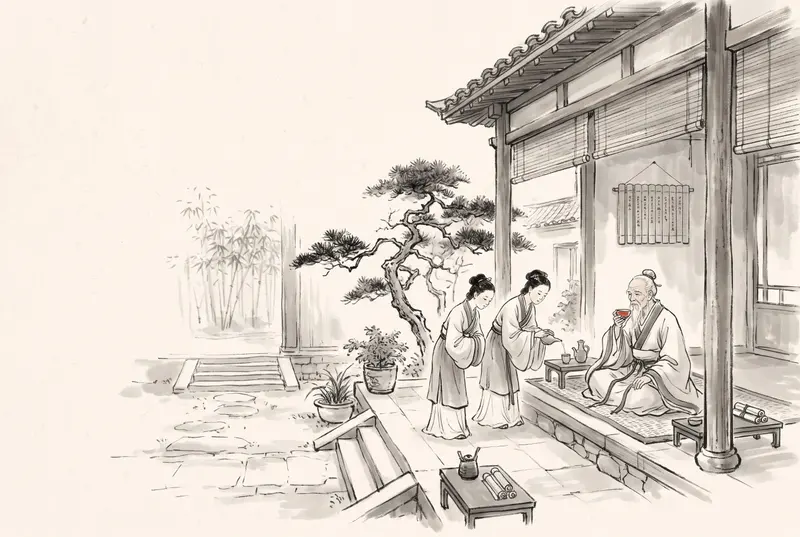
嘉為人廉直,門不受私謁。是時太中大夫鄧通方隆愛幸,賞賜累巨萬。文帝嘗燕飲通家,其寵如是。是時丞相入朝,而通居上傍,有怠慢之禮。丞相奏事畢,因言曰:「陛下愛幸臣,則富貴之;至於朝廷之禮,不可以不肅!」上曰:「君勿言,吾私之。」罷朝坐府中,嘉為檄召鄧通詣丞相府,不來,且斬通。通恐,入言文帝。文帝曰:「汝第往,吾今使人召若。」通至丞相府,免冠,徒跣,頓首謝。嘉坐自如,故不為禮,責曰:「夫朝廷者,高皇帝之朝廷也。通小臣,戲殿上,大不敬,當斬。吏今行斬之!」通頓首,首盡出血,不解。文帝度丞相已困通,使使者持節召通,而謝丞相曰:「此吾弄臣,君釋之。」鄧通既至,為文帝泣曰:「丞相幾殺臣。」
書き下し文
嘉の人と為り廉直にして、門に私謁を受けず。是の時太中大夫鄧通方に隆く愛幸せられ、賞賜巨万を累ぬ。文帝嘗て燕飲を通の家にす。其の寵是くの如し。是の時丞相入りて朝す。而して通上の傍らに居り、怠慢の礼有り。丞相事を奏し畢わり、因りて言いて曰く、「陛下臣を愛幸せば、則ち之を富貴にせよ。朝廷の礼に至りては、以て粛ならざるべからず」と。上曰く、「君言う勿かれ。吾之を私す」と。朝を罷めて府中に坐し、嘉檄を為りて鄧通を召して丞相府に詣らしむ。来たらずんば、且に通を斬らんとす。通恐れ、入りて文帝に言う。文帝曰く、「汝第往け。吾今人をして若を召さしめん」と。通丞相府に至り、冠を免ぎ、徒跣して、頓首して謝す。嘉坐すること自如たり。故に礼を為さず、責めて曰く、「夫れ朝廷は、高皇帝の朝廷なり。通は小臣にして、殿上に戯る。大不敬なり。当に斬るべし。吏今之を行い斬れ」と。通頓首し、首尽く血を出だすも、解けず。文帝、丞相の已に通を困しめたるを度り、使者をして節を持して通を召さしめ、而して丞相に謝して曰く、「此れ吾が弄臣なり。君之を釈せ」と。鄧通既に至り、文帝の為に泣きて曰く、「丞相幾ど臣を殺さんとす」と。
現代語訳
(文帝のときの丞相)申屠嘉は清廉でまっすぐな人柄で、屋敷では私的な頼みごとを受けつけなかった。このころ太中大夫の鄧通は文帝のたいへんな寵愛を受け、ほうびは巨万にのぼっていた。文帝が鄧通の家で酒宴を開いたこともあるほどの寵愛ぶりだった。あるとき丞相が朝廷に出ると、鄧通は皇帝のそばにいて、礼儀をわきまえないふるまいをしていた。丞相は上奏を終えると、こう言った。「陛下が家臣をかわいがられるなら、富も地位もお与えになればよろしい。しかし朝廷の礼儀だけは、きちんとしなければなりません」。文帝は「言わないでくれ。あれはわたしの個人的なお気に入りなのだ」と言った。朝廷から下がって役所に座ると、申屠嘉は呼び出し状を出して鄧通を丞相府に呼びつけ、来なければ斬ると伝えた。鄧通は恐れて宮中に入り、文帝に話した。文帝は「とにかく行け。すぐに人をやってお前を呼びもどすから」と言った。鄧通は丞相府に行き、冠をぬぎ、はだしになって、頭を地につけてわびた。申屠嘉は平然と座ったまま、わざと礼も返さずに責めた。「そもそも朝廷は高皇帝の朝廷である。鄧通は下っぱの臣のくせに殿上でふざけた。大不敬の罪で、斬るべきである。役人よ、いますぐ斬れ」。鄧通は頭を地に打ちつけ、額は血だらけになったが、申屠嘉は許さなかった。文帝は、丞相がもう十分に鄧通を懲らしめたころだと見はからって、使者に節を持たせて鄧通を呼びもどし、丞相にわびて言わせた。「これはわたしの遊び相手の臣なのだ。許してやってくれ」。鄧通は帰ってくると、文帝の前で泣いて言った。「丞相にもう少しで殺されるところでした」。
英訳
Shentu Jia was honest and upright, and would not receive private requests at his gate. At this time the palace grandee Deng Tong was in the height of favour, and had been given rewards worth tens of millions. Emperor Wen even went to drink and feast at his house; such was his favour. Once, when the chancellor came to court, Deng Tong was beside the emperor, behaving with careless disrespect. When the chancellor had finished presenting his business, he said: "If Your Majesty loves a servant, you may make him rich and noble. But the rites of the court must be kept with all solemnity." The emperor said: "Say no more. He is my private favourite." When the court was over, Shentu Jia sat in his office and wrote a summons ordering Deng Tong to come to the chancellor's office; if he did not come, he would be beheaded. Deng Tong was frightened and went in to tell Emperor Wen. Emperor Wen said: "Just go. I will send someone to call you back at once." Deng Tong went to the chancellor's office, took off his cap, went barefoot, knocked his head on the ground and begged forgiveness. Shentu Jia sat unmoved, and deliberately did not return his courtesy. He rebuked him: "The court is the court of the Exalted Emperor. You, Tong, are a petty servant, and you play the fool in the palace hall. That is the crime of great disrespect, and you deserve to be beheaded. Officers, take him and behead him now!" Deng Tong knocked his head on the ground until his whole forehead was covered in blood, but Shentu Jia would not let him off. Emperor Wen judged that the chancellor had made Deng Tong suffer enough, and sent a messenger with his staff of office to call Deng Tong back, with an apology to the chancellor: "This is my plaything. Please let him go." When Deng Tong got back, he wept before Emperor Wen: "The chancellor nearly killed me."
解説(日)
- 申屠嘉: 劉邦の時代の弓兵から身を起こし、文帝の丞相となった。
- 鄧通: 文帝の寵臣。銅山を与えられて銭を作り、大金持ちになったが、文帝の死後は落ちぶれて餓死したと伝えられる。
- 弄臣: 遊び相手としてそばに置く臣。
- 檄: 呼び出しや命令を伝える文書。
解説(英)
- Shentu Jia (申屠嘉): rose from a crossbowman in Liu Bang's army to Emperor Wen's chancellor.
- Deng Tong (鄧通): the emperor's favourite, given a copper mine to mint his own coins; after Emperor Wen died he is said to have starved.
- My plaything (弄臣): a favourite kept for amusement.
英語の語注
- disrespect/ˌdɪsrɪˈspɛkt/noun
lack of proper respect
本文では: “behaving with careless disrespect”
似た語と違い: rudeness — bad manners · insolence — cheeky rudeness
- solemnity/səˈlɛmnəti/noun
serious and formal dignity
本文では: “kept with all solemnity”
似た語と違い: gravity — seriousness · dignity — calm, serious manner
節 8
原文
嘉為丞相五歲,孝文帝崩,孝景帝即位。二年,晁錯為內史,貴幸用事,諸法令多所請變更,議以謫罰侵削諸侯。而丞相嘉自絀所言不用,疾錯。錯為內史,門東出,不便,更穿一門南出。南出者,太上皇廟堧垣。嘉聞之,欲因此以法錯擅穿宗廟垣為門,奏請誅錯。錯客有語錯,錯恐,夜入宮上謁,自歸景帝。至朝,丞相奏請誅內史錯。景帝曰:「錯所穿非真廟垣,乃外堧垣,故他官居其中,且又我使為之,錯無罪。」罷朝,嘉謂長史曰:「吾悔不先斬錯,乃先請之,為錯所賣。」至舍,因歐血而死。
書き下し文
嘉丞相と為ること五歳、孝文帝崩じ、孝景帝即位す。二年、晁錯内史と為り、貴幸せられて事を用い、諸々の法令多く変更を請う所あり、謫罰を以て諸侯を侵削せんことを議す。而して丞相嘉自ら言う所用いられざるを絀とし、錯を疾む。錯内史と為り、門東に出でて、便ならず、更に一門を穿ちて南に出づ。南に出づる者は、太上皇の廟の堧垣なり。嘉之を聞き、此に因りて錯の擅に宗廟の垣を穿ちて門と為すを法せんと欲し、内史錯を誅せんことを奏請す。錯の客錯に語る有り。錯恐れ、夜宮に入りて上謁し、自ら景帝に帰す。朝するに至り、丞相内史錯を誅せんことを奏請す。景帝曰く、「錯の穿つ所は真の廟垣に非ず、乃ち外の堧垣なり。故に他官其の中に居る。且つ又我之を為さしむ。錯罪無し」と。朝を罷め、嘉長史に謂いて曰く、「吾悔ゆ、先に錯を斬らずして、乃ち先に之を請い、錯の売る所と為りしを」と。舎に至り、因りて欧血して死す。
現代語訳
申屠嘉が丞相となって五年、孝文帝が亡くなり、孝景帝が即位した。景帝の二年、晁錯が内史(都の長官)となって寵愛を受け、政治を動かし、多くの法令の変更を願い出て、罪を理由に諸侯の領地を削ることを議論した。丞相の申屠嘉は、自分の意見が用いられなくなったので、晁錯を憎んだ。晁錯の内史の役所は門が東に出ていて不便だったので、新しく門を一つ開けて南に出られるようにした。南に開けた所は、太上皇(高祖の父)の廟の外側の塀だった。申屠嘉はこれを聞くと、宗廟の塀を勝手に壊して門にした罪で晁錯を罰しようとし、晁錯を死刑にするよう上奏する準備をした。晁錯の客の一人がそれを晁錯に知らせた。晁錯は恐れ、夜のうちに宮中に入って景帝に会い、自分からいきさつを打ち明けた。朝廷で丞相が晁錯の死刑を願い出ると、景帝は言った。「晁錯が開けたのは本当の廟の塀ではない。外側の空き地の塀で、だから他の役所もその中にある。それに、わたしがやらせたのだ。晁錯に罪はない」。朝廷が終わると、申屠嘉は長史に言った。「先に晁錯を斬ってしまわず、先に願い出たので、晁錯にしてやられた。悔しい」。屋敷に帰ると、血を吐いて死んだ。
英訳
When Shentu Jia had been chancellor for five years, Emperor Wen died and Emperor Jing came to the throne. In the second year Chao Cuo became governor of the capital. He was in high favour and ran affairs; he asked for many changes to the laws, and proposed cutting down the lords' lands as punishment for their offences. Chancellor Shentu Jia resented that his own advice was no longer used, and hated Chao Cuo. Chao Cuo's office as governor had its gate opening to the east, which was inconvenient, so he had another gate cut to open to the south. The wall he cut through to the south was the outer wall of the temple of the Grand Emperor, Gaozu's father. When Shentu Jia heard of it, he meant to use this to have Chao Cuo punished for cutting a gate in the wall of an ancestral temple on his own authority, and prepared a request for the governor's execution. One of Chao Cuo's retainers told him of it. Chao Cuo was frightened; he went into the palace by night to see the emperor and confessed everything to Emperor Jing himself. At the next court the chancellor asked for the governor's execution. Emperor Jing said: "What Cuo cut through was not the real temple wall, but the wall of the outer ground, which is why other offices stand inside it. Besides, I told him to do it. Cuo is not guilty." When the court was over, Shentu Jia said to his chief clerk: "I regret that I did not behead Cuo first and ask afterwards. Instead I asked first, and Cuo outwitted me." When he got home, he vomited blood and died.
解説(日)
- 晁錯: 景帝の側近で、諸侯の領地を削る政策を進め、呉楚七国の乱を招いた(101-yuan-ang-chao-cuo、106-liu-pi の章)。
- 堧垣: 廟の外の空き地を囲む塀。
- 為錯所賣: 晁錯に先手を打たれた、出し抜かれた。
- 申屠嘉の剛直さは、皇帝の寵臣には通じたが、皇帝が守る晁錯には通じなかった。
解説(英)
- Chao Cuo (晁錯): Emperor Jing's adviser, whose plan to cut down the kingdoms set off the Rebellion of the Seven States (chapters 101 and 106).
- The outer wall (堧垣): the wall of the open ground around the temple.
- Outwitted (為錯所賣): Chao Cuo got to the emperor first.
英語の語注
- outwit/aʊtˈwɪt/verb
to defeat someone by being cleverer
本文では: “Cuo outwitted me”
似た語と違い: outsmart — be smarter than · outmanoeuvre — beat by clever moves
- confess/kənˈfɛs/verb
to admit that you have done something
本文では: “confessed everything to Emperor Jing”
似た語と違い: admit — own up · own up — tell the truth
節 9
原文
太史公曰:張蒼文學律歷,為漢名相,而絀賈生、公孫臣等言正朔服色事而不遵,明用秦之顓頊歷,何哉?周昌,木彊人也。任敖以舊德用。申屠嘉可謂剛毅守節矣,然無術學,殆與蕭、曹、陳平異矣。
書き下し文
太史公曰く、張蒼は文学律暦にして、漢の名相と為る。而るに賈生・公孫臣等の正朔服色の事を言うを絀けて遵わず、明らかに秦の顓頊暦を用うるは、何ぞや。周昌は、木彊の人なり。任敖は旧徳を以て用いらる。申屠嘉は剛毅にして節を守ると謂うべし。然れども術学無く、殆ど蕭・曹・陳平と異なれり。
現代語訳
太史公は言う。張蒼は学問と暦・音律に通じ、漢の名宰相となった。それなのに、賈誼や公孫臣らが暦の始めや衣服の色を改めるよう説いたのを退けて従わず、秦の顓頊暦をそのまま用いたのは、なぜだろうか。周昌は、木のように飾り気がなく頑固な人だった。任敖は昔の恩によって用いられた。申屠嘉は、意志が強く節操を守ったと言えよう。しかし学問がなく、蕭何・曹参・陳平とはずいぶん違っていた。
英訳
The Grand Historian says: Zhang Cang, with his learning in letters, the calendar and the musical pitches, became a famous chancellor of the Han. Yet when Master Jia, Gongsun Chen and others urged him to change the beginning of the year and the colours of court dress, he pushed them aside and would not follow them, and openly went on using the Zhuanxu calendar of Qin. Why? Zhou Chang was a man as stiff and plain as wood. Ren Ao was given office because of old kindness. Shentu Jia may be called firm and resolute, true to his principles; but he had no learning, and was very different from Xiao He, Cao Can and Chen Ping.
解説(日)
- 正朔服色: 年の始めの月と、朝廷の衣服の色。王朝が代わるとこれを改めるのが習わしだった。漢は武帝の太初暦(前104年)で改めた。
- 顓頊曆: 秦が用いた暦。
- 木彊: 木のようにかたく、飾り気がないこと。
- 任敖: 高祖が罪に問われたとき、呂后を辱めた獄吏をなぐって守った昔なじみ(ここでは省く)。
解説(英)
- The beginning of the year and the colours of dress (正朔服色): a new dynasty was expected to change them; the Han finally did so with Emperor Wu's Taichu calendar in 104 BCE.
- Stiff and plain as wood (木彊).
- Ren Ao (任敖): Gaozu's old friend, who once beat up a jailer for mistreating Empress Lü (left out here).
英語の語注
- stiff/stɪf/adjective
hard and not bending; not easy or relaxed in manner
本文では: “a man as stiff and plain as wood”
似た語と違い: rigid — not bending · unbending — firm and strict
- resolute/ˈrɛzəˌlut/adjective
determined and not easily changed
本文では: “firm and resolute”
似た語と違い: determined — firm in purpose · steadfast — not changing