列伝 · 巻 81
廉頗藺相如列伝 廉頗藺相如列傳
刎頸の交わり 刎頸之交
澠池の会見で、藺相如は秦王に趙王と同じ屈辱を返し、趙の面目を守る。位が上がった相如をねたむ廉頗に対し、相如は国のために争いを避け続ける。そのわけを知った廉頗は、いばらを背負って詫びに行き、二人は「刎頸の交わり」を結ぶ。
この巻のうち「刎頸の交わり」の場面を載せています。巻の全文ではありません。
音声
音声は合成音声です。
動画
節 1
原文
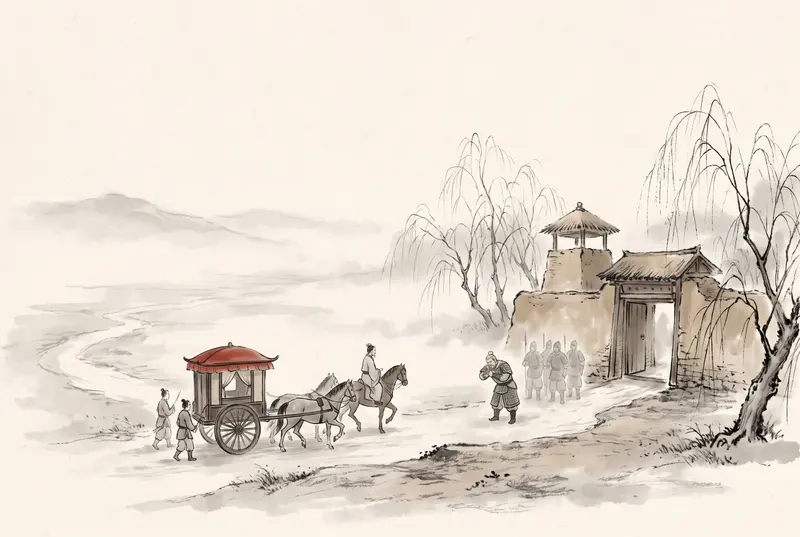
秦王使使者告趙王,欲與王爲好會於西河外澠池。趙王畏秦,欲毋行。廉頗、藺相如計曰:「王不行,示趙弱且怯也。」趙王遂行,相如從。廉頗送至境,與王訣曰:「王行,度道裏會遇之禮畢,還,不過三十日。三十日不還,則請立太子爲王。以絶秦望。」王許之,遂與秦王會澠池。
書き下し文
秦王、使者をして趙王に告げしめ、王と好会を西河の外の澠池に為さんと欲す。趙王秦を畏れ、行くこと毋からんと欲す。廉頗・藺相如計りて曰く、「王行かずんば、趙の弱くして且つ怯なるを示さん」と。趙王遂に行き、相如従う。廉頗送りて境に至り、王と訣れて曰く、「王の行くや、道里と会遇の礼の畢わるとを度るに、還ること三十日に過ぎず。三十日にして還らずんば、則ち請う、太子を立てて王と為し、以て秦の望みを絶たん」と。王之を許し、遂に秦王と澠池に会す。
現代語訳
秦王は使者をよこして趙王に告げ、西河の外の澠池で友好の会見をしたいと申し入れた。趙王は秦を恐れ、行きたくないと思った。廉頗と藺相如は相談して言った。「王が行かなければ、趙が弱く臆病だと示すことになります。」趙王はそこで出かけることにし、相如が付き従った。廉頗は国境まで見送り、王に別れを告げて言った。「道のりと会見の儀式を合わせても、王のお帰りまで三十日はかからないでしょう。三十日たっても戻られなければ、太子を王に立てて、秦の野望を断たせてください。」王はこれを承知し、こうして秦王と澠池で会見した。
英訳
The King of Qin sent an envoy to tell the King of Zhao that he wished to hold a friendly meeting at Mianchi, beyond the Western River. The King of Zhao feared Qin and did not want to go. Lian Po and Lin Xiangru talked it over and said, "If Your Majesty does not go, you will show that Zhao is weak and afraid." So the King of Zhao went, with Xiangru in attendance. Lian Po saw him off at the border and took leave of him, saying, "Counting the journey and the ceremonies of the meeting, Your Majesty should be back within thirty days. If you have not returned in thirty days, I ask leave to make the crown prince king, so as to cut off any hopes Qin may have." The king agreed, and went to meet the King of Qin at Mianchi.
解説(日)
- 澠池: 今の河南省澠池県。秦と趙の境に近い地。会見は前279年とされる。
- 好会: 友好のための会見。ただし、秦が趙王を捕らえて脅す恐れもあった(実際、秦は以前に楚の懐王を会見に呼び出して捕らえている)。
- 太子を立てて王と為す: 王が人質にされても、国は譲らないという覚悟。趙王を盾に取るという秦の「望み」を断つ。
- 道裏: 「道里」(道のり)のこと。このテキストの字のまま載せた。
解説(英)
- Mianchi: present-day Mianchi County in Henan, near the border between Qin and Zhao. The meeting is dated to 279 BCE.
- A friendly meeting: but there was a real danger that Qin would seize the King of Zhao (Qin had once lured King Huai of Chu to a meeting and held him).
- Making the crown prince king: a resolve not to give up the state even if the king were taken hostage. It cuts off Qin's "hope" of using the king as a bargaining piece.
- 道裏: read as 道里, "the distance of the journey" (kept as in this text).
英語の語注
- in attendance/ɪn əˈtɛndəns/phrase
going with someone important to help or serve them
本文では: “with Xiangru in attendance”
似た語と違い: accompanying — going along with · present — there at an event
- take leave/ˌteɪk ˈliːv/phrase
to say goodbye before going away
本文では: “took leave of him”
似た語と違い: say goodbye — the everyday phrase · depart — formal; go away
節 2
原文
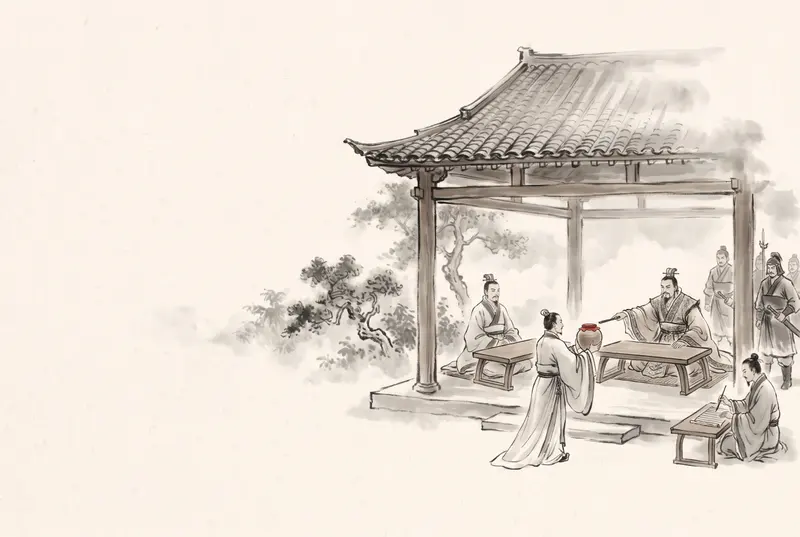
秦王飲酒酣,曰:「寡人竊聞趙王好音,請奏瑟。」趙王鼓瑟。秦禦史前書曰「某年月日,秦王與趙王會飲,令趙王鼓瑟」。
書き下し文
秦王、酒を飲みて酣にして曰く、「寡人窃かに聞く、趙王音を好むと。請う、瑟を奏せよ」と。趙王瑟を鼓す。秦の御史前みて書して曰く、「某年月日、秦王、趙王と会飲し、趙王をして瑟を鼓せしむ」と。
現代語訳
酒宴がたけなわになったとき、秦王が言った。「趙王は音楽がお好きだと聞く。どうか瑟を弾いていただきたい。」趙王は瑟を弾いた。すると秦の御史が進み出て、「某年某月某日、秦王は趙王と会して酒を飲み、趙王に瑟を弾かせた」と書き記した。
英訳
When the drinking was at its height, the King of Qin said, "I hear that the King of Zhao is fond of music. Pray play the zither for us." The King of Zhao played the zither. Then the Qin court recorder stepped forward and wrote: "On such a day of such a month and year, the King of Qin met and drank with the King of Zhao, and had the King of Zhao play the zither."
解説(日)
- 瑟: 琴に似た大型の弦楽器。
- 御史: 記録をつかさどる役人。このテキストは「禦史」と書く。
- 令趙王鼓瑟: 「趙王に瑟を弾かせた」。王を楽人のように扱ったと、公式の記録に残す屈辱。
解説(英)
- 瑟 (zither): a large stringed instrument similar to the qin.
- 御史 (court recorder): the official who kept the records; this text writes 禦史.
- 令趙王鼓瑟 ("had the King of Zhao play"): putting it on record that a king was made to perform like a court musician, a deliberate humiliation.
英語の語注
- zither/ˈzɪðər/noun
a stringed instrument laid flat and played by plucking
本文では: “Pray play the zither for us.”
似た語と違い: harp — a large upright stringed instrument · lute — a stringed instrument with a long neck
In old English, "pray" before a request means "please".
- recorder/rɪˈkɔrdər/noun
an official who writes down what happens at court
本文では: “the Qin court recorder”
似た語と違い: scribe — a person who writes things down · historian — a person who writes about the past
A recorder is also a simple wooden flute.
節 3
原文
藺相如前曰:「趙王竊聞秦王善爲秦聲,請奏盆鮓秦王,以相娯樂。」秦王怒,不許。於是相如前進缻,因跪請秦王。秦王不肯撃缻。相如曰:「五歩之内,相如請得以頸血濺大王矣!」左右欲刃相如,相如張目叱之,左右皆靡。於是秦王不懌,爲一撃缻。相如顧召趙禦史書曰「某年月日,秦王爲趙王撃缻」。
書き下し文
藺相如前みて曰く、「趙王窃かに聞く、秦王善く秦声を為すと。請う、盆缻を秦王に奏し、以て相娯楽せん」と。秦王怒りて許さず。是に於いて相如前みて缻を進め、因りて跪きて秦王に請う。秦王缻を撃つを肯んぜず。相如曰く、「五歩の内、相如請う、頸血を以て大王に濺ぐを得ん」と。左右相如を刃せんと欲す。相如目を張りて之を叱す。左右皆靡く。是に於いて秦王懌ばず、為に一たび缻を撃つ。相如顧みて趙の御史を召し、書せしめて曰く、「某年月日、秦王、趙王の為に缻を撃つ」と。
現代語訳
藺相如が進み出て言った。「趙王は、秦王が秦の歌がお上手だと聞いております。盆缻(素焼きの打楽器)を差し上げますので、どうか打ち鳴らして、ともに楽しみましょう。」秦王は怒って承知しなかった。そこで相如は進み出て缻を差し出し、ひざまずいて秦王に頼んだ。秦王は缻を打とうとしない。相如は言った。「この五歩のうちで、相如は自分の首の血を大王に浴びせることもできるのですぞ。」秦王の側近たちは刃物で相如を斬ろうとしたが、相如が目を見開いてどなりつけると、みなたじろいだ。秦王はおもしろくなかったが、しかたなく一度だけ缻を打った。相如は振り返って趙の御史を呼び、「某年某月某日、秦王は趙王のために缻を打った」と書き記させた。
英訳
Lin Xiangru stepped forward and said, "The King of Zhao hears that the King of Qin is good at the songs of Qin. Allow me to offer Your Majesty an earthen pot to beat, so that we may entertain each other." The King of Qin was angry and refused. Xiangru then came forward with the pot, knelt, and pressed the King of Qin. The King of Qin would not strike it. Xiangru said, "Within these five paces, I, Xiangru, can spatter Your Majesty with the blood of my own neck!" The king's attendants wanted to put him to the sword, but Xiangru glared and roared at them, and they all shrank back. Then the King of Qin, displeased, struck the pot once. Xiangru turned and called the Zhao recorder to write: "On such a day of such a month and year, the King of Qin beat a pot for the King of Zhao."
解説(日)
- 缻: 素焼きのかめ。秦の人は、これを打って拍子をとり歌ったとされる。王に打たせるのは、瑟を弾かせた仕返し。
- 盆鮓: 通行本の多くは「盆缻」に作る。このテキストの「鮓」は字の誤りと見て、缻として読んだ。
- 五歩之内: 五歩の間合いなら護衛が間に合わない。刺し違えるぞ、という脅し。
- 張目叱之: 目をむいてどなりつける。「完璧帰趙」の「怒髪冠を衝く」と同じく、相如の胆力を示す。
解説(英)
- 缻 (earthen pot): people of Qin are said to have beaten time on such pots as they sang. Making the king do it repays the insult of the zither.
- 盆鮓: most editions read 盆缻 ("earthen pot"). The 鮓 of this text is taken as a copying error and read as 缻.
- "Within these five paces": at this distance no guard could stop him. It is a threat to die together with the king.
- 張目叱之 (glared and roared): the same nerve Xiangru showed with his "hair rising against his cap" in "Returning the Jade Intact to Zhao".
英語の語注
- entertain/ˌɛntərˈteɪn/verb
to give people enjoyment, for example with music
本文では: “so that we may entertain each other”
似た語と違い: amuse — make someone laugh or smile · delight — give great pleasure
- kneel/niːl/verb
to go down on your knees (past tense: knelt)
本文では: “knelt, and pressed the King of Qin”
似た語と違い: bow — bend the head or body forward · crouch — bend your legs low, not touching the ground
- spatter/ˈspætər/verb
to cover with small drops of liquid
本文では: “spatter Your Majesty with the blood of my own neck”
似た語と違い: splash — throw liquid in larger amounts · sprinkle — scatter small drops gently
- shrink back/ˌʃrɪŋk ˈbæk/phrasal verb
to move away from something because of fear
本文では: “they all shrank back”
似た語と違い: recoil — move back suddenly in fear or disgust · back off — informal; move away from a fight
- displeased/dɪsˈpliːzd/adjective
annoyed and unhappy
本文では: “displeased, struck the pot once”
似た語と違い: annoyed — slightly angry · irritated — made impatient or angry
節 4
原文
秦之群臣曰:「請以趙十五城爲秦王壽」。藺相如亦曰:「請以秦之咸陽爲趙王壽。」秦王竟酒,終不能加勝於趙。趙亦盛設兵以待秦,秦不敢動。
書き下し文
秦の群臣曰く、「請う、趙の十五城を以て秦王の寿を為せ」と。藺相如も亦た曰く、「請う、秦の咸陽を以て趙王の寿を為せ」と。秦王酒を竟うるまで、終に趙に勝ちを加うる能わず。趙も亦た盛んに兵を設けて以て秦を待つ。秦敢えて動かず。
現代語訳
秦の群臣が言った。「趙の十五の城を差し出して、秦王の長寿を祝っていただきたい。」すると藺相如も言った。「秦の都の咸陽を差し出して、趙王の長寿を祝っていただきたい。」秦王は酒宴が終わるまで、ついに趙より優位に立つことができなかった。趙もまた、兵を大いに備えて秦の出方を待っていたので、秦はあえて動かなかった。
英訳
The Qin ministers said, "We ask Zhao to offer fifteen cities as a toast to the King of Qin's long life." Lin Xiangru said in turn, "We ask Qin to offer its capital Xianyang as a toast to the King of Zhao's long life." Right to the end of the feast, the King of Qin could never get the better of Zhao. Zhao, too, had troops ready in force to meet Qin, so Qin did not dare to make a move.
解説(日)
- 為寿: 長寿を祝う贈り物とする。
- 十五城: 「完璧帰趙」の、十五城と璧の交換の話を思わせる。秦は今度は、趙に城を差し出させようとした。
- 咸陽: 秦の都。秦の要求に、さらに大きな要求で切り返した。
- 盛設兵: 国境で廉頗が兵を構えていたことを指す、と読まれる。
解説(英)
- 為壽: to offer something as a gift wishing long life.
- Fifteen cities: an echo of the fifteen cities offered for the jade in "Returning the Jade Intact to Zhao". This time Qin wanted Zhao to give the cities.
- Xianyang: the Qin capital. Xiangru answers Qin's demand with an even bigger one.
- 盛設兵 (troops ready in force): usually taken to mean Lian Po's army waiting at the border.
英語の語注
- get the better of/ˌɡɛt ðə ˈbɛtər əv/phrase
to defeat someone, especially by being cleverer
本文では: “could never get the better of Zhao”
似た語と違い: outdo — do better than · outwit — defeat by being cleverer
節 5
原文
既罷歸國,以相如功大,拜爲上卿,位在廉頗之右。廉頗曰:「我爲趙將,有攻城野戰之大功,而藺相如徒以口舌爲勞,而位居我上,且相如素賤人,吾羞,不忍爲之下。」宣言曰:「我見相如,必辱之。」
書き下し文
既に罷めて国に帰るや、相如の功大なるを以て、拝して上卿と為す。位は廉頗の右に在り。廉頗曰く、「我趙の将と為り、城を攻め野に戦うの大功有り。而るに藺相如は徒だ口舌を以て労を為すのみにして、位は我が上に居る。且つ相如は素より賤人なり。吾羞じて、之が下為るに忍びず」と。宣言して曰く、「我相如を見ば、必ず之を辱めん」と。
現代語訳
会見が終わって国に帰ると、相如の功績が大きいとして、王は相如を上卿に任じた。その位は廉頗より上だった。廉頗は言った。「私は趙の将軍として、城を攻め野で戦った大きな手柄がある。それなのに藺相如は口先で働いただけで、位は私より上になった。しかも相如はもともと身分の卑しい者だ。恥ずかしくて、とても彼の下にはつけない。」そして公言した。「相如に会ったら、必ず恥をかかせてやる。」
英訳
When the meeting was over and they had returned home, Xiangru's service was judged so great that he was made a senior minister, ranking above Lian Po. Lian Po said, "As general of Zhao I have done great deeds, storming cities and fighting in the field. Lin Xiangru has done nothing but work with his tongue, yet he ranks above me. Besides, Xiangru was born a nobody. I am ashamed; I cannot bear to be beneath him." And he declared openly, "When I see Xiangru, I will surely humiliate him."
解説(日)
- 上卿: 最高位の大臣。
- 右: 当時は右が上位とされた。
- 口舌: 弁舌、口先。
- 賤人: 身分の低い者。相如は宦官の舎人(家来)の出身だった(「完璧帰趙」)。
解説(英)
- 上卿: senior minister, the highest rank of ministers.
- 右: the right was the higher place at the time, so "on the right of Lian Po" means above him.
- 口舌 ("tongue"): talk, persuasion.
- 賤人 ("a nobody"): a man of low birth. Xiangru had started as a retainer of the chief eunuch ("Returning the Jade Intact to Zhao").
英語の語注
- storm/stɔrm/verb
to attack and capture a place suddenly
本文では: “storming cities and fighting in the field”
似た語と違い: attack — the general word · seize — take by force
As a noun, a storm is very bad weather.
- humiliate/hjuːˈmɪliˌeɪt/verb
to make someone feel ashamed in front of others
本文では: “I will surely humiliate him”
似た語と違い: shame — make someone feel ashamed · embarrass — make someone feel awkward
節 6
原文
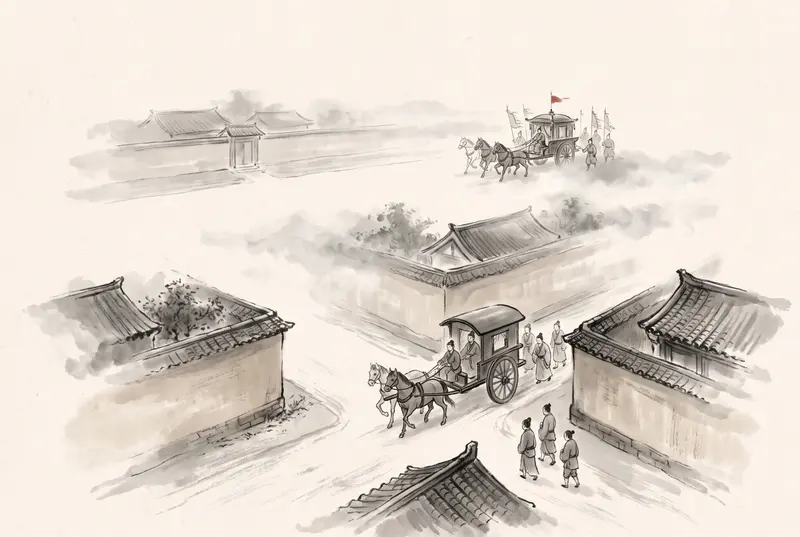
相如聞,不肯與會。相如毎朝時,常稱病,不欲與廉頗爭列。已而相如出,望見廉頗,相如引車避匿。於是舍人相與諫曰:「臣所以去親戚而事君者,徒慕君之髙義也。今君與廉頗同列,廉君宣惡言而君畏匿之,恐懼殊甚,且庸人尚羞之,況於將相乎!臣等不肖,請辭去。」
書き下し文
相如聞きて、与に会うを肯んぜず。相如朝する時毎に、常に病と称し、廉頗と列を争うを欲せず。已にして相如出でて、廉頗を望見す。相如車を引きて避け匿る。是に於いて舎人相与に諫めて曰く、「臣の親戚を去りて君に事うる所以の者は、徒だ君の高義を慕えばなり。今君廉頗と列を同じくし、廉君悪言を宣べて、君畏れて之を匿る。恐懼すること殊に甚だし。且つ庸人すら尚お之を羞ず、況んや将相に於いてをや。臣等不肖なり。請う、辞し去らん」と。
現代語訳
相如はこれを聞くと、廉頗と顔を合わせようとしなかった。朝廷に出仕する日にはいつも病気と称して休み、廉頗と席次を争おうとしなかった。やがて相如が外出したとき、遠くに廉頗の姿を見かけると、車を引き返させて隠れた。そこで相如の家来たちが、そろっていさめた。「私たちが親族のもとを離れてあなたにお仕えしているのは、ただあなたの高い志を慕ってのことです。いま、あなたは廉頗と同じ高い位にありながら、廉将軍が悪口を言いふらすと、恐れて隠れておられる。あまりにも怖がりすぎです。普通の人でさえ恥ずかしいと思うことなのに、まして将軍や大臣ともあろう方が。私どもは不甲斐ない者ですが、これでおいとまをいただきます。」
英訳
When Xiangru heard this, he would not meet Lian Po. Whenever there was a court audience, he always said he was ill; he did not want to compete with Lian Po over rank. Later, when Xiangru was out and saw Lian Po in the distance, he turned his carriage aside and hid. At this his retainers came to him together and protested: "We left our families to serve you only because we admired your noble spirit. Now you hold the same high rank as Lian Po, yet when General Lian spreads insults, you take fright and hide. You are far too afraid. Even an ordinary man would be ashamed of this, let alone a general or minister! We are unworthy, but we ask to take our leave."
解説(日)
- 争列: 朝廷での席次を争うこと。
- 舎人: 有力者の家に仕える家来。相如自身も、かつては舎人だった。
- 庸人: 普通の人。
- 不肖: 自分をへりくだる言葉。
解説(英)
- 爭列: competing over one's place in the court ranks.
- 舍人: retainers living in a great man's household. Xiangru himself had once been one.
- 庸人: an ordinary person.
- 不肖 ("unworthy"): a humble way of speaking of oneself.
英語の語注
- protest/prəˈtɛst/verb
to say strongly that you disagree
本文では: “came to him together and protested”
似た語と違い: object — say you do not agree · complain — say you are not happy
As a noun it is stressed on the first syllable: /ˈproʊtɛst/.
- admire/ədˈmaɪər/verb
to respect and approve of someone
本文では: “we admired your noble spirit”
似た語と違い: respect — think highly of · look up to — informal; admire someone as an example
節 7
原文
藺相如固止之,曰:「公之視廉將軍孰與秦王?」曰:「不若也。」相如曰:「夫以秦王之威,而相如廷叱之,辱其群臣,相如雖駑,獨畏廉將軍哉?顧吾念之,彊秦之所以不敢加兵於趙者,徒以吾兩人在也。今兩虎共鬥,其勢不倶生。吾所以爲此者,以先國家之急而後私讎也。」
書き下し文
藺相如固く之を止めて曰く、「公の廉将軍を視ること、秦王に孰与ぞ」と。曰く、「若かざるなり」と。相如曰く、「夫れ秦王の威を以てすら、相如之を廷叱し、其の群臣を辱む。相如駑なりと雖も、独り廉将軍を畏れんや。顧だ吾之を念うに、彊秦の敢えて兵を趙に加えざる所以の者は、徒だ吾が両人在るを以てなり。今両虎共に闘わば、其の勢い倶には生きず。吾の此を為す所以の者は、国家の急を先にして私讎を後にするを以てなり」と。
現代語訳
藺相如は強く引き止めて言った。「おまえたちは、廉将軍と秦王と、どちらが恐ろしいと思うか。」家来たちは言った。「廉将軍は秦王には及びません。」相如は言った。「あの秦王の威光を前にしてさえ、この相如は朝廷で秦王を叱りつけ、その群臣をはずかしめた。相如がいくら愚かでも、廉将軍だけを恐れたりするものか。ただ、私はこう考えるのだ。強い秦があえて趙に兵を向けないのは、ひとえに私たち二人がいるからだ。いま二頭の虎が戦えば、どちらも生き残れはしない。私がこうしているのは、国家の危急を先にして、個人の恨みを後にしているからなのだ。」
英訳
Lin Xiangru firmly stopped them and said, "Which do you think is more fearsome, General Lian or the King of Qin?" "He is no match for the King of Qin," they said. Xiangru said, "Even before the might of the King of Qin, I rebuked him in his own court and shamed his ministers. Slow-witted as I may be, why should I fear General Lian alone? But I have thought it over. The only reason mighty Qin does not dare to send its armies against Zhao is that the two of us are here. If two tigers fight now, they cannot both survive. I act as I do because I put the needs of the state first and private quarrels after."
解説(日)
- 孰与: 「AはBと比べてどうか」という比較の言い方。
- 駑: 足の遅い馬。才能の劣ったことのたとえで、自分をへりくだる言い方。
- 両虎共闘: 二頭の虎が戦えば、どちらかが倒れる。「両雄並び立たず」に近い考え方。
- 先国家之急而後私讎: 相如の行動の理由。この言葉が廉頗の心を動かした。
解説(英)
- 孰與 ("compared with"): a way of asking which of two is greater.
- 駑 ("slow-witted"): literally a slow horse, a humble way of speaking of oneself.
- "If two tigers fight": one of them must fall. Close to the saying that two great men cannot both stand.
- "The needs of the state first, private quarrels after": the reason for all his avoiding. It is these words that move Lian Po.
英語の語注
- fearsome/ˈfɪrsəm/adjective
very frightening
本文では: “Which do you think is more fearsome”
似た語と違い: frightening — causing fear · formidable — impressive and hard to defeat
- rebuke/rɪˈbjuːk/verb
to speak angrily to someone because they have done wrong
本文では: “I rebuked him in his own court”
似た語と違い: scold — speak angrily, often to a child · reprimand — formal; officially criticize
- quarrel/ˈkwɔrəl/noun
an angry argument or disagreement
本文では: “private quarrels after”
似た語と違い: argument — a disagreement with words · feud — a long and bitter quarrel
節 8
原文
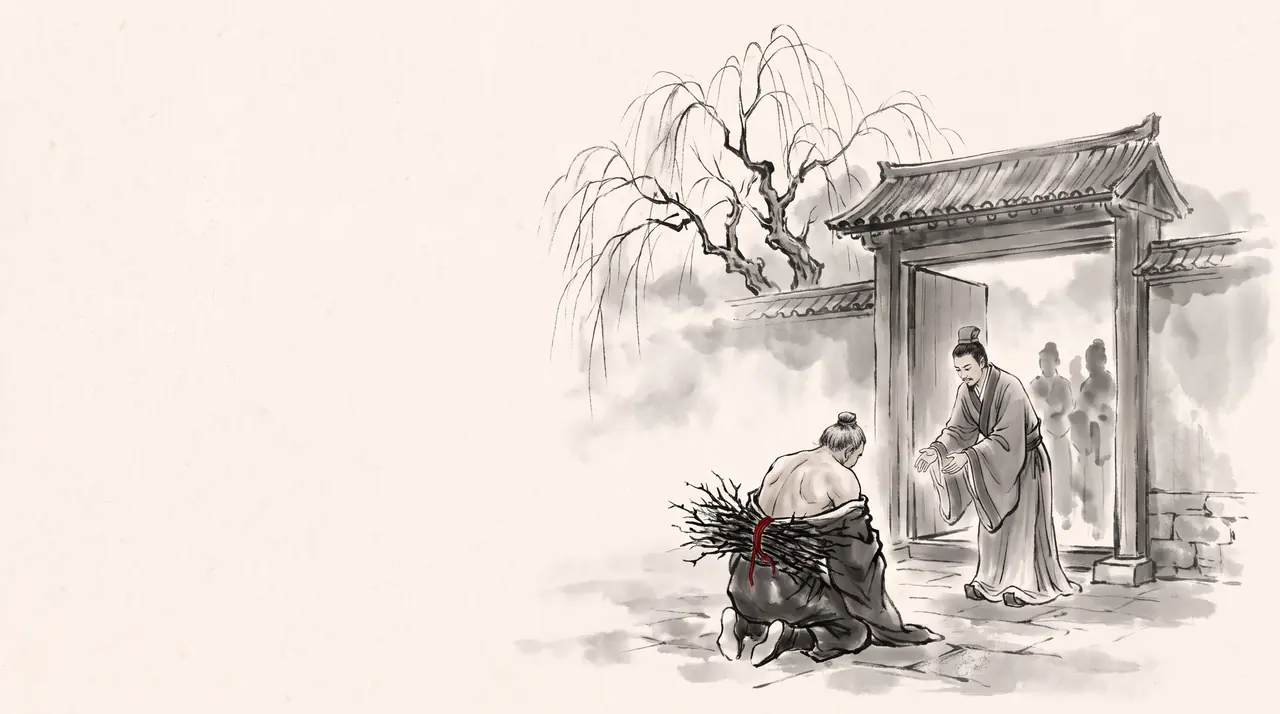
廉頗聞之,肉袒負荊,因賓客至藺相如門謝罪。曰:「鄙賤之人,不知將軍寬之至此也。」卒相與驩,爲刎頸之交。
書き下し文
廉頗之を聞き、肉袒して荊を負い、賓客に因りて藺相如の門に至りて罪を謝す。曰く、「鄙賤の人、将軍の寛なることの此に至るを知らざりしなり」と。卒に相与に驩しみ、刎頸の交わりを為す。
現代語訳
廉頗はこれを聞くと、肩脱ぎになって、いばらの鞭を背負い、客人の仲立ちで藺相如の家の門を訪ねて罪を詫びた。そして言った。「心のいやしい私には、あなたがこれほど寛大な方だとは分かりませんでした。」こうして二人はついに打ち解け、互いのためなら首をはねられても悔いのない、刎頸の交わりを結んだ。
英訳
When Lian Po heard this, he bared his shoulders, tied a bundle of thorny canes to his back, and went with a guest to Lin Xiangru's gate to beg forgiveness. He said, "I am a coarse and lowly man. I never knew how generous you were." In the end they became close friends, friends who would have their throats cut for each other.
解説(日)
- 肉袒負荊: 肌脱ぎになり、罰に使ういばらの鞭を背負う。「どうか打ってください」という謝罪の作法。成語「負荊」(荊を負う)のもと。
- 鄙賤之人: 心の卑しい者、と自分をへりくだる言葉。
- 将軍: ここでは相如への敬称。
- 刎頸之交: 相手のためなら首をはねられても悔いのない交わり。生死を共にする友情のたとえとして、成語になった。
解説(英)
- 肉袒負荊 ("bared his shoulders and carried thorns"): carrying the canes used for beatings, as if to say "punish me". The source of the phrase 負荊, to offer a humble apology.
- 鄙賤之人 ("a coarse and lowly man"): a humble way of speaking of himself.
- 將軍 ("General"): here a respectful way of addressing Xiangru.
- 刎頸之交 ("friends unto death"): friends who would not regret having their throats cut for each other. It became a set phrase for a friendship of life and death.
英語の語注
- coarse/kɔrs/adjective
rough and rude in manners
本文では: “I am a coarse and lowly man.”
似た語と違い: crude — rough and simple; not polite · vulgar — rude, without good taste
Coarse sounds the same as course.
- generous/ˈdʒɛnərəs/adjective
kind and forgiving; ready to give more than is needed
本文では: “I never knew how generous you were.”
似た語と違い: big-hearted — kind and forgiving · magnanimous — formal; generous toward an opponent