列伝 · 巻 74
孟子荀卿列伝 孟子荀卿列傳
「四角いほぞを丸い穴に入れようとする」 持方枘欲內圜鑿
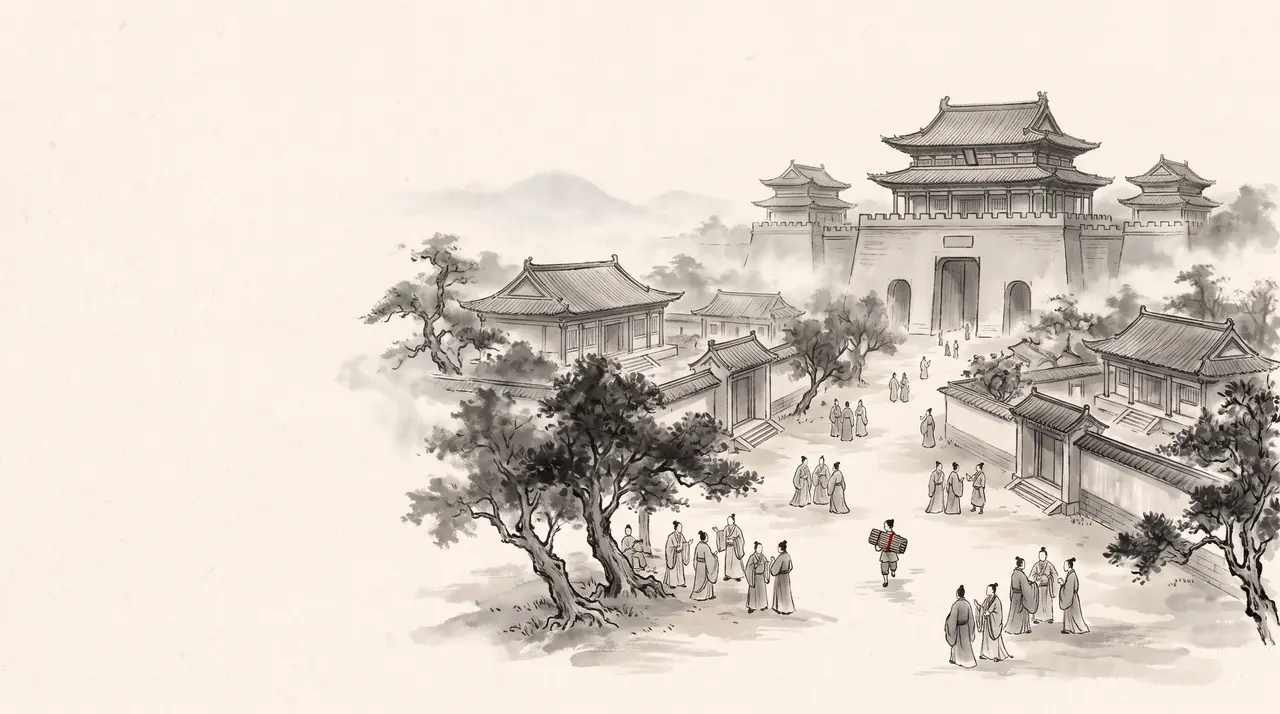
戦国時代の思想家たちをまとめた列伝。司馬遷はまず、梁の恵王が孟子に「わが国にどんな利益をもたらしてくれるのか」と問う場面を読むたびに、本を置いて嘆いたと語る。孟子は堯・舜や夏・殷・周の徳を説いたが、富国強兵と合従連衡に夢中の諸侯には受け入れられず、弟子と『孟子』七篇を著した。一方、陰陽五行を説いた騶衍は、中国は世界の八十一分の一にすぎない「赤県神州」だという壮大な説を唱え、梁の恵王には郊外まで出迎えられ、燕の昭王にはほうきを持って先払いされるほど厚くもてなされた。司馬遷は、孔子や孟子が困窮したのと比べ、「四角いほぞを丸い穴に入れようとしても入らない」と述べる。斉の都の稷下には淳于髡・慎到・田駢らの学者が集まった。淳于髡は、梁の恵王が自分に会っても心は名馬や歌い手のほうにあると見抜いて黙っていた。最後に、斉で三度学者の長となり、楚の蘭陵の長官となった荀卿(荀子)が、乱れた世を憎んで数万言の書を著して死んだことを記す。
この巻のうち「「四角いほぞを丸い穴に入れようとする」」の場面を載せています。巻の全文ではありません。
音声
音声は合成音声です。
動画
節 1
原文
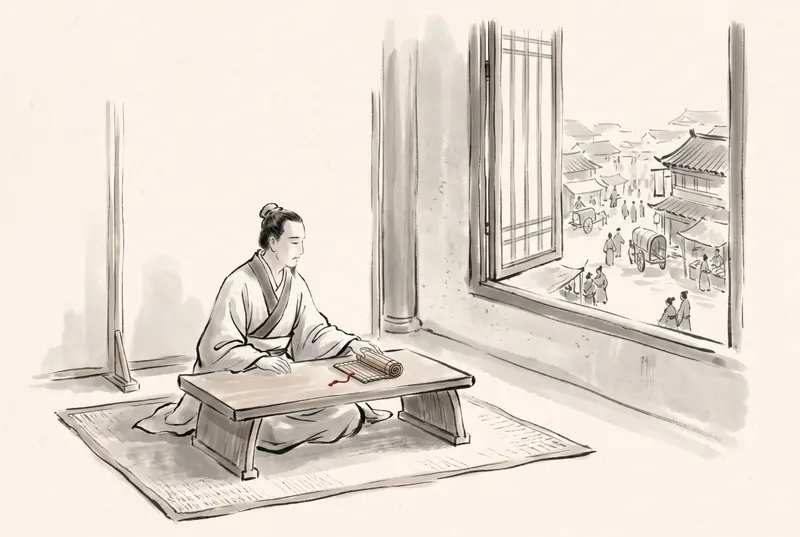
太史公曰:余讀孟子書,至梁惠王問「何以利吾國」,未嘗不廢書而嘆也。曰:嗟乎,利誠亂之始也!夫子罕言利者,常防其原也。故曰「放於利而行,多怨」。自天子至於庶人,好利之獘何以異哉!
書き下し文
太史公曰く、余孟子の書を読み、梁の恵王の「何を以て吾が国を利せん」と問うに至り、未だ嘗て書を廃して嘆ぜずんばあらざるなり。曰く、嗟乎、利は誠に乱の始めなり。夫子罕に利を言う者は、常に其の原を防げばなり。故に曰く、「利に放りて行えば、怨み多し」と。天子より庶人に至るまで、利を好むの弊何を以て異ならんや。
現代語訳
太史公は言う。わたしは『孟子』を読んで、梁の恵王が「どうやってわが国に利益をもたらしてくれるのか」とたずねるところまで来ると、いつも書を置いて嘆かずにはいられなかった。ああ、利こそはまことに乱れの始まりである。孔子がめったに利について語らなかったのは、いつもその源を防ごうとしたからである。だから「利益によって行動すれば、恨みを買うことが多い」と言ったのだ。天子から庶民に至るまで、利を好むことの害に違いがあろうか。
英訳
The Grand Historian says: When I read the book of Mencius and come to where King Hui of Liang asks, "How will you profit my state?", I have never failed to put the book down and sigh. Alas, profit is truly the beginning of disorder! Confucius seldom spoke of profit because he always meant to guard against its source. So he said: "Act for profit, and you will make many enemies." From the Son of Heaven down to the common people, how is the harm of loving profit any different?
解説(日)
- 何以利吾國: 『孟子』の冒頭で梁の恵王が孟子にたずねた言葉。孟子は「王は何ぞ必ずしも利を曰わん。亦た仁義有るのみ」と答えた。
- 放於利而行,多怨: 『論語』里仁篇の言葉。
- この巻は「太史公曰」から始まる珍しい形をとる。
解説(英)
- "How will you profit my state?" (何以利吾國): the opening question of the Mencius; Mencius answered that the king should speak of humanity and justice, not profit.
- "Act for profit…" (放於利而行,多怨): from the Analects.
- Unusually, this chapter opens with the Grand Historian's comment.
英語の語注
- sigh/saɪ/verb
to breathe out loudly from sadness or tiredness
本文では: “put the book down and sigh”
似た語と違い: groan — make a low sound · lament — express sorrow
- disorder/dɪsˈɔrdər/noun
a state of confusion and lack of order
本文では: “the beginning of disorder”
似た語と違い: chaos — complete confusion · unrest — trouble
節 2
原文
孟軻,騶人也。受業子思之門人。道既通,游事齊宣王,宣王不能用。適梁,梁惠王不果所言,則見以為迂遠而闊於事情。當是之時,秦用商君,富國彊兵;楚、魏用吳起,戰勝弱敵;齊威王、宣王用孫子、田忌之徒,而諸侯東面朝齊。天下方務於合從連衡,以攻伐為賢,而孟軻乃述唐、虞、三代之德,是以所如者不合。退而與萬章之徒序詩書,述仲尼之意,作孟子七篇。其後有騶子之屬。齊有三騶子。其前騶忌,以鼓琴干威王,因及國政,封為成侯而受相印,先孟子。
書き下し文
孟軻は、騶の人なり。業を子思の門人に受く。道既に通じ、游びて斉の宣王に事う。宣王用うる能わず。梁に適く。梁の恵王言う所を果たさず、則ち見て以て迂遠にして事情に闊しと為す。是の時に当たり、秦は商君を用いて、国を富まし兵を彊くす。楚・魏は呉起を用いて、戦い勝ちて敵を弱くす。斉の威王・宣王は孫子・田忌の徒を用いて、而して諸侯東面して斉に朝す。天下方に合従連衡を務め、攻伐を以て賢と為す。而るに孟軻乃ち唐・虞・三代の徳を述ぶ。是を以て如く所の者合わず。退きて万章の徒と詩書を序し、仲尼の意を述べ、孟子七篇を作る。其の後騶子の属有り。斉に三騶子有り。其の前は騶忌、琴を鼓するを以て威王に干め、因りて国政に及び、封ぜられて成侯と為りて相印を受く。孟子に先んず。
現代語訳
孟軻(孟子)は騶の人である。子思の門人に学んだ。学問を修めると、諸国を遊説して斉の宣王に仕えたが、宣王は用いることができなかった。梁へ行くと、梁の恵王は孟子の言うことを実行せず、回りくどくて現実離れしていると思った。このころ、秦は商鞅を用いて国を富ませ兵を強くし、楚と魏は呉起を用いて戦に勝ち敵を弱め、斉の威王と宣王は孫臏や田忌らを用いて、諸侯は東を向いて斉に朝見していた。天下はちょうど合従連衡に力を入れ、攻め討つことをすぐれたこととしていた。ところが孟軻は、堯・舜や夏・殷・周の三代の徳を説いたので、どこへ行っても受け入れられなかった。そこで引きこもって、万章ら弟子とともに『詩』『書』を整理し、孔子の考えを述べて、『孟子』七篇を作った。その後に騶子たちがいる。斉には三人の騶子がいた。最初は騶忌で、琴の腕前で威王に近づき、それから国の政治にまで話を進め、成侯に封じられて宰相の印を受けた。孟子より前の人である。
英訳
Meng Ke was a man of Zou. He studied under the disciples of Zisi. When he had mastered the Way, he travelled to serve King Xuan of Qi, but King Xuan could not use him. He went to Liang, but King Hui of Liang did not act on what he said, and thought him long-winded and out of touch with how things really were. At that time Qin was using Lord Shang to make the state rich and its armies strong; Chu and Wei were using Wu Qi to win battles and weaken their enemies; and Kings Wei and Xuan of Qi were using Sunzi, Tian Ji and their like, so that the lords faced east and came to Qi's court. The whole realm was busy with vertical and horizontal alliances and counted conquest as wisdom. Yet Meng Ke spoke of the virtue of Tang, Yu and the Three Dynasties, and so wherever he went, he did not fit. He withdrew, and with Wanzhang and his other disciples he put the Odes and the Documents in order, set out the ideas of Confucius, and wrote the seven books of the Mencius. After him came the Zou masters. Qi had three masters of the Zou family. The first was Zou Ji, who won King Wei's favour with his zither, went on to speak of government, was made Marquis Cheng and received the chancellor's seal. He came before Mencius.
解説(日)
- 孟軻: 孟子。孔子の孫の子思の学統を受け、性善説と仁義の政治を説いた。
- 合從連衡: 諸国が同盟して秦に対抗する「合従」と、秦と結ぶ「連衡」(069-su-qin・070-zhang-yi の章)。
- 唐・虞: 堯と舜。
- 騶忌: 琴の話で斉の威王に取り入った宰相(046-tian-wan の章)。
解説(英)
- Meng Ke (孟軻): Mencius, heir to the teaching of Confucius's grandson Zisi, who taught that human nature is good.
- Vertical and horizontal alliances (合從連衡): leagues against Qin or with it (chapters 069 and 070).
- Zou Ji (騶忌): the chancellor who won King Wei over with talk of the zither (chapter 046).
英語の語注
- long-winded/ˌlɔŋˈwɪndɪd/adjective
talking or writing at too great length
本文では: “long-winded and out of touch”
似た語と違い: wordy — using too many words · rambling — wandering
- alliance/əˈlaɪəns/noun
an agreement between states to work together
本文では: “horizontal alliances”
似た語と違い: league — union · pact — agreement
節 3
原文
其次騶衍,後孟子。騶衍睹有國者益淫侈,不能尚德,若大雅整之於身,施及黎庶矣。乃深觀陰陽消息而作怪迂之變,終始、大聖之篇十餘萬言。其語閎大不經,必先驗小物,推而大之,至於無垠。先序今以上至黃帝,學者所共術,大并世盛衰,因載其禨祥度制,推而遠之,至天地未生,窈冥不可考而原也。先列中國名山大川,通谷禽獸,水土所殖,物類所珍,因而推之,及海外人之所不能睹。稱引天地剖判以來,五德轉移,治各有宜,而符應若茲。以為儒者所謂中國者,於天下乃八十一分居其一分耳。中國名曰赤縣神州。赤縣神州內自有九州,禹之序九州是也,不得為州數。中國外如赤縣神州者九,乃所謂九州也。於是有裨海環之,人民禽獸莫能相通者,如一區中者,乃為一州。如此者九,乃有大瀛海環其外,天地之際焉。其術皆此類也。然要其歸,必止乎仁義節儉,君臣上下六親之施,始也濫耳。王公大人初見其術,懼然顧化,其後不能行之。
書き下し文
其の次は騶衍、孟子に後る。騶衍国を有つ者の益々淫侈にして、徳を尚ぶ能わず、大雅の之を身に整えて黎庶に施し及ぼすが若くならざるを睹る。乃ち深く陰陽の消息を観て怪迂の変を作す。終始・大聖の篇十余万言あり。其の語閎大にして経ならず。必ず先ず小物を験し、推して之を大にし、無垠に至る。先ず今を序して以て上黄帝に至るまで、学者の共に術する所、大いに世の盛衰を并せ、因りて其の禨祥度制を載せ、推して之を遠くし、天地の未だ生ぜず、窈冥として考えて原ぬべからざるに至る。先ず中国の名山大川、通谷禽獣、水土の殖する所、物類の珍とする所を列し、因りて之を推して、海外の人の睹る能わざる所に及ぶ。天地剖判してより以来、五徳転移し、治各々宜しき有りて、符応茲くの若しと称引す。以為えらく儒者の所謂中国なる者は、天下に於いて乃ち八十一分にして其の一分に居るのみ。中国を名づけて赤県神州と曰う。赤県神州の内に自ら九州有り。禹の九州を序するは是れなり。州数と為すを得ず。中国の外に赤県神州の如き者九あり。乃ち所謂九州なり。是に於いて裨海有りて之を環り、人民禽獣能く相通ずる莫き者、一区中の如き者、乃ち一州と為す。此くの如き者九、乃ち大瀛海有りて其の外を環る。天地の際なり。其の術皆此の類なり。然れども其の帰を要すれば、必ず仁義節倹、君臣上下六親の施に止まる。始めは濫なるのみ。王公大人初めて其の術を見て、懼然として顧化するも、其の後之を行う能わず。
現代語訳
その次が騶衍で、孟子より後の人である。騶衍は、国を治める者たちがますますおごってぜいたくになり、徳を重んじることができず、『詩経』大雅にうたわれるように自分の身を正して民にまで及ぼすことができないのを見た。そこで陰陽の移り変わりを深く観察し、怪しげで遠大な変化の説を作った。「終始」「大聖」などの篇は十万字あまりにのぼる。その言葉は大きくて常識はずれだった。必ずまず小さな物事を確かめ、それを推し広げて、果てしないところまで及ぼした。まず今の世から黄帝の時代までの、学者たちが共に語るところをたどり、世の盛衰をまとめて、そのあいだの吉凶の兆しや制度を記し、さらに推し進めて、天地がまだ生まれず、暗くて調べようもない時代にまで至った。まず中国の名山や大河、深い谷や鳥獣、土地で育つものや珍しい物を並べ、それを推し広げて、海の外の人には見られないところにまで及んだ。天地が分かれて以来、五つの徳がめぐって移り変わり、それぞれの時代にふさわしい治め方があり、天の兆しはそれに応じて現れると説いた。そして、儒者の言う中国は、天下の八十一分の一を占めるにすぎないと考えた。中国を「赤県神州」と名づけた。赤県神州の中には九つの州があり、禹が定めた九州がそれだが、これは州の数には入らない。中国の外に赤県神州のようなものが九つあり、それが本当の九州である。それぞれを小さな海がめぐっていて、人も獣も行き来できず、一つの区切りのようになっていて、それで一つの州となる。このようなものが九つあり、その外を大きな海がめぐっていて、そこが天と地の境である。騶衍の説は皆このたぐいだった。しかし、その行き着くところは、必ず仁義と倹約、君臣上下や親族のあいだの行いに落ち着いた。はじめのところが大げさなだけだった。王公や大臣たちは、はじめてその説を聞くとおそれて心を改めたが、その後は実行できなかった。
英訳
Next came Zou Yan, after Mencius. Zou Yan saw that the rulers of states were growing ever more extravagant and could not honour virtue, nor set themselves right and spread it to the common people as the Greater Odes describe. So he made a deep study of the waxing and waning of yin and yang, and wrote of strange and far-reaching changes: chapters such as "Ends and Beginnings" and "The Great Sage", more than a hundred thousand words. His words were vast and unorthodox. He always began by testing small things, then pushed them further and further, until they reached the boundless. He started with the present and went back to the Yellow Emperor, through the ground the scholars all covered, set out the rise and fall of ages, recorded their omens and institutions, and pushed on further still, to before Heaven and Earth were born, into a darkness no one could explore. He first listed the famous mountains and great rivers of China, its valleys, birds and beasts, what its lands and waters produce and the rare things found there, and then pushed on to places beyond the seas that no one could see. He taught that since Heaven and Earth were divided, the five virtues had followed one another in turn, each age had its fitting kind of rule, and the signs of Heaven had answered accordingly. He held that what the Confucians called China was only one part in eighty-one of the world. He called China the Red Region, the Divine Land. Within the Divine Land there were nine provinces, the nine that Yu set out, but these did not count as provinces in his reckoning. Outside China there were nine lands like the Divine Land; these were the true nine provinces. Each was ringed by a small sea, so that people and animals could not cross between them, as if each were a world of its own; that made one province. There were nine of these, and beyond them a great ocean surrounded all, where Heaven and Earth meet. All his teaching was of this kind. But in the end it always came back to humanity, justice and frugality, and the proper conduct between ruler and subject, high and low, and the six relations; only its beginnings were extravagant. When kings, lords and great men first heard his teaching, they were awed and wished to change, but afterwards they could not put it into practice.
解説(日)
- 騶衍: 陰陽五行説を大成した思想家。王朝の交代を土・木・金・火・水の五つの徳のめぐりで説明した(五徳終始説)。
- 赤縣神州: 騶衍が中国を呼んだ名。のちに中国の美称となった。
- 大九州説: 中国は世界の九分の一のさらに九分の一にすぎないという説。戦国時代の人々の世界観を大きく広げた。
- 大瀛海: 世界の外側をめぐる大きな海。
解説(英)
- Zou Yan (騶衍): the thinker who systematised yin-yang and the five phases, explaining the rise and fall of dynasties by the cycle of the five virtues.
- The Red Region, the Divine Land (赤縣神州): his name for China, later a poetic name for the country.
- The great nine provinces: a world in which China was only one eighty-first part.
- The great ocean (大瀛海): the sea surrounding the whole world.
英語の語注
- extravagant/ɪkˈstrævəɡənt/adjective
spending or going far beyond what is reasonable
本文では: “ever more extravagant”
似た語と違い: lavish — too rich · wasteful — spending too much
- boundless/ˈbaʊndləs/adjective / noun
without limits
本文では: “until they reached the boundless”
似た語と違い: infinite — endless · limitless — without end
節 4
原文
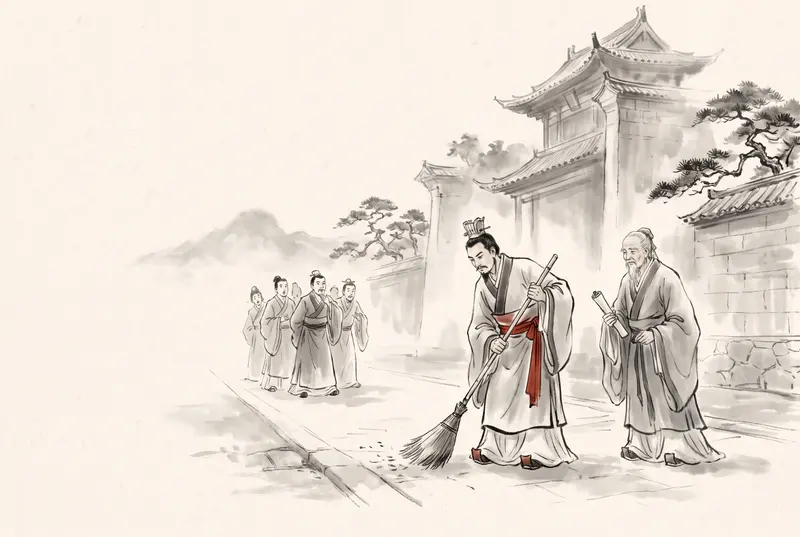
是以騶子重於齊。適梁,惠王郊迎,執賓主之禮。適趙,平原君側行撇席。如燕,昭王擁彗先驅,請列弟子之座而受業,筑碣石宮,身親往師之。作主運。其游諸侯見尊禮如此,豈與仲尼菜色陳蔡,孟軻困於齊梁同乎哉!故武王以仁義伐紂而王,伯夷餓不食周粟;衛靈公問陳,而孔子不答;梁惠王謀欲攻趙,孟軻稱大王去邠。此豈有意阿世俗茍合而已哉!持方枘欲內圜鑿,其能入乎?或曰,伊尹負鼎而勉湯以王,百里奚飯牛車下而繆公用霸,作先合,然後引之大道。騶衍其言雖不軌,儻亦有牛鼎之意乎?
書き下し文
是を以て騶子斉に重んぜらる。梁に適けば、恵王郊迎して、賓主の礼を執る。趙に適けば、平原君側行して席を撇う。燕に如けば、昭王彗を擁して先駆し、弟子の座に列して業を受けんことを請い、碣石宮を築き、身親ら往きて之を師とす。主運を作る。其の諸侯に游びて尊礼せらるること此くの如し。豈に仲尼の陳蔡に菜色あり、孟軻の斉梁に困しむと同じからんや。故に武王仁義を以て紂を伐ちて王たり、伯夷餓えて周の粟を食らわず。衛の霊公陳を問いて、孔子答えず。梁の恵王謀りて趙を攻めんと欲し、孟軻大王の邠を去るを称す。此れ豈に世俗に阿りて苟くも合わんと意ある有るのみならんや。方枘を持して圜鑿に内れんと欲す。其れ能く入らんや。或るひと曰く、伊尹鼎を負いて湯を勉めて以て王たらしめ、百里奚牛を車下に飯いて繆公用て覇たり。先ず合うことを作し、然る後に之を大道に引く。騶衍其の言軌ならずと雖も、儻いは亦た牛鼎の意有らんかと。
現代語訳
こうして騶子(騶衍)は斉で重んじられた。梁へ行くと、恵王は郊外まで出迎えて、客と主人の礼をとった。趙へ行くと、平原君は身をかがめて横歩きし、自ら席のちりを払った。燕へ行くと、昭王はほうきを抱えて先払いをし、弟子の席に連なって教えを受けたいと願い、碣石宮を建てて、自ら出向いて師と仰いだ。騶衍はそこで「主運」の篇を作った。騶衍が諸侯のもとを巡って尊ばれ、礼をつくされたのは、このようであった。孔子が陳と蔡のあいだで飢えて顔色が青ざめ、孟子が斉や梁で苦しんだのと、なんと違うことか。だから武王は仁義によって紂を討って王となったが、伯夷は飢えても周の穀物を食べなかった。衛の霊公が陣立てをたずねても、孔子は答えなかった。梁の恵王が趙を攻めようと相談すると、孟子は周の大王が邠の地を去った話を説いた。これはどうして世の中におもねって、その場しのぎに調子を合わせるつもりがあっただろうか。四角いほぞを丸い穴に入れようとしても、どうして入ろうか。ある人は言う。伊尹は料理の鼎を背負って湯王に近づき、王業を勧めた。百里奚は車の下で牛を飼っていて、秦の繆公に用いられ、覇者にした。まず相手に合わせ、それから大きな道に導いたのだ。騶衍の言葉はでたらめだが、もしかすると、牛の鼎のようなつもりがあったのではないか、と。
英訳
So Master Zou was honoured in Qi. When he went to Liang, King Hui came out to the edge of the city to meet him and treated him as an equal guest. When he went to Zhao, Lord Pingyuan walked beside him sideways and brushed his mat for him. When he went to Yan, King Zhao went ahead of him carrying a broom to sweep the way, asked to sit among his disciples and be taught, built the Jieshi Palace for him and went there himself to study under him. There he wrote "The Movements of the Ruling Powers". Such was the honour he received as he travelled among the lords. How different from Confucius going pale with hunger between Chen and Cai, or Mencius in difficulties in Qi and Liang! So King Wu overthrew King Zhou by humanity and justice and became king, yet Boyi starved rather than eat the grain of Zhou. Duke Ling of Wei asked about battle formations, and Confucius would not answer. King Hui of Liang plotted to attack Zhao, and Mencius spoke of how the Great King left Bin. Did they have any thought of flattering the world just to fit in? Try to fit a square peg into a round hole: will it ever go in? Some say: Yi Yin carried a cooking cauldron on his back to win over Tang and urge him to become king, and Baili Xi fed oxen under a cart and was used by Duke Mu of Qin to become hegemon. They fitted in first, then led their lords to the great Way. Though Zou Yan's words were wild, perhaps he too had the idea of the ox and the cauldron?
解説(日)
- 擁彗先驅: ほうきを抱えて先に立ち、道を掃き清める。最高の敬意を示す礼。
- 碣石宮: 燕の昭王が騶衍のために建てた宮殿。昭王は郭隗の言葉に従って賢者を集めた(034-yan の章)。
- 菜色陳蔡: 孔子が陳と蔡のあいだで囲まれて食糧が尽きた「陳蔡の厄」(047-confucius の章)。
- 方枘圜鑿: 四角いほぞと丸い穴。物事がかみ合わないことのたとえ。
- 伊尹負鼎・百里奚飯牛: まず身分の低い仕事で君主に近づき、のちに大きな道に導いた例(003-yin・005-qin の章)。
解説(英)
- Carrying a broom to sweep the way (擁彗先驅): the highest mark of respect.
- The Jieshi Palace (碣石宮): built for Zou Yan by King Zhao of Yan, who gathered wise men on Guo Wei's advice (chapter 034).
- Pale with hunger between Chen and Cai: Confucius's ordeal (chapter 047).
- A square peg in a round hole (方枘圜鑿): things that cannot fit.
- Yi Yin and Baili Xi: men who first served in humble roles to win their lords over (chapters 003 and 005).
この節から生まれた言葉: 方枘円鑿
英語の語注
- peg/pɛɡ/noun
a small piece of wood used to fasten or hang things
本文では: “a square peg into a round hole”
似た語と違い: pin — small rod · tenon — joint end of wood
- hegemon/ˈhɛdʒəˌmɑn/noun
the leading ruler among many states
本文では: “to become hegemon”
似た語と違い: overlord — chief ruler · leader — one who leads
節 5
原文
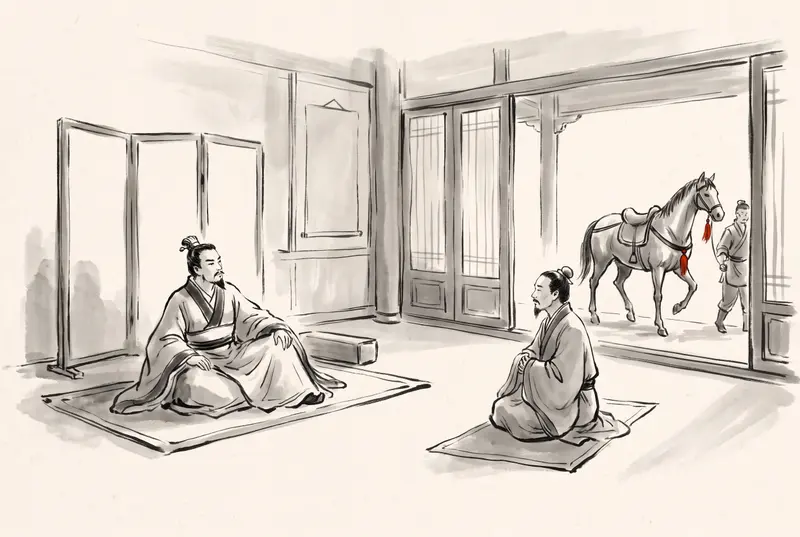
自騶衍與齊之稷下先生,如淳于髡、慎到、環淵、接子、田駢、騶奭之徒,各著書言治亂之事,以干世主,豈可勝道哉!淳于髡,齊人也。博聞彊記,學無所主。其諫說,慕晏嬰之為人也,然而承意觀色為務。客有見髡於梁惠王,惠王屏左右,獨坐而再見之,終無言也。惠王怪之,以讓客曰:「子之稱淳于先生,管、晏不及,及見寡人,寡人未有得也。豈寡人不足為言邪?何故哉?」客以謂髡。髡曰:「固也。吾前見王,王志在驅逐;後復見王,王志在音聲:吾是以默然。」客具以報王,王大駭,曰:「嗟乎,淳于先生誠聖人也!前淳于先生之來,人有獻善馬者,寡人未及視,會先生至。後先生之來,人有獻謳者,未及試,亦會先生來。寡人雖屏人,然私心在彼,有之。」後淳于髡見,壹語連三日三夜無倦。惠王欲以卿相位待之,髡因謝去。於是送以安車駕駟,束帛加璧,黃金百鎰。終身不仕。
書き下し文
騶衍と斉の稷下の先生、淳于髡・慎到・環淵・接子・田駢・騶奭の徒の如きより、各々書を著して治乱の事を言い、以て世主に干む。豈に勝げて道うべけんや。淳于髡は、斉の人なり。博聞彊記にして、学ぶに主とする所無し。其の諫説は、晏嬰の人と為りを慕う。然れども意を承け色を観るを務めと為す。客に髡を梁の恵王に見えしむる有り。恵王左右を屏け、独り坐して再び之を見るも、終に言無し。恵王之を怪しみ、以て客を讓めて曰く、「子の淳于先生を称するや、管・晏も及ばずと。寡人に見ゆるに及び、寡人未だ得る有らざるなり。豈に寡人は与に言うに足らざるか。何の故ぞや」と。客以て髡に謂う。髡曰く、「固よりなり。吾前に王に見えしとき、王の志は駆逐に在り。後に復た王に見えしとき、王の志は音声に在り。吾是を以て默然たり」と。客具に以て王に報ず。王大いに駭きて、曰く、「嗟乎、淳于先生は誠に聖人なり。前に淳于先生の来たるや、人に善馬を献ずる者有り。寡人未だ視るに及ばざるに、会々先生至る。後に先生の来たるや、人に謳者を献ずる者有り。未だ試みるに及ばざるに、亦た会々先生来たる。寡人人を屏けたりと雖も、然れども私心彼に在り。之有り」と。後に淳于髡見え、壱たび語ること連なること三日三夜にして倦むこと無し。恵王卿相の位を以て之を待たんと欲す。髡因りて謝して去る。是に於いて送るに安車駕駟、束帛加璧、黄金百鎰を以てす。終身仕えず。
現代語訳
騶衍をはじめ、斉の稷下の先生たち、淳于髡・慎到・環淵・接子・田駢・騶奭らは、それぞれ書を著して国の治乱について説き、君主たちに取り入ろうとした。とても数えきれないほどである。淳于髡は斉の人である。物知りで記憶力がよく、学問は特定の学派にこだわらなかった。いさめ方は晏嬰の人柄を慕っていたが、相手の気持ちを汲み取り、顔色を見ることに努めた。ある客が淳于髡を梁の恵王に会わせた。恵王は側近を下がらせて、一人で二度も淳于髡に会ったが、淳于髡は最後まで何も言わなかった。恵王はふしぎに思い、客を責めて言った。「あなたは淳于先生のことを、管仲や晏嬰も及ばないとほめていた。ところが会ってみても、わたしは何も得るところがなかった。わたしは話す相手にも値しないということか。どういうわけだ」。客がそれを淳于髡に伝えると、淳于髡は言った。「もっともなことです。わたしが最初に王に会ったとき、王の心は馬を走らせることにありました。次に会ったとき、王の心は音楽にありました。だから黙っていたのです」。客がくわしく王に伝えると、王はたいへん驚いて言った。「ああ、淳于先生はまことに聖人だ。はじめに先生が来られたとき、よい馬を献上した者がいて、まだ見ていないところへ先生が来られた。次に先生が来られたとき、歌い手を献上した者がいて、まだ聞いていないところへまた先生が来られた。人払いはしたが、心はそちらにあった。そのとおりだ」。その後、淳于髡が会うと、一度話し始めると三日三晩続いても飽きることがなかった。恵王は大臣の位で迎えようとしたが、淳于髡は辞退して去った。そこで恵王は、四頭立ての座って乗る車、束ねた絹に玉の璧、黄金百鎰を贈った。淳于髡は一生仕官しなかった。
英訳
From Zou Yan on, the masters of the Jixia academy in Qi, such as Chunyu Kun, Shen Dao, Huan Yuan, Jiezi, Tian Pian and Zou Shi, each wrote books on good government and disorder to win the favour of the rulers of their day. They are too many to describe. Chunyu Kun was a man of Qi. He was widely read and had a fine memory, and followed no single school. In giving advice he admired the character of Yan Ying, but he made it his business to read a ruler's wishes and watch his face. Someone once brought Chunyu Kun to see King Hui of Liang. The king sent his attendants away and saw him alone, twice, but Chunyu Kun never said a word. The king thought it strange, and reproached the man who had brought him: "You praised Master Chunyu as better than Guan Zhong or Yan Ying, but when he saw me, I gained nothing. Am I not worth talking to? Why is this?" The man told Chunyu Kun, who said: "Of course. The first time I saw the king, his mind was on racing horses. The next time, his mind was on music. That is why I kept silent." When the man told the king everything, the king was astonished: "Ah, Master Chunyu is truly a sage! The first time he came, someone had just presented me with a fine horse, and I had not yet had a chance to look at it when he arrived. The next time, someone had presented me with a singer, and I had not yet heard her when he came again. Though I had sent my attendants away, my heart was elsewhere. It is true." Later, when Chunyu Kun saw him, they talked for three days and three nights without tiring. King Hui wanted to give him the rank of chief minister, but Chunyu Kun declined and left. So the king sent him off with a comfortable carriage drawn by four horses, bolts of silk with a jade disc, and a hundred yi of gold. He never took office all his life.
解説(日)
- 稷下: 斉の都臨菑の稷門のあたり。斉の王が学者たちを集めて厚くもてなし、多くの学派の議論の中心となった(稷下の学)。
- 淳于髡: 滑稽と機知で知られた斉の学者。「三年鳴かず飛ばず」のなぞかけで威王をいさめた(126-huaji の章)。
- 安車駕駟: 座って乗れる車と四頭の馬。老人や賢者に贈る最高の車。
- 鎰: 金の重さの単位。
解説(英)
- The Jixia academy (稷下): near the Ji Gate of Linzi, where the kings of Qi gathered and supported scholars of every school.
- Chunyu Kun (淳于髡): the witty scholar who roused King Wei with the riddle of the silent bird (chapter 126).
- A comfortable carriage (安車): a gift of honour for the old and wise.
英語の語注
- reproach/rɪˈproʊtʃ/verb
to tell someone you are disappointed with them
本文では: “reproached the man who had brought him”
似た語と違い: scold — speak angrily to · blame — say it is their fault
- astonished/əˈstɑnɪʃt/adjective
very surprised
本文では: “the king was astonished”
似た語と違い: amazed — very surprised · stunned — shocked
節 6
原文
慎到,趙人。田駢、接子,齊人。環淵,楚人。皆學黃老道德之術,因發明序其指意。故慎到著十二論,環淵著上下篇,而田駢、接子皆有所論焉。騶奭者,齊諸騶子,亦頗采騶衍之術以紀文。於是齊王嘉之,自如淳于髡以下,皆命曰列大夫,為開第康莊之衢,高門大屋,尊寵之。覽天下諸侯賓客,言齊能致天下賢士也。
書き下し文
慎到は、趙の人。田駢・接子は、斉の人。環淵は、楚の人。皆黄老道徳の術を学び、因りて其の指意を発明し序す。故に慎到十二論を著し、環淵上下篇を著し、而して田駢・接子皆論ずる所有り。騶奭は、斉の諸騶子なり。亦た頗る騶衍の術を采りて以て文を紀す。是に於いて斉王之を嘉し、淳于髡より以下の如き、皆命じて列大夫と曰い、為に第を康荘の衢に開き、高門大屋もて、之を尊寵す。天下の諸侯の賓客に覧せしめ、斉能く天下の賢士を致すと言わしむ。
現代語訳
慎到は趙の人、田駢と接子は斉の人、環淵は楚の人である。皆、黄帝・老子の道と徳の学を学び、その趣旨を明らかにして書き表した。だから慎到は十二論を著し、環淵は上下篇を著し、田駢と接子もそれぞれ論じたものがある。騶奭は斉の騶子の一人で、騶衍の説をかなり取り入れて文章を書いた。そこで斉王は彼らをほめたたえ、淳于髡をはじめ皆を列大夫とし、四方に通じる大通りに屋敷を建ててやり、高い門と大きな家で尊び重んじた。そして天下の諸侯の客人たちに見せて、斉は天下の賢者を招き寄せることができると言わせた。
英訳
Shen Dao was a man of Zhao; Tian Pian and Jiezi were men of Qi; Huan Yuan was a man of Chu. All of them studied the Huang-Lao teaching of the Way and its virtue, and explained and set out its meaning. So Shen Dao wrote twelve essays, Huan Yuan wrote two books, and Tian Pian and Jiezi both wrote treatises. Zou Shi was one of the Zou masters of Qi, and borrowed a good deal from Zou Yan's teaching in his writing. The King of Qi praised them all; from Chunyu Kun down, he made them all ministers of state, built them mansions on the great highways, with tall gates and large houses, and honoured them. He showed them to the guests of all the lords of the realm, so that they would say that Qi could draw the wisest men in the world.
解説(日)
- 黄老道德之術: 黄帝と老子の名を冠した、無為の政治を説く学問。漢のはじめにも重んじられた(063-han-fei の章)。
- 慎到: 法家の先駆けともされる思想家。「勢」を重んじた。
- 列大夫: 官職をもたずに大夫の待遇を受ける学者。
解説(英)
- Huang-Lao (黃老): teaching named after the Yellow Emperor and Laozi, favouring government by non-action (chapter 063).
- Shen Dao (慎到): a forerunner of the Legalists who stressed the power of position.
- Ministers of state (列大夫): scholars given ministers' honours without official duties.
英語の語注
- treatise/ˈtritɪs/noun
a long serious piece of writing on a subject
本文では: “both wrote treatises”
似た語と違い: essay — written piece · study — learned work
- mansion/ˈmænʃən/noun
a large and impressive house
本文では: “built them mansions”
似た語と違い: manor — large house · residence — home
節 7
原文
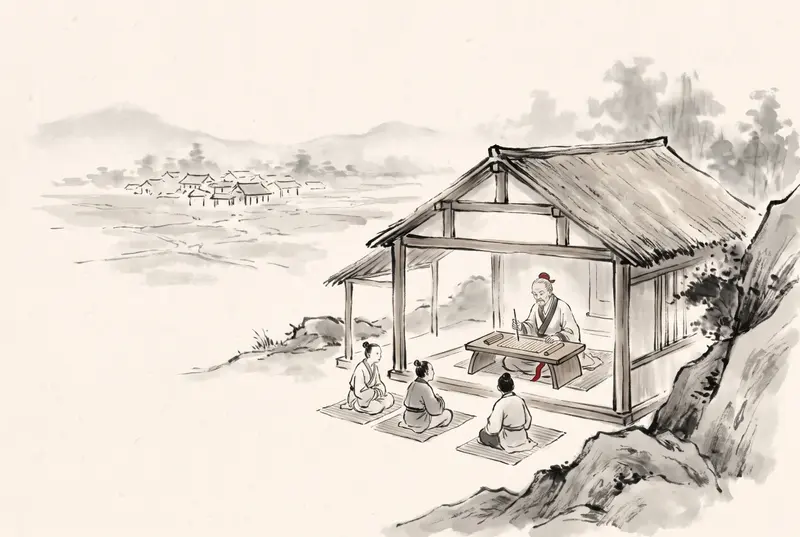
荀卿,趙人。年五十始來游學於齊。騶衍之術迂大而閎辯;奭也文具難施;淳于髡久與處,時有得善言。故齊人頌曰:「談天衍,雕龍奭,炙轂過髡。」田駢之屬皆已死齊襄王時,而荀卿最為老師。齊尚修列大夫之缺,而荀卿三為祭酒焉。齊人或讒荀卿,荀卿乃適楚,而春申君以為蘭陵令。春申君死而荀卿廢,因家蘭陵。李斯嘗為弟子,已而相秦。荀卿嫉濁世之政,亡國亂君相屬,不遂大道而營於巫祝,信禨祥,鄙儒小拘,如莊周等又猾稽亂俗,於是推儒、墨、道德之行事興壞,序列著數萬言而卒。因葬蘭陵。
書き下し文
荀卿は、趙の人なり。年五十にして始めて来たりて斉に游学す。騶衍の術は迂大にして閎辯なり。奭や文具わりて施し難し。淳于髡久しく与に処れば、時に善言を得る有り。故に斉人頌して曰く、「天を談ずる衍、竜を雕る奭、轂を炙る過の髡」と。田駢の属皆已に斉の襄王の時に死し、而して荀卿最も老師為り。斉尚お列大夫の缺を修め、而して荀卿三たび祭酒と為る。斉人或いは荀卿を讒す。荀卿乃ち楚に適く。而して春申君以て蘭陵の令と為す。春申君死して荀卿廃せられ、因りて蘭陵に家す。李斯嘗て弟子と為り、已にして秦に相たり。荀卿濁世の政、亡国乱君相属き、大道を遂げずして巫祝を営み、禨祥を信じ、鄙儒小拘、荘周等の如きは又猾稽にして俗を乱すを嫉む。是に於いて儒・墨・道徳の行事の興壊を推し、序列して数万言を著して卒す。因りて蘭陵に葬る。
現代語訳
荀卿(荀子)は趙の人である。五十歳になって、はじめて斉に来て遊学した。騶衍の説は遠回りで大げさで、弁が立つばかりだった。騶奭は文章は整っていたが、実際には行いにくかった。淳于髡は長くつきあうと、ときどきよいことを言った。そこで斉の人々はたたえて「天を語る騶衍、竜を彫る騶奭、車の油つぼを温める淳于髡」と言った。田駢らは斉の襄王の時代までに皆亡くなっていたので、荀卿が最も年長の師となった。斉はなお列大夫の欠員を補っていて、荀卿は三度、学者の長である祭酒となった。斉の人の中に荀卿を悪く言う者がいたので、荀卿は楚へ行った。春申君は荀卿を蘭陵の長官にした。春申君が死ぬと荀卿は職を退き、そのまま蘭陵に住んだ。李斯はかつて荀卿の弟子で、のちに秦の宰相になった。荀卿は、乱れた世の政治、国を滅ぼす君主や国を乱す君主が次々と続き、大いなる道を行わずに巫女や祈祷に頼り、吉凶の兆しを信じ、つまらない儒者がこまごまとしたことにこだわり、荘周(荘子)らがこっけいな説で世の風俗を乱すのを憎んだ。そこで儒家・墨家・道家の行いの興亡をたどり、数万言を書き表して亡くなった。そして蘭陵に葬られた。
英訳
Xunzi was a man of Zhao. He was fifty when he first came to study in Qi. Zou Yan's teaching was roundabout and vast and clever in argument; Zou Shi's writings were elegant but hard to put into practice; but if you spent long enough with Chunyu Kun, you would now and then hear something good. So the people of Qi said in praise: "Zou Yan who talks of Heaven, Zou Shi who carves dragons, and Chunyu Kun who warms the axle grease." By the time of King Xiang of Qi, Tian Pian and the others had all died, and Xunzi was the most senior of the teachers. Qi was still filling vacancies among its ministers of state, and Xunzi was three times made libationer, the head of the scholars. Someone in Qi slandered Xunzi, so he went to Chu, and Lord Chunshen made him magistrate of Lanling. When Lord Chunshen died, Xunzi lost his post, and made his home in Lanling. Li Si had once been his disciple, and later became chancellor of Qin. Xunzi hated the politics of a corrupt age, in which ruined states and disorderly rulers followed one after another, did not follow the great Way but busied themselves with shamans and prayers and believed in omens; where petty Confucians fussed over trifles, and men like Zhuang Zhou made mischief with their jokes and corrupted the ways of the people. So he traced the rise and fall of the deeds of the Confucians, the Mohists and the Daoists, set them out in order in tens of thousands of words, and died. He was buried at Lanling.
解説(日)
- 荀卿: 荀子。性悪説を唱え、礼による教化を説いた。弟子に李斯と韓非がいる(063-han-fei・087-li-si の章)。
- 談天衍,雕龍奭,炙轂過髡: 騶衍は天のことを語り、騶奭は竜を彫るように文を飾り、淳于髡は車の油つぼを温めるように話がとめどなく尽きない、という意味。
- 祭酒: 学者たちの長。祭りで最初に酒を地にそそぐ年長者から。
- 蘭陵: 今の山東省蘭陵県。春申君が荀子を長官に任じた(078-chunshen の章)。
解説(英)
- Xunzi (荀卿): who held that human nature is bad and must be shaped by ritual; his pupils included Li Si and Han Fei (chapters 063 and 087).
- "Talks of Heaven, carves dragons, warms the axle grease": Zou Yan's grand themes, Zou Shi's ornate style, and Chunyu Kun's endless flow of talk.
- Libationer (祭酒): head of the scholars, from the elder who first poured wine at a sacrifice.
- Lanling (蘭陵): in Shandong, where Lord Chunshen made Xunzi magistrate (chapter 078).
英語の語注
- vacancy/ˈveɪkənsi/noun
a job or position that is not filled
本文では: “filling vacancies”
似た語と違い: opening — free position · post — job
- corrupt/kəˈrʌpt/adjective
dishonest and morally bad
本文では: “a corrupt age”
似た語と違い: dishonest — not honest · rotten — morally bad
節 8
原文
而趙亦有公孫龍為堅白同異之辯,劇子之言;魏有李悝,盡地力之教;楚有尸子、長盧;阿之吁子焉。自如孟子至于吁子,世多有其書,故不論其傳云。蓋墨翟,宋之大夫,善守御,為節用。或曰并孔子時,或曰在其後。
書き下し文
而して趙にも亦た公孫竜の堅白同異の辯を為す有り、劇子の言あり。魏に李悝有り、地力を尽くすの教えあり。楚に尸子・長盧有り。阿の吁子あり。孟子より吁子に至るまで、世多く其の書有り。故に其の伝を論ぜずと云う。蓋し墨翟は、宋の大夫なり。善く守禦し、節用を為す。或いは曰く孔子と時を并にすと、或いは曰く其の後に在りと。
現代語訳
また趙には、公孫竜がいて「堅白同異」の弁論を行い、劇子の言葉もある。魏には李悝がいて、土地の力を尽くさせる教えを説いた。楚には尸子と長盧がいた。阿には吁子がいた。孟子から吁子に至るまで、世の中には彼らの書が多く伝わっているので、その伝は論じない。墨翟(墨子)は宋の大夫で、城を守ることにすぐれ、倹約を説いた。孔子と同じ時代だという人もいれば、孔子より後だという人もいる。
英訳
In Zhao there was also Gongsun Long, who argued over "hard and white" and "same and different", and the sayings of Master Ju. In Wei there was Li Kui, who taught how to make the most of the land. In Chu there were Master Shi and Chang Lu. In E there was Master Xu. From Mencius down to Master Xu, their books are widely known in the world, so I do not discuss their lives here. As for Mo Di, he was an officer of Song, skilled at defence, who taught frugality. Some say he lived at the same time as Confucius, some say later.
解説(日)
- 公孫龍: 名家の思想家。「白馬は馬に非ず」「堅白同異」などの論理で知られる。平原君の客でもあった(076-pingyuan の章)。
- 李悝: 魏の文侯に仕えた政治家。農業生産を高める改革を行った。
- 墨翟: 墨子。兼愛(分けへだてない愛)と非攻(攻撃戦争の否定)を説き、城の守りの技術にすぐれた。
- 司馬遷が墨子についてわずか二十四字しか書かなかったことは、のちによく取り上げられる。
解説(英)
- Gongsun Long (公孫龍): the logician of "a white horse is not a horse" and "hard and white", a guest of Lord Pingyuan (chapter 076).
- Li Kui (李悝): minister of Marquis Wen of Wei, who reformed farming.
- Mo Di (墨翟): Mozi, who taught universal love and opposed wars of aggression, and was an expert in defending cities.
- Sima Qian gave Mozi only twenty-four characters, a fact often remarked upon.
英語の語注
- frugality/fruˈɡæləti/noun
careful use of money and goods
本文では: “who taught frugality”
似た語と違い: thrift — saving · economy — careful spending
- defence/dɪˈfɛns/noun
protecting a place from attack
本文では: “skilled at defence”
似た語と違い: protection — keeping safe · guard — watch