列伝 · 巻 72
穰侯列伝 穰侯列傳
「一夫説を開けば」(范雎ひとりの言葉で失脚した穰侯) 一夫開說
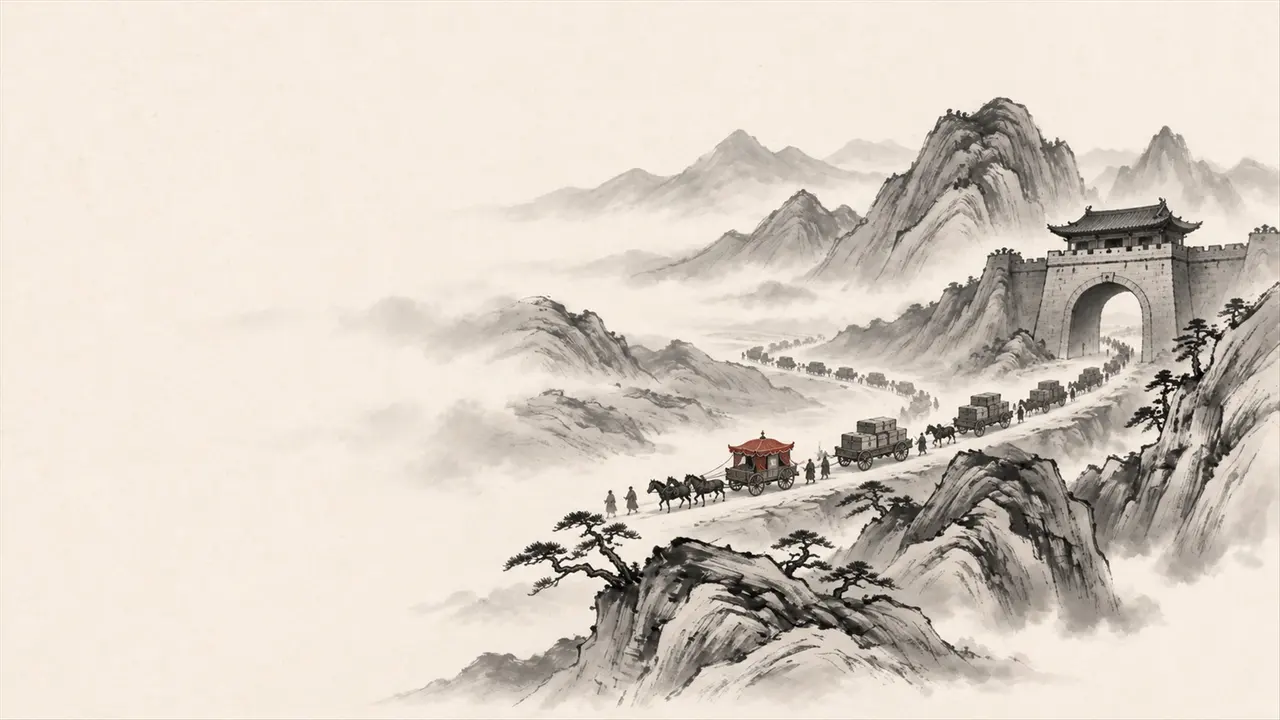
秦の昭王の母宣太后の弟、穰侯魏冉の伝記。武王が子のないまま亡くなると、魏冉は兄弟の争いを抑えて甥の昭王を立て、太后とともに政治を握った。秦の相となった魏冉は白起を将軍に推し、伊闕で韓・魏の兵二十四万を斬り、楚の都郢を落として、秦の領土を東へ大きく広げた。大梁を囲んだときには、魏の大夫須賈の説得を聞き入れて兵を引いている。しかし魏冉の富は王室をしのぐほどになり、魏から来た范雎が「太后が政治を独り占めし、穰侯が諸侯の間で権力をふるっている」と昭王に説くと、魏冉は相の位を解かれて関を出され、領地の陶で亡くなった。
この巻のうち「「一夫説を開けば」(范雎ひとりの言葉で失脚した穰侯)」の場面を載せています。巻の全文ではありません。
音声
音声は合成音声です。
動画
節 1
原文
穰侯魏冉者,秦昭王母宣太后弟也。其先楚人,姓羋氏。秦武王卒,無子,立其弟為昭王。昭王母故號為羋八子,及昭王即位,羋八子號為宣太后。宣太后非武王母。武王母號曰惠文后,先武王死。宣太后二弟:其異父長弟曰穰侯,姓魏氏,名冉;同父弟曰羋戎,為華陽君。而昭王同母弟曰高陵君、涇陽君。而魏冉最賢,自惠王、武王時任職用事。武王卒,諸弟爭立,唯魏冉力為能立昭王。昭王即位,以冉為將軍,衛咸陽。誅季君之亂,而逐武王后出之魏,昭王諸兄弟不善者皆滅之,威振秦國。昭王少,宣太后自治,任魏冉為政。
書き下し文
穰侯魏冉は、秦の昭王の母宣太后の弟なり。其の先は楚人にして、羋氏を姓とす。秦の武王卒し、子無く、其の弟を立てて昭王と為す。昭王の母は故羋八子と号し、昭王の即位するに及び、羋八子を宣太后と号す。宣太后は武王の母に非ず。武王の母は号して恵文后と曰い、武王に先だちて死す。宣太后の二弟、其の異父の長弟を穰侯と曰い、魏氏を姓とし、名は冉。同父の弟を羋戎と曰い、華陽君と為る。而して昭王の同母弟を高陵君・涇陽君と曰う。而して魏冉最も賢にして、恵王・武王の時より職に任じ事を用う。武王卒し、諸弟立つを争う。唯だ魏冉の力のみ能く昭王を立つと為す。昭王即位し、冉を以て将軍と為し、咸陽を衛らしむ。季君の乱を誅し、而して武王の后を逐いて出だして魏に之かしめ、昭王の諸兄弟の善からざる者は皆之を滅ぼし、威秦国に振るう。昭王少く、宣太后自ら治め、魏冉に任じて政を為さしむ。
現代語訳
穰侯の魏冉は、秦の昭王の母、宣太后の弟である。先祖は楚の人で、姓は羋氏であった。秦の武王が子のないまま亡くなったので、その弟が立てられて昭王となった。昭王の母は、もとは羋八子と呼ばれていたが、昭王が即位すると宣太后と呼ばれた。宣太后は武王の母ではない。武王の母は恵文后と呼ばれ、武王より先に亡くなっていた。宣太后には弟が二人いた。父の違う上の弟が穰侯で、姓は魏氏、名は冉。父の同じ弟が羋戎で、華陽君となった。また、昭王と母の同じ弟が高陵君と涇陽君である。このなかで魏冉がいちばん有能で、恵王・武王の時代から役職について政治に関わっていた。武王が亡くなると、弟たちが位を争ったが、昭王を立てることができたのは、魏冉の力によるものだった。昭王が即位すると、魏冉を将軍にして都の咸陽を守らせた。魏冉は季君の反乱を討ち、武王の后を追い出して魏へ去らせ、昭王の兄弟のうち従わない者を皆滅ぼして、その威勢は秦の国じゅうにとどろいた。昭王は若かったので、宣太后が自ら政治をとり、魏冉に政務をまかせた。
英訳
Wei Ran, Marquis of Rang, was the younger brother of Queen Dowager Xuan, mother of King Zhaoxiang of Qin. His forebears were people of Chu, of the Mi clan. When King Wu of Qin died without a son, his younger brother was set up as King Zhaoxiang. The king's mother had been known as Mi Bazi, the Lady Mi; when he came to the throne she was named Queen Dowager Xuan. She was not King Wu's mother; King Wu's mother, Queen Huiwen, had died before him. Queen Dowager Xuan had two younger brothers: the elder, by a different father, was the Marquis of Rang, of the Wei clan, named Ran; the younger, by the same father, was Mi Rong, Lord of Huayang. King Zhaoxiang's own full brothers were the Lords of Gaoling and Jingyang. Of them all Wei Ran was the most able, and he had held office and handled affairs since the days of King Hui and King Wu. When King Wu died and the princes fought over the throne, it was Wei Ran's strength alone that could set King Zhaoxiang upon it. Once the king was enthroned he made Wei Ran a general to guard Xianyang. Wei Ran crushed the rising of Lord Ji, drove King Wu's queen out to Wei, and wiped out every one of the king's brothers who would not submit; his power shook the whole state of Qin. The king was young, so Queen Dowager Xuan governed herself and left the work of government to Wei Ran.
解説(日)
- 羋八子: 「八子」は后妃の位の一つ。
- 季君の乱: 昭王の即位に反対した公子の反乱。
- 宣太后: 中国で初めて「太后」と呼ばれた人ともいわれ、長く秦の政治を握った。
解説(英)
- Mi Bazi: bazi (八子) was a rank among the royal consorts.
- The rising of Lord Ji: a revolt by a prince who opposed King Zhaoxiang's accession.
- Queen Dowager Xuan: said to be the first woman called "queen dowager" (太后); she held power in Qin for decades.
英語の語注
- forebear/ˈfɔːrbɛr/noun
a person in your family who lived long ago
本文では: “His forebears were people of Chu”
似た語と違い: ancestor — someone from whom you descend · predecessor — one who came before
- submit/səbˈmɪt/verb
to accept someone's control
本文では: “who would not submit”
似た語と違い: yield — give way · obey — do as told
節 2
原文
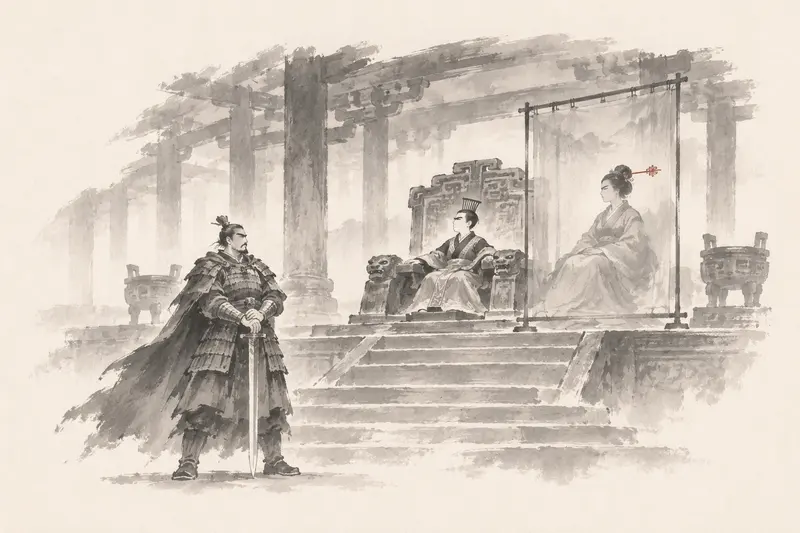
昭王七年,樗里子死,而使涇陽君質於齊。趙人樓緩來相秦,趙不利,乃使仇液之秦,請以魏冉為秦相。仇液將行,其客宋公謂液曰:「秦不聽公,樓緩必怨公。公不若謂樓緩曰『請為公毋急秦』。秦王見趙請相魏冉之不急,且不聽公。公言而事不成,以德樓子;事成,魏冉故德公矣。」於是仇液從之。而秦果免樓緩而魏冉相秦。欲誅呂禮,禮出奔齊。昭王十四年,魏冉舉白起,使代向壽將而攻韓、魏,敗之伊闕,斬首二十四萬,虜魏將公孫喜。明年,又取楚之宛、葉。魏冉謝病免相,以客卿壽燭為相。其明年,燭免,復相冉,乃封魏冉於穰,復益封陶,號曰穰侯。
書き下し文
昭王の七年、樗里子死し、而して涇陽君をして斉に質たらしむ。趙人楼緩来たりて秦に相たり。趙利あらず、乃ち仇液をして秦に之かしめ、魏冉を以て秦の相と為さんことを請わしむ。仇液将に行かんとす。其の客宋公液に謂いて曰く、「秦公に聴かざれば、楼緩必ず公を怨みん。公若かず、楼緩に謂いて『請う公の為に秦に急にすること毋からん』と曰わんには。秦王趙の魏冉を相とせんことを請うの急ならざるを見て、且に公に聴かざらんとす。公言いて事成らざれば、以て楼子に徳あり。事成れば、魏冉故より公に徳とせん」と。是に於いて仇液之に従う。而して秦果たして楼緩を免じて魏冉秦に相たり。呂礼を誅せんと欲す。礼出でて斉に奔る。昭王の十四年、魏冉白起を挙げ、向寿に代わりて将として韓・魏を攻めしめ、之を伊闕に敗り、首を斬ること二十四万、魏の将公孫喜を虜にす。明年、又た楚の宛・葉を取る。魏冉病と謝して相を免ぜられ、客卿寿燭を以て相と為す。其の明年、燭免ぜられ、復た冉を相とし、乃ち魏冉を穰に封じ、復た益して陶に封じ、号して穰侯と曰う。
現代語訳
昭王の七年(前300年)、樗里子が亡くなり、涇陽君が斉に人質として送られた。趙の人楼緩が秦に来て相(大臣の長)となったが、趙にとって都合が悪かったので、趙は仇液を秦へやって、魏冉を秦の相にするよう頼ませることにした。仇液が出発しようとすると、食客の宋公が言った。「秦があなたの願いを聞かなければ、楼緩はきっとあなたを恨みます。それよりも楼緩に『あなたのために、秦にはあまり強く頼まないでおきましょう』と言っておくのがよいでしょう。秦王は、趙が魏冉を相にと頼みながら強く求めないのを見て、あなたの願いを聞かないかもしれません。そのときは、話がまとまらなくても、楼緩に恩を売ったことになります。話がまとまれば、魏冉はもちろんあなたに恩を感じるでしょう」。仇液はこれに従った。そして秦はやはり楼緩を辞めさせ、魏冉が秦の相になった。魏冉が呂礼を殺そうとすると、呂礼は斉へ逃げた。昭王の十四年(前293年)、魏冉は白起を推して、向寿に代わって将軍とし、韓・魏を攻めさせた。白起は伊闕で韓・魏を破って二十四万の首を斬り、魏の将軍公孫喜を捕らえた。翌年には楚の宛と葉を取った。魏冉は病気を理由に相を辞め、客卿の寿燭が相となった。その翌年、寿燭が辞めると、魏冉がまた相となり、穰に領地を与えられ、さらに陶も加えられて、穰侯と呼ばれた。
英訳
In the seventh year of King Zhaoxiang, Chuli Ji died, and the Lord of Jingyang was sent to Qi as a hostage. A man of Zhao, Lou Huan, came to be chancellor of Qin. Finding this against its interest, Zhao sent Qiu Ye to Qin to ask that Wei Ran be made chancellor instead. As Qiu Ye was about to set out, his retainer Master Song said to him: "If Qin does not listen to you, Lou Huan will surely hate you. Better to tell Lou Huan, 'For your sake, I will not press Qin hard.' When the King of Qin sees that Zhao is not pressing its request to make Wei Ran chancellor, he may not listen to you. Then, if you speak and nothing comes of it, Lou Huan owes you a favour; and if it comes off, Wei Ran will of course be grateful to you." Qiu Ye followed his advice. And Qin did in fact dismiss Lou Huan, and Wei Ran became chancellor. When he meant to put Lü Li to death, Lü Li fled to Qi. In the king's fourteenth year Wei Ran put forward Bai Qi to take Xiang Shou's place in command against Han and Wei. Bai Qi beat them at Yique, cut off two hundred and forty thousand heads and captured Gongsun Xi, general of Wei. The next year he also took Wan and Ye from Chu. Wei Ran pleaded illness and gave up the chancellorship, and the guest minister Shou Zhu became chancellor. The year after, Shou Zhu was dismissed and Wei Ran was made chancellor again; he was enfeoffed at Rang, then given Tao as well, and was called the Marquis of Rang.
解説(日)
- 樗里子: 秦の公子で、知恵者として知られた相(071-gan-luo の章に名が出る)。
- 宋公の策: どちらに転んでも仇液が得をするように、話の頼み方を工夫した。
- 白起: 秦の名将(073-bai-qi の章)。白起を推したのは魏冉だった。
- 伊闕: 洛陽の南の、山が門のように向かいあう地。
解説(英)
- Chuli Ji: a prince of Qin famed for his wits, who served as chancellor (named in chapter 071).
- Master Song's plan: framing the request so that Qiu Ye gains whichever way it falls.
- Bai Qi: Qin's great general (chapter 073), first raised to command by Wei Ran.
- Yique: a gorge south of Luoyang where two hills face each other like a gate.
英語の語注
- hostage/ˈhɒstɪdʒ/noun
a person held to make sure a promise is kept
本文では: “sent to Qi as a hostage”
似た語と違い: captive — a prisoner · pledge — something given as a guarantee
- retainer/rɪˈteɪnər/noun
a person who serves a lord or noble
本文では: “his retainer Master Song”
似た語と違い: follower — one who serves a leader · attendant — one who waits on another
節 3
原文
穰侯封四歲,為秦將攻魏。魏獻河東方四百里。拔魏之河內,取城大小六十餘。昭王十九年,秦稱西帝,齊稱東帝。月餘,呂禮來,而齊、秦各復歸帝為王。魏冉復相秦,六歲而免。免二歲,復相秦。四歲,而使白起拔楚之郢,秦置南郡。乃封白起為武安君。白起者,穰侯之所任舉也,相善。於是穰侯之富,富於王室。
書き下し文
穰侯封ぜられて四歳、秦の将と為りて魏を攻む。魏河東の方四百里を献ず。魏の河内を抜き、城の大小六十余を取る。昭王の十九年、秦西帝と称し、斉東帝と称す。月余にして、呂礼来たり、而して斉・秦各々復た帝を帰して王と為す。魏冉復た秦に相たり、六歳にして免ぜらる。免ぜられて二歳、復た秦に相たり。四歳にして、白起をして楚の郢を抜かしめ、秦南郡を置く。乃ち白起を封じて武安君と為す。白起は、穰侯の任挙する所なり、相善し。是に於いて穰侯の富、王室より富む。
現代語訳
穰侯は領地をもらって四年目に、秦の将軍として魏を攻めた。魏は河東の四百里四方の地を差し出した。秦は魏の河内を落とし、大小六十あまりの城を取った。昭王の十九年(前288年)、秦は西帝と名のり、斉は東帝と名のった。ひと月あまりして呂礼がやって来て、斉と秦はそれぞれ帝の名を捨てて、また王に戻った。魏冉はふたたび秦の相となり、六年で辞めた。辞めて二年後、また相となった。その四年後、白起に楚の都郢を落とさせ、秦はそこに南郡を置いた。そして白起を武安君に封じた。白起は穰侯が推して取り立てた人で、二人は仲がよかった。こうして穰侯の富は、王室よりも多くなった。
英訳
Four years after he was enfeoffed, the Marquis of Rang led Qin's army against Wei. Wei offered four hundred li square of land east of the Yellow River. Qin took Henei from Wei, with more than sixty cities large and small. In the nineteenth year of King Zhaoxiang, Qin called itself the Emperor of the West and Qi the Emperor of the East. After a month or so Lü Li came, and Qi and Qin each gave up the title of emperor and became kings again. Wei Ran was chancellor of Qin again for six years, then was dismissed; two years later he was chancellor once more. Four years after that he had Bai Qi take Ying, the capital of Chu, and Qin made it the commandery of Nan. Bai Qi was then made Lord of Wu'an. Bai Qi was the man the Marquis of Rang had raised up, and the two were close. By now the marquis was richer than the royal house itself.
解説(日)
- 西帝・東帝: 秦と斉が「帝」の名をとりあった出来事。すぐに取り消された。
- 郢: 楚の都。郢が落ちたのち、楚は都を東へ移した。屈原が嘆いた出来事でもある。
- 「王室より富む」: のちに范雎が魏冉を責める材料になった。
解説(英)
- Emperors of the West and East: a brief attempt by Qin and Qi to take the title di (帝), quickly dropped.
- Ying: the capital of Chu; after its fall Chu moved its capital east, a loss Qu Yuan lamented.
- "Richer than the royal house": the charge Fan Ju later used against Wei Ran.
英語の語注
- enfeoff/ɪnˈfiːf/verb
to give someone land to hold from a ruler
本文では: “Four years after he was enfeoffed”
似た語と違い: grant — give formally · endow — give property to
- title/ˈtaɪtəl/noun
a name that shows rank
本文では: “gave up the title of emperor”
似た語と違い: rank — a position in an order · style — a formal way of being addressed
節 4
原文
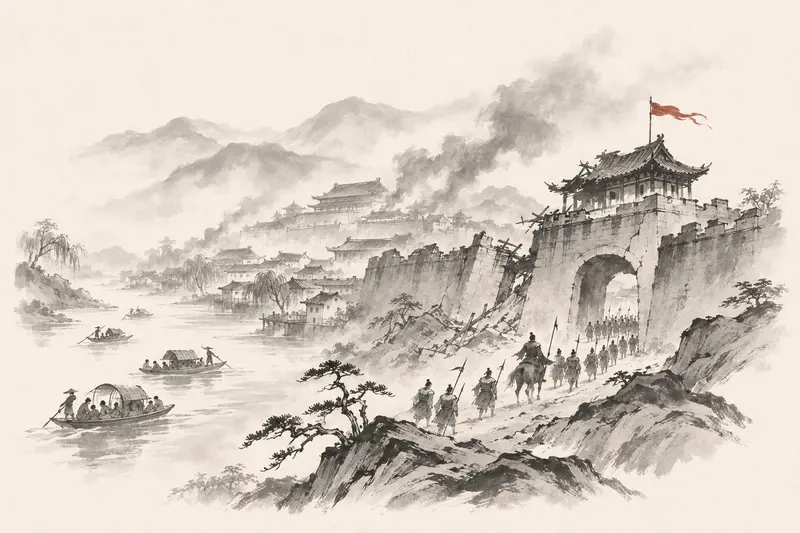
昭王三十二年,穰侯為相國,將兵攻魏,走芒卯,入北宅,遂圍大梁。梁大夫須賈說穰侯曰:「臣聞魏之長吏謂魏王曰:『昔梁惠王伐趙,戰勝三梁,拔邯鄲;趙氏不割,而邯鄲復歸。齊人攻衛,拔故國,殺子良;衛人不割,而故地復反。衛、趙之所以國全兵勁而地不并於諸侯者,以其能忍難而重出地也。宋、中山數伐割地,而國隨以亡。臣以為衛、趙可法,而宋、中山可為戒也。秦,貪戾之國也,而毋親。蠶食魏氏,又盡晉國,戰勝暴子,割八縣,地未畢入,兵復出矣。夫秦何厭之有哉!今又走芒卯,入北宅,此非敢攻梁也,且劫王以求多割地。王必勿聽也。今王背楚、趙而講秦,楚、趙怒而去王,與王爭事秦,秦必受之。秦挾楚、趙之兵以復攻梁,則國求無亡不可得也。願王之必無講也。王若欲講,少割而有質;不然,必見欺。』
書き下し文
昭王の三十二年、穰侯相国と為り、兵を将いて魏を攻め、芒卯を走らせ、北宅に入り、遂に大梁を囲む。梁の大夫須賈穰侯に説きて曰く、「臣聞く、魏の長吏魏王に謂いて曰く、『昔梁の恵王趙を伐ち、三梁に戦い勝ち、邯鄲を抜く。趙氏割かずして、邯鄲復た帰る。斉人衛を攻め、故国を抜き、子良を殺す。衛人割かずして、故地復た反る。衛・趙の国全く兵勁くして地の諸侯に并せられざる所以の者は、其の能く難を忍びて地を出だすを重んずるを以てなり。宋・中山は数々伐たれて地を割き、而して国随いて以て亡ぶ。臣以為えらく衛・趙は法とすべく、而して宋・中山は戒めと為すべきなり。秦は貪戻の国なり、而して親しむこと毋し。魏氏を蚕食し、又た晋国を尽くし、暴子に戦い勝ち、八県を割かしめ、地未だ畢く入らざるに、兵復た出づ。夫れ秦何の厭くことか之れ有らんや。今又た芒卯を走らせ、北宅に入る。此れ敢えて梁を攻むるに非ざるなり、且に王を劫かして以て多く地を割かんことを求めんとするなり。王必ず聴くこと勿かれ。今王楚・趙に背きて秦と講ぜば、楚・趙怒りて王を去り、王と争いて秦に事えん。秦必ず之を受けん。秦楚・趙の兵を挟みて以て復た梁を攻めば、則ち国亡ぶこと無からんことを求むるも得べからず。願わくは王の必ず講ずること無からんことを。王若し講ぜんと欲せば、少しく割きて質を有て。然らずんば、必ず欺かれん』と。
現代語訳
昭王の三十二年(前275年)、穰侯は相国として兵を率いて魏を攻め、魏の将軍芒卯を敗走させ、北宅に入って、ついに魏の都大梁を囲んだ。魏の大夫の須賈が穰侯に説いた。「わたしは、魏の重臣が魏王にこう言ったと聞いています。『昔、梁の恵王が趙を攻め、三梁で勝って邯鄲を落としましたが、趙は土地を割いて差し出さず、やがて邯鄲は趙に戻りました。斉が衛を攻め、衛の古い都を落として子良を殺しましたが、衛は土地を割かず、やがて古い領地は戻ってきました。衛と趙が国を保ち、兵も強く、領地を他の国にのみこまれずにすんだのは、苦しさに耐えて、土地を差し出すことを重く考えたからです。宋と中山は何度も攻められては土地を割き、そのたびに弱って、ついには滅びました。衛と趙を手本とし、宋と中山を戒めとすべきです。秦は欲深く乱暴な国で、親しくすることはできません。魏を蚕が桑の葉を食べるように少しずつ食い、晋の地を奪いつくし、暴子(韓の将軍暴鳶)に勝って八つの県を割かせましたが、その土地を受け取りきらないうちに、もう兵を出しています。秦が満足することなどあるでしょうか。いままた芒卯を破って北宅に入りましたが、これは本気で大梁を攻めるつもりではなく、王を脅してもっと土地を割かせようとしているのです。王は決して聞き入れてはなりません。いま王が楚・趙に背いて秦と和を結べば、楚・趙は怒って王から離れ、王と争って秦に仕えようとし、秦は喜んで受け入れるでしょう。秦が楚・趙の兵を従えてもう一度大梁を攻めてくれば、国が滅びないように願っても、かないません。どうか和を結ばないでください。もし和を結ぶなら、割く土地は少なくし、人質を取ってください。そうしなければ、きっとだまされます』」。
英訳
In the thirty-second year of King Zhaoxiang, the Marquis of Rang, now chancellor of state, led an army against Wei, routed Mang Mao, entered Beizhai and at last laid siege to Daliang. Xu Gu, a minister of Wei, came to the marquis and said: "I hear that a senior official of Wei said to the King of Wei: 'Long ago King Hui of Liang attacked Zhao, won the battle of Sanliang and took Handan; but Zhao would not cede land, and Handan came back to it. The men of Qi attacked Wey, took its old capital and killed Ziliang; but Wey would not cede land, and its old lands came back. Wey and Zhao kept their states whole, their armies strong and their lands out of other lords' hands because they could bear hardship and would not lightly give up land. Song and Zhongshan were attacked again and again and gave up land each time, and so they perished. I think Wey and Zhao are the ones to follow, and Song and Zhongshan the ones to beware of. Qin is a greedy, violent state with no feeling of kinship for anyone. It has eaten Wei away like a silkworm eating a leaf, swallowed all the old land of Jin, beaten General Bao and taken eight counties, and before that land was even handed over, its armies were out again. When will Qin ever have enough? Now it has routed Mang Mao and entered Beizhai. It does not dare to attack Daliang itself; it means to frighten you into giving up more land. You must not listen. If you now turn against Chu and Zhao to make peace with Qin, they will leave you in anger and compete with you to serve Qin, and Qin will surely take them in. If Qin then brings the armies of Chu and Zhao to attack Daliang again, the state will not be saved however much you wish it. I beg you, make no peace. If you must make peace, give up little land and take hostages; otherwise you will surely be cheated.'
解説(日)
- 須賈: 魏の大夫。のちに范雎を疑って辱め、范雎が秦に逃れるきっかけを作った人(079-fan-ju の章)。
- 蚕食: 蚕が桑の葉を食べるように、少しずつ他国の領土を侵すこと。
- 衛: ここでは中原の小国の衛(イ)。魏とは別の国。
- 暴子: 韓の将軍暴鳶。
解説(英)
- Xu Gu: the minister of Wei who later suspected and humiliated Fan Ju, driving him to flee to Qin (chapter 079).
- Eating away like a silkworm (蠶食): taking another state's land bit by bit.
- Wey (衛): the small state of the central plain, not to be confused with Wei (魏).
- General Bao: Bao Yuan, a general of Han.
この節から生まれた言葉: 蚕食
英語の語注
- cede/siːd/verb
to give up land to another state
本文では: “would not cede land”
似た語と違い: surrender — give up · hand over — give to someone else
- beware/bɪˈwɛr/verb
to be careful of something dangerous
本文では: “the ones to beware of”
似た語と違い: watch out — be alert to danger · guard against — try to prevent
節 5
原文
此臣之所聞於魏也,願君[王]之以是慮事也。《周書》曰『惟命不于常』,此言幸之不可數也。夫戰勝暴子,割八縣,此非兵力之精也,又非計之工也,天幸為多矣。今又走芒卯,入北宅,以攻大梁,是以天幸自為常也。智者不然。臣聞魏氏悉其百縣勝甲以上戍大梁,臣以為不下三十萬。以三十萬之眾守梁七仞之城,臣以為湯、武復生,不易攻也。夫輕背楚、趙之兵,陵七仞之城,戰三十萬之眾,而志必舉之,臣以為自天地始分以至于今,未嘗有者也。攻而不拔,秦兵必罷,陶邑必亡,則前功必棄矣。今魏氏方疑,可以少割收也。願君逮楚、趙之兵未至於梁,亟以少割收魏。魏方疑而得以少割為利,必欲之,則君得所欲矣。楚、趙怒於魏之先己也,必爭事秦,從以此散,而君後擇焉。且君之得地豈必以兵哉!邦晉國,秦兵不攻,而魏必效絳安邑。又為陶開兩道,幾盡故宋,衛必效單父。秦兵可全,而君制之,何索而不得,何為而不成!願君熟慮之而無行危。」穰侯曰:「善。」乃罷梁圍。
書き下し文
此れ臣の魏に聞く所なり。願わくは君[王]の是を以て事を慮らんことを。『周書』に曰く『惟れ命は常に于いてせず』と。此れ幸いの数々すべからざるを言うなり。夫れ暴子に戦い勝ち、八県を割かしむるは、此れ兵力の精なるに非ざるなり、又た計の工なるに非ざるなり、天幸多しと為す。今又た芒卯を走らせ、北宅に入り、以て大梁を攻むるは、是れ天幸を以て自ら常と為すなり。智者は然らず。臣聞く、魏氏其の百県の勝甲以上を悉くして以て大梁を戍らしむと。臣以為えらく三十万を下らず。三十万の衆を以て梁の七仞の城を守らば、臣以為えらく湯・武復た生まるとも、攻め易からざるなり。夫れ軽々しく楚・趙の兵に背き、七仞の城を陵ぎ、三十万の衆と戦いて、志必ず之を挙げんとするは、臣以為えらく天地の始めて分かれしより以て今に至るまで、未だ嘗て有らざる者なり。攻めて抜けずんば、秦の兵必ず罷れ、陶邑必ず亡び、則ち前功必ず棄てられん。今魏氏方に疑う。少しく割かしめて収むべきなり。願わくは君楚・趙の兵の未だ梁に至らざるに逮びて、亟やかに少しく割かしめて以て魏を収めよ。魏方に疑いて少しく割くを以て利と為すことを得ば、必ず之を欲せん。則ち君欲する所を得ん。楚・趙魏の己に先んずるを怒り、必ず争いて秦に事えん。従此を以て散じ、而して君後に択べ。且つ君の地を得るは豈に必ずしも兵を以てせんや。晋国を邦とせば、秦の兵攻めずして、魏必ず絳・安邑を効さん。又た陶の為に両道を開き、幾ど故の宋を尽くさば、衛必ず単父を効さん。秦の兵全くすべくして、君之を制す。何を索めてか得ざらん、何を為してか成らざらん。願わくは君熟々之を慮りて危うきを行うこと無かれ」と。穰侯曰く、「善し」と。乃ち梁の囲みを罷む。
現代語訳
「これが、わたしが魏で聞いたことです。どうかあなたも、これをもとにお考えください。『周書』に『天命はいつも同じところにとどまらない』とあります。幸運は何度も続かないという意味です。暴子に勝って八つの県を割かせたのは、兵が強かったからでも、はかりごとがうまかったからでもなく、天の助けが大きかったのです。いままた芒卯を破り、北宅に入って大梁を攻めるのは、天の助けがいつもあるものと思いこんでいるのです。知恵のある人はそうは考えません。聞けば、魏は百の県から戦える者をすべて集めて大梁を守らせており、三十万人は下らないでしょう。三十万の兵で高さ七仞の大梁の城壁を守れば、殷の湯王や周の武王が生き返っても、たやすくは落とせません。楚・趙の兵を軽く見て背を向け、七仞の城壁をよじ登り、三十万の兵と戦って、必ず落とそうと思うなど、天地が分かれてから今まで、一度もなかったことです。攻めて落とせなければ、秦の兵は疲れきり、あなたの領地の陶はきっと失われ、これまでの手柄も無駄になります。いま魏は迷っています。少しの土地を割かせて手を打つことができます。どうか、楚・趙の兵が大梁に着かないうちに、急いで少しの土地を割かせて魏と和を結んでください。魏は迷っているところに、少しの土地で済むなら得だと思い、きっと応じます。そうすれば、あなたは望むものを手に入れられます。楚・趙は魏に先を越されたことに怒り、きっと争って秦に仕えようとするでしょう。秦に対抗する同盟はこれでばらばらになり、あなたはそのあとで、どこと結ぶかを選べばよいのです。それに、土地を手に入れるのに、兵を使う必要があるでしょうか。晋の地を手なずければ、秦が攻めなくても、魏はきっと絳と安邑を差し出します。また陶のために二つの道を開いて、もとの宋の地をほとんど取れば、衛はきっと単父を差し出すでしょう。秦の兵を損なわずに、あなたが思いのままにできるのです。何を求めて得られないことがあり、何をしてかなわないことがあるでしょう。どうか、よくお考えになって、危ないことはなさらないでください」。穰侯は「よろしい」と言い、大梁の囲みを解いた。
英訳
"This is what I heard in Wei. I hope you will weigh your affairs in its light. The Book of Zhou says, 'The mandate does not stay in one place for ever' — that is, good fortune cannot be counted on again and again. Beating General Bao and taking eight counties was not the work of fine troops or clever plans; it was mostly the luck of Heaven. Now to rout Mang Mao, enter Beizhai and attack Daliang is to treat Heaven's luck as if it were always yours. A wise man does not. I hear Wei has called up every man fit to bear arms in its hundred counties to guard Daliang — not fewer than three hundred thousand, I think. With three hundred thousand men holding walls seven ren high, I believe that even Tang and Wu, if they came back to life, would find it hard to take. To turn your back lightly on the armies of Chu and Zhao, climb walls seven ren high, fight three hundred thousand men and be set on taking the city — I think nothing like that has been done since Heaven and Earth were first parted. If you attack and fail, Qin's troops will be worn out, your fief of Tao will surely be lost, and all your past success thrown away. Wei is wavering now; you can settle with it for a little land. I beg you, before the armies of Chu and Zhao reach Daliang, quickly settle with Wei for a small cession. Wavering as it is, Wei will see a small cession as a gain and will surely want it, and you will have what you want. Chu and Zhao, angry that Wei got in first, will compete to serve Qin; the alliance against Qin will break up, and afterwards you can choose whom to deal with. Besides, why must you win land by arms? Bring the old land of Jin to your side and, without Qin attacking, Wei will surely hand over Jiang and Anyi. Open two roads for Tao and take nearly all of the old land of Song, and Wey will surely hand over Shanfu. Qin's army can stay whole while you hold the reins. What could you seek and not get, what could you do and not achieve? I beg you, think this over well and do nothing rash." "Good," said the Marquis of Rang, and he lifted the siege of Daliang.
解説(日)
- 原文の「[王]」は、底本の校訂で補った字。
- 七仞: 一仞は七〜八尺ほど。城壁がとても高いこと。
- 湯・武: 殷の湯王と周の武王。古代の聖王の代表。
- 陶: 穰侯の領地。須賈は、穰侯自身の損得に訴えて説いた。
解説(英)
- The text's "[王]" is a character supplied by the editors.
- Seven ren: a ren was seven or eight feet; the walls were very high.
- Tang and Wu: the founders of Shang and Zhou, models of sage kings.
- Tao: the marquis's own fief; Xu Gu appealed to his personal interest.
英語の語注
- rash/ræʃ/adjective
done too quickly without thinking
本文では: “do nothing rash”
似た語と違い: reckless — not caring about danger · hasty — too quick
- waver/ˈweɪvər/verb
to be unable to decide
本文では: “Wei is wavering now”
似た語と違い: hesitate — pause before deciding · falter — lose strength or confidence
節 6
原文
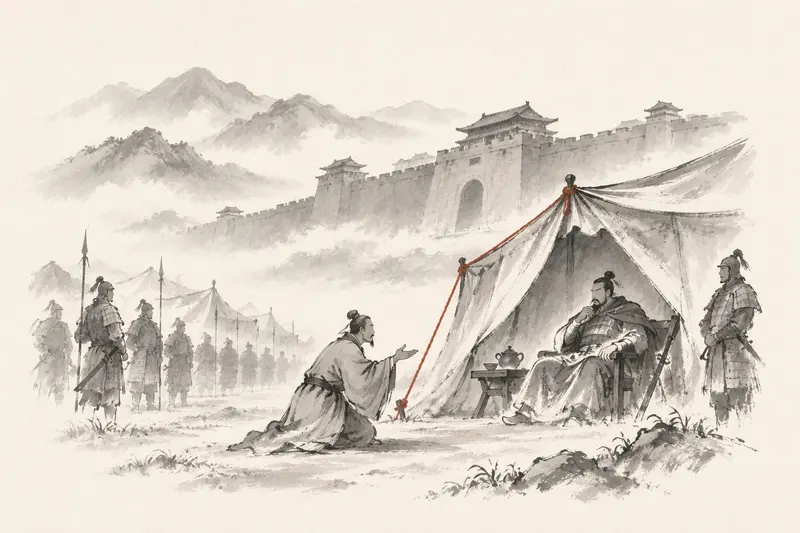
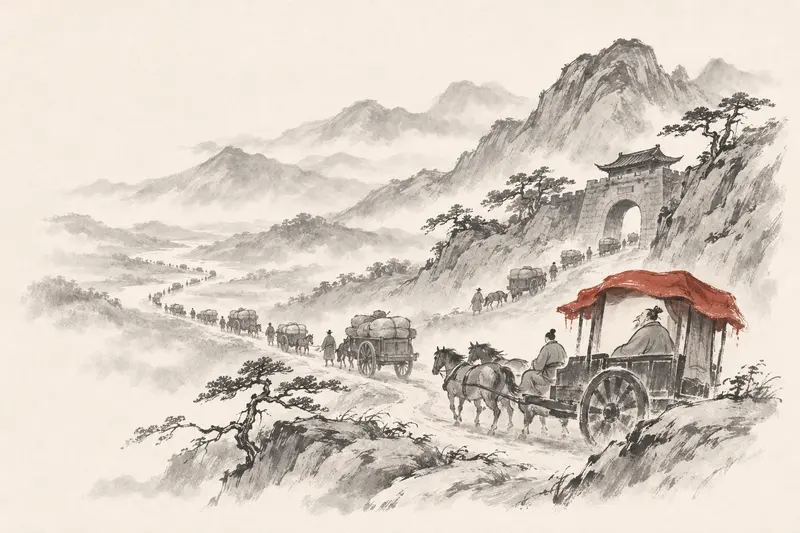
明年,魏背秦,與齊從親。秦使穰侯伐魏,斬首四萬,走魏將暴鳶,得魏三縣。穰侯益封。昭王三十六年,相國穰侯言客卿灶,欲伐齊取剛、壽,以廣其陶邑。於是魏人范睢自謂張祿先生,譏穰侯之伐齊,乃越三晉以攻齊也,以此時奸說秦昭王。昭王於是用范睢。范睢言宣太后專制,穰侯擅權於諸侯,涇陽君、高陵君之屬太侈,富於王室。於是秦昭王悟,乃免相國,令涇陽之屬皆出關,就封邑。穰侯出關,輜車千乘有餘。穰侯卒於陶,而因葬焉。秦復收陶為郡。
書き下し文
明年、魏秦に背き、斉と従親す。秦穰侯をして魏を伐たしめ、首を斬ること四万、魏の将暴鳶を走らせ、魏の三県を得たり。穰侯封を益す。昭王の三十六年、相国穰侯客卿灶に言い、斉を伐ちて剛・寿を取り、以て其の陶邑を広めんと欲す。是に於いて魏人范睢自ら張禄先生と謂い、穰侯の斉を伐つは、乃ち三晋を越えて以て斉を攻むるなりと譏り、此の時を以て奸して秦の昭王に説く。昭王是に於いて范睢を用う。范睢言う、宣太后専制し、穰侯権を諸侯に擅にし、涇陽君・高陵君の属太だ侈りて、王室より富む、と。是に於いて秦の昭王悟り、乃ち相国を免じ、涇陽の属をして皆関を出でて封邑に就かしむ。穰侯関を出づるに、輜車千乗有余なり。穰侯陶に卒し、而して因りて焉に葬らる。秦復た陶を収めて郡と為す。
現代語訳
翌年、魏は秦に背いて斉と同盟を結んだ。秦は穰侯に魏を攻めさせ、四万の首を斬り、魏の将軍暴鳶を敗走させて、魏の三つの県を取った。穰侯の領地はさらに増えた。昭王の三十六年(前271年)、相国の穰侯は客卿の灶と相談し、斉を攻めて剛と寿を取り、自分の領地の陶を広げようとした。このとき、魏の人范雎は張禄先生と名のって、「穰侯が斉を攻めるのは、韓・魏・趙の三晋を越えて遠くの斉を攻めることだ」と批判し、この機会をとらえて秦の昭王に取り入って説いた。昭王はそこで范雎を用いた。范雎は言った。「宣太后が政治を独り占めし、穰侯は諸侯の間で勝手に権力をふるい、涇陽君・高陵君たちはひどくぜいたくで、王室よりも富んでいます」。秦の昭王ははっと気づいて、穰侯の相国を解き、涇陽君たちに皆関を出てそれぞれの領地へ行かせた。穰侯が関を出るとき、荷物を積んだ車は千台を超えた。穰侯は陶で亡くなり、そこに葬られた。秦は陶を取り上げて郡とした。
英訳
The next year Wei turned against Qin and allied with Qi. Qin sent the Marquis of Rang against Wei; he cut off forty thousand heads, routed Wei's general Bao Yuan and took three of Wei's counties, and his fief was enlarged. In the thirty-sixth year of King Zhaoxiang, the Marquis of Rang, as chancellor of state, spoke with the guest minister Zao about attacking Qi to take Gang and Shou and so enlarge his own fief of Tao. At this point Fan Ju, a man of Wei calling himself Master Zhang Lu, mocked the marquis's plan to attack Qi as marching across the three Jin states to attack a distant enemy, and seized the moment to work his way in and advise King Zhaoxiang. The king then made use of Fan Ju. Fan Ju told him that Queen Dowager Xuan ruled as she pleased, that the Marquis of Rang wielded power among the lords on his own authority, and that the Lords of Jingyang and Gaoling and their like lived in great luxury and were richer than the royal house. King Zhaoxiang saw the truth of it; he dismissed the chancellor and ordered the Lord of Jingyang and the rest to go out through the pass to their own fiefs. When the Marquis of Rang went out through the pass, his baggage carts numbered more than a thousand. He died at Tao and was buried there, and Qin took Tao back and made it a commandery.
解説(日)
- 范雎: 魏から逃れて秦の相となった策士。原文では「范睢」と書く(079-fan-ju の章)。
- 三晋: 晋が分かれてできた韓・魏・趙。范雎は「遠くと結び、近くを攻める」遠交近攻を説いた。
- 輜車千乗: 穰侯が蓄えた富の大きさを示す。
解説(英)
- Fan Ju: a strategist who fled Wei and became chancellor of Qin; the text writes his name 范睢 (chapter 079).
- The three Jin states: Han, Wei and Zhao, carved out of old Jin; Fan Ju urged "befriend the distant, attack the near".
- A thousand baggage carts: a measure of the wealth the marquis had amassed.
英語の語注
- dismiss/dɪsˈmɪs/verb
to remove someone from a job
本文では: “he dismissed the chancellor”
似た語と違い: fire — remove from a job; informal · discharge — release from duty
- mock/mɒk/verb
to laugh at someone unkindly
本文では: “mocked the marquis's plan”
似た語と違い: ridicule — make fun of · scorn — show contempt for
節 7
原文
太史公曰:穰侯,昭王親舅也。而秦所以東益地,弱諸侯,嘗稱帝於天下,天下皆西鄉稽首者,穰侯之功也。及其貴極富溢,一夫開說,身折勢奪而以憂死,況於羈旅之臣乎!
書き下し文
太史公曰く、穰侯は、昭王の親舅なり。而して秦の東のかた地を益し、諸侯を弱め、嘗て天下に帝と称し、天下皆西に郷いて稽首せし所以の者は、穰侯の功なり。其の貴極まり富溢るるに及び、一夫説を開けば、身折かれ勢奪われて憂いを以て死す。況んや羈旅の臣に於いてをや。
現代語訳
太史公は言う。穰侯は昭王の実の叔父である。秦が東へ領土を広げ、諸侯を弱め、一度は天下に帝と名のり、天下の国々が皆西の秦に向かって頭を下げるようになったのは、穰侯の手柄である。しかし、位が極まり富があふれるほどになると、たった一人の男が口を開いただけで、身はくじかれ、権勢は奪われ、憂いのうちに死んだ。王の身内でさえこうなのだから、よその国から来て仕える家臣なら、なおさらである。
英訳
The Grand Historian says: The Marquis of Rang was King Zhaoxiang's own uncle. That Qin gained land in the east, weakened the lords, once called itself emperor, and saw the whole realm turn west and bow its head — this was the marquis's achievement. Yet when his rank was at its height and his wealth overflowing, a single man opened his mouth, and the marquis was broken, stripped of power, and died in sorrow. If this could happen to the king's own kin, how much more to a minister who comes from a foreign land!
解説(日)
- 親舅: 母の兄弟。
- 羈旅の臣: よその国から来て仕える家臣。范雎もその一人で、のちに自らも身を引くことになる。
解説(英)
- Own uncle (親舅): the king's mother's brother.
- A minister from a foreign land (羈旅之臣): such as Fan Ju himself, who would in his turn have to step down.
英語の語注
- overflow/ˌoʊvərˈfloʊ/verb
to be so full that it spills over
本文では: “his wealth overflowing”
似た語と違い: spill over — go over the edge · brim — be full to the top
- sorrow/ˈsɒroʊ/noun
deep sadness
本文では: “died in sorrow”
似た語と違い: grief — sadness after a loss · misery — great unhappiness