列伝 · 巻 69
蘇秦列伝 蘇秦列傳
蘇秦(鶏口となるも牛後となるなかれ) 寧為雞口
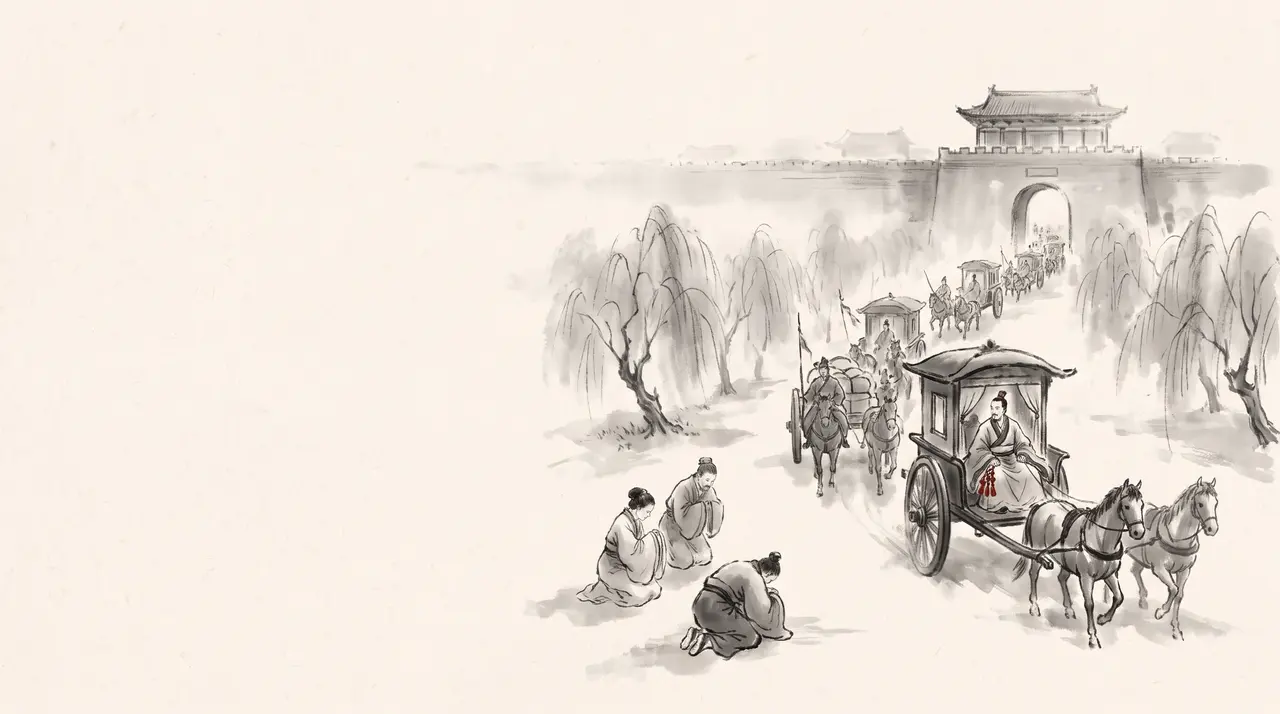
東周の洛陽の人蘇秦は、遊説に出て失敗し、家族に笑われる。部屋にこもって兵法書の『陰符』を一年読みこみ、秦では用いられなかったが、燕と趙を説いて、六国が手を結んで秦に対抗する「合従」をまとめあげる。韓王には「むしろ鶏の口となるも、牛の尻となるなかれ」と説いた。六国の宰相の印を帯びて故郷を通ると、かつて彼を見下した家族はひれ伏した。のちに合従は崩れ、蘇秦は燕のために斉で工作するが、刺客に刺され、死ぬ間際に自分の死体を車裂きにして犯人をおびき出させた。
この巻のうち「蘇秦(鶏口となるも牛後となるなかれ)」の場面を載せています。巻の全文ではありません。
音声
音声は合成音声です。
動画
節 1
原文
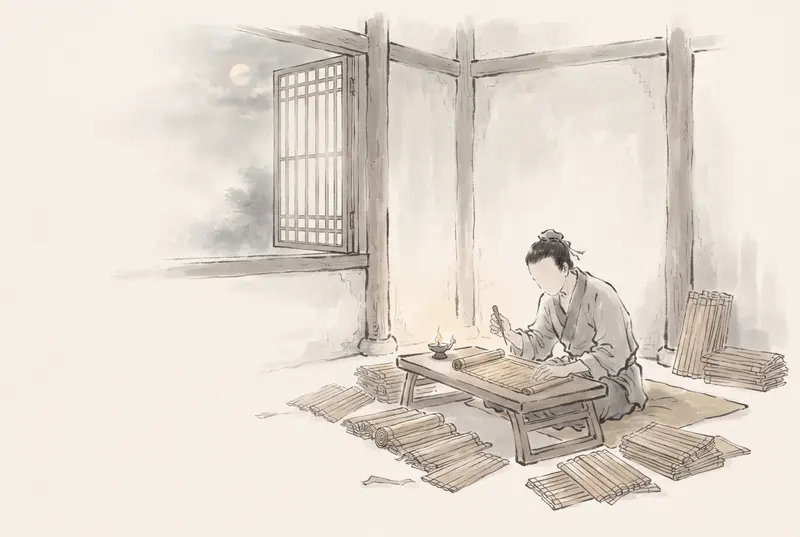
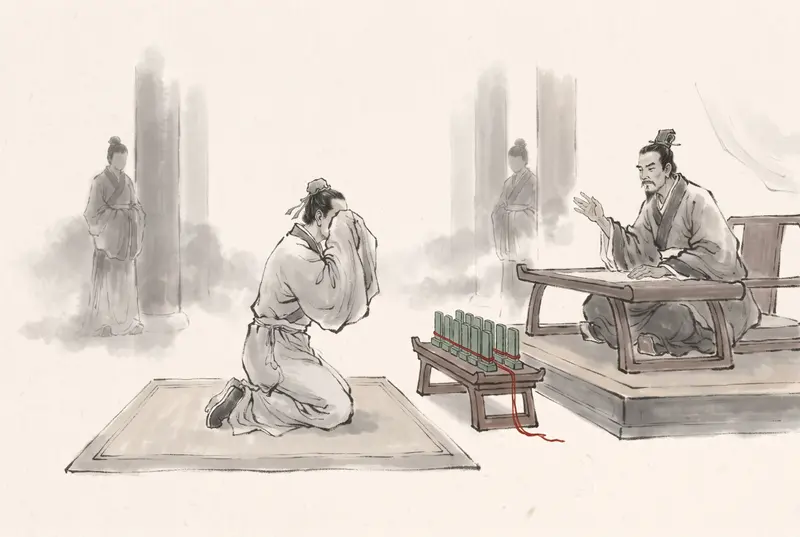
蘇秦者,東周雒陽人也。東事師於齊,而習之於鬼谷先生。出游數歲,大困而歸。兄弟嫂妹妻妾竊皆笑之,曰:「周人之俗,治產業,力工商,逐什二以為務。今子釋本而事口舌,困,不亦宜乎!」蘇秦聞之而慚,自傷,乃閉室不出,出其書遍觀之。曰:「夫士業已屈首受書,而不能以取尊榮,雖多亦奚以為!」於是得周書陰符,伏而讀之。期年,以出揣摩,曰:「此可以說當世之君矣。」求說周顯王。顯王左右素習知蘇秦,皆少之。弗信。
書き下し文
蘇秦なる者は、東周雒陽の人なり。東のかた師に斉に事えて、之を鬼谷先生に習う。出游すること数歳、大いに困しみて帰る。兄弟嫂妹妻妾竊かに皆之を笑いて、曰く、「周人の俗は、産業を治め、工商に力め、什二を逐うを以て務めと為す。今子は本を釈てて口舌を事とす。困しむも、亦た宜ならずや」と。蘇秦之を聞きて慚じ、自ら傷み、乃ち室を閉じて出でず、其の書を出だして遍く之を観る。曰く、「夫れ士業已に首を屈して書を受くるも、以て尊栄を取る能わずんば、多しと雖も亦た奚ぞ以て為さん」と。是に於いて周書陰符を得て、伏して之を読む。期年にして、以て揣摩を出だして、曰く、「此れ以て当世の君に説くべし」と。周の顕王に説かんことを求む。顕王の左右素より蘇秦を習知し、皆之を少とす。信ぜず。
現代語訳
蘇秦は東周の洛陽の人である。東の斉へ行って師につき、鬼谷先生のもとで学んだ。数年のあいだ遊説して回ったが、すっかり行きづまって帰ってきた。兄弟や兄嫁、妹、妻や側女たちまでが、陰でみな彼を笑って言った。「周の人のならわしでは、家業に励み、職人や商売に精を出して、二割の利益を追うのが務めです。それなのにあなたは本業を捨てて口先の仕事をしている。行きづまるのも当然でしょう」。蘇秦はそれを聞いて恥じ、自分を責めて、部屋に閉じこもって外に出ず、持っている書物をすべて広げて読み通した。そして言った。「士たる者が頭を垂れて書物を学んでも、それで高い地位や名誉を得られないなら、どれほどたくさん読んでも何になろう」。そこで周の兵法書『陰符』を手に入れ、机に伏して読みふけった。一年たつと、人の心を推しはかる術を編み出して、「これで当世の君主を説くことができる」と言った。まず周の顕王に説こうとしたが、顕王のそばの者たちは前から蘇秦をよく知っていて、みな軽く見て、信用しなかった。
英訳
Su Qin was a man of Luoyang in Eastern Zhou. He went east to Qi to find a teacher and studied under Master Guigu. For several years he traveled as a persuader, then came home in utter failure. His brothers, his sisters-in-law, his sisters, his wife and concubines all laughed at him behind his back: "The custom of Zhou people is to manage property, work hard at crafts and trade, and chase a profit of two in ten. Now you have abandoned real work for the business of the tongue. Is it any wonder you have failed?" When Su Qin heard this, he was ashamed and hurt. He shut himself in his room and would not come out, took out all his books and read them through. He said, "When a gentleman has bowed his head over books, what good is all that reading if it cannot win him honor and rank?" Then he got hold of the Zhou book Yin Fu and pored over it. After a year he had worked out his art of reading men's minds and said, "With this I can persuade the rulers of this age." He sought to persuade King Xian of Zhou, but the king's attendants had long known Su Qin and thought little of him. They did not trust him.
解説(日)
- 蘇秦: 戦国時代の遊説家。六国の合従を説いたとされる。近年出土した資料から、実際の活動年代は張儀より後とする説が有力。
- 雒陽: 洛陽。東周の都。
- 鬼谷先生: 縦横家(遊説家)の伝説的な師。張儀も同門(巻70の章を参照)。
- 逐什二: 十分の二(二割)の利益を追う。商売のこと。
- 口舌: 口先、弁舌。
- 屈首受書: 頭を垂れて書物を学ぶ。
- 陰符: 太公望の作と伝えられる兵法書。
- 揣摩: 相手の心を推しはかる術。「揣摩憶測」の言葉のもと。
- 少之: 軽く見る。
解説(英)
- Su Qin: a persuader of the Warring States, said to have built the vertical alliance of six states. Recently excavated texts suggest he was actually active after Zhang Yi.
- Luoyang: the capital of Eastern Zhou.
- Master Guigu: the legendary teacher of the persuaders; Zhang Yi studied under him too (see Volume 70).
- 逐什二: chasing a profit of two in ten; trade.
- 口舌: the tongue, eloquence.
- 屈首受書: bowing one's head over books.
- Yin Fu: a book of strategy attributed to the Grand Duke.
- 揣摩: the art of reading another's mind.
- 少之: to think little of him.
英語の語注
- utter/ˈʌtər/adjective
complete, total
本文では: “came home in utter failure”
似た語と違い: complete — total · absolute — total
- behind one's back/bɪˈhaɪnd wʌnz bæk/idiom
without the person knowing
本文では: “laughed at him behind his back”
似た語と違い: secretly — without others knowing · covertly — in a hidden way
- ashamed/əˈʃeɪmd/adjective
feeling bad about something you did or are
本文では: “he was ashamed and hurt”
似た語と違い: embarrassed — feeling foolish · humiliated — made to feel foolish
- pore over/ˈpɔr ˌoʊvər/phrasal verb
to read or study something very carefully
本文では: “pored over it”
似た語と違い: study — read carefully · scrutinize — look at closely
節 2
原文
乃西至秦。秦孝公卒。說惠王曰:「秦四塞之國,被山帶渭,東有關河,西有漢中,南有巴蜀,北有代馬,此天府也。以秦士民之衆,兵法之敎,可以吞天下,稱帝而治。」秦王曰:「毛羽未成,不可以高蜚;文理未明,不可以并兼。」方誅商鞅,疾辯士,弗用。乃東之趙。趙肅侯令其弟成為相,號奉陽君。奉陽君弗說之。
書き下し文
乃ち西のかた秦に至る。秦の孝公卒す。恵王に説きて曰く、「秦は四塞の国なり。山を被り渭を帯び、東に関・河有り、西に漢中有り、南に巴・蜀有り、北に代馬有り。此れ天府なり。秦の士民の衆、兵法の教えを以てせば、以て天下を呑み、帝と称して治むべし」と。秦王曰く、「毛羽未だ成らざれば、以て高く蜚ぶべからず。文理未だ明らかならざれば、以て并兼すべからず」と。方に商鞅を誅し、弁士を疾む。用いず。乃ち東のかた趙に之く。趙の粛侯其の弟成をして相たらしめ、奉陽君と号す。奉陽君之を説ばず。
現代語訳
そこで蘇秦は西の秦へ行った。ちょうど秦の孝公が亡くなったところで、蘇秦は恵王に説いた。「秦は四方を要害に守られた国です。山に囲まれ、渭水が帯のように流れ、東には函谷関と黄河、西には漢中、南には巴と蜀、北には代の馬の産地があります。まさに天の蔵です。秦の兵と民の多さ、兵法の教えをもってすれば、天下を飲みこみ、帝を名のって治めることができます」。秦王は言った。「羽がまだ生えそろわないうちは高く飛べない。国の筋道がまだ整わないうちは、他国を併合することはできない」。ちょうど商鞅を処刑したばかりで、弁舌の士を嫌っていたので、蘇秦を用いなかった。そこで蘇秦は東の趙へ行った。趙の粛侯は弟の成を宰相にして、奉陽君と呼んでいた。奉陽君は蘇秦を気に入らなかった。
英訳
So he went west to Qin. Duke Xiao of Qin had just died, and Su Qin persuaded King Hui: "Qin is a land walled in on four sides. It is wrapped in mountains and belted by the Wei River; to the east it has the passes and the Yellow River, to the west Hanzhong, to the south Ba and Shu, and to the north the horses of Dai. It is a storehouse made by Heaven. With the multitude of Qin's soldiers and people and its training in war, you can swallow the world, call yourself emperor and rule." The King of Qin said, "A bird whose feathers have not grown cannot fly high. A state whose order is not yet clear cannot swallow others." He had just executed Shang Yang and disliked men of clever speech, so he would not employ Su Qin. Then Su Qin went east to Zhao. Marquis Su of Zhao had made his younger brother Cheng chancellor, with the title Lord of Fengyang. The Lord of Fengyang did not like Su Qin.
解説(日)
- 孝公: 秦の孝公。商鞅を用いた君主(巻68の章を参照)。
- 四塞之國: 四方を要害に囲まれた国。
- 關河: 函谷関と黄河。
- 天府: 天の蔵。豊かな土地のたとえ。
- 毛羽未成,不可以高蜚: 羽がまだ生えそろわないうちは高く飛べない。
- 并兼: 他国を併合する。
- 方誅商鞅,疾辯士: ちょうど商鞅を処刑したばかりで、弁舌の士を嫌っていた。
- 奉陽君: 趙の粛侯の弟、趙成。
解説(英)
- Duke Xiao: the ruler of Qin who employed Shang Yang (see Volume 68).
- 四塞之國: a land walled in on four sides by natural barriers.
- 關河: the passes and the Yellow River.
- 天府 ("a storehouse made by Heaven"): a rich land.
- 毛羽未成,不可以高蜚 ("a bird whose feathers have not grown cannot fly high").
- 并兼: to swallow other states.
- 方誅商鞅,疾辯士: he had just executed Shang Yang and disliked clever talkers.
- The Lord of Fengyang: Zhao Cheng, younger brother of Marquis Su of Zhao.
英語の語注
- storehouse/ˈstɔrˌhaʊs/noun
a building where goods are kept; a rich source
本文では: “It is a storehouse made by Heaven”
似た語と違い: treasury — a place for valuables · granary — a building for grain
- swallow/ˈswɑloʊ/verb
to take something completely; here, to conquer
本文では: “you can swallow the world”
似た語と違い: devour — eat hungrily · absorb — take in
節 3
原文
去游燕,歲餘而後得見。說燕文侯曰:「燕東有朝鮮、遼東,北有林胡、樓煩,西有雲中、九原,南有嘑沱、易水,地方二千餘里,帶甲數十萬,車六百乘,騎六千匹,粟支數年。南有碣石、鴈門之饒,北有棗栗之利,民雖不佃作而足於棗栗矣。此所謂天府者也。「夫安樂無事,不見覆軍殺將,無過燕者。大王知其所以然乎?夫燕之所以不犯寇被甲兵者,以趙之為蔽其南也。秦趙五戰,秦再勝而趙三勝。秦趙相斃,而王以全燕制其後,此燕之所以不犯寇也。且夫秦之攻燕也,踰雲中、九原,過代、上谷,彌地數千里,雖得燕城,秦計固不能守也。秦之不能害燕亦明矣。今趙之攻燕也,發號出令,不至十日而數十萬之軍軍於東垣矣。渡嘑沱,涉易水,不至四五日而距國都矣。故曰秦之攻燕也,戰於千里之外;趙之攻燕也,戰於百里之內。夫不憂百里之患而重千里之外,計無過於此者。是故願大王與趙從親,天下為一,則燕國必無患矣。」文侯曰:「子言則可,然吾國小,西迫彊趙,南近齊,齊、趙彊國也。子必欲合從以安燕,寡人請以國從。」
書き下し文
去りて燕に游び、歳余にして後見ゆるを得たり。燕の文侯に説きて曰く、「燕は東に朝鮮・遼東有り、北に林胡・楼煩有り、西に雲中・九原有り、南に嘑沱・易水有り。地方二千余里、帯甲数十万、車六百乗、騎六千匹、粟は数年を支う。南に碣石・鴈門の饒有り、北に棗栗の利有り。民佃作せずと雖も棗栗に足る。此れ所謂天府なる者なり。夫れ安楽にして事無く、覆軍殺将を見ざること、燕に過ぐる者無し。大王其の然る所以を知るか。夫れ燕の寇を犯さず甲兵を被らざる所以の者は、趙の之が南を蔽うを以てなり。秦趙五たび戦い、秦再び勝ちて趙三たび勝つ。秦趙相斃れて、王全燕を以て其の後を制す。此れ燕の寇を犯さざる所以なり。且つ夫れ秦の燕を攻むるや、雲中・九原を踰え、代・上谷を過ぎ、地を弥ること数千里。燕の城を得ると雖も、秦の計固より守る能わず。秦の燕を害する能わざること亦た明らかなり。今趙の燕を攻むるや、号を発し令を出だせば、十日に至らずして数十万の軍東垣に軍せん。嘑沱を渡り、易水を渉らば、四五日に至らずして国都に距らん。故に曰く、秦の燕を攻むるや、千里の外に戦い、趙の燕を攻むるや、百里の内に戦うと。夫れ百里の患いを憂えずして千里の外を重んず。計此より過てる者無し。是の故に願わくは大王趙と従親し、天下一と為らば、則ち燕国必ず患い無からん」と。文侯曰く、「子の言は則ち可なり。然れども吾が国は小にして、西は彊趙に迫り、南は斉に近し。斉・趙は彊国なり。子必ず合従して以て燕を安んぜんと欲せば、寡人請う国を以て従わん」と。
現代語訳
蘇秦は趙を去って燕へ行き、一年あまりたってようやく燕の文侯に会えた。蘇秦は説いた。「燕は東に朝鮮と遼東、北に林胡と楼煩、西に雲中と九原、南に呼沱河と易水があり、領土は二千里四方あまり、よろいを着た兵は数十万、戦車は六百台、騎兵は六千、穀物は数年分たくわえています。南には碣石や雁門の豊かな産物があり、北には棗や栗の実りがあって、民は田畑を耕さなくても棗や栗で暮らせます。まさに天の蔵というべき国です。そもそも、平和で何ごともなく、軍が全滅したり将軍が殺されたりするのを見ないことでは、燕にまさる国はありません。大王はそのわけをご存じですか。燕が敵に攻めこまれず戦火をこうむらないのは、趙が南の守りになっているからです。秦と趙は五度戦い、秦が二度、趙が三度勝ちました。秦と趙が互いに疲れはてているあいだ、王は無傷の燕でその背後を押さえています。だから燕は攻めこまれないのです。それに、秦が燕を攻めるには、雲中や九原を越え、代や上谷を過ぎて、数千里を進まなければなりません。燕の城を手に入れても、秦にはとうてい守りきれません。秦が燕を害せないのは明らかです。ところが趙が燕を攻めるとなれば、号令を出してから十日もたたないうちに、数十万の軍が東垣に陣を構えるでしょう。呼沱河を渡り、易水を越えれば、四、五日もたたないうちに都に迫ります。ですから、秦が燕を攻めるのは千里の彼方での戦い、趙が燕を攻めるのは百里のうちでの戦いだというのです。百里のうちのわざわいを心配せずに、千里の彼方を気にかけるほど、まちがった策はありません。どうか大王は趙と合従の同盟を結んでください。天下が一つになれば、燕にはかならずわざわいがありません」。文侯は言った。「あなたの言うことはもっともだ。しかし、わが国は小さく、西は強い趙に迫られ、南は斉に近い。斉も趙も強国だ。あなたがどうしても合従で燕を安泰にしたいというのなら、わたしは国をあげて従おう」。
英訳
Leaving Zhao, he traveled to Yan, and only after more than a year did he get an audience. He persuaded Marquis Wen of Yan: "To the east Yan has Chaoxian and Liaodong, to the north the Linhu and Loufan, to the west Yunzhong and Jiuyuan, and to the south the Hutuo and Yi rivers. Its land is more than two thousand li square, with several hundred thousand armored men, six hundred chariots, six thousand horsemen and grain enough for several years. To the south lie the riches of Jieshi and Yanmen, and to the north the profits of jujubes and chestnuts, so that even without tilling the fields the people have enough from jujubes and chestnuts. This is what is called a storehouse made by Heaven. No state is so peaceful and untroubled as Yan, never seeing its armies overthrown or its generals killed. Does Your Highness know why? The reason Yan is never raided or attacked is that Zhao shields it to the south. Qin and Zhao have fought five times; Qin won twice and Zhao three times. While Qin and Zhao wear each other down, Your Highness, with Yan unharmed, holds the ground behind them. That is why Yan is never raided. Besides, for Qin to attack Yan, it would have to cross Yunzhong and Jiuyuan and pass Dai and Shanggu, several thousand li. Even if it took a city of Yan, Qin could never hold it. Plainly Qin cannot harm Yan. But if Zhao attacked Yan, within ten days of giving the order an army of several hundred thousand would be encamped at Dongyuan. Across the Hutuo and the Yi, in less than five days it would be at your capital. So it is said: when Qin attacks Yan, it fights a thousand li away; when Zhao attacks Yan, it fights within a hundred li. To ignore the danger within a hundred li and worry about what lies a thousand li away: no plan could be more mistaken. So I beg Your Highness to ally with Zhao. If the world stands as one, Yan will surely be safe." Marquis Wen said, "What you say is right. But my state is small, with mighty Zhao pressing on the west and Qi close to the south, and both are strong. If you are set on securing Yan through the alliance, I will join it with my whole state."
解説(日)
- 燕文侯: 燕の君主。
- 朝鮮・遼東・林胡・樓煩・雲中・九原: 燕の東・北・西の地や民族。
- 嘑沱・易水: 呼沱河と易水。易水は荊軻が見送られた川(巻86の章を参照)。
- 帶甲: よろいを着た兵。
- 天府: 天の蔵。p2で蘇秦は秦も「天府」と呼んでいる。遊説家は相手によって同じ言葉を使い分けた。
- 蔽: 守りの垣。
- 東垣: 趙の地。今の河北省石家荘市の東。
- 千里之外・百里之內: 遠くの敵より、近くの敵を心配すべきだという論。
- 從親: 合従の同盟。
解説(英)
- Marquis Wen of Yan: the ruler of Yan.
- Chaoxian, Liaodong, Linhu, Loufan, Yunzhong, Jiuyuan: lands and peoples to the east, north and west of Yan.
- The Hutuo and Yi rivers: the Yi is the river where Jing Ke was seen off (see Volume 86).
- 帶甲: armored soldiers.
- 天府 ("a storehouse made by Heaven"): in p2 Su Qin called Qin the same thing; persuaders shaped their words to each listener.
- 蔽: a shield.
- Dongyuan: in Zhao, east of present-day Shijiazhuang in Hebei.
- "A thousand li away / within a hundred li": worry about the near enemy, not the distant one.
- 從親: the vertical alliance.
この節から生まれた言葉: 合従連衡
英語の語注
- audience/ˈɔdiəns/noun
a formal meeting with a ruler
本文では: “did he get an audience”
似た語と違い: hearing — a chance to speak · meeting — a coming together
An audience is also the people watching a show.
- shield/ʃiːld/verb
to protect someone from danger
本文では: “Zhao shields it to the south”
似た語と違い: protect — keep safe · guard — watch over
節 4
原文
於是資蘇秦車馬金帛以至趙。而奉陽君已死,即因說趙肅侯曰:「臣竊以天下之地圖案之,諸侯之地五倍於秦,料度諸侯之卒十倍於秦,六國為一,并力西鄉而攻秦,秦必破矣。今西面而事之,見臣於秦。夫破人之與破於人也,臣人之與臣於人也,豈可同日而論哉!故竊為大王計,莫如一韓、魏、齊、楚、燕、趙以從親,以畔秦。令天下之將相會於洹水之上,通質,刳白馬而盟。要約曰:『秦攻楚,齊、魏各出銳師以佐之,韓絕其糧道,趙涉河漳,燕守常山之北。秦攻韓魏,則楚絕其後,齊出銳師而佐之,趙涉河漳,燕守雲中。秦攻齊,則楚絕其後,韓守城皋,魏塞其道,趙涉河漳、博關,燕出銳師以佐之。秦攻燕,則趙守常山,楚軍武關,齊涉勃海,韓、魏皆出銳師以佐之。秦攻趙,則韓軍宜陽,楚軍武關,魏軍河外,齊涉清河,燕出銳師以佐之。諸侯有不如約者,以五國之兵共伐之。』六國從親以賓秦,則秦甲必不敢出於函谷以害山東矣。如此,則霸王之業成矣。」
書き下し文
是に於いて蘇秦に車馬金帛を資して以て趙に至らしむ。而して奉陽君已に死す。即ち因りて趙の粛侯に説きて曰く、「臣竊かに天下の地図を以て之を案ずるに、諸侯の地は秦に五倍し、諸侯の卒を料度するに秦に十倍す。六国一と為り、力を并せて西に郷かいて秦を攻めば、秦必ず破れん。今西面して之に事え、秦に臣とせらる。夫れ人を破ると人に破らるると、人を臣とすると人に臣とせらるるとは、豈に日を同じくして論ずべけんや。故に竊かに大王の為に計るに、韓・魏・斉・楚・燕・趙を一にして以て従親し、以て秦に畔くに如くは莫し。天下の将相をして洹水の上に会し、質を通じ、白馬を刳きて盟わしめん。要約して曰く、『秦楚を攻めば、斉・魏各おの鋭師を出だして以て之を佐け、韓は其の糧道を絶ち、趙は河・漳を渉り、燕は常山の北を守れ。秦韓・魏を攻めば、則ち楚は其の後を絶ち、斉は鋭師を出だして之を佐け、趙は河・漳を渉り、燕は雲中を守れ。秦斉を攻めば、則ち楚は其の後を絶ち、韓は城皋を守り、魏は其の道を塞ぎ、趙は河・漳・博関を渉り、燕は鋭師を出だして以て之を佐けよ。秦燕を攻めば、則ち趙は常山を守り、楚は武関に軍し、斉は勃海を渉り、韓・魏は皆鋭師を出だして以て之を佐けよ。秦趙を攻めば、則ち韓は宜陽に軍し、楚は武関に軍し、魏は河外に軍し、斉は清河を渉り、燕は鋭師を出だして以て之を佐けよ。諸侯約の如くならざる者有らば、五国の兵を以て共に之を伐たん』と。六国従親して以て秦を賓けば、則ち秦の甲必ず敢えて函谷より出でて以て山東を害せざらん。此くの如くんば、則ち霸王の業成らん」と。
現代語訳
そこで燕は蘇秦に車馬や金や絹を与えて趙へ行かせた。奉陽君はすでに死んでいたので、蘇秦は趙の粛侯に説いた。「わたしがひそかに天下の地図で調べたところ、諸侯の領土を合わせると秦の五倍、諸侯の兵を合わせると秦の十倍になります。六国が一つになり、力を合わせて西へ向かって秦を攻めれば、秦はかならず破れます。それなのにいま、諸国は西に向かって秦に仕え、秦の臣下になろうとしています。人を打ち破るのと人に打ち破られるのと、人を臣下にするのと人の臣下になるのとでは、比べものになりません。ですから大王のためを思えば、韓・魏・斉・楚・燕・趙を一つにして合従の同盟を結び、秦にそむくのがいちばんです。天下の将軍や宰相を洹水のほとりに集め、人質を交わし、白馬を裂いて誓わせるのです。その誓いの約束はこうです。『秦が楚を攻めたら、斉と魏はそれぞれ精兵を出して助け、韓は秦の食糧の道を断ち、趙は黄河と漳水を渡り、燕は常山の北を守る。秦が韓や魏を攻めたら、楚はその背後を断ち、斉は精兵を出して助け、趙は黄河と漳水を渡り、燕は雲中を守る。秦が斉を攻めたら、楚はその背後を断ち、韓は城皋を守り、魏は道をふさぎ、趙は黄河・漳水・博関を越え、燕は精兵を出して助ける。秦が燕を攻めたら、趙は常山を守り、楚は武関に陣を構え、斉は勃海を渡り、韓と魏はともに精兵を出して助ける。秦が趙を攻めたら、韓は宜陽に、楚は武関に、魏は河外に陣を構え、斉は清河を渡り、燕は精兵を出して助ける。約束を守らない諸侯がいれば、ほかの五国の兵でともに討つ』。六国が合従の同盟を結んで秦を退ければ、秦の兵は函谷関から出て山東の国々を害そうとはしないでしょう。そうなれば、覇者・王者の事業が成しとげられます」。
英訳
So Yan provided Su Qin with carriages, horses, gold and silk and sent him to Zhao. The Lord of Fengyang had died, so he persuaded Marquis Su of Zhao: "I have studied the map of the world in private. The lands of the lords together are five times the size of Qin, and their soldiers, by my reckoning, ten times as many. If the six states became one and turned west together to attack Qin, Qin would surely be broken. Yet now they face west and serve it, and are made Qin's subjects. To break others or be broken by them, to make others your subjects or be made theirs: how can these be spoken of in the same breath? So, if I may plan for Your Highness, nothing is better than to unite Hann, Wei, Qi, Chu, Yan and Zhao in a vertical alliance against Qin. Let the generals and chancellors of the world meet on the banks of the Huan River, exchange hostages, cut open a white horse and swear an oath. Let the covenant say: 'If Qin attacks Chu, Qi and Wei each send picked troops to help, Hann cuts Qin's supply lines, Zhao crosses the Yellow River and the Zhang, and Yan guards the land north of Mount Chang. If Qin attacks Hann or Wei, Chu cuts off its rear, Qi sends picked troops to help, Zhao crosses the Yellow River and the Zhang, and Yan guards Yunzhong. If Qin attacks Qi, Chu cuts off its rear, Hann holds Chenggao, Wei blocks the road, Zhao crosses the Yellow River, the Zhang and the Bo Pass, and Yan sends picked troops to help. If Qin attacks Yan, Zhao holds Mount Chang, Chu camps at the Wu Pass, Qi crosses the Bohai, and Hann and Wei both send picked troops to help. If Qin attacks Zhao, Hann camps at Yiyang, Chu at the Wu Pass, Wei beyond the Yellow River, Qi crosses the Qing River, and Yan sends picked troops to help. Any lord who breaks the covenant will be attacked by the armies of the other five.' If the six states ally and hold Qin at arm's length, Qin's armored men will never dare to come out through the Hangu Pass to harm the lands east of the mountains. Then the work of an overlord and a king will be done."
解説(日)
- 資: 費用を出す。
- 案之: 調べる。
- 西鄉: 西へ向かう(鄉は「嚮」)。
- 破人之與破於人: 人を破るのと人に破られるのと。
- 畔: 「叛」と同じ。そむく。
- 洹水: 今の河南省安陽市を流れる川。
- 通質: 人質を交わす。
- 刳白馬而盟: 白馬を裂いて誓う。張儀の章でも、合従の盟約として語られる。
- 河漳: 黄河と漳水。
- 賓秦: 秦を退ける(賓は「擯」に通じる)。
- 山東: 崤山・函谷関より東の国々。
- この節の前(省略): 趙の地の豊かさと、秦が趙を恐れる理由を説く部分は省いた。
解説(英)
- 資: to provide the means.
- 案之: to study.
- 西鄉: facing west.
- 破人之與破於人: breaking others or being broken by them.
- 畔: the same as 叛, to rebel against.
- The Huan River: flowing past present-day Anyang in Henan.
- 通質: to exchange hostages.
- 刳白馬而盟 ("cut open a white horse and swear"): Zhang Yi's chapter also refers to this oath.
- 河漳: the Yellow River and the Zhang.
- 賓秦: to hold Qin at arm's length (賓 here is like 擯).
- 山東: the states east of the mountains and the Hangu Pass.
- Before this (left out here): Su Qin's account of Zhao's wealth and of why Qin fears Zhao.
英語の語注
- reckoning/ˈrɛkənɪŋ/noun
a calculation or estimate
本文では: “by my reckoning”
似た語と違い: estimate — a rough count · calculation — a count
- covenant/ˈkʌvənənt/noun
a serious formal agreement
本文では: “Let the covenant say”
似た語と違い: pact — a formal agreement · treaty — an agreement between states
節 5
原文
趙王曰:「寡人年少,立國日淺,未嘗得聞社稷之長計也。今上客有意存天下,安諸侯。寡人敬以國從。」乃飾車百乘,黃金千溢,白璧百雙,錦繡千純,以約諸侯。
書き下し文
趙王曰く、「寡人年少く、国を立つること日浅し。未だ嘗て社稷の長計を聞くを得ず。今上客天下を存し、諸侯を安んずるに意有り。寡人敬んで国を以て従わん」と。乃ち車百乗、黄金千溢、白璧百双、錦繡千純を飾りて、以て諸侯に約せしむ。
現代語訳
趙王は言った。「わたしは年若く、位についてまだ日が浅いので、国のための長い計を聞いたことがなかった。いま、すぐれた客人が天下を保ち、諸侯を安んじようとしている。わたしは謹んで国をあげて従おう」。そして車百台、黄金千溢、白い璧百対、錦や刺繍の絹千反をととのえて、蘇秦に諸侯と盟約を結ばせに行かせた。
英訳
The King of Zhao said, "I am young and have not ruled long, and I have never heard a long-term plan for the state. Now my honored guest means to preserve the world and secure the lords. I will respectfully join with my whole state." Then he fitted out a hundred carriages, a thousand yi of gold, a hundred pairs of white jade discs and a thousand bolts of brocade and embroidery, and sent him to make the covenant with the lords.
解説(日)
- 趙王: 趙の粛侯(原文では「王」と書かれる)。
- 社稷之長計: 国のための長い計。社稷は国家の祭り、転じて国。
- 存天下: 天下を保つ。
- 溢: 重さの単位(鎰)。
- 純: 布の長さの単位。
解説(英)
- The King of Zhao: Marquis Su (called "king" here).
- 社稷之長計: a long-term plan for the state (社稷, the altars of the state, stands for the state itself).
- 存天下: to preserve the world.
- 溢: a unit of weight for gold.
- 純: a unit for bolts of cloth.
英語の語注
- preserve/prɪˈzɜrv/verb
to keep something safe from harm
本文では: “means to preserve the world”
似た語と違い: protect — keep safe · safeguard — protect
- brocade/broʊˈkeɪd/noun
rich cloth with a raised pattern woven into it
本文では: “a thousand bolts of brocade”
似た語と違い: silk — fine cloth from silkworms · damask — patterned cloth
節 6
原文
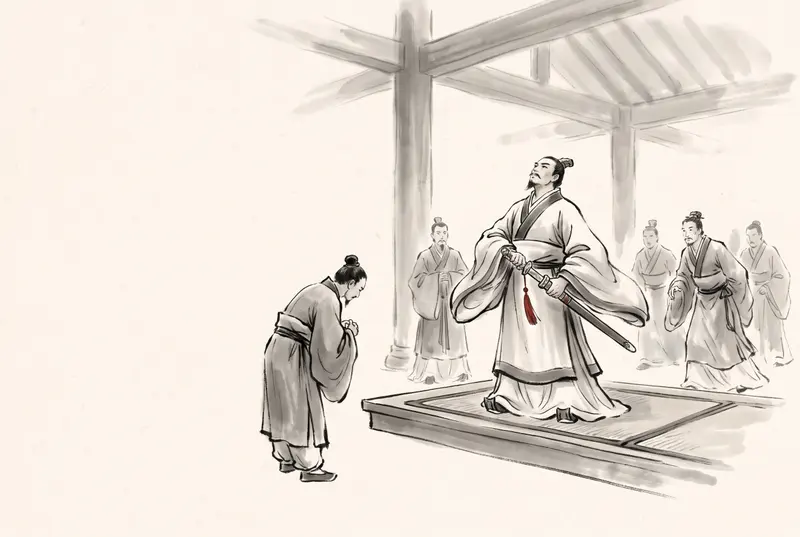
於是說韓宣王曰:「大王事秦,秦必求宜陽、成皋。今茲效之,明年又復求割地。與則無地以給之,不與則棄前功而受後禍。且大王之地有盡而秦之求無已,以有盡之地而逆無已之求,此所謂市怨結禍者也,不戰而地已削矣。臣聞鄙諺曰:『寧為雞口,無為牛後。』今西面交臂而臣事秦,何異於牛後乎?夫以大王之賢,挾彊韓之兵,而有牛後之名,臣竊為大王羞之。」於是韓王勃然作色,攘臂瞋目,按劍仰天太息曰;「寡人雖不肖,必不能事秦。今主君詔以趙王之敎,敬奉社稷以從。」
書き下し文
是に於いて韓の宣王に説きて曰く、「大王秦に事えば、秦必ず宜陽・成皋を求めん。今茲之を効さば、明年又復た地を割くを求めん。与うれば則ち地の以て之に給する無く、与えざれば則ち前功を棄てて後禍を受けん。且つ大王の地は尽くる有りて秦の求めは已む無し。尽くる有るの地を以て已む無きの求めを逆う。此れ所謂怨みを市い禍を結ぶ者なり。戦わずして地已に削られん。臣聞く、鄙諺に曰く、『寧ろ鶏口と為るも、牛後と為る無かれ』と。今西面し臂を交えて秦に臣事するは、何ぞ牛後に異ならんや。夫れ大王の賢を以て、彊韓の兵を挟みて、牛後の名有り。臣竊かに大王の為に之を羞ず」と。是に於いて韓王勃然として色を作し、臂を攘い目を瞋らせ、剣を按じ天を仰ぎて太息して曰く、「寡人不肖と雖も、必ず秦に事うる能わず。今主君詔ぐるに趙王の教えを以てす。敬んで社稷を奉じて以て従わん」と。
現代語訳
(蘇秦は韓の強い弓や剣をほめたあと)韓の宣王に説いた。「大王が秦に仕えれば、秦はかならず宜陽と成皋を求めるでしょう。今年それを差し出しても、来年はまた土地を割けと求めてきます。与えれば与える土地がなくなり、与えなければ、それまでの苦労を捨てて、あとでわざわいを受けることになります。しかも大王の土地には限りがあるのに、秦の求めには終わりがありません。限りある土地で終わりのない求めに応じる。これこそ、恨みを買ってわざわいを招くということで、戦わないうちに領土は削られてしまいます。ことわざに『むしろ鶏の口となるとも、牛の尻となるなかれ』と聞きます。いま西を向いて手を組み、秦に臣下として仕えるのは、牛の尻と何が違いましょう。大王ほどの賢さで、強い韓の兵を持ちながら、牛の尻という呼び名を受けるのは、わたしはひそかに大王のために恥ずかしく思います」。すると韓王はさっと顔色を変え、腕まくりして目をむき、剣の柄に手をかけて天を仰ぎ、大きくため息をついて言った。「わたしは愚か者だが、秦に仕えることなどできない。いま、あなたが趙王の教えを伝えてくれた。謹んで国をあげて従おう」。
英訳
(After praising Hann's strong bows and swords,) he persuaded King Xuan of Hann: "If Your Majesty serves Qin, Qin will surely demand Yiyang and Chenggao. Hand them over this year, and next year it will demand more land. If you give it, you will run out of land to give; if you refuse, you throw away what you have already done and suffer disaster later. Besides, Your Majesty's land has an end, but Qin's demands have none. To meet endless demands with land that has an end is what is called buying resentment and tying up disaster; your land will be carved away before you ever fight. I have heard the common saying: 'Better to be the beak of a chicken than the rump of an ox.' To face west, fold your hands and serve Qin as a subject: how is that different from being the rump of an ox? That a king as able as you, with the strong army of Hann behind him, should be called the rump of an ox: I am ashamed for Your Majesty." At this the King of Hann flushed with anger. He bared his arms, glared, gripped his sword, looked up to Heaven and sighed deeply: "Unworthy as I am, I will never serve Qin. Now that you have brought me the King of Zhao's counsel, I will respectfully join with my whole state."
解説(日)
- この節の前(省略): 蘇秦は韓の強い弓や鋭い剣、勇ましい兵をほめた。
- 韓宣王: 韓の君主。
- 效: 差し出す。
- 市怨結禍: 恨みを買い、わざわいを招く。
- 寧為雞口,無為牛後: むしろ鶏の口(小さくても頭)となるとも、牛の尻(大きくても後ろ)となるな。「鶏口牛後」の言葉のもと。
- 交臂: 手を組む。降伏のしぐさ。
- 勃然作色: さっと顔色を変える。
- 攘臂瞋目: 腕まくりして目をむく。
- 主君: 相手(蘇秦)への敬称。
解説(英)
- Before this (left out here): Su Qin praised Hann's strong bows, sharp swords and brave soldiers.
- King Xuan of Hann: the ruler of Hann.
- 效: to hand over.
- 市怨結禍: buying resentment and tying up disaster.
- 寧為雞口,無為牛後 ("better the beak of a chicken than the rump of an ox"): better to lead something small than follow something big; the source of the Japanese saying 鶏口牛後.
- 交臂: folding the hands, a gesture of submission.
- 勃然作色: suddenly flushing with anger.
- 攘臂瞋目: baring his arms and glaring.
- 主君: a respectful way of addressing Su Qin.
この節から生まれた言葉: 鶏口となるも牛後となるなかれ
英語の語注
- rump/rʌmp/noun
the back end of an animal
本文では: “the rump of an ox”
似た語と違い: hindquarters — the back part of an animal · rear — the back
- resentment/rɪˈzɛntmənt/noun
a bitter feeling about being treated unfairly
本文では: “buying resentment and tying up disaster”
似た語と違い: bitterness — anger and hurt · ill will — unfriendly feeling
節 7
原文
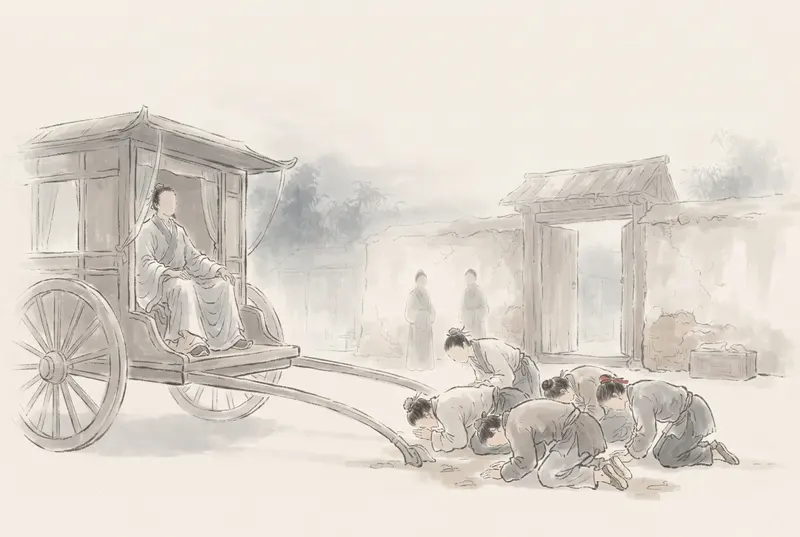
於是六國從合而并力焉。蘇秦為從約長,并相六國。北報趙王,乃行過雒陽,車騎輜重,諸侯各發使送之甚衆,疑於王者。周顯王聞之恐懼,除道,使人郊勞。蘇秦之昆弟妻嫂側目不敢仰視,俯伏侍取食。蘇秦笑謂其嫂曰:「何前倨而後恭也?」嫂委蛇蒲服,以面掩地而謝曰:「見季子位高金多也。」蘇秦喟然嘆曰:「此一人之身,富貴則親戚畏懼之,貧賤則輕易之,況衆人乎!且使我有雒陽負郭田二頃,吾豈能佩六國相印乎!」
書き下し文
是に於いて六国従合して力を并す。蘇秦従約の長と為り、并せて六国に相たり。北のかた趙王に報ぜんとして、乃ち行きて雒陽を過ぐ。車騎輜重、諸侯各おの使いを発して之を送ること甚だ衆く、王者に疑わし。周の顕王之を聞きて恐懼し、道を除き、人をして郊労せしむ。蘇秦の昆弟妻嫂、目を側めて敢えて仰ぎ視ず、俯伏して侍して食を取る。蘇秦笑いて其の嫂に謂いて曰く、「何ぞ前には倨りて後には恭しきや」と。嫂委蛇蒲服し、面を以て地を掩いて謝して曰く、「季子の位高く金多きを見ればなり」と。蘇秦喟然として嘆じて曰く、「此れ一人の身、富貴なれば則ち親戚も之を畏懼し、貧賤なれば則ち之を軽易す。況んや衆人をや。且つ我をして雒陽負郭の田二頃有らしめば、吾豈に能く六国の相印を佩びんや」と。
現代語訳
(蘇秦は魏・斉・楚も説いた。)こうして六国は合従の同盟を結んで力を合わせた。蘇秦は合従の盟約の長となり、六国の宰相を兼ねた。北の趙王に報告しに行く途中、洛陽を通った。車や騎馬、荷車が連なり、諸侯がそれぞれ使者を出して送ってきたので、その数はたいへん多く、まるで王の行列のようだった。周の顕王はそれを聞いて恐れ、道を掃き清めさせ、使者を町はずれまで出迎えにやった。蘇秦の兄弟や妻、兄嫁たちは目をそらして見上げようともせず、ひれ伏して食事の給仕をした。蘇秦は笑って兄嫁に言った。「前はあんなにいばっていたのに、どうして今はこんなに丁寧なのですか」。兄嫁は身をくねらせて這いつくばり、顔を地面に伏せてわびた。「あなたの位が高く、お金がたくさんあるのを見たからです」。蘇秦はため息をついて言った。「同じ一人の人間なのに、富み栄えれば親戚でさえ恐れ、貧しく卑しければ見下す。まして世間の人ならなおさらだ。もしわたしに、洛陽の町はずれに二頃の田畑でもあったなら、六国の宰相の印を帯びることなどなかっただろう」。
英訳
(Su Qin went on to persuade Wei, Qi and Chu.) And so the six states joined the vertical alliance and combined their strength. Su Qin became head of the alliance and chancellor of all six states. On his way north to report to the King of Zhao, he passed through Luoyang. With his carriages, horsemen and baggage carts, and the envoys each lord had sent to escort him, his train was so vast it looked like a king's. When King Xian of Zhou heard of it, he took fright, had the road swept and sent men to welcome him outside the city. Su Qin's brothers, his wife and his sisters-in-law looked away and did not dare to raise their eyes; they lay on the ground and served him his food. Su Qin laughed and said to his elder brother's wife, "Why so haughty before, and so humble now?" She writhed forward on her hands and knees, pressed her face to the ground and apologized: "Because I see that you, youngest brother, are high in rank and rich in gold." Su Qin sighed and said, "It is the same man. Rich and honored, even his own kin fear him; poor and humble, they look down on him. How much more so the rest of the world! Yet if I had owned two hundred mu of fields just outside the walls of Luoyang, would I ever have worn the seals of six chancellors?"
解説(日)
- この節の前(省略): 蘇秦は魏の襄王、斉の宣王、楚の威王も説いて同盟に加えた。
- 從約長: 合従の盟約の長。
- 并相六國: 六国の宰相を兼ねる。
- 輜重: 荷車。
- 疑於王者: 王の行列と見まちがうほど。
- 郊勞: 町はずれまで出迎えてねぎらう。
- 側目: 目をそらす。おそれて正視しない。
- 前倨而後恭: 前にはいばっていたのに、後には丁寧になる。「前倨後恭」の言葉のもと。
- 委蛇蒲服: 身をくねらせて這いつくばる(蒲服は「匍匐」)。
- 季子: 末っ子。蘇秦のあざな。
- 負郭田二頃: 町の城壁に接した(肥えた)田二頃。一頃は百畝。
- このあと蘇秦は千金を一族や友人に配り、昔恩を受けた人にすべてお返しをした。
解説(英)
- Before this (left out here): Su Qin also won over King Xiang of Wei, King Xuan of Qi and King Wei of Chu.
- 從約長: head of the vertical alliance.
- 并相六國: chancellor of all six states at once.
- 輜重: baggage carts.
- 疑於王者: so grand it looked like a king's train.
- 郊勞: to welcome a guest outside the city.
- 側目: looking away in awe.
- 前倨而後恭 ("haughty before, humble now"): the source of the phrase 前倨後恭.
- 委蛇蒲服: writhing forward on hands and knees.
- 季子: "youngest son," Su Qin's courtesy name.
- 負郭田二頃: two hundred mu of rich land right outside the city wall.
- Afterward he gave away a thousand gold to his family and friends and repaid everyone who had once helped him.
英語の語注
- escort/ˈɛskɔrt/verb
to go with someone to protect or honor them
本文では: “the envoys each lord had sent to escort him”
似た語と違い: accompany — go with · guard — protect
- haughty/ˈhɔti/adjective
acting as if you are better than others
本文では: “Why so haughty before”
似た語と違い: arrogant — too proud · condescending — looking down on others
節 8
原文
蘇秦既約六國從親,歸趙,趙肅侯封為武安君,乃投從約書於秦。秦兵不敢闚函谷關十五年。其後秦使犀首欺齊、魏,與共伐趙,欲敗從約。齊、魏伐趙,趙王讓蘇秦。蘇秦恐,請使燕,必報齊。蘇秦去趙而從約皆解。
書き下し文
蘇秦既に六国を約して従親し、趙に帰る。趙の粛侯封じて武安君と為す。乃ち従約の書を秦に投ず。秦の兵敢えて函谷関を闚わざること十五年。其の後秦犀首をして斉・魏を欺かしめ、与に共に趙を伐ちて、従約を敗らんと欲す。斉・魏趙を伐つ。趙王蘇秦を譲む。蘇秦恐れ、燕に使いして、必ず斉に報いんことを請う。蘇秦趙を去りて従約皆解く。
現代語訳
蘇秦は六国を合従の同盟で結ぶと、趙に帰った。趙の粛侯は蘇秦を武安君に封じた。蘇秦は合従の盟約書を秦に送りつけた。それから十五年のあいだ、秦の兵は函谷関の外をうかがおうとしなかった。その後、秦は犀首に斉と魏をだまさせて、ともに趙を攻めさせ、合従の同盟を破ろうとした。斉と魏が趙を攻めると、趙王は蘇秦を責めた。蘇秦は恐れて、燕に使いして、かならず斉に仕返しをすると願い出た。蘇秦が趙を去ると、合従の同盟はすべて解けてしまった。
英訳
Having bound the six states in the vertical alliance, Su Qin returned to Zhao, and Marquis Su of Zhao made him Lord of Wu'an. Then he sent the covenant of the alliance to Qin. For fifteen years Qin's troops did not dare to peer out beyond the Hangu Pass. Later Qin sent Xishou to deceive Qi and Wei into attacking Zhao together with it, meaning to break the alliance. When Qi and Wei attacked Zhao, the King of Zhao blamed Su Qin. Su Qin was afraid and asked to go as envoy to Yan, promising he would pay Qi back. Once Su Qin had left Zhao, the alliance fell apart.
解説(日)
- 武安君: 蘇秦の称号(のちに白起も同じ称号を受けた)。
- 投從約書於秦: 合従の盟約書を秦に送りつける。
- 闚: うかがう。
- 十五年: 実際にはそれほど長く続かなかったとする説が多い。
- 犀首: 魏の人公孫衍。張儀と対立した遊説家(巻70の章を参照)。
- 讓: 責める。
解説(英)
- Lord of Wu'an: Su Qin's title (Bai Qi was later given the same one).
- 投從約書於秦: he sent the covenant to Qin as a challenge.
- 闚: to peer out.
- Fifteen years: many scholars doubt the alliance held so long.
- Xishou: Gongsun Yan of Wei, a persuader and rival of Zhang Yi (see Volume 70).
- 讓: to blame.
英語の語注
- deceive/dɪˈsiːv/verb
to make someone believe something false
本文では: “sent Xishou to deceive Qi and Wei”
似た語と違い: trick — fool · mislead — lead into error
- peer/pɪr/verb
to look carefully, as if trying to see something
本文では: “to peer out beyond the Hangu Pass”
似た語と違い: peek — look quickly · squint — look with eyes half shut
節 9
原文
蘇秦見齊王,再拜,俯而慶,仰而弔。齊王曰:「是何慶弔相隨之速也?」蘇秦曰:「臣聞飢人所以飢而不食烏喙者,為其愈充腹而與餓死同患也。今燕雖弱小,即秦王之少壻也。大王利其十城而長與彊秦為仇。今使弱燕為鴈行而彊秦敝其後,以招天下之精兵,是食烏喙之類也。」齊王愀然變色曰:「然則奈何?」蘇秦曰:「臣聞古之善制事者,轉禍為福,因敗為功。大王誠能聽臣計,即歸燕之十城。燕無故而得十城,必喜;秦王知以己之故而歸燕之十城,亦必喜。此所謂棄仇讎而得石交者也。夫燕、秦俱事齊,則大王號令天下,莫敢不聽。是王以虛辭附秦,以十城取天下。此霸王之業也。」王曰:「善。」於是乃歸燕之十城。
書き下し文
蘇秦斉王に見え、再拝し、俯して慶し、仰ぎて弔す。斉王曰く、「是れ何ぞ慶弔相随うの速やかなるや」と。蘇秦曰く、「臣聞く、飢えたる人の飢えて烏喙を食らわざる所以の者は、其の愈いよ腹を充たすも餓死と患いを同じくするが為なりと。今燕弱小なりと雖も、即ち秦王の少壻なり。大王其の十城を利として長く彊秦と仇と為る。今弱燕をして鴈行を為さしめて彊秦其の後を敝わば、以て天下の精兵を招かん。是れ烏喙を食らうの類なり」と。斉王愀然として色を変じて曰く、「然らば則ち奈何せん」と。蘇秦曰く、「臣聞く、古の善く事を制する者は、禍を転じて福と為し、敗に因りて功と為すと。大王誠に能く臣の計を聴かば、即ち燕の十城を帰せ。燕故無くして十城を得ば、必ず喜ばん。秦王己の故を以て燕の十城を帰すを知らば、亦た必ず喜ばん。此れ所謂仇讎を棄てて石交を得る者なり。夫れ燕・秦俱に斉に事えば、則ち大王天下に号令して、敢えて聴かざる莫し。是れ王虚辞を以て秦を附け、十城を以て天下を取るなり。此れ霸王の業なり」と。王曰く、「善し」と。是に於いて乃ち燕の十城を帰す。
現代語訳
(燕の文侯が亡くなると、斉は燕の喪につけこんで十の城を奪った。燕の易王に頼まれて)蘇秦は斉王に会い、二度おじぎをして、うつむいてはお祝いを言い、顔を上げてはお悔やみを言った。斉王は言った。「お祝いとお悔やみが、どうしてこんなにすぐに続くのか」。蘇秦は言った。「飢えた人が、飢えていても烏頭(とりかぶと)を食べないのは、いくら腹がふくれても、飢え死にするのと同じことになるからだと聞いています。いま燕は弱く小さいとはいえ、秦王の若い婿です。大王は燕の十城を得て喜んでおられますが、そのために強い秦と長く敵になるのです。弱い燕を先頭に立たせ、強い秦がその後ろから押し寄せれば、天下の精兵を招き寄せることになります。これは烏頭を食べるのと同じです」。斉王は顔色を変えて言った。「では、どうすればよいのか」。蘇秦は言った。「昔、物事をうまく処理した人は、わざわいを転じて福となし、失敗をもとにして手柄に変えたと聞いています。大王がわたしの策を聞いてくださるなら、燕の十城を返してください。燕はわけもなく十城を取り戻して、かならず喜びます。秦王も、自分のために十城が返されたと知れば、やはり喜ぶでしょう。これこそ、敵を捨てて、石のように固い交わりを得るということです。燕と秦がともに斉に仕えれば、大王が天下に号令して、従わない者はいなくなります。王は口先だけで秦を味方につけ、十の城で天下を取るのです。これこそ覇者・王者の事業です」。王は「よかろう」と言って、燕に十城を返した。
英訳
(When Marquis Wen of Yan died, Qi took advantage of Yan's mourning to seize ten cities. At the request of King Yi of Yan,) Su Qin went to see the King of Qi. He bowed twice, congratulated him with his head bowed, then raised his head and offered condolences. "Why do congratulations and condolences follow each other so quickly?" asked the King of Qi. Su Qin said, "I have heard that a starving man will not eat aconite, however hungry he is, because filling his belly with it would end the same way as starving to death. Now Yan may be weak and small, but its king is the young son-in-law of the King of Qin. Your Majesty profits by ten cities, and makes mighty Qin your enemy for a long time to come. If weak Yan leads the way like the first goose in a flight and mighty Qin follows behind it, you will draw the best troops of the world upon you. That is like eating aconite." The King of Qi turned pale. "Then what should I do?" Su Qin said, "I have heard that the men of old who handled affairs well turned disaster into good fortune and defeat into success. If Your Majesty will truly follow my plan, give back Yan's ten cities. Yan, getting ten cities back for nothing, will surely be pleased; and the King of Qin, knowing they were returned for his sake, will be pleased too. This is what is called throwing away an enemy and gaining a friendship firm as stone. If Yan and Qin both serve Qi, then whatever orders Your Majesty gives the world, no one will dare disobey. Your Majesty will win over Qin with empty words and gain the world with ten cities. That is the work of an overlord and a king." "Good," said the king, and he gave back Yan's ten cities.
解説(日)
- この節の前(省略): 燕の文侯が亡くなると、斉の宣王は燕の喪につけこんで十城を奪った。燕の易王は蘇秦に、合従の言い出し手として奪われた城を取り戻せと迫った。
- 俯而慶,仰而弔: うつむいてお祝いを言い、顔を上げてお悔やみを言う。相手の注意を引く遊説の技。
- 烏喙: 烏頭(とりかぶと)。猛毒の草。
- 少壻: 若い婿。燕の易王の妻は秦の恵王の娘。
- 鴈行: 雁の列。先頭に立つこと。
- 轉禍為福,因敗為功: わざわいを転じて福となし、失敗をもとに手柄とする。「禍を転じて福となす」の言葉のもと。
- 石交: 石のように固い交わり。
- 虛辭: 口先だけの言葉。
解説(英)
- Before this (left out here): when Marquis Wen of Yan died, King Xuan of Qi seized ten cities while Yan was in mourning, and King Yi of Yan pressed Su Qin, as author of the alliance, to win them back.
- 俯而慶,仰而弔: congratulating with his head bowed, then raising it to offer condolences; a persuader's trick to catch the listener's attention.
- 烏喙: aconite, a deadly poison.
- 少壻: young son-in-law; King Yi of Yan had married a daughter of King Hui of Qin.
- 鴈行: a flight of geese; leading the way.
- 轉禍為福,因敗為功 ("turn disaster into good fortune and defeat into success"): the source of a famous proverb.
- 石交: a friendship firm as stone.
- 虛辭: empty words.
英語の語注
- aconite/ˈækəˌnaɪt/noun
a poisonous plant
本文では: “a starving man will not eat aconite”
似た語と違い: poison — a harmful substance · wolfsbane — another name for aconite
- turn pale/tɜrn peɪl/phrase
to lose color in the face from fear or shock
本文では: “The King of Qi turned pale”
似た語と違い: blanch — go white · go white — lose color
節 10
原文
易王母,文侯夫人也,與蘇秦私通。燕王知之,而事之加厚。蘇秦恐誅,乃說燕王曰:「臣居燕不能使燕重,而在齊則燕必重。」燕王曰:「唯先生之所為。」於是蘇秦詳為得罪於燕而亡走齊,齊宣王以為客卿。齊宣王卒,湣王即位,說湣王厚葬以明孝,高宮室大苑囿以明得意,欲破敝齊而為燕。燕易王卒,燕噲立為王。其後齊大夫多與蘇秦爭寵者,而使人刺蘇秦,不死,殊而走。齊王使人求賊,不得。蘇秦且死,乃謂齊王曰:「臣即死,車裂臣以徇於市,曰『蘇秦為燕作亂於齊』,如此則臣之賊必得矣。」於是如其言,而殺蘇秦者果自出,齊王因而誅之。燕聞之曰:「甚矣,齊之為蘇生報仇也!」
書き下し文
易王の母は、文侯の夫人なり。蘇秦と私通す。燕王之を知るも、而も之に事うること加厚す。蘇秦誅せられんことを恐れ、乃ち燕王に説きて曰く、「臣燕に居りては燕をして重からしむる能わず。而して斉に在らば則ち燕必ず重からん」と。燕王曰く、「唯だ先生の為す所のままに」と。是に於いて蘇秦詳りて罪を燕に得たりと為して亡れて斉に走る。斉の宣王以て客卿と為す。斉の宣王卒し、湣王即位す。湣王に説きて厚く葬りて以て孝を明らかにし、宮室を高くし苑囿を大にして以て意を得たるを明らかにせしめ、斉を破敝して燕の為にせんと欲す。燕の易王卒し、燕噲立ちて王と為る。其の後斉の大夫多く蘇秦と寵を争う者有りて、人をして蘇秦を刺さしむ。死せず、殊りて走る。斉王人をして賊を求めしむるも、得ず。蘇秦且に死せんとして、乃ち斉王に謂いて曰く、「臣即し死せば、臣を車裂して以て市に徇え、『蘇秦燕の為に乱を斉に作す』と曰え。此くの如くんば則ち臣の賊必ず得られん」と。是に於いて其の言の如くす。而して蘇秦を殺す者果たして自ら出づ。斉王因りて之を誅す。燕之を聞きて曰く、「甚だしいかな、斉の蘇生の為に仇に報ゆるや」と。
現代語訳
燕の易王の母は文侯の夫人だったが、蘇秦とひそかに通じていた。燕王はそれを知りながら、蘇秦をますます手厚く遇した。蘇秦は処刑されるのを恐れて、燕王に説いた。「わたしが燕にいても燕を重んじさせることはできませんが、斉にいれば、かならず燕を重んじさせられます」。燕王は「先生の思うとおりにせよ」と言った。そこで蘇秦は燕で罪を犯したふりをして斉に逃げこみ、斉の宣王は蘇秦を客卿にした。宣王が亡くなって湣王が位につくと、蘇秦は湣王に、手厚い葬儀で孝心を示し、宮殿を高くし庭園を広げて威勢を示すよう説いた。斉を疲れさせて、燕のためになるようにしようとしたのである。燕の易王が亡くなり、噲が燕王となった。その後、斉の大夫たちの多くが蘇秦と寵愛を争い、人をやって蘇秦を刺させた。蘇秦は死ななかったが、深手を負い、刺客は逃げた。斉王は人をやって犯人を探させたが、見つからなかった。蘇秦は死にぎわに斉王に言った。「わたしが死んだら、わたしの死体を車裂きにして市場でさらし、『蘇秦は燕のために斉で乱を起こした』とふれ回ってください。そうすれば、わたしを刺した者はかならず見つかります」。斉王がその言葉どおりにすると、蘇秦を殺した者ははたして自分から名のり出たので、斉王はその者を処刑した。燕の人々はそれを聞いて言った。「なんとまあ、斉が蘇秦先生のために仇を討ってやるとは」。
英訳
King Yi's mother, the widow of Marquis Wen, was having a secret affair with Su Qin. The King of Yan knew of it, yet treated Su Qin even more generously. Afraid of being executed, Su Qin persuaded the King of Yan: "While I stay in Yan, I cannot make Yan count for more; but in Qi I could surely make Yan count." "Do as you think best, sir," said the King of Yan. So Su Qin pretended to have committed a crime in Yan and fled to Qi, where King Xuan of Qi made him a guest minister. When King Xuan died and King Min came to the throne, Su Qin urged him to give his father a lavish funeral to show his filial piety, and to build high palaces and great parks to show his success, meaning to wear Qi down for Yan's sake. King Yi of Yan died, and Kuai became King of Yan. Later, many of the grandees of Qi who were competing with Su Qin for favor sent a man to stab him. Su Qin did not die at once, but was badly wounded, and the assassin fled. The King of Qi had men search for him, but they could not find him. As he lay dying, Su Qin said to the King of Qi, "When I die, have my body torn apart by chariots and shown in the market, and proclaim, 'Su Qin made trouble in Qi for Yan's sake.' Then my killer will surely be found." The king did as he said, and the man who had killed Su Qin came forward on his own, and the King of Qi executed him. When Yan heard of it, people said, "How thoroughly Qi has avenged Master Su!"
解説(日)
- 私通: ひそかに通じる。
- 詳: いつわる、ふりをする。
- 客卿: 他国出身の大臣。
- 破敝齊而為燕: 斉を疲れさせて燕のためにする。蘇秦は燕のための間者だったとされる。
- 燕噲: 燕王噲。のちに宰相の子之に位を譲って燕は大乱になった。
- 殊而走: 深手を負わせて逃げる(殊は「致命傷を負う」)。
- 車裂: 車で体を引き裂く刑(商鞅も受けた。巻68の章を参照)。
- 徇: さらしものにする。
- 甚矣,齊之為蘇生報仇也: 斉が蘇秦の仇を討ってやったとは、なんとまあ。燕のための間者だった蘇秦の仇を、だまされた斉が討ったという皮肉。
解説(英)
- 私通: a secret affair.
- 詳: to pretend.
- 客卿: a guest minister from another state.
- 破敝齊而為燕: wearing Qi down for Yan's sake; Su Qin is said to have been Yan's agent.
- Kuai: King Kuai of Yan, who later gave his throne to his chancellor Zizhi, plunging Yan into chaos.
- 殊而走: wounding him mortally and fleeing.
- 車裂: tearing apart with chariots (Shang Yang suffered it too; see Volume 68).
- 徇: to display publicly.
- "How thoroughly Qi has avenged Master Su!": irony, since Qi, Su Qin's dupe, avenged the man who had been working against it for Yan.
英語の語注
- affair/əˈfɛr/noun
a secret love relationship
本文では: “was having a secret affair with Su Qin”
似た語と違い: liaison — a secret relationship · romance — a love relationship
Affair also means an event or a matter.
- assassin/əˈsæsɪn/noun
a person who murders an important person
本文では: “the assassin fled”
似た語と違い: killer — a person who kills · murderer — one who murders
節 11
原文
太史公曰:蘇秦兄弟三人,皆游說諸侯以顯名,其術長於權變。而蘇秦被反間以死,天下共笑之,諱學其術。然世言蘇秦多異,異時事有類之者皆附之蘇秦。夫蘇秦起閭閻,連六國從親,此其智有過人者。吾故列其行事,次其時序,毋令獨蒙惡聲焉。
書き下し文
太史公曰く、蘇秦兄弟三人、皆諸侯に游説して以て名を顕わす。其の術は権変に長ず。而して蘇秦反間を被りて以て死す。天下共に之を笑い、其の術を学ぶを諱む。然れども世の蘇秦を言うこと異多し。異時の事の之に類する者有らば皆之を蘇秦に附く。夫れ蘇秦は閭閻より起こり、六国を連ねて従親せしむ。此れ其の智人に過ぐる者有り。吾故に其の行事を列し、其の時序を次で、独り悪声を蒙らしむること毋からしむ。
現代語訳
太史公(司馬遷)は言う。蘇秦の兄弟三人は、みな諸侯に遊説して名をあげた。その術はその場に応じた策略にたけていた。しかし蘇秦は間者として疑われて死んだので、天下の人々はみな彼を笑い、その術を学ぶことをはばかった。ところが、世間で蘇秦について言われることには異説が多く、別の時代のことでも似たような話があれば、みな蘇秦のこととしてしまう。蘇秦は村里の庶民から身を起こし、六国を結んで合従の同盟を作りあげた。これは知恵が人並みはずれていたからである。そこでわたしは、彼の行いを並べ、時の順序に整えて、蘇秦だけが悪い評判をかぶることのないようにしたのである。
英訳
The Grand Historian says: Su Qin and his two brothers all won fame persuading the lords, and their art lay in shifting schemes. But Su Qin died as an exposed agent; the whole world laughed at him and avoided studying his art. Yet many different things are said of Su Qin, and whenever events of another time resemble his story, they are all pinned on him. Su Qin rose from the village lanes and joined six states in the vertical alliance. In that, his wisdom surpassed other men's. So I have set out what he did and put it in order of time, so that he alone will not bear an evil name.
解説(日)
- 兄弟三人: 蘇秦と、弟の蘇代・蘇厲。
- 權變: その場に応じた策略。
- 被反間以死: 間者として疑われて死ぬ。
- 諱: はばかる、避ける。
- 異時事有類之者皆附之蘇秦: 別の時代の似た話も、みな蘇秦のこととされる。司馬遷は、蘇秦の伝に伝説が多く混じっていることに気づいていた。
- 閭閻: 村里の庶民。
- 毋令獨蒙惡聲: 蘇秦だけが悪い評判をかぶらないようにする。張儀の章の評とあわせて読むとよい。
解説(英)
- His two brothers: Su Dai and Su Li.
- 權變: shifting schemes.
- 被反間以死: dying as an exposed agent.
- 諱: to avoid.
- 異時事有類之者皆附之蘇秦: events of other times are pinned on him; Sima Qian knew Su Qin's story was full of legend.
- 閭閻: the village lanes; common people.
- 毋令獨蒙惡聲 ("so that he alone will not bear an evil name"): compare the judgment in Zhang Yi's chapter.
英語の語注
- pin on/ˈpɪn ɑn/phrasal verb
to say that someone did something, often unfairly
本文では: “they are all pinned on him”
似た語と違い: blame on — say someone is responsible · attribute to — say comes from
- surpass/sərˈpæs/verb
to be better than
本文では: “his wisdom surpassed other men's”
似た語と違い: exceed — go beyond · outdo — do better than