世家 · 巻 45
韓世家 韓世家
「天下の陰徳」(趙氏の孤児を守った韓厥) 天下之陰德
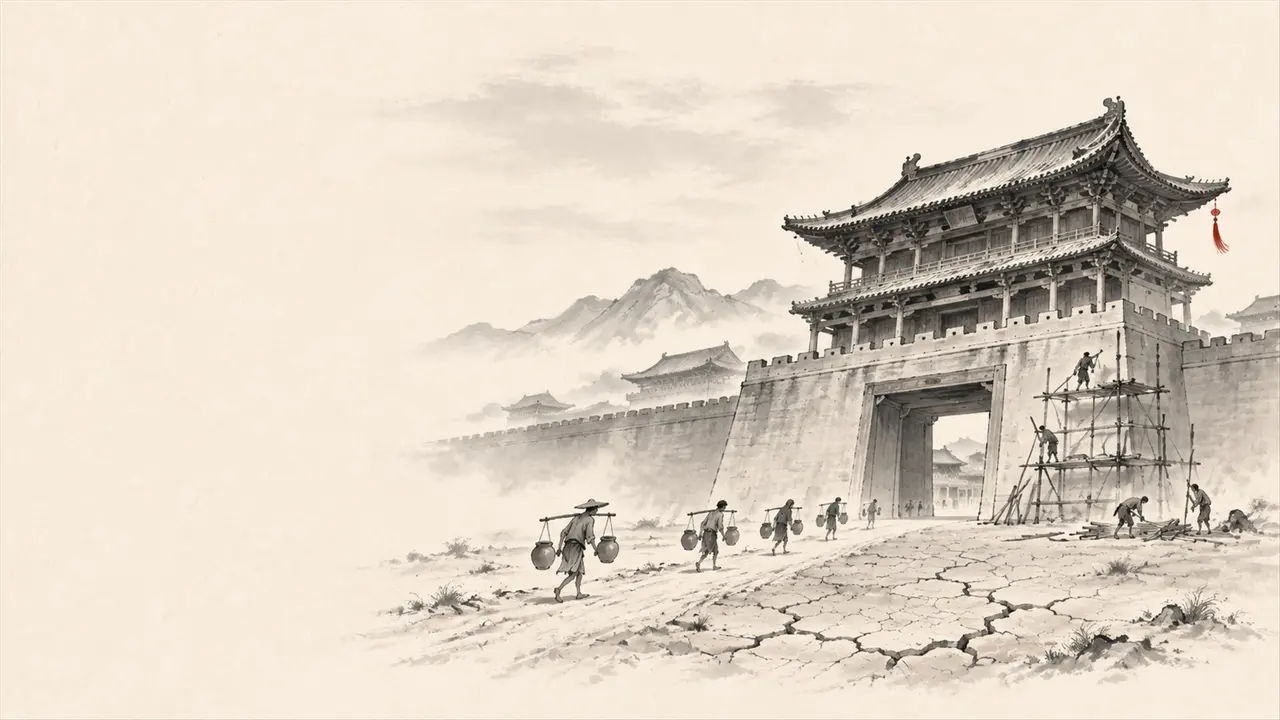
戦国七雄のうちいちばん小さく、いちばん早く秦に滅ぼされた韓の歴史。晋の大夫韓厥は、屠岸賈が趙氏を滅ぼそうとしたとき趙朔に逃げるよう告げ、のちに景公を説いて孤児の趙武に趙氏の家を継がせた。韓・魏・趙の三家は知伯を滅ぼし、やがて晋を分けて諸侯となった。昭侯の時代には申不害を相として国がよく治まったが、日照りの年に高い門を建て、屈宜臼に「この門を出られないだろう」と予言されたとおり、門の完成とともに亡くなった。宣恵王は、楚の陳軫の「救援に行く」という見せかけの策を信じて秦との和を断ち、公仲の諫めもむなしく大敗した。秦の圧力はますます強まり、長平の戦いのきっかけとなる上党を失い、韓非を秦へ送ったが殺され、前230年、王安が捕らえられて韓は滅んだ。
この巻のうち「「天下の陰徳」(趙氏の孤児を守った韓厥)」の場面を載せています。巻の全文ではありません。
音声
音声は合成音声です。
動画
節 1
原文
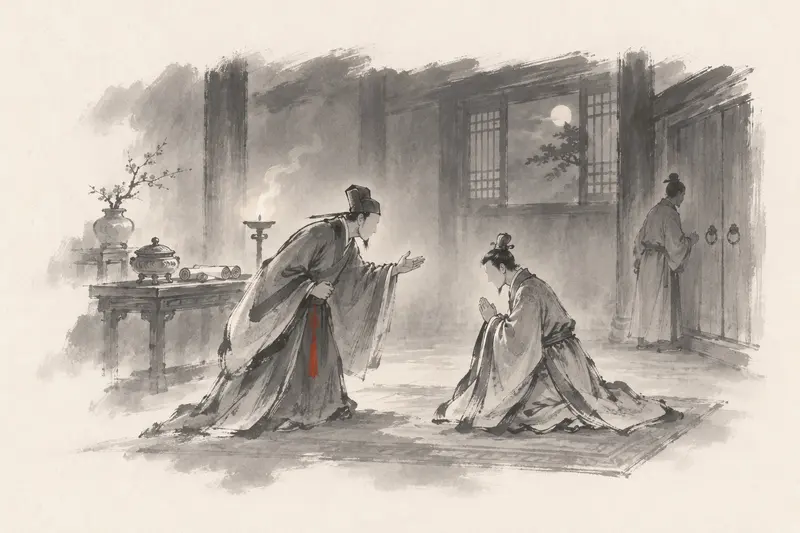
韓之先與周同姓,姓姬氏。其後苗裔事晉,得封於韓原,曰韓武子。武子後三世有韓厥,從封姓爲韓氏。韓厥,晉景公之三年,晉司寇屠岸賈將作亂,誅靈公之賊趙盾。趙盾已死矣,欲誅其子趙朔。韓厥止賈,賈不聽。厥告趙朔令亡。朔曰:「子必能不絶趙祀,死不恨矣。」韓厥許之。及賈誅趙氏,厥稱疾不出。程嬰、公孫杵臼之藏趙孤趙武也,厥知之。
書き下し文
韓の先は周と同姓にして、姓は姫氏なり。其の後の苗裔晋に事え、韓原に封ぜらるるを得て、韓武子と曰う。武子の後三世にして韓厥有り。封に従いて姓を韓氏と為す。韓厥、晋の景公の三年、晋の司寇屠岸賈将に乱を作さんとし、霊公の賊趙盾を誅せんとす。趙盾已に死せり。其の子趙朔を誅せんと欲す。韓厥賈を止むるも、賈聴かず。厥趙朔に告げて亡げしむ。朔曰く、「子必ず能く趙の祀を絶たざらしめば、死すとも恨みず」と。韓厥之を許す。賈の趙氏を誅するに及び、厥疾と称して出でず。程嬰・公孫杵臼の趙孤趙武を蔵するや、厥之を知る。
現代語訳
韓の先祖は周の王家と同じ姓で、姓は姫氏である。その子孫が晋に仕え、韓原に領地をもらって韓武子と呼ばれた。武子から三代あとに韓厥がいて、領地の名にちなんで韓氏を名のった。韓厥のこと。晋の景公の三年(前597年)、晋の司寇(法務の長)の屠岸賈が乱を起こし、霊公を殺した罪人として趙盾を討とうとした。趙盾はすでに死んでいたので、その子の趙朔を殺そうとした。韓厥は屠岸賈を止めたが、屠岸賈は聞かなかった。韓厥は趙朔に知らせて逃げるよう勧めた。趙朔は言った。「あなたがきっと趙の家の祭りを絶やさないでくれるなら、死んでも悔いはない」。韓厥は引き受けた。屠岸賈が趙氏を滅ぼしたとき、韓厥は病気だと言って出仕しなかった。程嬰と公孫杵臼が趙氏の孤児の趙武をかくまったとき、韓厥はそれを知っていた。
英訳
The ancestors of Han shared a surname with the royal house of Zhou: the surname Ji. Their descendants served Jin and were enfeoffed at Hanyuan, becoming Han Wuzi. Three generations after Wuzi came Han Jue, who took the name of his fief, Han, as his clan name. As for Han Jue: in the third year of Duke Jing of Jin, Tu'an Gu, the Minister of Justice, was about to stir up trouble by punishing Zhao Dun as the murderer of Duke Ling. Zhao Dun was already dead, so Tu'an Gu meant to kill his son Zhao Shuo. Han Jue tried to stop him, but he would not listen. Han Jue warned Zhao Shuo and told him to flee. Zhao Shuo said: "If you can make sure the sacrifices of the Zhao are never cut off, I will die without regret." Han Jue promised. When Tu'an Gu destroyed the Zhao clan, Han Jue said he was ill and stayed away from court. When Cheng Ying and Gongsun Chujiu hid the Zhao orphan, Zhao Wu, Han Jue knew of it.
解説(日)
- 趙氏の孤児: 屠岸賈に滅ぼされた趙氏の遺児趙武を、程嬰と公孫杵臼が命がけで守った話(043-zhao の章)。
- 霊公の賊: 晋の霊公を殺したのは趙穿だが、屠岸賈は趙盾に罪を負わせた。
解説(英)
- The Zhao orphan: Zhao Wu, the child Cheng Ying and Gongsun Chujiu saved at the cost of their lives after Tu'an Gu destroyed his clan (chapter 043).
- The murderer of Duke Ling: it was Zhao Chuan who killed the duke, but Tu'an Gu laid the blame on Zhao Dun.
英語の語注
- descendant/dɪˈsɛndənt/noun
a person who comes later in the same family line
本文では: “Their descendants served Jin”
似た語と違い: heir — one who inherits · offspring — children
- regret/rɪˈɡrɛt/noun
a feeling of sadness about something done or not done
本文では: “I will die without regret”
似た語と違い: remorse — deep regret for wrongdoing · sorrow — sadness
節 2
原文
景公十一年,厥與郤克將兵八百乘伐齊,敗齊頃公于鞍,獲逢丑父。於是晉作六卿,而韓厥在一卿之位,號爲獻子。晉景公十七年,病,卜大業之不遂者爲祟。韓厥稱趙成季之功,今後無祀,以感景公。景公問曰:「尚有世乎?」厥於是言趙武,而復與故趙氏田邑,續趙氏祀。
書き下し文
景公の十一年、厥郤克と兵八百乗を将いて斉を伐ち、斉の頃公を鞍に敗り、逢丑父を獲たり。是に於いて晋六卿を作り、而して韓厥一卿の位に在り。号して献子と為す。晋の景公の十七年、病む。卜するに大業の遂げざる者祟りを為す。韓厥趙成季の功を称し、今後に祀無しとして、以て景公を感ぜしむ。景公問いて曰く、「尚お世有りや」と。厥是に於いて趙武を言う。而して復た故の趙氏の田邑を与え、趙氏の祀を続がしむ。
現代語訳
景公の十一年(前589年)、韓厥は郤克とともに戦車八百台を率いて斉を攻め、鞍で斉の頃公を破り、逢丑父を捕らえた。こうして晋は六卿(六人の大臣)を置き、韓厥はその一人となって献子と呼ばれた。景公の十七年(前583年)、景公が病気になった。占うと、功業を果たせずに家を絶たれた者がたたっていると出た。韓厥は趙成季(趙衰)の功績をたたえ、いまはその家の祭りをする者がいないと言って、景公の心を動かした。景公が「まだ子孫はいるのか」とたずねると、韓厥はそこで趙武のことを話した。景公はもとの趙氏の田や邑を趙武に返し、趙氏の祭りを継がせた。
英訳
In the eleventh year of Duke Jing, Han Jue and Xi Ke led eight hundred chariots against Qi, defeated Duke Qing of Qi at An and captured Feng Choufu. After this Jin created six ministerial posts, and Han Jue held one of them; he was called Han Xianzi. In the seventeenth year of Duke Jing the duke fell ill. Divination showed that the curse came from a family whose great work had been cut short. Han Jue spoke of the merits of Zhao Chengji, and moved the duke by saying that now no one was left to sacrifice to him. The duke asked: "Are there still descendants?" Then Han Jue told him of Zhao Wu. So the old fields and towns of the Zhao clan were given back, and the Zhao sacrifices were continued.
解説(日)
- 鞍の戦い: 晋が斉を破った戦い。逢丑父は斉の頃公と服を取りかえて、主君を逃がした。
- 趙成季: 趙衰。晋の文公の亡命に従った重臣で、趙氏の祖(039-chong-er の章)。
- 六卿: 晋の国政を握った六つの家。のちに韓・魏・趙が残る。
解説(英)
- The battle of An: Jin's victory over Qi; Feng Choufu had changed clothes with Duke Qing so that his lord could escape.
- Zhao Chengji: Zhao Cui, who followed Duke Wen of Jin into exile and founded the Zhao clan (chapter 039).
- The six ministers: the six families who came to run Jin; in the end Han, Wei and Zhao remained.
英語の語注
- divination/ˌdɪvɪˈneɪʃən/noun
trying to learn hidden things from special signs
本文では: “Divination showed that the curse came”
似た語と違い: augury — reading omens · fortune-telling — telling the future
- curse/kɜːrs/noun
a wish or power that brings harm to someone
本文では: “the curse came from a family”
似た語と違い: hex — a magic spell; informal · jinx — something that brings bad luck
節 3
原文
晉平公十四年,吳季札使晉,曰:「晉國之政卒歸於韓、魏、趙矣。」晉頃公十二年,韓宣子與趙、魏共分祁氏、羊舌氏十縣。晉定公十五年,宣子與趙簡子侵伐范、中行氏。宣子卒,子貞子代立。貞子徙居平陽。康子與趙襄子、魏桓子共敗知伯,分其地,地益大,大於諸侯。康子卒,子武子代。
書き下し文
晋の平公の十四年、呉の季札晋に使いして曰く、「晋国の政は卒に韓・魏・趙に帰せん」と。晋の頃公の十二年、韓宣子趙・魏と共に祁氏・羊舌氏の十県を分かつ。晋の定公の十五年、宣子趙簡子と范・中行氏を侵伐す。宣子卒し、子の貞子代わりて立つ。貞子徙りて平陽に居る。康子趙襄子・魏桓子と共に知伯を敗り、其の地を分かつ。地益々大にして、諸侯より大なり。康子卒し、子の武子代わる。
現代語訳
晋の平公の十四年(前544年)、呉の季札が晋へ使いに来て言った。「晋の国の政治は、最後には韓・魏・趙のものになるだろう」。晋の頃公の十二年(前514年)、韓宣子は趙・魏とともに、祁氏と羊舌氏の十の県を分け取った。晋の定公の十五年(前497年)、宣子は趙簡子とともに范氏と中行氏を攻めた。宣子が亡くなり、子の貞子が跡を継いで、平陽に移り住んだ。(数代のち)韓康子は趙襄子・魏桓子とともに知伯を破って、その領地を分けた。領地はますます大きくなり、諸侯よりも大きくなった。康子が亡くなり、子の武子が跡を継いだ。
英訳
In the fourteenth year of Duke Ping of Jin, Jizha of Wu came to Jin as an envoy and said: "In the end the government of Jin will pass to Han, Wei and Zhao." In the twelfth year of Duke Qing of Jin, Han Xuanzi, with Zhao and Wei, divided up the ten counties of the Qi and Yangshe clans. In the fifteenth year of Duke Ding of Jin, Xuanzi joined Zhao Jianzi in attacking the Fan and Zhonghang clans. Xuanzi died, and his son Zhenzi succeeded him and moved to Pingyang. Han Kangzi, together with Zhao Xiangzi and Wei Huanzi, defeated the Earl of Zhi and divided his land. Their land grew larger and larger, larger than that of the lords of other states. Kangzi died, and his son Wuzi succeeded him.
解説(日)
- 季札: 呉の王子で、各国を回って人物と国の行く末を見ぬいた賢人(031-wu-taibo の章)。
- 知伯を敗る: 前453年、知伯に水攻めされた趙を、韓・魏が寝返って救い、知伯を滅ぼした(086-yu-rang の章)。
解説(英)
- Jizha: the wise prince of Wu who travelled the states and read the fate of men and kingdoms (chapter 031).
- Defeating the Earl of Zhi: in 453 BCE, when the earl was flooding Zhao, Han and Wei changed sides and destroyed him.
英語の語注
- envoy/ˈɛnvɔɪ/noun
a person sent to speak for a ruler
本文では: “came to Jin as an envoy”
似た語と違い: ambassador — an official representative · messenger — one who carries a message
- divide/dɪˈvaɪd/verb
to split into parts
本文では: “divided up the ten counties”
似た語と違い: split — break into parts · share out — give each a part
節 4
原文
六年,與趙、魏倶得列爲諸侯。列侯三年,聶政殺韓相俠累。九年,秦伐我宜陽,取六邑。十三年,列侯卒,子文侯立。是歳魏文侯卒。哀侯元年,與趙、魏分晉國。二年,滅鄭,因徙都鄭。
書き下し文
六年、趙・魏と倶に列して諸侯と為るを得たり。列侯の三年、聶政韓の相俠累を殺す。九年、秦我が宜陽を伐ち、六邑を取る。十三年、列侯卒し、子の文侯立つ。是の歳魏の文侯卒す。哀侯の元年、趙・魏と晋国を分かつ。二年、鄭を滅ぼし、因りて都を鄭に徙す。
現代語訳
景侯の六年(前403年)、韓は趙・魏とともに、周王から諸侯として認められた。列侯の三年(前397年)、聶政が韓の相の俠累を殺した。九年、秦が韓の宜陽を攻めて六つの邑を取った。十三年、列侯が亡くなり、子の文侯が立った。この年、魏の文侯が亡くなった。哀侯の元年(前376年)、韓は趙・魏とともに晋の国を分けた。二年、鄭を滅ぼし、都を鄭に移した。
英訳
In the sixth year of Marquis Jing, Han, together with Zhao and Wei, was ranked among the lords. In the third year of Marquis Lie, Nie Zheng killed Xia Lei, chancellor of Han. In the ninth year Qin attacked our Yiyang and took six towns. In the thirteenth year Marquis Lie died and his son Marquis Wen came to the throne; in this year Marquis Wen of Wei died. In the first year of Marquis Ai, Han divided the state of Jin with Zhao and Wei. In the second year it destroyed Zheng and moved its capital to Zheng.
解説(日)
- 諸侯と為る: 前403年、周の威烈王が韓・魏・趙を諸侯と認めた。これを戦国時代の始まりとする見方もある。
- 聶政: 厳仲子のために俠累を刺し、自分の顔の皮をはいで身元を隠した刺客(086-jing-ke の章)。
- 原文の「我」は、韓から見た書き方。世家は国の記録をもとにしている。
解説(英)
- Ranked among the lords: in 403 BCE King Weilie of Zhou recognised Han, Wei and Zhao, a date often taken as the start of the Warring States.
- Nie Zheng: the assassin who stabbed Xia Lei for Yan Zhongzi, then flayed his own face to hide who he was (chapter 086).
- "Our Yiyang": the House chapters keep the voice of each state's own records.
英語の語注
- rank/ræŋk/verb
to give a position in an order
本文では: “was ranked among the lords”
似た語と違い: class — put in a group · place — put in a position
- chancellor/ˈtʃænsələr/noun
the chief minister of a state
本文では: “Xia Lei, chancellor of Han”
似た語と違い: minister — a high official · premier — the head of a government
節 5
原文
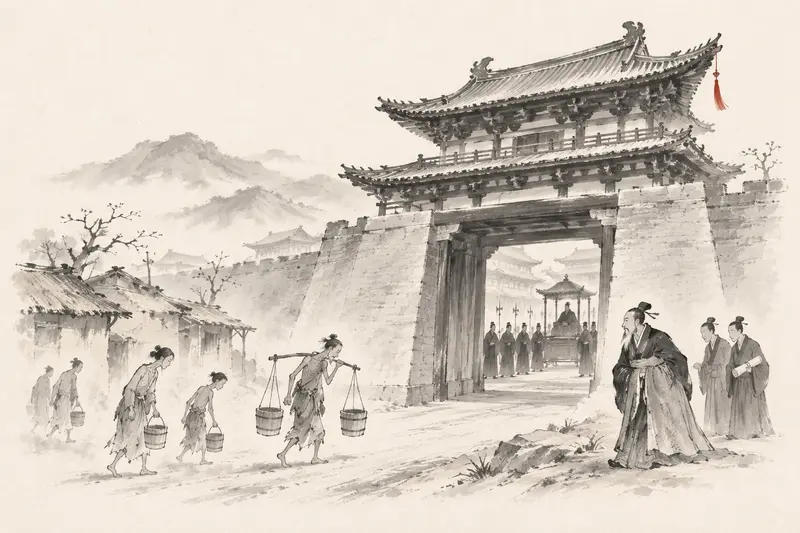
八年,申不害相韓,修術行道,國内以治,諸侯不來侵伐。二十五年,旱,作髙門。屈宜臼曰:「昭侯不出此門。何也?不時。吾所謂時者,非時日也,人固有利不利時。昭侯嘗利矣,不作髙門。往年秦拔宜陽,今年旱,昭侯不以此時卹民之急,而顧益奢,此謂『時絀舉贏』。」二十六年,髙門成,昭侯卒,果不出此門。子宣惠王立。
書き下し文
八年、申不害韓に相たり。術を修め道を行い、国内以て治まり、諸侯来たりて侵伐せず。二十五年、旱す。高門を作る。屈宜臼曰く、「昭侯此の門を出でじ。何ぞや。時ならざればなり。吾が所謂時なる者は、時日に非ざるなり。人固より利と不利との時有り。昭侯嘗て利なりしも、高門を作らず。往年秦宜陽を抜き、今年旱す。昭侯此の時を以て民の急を卹えずして、顧って益々奢る。此れを『時絀くして贏を挙ぐ』と謂う」と。二十六年、高門成り、昭侯卒す。果たして此の門を出でず。子の宣恵王立つ。
現代語訳
昭侯の八年(前355年)、申不害が韓の相となった。君主が臣下を使いこなす術を整え、道理に沿って政治を行ったので、国の中はよく治まり、諸侯も攻めてこなかった。二十五年、日照りがあった。昭侯は高い門を建てた。屈宜臼は言った。「昭侯はこの門を出ることはないだろう。なぜか。時にかなっていないからだ。わたしの言う時とは、日取りのことではない。人には、もともと運のよいときと悪いときがある。昭侯は以前、運のよいときがあったが、そのときは高い門を作らなかった。去年は秦に宜陽を落とされ、今年は日照りだ。昭侯はこの時に民の苦しみを助けず、かえってますますぜいたくをしている。これを『時が悪いのに、ぜいたくを重ねる』というのだ」。二十六年、高い門ができあがると、昭侯は亡くなり、やはりこの門を出ることはなかった。子の宣恵王が立った。
英訳
In the eighth year of Marquis Zhao, Shen Buhai became chancellor of Han. He refined the arts of rule and followed the Way, so that the state was well governed and the other lords did not come to attack. In the twenty-fifth year there was a drought, and the marquis built a lofty gate. Qu Yijiu said: "Marquis Zhao will never go out through this gate. Why? Because it is out of season. By season I do not mean the day or the hour. Every man has times that favour him and times that do not. When things once went well for Marquis Zhao, he built no lofty gate. Last year Qin took Yiyang, and this year there is drought. Instead of using this time to relieve the people's distress, he grows more extravagant than ever. This is what is called 'piling up plenty when times are lean.'" In the twenty-sixth year the lofty gate was finished, and Marquis Zhao died; he never went out through the gate. His son King Xuanhui came to the throne.
解説(日)
- 申不害: 法家の一人で、君主が臣下を使いこなす「術」を説いた(063-han-fei の章)。
- 屈宜臼: 楚から来た大夫とされる。
- 時絀くして贏を挙ぐ: 時勢が悪いのに、ぜいたくを重ねること。
解説(英)
- Shen Buhai: a Legalist who taught the "arts" (術) by which a ruler controls his ministers (chapter 063).
- Qu Yijiu: said to have been a grandee from Chu.
- "Piling up plenty when times are lean" (時絀舉贏): spending lavishly when fortune is low.
この節から生まれた言葉: 時絀くして贏を挙ぐ
英語の語注
- extravagant/ɪkˈstrævəɡənt/adjective
spending far too much money
本文では: “he grows more extravagant than ever”
似た語と違い: wasteful — using too much · lavish — rich and costly
- drought/draʊt/noun
a long time with too little rain
本文では: “this year there is drought”
似た語と違い: dry spell — a short time without rain · aridity — dryness of land or climate
節 6
原文
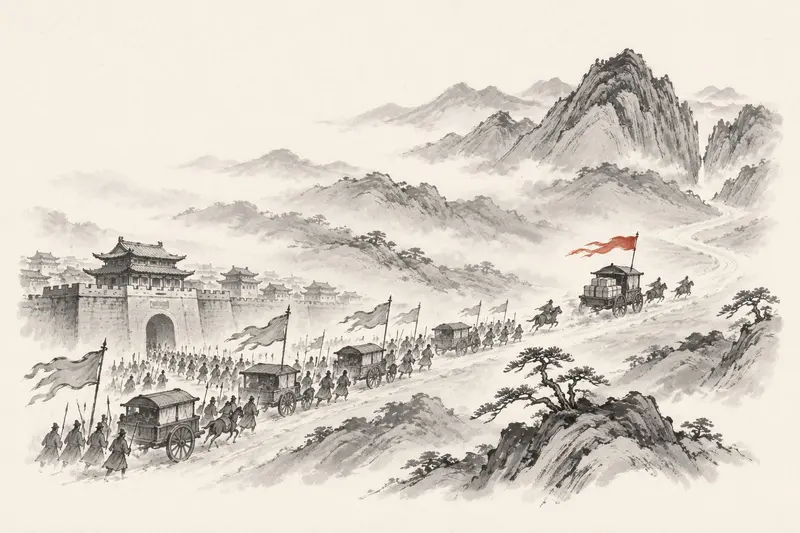
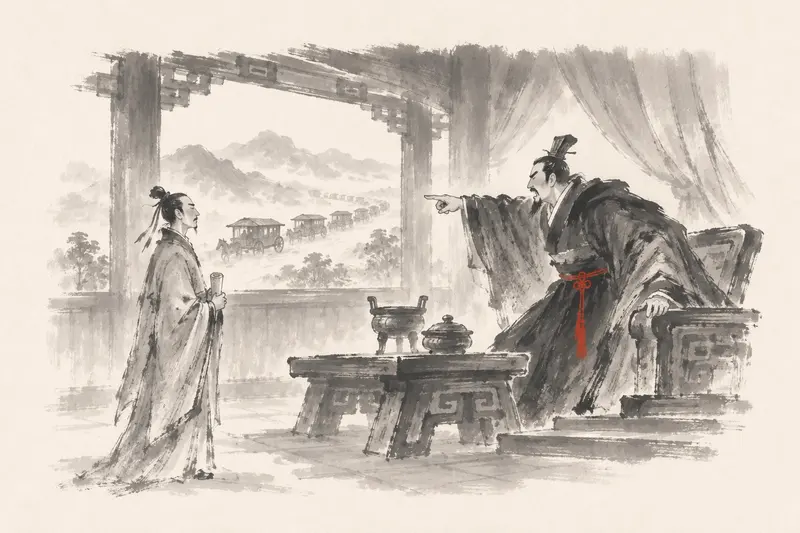
十六年,秦敗我修魚,虜得韓將鯁、申差於濁澤。韓氏急,公仲謂韓王曰:「與國非可恃也。今秦之欲伐楚久矣,王不如因張儀爲和於秦,賂以一名都,具甲,與之南伐楚,此以一易二之計也。」韓王曰:「善。」乃警公仲之行,將西購於秦。楚王聞之大恐,召陳軫告之。陳軫曰:「秦之欲伐楚久矣,今又得韓之名都一而具甲,秦韓并兵而伐楚,此秦所禱祀而求也。今已得之矣,楚國必伐矣。王聽臣爲之警四境之内,起師言救韓,命戰車滿道路,發信臣,多其車,重其幣,使信王之救己也。縱韓不能聽我,韓必德王也,必不爲鴈行以來,是秦韓不和也,兵雖至,楚不大病也。爲能聽我絶和於秦,秦必大怒,以厚怨韓。韓之南交楚,必輕秦;輕秦,其應秦必不敬:是因秦、韓之兵而免楚國之患也。」楚王曰:「善。」乃警四境之内,興師言救韓。命戰車滿道路,發信臣,多其車,重其幣。謂韓王曰:「不穀國雖小,已悉發之矣。願大國遂肆志於秦,不穀將以楚殉韓。」
書き下し文
十六年、秦我を修魚に敗り、韓の将鯁・申差を濁沢に虜得す。韓氏急なり。公仲韓王に謂いて曰く、「与国は恃むべきに非ざるなり。今秦の楚を伐たんと欲すること久し。王如かず、張儀に因りて秦に和を為し、賂うに一名都を以てし、甲を具え、之と南のかた楚を伐たんには。此れ一を以て二に易うるの計なり」と。韓王曰く、「善し」と。乃ち公仲の行を警め、将に西のかた秦に購わんとす。楚王之を聞きて大いに恐れ、陳軫を召して之を告ぐ。陳軫曰く、「秦の楚を伐たんと欲すること久し。今又た韓の名都一を得て甲を具え、秦韓兵を并せて楚を伐つ。此れ秦の禱祀して求むる所なり。今已に之を得たり。楚国必ず伐たれん。王臣に聴き、為に四境の内を警め、師を起こして韓を救うと言い、戦車をして道路に満たしめ、信臣を発し、其の車を多くし、其の幣を重くし、王の己を救うを信ぜしめよ。縦い韓我に聴くこと能わずとも、韓必ず王を徳とせん。必ず鴈行を為して以て来たらず。是れ秦韓和せざるなり。兵至ると雖も、楚大いに病まざるなり。為し能く我に聴きて和を秦に絶たば、秦必ず大いに怒り、以て厚く韓を怨まん。韓の南のかた楚に交わるや、必ず秦を軽んぜん。秦を軽んずれば、其の秦に応ずるや必ず敬せず。是れ秦・韓の兵に因りて楚国の患を免るるなり」と。楚王曰く、「善し」と。乃ち四境の内を警め、師を興して韓を救うと言い、戦車をして道路に満たしめ、信臣を発し、其の車を多くし、其の幣を重くす。韓王に謂いて曰く、「不穀の国小なりと雖も、已に悉く之を発せり。願わくは大国遂に志を秦に肆にせよ。不穀将に楚を以て韓に殉ぜんとす」と。
現代語訳
宣恵王の十六年(前317年)、秦は修魚で韓を破り、韓の将軍の鯁と申差を濁沢で捕らえた。韓はあわてた。公仲が韓王に言った。「同盟国は頼りになりません。秦は長いあいだ楚を攻めたがっています。それより、張儀を通じて秦と和を結び、名のある都を一つ贈り、兵をそろえて、秦とともに南の楚を攻めるのがよいでしょう。これは一つを差し出して二つを得るはかりごとです」。韓王は「よろしい」と言い、公仲の旅のしたくを整えさせ、西の秦と和を結ぼうとした。楚王はこれを聞いてたいへん恐れ、陳軫を呼んで相談した。陳軫は言った。「秦は長いあいだ楚を攻めたがっていました。いままた韓の名のある都を一つ手に入れ、兵もそろえて、秦と韓が兵を合わせて楚を攻めるのです。これこそ秦が神に祈ってまで求めていたことで、それがいまかなったのです。楚はきっと攻められます。王はわたしの言うとおり、国じゅうに警戒を命じ、兵を挙げて韓を救いに行くと言いふらし、道に戦車をあふれさせ、信頼できる使いを出し、車を多くし、贈り物を厚くして、王が本当に救ってくれると韓に信じこませてください。たとえ韓がわたしたちの言うことを聞かなくても、韓は王に恩を感じ、雁の列のように秦と並んで攻めては来ないでしょう。そうなれば秦と韓は心が合わず、兵が来ても楚はたいした痛手を受けません。もし韓がわたしたちの言うことを聞いて秦との和を断てば、秦はきっとひどく怒り、韓を深く恨むでしょう。韓は南の楚と結べば、きっと秦を軽んじ、秦を軽んじれば、秦への態度も礼を欠くでしょう。こうして秦と韓の兵を使って、楚の災いをまぬかれるのです」。楚王は「よろしい」と言い、国じゅうに警戒を命じ、兵を挙げて韓を救うと言いふらし、道に戦車をあふれさせ、信頼できる使いを出し、車を多くし、贈り物を厚くした。そして韓王に言わせた。「わが国は小さいが、もう兵をすべて出した。どうか大国の韓は秦に思う存分立ち向かってほしい。わたしは楚の国をあげて韓と運命をともにするつもりだ」。
英訳
In the sixteenth year of King Xuanhui, Qin defeated us at Xiuyu and captured the Han generals Geng and Shen Cha at Zhuoze. Han was in desperate straits. Gongzhong said to the King of Han: "Allies are not to be relied on. Qin has long wanted to attack Chu. Better for Your Majesty to make peace with Qin through Zhang Yi, bribe it with a famous city, and prepare our troops to march south with Qin against Chu. This is a plan to trade one for two." "Good," said the King of Han, and he had Gongzhong make ready to go west and buy peace from Qin. When the King of Chu heard of it he was very much afraid, and called in Chen Zhen to tell him. Chen Zhen said: "Qin has long wanted to attack Chu. Now it gains a famous city of Han and Han's troops ready to fight, and Qin and Han will join forces against Chu. This is what Qin has prayed and sacrificed for, and now it has it. Chu is sure to be attacked. Let Your Majesty do as I say: put the whole country on alert, raise an army and announce that it will save Han, fill the roads with chariots, send trusted envoys with many carriages and rich gifts, and make Han believe that you will rescue it. Even if Han will not listen to us, it will be grateful to you and will not come against us in line with Qin like a skein of geese; Qin and Han will be at odds, and even if their troops come, Chu will not suffer much. And if Han does listen and break off its peace with Qin, Qin will be furious and bear Han a deep grudge. Once Han is friends with Chu to the south, it will think lightly of Qin, and thinking lightly of Qin, it will not treat Qin with respect. So we will use the armies of Qin and Han to spare Chu from disaster." "Good," said the King of Chu. He put the whole country on alert, raised an army and announced that it would save Han, filled the roads with chariots, and sent trusted envoys with many carriages and rich gifts. He told the King of Han: "Small as my kingdom is, I have sent out all its troops. I hope your great state will now stand up to Qin as boldly as it wishes. I will stake Chu itself on Han."
解説(日)
- 公仲: 韓の相国。公仲侈とされる。
- 張儀: 秦の連衡を進めた遊説家(070-zhang-yi の章)。
- 陳軫: 張儀と争った遊説家で、楚に仕えた(070-zhang-yi の章)。
- 鴈行: 雁が列になって飛ぶように、そろって行動すること。
解説(英)
- Gongzhong: chancellor of Han, thought to be Gongzhong Chi.
- Zhang Yi: the persuader who built Qin's alliances (chapter 070).
- Chen Zhen: Zhang Yi's rival persuader, in the service of Chu (chapter 070).
- Like a skein of geese (鴈行): moving together in a line.
英語の語注
- bribe/braɪb/verb
to give someone money or gifts to make them do something
本文では: “bribe it with a famous city”
似た語と違い: buy off — pay to win over · corrupt — make dishonest
- alert/əˈlɜːrt/noun
a state of being ready for danger
本文では: “put the whole country on alert”
似た語と違い: watch — careful attention · readiness — being prepared
節 7
原文
韓王聞之大説,乃止公仲之行。公仲曰:「不可。夫以實伐我者秦也,以虚名救我者楚也。王恃楚之虚名,而輕絶彊秦之敵,王必爲天下大笑。且楚韓非兄弟之國也,又非素約而謀伐秦也。已有伐形,因發兵言救韓,此必陳軫之謀也。且王已使人報於秦矣,今不行,是欺秦也。夫輕欺彊秦而信楚之謀臣,恐王必悔之。」韓王不聽,遂絶於秦。秦因大怒,益甲伐韓,大戰,楚救不至韓。十九年,大破我岸門。太子倉質於秦以和。
書き下し文
韓王之を聞きて大いに説び、乃ち公仲の行を止む。公仲曰く、「不可なり。夫れ実を以て我を伐つ者は秦なり。虚名を以て我を救う者は楚なり。王楚の虚名を恃みて、軽々しく彊秦の敵を絶たば、王必ず天下の大笑と為らん。且つ楚韓は兄弟の国に非ざるなり。又た素より約して秦を伐たんと謀るに非ざるなり。已に伐つの形有り、因りて兵を発して韓を救うと言う。此れ必ず陳軫の謀なり。且つ王已に人をして秦に報ぜしめたり。今行かずんば、是れ秦を欺くなり。夫れ軽々しく彊秦を欺きて楚の謀臣を信ぜば、恐らくは王必ず之を悔いん」と。韓王聴かず、遂に秦に絶つ。秦因りて大いに怒り、甲を益して韓を伐ち、大いに戦う。楚の救い韓に至らず。十九年、大いに我を岸門に破る。太子倉秦に質となりて以て和す。
現代語訳
韓王はこれを聞いて大喜びし、公仲の秦行きを取りやめさせた。公仲は言った。「いけません。本気でわが国を攻めているのは秦で、口先だけでわが国を救おうというのが楚です。王が楚の口先だけの言葉を頼りにして、強い秦との和を軽々しく断てば、きっと天下の大笑いの種になります。それに、楚と韓は兄弟の国でもなく、前から約束して秦を攻めようとはかっていたわけでもありません。秦と韓が楚を攻めようとする形勢になったので、兵を出して韓を救うと言い出したのです。これはきっと陳軫のはかりごとです。それに王は、もう秦に使いを出して知らせてしまいました。いま行かなければ、秦をだますことになります。強い秦を軽々しくだまして楚の策士を信じれば、王はきっと後悔なさるでしょう」。韓王は聞かず、とうとう秦と縁を切った。秦はひどく怒り、兵を増やして韓を攻め、大きな戦いになったが、楚の救援は韓に来なかった。十九年(前314年)、秦は岸門で韓を大いに破った。韓は太子の倉を人質として秦に送り、和を結んだ。
英訳
When the King of Han heard this he was delighted, and called off Gongzhong's journey. Gongzhong said: "No! The one really attacking us is Qin; the one rescuing us with empty words is Chu. If Your Majesty trusts Chu's empty words and lightly breaks with mighty Qin, you will become the laughing-stock of the realm. Besides, Chu and Han are not brother states, nor did we long ago agree to plot together against Qin. It is only now that an attack is taking shape that Chu says it is sending troops to save Han. This must be Chen Zhen's scheme. And Your Majesty has already sent word to Qin; not to go now is to deceive Qin. If you lightly deceive mighty Qin and believe a schemer of Chu, I fear you will surely regret it." The King of Han would not listen, and broke with Qin. Qin, furious, sent more troops against Han, and a great battle was fought; Chu's rescue never reached Han. In the nineteenth year Qin crushed us at Anmen. Crown Prince Cang was sent to Qin as a hostage to make peace.
解説(日)
- 虚名: 中身のない、名ばかりのもの。
- 岸門の戦い: 韓が大敗し、以後ますます秦に従うようになった。
- 戦国策にもほぼ同じ話がある。陳軫の策は、敵どうしを争わせて自国を守る典型とされる。
解説(英)
- Empty words (虛名): a promise with nothing behind it.
- The battle of Anmen: a heavy defeat after which Han submitted ever more to Qin.
- Nearly the same story is in the Zhanguo Ce; Chen Zhen's plan is a classic of saving one's state by setting enemies against each other.
この節から生まれた言葉: 虚名
英語の語注
- laughing-stock/ˈlæfɪŋ ˌstɒk/noun
a person everyone laughs at
本文では: “the laughing-stock of the realm”
似た語と違い: joke — something people laugh at · figure of fun — someone mocked
- deceive/dɪˈsiːv/verb
to make someone believe something false
本文では: “not to go now is to deceive Qin”
似た語と違い: trick — fool someone · mislead — lead into error
節 8
原文
二十三年,趙、魏攻我華陽。韓告急於秦,秦不救。韓相國謂陳筮曰:「事急,願公雖病,爲一宿之行。」陳筮見穰侯。穰侯曰:「事急乎?故使公來。」陳筮曰:「未急也。」穰侯怒曰:「是可以爲公之主使乎?夫冠蓋相望,告敝邑甚急,公來言未急,何也?」陳筮曰:「彼韓急則將變而佗從,以未急,故復來耳。」穰侯曰:「公無見王,請今發兵救韓。」八日而至,敗趙、魏於華陽之下。是歳,釐王卒,子桓惠王立。
書き下し文
二十三年、趙・魏我が華陽を攻む。韓急を秦に告ぐるも、秦救わず。韓の相国陳筮に謂いて曰く、「事急なり。願わくは公病むと雖も、一宿の行を為せ」と。陳筮穰侯に見ゆ。穰侯曰く、「事急なるか。故に公をして来たらしむるか」と。陳筮曰く、「未だ急ならざるなり」と。穰侯怒りて曰く、「是れ以て公の主の使いと為すべきか。夫れ冠蓋相望み、敝邑に告ぐること甚だ急なり。公来たりて未だ急ならずと言うは、何ぞや」と。陳筮曰く、「彼の韓急ならば則ち将に変じて佗に従わんとす。未だ急ならざるを以て、故に復た来たるのみ」と。穰侯曰く、「公王に見ゆること無かれ。請う今兵を発して韓を救わん」と。八日にして至り、趙・魏を華陽の下に敗る。是の歳、釐王卒し、子の桓恵王立つ。
現代語訳
釐王の二十三年(前273年)、趙と魏が韓の華陽を攻めた。韓は秦に危急を告げたが、秦は救わなかった。韓の相国が陳筮に言った。「ことは急を要する。あなたは病気だが、どうか一晩で秦へ行ってほしい」。陳筮は秦の穰侯に会った。穰侯は言った。「ことは急なのだろう。だからあなたをよこしたのだな」。陳筮は言った。「まだ急ではありません」。穰侯は怒って言った。「それで主君の使いがつとまるのか。韓の使者の車は次々にやって来て、わが国にひどく急を告げている。あなたが来て、まだ急ではないと言うのは、どういうことか」。陳筮は言った。「韓が本当に急になれば、考えを変えて秦以外の国につくでしょう。まだ急ではないから、こうしてまた来たのです」。穰侯は言った。「王に会うまでもない。すぐに兵を出して韓を救おう」。秦の兵は八日で着き、華陽の城下で趙と魏を破った。この年、釐王が亡くなり、子の桓恵王が立った。
英訳
In the twenty-third year of King Xi, Zhao and Wei attacked our Huayang. Han told Qin of its plight, but Qin did not come to help. The chancellor of Han said to Chen Shi: "Things are desperate. Ill as you are, please make the journey overnight." Chen Shi went to see the Marquis of Rang. The marquis said: "Things are desperate, aren't they? That is why they sent you." "Not yet," said Chen Shi. The marquis said angrily: "Is that how you serve as your lord's envoy? Han's carriages and canopies follow one another to tell us how desperate it is, and you come and say not yet — what do you mean?" Chen Shi said: "If Han were desperate, it would change sides and follow someone else. It is because it is not desperate yet that it has come to you again." The marquis said: "No need for you to see the king. Let me send troops to save Han at once." In eight days the troops arrived and defeated Zhao and Wei beneath the walls of Huayang. In that year King Xi died, and his son King Huanhui came to the throne.
解説(日)
- 穰侯: 秦の相の魏冉(072-ranghou の章)。
- 冠蓋相望む: 使者の冠と車のおおいが次々に見えること。使者がひっきりなしに来るようす。
- 陳筮は「急になれば秦を見限る」と言って、秦をあわてさせた。
解説(英)
- The Marquis of Rang: Wei Ran, chancellor of Qin (chapter 072).
- Carriages and canopies following one another (冠蓋相望): envoys arriving one after another.
- Chen Shi alarmed Qin by hinting that a truly desperate Han would abandon it.
英語の語注
- desperate/ˈdɛspərət/adjective
in a very bad situation with little hope
本文では: “Things are desperate”
似た語と違い: dire — very serious · hopeless — without hope
- plight/plaɪt/noun
a bad or difficult situation
本文では: “Han told Qin of its plight”
似た語と違い: predicament — a hard situation · trouble — difficulty
節 9
原文
桓惠王元年,伐燕。九年,秦拔我陘,城汾旁。十年,秦撃我於太行,我上黨郡守以上黨郡降趙。十四年,秦拔趙上黨,殺馬服子卒四十餘萬於長平。十七年,秦拔我陽城、負黍。二十二年,秦昭王卒。二十四年,秦拔我城皋、滎陽。二十六年,秦悉拔我上黨。二十九年,秦拔我十三城。王安五年,秦攻韓,韓急,使韓非使秦,秦留非,因殺之。九年,秦虜王安,盡入其地,爲潁州郡。韓遂亡。
書き下し文
桓恵王の元年、燕を伐つ。九年、秦我が陘を抜き、汾の旁に城く。十年、秦我を太行に撃ち、我が上党郡の守上党郡を以て趙に降る。十四年、秦趙の上党を抜き、馬服子の卒四十余万を長平に殺す。十七年、秦我が陽城・負黍を抜く。二十二年、秦の昭王卒す。二十四年、秦我が城皋・滎陽を抜く。二十六年、秦悉く我が上党を抜く。二十九年、秦我が十三城を抜く。王安の五年、秦韓を攻む。韓急なり。韓非をして秦に使いせしむ。秦非を留め、因りて之を殺す。九年、秦王安を虜にし、尽く其の地を入れ、潁州郡と為す。韓遂に亡ぶ。
現代語訳
桓恵王の元年(前272年)、燕を攻めた。九年、秦が韓の陘を落とし、汾水のほとりに城を築いた。十年、秦が太行山で韓を攻め、韓の上党郡の太守は上党郡ごと趙に降った。十四年(前260年)、秦は趙の手にあった上党を落とし、長平で馬服子(趙括)の兵四十万あまりを殺した。十七年、秦が韓の陽城と負黍を落とした。二十二年、秦の昭王が亡くなった。二十四年、秦が韓の城皋と滎陽を落とした。二十六年、秦は上党をすべて落とした。二十九年、秦は韓の十三の城を落とした。王安の五年(前234年)、秦が韓を攻め、韓はあわてて韓非を秦へ使いに出した。秦は韓非を引きとめ、そのまま殺した。九年(前230年)、秦は王安を捕らえ、その土地をすべて取って潁川郡とした。こうして韓は滅んだ。
英訳
In the first year of King Huanhui, Han attacked Yan. In the ninth year Qin took our Xing and built walls beside the Fen. In the tenth year Qin attacked us in the Taihang mountains, and the governor of our commandery of Shangdang surrendered Shangdang to Zhao. In the fourteenth year Qin took Shangdang from Zhao and killed more than four hundred thousand soldiers of the son of the Lord of Mafu at Changping. In the seventeenth year Qin took our Yangcheng and Fushu. In the twenty-second year King Zhaoxiang of Qin died. In the twenty-fourth year Qin took our Chenggao and Xingyang. In the twenty-sixth year Qin took the whole of our Shangdang. In the twenty-ninth year Qin took thirteen of our cities. In the fifth year of King An, Qin attacked Han. In desperation Han sent Han Fei as envoy to Qin. Qin kept Han Fei there and then killed him. In the ninth year Qin captured King An, took all his land and made it the commandery of Yingchuan. And so Han came to an end.
解説(日)
- 上党: 韓の太守馮亭が秦に渡すのをきらって趙に差し出し、これが長平の戦いのきっかけとなった(081-zhao-kuo・073-bai-qi の章)。
- 馬服子: 趙括。父の兵法書を読むだけで、長平で大敗した(081-zhao-kuo の章)。
- 韓非: 韓の公子で法家の大成者。秦で李斯に陥れられて死んだ(063-han-fei の章)。
- 原文の「潁州郡」は、潁川郡のこととされる。
解説(英)
- Shangdang: its governor Feng Ting gave it to Zhao rather than to Qin, which led to the battle of Changping (chapters 081 and 073).
- The son of the Lord of Mafu: Zhao Kuo, who had only read his father's books on war, and lost at Changping (chapter 081).
- Han Fei: a prince of Han and the great Legalist thinker, brought down in Qin by Li Si (chapter 063).
- The text's 潁州郡 is taken to mean the commandery of Yingchuan.
英語の語注
- surrender/səˈrɛndər/verb
to give up and hand over to an enemy
本文では: “surrendered Shangdang to Zhao”
似た語と違い: yield — give way · hand over — give to someone else
- capture/ˈkæptʃər/verb
to take someone as a prisoner
本文では: “Qin captured King An”
似た語と違い: seize — take by force · take prisoner — make a captive
節 10
原文
太史公曰:韓厥之感晉景公,紹趙孤之子武,以成程嬰、公孫杵臼之義,此天下之陰德也。韓氏之功,於晉未睹其大者也。然與趙、魏終爲諸侯十餘世,宜乎哉!
書き下し文
太史公曰く、韓厥の晋の景公を感ぜしめ、趙孤の子武を紹がしめ、以て程嬰・公孫杵臼の義を成すは、此れ天下の陰徳なり。韓氏の功、晋に於いて未だ其の大なる者を睹ざるなり。然れども趙・魏と終に諸侯為ること十余世なり。宜なるかな。
現代語訳
太史公は言う。韓厥が晋の景公の心を動かし、趙氏の孤児の趙武に家を継がせ、程嬰と公孫杵臼の義を全うさせたのは、天下に知られない陰の徳である。韓氏の功績は、晋の中ではそれほど大きなものは見られない。それでも趙・魏とともに、ついに十代あまりも諸侯であり続けた。それももっともなことである。
英訳
The Grand Historian says: Han Jue moved Duke Jing of Jin to let Wu, the Zhao orphan, carry on his line, and so brought the loyalty of Cheng Ying and Gongsun Chujiu to fulfilment. This was a hidden kindness to the whole realm. The Han clan's services to Jin were not, so far as we can see, especially great; yet together with Zhao and Wei they were lords for more than ten generations in the end. How fitting!
解説(日)
- 陰徳: 人に知られないところで行うよい行い。陰徳があれば、必ず目に見える報い(陽報)があるとされた。
- 司馬遷は、韓が長く続いたのは、韓厥の陰徳の報いだと考えている。
解説(英)
- Hidden kindness (陰德): good done out of sight, believed to bring a visible reward in time.
- Sima Qian sees Han's long life as the reward for Han Jue's hidden kindness.
英語の語注
- fulfilment/fʊlˈfɪlmənt/noun
the act of completing something fully
本文では: “brought the loyalty of Cheng Ying and Gongsun Chujiu to fulfilment”
似た語と違い: completion — finishing · realisation — making real
British spelling fulfilment; American fulfillment.
- fitting/ˈfɪtɪŋ/adjective
right or suitable for the situation
本文では: “How fitting”
似た語と違い: proper — correct · apt — well suited